



South Korea has transformed into a global hub for medical advancements over the last few decades. The rapid development of plastic surgery in South Korea is deeply intertwined with cultural shifts and technological innovation. Patients from across the globe now travel here seeking highly specialized aesthetic enhancements. This international interest continues to grow steadily each year.
For many Southeast Asian medical tourists, the appeal lies in the meticulous attention to detail offered by surgeons in Seoul. The evolution of these aesthetic practices reflects a broader societal emphasis on symmetry, youthful appearances, and advanced medical techniques. This history sets the stage for a thriving international medical tourism ecosystem. Understanding this background helps patients set realistic expectations.
- Transition from reconstructive surgeries post-war to elective aesthetic enhancements.
- Government investment in the medical sector to boost international healthcare standards.
- Integration of advanced robotics and 3D imaging in everyday surgical planning.
- Establishment of rigorous board-certification processes for aesthetic practitioners.
South Korea consistently ranks among the top countries globally for the highest number of cosmetic procedures performed per capita, reflecting the deep integration of aesthetic medicine within its healthcare landscape.
Why Southeast Asians Seek Cosmetic Procedures in South Korea
Cultural perceptions of beauty vary widely, yet there is a strong trend of Southeast Asians seeking cosmetic procedures in South Korea. Regional media, including dramas and pop music, heavily influence these evolving beauty standards across neighboring countries. This cultural exchange often inspires individuals to explore aesthetic options abroad. The pursuit of an international standard of beauty is a significant driving factor.
Additionally, the reputation of Gangnam beauty clinics for achieving natural-looking results draws thousands of international patients annually. Southeast Asian patients generally appreciate the tailored approaches that respect their ethnic features while enhancing overall facial harmony. The combination of cultural affinity and medical expertise creates a powerful draw. Patients generally feel more understood by professionals familiar with Asian anatomy.
- Desire for specialized techniques tailored specifically for Asian facial structures.
- Influence of regional pop culture promoting specific aesthetic ideals.
- Perception of higher safety standards and advanced medical technology abroad.
- Availability of comprehensive medical packages designed for international visitors.
Medical tourism data indicates that patients from Southeast Asian nations such as Thailand, Indonesia, and Vietnam make up a significant percentage of international visitors seeking aesthetic procedures in Seoul.
Popular Types of Plastic Surgery in South Korea
Patients traveling for medical tourism often seek specific interventions tailored to their anatomical needs. The most highly requested types of plastic surgery in South Korea typically focus on facial contouring, eye refinement, and skin rejuvenation. These procedures are generally customized to suit the individual's unique bone structure and skin elasticity. A thorough medical evaluation is always required before proceeding.
Double eyelid surgery (blepharoplasty) and rhinoplasty remain consistently popular among Southeast Asian visitors. Additionally, non-invasive treatments like injectables and advanced laser therapies are highly sought after by those wanting quicker recovery times. Consulting with a board-certified professional is essential to determine the most suitable options. Results vary, and patients are advised to review all potential risks.
- Blepharoplasty: Techniques to create or refine the upper eyelid crease.
- Rhinoplasty: Structural refinement of the nose using advanced grafting methods.
- Facial Contouring: Surgical adjustment of the jawline and cheekbones for a smoother profile.
- Anti-aging Treatments: Minimally invasive procedures like fat grafting and thread lifts.
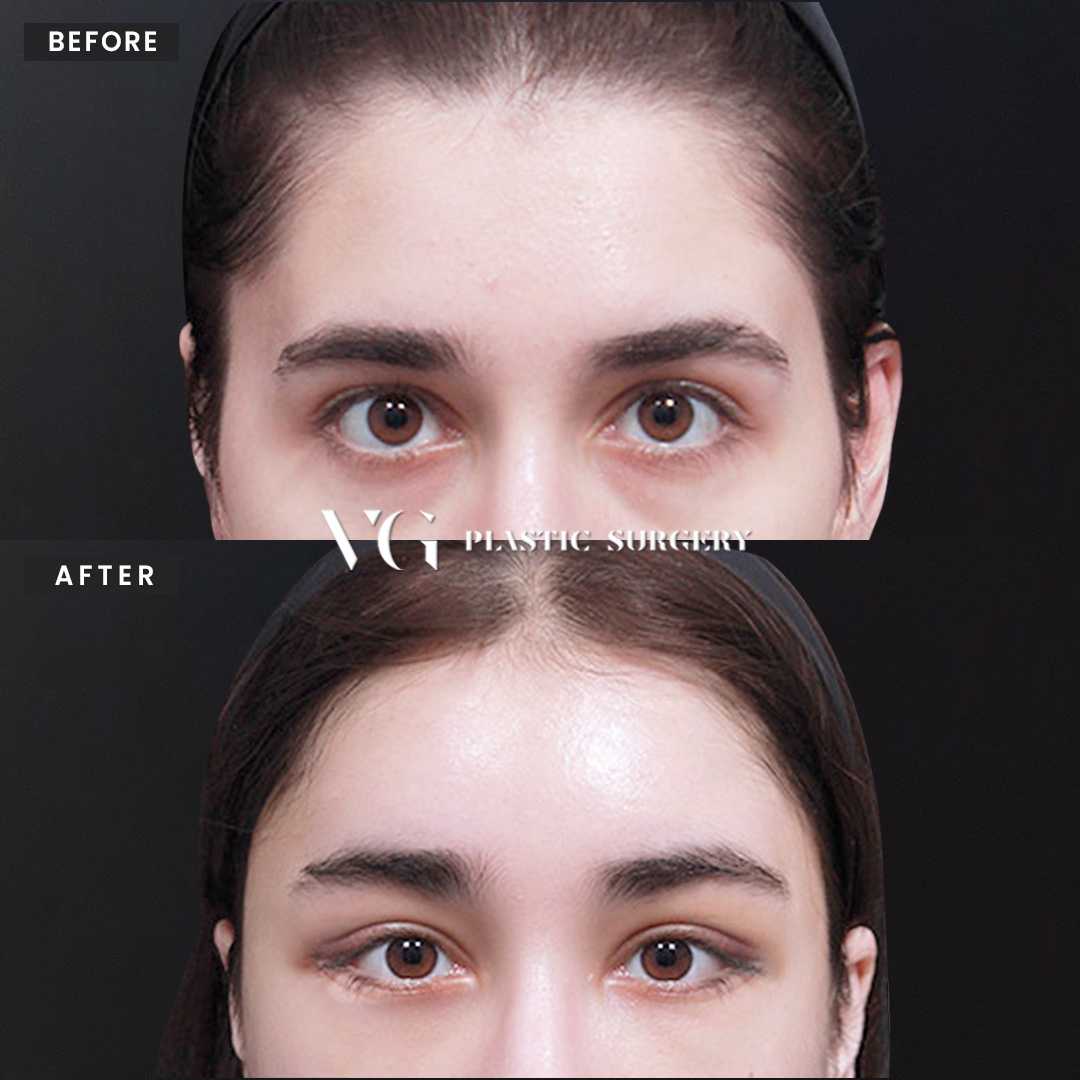
Patient Case Summary: Eye Refinement
A 28-year-old patient from Indonesia traveled for upper blepharoplasty to address functional vision concerns and aesthetic preferences. Following a detailed consultation, the surgical team utilized a minimally invasive suturing technique. The patient experienced a standard recovery period and reported satisfaction with the improved symmetry.
Analyzing Plastic Surgery Cost in South Korea
Understanding the financial commitment is a crucial step for anyone considering aesthetic enhancements abroad. The plastic surgery cost in South Korea generally offers a compelling balance of high-quality care and competitive pricing. Many Southeast Asian patients find that even with associated travel expenses, the overall value is highly favorable. Comprehensive budget planning is highly recommended.
Pricing can fluctuate significantly based on the surgeon's expertise, the facility's specific location, and the complexity of the medical intervention. It is vital for patients to request comprehensive quotes that encompass pre-operative tests, the procedure itself, and necessary aftercare. Transparency in pricing helps international visitors plan their medical journeys effectively. Always prepare for unexpected medical contingencies.
| Procedure Name | Avg. Cost in South Korea (USD) | Cost Comparison (Singapore/Thailand Avg) |
|---|---|---|
| Double Eyelid Surgery | $1,500 - $3,500 | $2,000 - $4,500 |
| Rhinoplasty (Primary) | $3,000 - $6,500 | $4,000 - $8,000 |
| Facial Contouring (V-Line) | $5,000 - $10,000 | $7,000 - $12,000 |
| Full Face Fat Grafting | $2,000 - $4,000 | $2,500 - $5,000 |
When comparing costs, always ask clinics if their quotes include anesthesia fees, post-operative garments, and mandatory follow-up appointments. This prevents unexpected out-of-pocket expenses during your medical journey.
How K-Pop Influences Plastic Surgery Clinics in South Korea
The global phenomenon of South Korean pop culture profoundly impacts international aesthetic trends and preferences. Many plastic surgery clinics in South Korea note that international patients frequently reference celebrities when describing their aesthetic goals. This cultural export has redefined what many consider the ideal facial and body proportions in modern beauty. It serves as a powerful visual language for patients.
However, reputable surgeons typically prioritize creating harmony rather than simply copying a celebrity's specific features. They use these cultural references as a starting point to understand the patient's desires before recommending a personalized surgical plan. This careful balance ensures that results generally enhance the individual's natural beauty. Unrealistic expectations are usually addressed during the initial screening.
- Patients often use celebrity photos to communicate desired nose slopes or eyelid shapes.
- The "V-line" jaw shape popularized by entertainers is a frequent request.
- Surgeons must strictly evaluate if a requested trend matches the patient's anatomy.
- Media influence drives rapid innovation in minimally invasive aesthetic techniques.
Industry surveys indicate that over 40% of international medical tourists visiting Asia for aesthetic procedures cite regional pop culture and entertainment media as a significant influence on their decision-making process.
The Role of Advanced Technology in South Korea Cosmetic Surgery
Technological innovation is a foundational pillar of the medical infrastructure in Seoul and surrounding areas. Advanced technology in South Korea cosmetic surgery allows for more precise planning and generally smoother execution of complex procedures. From 3D facial scanning to virtual reality simulations, clinics utilize state-of-the-art tools. These tools assist in mitigating surgical risks.
These technological advancements often contribute to shorter operation times and potentially less tissue trauma. Consequently, most patients experience more predictable outcomes and manageable recovery periods. For the international patient, this translates to a more reassuring and scientifically supported medical experience. Continuous medical education ensures surgeons utilize these tools effectively.
- 3D Computed Tomography (CT) scans for precise bone structure analysis.
- Virtual imaging software to simulate potential post-surgical outcomes visually.
- Advanced laser systems designed to minimize scarring and skin damage.
- High-definition endoscopic tools for minimally invasive facial adjustments.
Patient Case Summary: Advanced Rhinoplasty
A patient traveled from Malaysia seeking a secondary rhinoplasty to correct breathing issues and previous aesthetic dissatisfaction. The clinic utilized a 3D CT scan to evaluate the internal nasal structure before surgery. By employing precision grafting techniques, the medical team successfully addressed both functional and aesthetic concerns.
Understanding the Consultation Process for Plastic Surgery in Seoul
The foundation of any successful aesthetic procedure is a thorough and highly transparent consultation. When pursuing plastic surgery in Seoul, international patients typically undergo comprehensive evaluations involving medical history reviews and physical assessments. This step is critical for aligning patient expectations with realistic surgical possibilities. It is the time to express all medical concerns.
Many top-tier facilities offer translation services to ensure clear communication between Southeast Asian patients and their medical teams. During this phase, doctors carefully explain the potential risks, strict contraindications, and alternative non-surgical options. A collaborative approach empowers patients to make highly informed healthcare decisions. Rushing the consultation phase is strongly discouraged by medical professionals.
- Completion of detailed medical history forms, including current medications and allergies.
- In-depth discussion of aesthetic goals using visual aids and digital simulations.
- Thorough explanation of the surgical methodology, anesthesia type, and risks.
- Review of the mandatory post-operative care protocol and recovery timeline.
Many accredited clinics require international patients to undergo preliminary virtual consultations before booking flights. This helps verify medical candidacy and sets preliminary expectations before significant financial commitments are made.
Preparing for Your Medical Tourism in South Korea Journey
Traveling abroad for medical care requires meticulous planning and preparation to ensure a safe experience. A well-organized medical tourism in South Korea itinerary should account for adequate pre-surgery rest and post-operative recovery time. Patients are generally advised to arrive a few days early to acclimate to the local environment and attend preliminary screenings. Proper scheduling reduces unnecessary physical stress.
Preparing physically and mentally is just as important as managing your travel logistics. Following the surgeon's pre-operative instructions—such as pausing certain medications or abstaining from smoking—is essential for minimizing complications. Proper preparation typically leads to a more relaxed state of mind before entering the operating room. Mental readiness is a key component of surgical success.
- Cease smoking and alcohol consumption at least two weeks prior to the scheduled date.
- Discontinue blood-thinning supplements and medications as advised by the medical team.
- Pack loose, comfortable clothing that does not need to be pulled over the head.
- Arrange for a companion or dedicated nursing care for the first 48 hours post-surgery.
Always secure comprehensive medical travel insurance that explicitly covers international elective procedures and potential complications. Standard travel insurance usually voids coverage for incidents related to planned medical treatments.
Safety Protocols at Aesthetic Clinics in South Korea
Patient safety remains the absolute highest priority within the international medical travel industry. Accredited aesthetic clinics in South Korea adhere to stringent health regulations and rigorous hygiene standards. These facilities are often equipped with advanced monitoring systems and emergency response protocols to handle any unforeseen complications. Regular government inspections help maintain these high standards.
Board-certified anesthesiologists and experienced nursing staff are typically present throughout the duration of invasive procedures. Before any surgery, patients undergo thorough medical clearances, including bloodwork and EKGs, to ensure they are physically fit for anesthesia. This unwavering commitment to safety helps build trust with patients traveling from Southeast Asia. Strict contraindications are observed to protect patient health.
- Mandatory pre-surgical health screenings to identify any underlying conditions.
- Utilization of dedicated, sterilized operating theaters to prevent cross-contamination.
- Continuous vital sign monitoring by specialized anesthesiology professionals.
- Availability of emergency medical equipment, including automated external defibrillators (AEDs).
Never compromise on safety for a lower price. If a clinic fails to request a thorough medical history, refuses to provide board-certification details, or guarantees a specific outcome, these are significant red flags that should prompt you to seek care elsewhere.
Recovery and Aftercare for Plastic Surgery in South Korea
The period following a procedure is vital for achieving the best possible aesthetic outcome. Recovery and aftercare for plastic surgery in South Korea generally involve structured follow-up appointments and specialized healing treatments. Many clinics offer comprehensive post-operative care packages, including deswelling therapies and wound management. Professional oversight during this phase is mandatory.
Southeast Asian patients must carefully follow all post-discharge instructions before flying back to their home countries. While most patients experience a smooth recovery, it is crucial to recognize that healing timelines vary significantly depending on the individual and the procedure. Staying in close communication with the medical team ensures any concerns are promptly addressed. Rushing the recovery phase can jeopardize the final results.
- Attend all scheduled post-operative appointments for suture removal and evaluation.
- Strictly adhere to prescribed medication schedules to prevent infection and manage pain.
- Avoid strenuous physical activities and heavy lifting for the duration advised by the doctor.
- Protect surgical sites from direct sun exposure to minimize the risk of hyperpigmentation.
Patient Case Summary: Facial Contouring Recovery
A patient from Thailand underwent jawline contouring and remained in Seoul for 14 days post-operation. She participated in the clinic's specialized aftercare program, which included LED light therapy to manage swelling. By following all dietary and rest guidelines, she typically progressed through the initial healing phase without complications and received medical clearance to fly home.
Comparing Southeast Asian and South Korean Beauty Standards
The dynamic relationship between differing regional aesthetics plays a major role in medical travel decisions. Comparing Southeast Asian and South Korean beauty standards reveals a fascinating blend of traditional preferences and modern international trends. While Southeast Asian beauty often celebrates warmer skin tones and diverse facial structures, Korean trends frequently emphasize the "V-line" jaw and youthful fullness. Understanding these nuances is crucial for both patient and surgeon.
These differing paradigms do not clash; rather, they provide a broad spectrum of possibilities for patients. Surgeons experienced in affordable plastic surgery in South Korea are typically adept at merging these preferences. They customize their techniques to enhance the patient's inherent ethnic traits while incorporating desired elements of contemporary Korean beauty. The ultimate goal is generally a balanced, harmonious facial profile.
- Southeast Asian standards often value higher cheekbones and distinct facial angles.
- South Korean ideals generally trend towards softer curves and a more petite jawline.
- Skin texture and clarity are universally prioritized across all Asian beauty metrics.
- Surgeons must carefully analyze bone structure to respect ethnic continuity.
Anthropological studies on aesthetic medicine indicate that "cross-cultural blending" is becoming the most requested style in Asian plastic surgery, where patients ask to retain their unique ethnic identity while adopting specific trending features.
Legal and Ethical Considerations for Cosmetic Surgery in South Korea
Navigating the legal landscape of another country is a fundamentally important aspect of international medical care. There are specific legal and ethical considerations for cosmetic surgery in South Korea that protect both the patient and the provider. The government strictly regulates medical advertising and clinic licensing to prevent malpractice and ensure high standards of care. Foreign patients hold specific consumer rights under these regulations.
Patients should proactively verify the credentials of their chosen medical professionals and ensure the facility holds recognized accreditations. Understanding one's rights, including informed consent and medical liability, is essential before signing any legal agreements. Ethical practitioners will always prioritize patient physical well-being over aggressive sales tactics. Transparency is the hallmark of a trustworthy medical institution.
- Verify that the surgeon is certified by the recognized national plastic surgery board.
- Ensure all medical consent forms are provided in a language the patient fully understands.
- Understand the clinic's official policy on revision surgeries in the event of complications.
- Be aware of South Korean laws regarding medical tourism facilitation and patient privacy.
To combat unethical practices, the South Korean government requires all medical facilities treating foreign patients to be officially registered and subject to periodic evaluations regarding patient safety and legal compliance.
Patient Case Summary: Thorough Screening Process
A patient from Vietnam inquired about an extensive combination of facial surgeries. During the ethical consultation phase, the board-certified surgeon determined that performing all procedures simultaneously posed significant health risks. The clinic advised dividing the treatments into two separate trips, prioritizing the patient's systemic safety over immediate aesthetic desires.
How PlacidWay Assists Your Plastic Surgery Medical Tourism Journey in South Korea
Coordinating an international medical trip can seem overwhelming without the right guidance and resources. Partnering with a dedicated facilitator streamlines the process and connects patients with reputable healthcare providers globally. PlacidWay offers structured support to help you navigate the complex landscape of overseas aesthetic treatments. We are committed to simplifying your healthcare choices.
Our platform focuses on empowering patients through comprehensive information and direct connections to accredited medical centers. By utilizing our network, individuals can make educated decisions regarding their medical tourism in South Korea. We prioritize your health, safety, and overall peace of mind throughout your decision-making process. Let us assist you in finding the right medical expertise.
- Providing access to a globally vetted network of accredited aesthetic clinics.
- Supplying detailed provider profiles, including surgeon credentials and facility certifications.
- Facilitating direct communication and initial quote requests between patients and medical centers.
- Offering comprehensive educational resources to help patients understand procedure risks and requirements.
Medical tourism facilitators like PlacidWay act as a bridge, ensuring you have access to objective information so you can confidently choose the medical provider that best aligns with your specific healthcare needs.
Frequently Asked Questions About Plastic Surgery in South Korea
Making an informed choice about aesthetic procedures requires clear answers to common concerns. Patients planning a trip for plastic surgery in South Korea naturally have numerous questions regarding logistics, safety, and expectations. We have compiled a list of the most frequent inquiries from international travelers. Reviewing these facts is an important step in your preparation.
These answers provide a foundational understanding of what to expect during your medical journey. For personalized medical advice, it is always recommended to speak directly with a board-certified healthcare professional. Review these questions to help finalize your preparations. Knowledge is your best tool for a safe experience.
Why is plastic surgery in South Korea so popular among Southeast Asians?
The popularity is largely driven by cultural exchanges, particularly the influence of Korean media and entertainment. Furthermore, South Korean surgeons are generally highly skilled at tailoring procedures to suit Asian facial anatomy. Most patients appreciate the natural-looking results typically achieved.
What are the most common aesthetic procedures requested in Seoul?
The most frequently requested treatments generally include double eyelid surgery, rhinoplasty, and facial contouring. Non-invasive treatments like skin boosters and laser therapies are also highly sought after. These procedures typically focus on enhancing facial harmony and symmetry.
Is it safe to travel to South Korea for cosmetic surgery?
Traveling for medical procedures involves inherent risks, but accredited aesthetic clinics in South Korea typically maintain strict safety protocols. Facilities are generally regulated by the government to ensure high hygiene and medical standards. Always choose board-certified professionals to mitigate potential complications.
How much does plastic surgery cost in South Korea compared to other countries?
The plastic surgery cost in South Korea is generally considered competitive when compared to Western nations, offering excellent value for the level of expertise provided. While it may be slightly higher than some local Southeast Asian options, patients typically factor in the advanced technology and specialized skills. Requesting a detailed quote is essential for accurate budgeting.
How long should I plan to stay in South Korea for recovery?
Recovery timelines vary significantly depending on the specific procedure and individual healing rates. However, most clinics generally recommend staying for 7 to 14 days post-surgery for crucial follow-up appointments. Patients should always receive medical clearance from their surgeon before flying.
Are there language barriers during medical tourism in South Korea?
Many top-tier medical facilities catering to international patients offer dedicated translation services. These in-house coordinators typically assist with consultations, explaining medical terms, and post-operative instructions. Clear communication is a priority to ensure informed consent and patient safety.
Can I guarantee a specific look by showing a celebrity photo?
Reputable surgeons never guarantee specific aesthetic results, as outcomes depend heavily on individual anatomy and healing processes. While celebrity photos can help communicate your aesthetic goals, doctors typically focus on creating harmony based on your unique features. Realistic expectations are crucial for a satisfying experience.
What should I do if I experience complications after returning home?
Before leaving South Korea, patients generally receive comprehensive aftercare instructions and emergency contact information. If complications arise back home, it is vital to contact your surgical team immediately and seek care from a local medical professional. Many clinics offer virtual follow-up consultations to monitor long-term healing.
Do I need a special visa for medical tourism in South Korea?
Depending on your nationality, you may need a specific medical visa (C-3-3 or G-1-10) to undergo treatments in the country. Many clinics provide official invitation letters to help facilitate this visa application process. It is important to check the latest immigration requirements well in advance of your trip.
How can PlacidWay help me plan my aesthetic journey?
PlacidWay assists patients by providing access to a vetted network of accredited international healthcare providers. We supply comprehensive information, helping you compare clinic credentials and treatment options safely. Our platform focuses on empowering your medical decision-making process.
Ready to explore your aesthetic options? Let PlacidWay connect you with accredited healthcare providers in South Korea.
Medical Disclaimer: This article is for informational purposes only and is not medical advice. Always consult a qualified healthcare provider before any medical decisions. Results may vary. Read Full Disclaimer here.
References
- International Society of Aesthetic Plastic Surgery (ISAPS). Global Survey on Aesthetic/Cosmetic Procedures. https://www.isaps.org/discover/about-isaps/global-statistics/
- National Institutes of Health (NIH). Cross-Cultural Perceptions of Facial Beauty. https://pmc.ncbi.nlm.nih.gov/articles/PMC7822532/
- Wikipedia. Medical Tourism in South Korea. https://en.wikipedia.org/wiki/Medical_tourism_in_South_Korea
- World Health Organization (WHO). Patient Safety Guidelines for International Travel. https://www.who.int/news-room/fact-sheets/detail/patient-safety
- PubMed Central (PMC). Trends and Techniques in Asian Blepharoplasty. https://pmc.ncbi.nlm.nih.gov/articles/PMC6571304/





.jpg)




.jpg)
.jpg)
.png)
.jpg)








Share this listing