


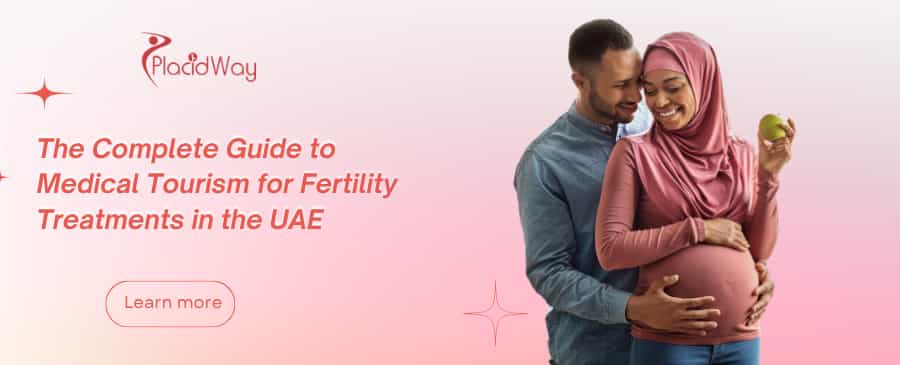
The decision to travel abroad for reproductive healthcare is deeply personal and requires careful consideration of various global destinations. Recently, medical tourism in the UAE has emerged as a premier choice for couples and individuals seeking high-quality, specialized care. With substantial government investments in healthcare infrastructure, the region has attracted world-renowned reproductive endocrinologists and embryologists who utilize the latest evidence-based protocols. Patients choosing fertility treatments in the UAE benefit from a seamless blend of sophisticated medical technology and comprehensive patient support systems.
Beyond clinical excellence, the country offers a strategic geographic location that is easily accessible from Europe, Asia, and Africa. International patients are typically welcomed into highly regulated environments where English is the standard medical language, significantly reducing communication barriers. Most patients experience a highly organized medical journey, supported by state-of-the-art diagnostic facilities and a strong emphasis on patient privacy and comfort.
The UAE has one of the highest concentrations of JCI-accredited medical facilities in the world, ensuring international standards of care are consistently met.
- Access to board-certified international fertility specialists.
- Strict regulatory frameworks ensuring patient safety and ethical practices.
- Advanced laboratory environments designed for optimal embryo development.
- Multilingual healthcare support staff facilitating smooth communication.
Understanding the Legal Framework for IVF and Fertility Treatments in the UAE
Navigating the legal landscape is a critical first step when planning your reproductive journey overseas. The UAE fertility laws are rooted in Islamic principles, which heavily influence what procedures are legally permissible within the country's borders. Historically, strict regulations required patients to present a valid marriage certificate to undergo any form of assisted conception. While the laws are highly protective of family lineage, recent legislative updates have begun to introduce slight flexibilities for non-Muslim expatriates, although navigating these nuances requires professional guidance.
It is vital for international patients to understand that third-party reproduction is generally not an option in this region. Procedures such as using donor sperm, donor eggs, or gestational surrogacy remain strictly prohibited under federal law. Patients must use their own gametes, and clinics require specific documentation before initiating any stimulation protocols or laboratory procedures.
Patients must ensure they have all necessary legal documentation, including legally translated and attested marriage certificates, before beginning any IVF procedures in the UAE, as clinics strictly adhere to federal compliance laws.
Always consult with your chosen international patient coordinator about exact documentation requirements at least a month before your travel date to avoid unexpected delays.
Popular Types of Assisted Reproductive Technology for International Patients
International medical tourists have access to a comprehensive suite of assisted reproductive technologies designed to address diverse infertility factors. The most commonly sought procedure is In Vitro Fertilization (IVF), often combined with Intracytoplasmic Sperm Injection (ICSI) to overcome severe male factor infertility. These core treatments are supported by highly controlled ovarian stimulation protocols tailored to the individual’s unique hormonal profile, aiming to safely maximize the retrieval of mature oocytes.
Additionally, fertility preservation has seen a massive surge in demand among international visitors. Women increasingly travel to the region to freeze their eggs, taking advantage of sophisticated vitrification techniques that generally offer high post-thaw survival rates. Other available options typically include Intrauterine Insemination (IUI) for less complex cases, ensuring a step-by-step approach to reproductive care.
Recent updates in UAE healthcare regulations now permit single women to freeze their eggs for elective fertility preservation without needing a medical justification.
Core Treatments Available:
- IVF / ICSI: Standard protocols for fertilization outside the body.
- Egg/Sperm Freezing: Advanced vitrification for long-term gamete preservation.
- IUI: Less invasive artificial insemination protocols.
- Frozen Embryo Transfer (FET): Utilizing previously frozen embryos for subsequent cycles.
Affordable Fertility Treatments in the UAE: Comprehensive Cost Comparison
One of the primary drivers for medical tourism for IVF is the highly competitive pricing available compared to Western healthcare systems. While maintaining rigorous safety and quality standards, the IVF cost in the UAE remains significantly lower than what patients generally face in the United States or the United Kingdom. This cost-effectiveness is partly due to lower administrative overheads and specialized healthcare economic zones that encourage competitive medical pricing.
It is important to note that reproductive medicine pricing can fluctuate based on the specific medication protocols required and the need for advanced laboratory techniques like genetic testing. Patients should anticipate that while the core cycle is cost-effective, customized medical needs will influence the final financial investment. Below is a realistic market range comparison for affordable fertility treatments in the UAE.
Always request a highly itemized treatment plan. Be aware that stimulation medications are often priced separately and can add $1,500 to $3,000 to your total budget.
| Procedure Name | Average Cost in UAE (USD) | Average Cost in USA (USD) |
|---|---|---|
| Standard IVF Cycle | $7,000 - $9,500 | $15,000 - $20,000+ |
| IVF with ICSI | $8,000 - $10,500 | $17,000 - $22,000+ |
| Egg Freezing Cycle | $5,000 - $7,000 | $10,000 - $15,000+ |
| Frozen Embryo Transfer | $2,500 - $4,000 | $4,000 - $6,000+ |
Advanced Technologies Available for Infertility Care in the Emirates
Success in reproductive medicine relies heavily on the environment in which embryos are cultured and evaluated. Facilities providing infertility care in the Emirates invest heavily in the latest embryology laboratory equipment to optimize embryo development. Time-lapse incubators are standard in premium centers, allowing embryologists to monitor cellular division continuously without disturbing the precise environmental controls of the incubator.
Furthermore, artificial intelligence is increasingly being integrated into the embryo selection process. AI algorithms assist specialists in identifying the embryos with the highest statistical probability of implantation, minimizing human error. These sophisticated technological integrations ensure that international patients receive care that typically rivals, or exceeds, the standards found in their home countries.
The integration of Artificial Intelligence in embryo evaluation has been shown in various clinical studies to increase the accuracy of selecting euploid (chromosomally normal) embryos.
- Time-lapse imaging: Non-invasive, continuous embryo monitoring.
- AI-assisted morphokinetics: Advanced selection of viable embryos.
- Laser-assisted hatching: Facilitating better implantation rates for older patients.
- Microfluidic sperm sorting: Gently selecting the healthiest sperm without DNA damage.
Preparing for Your Medical Tourism Journey for Reproductive Healthcare
Meticulous planning is the cornerstone of a stress-free medical travel experience, especially when dealing with time-sensitive reproductive treatments. Before traveling, patients typically undergo several rounds of remote consultations. During this phase, medical histories are reviewed, baseline testing is ordered (often performed in the patient's home country), and a preliminary timeline is established for the fertility clinics in the UAE.
Logistical preparation is equally important. Patients must ensure their passports have sufficient validity and arrange for appropriate visas. Managing stress is a crucial component of IVF, so organizing clear itineraries, understanding the location of the medical facility relative to your stay, and having emergency medical contacts readily available will generally improve the overall experience.
Compile a comprehensive, chronologically organized digital folder of your past medical records, surgeries, and blood tests to share securely with your international specialist prior to arrival.
- Schedule comprehensive virtual consultations before booking flights.
- Complete baseline hormone profiles (FSH, AMH, Estradiol) locally.
- Verify the translation requirements for your medical records.
- Understand the exact timeline required for your specific protocol to book flexible return dates.
Safety Standards and Success Rates for IVF Procedures in the UAE
When seeking medical care abroad, understanding the safety regulations and statistical outcomes of the destination is paramount. The UAE Ministry of Health and Prevention enforces stringent guidelines on all medical facilities, particularly those handling human reproductive tissues. This governmental oversight ensures that IVF procedures in the UAE are performed using sterilized, highly regulated protocols that prioritize patient safety and minimize the risk of complications such as Ovarian Hyperstimulation Syndrome (OHSS).
Regarding success rates, it is crucial to approach statistics with a realistic mindset. While the UAE boasts high success rates, largely due to the younger demographic of medical tourists and advanced technology, results may vary depending on maternal age, diagnosis, and genetic factors. Clinics generally provide transparent success rates categorized by age group and treatment type during the initial consultation.
The UAE healthcare sector mandates regular external audits, contributing to a medical complication rate that is globally competitive and closely monitored by international health bodies.
- Stringent clean-room environments in embryology labs prevent contamination.
- Standardized protocols are used to minimize the risk of multiple pregnancies.
- Individualized dosing of stimulation medications maximizes safety.
- Continuous monitoring via ultrasound and blood work throughout the cycle.
What to Expect During Your Initial Fertility Consultation Abroad
Your first in-person consultation marks the official commencement of your medical journey. This appointment is typically quite comprehensive, aiming to confirm remote diagnoses and finalize the stimulation protocol. Patients will undergo a transvaginal ultrasound to assess the antral follicle count and evaluate the uterine cavity, ensuring there are no polyps or fibroids that might hinder implantation.
Simultaneously, the male partner usually provides a sample for an advanced semen analysis, even if one was performed previously. This allows the local laboratory to assess sperm morphology, motility, and DNA fragmentation using their specific parameters. Following these diagnostics, the reproductive endocrinologist will sit down to explain the exact daily injection schedule and the anticipated date for egg retrieval.
Many international patients now utilize secure telemedicine platforms to complete 90% of their initial intake process, saving valuable time and travel expenses before the cycle begins.
The Role of Preimplantation Genetic Testing in UAE Fertility Centers
Preimplantation Genetic Testing (PGT) has revolutionized modern reproductive medicine, and facilities in the Middle East are at the forefront of its application. This specialized biopsy technique, performed on day-five or day-six blastocysts, allows geneticists to screen embryos before transfer. PGT for Aneuploidies (PGT-A) is widely utilized to ensure the embryo has the correct number of chromosomes, which generally increases implantation rates and significantly reduces the risk of miscarriage.
For families carrying specific hereditary conditions, PGT for Monogenic disorders (PGT-M) provides an avenue to prevent the transmission of severe genetic diseases to offspring. It is also important to note that gender selection via PGT is available in the UAE, though it is subject to strict local regulations and is typically approved for medical necessity or family balancing purposes. Patients must discuss their specific goals with their physician to understand legal eligibility.
Using PGT-A to transfer a single euploid (chromosomally normal) embryo can yield success rates comparable to transferring multiple untested embryos, effectively lowering the health risks associated with twin pregnancies.
Understanding Donor Programs and Local Regulations for Expatriates
For patients experiencing premature ovarian failure, severe diminished ovarian reserve, or certain male factor infertilities, donor programs are a common consideration globally. However, international medical tourists must be acutely aware of the legal boundaries when seeking treatments in the Middle East. Under strict UAE federal law, all third-party reproductive assistance is generally prohibited. This means that treatments utilizing donor eggs, donor sperm, or donor embryos are not legally available options within the country.
Similarly, gestational surrogacy is not permitted. Couples who clinically require donor gametes will typically need to seek medical tourism opportunities in alternative global destinations. Consulting with a specialized medical travel platform is the best way to determine which country’s legal framework aligns with your specific clinical needs while ensuring strict adherence to international laws.
Because donor programs are restricted, UAE clinics excel in treating highly complex self-cycle IVF cases, focusing intensely on maximizing the quality of a patient's own gametes.
Recovery and Timeline Expectations After Embryo Transfer
The post-embryo transfer period, often referred to by patients as the "two-week wait," requires a delicate balance of rest and normal activity. Following the delicate procedure of placing the embryo into the uterus, specialists generally advise patients to engage in a day or two of modified pelvic rest. This does not mean strict bed rest which studies suggest does not improve outcomes but rather avoiding strenuous exercise, heavy lifting, and high-impact activities.
For international travelers, the timeline for flying home is a common concern. While changes in cabin pressure do not directly affect implantation, most physicians typically recommend waiting 48 to 72 hours before boarding a long-haul flight. This precaution is primarily to minimize travel stress and allow the patient to recover physically from any mild cramping or bloating associated with the procedure.
Hydration and gentle movement are key during recovery. Pack comfortable, loose-fitting clothing for your return flight to prevent abdominal constriction and support blood circulation.
Navigating Cultural Nuances While Pursuing Fertility Treatments in the UAE
A successful medical journey involves more than just clinical excellence; it requires an understanding of the host country's cultural environment. The UAE is a cosmopolitan hub, but it is fundamentally built upon Islamic traditions. Medical tourists will find that healthcare facilities operate with a deep respect for patient privacy, modesty, and cultural sensitivity. Examination rooms are heavily guarded against intrusions, and chaperone policies are strictly enforced for female patients.
When visiting clinics, dressing modestly covering shoulders and knees is highly recommended out of respect for local customs, though tourists are generally given significant leeway. Furthermore, understanding the rhythm of the day, including prayer times, can help patients better anticipate the flow of clinic operations and appointment scheduling, resulting in a more harmonious and stress-free experience.
If your treatment falls during the holy month of Ramadan, be aware that clinic operating hours may shift, and eating or drinking in public spaces during daylight hours is restricted.
Patient Experiences with Fertility Medical Tourism in the Middle East
The true measure of a healthcare destination often lies in the lived experiences of those who have traveled there. Patients who seek reproductive care in this region frequently report a high level of satisfaction with the holistic support they receive. The emphasis on VIP patient care, coupled with the rigorous medical standards, typically provides a deeply reassuring environment during what is inherently a stressful process.
Below are brief summaries reflecting the diverse experiences of international patients. While these outcomes reflect positive journeys, it remains crucial to remember that human biology is complex, and individual medical results will always vary.
A significant portion of medical tourists in the UAE report that the dedicated international patient coordinator services were instrumental in reducing the anxiety of seeking treatment abroad.
Sarah & James from the UK
After multiple failed cycles at home, the couple explored options abroad. They found the genetic testing technologies available in the region to be superior, ultimately allowing them to successfully transfer a euploid embryo safely.
Elena from Italy
Seeking elective fertility preservation, Elena was impressed by the rapid response and transparent pricing. The vitrification process was handled professionally, and she felt completely supported despite traveling alone.
Amina & Omar from Canada
Needing a clinic that respected their cultural and religious values without compromising on medical technology, they felt the environment provided the perfect balance of modesty, privacy, and advanced ICSI protocols.
David & Maria from Australia
Combining their treatment with an extended remote-working holiday, they appreciated how efficiently the clinic managed their scheduling, allowing them to balance medical appointments with minimal disruption to their daily lives.
How PlacidWay Assists Your Journey to Fertility Clinics in the UAE
Navigating international healthcare requires expertise, reliable information, and a trusted partner to guide you through the complexities. Selecting the right specialist, understanding specific procedural options, and ensuring you are receiving transparent data can be overwhelming for patients. PlacidWay acts as your dedicated facilitator, streamlining the research and connection phase of your medical journey.
By offering a comprehensive directory of highly vetted medical providers, PlacidWay empowers patients to make informed, confident decisions regarding their reproductive care. Our platform focuses entirely on providing value-based assistance, ensuring that you connect with reputable specialists who align with your medical needs and ethical standards.
PlacidWay partners with internationally accredited medical providers across dozens of countries, providing a global perspective to patients seeking specialized healthcare solutions.
- Connecting patients with board-certified international fertility specialists.
- Providing transparent, detailed profiles of medical facilities and their accreditations.
- Facilitating the secure transfer of initial medical inquiries and questions to providers.
- Offering access to extensive patient education resources regarding international medical protocols.
- Assisting with comparative evaluations of treatment options across different regions.
Frequently Asked Questions (FAQ)
Historically, UAE laws required couples to be legally married to undergo IVF. However, recent legal updates have introduced nuances for non-Muslim expatriates, though documentation is generally still required, and consultation with a local legal expert is highly advised.
The cost of IVF in the UAE is typically 30% to 50% less than in the United States. While US cycles can exceed $15,000, similar treatments in the UAE generally range from $7,000 to $9,500.
Gender selection through PGT-A is available in the UAE, but it is strictly regulated and generally permitted only for family balancing or medical reasons. Patients must discuss their specific eligibility with their chosen medical provider.
Most patients experience a required stay of about two to three weeks for a complete IVF cycle. This allows time for ovarian stimulation, egg retrieval, embryo transfer, and initial post-transfer monitoring.
Yes, egg freezing is legal and widely available in the UAE for both medical and elective reasons. Recent regulatory updates have made it more accessible for single women looking to preserve their fertility.
English is widely spoken and serves as the primary language for medical consultations in the UAE. Many top-tier centers also offer translation services for Arabic, Russian, French, and Mandarin speaking patients.
Under UAE federal law, third-party reproduction using donor eggs, donor sperm, or surrogacy is generally strictly prohibited. Couples must use their own genetic material for assisted reproductive procedures.
The UAE boasts rigorous healthcare standards overseen by the Ministry of Health and Prevention. Many facilities hold prestigious international accreditations, ensuring highly regulated and safe medical environments.
While flying is not strictly contraindicated, most specialists recommend waiting at least 48 to 72 hours after an embryo transfer before taking a long-haul flight. This reduces travel-related stress during a crucial implantation window.
Many international visitors can enter the UAE on a standard tourist visa, which is usually sufficient for the duration of a fertility cycle. However, some nationalities may require a dedicated medical treatment visa, which the provider can often assist in arranging.
- Mayo Clinic. (2026). In vitro fertilization (IVF). https://www.mayoclinic.org/tests-procedures/in-vitro-fertilization/about/pac-20384716
- World Health Organization. (2026). Infertility prevalence estimates. https://www.who.int/news-room/fact-sheets/detail/infertility
- PubMed. (2026). Preimplantation Genetic Testing: Current Status and Future Perspectives. https://pubmed.ncbi.nlm.nih.gov/
- WebMD. (2026). What Is IVF? https://www.webmd.com/infertility-and-reproduction/in-vitro-fertilization
eof
.png)







.jpg)









Share this listing