


For those exploring Mesenchymal Stem Cell Infusion Therapy in Mexico for US patients, the primary advantage is access to highly cultured, expanded stem cells at a fraction of US prices. A comprehensive IV stem cell package in Mexico typically costs $3,000 to $8,500 USD for 50 million to 300 million live cells. This represents a 60% to 75% savings compared to similar experimental treatments in the US. Clinics in Tijuana, Cancun, and Guadalajara use COFEPRIS-regulated labs to treat autoimmune conditions, chronic inflammation, and degenerative joint diseases.
Over the last decade, regenerative medicine has fundamentally shifted how we view chronic disease management, tissue repair, and aging. However, for millions of Americans living with autoimmune disorders, systemic inflammation, or severe joint degeneration, accessing advanced cellular therapies domestically presents massive financial and regulatory hurdles. The US Food and Drug Administration (FDA) heavily restricts the culturing and expansion of stem cells, often limiting domestic clinics to using a patient’s own unexpanded cells—a process that frequently yields a lower therapeutic cell count.
Because of these restrictions, Mesenchymal Stem Cell Infusion Therapy in Mexico for US patients has become a highly sought-after medical tourism solution. Just across the border, Mexico’s healthcare regulations allow for the ethical expansion of donated umbilical cord tissue in tightly regulated laboratories. This enables medical providers to administer millions of young, potent stem cells intravenously at a significantly reduced cost.
Navigating cross-border cellular therapy requires rigorous research and cautious optimism. This comprehensive guide will illuminate the clinical realities of MSC (Mesenchymal Stem Cell) therapy. By reading this guide, you will learn exactly what MSCs are, the specific conditions they are investigated to treat, a detailed breakdown of treatment costs, step-by-step procedures, and crucial safety checklists to ensure you select a highly credentialed, regulated facility.
What is Mesenchymal Stem Cell Infusion Therapy?
When discussing stem cell therapy, it is critical to understand the biological sourcing and categories of cells used. In Mexico, the most common and effective form of MSC treatment utilizes Wharton’s Jelly-derived allogeneic cells (tissue harvested from healthy, ethically donated human umbilical cords after full-term cesarean births).
Types of Stem Cells Used in Regenerative Medicine
- Umbilical Cord Tissue (Wharton's Jelly): The gold standard in Mexican clinics. These cells are essentially "Day Zero" cells—highly vibrant, rapidly multiplying, and carrying zero patient age or disease footprint. Because they are immune-privileged, the body does not reject them.
- Adipose-Derived (Fat) MSCs: Harvested from the patient's own fat tissue via a mini-liposuction. While useful for local joint injections, their potency is limited by the patient's own age and underlying health conditions.
- Bone Marrow-Derived MSCs: Extracted from the patient's hip bone. This is a painful extraction process, and the stem cell yield drops dramatically as a patient ages.
US patients are increasingly considering Mexico because COFEPRIS (Mexico’s FDA equivalent) permits the laboratory expansion of Wharton’s Jelly MSCs. This means a laboratory can multiply a small sample of stem cells into a high-dose therapeutic batch (e.g., 100 million to 300 million cells). In the US, administering expanded stem cells is currently restricted outside of highly specific, closely monitored clinical trials, forcing patients who want high-dose therapies to look abroad.
Cost Breakdown: MSC Therapy in Mexico vs. the US
The primary barrier to regenerative medicine in the United States is price. Because health insurance classifies stem cell therapies for autoimmune and degenerative diseases as "experimental," patients must pay entirely out of pocket. Below is a realistic comparison of costs based on cell volume and location.
Note: Precise costs vary depending on the patient's weight, the severity of the medical condition, and the specific Mexican destination (Tijuana vs. Los Cabos or Cancun).
What is Included in a Medical Tourism Package?
When booking Mesenchymal Stem Cell Infusion Therapy in Mexico for US patients, top-tier clinics typically provide all-inclusive experiences to reduce patient stress. Standard packages usually include:
- Pre-infusion medical consultations and blood panel reviews.
- The specified dose of expanded MSCs, accompanied by a laboratory Certificate of Analysis (CoA) proving cell viability.
- Intravenous administration supervised by licensed physicians.
- Ground transportation from the nearest airport (e.g., San Diego to Tijuana).
- Often, 1 to 2 nights of accommodation in a partnered recovery hotel.
Why is Stem Cell Therapy Cheaper in Mexico?
The cost difference is not due to lower quality or unsafe practices; rather, it reflects structural economic realities. First, laboratory expansion of cells is federally permitted in Mexico, creating economies of scale that US labs cannot legally achieve. Secondly, standard operational costs—including physician fees, laboratory overhead, facility maintenance, and malpractice insurance—are substantially lower in Mexico than in the United States.
How MSC Infusion Works? Step-by-Step Process in Mexico
The prospect of receiving stem cells via an intravenous drip can sound complex, but the clinical reality is remarkably straightforward and minimally invasive. Here is the exact clinical pathway you can expect when undergoing an MSC infusion.
- Medical Record Review (Pre-Arrival): Weeks before travel, you will submit your medical history, recent lab work, and physician diagnoses. The clinic's medical board reviews these documents to determine if you are a candidate and calculates the exact cell dosage needed based on your weight and condition severity.
- Arrival and Vitals Check (Day 1): Upon arriving at the clinic, nurses will record your vitals, check your oxygen saturation, and perform a brief physical exam. You will meet with the attending physician to review the treatment protocol and ask final questions.
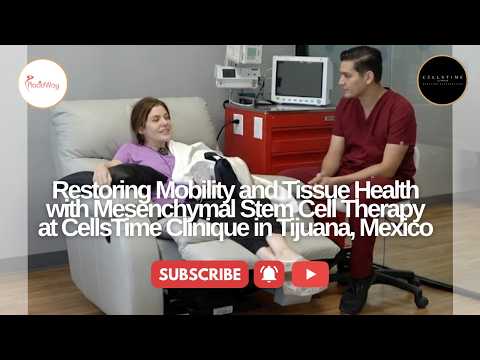
- Pre-Hydration Protocol: You are comfortably seated in a reclining medical chair. A nurse inserts a standard IV line into your arm. First, you receive a saline drip, often enhanced with vitamins (like Vitamin C or Myers' Cocktail), to hydrate your body and prepare your veins.
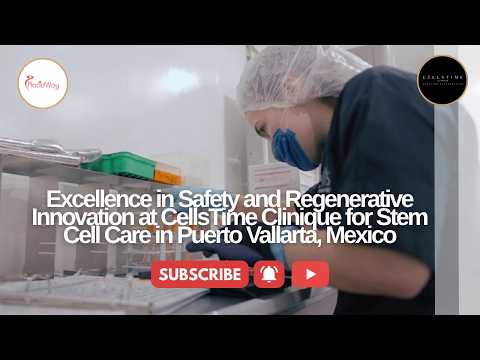
- Cell Preparation and Thawing: While you hydrate, laboratory technicians prepare the stem cells. If cryopreserved, the cells are meticulously thawed to body temperature. The clinic should present you with the viability report before injection.
- The MSC Infusion: The stem cells are introduced into the IV bag or administered via a slow syringe push into the IV line. This actual infusion phase is painless and typically takes between 30 to 60 minutes.
- Observation and Discharge: Following the infusion, you will remain in the clinic for 1 to 2 hours of observation. Medical staff monitors you for any rare allergic reactions or acute blood pressure drops. Once cleared, you can return to your hotel or travel home the same day.
Is Stem Cell Therapy in Mexico Safe?
The most pressing question for medical tourists is always: Is it safe? The direct answer is yes, provided you select a facility governed by strict federal regulations. However, the regenerative medicine market does harbor opportunistic clinics, making patient education essential.
COFEPRIS Regulation and Laboratory Standards
In Mexico, medical facilities and stem cell laboratories are regulated by COFEPRIS (The Federal Committee for Protection from Sanitary Risks), which operates similarly to the US FDA. Legitimate clinics source their cells from laboratories that possess a specific COFEPRIS license for regenerative medicine and cellular manipulation.
High-quality cellular products in Mexico are processed in cGMP (Current Good Manufacturing Practice) and ISO-certified cleanrooms. These laboratories utilize rigorous screening protocols on donor tissue to test for HIV, Hepatitis B and C, Syphilis, CMV, and bacterial contamination, mirroring North American safety standards.
Quality Comparison
To mitigate risks, you must understand the difference between a high-end medical institution and a low-tier clinic:
- Verified Quality: The clinic operates out of a recognizable hospital or dedicated medical building, employs board-certified physicians, and provides third-party lab testing for cell viability (aiming for 85-95% live cell viability upon thawing).
- Red Flags: The clinic operates out of a strip mall, uses aggressive sales tactics to promise "miracle cures" for incurable diseases, or refuses to disclose the source and expansion methods of their stem cells.
Recovery Timeline and Post-Infusion Care
One of the major benefits of IV stem cell therapy is the lack of surgical downtime. However, the body is undergoing a profound biological response. Proper post-treatment care ensures the cells survive and migrate successfully to inflamed tissues.
The Healing Timeline
- Days 1–3 (The Acute Phase): It is highly common to experience what is known as the "stem cell flu." Symptoms include mild fatigue, low-grade fever, headaches, or slight nausea. This is not an infection; it is your immune system responding to the introduction of millions of new cellular signals. Rest and hydration are paramount.
- Weeks 2–4 (Cellular Engraftment): You may not feel dramatic improvements yet. The stem cells are currently navigating the bloodstream, identifying chemical markers of inflammation, and initiating the release of healing cytokines and growth factors.
- Months 2–6 (Clinical Improvement): This is when patients typically report noticeable outcomes. Joint pain may decrease, autoimmune flare-ups may lessen in frequency, and overall energy levels often improve as systemic inflammation drops.
Important Care Instructions
To maximize your investment in MSC therapy, you must refrain from taking NSAIDs (like Ibuprofen or Aleve) for at least two weeks before and 4 to 6 weeks after treatment. NSAIDs specifically suppress the inflammatory signals that stem cells rely on to find damaged tissue. Additionally, patients are advised to avoid intense physical exertion, smoking, and heavy alcohol consumption during the first month of recovery.
How to Choose a Safe Stem Cell Clinic in Mexico?
Because the industry is still growing and varying levels of oversight exist globally, patients must act as their own advocates. Use this 7-step checklist to systematically evaluate any Mexican regenerative medicine provider.
- Verify the COFEPRIS License: Ask the clinic for their laboratory's COFEPRIS license number and ensure it covers cellular expansion and regenerative therapies.
- Request the Certificate of Analysis (CoA): A reputable clinic will provide documentation detailing the cell count, viability percentage (should be >85%), and negative infectious disease panels for the batch you receive.
- Check Physician Credentials: The attending doctor should hold a valid Mexican medical license (Cedula Profesional) and ideally have specialized training in hematology, immunology, or regenerative medicine.
- Understand the Cell Source: Confirm that the cells are ethically derived from Wharton's Jelly (umbilical cord) rather than unproven animal sources or embryonic tissue.
- Demand Transparency in Dosing: Avoid clinics that sell therapy by the "vial" or "cc." Legitimate therapy is dosed by the exact million count of cells (e.g., 100 million MSCs).
- Assess the Facility: Insist on video tours or photos of the facility. Treatments should occur in sterile, clinical environments with emergency protocols in place.
- Watch for Outrageous Claims: Walk away from any provider guaranteeing a 100% cure for complex conditions like Multiple Sclerosis, Autism, or ALS. Ethical doctors discuss "symptom management" and "quality of life improvements."
Risks, Limitations, and Contraindications
Every medical procedure involves risk. While Mesenchymal Stem Cell Infusion Therapy in Mexico for US patients is generally considered well-tolerated due to the immune-privileged nature of umbilical cord cells, it is vital to acknowledge potential clinical limitations.
Clinical Risks
The most common risks involve mild, transient reactions such as localized bruising at the IV site, temporary fatigue, or mild fever. While the risk of graft-versus-host disease (GVHD) is virtually non-existent with Wharton’s Jelly MSCs, there is always a minimal risk of infection associated with any intravenous procedure. Severe allergic reactions are exceptionally rare but underscore the need for treatment in a fully equipped medical facility.
Who Should NOT Pursue Stem Cell Therapy?
Stem cell therapy is highly contraindicated for certain patient populations. You should not undergo MSC infusion if you:
- Have an active cancer diagnosis or a recent history of tumors (MSCs promote cellular growth, which could theoretically accelerate malignant cell proliferation).
- Suffer from a severe, acute systemic infection or active sepsis.
- Are pregnant or actively breastfeeding.
- Have severe end-stage organ failure where a transplant is the only viable medical option.
Finally, patients must accept the financial risk of non-response. Stem cell therapy is biological medicine; individual physiology dictates the outcome. While some patients experience life-changing reductions in pain and inflammation, others may experience only marginal, short-term benefits. Never finance experimental healthcare with money you cannot afford to lose.
Your 5-Step Action Plan for Stem Cell Travel to Mexico
If you have exhausted domestic options and believe MSC therapy aligns with your health goals, follow this structured action plan to ensure a safe, organized journey.
- Compile Your Medical File: Gather your most recent blood work (CBC, metabolic panel), imaging reports (MRIs or X-rays for joint issues), and a clear list of current medications and physician diagnoses.
- Consult Your Primary Doctor: Inform your local specialist of your intent to pursue treatment abroad. While they may be skeptical of regenerative medicine, their insight into your specific contraindications is crucial.
- Get Multiple Quotes via PlacidWay: Reach out to 2 or 3 verified regenerative clinics in Mexico. Compare their suggested cell counts, total package prices, and logistical support.
- Conduct a Telemedicine Interview: Speak directly with the Mexican medical director via Zoom. Ask pointed questions about their laboratory source and emergency protocols.
- Secure Travel Logistics: Ensure your passport is valid for at least six months. If traveling to Tijuana, coordinate border-crossing pickup with the clinic. If flying to Cancun, arrange for their private airport shuttle.
Take Control of Your Cellular Health
Connect with fully accredited, COFEPRIS-licensed regenerative medicine centers in Mexico. Review doctor profiles, compare comprehensive IV packages, and schedule a free, no-obligation video consultation today.
Frequently Asked Questions
Your Stem Cell Journey in Mexico
Living with debilitating chronic pain, severe joint degeneration, or exhausting autoimmune conditions often leaves patients feeling out of options within the traditional medical system. Mesenchymal Stem Cell Infusion Therapy in Mexico for US patients offers a scientifically compelling, highly accessible pathway to advanced regenerative care. By navigating across the border, patients bypass restrictive domestic barriers to receive potent, high-dose therapies capable of deeply modulating the immune system and lowering systemic inflammation.
Your health is your most valuable asset. While stem cells are not magical cures, they represent the cutting-edge frontier of biological healing. Do not let domestic medical prices keep you from exploring a potentially life-enhancing treatment. Take the time to research thoroughly, demand transparency from clinics, and partner with highly accredited Mexican doctors.
Ready to explore your options? Browse verified COFEPRIS-licensed regenerative clinics on PlacidWay, compare comprehensive package details, and secure a transparent quote today to begin your journey toward cellular healing.
The information in this article is for educational purposes only and does not constitute medical advice. Individual results vary based on health status, case complexity, and other factors. Always discuss your specific situation with a licensed healthcare professional before making treatment decisions. PlacidWay connects patients with verified healthcare providers but does not provide medical services directly.
- National Institutes of Health (NIH): Clinical Applications of Mesenchymal Stem Cells
- Mayo Clinic: Stem cells: What they are and what they do
- World Health Organization (WHO): Musculoskeletal Health and Chronic Diseases
- Wikipedia: Mesenchymal Stem Cell Biology
- PlacidWay Medical Tourism: Stem Cell Therapy Abroad Options and Pricing



















Share this listing