


For individuals facing exorbitant healthcare costs, Stem Cell Therapy for Chronic Pain and Inflammation in Mexico offers a highly regulated, accessible alternative. While the procedure costs $10,000 to $25,000+ in the United States, certified clinics in Mexico provide the exact same treatments for $3,500 to $8,000 USD. This represents a 60% to 70% savings for uninsured American patients. Packages typically include high-viability Mesenchymal Stem Cells (MSCs), specialist consultations, lab work, and VIP ground transportation.

According to the Centers for Disease Control and Prevention (CDC), over 50 million Americans suffer from chronic pain, with millions more battling severe joint inflammation and osteoarthritis. For many, traditional treatments—ranging from highly addictive pain medications to invasive joint replacement surgeries—offer only temporary relief or carry intimidating risks. Furthermore, uninsured or underinsured patients face a broken healthcare system where out-of-pocket costs for advanced regenerative medicine remain devastatingly high.
Because the US Food and Drug Administration (FDA) heavily restricts cellular expansion, Americans are increasingly crossing the border to access world-class care. Stem Cell Therapy for Chronic Pain and Inflammation in Mexico has emerged as a scientifically backed, financially viable solution. Renowned medical hubs like Tijuana, Cancun, and Guadalajara now host state-of-the-art laboratories and board-certified specialists offering advanced cellular treatments at a fraction of domestic prices.
This comprehensive guide will walk you through everything you need to know about pursuing regenerative medicine abroad. We will explore exactly how stem cells target inflammation, provide a detailed cost comparison between the US and Mexico, outline the step-by-step patient journey, and share vital criteria for selecting a safe, certified medical provider.
Quick Facts at a Glance
Essential benchmarks for patients researching cellular therapies for joint pain and autoimmune inflammation.
- Average Cost in Mexico
- $3,500 – $8,000
- Average Cost in the USA
- $10,000 – $25,000+
- Required Time in Mexico
- 3 – 5 Days
- Primary Cell Types Used
- Umbilical Cord MSCs / Autologous
- Regulatory Body
- COFEPRIS
- Initial Results Timeline
- 4 – 8 Weeks
What is Stem Cell Therapy for Chronic Pain and Inflammation?
Unlike conventional treatments that merely mask symptoms through steroid injections or opioid medications, regenerative medicine seeks to address the biological root cause of the discomfort. When introduced into the body via intravenous (IV) drip or localized intra-articular injections, stem cells navigate toward areas of tissue damage—a phenomenon scientifically known as homing.
How Stem Cells Target Inflammation?
The human body relies on a delicate balance to heal. Chronic pain often stems from an overactive immune response that traps joints, tendons, and muscles in a perpetual state of inflammation. Mesenchymal Stem Cells (MSCs) possess profound immunomodulatory properties. Once administered, these cells release potent anti-inflammatory proteins, cytokines, and growth factors.
Studies suggest that this localized cellular signaling helps decrease the production of pro-inflammatory agents while stimulating the body's natural cartilage and tissue repair mechanisms. For patients suffering from osteoarthritis, rheumatoid arthritis, or severe back pain, this intervention may significantly improve mobility and joint function without the need for invasive orthopedic surgery.
Why Uninsured Patients Seek Care Abroad?
In the United States, insurance providers broadly classify regenerative medicine as "experimental" or "investigational." Consequently, they deny coverage for nearly all orthopedic stem cell interventions. Uninsured and underinsured patients are left to shoulder the massive financial burden entirely out-of-pocket.
Furthermore, US regulations strictly prohibit the laboratory expansion of stem cells. American clinics are largely limited to extracting a patient's own aging cells and injecting them back on the same day, yielding a lower cell count. Mexican law, however, permits specialized laboratories to cultivate and multiply ethically sourced umbilical cord stem cells. This allows clinics south of the border to deliver millions of robust, youthful cells per treatment, maximizing the therapeutic potential for patients.
Cost Breakdown: Mexico vs. the USA
The staggering price disparity is the driving force behind the medical tourism boom. Below is a detailed comparison of what uninsured American patients can expect to pay for regenerative treatments across different regions.
Note: Costs vary widely depending on the required cell count (e.g., 50 million vs. 200 million cells), the severity of the inflammatory condition, and the specific delivery method.
What is Included in Mexican Stem Cell Packages?
High-quality regenerative medicine clinics in Mexico operate on an all-inclusive medical tourism model. This ensures patients do not face hidden fees or surprise billing. A standard treatment package typically covers:
- Pre-treatment medical evaluation and specialist consultations
- Comprehensive diagnostic blood panels and immune system markers
- The prescribed dosage of highly viable Mesenchymal Stem Cells (MSCs)
- Administration fees (Intravenous drip, localized injections, or intrathecal)
- Ground transportation between the local airport, hotel, and clinic
- Post-treatment follow-up consultations via telemedicine
Why is Stem Cell Treatment More Affordable in Mexico?
It is a common misconception that lower prices equate to inferior medical quality. The dramatic cost reduction in Mexico is primarily due to macroeconomic factors. These include a significantly lower cost of living, reduced administrative overhead, and highly favorable currency exchange rates. Furthermore, US doctors must pay astronomical malpractice insurance premiums and navigate complex insurance bureaucracies—costs that are ultimately passed down to the patient. Mexican clinics bypass these hurdles, allowing them to offer transparent, wholesale pricing directly to the consumer.
Step-by-Step Stem Cell Medical Tourism Journey in Mexico
Traveling abroad for medical care can feel intimidating. However, premier Mexican clinics utilize dedicated international patient coordinators to ensure a seamless, stress-free experience. Here is the typical process for patients seeking inflammatory relief.
- Initial Remote Consultation: You will submit your medical history, recent X-rays or MRIs, and a summary of your pain symptoms. A specialist reviews your file to determine if you are a viable candidate for cellular therapy.
- Customized Treatment Plan: If approved, the medical team designs a customized protocol. This includes selecting the optimal cell type (umbilical cord MSCs vs. autologous), calculating the exact cellular dosage, and choosing the delivery method.
- Travel and Arrival: You fly into a major hub (e.g., San Diego for Tijuana, or directly to Cancun). A clinic representative greets you at the airport and escorts you to your approved accommodation or the medical facility.
- In-Person Clinical Evaluation: Upon arriving at the clinic, doctors conduct a physical exam, take vital signs, and perform necessary blood work to ensure you are healthy enough for the procedure.
- Cell Administration: The actual treatment is usually completed within a few hours. For systemic inflammation, an IV drip is common. For localized chronic joint pain, ultrasound-guided direct injections are utilized. Mild local anesthesia is provided for comfort.
- Observation and Discharge: Following the injection, you will rest in a comfortable recovery suite for a few hours. Medical staff monitors you for any immediate adverse reactions before discharging you to your hotel.
- Return Home and Follow-up: After resting in Mexico for 1 to 2 days, you receive medical clearance to fly home. The clinic will schedule periodic telemedicine check-ins at the 1, 3, and 6-month marks to monitor your progress.
Is Stem Cell Therapy for Chronic Pain and Inflammation in Mexico Safe?
Patient safety is the most critical factor when considering cross-border healthcare. When executed by licensed specialists in certified facilities, Stem Cell Therapy for Chronic Pain and Inflammation in Mexico maintains safety profiles comparable to North American clinics. However, diligent research is mandatory.
Clinic Accreditation and Regulatory Standards
Medical treatments in Mexico are overseen by COFEPRIS (Federal Commission for the Protection against Sanitary Risk), the direct equivalent of the US FDA. Legitimate regenerative medicine clinics must hold specific, hard-to-obtain COFEPRIS licenses for regenerative medicine and cellular handling.
Furthermore, the laboratories cultivating the stem cells should adhere to international ISO-9001 and Good Manufacturing Practice (GMP) standards. This guarantees that the stem cells are screened for infectious diseases (such as HIV, Hepatitis, and Syphilis), cultivated in sterile environments, and verified for high cellular viability before being administered to a patient.
Sourcing and Quality of Mesenchymal Stem Cells (MSCs)
If you are receiving allogeneic (donor) cells, typically derived from human umbilical cord tissue, ethical sourcing is paramount. Top clinics partner only with COFEPRIS-certified tissue banks that source cords from healthy, pre-screened mothers who underwent full-term, scheduled cesarean sections. These cells do not contain cellular markers that trigger rejection, making them immunoprivileged and incredibly safe for cross-patient use.
Recovery Timeline and Post-Treatment Care
Stem cell therapy is not a pharmaceutical painkiller that offers instant relief; it is a biological repair mechanism. Setting realistic expectations regarding the recovery timeline is vital for a positive experience.
Immediate Post-Injection Care
The first 24 to 72 hours are crucial. Patients frequently experience mild swelling, localized soreness at the injection site, and occasional lethargy. This is a normal biological response as the immune system interacts with the newly introduced cells. During this period, doctors strongly advise against taking NSAIDs (like Ibuprofen or Aleve), as these medications artificially suppress the very inflammatory signaling the stem cells need to locate tissue damage.
Long-Term Maintenance and Monitoring
- Weeks 1 to 4: You may notice subtle changes, such as reduced morning stiffness or improved sleep quality, though major pain reduction is rare during this early phase.
- Months 2 to 3: The cellular repair process accelerates. Research indicates this is when most patients report a significant decrease in chronic pain and a noticeable increase in joint mobility.
- Months 4 to 6+: Therapeutic benefits typically reach their peak. For many individuals suffering from osteoarthritis, sustained relief allows them to return to low-impact exercises, physical therapy, and daily activities previously hindered by pain.
Warning Signs: While rare, you should immediately contact your medical provider if you experience a fever exceeding 101°F, severe radiating pain, or intense redness and heat at the injection site, which could indicate a post-procedural infection.
How to Choose the Right Regenerative Medicine Clinic in Mexico?
Because the medical tourism market is vast, distinguishing between premier medical facilities and subpar providers requires strict vetting. Use this practical 6-step checklist to ensure your health and financial investment are protected.
- Verify COFEPRIS Licensing: Demand to see the clinic's active COFEPRIS license numbers for both the medical facility and the affiliated cellular laboratory.
- Examine Cell Viability Reports: Reputable clinics will gladly provide a Certificate of Analysis (COA) detailing the cell count, viability percentage (should be >90%), and sterility testing of your specific dose.
- Evaluate the Medical Staff: Ensure the injections are administered by a board-certified specialist (such as an orthopedic surgeon or a licensed interventional pain specialist), not an uncredentialed assistant.
- Demand Imaging Guidance: If receiving joint injections, the clinic must use fluoroscopy or ultrasound guidance to ensure the cells are deposited accurately into the damaged tissue.
- Insist on Transparent Pricing: Request an itemized invoice before traveling. Hidden fees for blood work or airport transfers are a sign of unprofessional management.
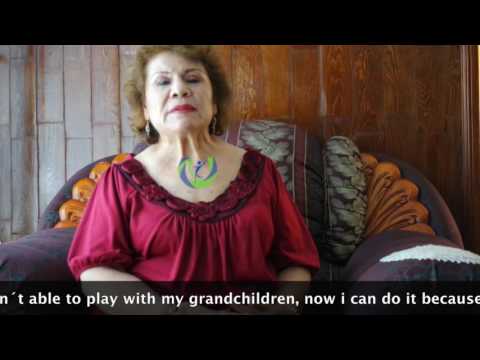
- Review Patient Testimonials: Look for independent, third-party video reviews from previous international patients detailing their long-term outcomes and clinical experience.
Red Flags to Avoid
Walk away immediately from any clinic that guarantees a "100% cure" for your condition, pushes you to undergo treatment without a review of your MRI/X-rays, or refuses to disclose the source and cultivation methods of their stem cells. Ethical medicine never involves absolute promises.
Contraindications and Potential Risks
While stem cell therapy is generally well-tolerated and minimally invasive, it is not a magical panacea. Patients must approach regenerative medicine with a clear understanding of its limitations and clinical contraindications.
Who Should Not Pursue This Treatment?
Stem cell therapy relies on cellular multiplication and immune modulation. Therefore, medical professionals typically reject candidates who fall into the following categories:
- Individuals with active cancer or a recent history of malignancies (stem cells promote growth, which could theoretically accelerate tumor development).
- Patients suffering from active, severe systemic infections or blood-borne diseases.
- Those with advanced, bone-on-bone osteoarthritis where no cartilage remains (cells require an existing matrix to facilitate repair; joint replacement may be the only option).
- Pregnant or nursing women.
Mitigating the Risks of Medical Travel
The primary risk of international medical travel is the discontinuity of care. If you experience unexpected joint stiffness or suspect an infection three weeks after returning to the United States, you cannot simply drive back to the Mexican clinic. To mitigate this, establish a relationship with a local primary care physician or physical therapist who is aware of your treatment and willing to oversee your long-term rehabilitation.
Your Action Plan for Regenerative Medicine in Mexico
If you are suffering from chronic pain and are ready to explore your options south of the border, follow this structured, 5-step action plan to initiate your healthcare journey safely.
- Gather Your Medical Records: Obtain your latest physician notes, blood panels, and recent diagnostic imaging (MRIs or X-rays). Clinics cannot properly evaluate you without this data.
- Request Multiple Quotes: Use verified medical tourism platforms like PlacidWay to contact 2 to 3 top-tier clinics in destinations like Tijuana, Cancun, or Guadalajara. Compare their protocols and prices.
- Schedule a Video Consultation: Speak directly with the attending physician. Ask detailed questions about the cellular dosage, delivery method, and their experience treating your specific condition.
- Plan Your Logistics: Ensure your passport is valid for at least 6 months beyond your travel dates. Book your flights and communicate your itinerary to the clinic’s patient coordinator.
- Prepare for Post-Care: Arrange for a family member or friend to assist you upon returning home, and schedule any necessary local physical therapy to maximize the benefits of your cellular treatment.
Take the First Step Toward Pain-Free Living
Connect with globally accredited regenerative medicine centers in Mexico. Review specialist profiles, compare all-inclusive packages, and schedule a free, no-obligation medical evaluation today.
Frequently Asked Questions
Making an Empowered Healthcare Decision
Living with chronic pain and systemic inflammation deeply affects your mobility, mental health, and overall quality of life. For uninsured Americans trapped by domestic medical costs, Stem Cell Therapy for Chronic Pain and Inflammation in Mexico represents a beacon of hope. By traveling abroad, patients can save up to 70% while accessing highly viable, ethically sourced cellular treatments administered by globally recognized specialists.
However, empowering yourself requires diligent research. Protect your investment by verifying COFEPRIS credentials, demanding transparent lab reports, and establishing realistic recovery timelines. Regenerative medicine is a powerful tool for healing, but it must be applied correctly.
If you are exhausted from temporary fixes and ready to explore biological repair, take control of your healthcare journey today. Explore verified regenerative clinics on PlacidWay, request personalized cost estimates, and connect with medical experts who can help you reclaim a pain-free life.
The information in this article is for educational purposes only and does not constitute medical advice. Individual results vary based on health status, case complexity, and other factors. Always discuss your specific situation with a licensed healthcare professional before making treatment decisions. PlacidWay connects patients with verified healthcare providers but does not provide medical services directly.
- Centers for Disease Control and Prevention (CDC): Prevalence of Chronic Pain Among Adults — United States
- National Institutes of Health (NIH): Mesenchymal Stem Cells in the Treatment of Joint Inflammation
- Mayo Clinic: Stem Cells: What They Are and What They Do
- World Health Organization (WHO): Osteoarthritis Fact Sheet
- PlacidWay Medical Tourism: Stem Cell Therapy Clinics and Packages Abroad
.png)

















Share this listing