
Why International Patients Choose South Korea for Stem Cell Therapy
Patients from Japan, the United States, Australia, the Middle East and Southeast Asia increasingly look to Seoul rather than to unregulated clinics elsewhere. Several factors typically drive that choice.
A National Regulatory Framework
South Korea's Act on the Safety of and Support for Advanced Regenerative Medicine places autologous cell therapy under Ministry of Health and Welfare oversight, with Institutional Review Board (IRB) review of treatment protocols. Dr. Kim's Stem Cell Clinic received its Advanced Regenerative Medicine Institution designation in August 2023.
A Physician With a Research Record
Dr. Hyunsoo Kim is a hematologist-oncologist trained at Yonsei University Wonju College of Medicine, a former Professor of Hemato-Oncology and Head of the Bone Marrow Transplantation Team at Ajou University Hospital, and the founder of Pharmicell, developer of the world's first approved stem cell drug.
Closed-Loop Processing
Clinical decision-making, cell processing and tissue culture sit inside one controlled network, so the cells a patient receives are cultured, characterized and released under the same roof that administers them.
Established Foreign Patient Infrastructure
The clinic has been a registered Medical Institution for Attracting Foreign Patients since 2016 and a Gangnam-gu Medical Tourism Partner Institution since 2017, with multilingual coordination from remote evaluation through post-treatment follow-up.
Stats Highlight
Dr. Kim's published clinical research spans myocardial infarction, liver cirrhosis, ischemic stroke, spinal cord injury, multiple system atrophy and heart failure, giving prospective patients something unusual in this field: results they can read before they travel.
The Science Behind Mesenchymal Stem Cell Therapy
There is no magic in stem cell therapy, and any center that suggests otherwise should be treated with caution. The mechanism is biology, and it generally works in two stages.
Homing
Once introduced into the body, mesenchymal stem cells tend to migrate toward sites of inflammation and injury, as though they can sense where the trouble is.
Paracrine signaling
On arrival, the cells release signaling molecules, growth factors and messengers that generally dampen inflammation and instruct the patient's own resident cells to repair the damaged tissue.
A useful way to picture it: the cells are not laying new bricks themselves. They act more like a foreman on a job site, reading the damage and directing the body to heal itself. This mechanism is also a large part of why the safety profile has held up so well across studies.
Did You Know? Because mesenchymal stem cells generally work through signaling rather than by physically becoming new heart or brain tissue, they do not need to reach a specific organ and convert into it. That is reassuring rather than limiting; cells randomly differentiating into heart or brain tissue would be a serious problem, not a benefit.
Fresh, Never Frozen: The Cell Quality Standard
Many clinics culture cells, freeze them, store them and thaw them when a patient is scheduled. It is operationally convenient. Biologically, it has a cost.
Some cells do not survive the freeze-thaw cycle, and the survivors can emerge sluggish, slower to sense injury and slower to send repair signals. Dr. Kim's Stem Cell Clinic does not freeze. Once a culture is ready, the cells are administered within approximately 24 hours.
Maintaining that standard requires a cleanroom, a tight cold chain and nursing staff who understand exactly what they are handling. It is a demanding way to run a clinic, and it rests on a simple conviction: cell quality is ultimately what decides whether the treatment does anything at all.
Facts: Fresh administration within 24 hours of culture release is a protocol commitment at Dr. Kim's Stem Cell Clinic, not an optional upgrade, and it applies across every indication the clinic treats.
Conditions Studied and What the Clinical Evidence Shows
The clinic's protocols are built on trials conducted with Korean university hospitals and biotechnology partners. The table below summarizes what has been reported, stated plainly, including where the effect size is modest.
| Condition | What was studied | Reported findings |
|---|---|---|
| Alcoholic liver cirrhosis | 72 biopsy-confirmed patients; autologous bone marrow MSCs delivered via the hepatic artery | In patients receiving two rounds, follow-up biopsy showed fibrosis reduced by approximately 37%, with improved liver function; adverse events comparable to the no-cell group |
| Ischemic stroke (middle cerebral artery) | Long-term study with major Korean hospitals; autologous MSCs delivered intravenously, five-year follow-up | Approximately 70% of the cell-treated group alive at five years versus roughly one third of controls; disability scores improved; no tumors or serious safety signals |
| Cervical spinal cord injury | Severe injuries; autologous MSCs delivered directly to the damaged cord | Modest but durable gains; some patients regained upper-limb and hand movement sufficient for independent daily tasks; imaging showed reduced cavity size and signs of nerve fiber reorganization; no tumors on long follow-up |
| Heart failure after myocardial damage | Autologous bone marrow MSCs; basis of the stem cell drug approved by Korea's drug authority in 2011, the first of its kind worldwide | Cell-treated patients improved cardiac function more than controls; the gain is measured in a few percentage points of ejection fraction, and safety held up |
| Multiple sclerosis | Individual clinical case; autologous MSCs in relapsing-remitting MS | One patient in his fifties, unable to stand at presentation, later walking with a walker and climbing stairs; because relapsing-remitting MS fluctuates naturally, causation cannot be attributed to the cells from a single case |
Alert: Stem cell therapy for these conditions remains investigational. It is not an approved cure, and no responsible physician will describe it as one. The evidence above points a direction; it does not close the book. Patients should weigh it with their own specialists.
The Treatment Process, Step by Step
For most international patients, treatment at Dr. Kim's Stem Cell Clinic follows a predictable sequence.
- Remote evaluation. Records, imaging and laboratory results are reviewed before travel to determine whether the case is a reasonable candidate and to set expectations honestly.
- Bone marrow harvest. The procedure is performed under anesthesia and generally takes about ten minutes. Patients typically report mild soreness afterward, comparable to a bruise.
- Cell culture and characterization. The marrow is expanded in the clinic's cleanroom for roughly four weeks, until tens of millions of fully characterized cells are available. The clinic does not purchase cells from outside laboratories.
- Administration. Patients return for delivery of their own cells by the route matched to the target: intravenous infusion, intra-articular injection, or delivery into the spinal canal.
- Observation and follow-up. A mild fever lasting about a day is the usual aftereffect. Serious complications are rare. Follow-up continues after the patient returns home.
Tips for Medical Tourists: Because culture takes approximately four weeks, most protocols involve two trips to Seoul or one extended stay. Confirm your itinerary with the clinic's international coordination team before booking flights.
Intravenous or Local Delivery? Choosing the Right Route
A persistent myth holds that intravenously delivered stem cells simply lodge in the lungs and accomplish nothing. That framing misunderstands the mechanism.
Because these cells generally act through signaling as they circulate, they do not need to physically arrive at the heart or brain and become new tissue on the spot. The delivery route should therefore be matched to the target, not chosen for drama.
- Systemic or diffuse disease: intravenous infusion is generally sufficient.
- A single anatomical site, such as spinal cord injury: local delivery may be appropriate.
- The governing principle: a needle in the spine is not used when a simple intravenous line accomplishes the same objective. More invasive means more risk, and the tool should match the problem.
PRP or Cultured Stem Cells? Understanding the Difference
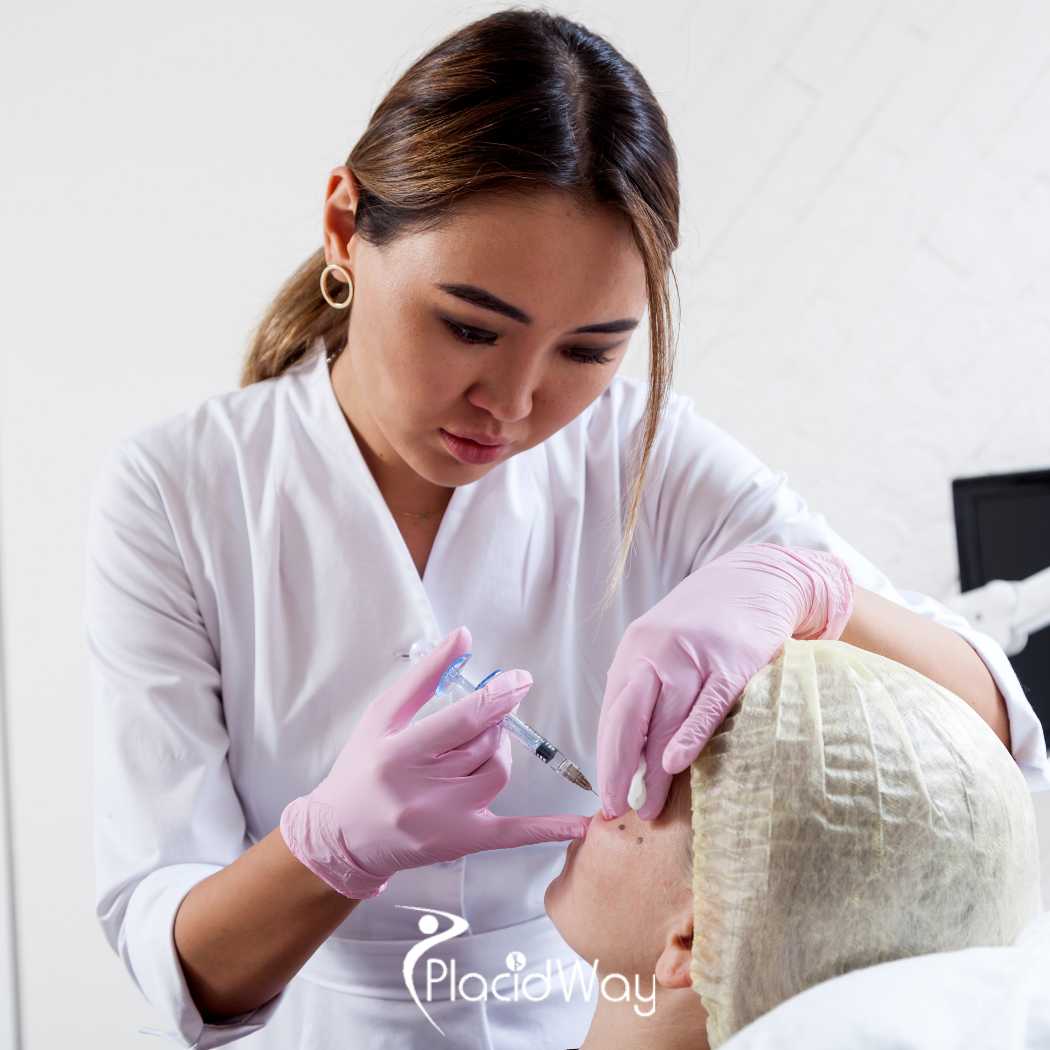
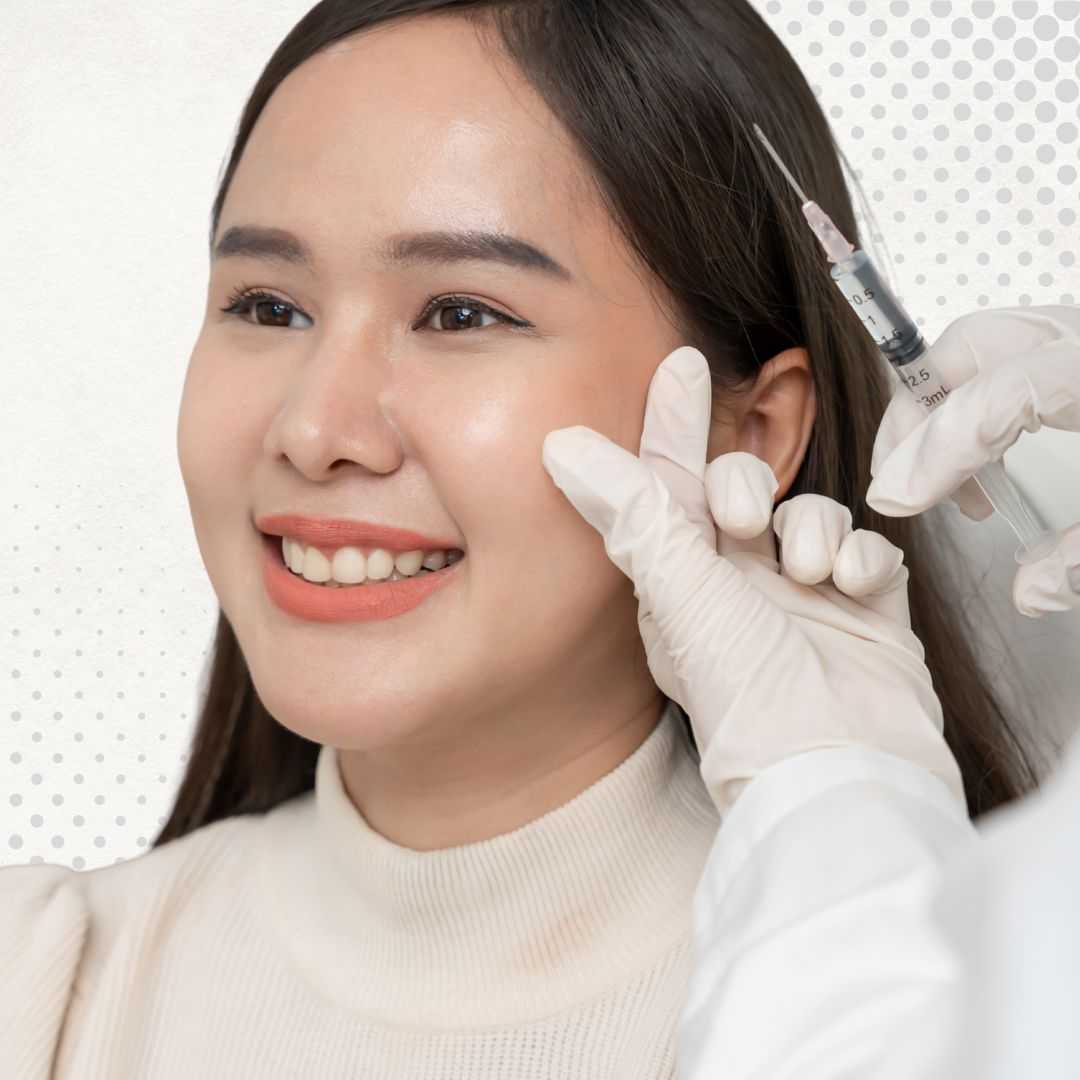
Patients frequently conflate platelet-rich plasma (PRP) with cultured stem cell therapy. They are different procedures with different purposes.
| Feature | PRP (platelet-rich plasma) | Cultured autologous MSCs |
|---|---|---|
| Source | Your own blood | Your own bone marrow |
| Preparation | Drawn and centrifuged, injected the same day | Cultured approximately four weeks in a cleanroom |
| Visits | One | Harvest visit plus administration visit |
| Typical use | Facial and skin rejuvenation | Neurological disease, advanced liver and kidney conditions, cardiac indications |
| Relative effect | Modest, cosmetic-tier | Substantially stronger for serious conditions |
Did You Know? PRP is genuinely effective in its lane, particularly for skin and facial rejuvenation. The mistake is expecting it to address serious organ or neurological disease, where the cell dose and biology are simply different.
Is Stem Cell Therapy Safe? The Cancer Question, Answered Directly
This is the question patients most deserve a straight answer to, so here it is: some stem cells can form tumors, and some cannot.
Embryonic stem cells can form tumors called teratomas. That is documented and real. Those are not the cells used here. Dr. Kim's Stem Cell Clinic uses adult mesenchymal stem cells, which have entirely different biology.
Pooled trial evidence
A 2020 analysis published in a Lancet journal pooled 55 randomized trials covering nearly 2,700 patients and found no increase in cancer versus controls, and no increase in mortality.
Clinic experience
Across more than a decade and several thousand cases, Dr. Kim reports no cancer attributable to the cells administered.
A plausible biological rationale
Mesenchymal stem cells generally calm chronic inflammation, and chronic inflammation is itself a driver of cancer.
Alert: Patients with active malignancy, uncontrolled infection or severe bleeding disorders generally require specialist clearance and may be unsuitable for treatment. Disclose your full medical history during the remote evaluation.
Knowing When Not to Treat
Credibility in regenerative medicine is defined as much by the cases a physician declines as by the cases they accept. Dr. Kim cites the example of a man in his fifties who presented with a severe headache after a day of golf and heavy drinking. Imaging revealed a dissection in an artery supplying the brain, an injury that can cause stroke, and one where anticoagulation must be balanced carefully against bleeding risk.
Many such tears heal on their own with careful, patient management and no surgery. That was the route taken, and the artery healed. Stem cells played no role, and the clinic does not claim otherwise, because arterial dissection is not a proven indication.
The lesson the clinic draws from that case is one international patients should carry into every consultation: "no surgery" does not mean "no hope," and a physician willing to say "not this, not for you" is usually the one worth traveling to.
Who Is a Good Candidate?
Candidacy is determined after diagnostic baseline assessment rather than by fixed packages. Broadly, patients most often considered include:
- Those with chronic neurological, hepatic, renal or cardiac conditions who have exhausted or plateaued on conventional options.
- Patients whose bone marrow can be harvested safely and who can tolerate brief anesthesia.
- Patients who understand the therapy is investigational and are seeking measured improvement rather than a cure.
Patients seeking guaranteed outcomes, or those whose disease stage makes meaningful cellular repair implausible, are generally advised against treatment during the evaluation stage.
Understanding the Cost of Stem Cell Therapy in Seoul, South Korea
Dr. Kim's Stem Cell Clinic prices by protocol rather than by fixed package, because cell dose, delivery route and number of rounds differ substantially between a single intravenous infusion and a two-round hepatic artery protocol. A personalized quotation is issued after the remote evaluation. The factors below determine where an individual quote lands.
| Cost factor | Why it affects your quote |
|---|---|
| Number of treatment rounds | Some published protocols, including the cirrhosis study, used two rounds; single-round protocols cost less |
| Cell dose and culture duration | Larger doses require longer cleanroom culture and additional quality-control release testing |
| Delivery route | Intravenous infusion is simpler than intra-arterial or intrathecal delivery, which require additional procedural resources |
| Diagnostic workup | Baseline biomarker measurement and imaging are performed before protocol design |
| Length of stay and coordination | Harvest-to-administration intervals of roughly four weeks affect accommodation and travel planning |
Tips for Medical Tourists: Request your quotation in writing before you travel, and ask specifically whether it includes the bone marrow harvest, culture, administration, diagnostics and follow-up. Compare on protocol, not on headline price alone.
Recovery and Aftercare
- Immediately after harvest: mild soreness at the harvest site, generally resolving within days.
- After administration: a mild fever for approximately one day is the common aftereffect; serious problems are rare.
- Return to activity: most patients resume ordinary daily activity quickly, with activity guidance tailored to the treated condition.
- Follow-up: outcomes are tracked after return home, and findings feed back into protocol refinement. As Dr. Kim puts it, a center that has not treated enough patients cannot measure its results, and a center that cannot measure cannot improve.
Frequently Asked Questions About Stem Cell Therapy in South Korea
What type of stem cells does Dr. Kim's Stem Cell Clinic use?
The clinic uses autologous bone marrow-derived mesenchymal stem cells, meaning the cells come from the patient's own body. This generally maximizes biocompatibility and removes rejection risk, and it is the cell type with the largest published evidence base for serious conditions such as spinal cord injury, multiple sclerosis and liver cirrhosis.
Why does "fresh, never frozen" matter?
Freezing and thawing can reduce cell viability, and surviving cells may respond more slowly to injury signals. The clinic administers cells within approximately 24 hours of culture release, which requires cleanroom capability, a controlled cold chain and trained staff, but is intended to preserve the biological activity that makes the treatment work.
Is the bone marrow harvest painful?
The harvest is performed under anesthesia and generally takes about ten minutes. Most patients describe the aftermath as soreness similar to a bruise rather than significant pain. It is typically far less demanding than patients anticipate.
How long does the whole process take?
Cell culture requires roughly four weeks between harvest and administration. Most international patients therefore plan either two trips to Seoul or one extended stay, with the exact schedule confirmed by the clinic's coordination team during the evaluation stage.
Can stem cell therapy cause cancer?
Embryonic stem cells can form teratomas, but adult mesenchymal stem cells have different biology. A 2020 pooled analysis of 55 randomized trials covering nearly 2,700 patients found no increase in cancer or mortality versus controls, and the clinic reports no attributable cancer across more than a decade of practice.
Is intravenous delivery effective, or do the cells get stuck in the lungs?
Mesenchymal stem cells generally act by releasing signaling molecules as they circulate, so they do not need to physically arrive at a target organ and become new tissue. For systemic or diffuse conditions, intravenous delivery is generally sufficient; local delivery is reserved for single-site injuries where it offers a genuine advantage.
Should I choose PRP or cultured stem cells?
PRP is same-day, drawn from your own blood, and performs well for facial and skin rejuvenation. Cultured mesenchymal stem cells involve roughly four weeks of laboratory expansion and are used for serious neurological, hepatic, renal and cardiac conditions where the effect required is substantially stronger.
Is this treatment approved, or is it experimental?
For most indications it remains investigational and is delivered under government-approved clinical protocols with IRB safety review and Ministry of Health and Welfare oversight. One related product, the stem cell drug approved by Korea's drug authority in 2011 for cardiac indications, was the first approved stem cell drug worldwide.
What results should I realistically expect?
That depends entirely on the condition. Published outcomes range from modest but meaningful, such as a few percentage points of cardiac pumping function, to substantial, such as the roughly 37% reduction in liver fibrosis reported in the cirrhosis study. The clinic's stated policy is to describe expected benefit honestly at evaluation rather than after payment.
Does the clinic support international patients?
Yes. Dr. Kim's Stem Cell Clinic has been a registered Medical Institution for Attracting Foreign Patients since 2016 and a Gangnam-gu Medical Tourism Partner Institution since 2017, with multilingual coordination covering remote evaluation, scheduling, interpretation and post-treatment follow-up.
Speak With Dr. Kim Before You Decide
If you have been told your neurological, hepatic, renal or cardiac condition is beyond help, a second opinion grounded in published clinical research costs you nothing but a conversation. Dr. Kim's stated commitment to every prospective patient is a straight answer about whether this therapy fits your case, including when the answer is no.
Ready to explore Autologous Mesenchymal Stem Cells Seoul, South Korea? Let PlacidWay connect you with Dr. Kim's Stem Cell Clinic for a transparent evaluation and a personalized quotation.
Get a Free Quote Today!Medical Disclaimer: This article is for informational purposes only and is not medical advice. Stem cell therapy for the conditions described is investigational and is not an approved cure. Always consult a qualified healthcare provider before making any medical decision. Results may vary.
References
- Ministry of Health and Welfare, Republic of Korea. Act on the Safety of and Support for Advanced Regenerative Medicine and Advanced Biological Products.
- Wang Y, et al. Safety of mesenchymal stromal cell therapy: pooled analysis of randomized controlled trials. The Lancet family of journals, 2020.
- National Institutes of Health. Stem Cell Information: Mesenchymal Stem Cells.
- Korea Ministry of Food and Drug Safety. Approval of autologous bone marrow-derived mesenchymal stem cell therapy, 2011.
- PlacidWay. Dr. Kims Stem Cell Clinic in Seoul, South Korea.












Share this listing