
Saving Two Young Lives: Heart Transplantation in Saudi Arabia
In a historic medical breakthrough, pediatric cardiac surgeons at King Faisal Specialist Hospital and Research Centre (KFSHRC) in Riyadh, Saudi Arabia, successfully treated two children using a single donor heart through a complex pediatric domino heart transplant procedure, reported as the first of its kind in the Middle East and Europe. The approach combined a heart transplant for a 12-year-old boy with end-stage heart failure with a specialized Ross procedure for a 9-year-old boy with severe aortic valve disease. By transplanting the first child's healthy pulmonary valve and root into the second child, the surgical team extended the benefit of one donor heart to two young patients. This achievement highlights the role of advanced pediatric Heart Transplantation in Saudi Arabia, careful tissue assessment, and multidisciplinary coordination in addressing complex heart conditions.
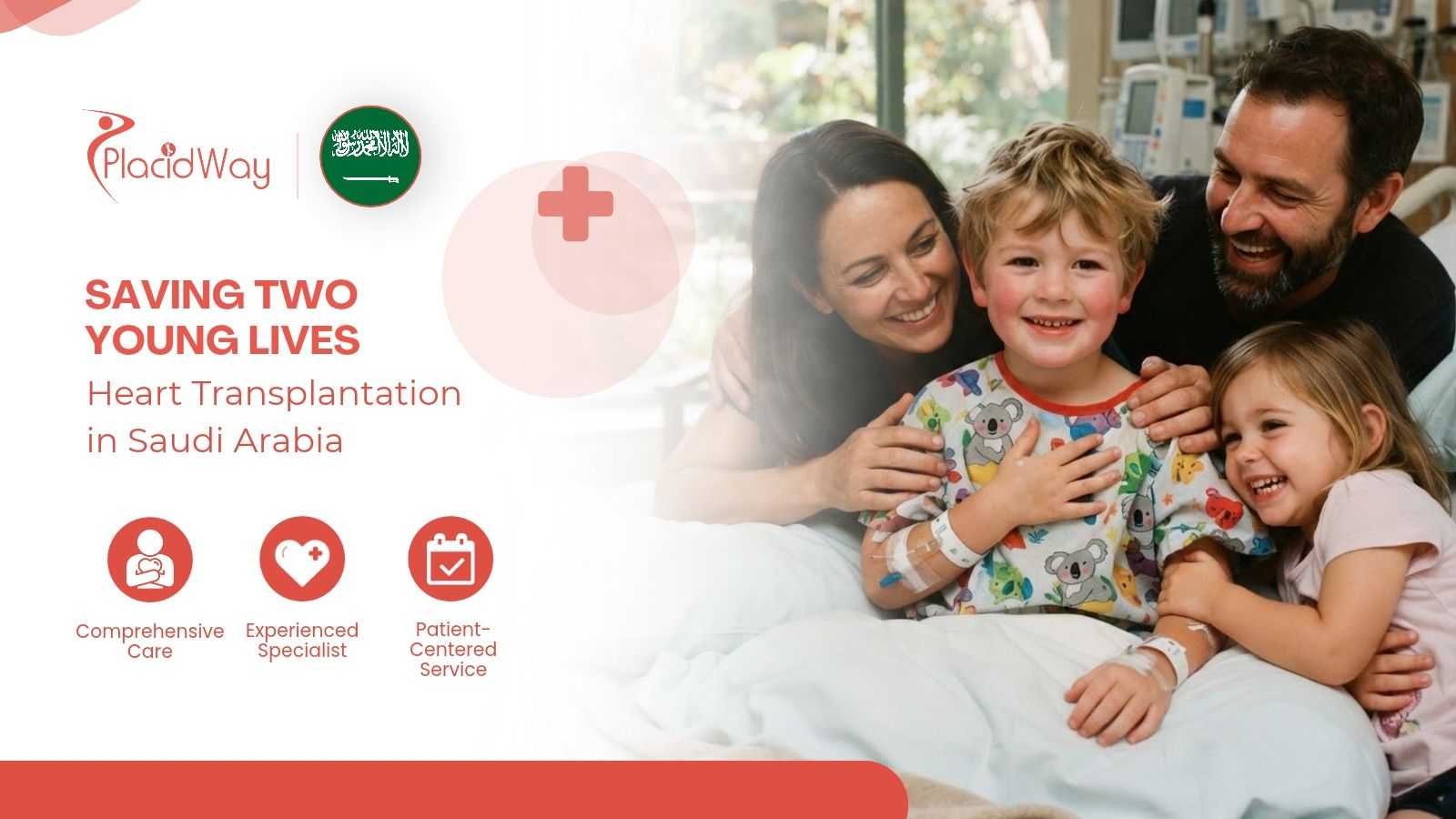
Quick Summary: Pediatric Domino Heart Transplantation
- Surgical Innovation: A single donor heart was used to save two children at King Faisal Specialist Hospital and Research Centre (KFSHRC) in Riyadh, Saudi Arabia.
- First Patient (12-year-old boy): Diagnosed with dilated cardiomyopathy and end-stage heart failure; received the complete donor heart transplant after spending six weeks in intensive cardiac care.
- Second Patient (9-year-old boy): Sufferer of severe aortic stenosis and regurgitation; received a complex Ross procedure using the first recipient's healthy native pulmonary valve and root.
- Growth Potential: Because the transplanted pulmonary valve consists of living vascular tissue, it has the potential to grow naturally with the developing child, reducing future revision surgeries.
- Multidisciplinary Care: Executed through seamless coordination between cardiac transplant surgeons, pediatric cardiologists, perfusionists, cardiac imaging teams, anesthesiologists, and critical care specialists.
Featured Medical Center in Saudi Arabia
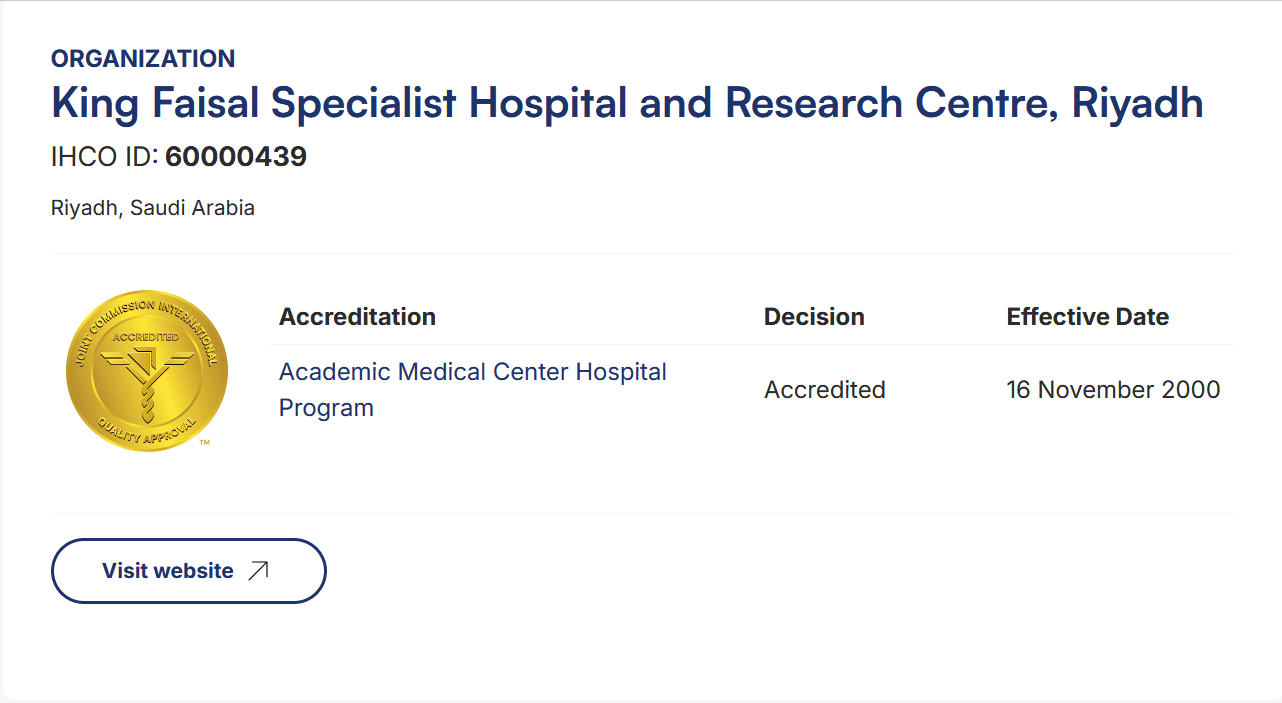
King Faisal Specialist Hospital and Research Centre (KFSHRC)
King Faisal Specialist Hospital and Research Centre is a tertiary healthcare institution known for specialized medical services, advanced cardiac care, and complex surgical treatment. Its multidisciplinary expertise supports demanding procedures involving pediatric heart transplantation, congenital heart conditions, and innovative cardiac surgery.
Explore the hospital profile for more information about its services, specialties, and medical care options.
Two Young Lives, One Donor Heart: A Remarkable Transplant Story
Pediatric heart surgery in Saudi Arabia reached a significant clinical milestone when cardiac teams at King Faisal Specialist Hospital and Research Centre (KFSHRC) successfully executed a pioneering split-heart domino transplantation. By leveraging valid biological structures from a primary transplant recipient, surgeons extended the life-saving potential of a single donor heart to two young pediatric patients.
The historical procedure involved a 12-year-old boy suffering from end-stage dilated cardiomyopathy and a 9-year-old boy presenting with severe aortic stenosis and valve regurgitation. This dual intervention illustrates the height of surgical innovation in cardiac transplantation in Saudi Arabia.
Understanding the Critical Heart Conditions Affecting Both Children
The two surgical candidates presented with distinct, life-threatening cardiac pathologies requiring advanced surgical intervention at KFSHRC Saudi Arabia:
Patient 1: Dilated Cardiomyopathy
Age: 12 years old
Characterized by severe ventricular dilation and weakened myocardial contraction leading to end-stage heart failure. Prior to surgery, the child spent six weeks hospitalized on continuous intravenous inotropic support.
Patient 2: Severe Aortic Stenosis
Age: 9 years old
Sufferer of severe aortic valve narrowing and regurgitation who had previously undergone two corrective valve procedures. Required aortic valve replacement to prevent irreversible left ventricular dysfunction.
Warning Signs of Severe Heart Disease in Children
Recognizing early clinical signs of pediatric heart failure is essential for timely referral to specialized centers performing pediatric heart transplant in Saudi Arabia. Common warning signs include:
- Persistent fatigue and reduced activity levels
- Shortness of breath during routine daily activities
- Poor feeding, diminished appetite, or poor weight gain
- Rapid heartbeat (tachycardia) or irregular rhythms
- Swelling (edema) in the lower extremities or abdomen
- Recurrent hospital admissions due to cardiac decompensation
How One Donor Heart Can Help Save Two Young Lives
During a whole-organ heart transplant for end-stage dilated cardiomyopathy, the recipient's native heart is removed. Although the ventricular muscle in dilated cardiomyopathy is severely diseased, biological structures like the pulmonary valve and pulmonary root often remain healthy and structurally intact.
By combining a primary heart transplant with a surgical Ross procedure, surgeons at King Faisal Specialist Hospital and Research Centre repurposed the 12-year-old recipient's healthy pulmonary valve to reconstruct the 9-year-old patient's damaged aortic valve architecture.
Pediatric Domino Heart Transplant & Ross Procedure Workflow
Source: King Faisal Specialist Hospital and Research Centre (KFSHRC) Clinical Reports (2026).
Understanding the Medical Principles Behind Split-Heart Transplantation
Performing a domino heart transplant and valve autograft transfer requires rigorous preoperative planning and specialized clinical criteria:
- Evaluating donor heart size and anatomical suitability: Ensuring precise volumetric matching between donor organ and recipient chest cavity.
- Assessing tissue viability: Confirming that the first recipient's native pulmonary valve and root are free from disease or structural defects.
- Identifying appropriate recipients: Matching tissue specifications against recipient profiles requiring complex aortic valve replacement.
- Examining cardiac chambers and valves: Conducting detailed echocardiographic and imaging reviews of cardiac structures.
- Determining circulatory support capacity: Verifying that each transplanted segment can sustain hemodynamic demands.
- Balancing clinical risk: Weighing surgical complexity against long-term benefits of living tissue autografts.
Assessing Pediatric Patients for Complex Heart Transplant Procedures
Candidates for cardiac transplantation in Saudi Arabia undergo multidimensional medical evaluations. Preoperative staging includes evaluating pulmonary vascular resistance, end-organ renal and hepatic function, active infection status, panel reactive antibody (PRA) levels, and psycho-social family support systems to optimize post-transplant survival.
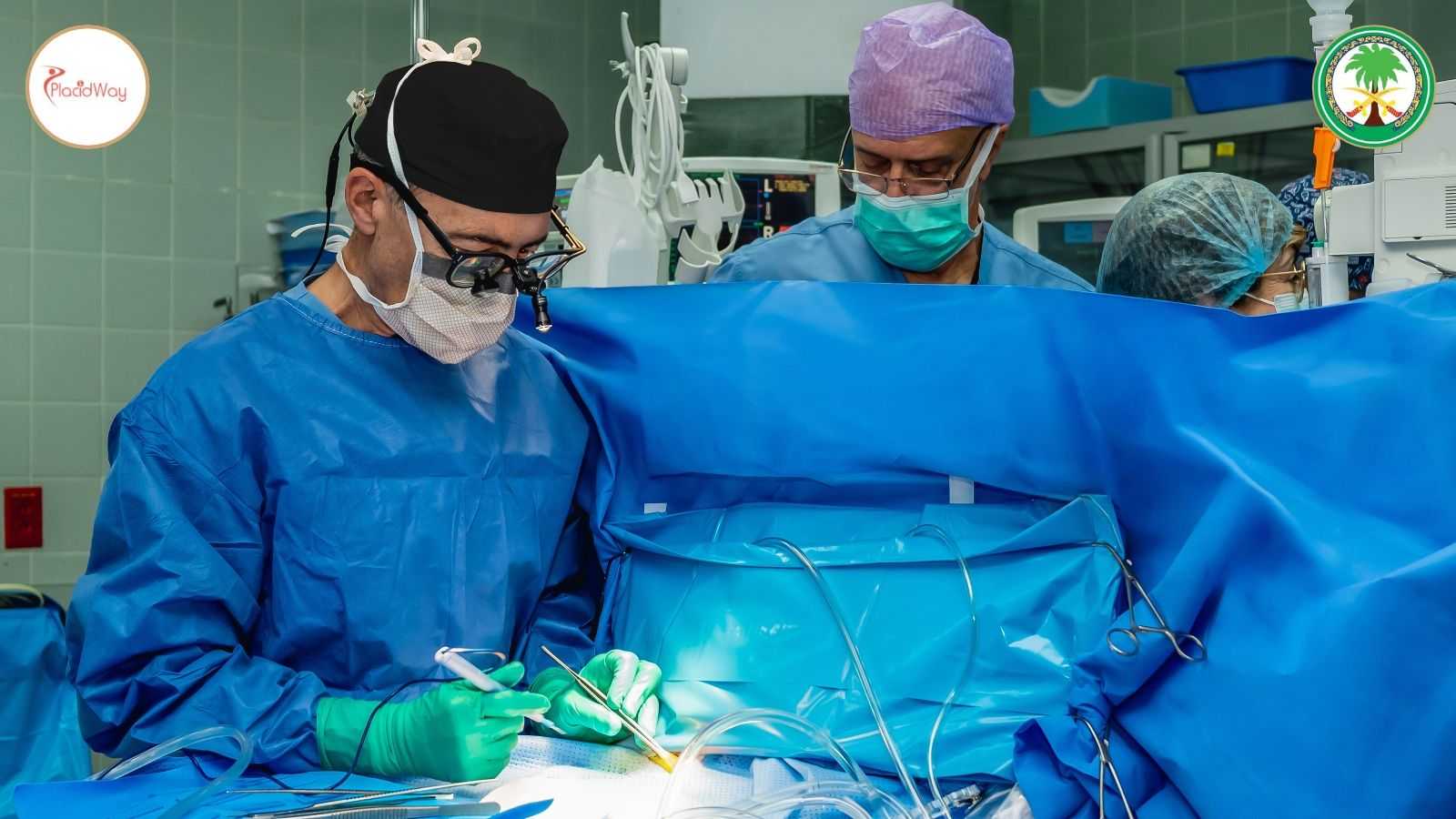
Key Stages of Donor Heart Evaluation and Transplant Planning
The execution of a dual pediatric heart procedure demands synchronous timing across clinical teams:
| Stage | Clinical Objective | Team Responsible |
|---|---|---|
| 1. Organ Assessment | Confirm donor eligibility, organ function, and ischemia timing. | Transplant Coordinators & Retrieval Surgeons |
| 2. Recipient Preparation | Induction anesthesia and cardiac bypass setup in adjacent operating suites. | Cardiac Anesthesiology & Perfusion Teams |
| 3. Whole Heart Transplant | Explant recipient 1 native heart; implant donor heart. | Pediatric Heart Transplant Surgeons |
| 4. Tissue Harvesting & Ross Procedure | Prepare native pulmonary valve from recipient 1; perform Ross procedure on recipient 2. | Congenital Cardiac Surgeons |
| 5. Postoperative Care | Hemodynamic stabilization, immunosuppression, and weaning from bypass. | Pediatric Cardiac ICU Specialists |
The Role of Specialized Surgical Teams in Pediatric Heart Transplantation
Surgeries of this scale at King Faisal Specialist Hospital and Research Centre rely on multidisciplinary collaboration. The surgical footprint includes heart transplant surgeons, pediatric and congenital cardiac surgeons, pediatric cardiologists, heart failure specialists, cardiac imaging experts, cardiac anesthesiologists, perfusionists, surgical nurses, and transplant coordination specialists working in parallel.
Managing Immunosuppression and Preventing Organ Rejection
Post-transplant management requires balanced immunosuppressive protocols to prevent host rejection while minimizing infection risks:
Immunosuppressive Therapy
- Calcineurin inhibitors (tacrolimus/cyclosporine)
- Antimetabolites (mycophenolate mofetil)
- Corticosteroid maintenance and weaning
Rejection & Infection Surveillance
- Routine endomyocardial biopsies
- Echocardiographic strain imaging
- Prophylactic antiviral and antibacterial protocols
Long-Term Monitoring
- Therapeutic drug level monitoring
- Renal function surveillance
- Pediatric growth and developmental tracking
Recovery, Rehabilitation, and Long-Term Monitoring After Transplantation
Post-surgical recovery involves progressive mobilization, physical therapy, nutritional support, and psychological adjustment. For the second recipient, using living autograft tissue offers a notable biological advantage: because the transplanted pulmonary valve consists of living vascular tissue, it retains the capacity to grow naturally alongside the developing child, potentially reducing the need for repetitive mechanical valve replacement surgeries.
Potential Benefits, Risks, and Ethical Considerations of Organ Sharing
Clinical Benefits
- Maximizes the clinical utility of scarce donor organs.
- Provides living tissue valve replacement with growth potential.
- Eliminates anticoagulation requirements associated with mechanical valves.
Risk & Ethical Factors
- Requires simultaneous surgical coordination across two operating suites.
- Demands explicit informed consent from donor and recipient families.
- Entails potential surgical complications associated with prolonged bypass timing.
Advancing Pediatric Heart Transplantation in Saudi Arabia
The successful execution of this pediatric domino transplant highlights the growing surgical capabilities within Saudi Arabia's healthcare ecosystem. Institutions like King Faisal Specialist Hospital and Research Centre (KFSHRC) continue to expand specialized cardiac services, placing KFSHRC Saudi Arabia at the forefront of international pediatric cardiac innovation.
Frequently Asked Questions
What is a domino heart transplant?
A domino heart transplant is a surgical procedure where a recipient receiving a donor heart donates their own native heart—or healthy components of it, such as valves—to treat another patient in need of cardiac reconstruction.
Where was this landmark pediatric domino heart transplant performed?
The historic procedure was successfully performed at King Faisal Specialist Hospital and Research Centre (KFSHRC) in Riyadh, Saudi Arabia.
Why was a domino approach chosen for these two children?
The first child required a complete heart transplant due to dilated cardiomyopathy, but possessed a healthy pulmonary valve. Surgeons repurposed this viable valve to repair the second child's severe aortic valve defect, extending one donor heart's benefit to two patients.
What is the Ross procedure?
The Ross procedure is a cardiac surgery where a patient's damaged aortic valve is replaced with their own healthy pulmonary valve (or a living autograft from a compatible source), leaving living tissue capable of natural growth.
What are the advantages of using living valve tissue in pediatric heart surgery?
Living valve tissue has the capacity to grow with the child as they develop, significantly reducing the likelihood of future open-heart revision surgeries compared to synthetic or mechanical valves.
How long must pediatric heart transplant recipients remain hospitalized?
Hospital stay varies based on clinical stability, but recipients typically spend 2 to 4 weeks in specialized cardiac intensive care and recovery units to monitor for early organ rejection and infection.
What medical care is required after cardiac transplantation in Saudi Arabia?
Post-transplant care requires lifelong immunosuppressive medications, routine echocardiographic surveillance, rejection monitoring, endomyocardial biopsies when indicated, and regular pediatric cardiology follow-ups.
What medical specialists are involved in complex pediatric heart surgery?
Care teams comprise pediatric cardiac transplant surgeons, congenital heart surgeons, pediatric cardiologists, cardiac anesthesiologists, perfusionists, imaging specialists, and critical care nurses.
Does a valve transplant recipient require lifelong immunosuppression?
Full organ transplant recipients require lifelong immunosuppression. However, patients receiving only an isolated valve autograft or homovascual tissue generally require less intensive or short-term immunosuppressant protocols compared to whole-organ recipients.
How can international patients inquire about heart surgery at KFSHRC?
Patients and families can consult medical facilitators or request formal clinical evaluation and medical record reviews directly through authorized hospital portals.
Inquire About Cardiac Care at KFSHRC
Learn more about specialized pediatric Heart Surgery in Saudi Arabia, cardiac transplantation, and medical evaluation programs at King Faisal Specialist Hospital and Research Centre.
Request Hospital InformationDisclaimer: This content is provided for educational and informational purposes only and does not constitute medical advice, diagnosis, or treatment. Always seek the advice of a qualified healthcare provider regarding any cardiac condition or medical procedure.
References & Trusted Sources
- WHO: Global Guidance on Cardiovascular Health and Access to Specialized Medical Care
- Saudi Ministry of Health: National Healthcare Services and Specialized Treatment Information
- American Heart Association: Heart Transplantation, Heart Failure, and Congenital Heart Disease Resources
- ISHLT: International Guidelines and Research on Heart and Lung Transplantation
- American College of Cardiology: Clinical Resources on Heart Failure and Cardiovascular Treatment
- Society of Thoracic Surgeons: Cardiac Surgery Standards, Clinical Research, and Patient Information
- European Society of Cardiology: Evidence-Based Guidance on Cardiovascular Diseases and Treatment



















Share this listing