
Facing the need for a kidney or liver transplant can be an emotional journey, but understanding your international medical options may help provide a clear path forward. Many international patients look to Istanbul, Turkey for complex transplant surgeries due to experienced medical teams and structured healthcare systems, though you must strictly follow local laws requiring you to bring a living related donor. This guide will walk you through estimated treatment costs, essential Ministry of Health certifications to verify, and the critical steps for ensuring a safe and legally compliant procedure abroad.
Quick Answer Summary
- Legal Requirement: International patients must bring their own living related donor (up to 4th degree). Cadaveric (deceased) organs are not available to medical tourists.
- Estimated Cost: Typically ranges from $20,000 to $35,000 USD for kidney transplants, and $50,000 to $80,000 USD for liver transplants, depending on the hospital and case complexity.
- Ideal Candidate: Patients diagnosed with end-stage renal disease or liver failure who are medically fit for surgery and have a willing, healthy, blood-type-compatible relative.
- Recovery Time: The recipient usually spends 10 to 14 days in the hospital, followed by 3 to 4 weeks of local recovery in Istanbul for monitoring before traveling home.
- Why Istanbul, Turkey: High volume of living-donor transplant experience, modern infrastructure, and regulated specialized transplant centers.
- Certifications to Verify: The facility must hold a valid "Organ Transplant Center Authorization" issued specifically by the Turkish Ministry of Health.
Understanding Organ Transplant Options in Istanbul, Turkey
Organ transplantation is one of the most complex procedures in modern medicine, requiring a highly coordinated team of surgeons, nephrologists, hepatologists, and immunologists. When you explore this treatment in Istanbul, you are looking at a healthcare system that performs a significant volume of living-donor transplants annually. Because of the critical nature of these surgeries, thorough research and preparation are essential before you ever book a flight.
Patients travel for these procedures for various reasons, ranging from long wait times in their home countries to seeking specialized surgical techniques. When exploring your options, it is important to focus on the facts and legal realities of cross-border transplant surgery rather than just affordability.
- Access to experienced multidisciplinary transplant teams.
- Availability of advanced surgical infrastructure and intensive care units.
- Strict government regulation overseeing all transplant activities.
- Comprehensive pre-operative donor and recipient testing protocols.
- Structured post-operative monitoring programs.
Important Caution: Organ trafficking is illegal and strictly monitored globally. In Turkey, ethical committees rigorously investigate all donor-recipient relationships to ensure donations are voluntary, non-commercial, and legally sound.
Legal Requirements for International Transplant Patients
The most crucial factor you must understand before considering an organ transplant in Istanbul, Turkey is the country's legal framework regarding organ donation. Turkish law dictates that international medical tourists are strictly prohibited from receiving organs from deceased (cadaveric) donors. You can only receive a transplant if you have a living donor.
Furthermore, this living donor must typically be a relative up to the fourth degree of consanguinity. If the donor is not a blood relative (such as a spouse), you must prove a long-standing, genuine relationship. In these non-relative or distant-relative cases, the application must be reviewed and approved by the Turkish Ministry of Health's local Ethics Committee, which involves extensive interviews to rule out any financial exchange.
If you cannot provide a legal, willing, and medically suitable living donor from your home country, you will not be eligible for organ transplantation in Turkey. There are no exceptions to this rule.
Types of Organ Transplants Commonly Performed
Because international patients rely entirely on living donors, the types of transplant procedures available are limited to organs that a healthy person can safely donate part of, or one of. The two primary living-donor procedures performed for international patients in Istanbul are kidney and liver transplants.
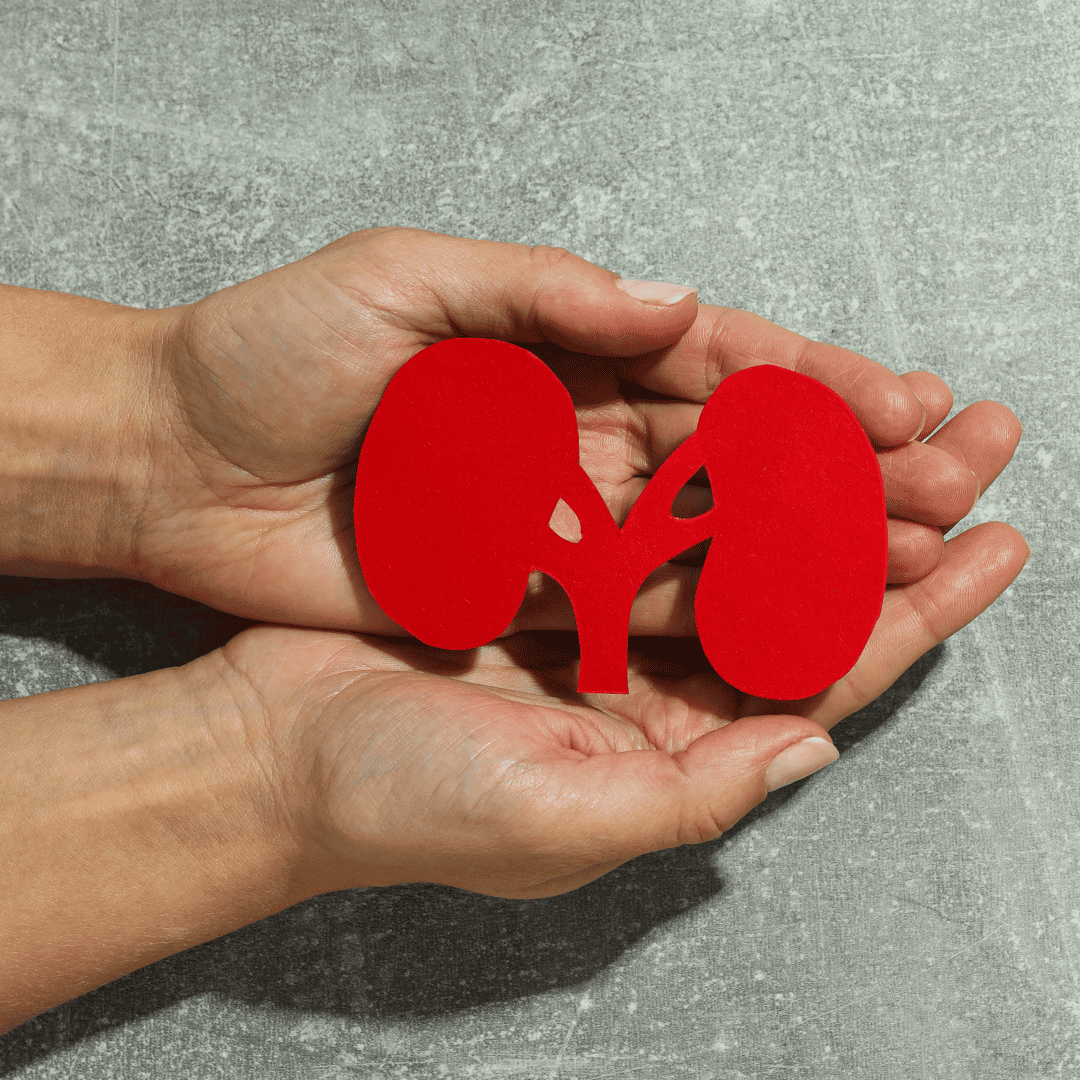
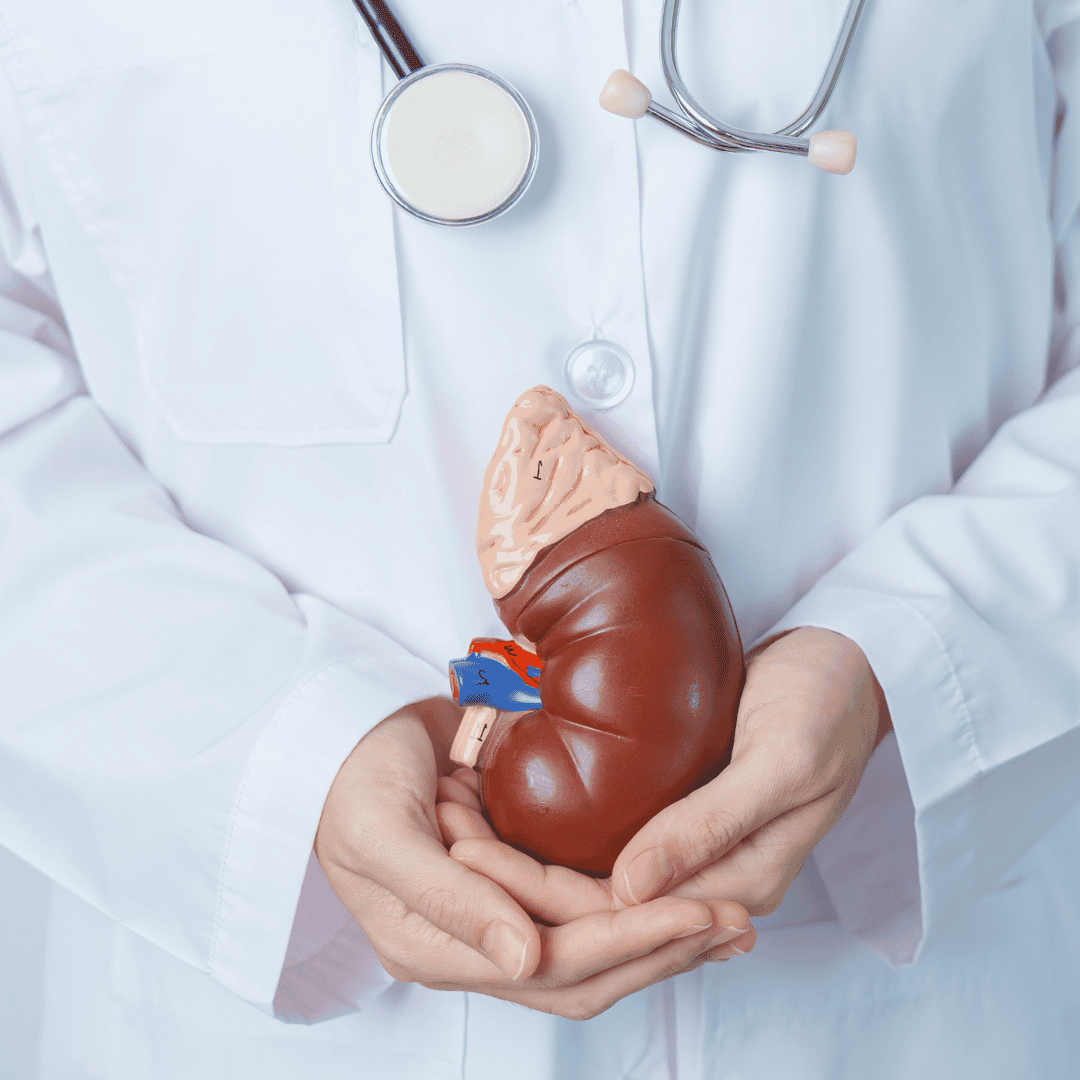
In a living-donor kidney transplant, the healthy donor provides one of their two kidneys. The remaining kidney compensates and typically provides normal renal function for the donor. The surgical approach often involves minimally invasive (laparoscopic) techniques for the donor, which may help speed up their recovery time.
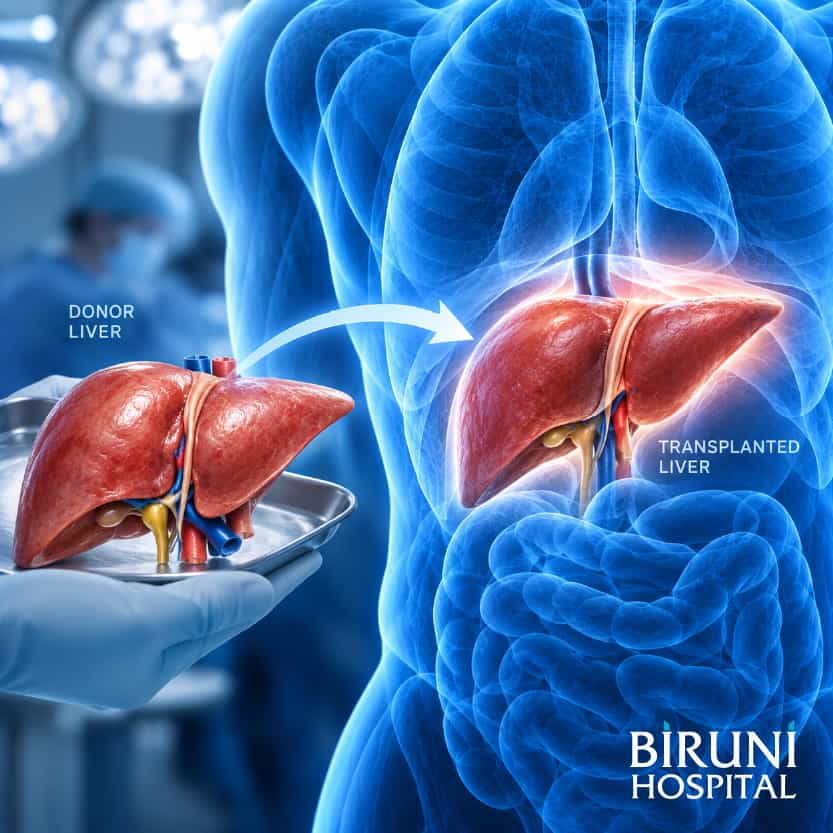
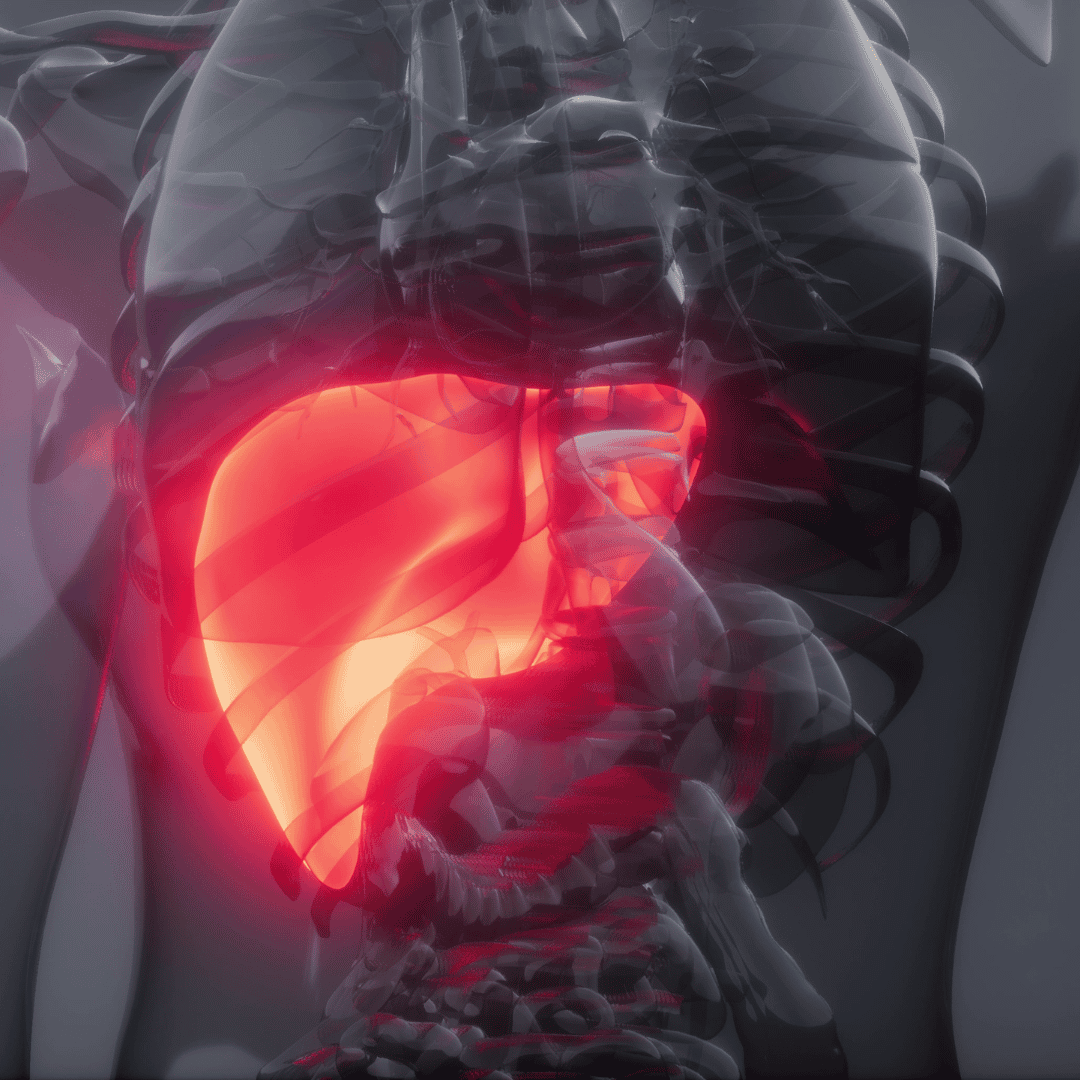
For a living-donor liver transplant, the surgeon removes a specific portion (usually a lobe) of the healthy donor's liver and transplants it into the recipient. The human liver has a unique ability to regenerate, and both the donor's and the recipient's liver segments typically grow back to normal size within a few months.
Patient Demographics and Travel Trends
Understanding who travels for these procedures can provide helpful context for your own journey. According to 2024 healthcare mobility data and clinical registries, patients seeking organ transplants in Istanbul primarily arrive from regions where living-donor transplant infrastructure is still developing, or where national healthcare systems face severe capacity constraints.
The majority of these patients are between 35 and 65 years old, dealing with chronic conditions like hypertensive nephrosclerosis, diabetic nephropathy, or chronic liver disease. The data below illustrates the demographic age distribution of adult transplant recipients traveling for specialized care, based on verified 2024-2025 clinical mobility datasets.
Recipient Age Distribution (2024 Data)
This bar chart represents the age demographics of international adult patients undergoing living-donor transplants, reflecting data updated in 2024.
Additionally, clinical tracking of graft survival provides important baseline data for patient expectations. The following line graph illustrates the 1-to-5-year graft survival probability for living-donor kidney transplants, referencing 2024 global and regional nephrology outcomes.
Living Donor Graft Survival Probability (2024 Reference)
This line graph shows the typical trajectory of graft function over a 5-year period post-surgery.
Estimating the Cost of Treatment
Financial planning is a critical aspect of preparing for an organ transplant. The cost of a transplant in Istanbul is generally lower than in North America or Western Europe, which is a major factor for uninsured or underinsured patients. However, you must carefully evaluate what is included in the quoted prices. Costs typically cover pre-operative testing for both donor and recipient, the surgical procedures, hospital stays for both individuals, and initial post-operative medications.
Prices vary significantly based on the type of transplant, the specific hospital chosen, the duration of ICU care required, and any unforeseen medical complications. It is imperative that you request a transparent, itemized written quote before committing to a provider.
| Procedure Type | Estimated Cost in Istanbul, Turkey (USD) | Estimated Cost in US/UK (USD) |
|---|---|---|
| Living-Donor Kidney Transplant | $20,000 - $35,000 | $150,000 - $400,000+ |
| Living-Donor Liver Transplant | $50,000 - $80,000 | $300,000 - $600,000+ |
Keep in mind that these estimates rarely cover long-term costs. You must budget for extended accommodation in Istanbul for the mandatory 3 to 4 weeks of post-operative follow-up. Additionally, you will face lifetime costs in your home country for immunosuppressive medications, which are mandatory to prevent organ rejection.
How to Choose a Licensed Hospital
Choosing the right medical facility in Istanbul requires strict attention to governmental licensing and credentials. Not every private hospital is legally permitted or medically equipped to perform organ transplants. You must look for specialized, highly regulated facilities.
First and foremost, the hospital must hold an official "Organ Transplant Center Authorization" issued by the Turkish Ministry of Health. This certificate confirms that the hospital meets national requirements for surgical infrastructure, ICU capacity, and staffing specifically for transplantation. Without this government authorization, a hospital cannot legally perform your surgery.
Verification Tip: Ask the international patient department of the hospital to provide their Ministry of Health Transplant License number. You can often cross-reference this with your home country's embassy or health consulate.
Secondary to national licensing, many top-tier hospitals in Istanbul also pursue international accreditation, such as from the Joint Commission International (JCI). While JCI accreditation is an excellent indicator of strict hygiene, safety, and operational protocols, the Ministry of Health license remains the absolute legal requirement.
Verifying Your Surgeon and Medical Team
Your surgical team's expertise directly influences the safety and outcome of the procedure. Organ transplants are performed by multidisciplinary teams, meaning you will interact with transplant surgeons, anesthesiologists, and specialized physicians (nephrologists for kidneys, hepatologists for livers).
When evaluating a primary surgeon in Istanbul, you should look for specific medical credentials. The surgeon must be a registered member of the Turkish Medical Association (Türk Tabipleri Birli?i) and hold board certification in general surgery or urology, accompanied by specialized fellowship training in transplant surgery.
Experience is paramount. You should ask about the surgeon's annual case volume for your specific procedure. High-volume transplant surgeons often encounter and successfully manage a wider variety of anatomical complexities and surgical challenges. Do not hesitate to ask for their specific complication and graft survival rates.
Evaluating Patient Eligibility and The Donor Matching Process
Not every patient with organ failure is a candidate for a transplant. You must undergo rigorous evaluations to ensure your body can withstand a major surgery and the subsequent lifelong immunosuppressive therapy. Active infections, severe cardiovascular disease, or active malignancies may disqualify you from receiving a transplant.
Equally critical is the donor evaluation. The donor’s safety is a priority for ethical medical boards. The potential donor must undergo comprehensive physiological and psychological testing to confirm they are healthy enough to donate and are doing so without coercion.
The medical matching process involves blood typing (ABO compatibility) and tissue typing (HLA matching). In kidney transplants, crossmatching is also performed to check for specific antibodies. A positive crossmatch indicates that your body would immediately reject the donor's kidney, meaning the transplant cannot proceed with that specific donor.
Pre-Operative Assessment and Medical Testing
Once you and your donor arrive in Istanbul, the hospital will initiate an intensive series of pre-operative tests, even if you have already submitted medical records from home. This testing phase typically takes several days to a week and is designed to leave no stone unturned regarding your current health status.
Testing includes advanced imaging like CT scans or MRIs to map the donor's organ anatomy and blood vessels. Blood tests check organ function, viral markers (such as Hepatitis and HIV), and coagulation profiles. Cardiac evaluations, including EKGs and echocardiograms, ensure your heart can handle the anesthesia and fluid shifts associated with major surgery.
| Test Category | Specific Diagnostics Performed | Purpose of Evaluation |
|---|---|---|
| Immunological | Blood typing, HLA typing, Crossmatch | Ensures organ compatibility and minimizes immediate rejection risk. |
| Radiological | CT Angiography, MRI, Ultrasound | Maps anatomical structures and blood supply for surgical planning. |
| Cardiopulmonary | EKG, Echocardiogram, Chest X-ray | Verifies fitness for general anesthesia and prolonged surgery. |
The Surgical Procedure and Hospital Stay
The surgical day involves two operating rooms running simultaneously. In one room, the donor undergoes surgery to safely remove the organ or partial organ. Once retrieved, the organ is flushed with a cold preservation solution and immediately transported to the adjacent operating room where the recipient is prepped.
For the recipient, the diseased organ may be removed (as in liver transplants) or left in place (commonly in kidney transplants, where the new kidney is placed in the lower abdomen). The surgeon carefully connects the blood vessels of the new organ to your blood supply, and in the case of a kidney, attaches the ureter to your bladder.
Following the surgery, both you and the donor will be transferred to a specialized Transplant Intensive Care Unit (ICU). The donor typically stays in the hospital for 4 to 7 days. As the recipient, you can expect a hospital stay of 10 to 14 days, assuming there are no early complications, so the medical team can closely monitor your initial organ function and adjust medication dosages.
Recovery Expectations and Post-Transplant Care
Recovery does not end when you are discharged from the hospital. You must remain in Istanbul for a mandatory outpatient recovery period, usually lasting 3 to 4 weeks. During this time, you will visit the clinic multiple times a week for blood tests and ultrasounds to monitor the new organ and ensure your body is not rejecting it.
During the first few months, your immune system will be heavily suppressed, making you highly susceptible to infections. You will need to practice strict hygiene, avoid crowded places, and strictly adhere to dietary guidelines provided by your clinical nutritionist.
Key Takeaway: Successful transplantation requires lifelong commitment. You must take your medications exactly as prescribed every single day. Missing even one dose can trigger an immune response that leads to organ rejection.
Managing Immunosuppression Medications Abroad
Immunosuppressants (anti-rejection medications) are the lifeline of a transplant recipient. While the initial supply will be provided by your pharmacy in Istanbul, you must have a clear plan for how you will obtain these medications once you return to your home country.
Before you leave Turkey, your transplant team will provide a detailed medical report and prescription protocol. It is vital that you establish a relationship with a local nephrologist or hepatologist in your home country before you travel for surgery. They will take over your care, monitor your drug levels, and issue ongoing prescriptions, as international prescriptions are rarely honored at local pharmacies.
Risks, Complications, and Safety Protocols
Organ transplantation carries significant risks that you must weigh carefully with your healthcare provider. Immediate surgical complications can include bleeding, blood clots (thrombosis) in the new organ's blood vessels, and complications from general anesthesia.
The two most prominent long-term risks are organ rejection and severe infection. Rejection occurs when your body's immune system identifies the transplanted organ as a foreign threat and attacks it. This is why strict adherence to immunosuppressive therapy is non-negotiable. Conversely, because these drugs suppress your immune system, your risk of bacterial, viral, and fungal infections increases dramatically.
Reputable hospitals in Istanbul have robust safety protocols, including dedicated transplant ICUs with isolated ventilation systems, 24/7 access to blood banks, and comprehensive emergency management plans in case surgical revision is required.
Travel Planning and Visa Requirements for Medical Tourists
Planning your travel requires coordination beyond booking a flight. Because of the prolonged stay required for recovery, you must ensure your Turkish visa accommodates an extended visit. Many nationalities can easily obtain an e-Visa online, while others may need to apply for a specialized medical visa through a Turkish consulate by presenting their hospital invitation letter.
You should arrange accommodation that offers a clean, quiet environment suitable for recovery, ideally close to the hospital to minimize travel time for frequent follow-up appointments. Many international patient departments at Istanbul hospitals can assist with logistics, providing airport transfers, dedicated translators, and recommendations for long-term stay apartments.
Frequently Asked Questions
Can I use a deceased donor for an organ transplant in Turkey?
No. According to Turkish law, international medical tourists are strictly prohibited from receiving cadaveric (deceased) organs. You must bring a legally eligible living donor to undergo transplantation.
Who can be my living donor in Istanbul?
Typically, your donor must be a blood relative up to the fourth degree. If you wish to use a non-relative or a spouse of a short duration, the case must pass a rigorous review by the Turkish Ministry of Health's Ethics Committee to ensure no financial transaction is involved.
How long do I need to stay in Istanbul after a kidney transplant?
You should plan to stay in Istanbul for at least 4 to 6 weeks total. This includes the pre-operative testing days, 10 to 14 days in the hospital post-surgery, and approximately 3 to 4 weeks of outpatient follow-up care.
What happens if my body rejects the new organ?
If tests indicate organ rejection, the medical team will typically adjust or increase your immunosuppressive medications to stop the immune response. Early detection through frequent blood tests during your stay is critical to managing rejection.
Is the cost of my donor's surgery included in the hospital package?
In most cases, transplant packages in Istanbul cover the surgical and hospital costs for both the recipient and the living donor. However, you must explicitly confirm this in your itemized written quote before proceeding.
How do I verify a hospital's credentials in Turkey?
You should verify that the hospital holds a valid "Organ Transplant Center Authorization" from the Turkish Ministry of Health. You can also look for international quality marks like JCI accreditation.
What tests does my donor need to take before surgery?
Donors undergo extensive physical and psychological evaluations, including blood typing, tissue matching (HLA), CT scans to check organ anatomy, infectious disease screening, and cardiovascular testing.
Will my home country insurance cover a transplant in Turkey?
Most standard domestic health insurance policies do not cover elective medical procedures abroad. You will likely need to pay out-of-pocket, though some specialized international policies may offer partial reimbursement. Check directly with your provider.
How soon can the donor travel back home?
The donor typically stays in the hospital for 4 to 7 days and may be cleared to fly home within 2 to 3 weeks after surgery, provided they pass all medical clearances and have no complications.
Will there be a language barrier at the hospital?
Major licensed transplant centers in Istanbul maintain dedicated international patient departments equipped with in-house medical interpreters who assist you during consultations, surgery prep, and recovery.
Need Help Planning Your Medical Journey?
PlacidWay can help you compare licensed providers, understand treatment costs, and request information directly from specialized transplant clinics in Istanbul.
Request InformationDisclaimer: This information is for educational purposes only and does not replace professional medical advice. Always consult a qualified healthcare provider before making medical decisions.
References
- WHO Guiding Principles on Human Cell, Tissue and Organ Transplantation – World Health Organization
- 2024 Updates on Global Kidney Transplant Survival Rates and Demographics – National Institutes of Health (NIH)
- Organ Procurement and Transplantation Network Data Reports (2024) – HRSA
- Organ Transplant Legislation and Center Authorizations – Turkish Ministry of Health
- Immunosuppressants and Post-Transplant Care – National Kidney Foundation
- Living Donor Liver Transplant Evaluation and Risks – American Liver Foundation
- Medical Tourism Travel Guidelines and Infection Risks – Centers for Disease Control and Prevention (CDC)






















Share this listing