
Renewed Life: Ahmed's Inspiring Journey Through Kidney Transplant in Turkey
Ahmed’s life was unexpectedly placed on indefinite hold due to the debilitating effects of end-stage renal disease. The relentless, exhausting cycle of thrice-weekly hemodialysis quickly drained his physical energy and emotional hope. However, his courageous decision to pursue a life-saving kidney transplant in Turkey completely transformed his future.
This comprehensive guide explores Ahmed’s remarkable medical journey, detailing the advanced nephrology infrastructure available in Istanbul. Discover why thousands of international patients are choosing Turkish medical centers for affordable, world-class living donor renal transplantation and comprehensive post-operative care.
Video Chapters & Quick Navigation
The Hidden Burden of End-Stage Renal Disease
Chronic kidney disease is a silent epidemic that affects millions of individuals globally, often progressing unnoticed until it reaches a critical threshold. For patients like Ahmed, as highlighted at , the diagnosis of End-Stage Renal Disease (ESRD) comes as a devastating life disruption. The kidneys, responsible for filtering toxins and excess fluids from the blood, essentially cease to function.
When renal function drops below ten to fifteen percent, the body begins to accumulate dangerous levels of waste products. This toxic buildup, known as uremia, leads to severe fatigue, uncontrollable nausea, dangerous fluid retention, and a dramatic decline in overall cognitive function. Without immediate medical intervention, ESRD is fatal.
Medical professionals typically present patients with two primary treatment pathways: a lifetime dependency on artificial blood filtration or undergoing a complete renal transplantation. For younger, active individuals seeking to maintain their quality of life, finding a viable organ donor becomes an immediate, desperate priority.
The Exhausting Reality of Hemodialysis Dependency
Before discovering the option of medical travel, Ahmed was tethered to a local hospital's hemodialysis unit. As he describes at , dialysis is not a cure; it is merely a strenuous life support mechanism. Patients are required to sit immobilized in a clinical chair for up to four hours a day, three to four times a week.
The Physical Toll of Artificial Filtration
The physical toll of having one's blood continuously pumped out of the body, artificially cleaned, and returned is immense. Patients frequently suffer from severe post-dialysis exhaustion, dramatic blood pressure fluctuations, and painful muscle cramps. This "dialysis hangover" effectively consumes the entirety of their non-treatment days.
Furthermore, dialysis patients must adhere to incredibly strict dietary and fluid restrictions. The intake of phosphorus, potassium, and sodium must be meticulously monitored, stripping away the simple joy of sharing a normal meal with family. The emotional weight of this restrictive lifestyle often leads to severe depression and anxiety among ESRD sufferers.
Why Patients Choose a Kidney Transplant in Turkey
The quest for a permanent solution often leads patients to confront the grim reality of domestic organ waiting lists. In the United States and the United Kingdom, patients can languish on deceased-donor waiting lists for five to eight years. At , Ahmed explains how this agonizing wait prompted him to look internationally, ultimately discovering the medical excellence of Turkey.
World-Class JCI-Accredited Hospitals
Turkey has strategically positioned itself as a global leader in complex medical tourism, specifically in the field of organ transplantation. The nation boasts one of the highest numbers of Joint Commission International (JCI) accredited hospitals in the world. These facilities are equipped with state-of-the-art surgical suites that rival top-tier hospitals in North America and Western Europe.
Turkish transplant centers are staffed by elite, internationally trained nephrologists and transplant surgeons. Many of these medical professionals have completed rigorous fellowships in the United States or Germany, bringing advanced surgical protocols and innovative immunosuppression management strategies back to Istanbul and Ankara.
Shattering the Financial Barrier: Global Cost Comparison
Beyond the agonising wait times, the financial burden of organ transplantation in Western countries is staggering. Even with robust health insurance, the out-of-pocket costs for copays, donor testing, and post-operative immunosuppressant medications can bankrupt families. Turkey offers a transparent, highly affordable alternative without compromising medical safety.
Comprehensive kidney transplant packages in Turkey are designed with the international patient in mind. These all-inclusive medical bundles typically cover the recipient's surgery, the living donor's laparoscopic extraction, extensive pre-operative laboratory testing, intensive care unit (ICU) stays, and standard hospital accommodations.
| Country / Region | Estimated Transplant Cost (USD) | Average Wait Time (Deceased Donor) |
|---|---|---|
| United States | $150,000 - $400,000+ | 3 to 5 Years |
| United Kingdom (Private) | $80,000 - $120,000 | 2.5 to 4 Years |
| Singapore | $60,000 - $90,000 | 5 to 8 Years |
| Turkey | $18,000 - $25,000 | No Wait (With Living Donor) |
The Crucial Pre-Operative Donor Matching Process
The success of any living donor kidney transplant hinges entirely on the rigorous pre-operative matching process. When Ahmed and his brother arrived in Istanbul, as shown at , they immediately underwent an exhaustive battery of medical and psychological evaluations.
Blood Typing and HLA Crossmatching
The first step involves basic ABO blood type compatibility testing. Once cleared, the medical team proceeds to Human Leukocyte Antigen (HLA) tissue typing. This genetic profiling ensures that the recipient's immune system will not immediately recognize the new kidney as a hostile foreign invader.
The final and most critical test is the serum crossmatch. Doctors mix the recipient's blood serum with the donor's white blood cells in a laboratory setting. If the recipient's antibodies attack the donor's cells, the crossmatch is positive, meaning the transplant cannot proceed. A negative crossmatch is the green light for surgical preparation.
Inside the Operating Room: Advanced Surgical Techniques
Modern kidney transplantation is a marvel of contemporary surgical science. On the day of Ahmed's surgery, captured at , two adjacent operating theatres were utilized simultaneously. This ensures the harvested organ spends the absolute minimum amount of time outside a human body, known as minimizing cold ischemia time.
Laparoscopic Donor Nephrectomy
For the living donor, Turkish surgeons predominantly employ a minimally invasive technique called laparoscopic donor nephrectomy. Instead of a massive abdominal incision, surgeons make a few tiny keyhole incisions to insert a high-definition camera and specialized surgical tools. The kidney is carefully detached and removed through a slightly larger incision near the bikini line.
This minimally invasive approach drastically reduces the donor's postoperative pain, lowers the risk of incisional hernias, and significantly accelerates recovery time. Most living donors are up and walking the very next day and are discharged from the hospital within three to four days.
The Recipient's Implantation Surgery
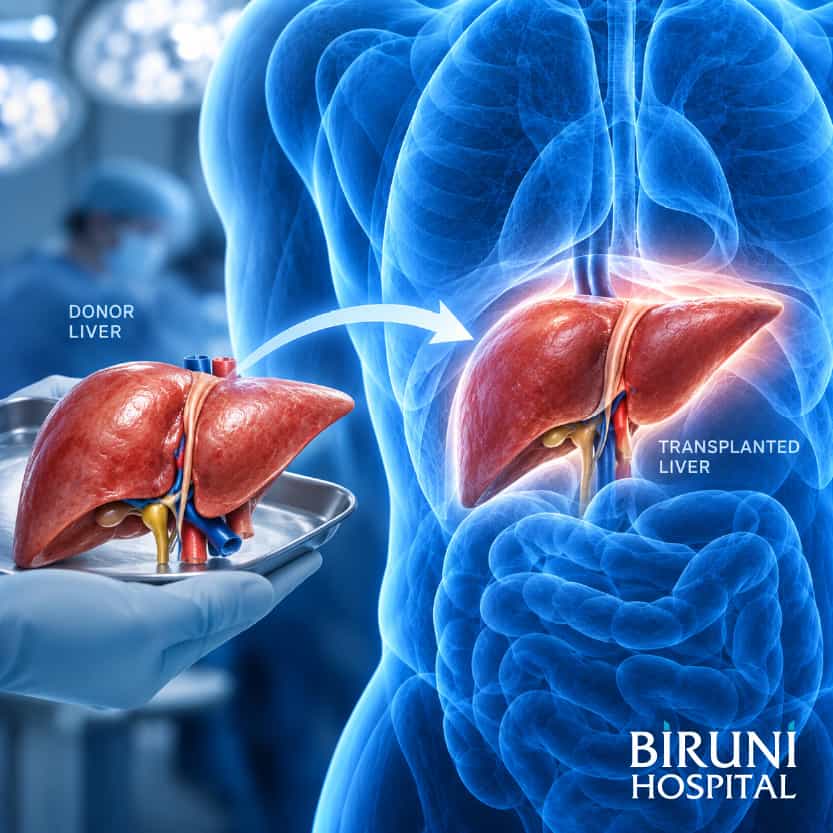
For the recipient, the old, failing kidneys are typically left in place unless they are causing severe infections or uncontrollable high blood pressure. The new, healthy kidney is strategically placed in the lower abdomen. The surgeon meticulously connects the renal artery and vein to the recipient's iliac blood vessels, establishing a robust new blood supply.
Once blood flow is restored, the ureter of the new kidney is surgically attached to the recipient's bladder. In highly successful cases like Ahmed's, the newly transplanted kidney begins producing urine right there on the operating table, a moment that signifies a triumphant surgical outcome.
Post-Operative Care and the Science of Immunosuppression
Waking up in the Intensive Care Unit, Ahmed experienced an immediate shift in his physical reality, detailed at . The fog of uremia begins to lift almost immediately as the new kidney aggressively filters out the toxins that had been accumulating for years. However, the post-operative phase requires strict medical vigilance.
Preventing Organ Rejection
The human immune system is brilliantly designed to attack foreign tissues. To prevent the body from rejecting the new kidney, patients must begin a lifelong regimen of immunosuppressive medications. Turkish transplant centers utilize the latest generations of anti-rejection drugs, carefully balancing dosages to protect the organ while maintaining enough immune function to fight common infections.
During the first few weeks post-surgery, patients undergo daily blood tests to monitor kidney function markers like creatinine and blood urea nitrogen (BUN). The medical team also closely monitors medication trough levels to ensure the immunosuppressants are remaining within the narrow therapeutic window.
Strict Legal and Ethical Guidelines in Turkish Medical Tourism
A common concern among international patients exploring overseas medical care is the ethical sourcing of organs. Turkey has established one of the most stringent, ethically sound legal frameworks for organ transplantation globally. The Turkish Ministry of Health explicitly forbids commercial organ trading and strictly monitors all international transplant procedures.
Living Donor Regulations
Under Turkish law, international patients must bring their own living donor. The donor must be a close relative up to the fourth degree of consanguinity (parents, siblings, cousins, aunts, uncles). Spouses are also legally permitted to donate provided they can prove a long-standing marriage.
If a patient brings a non-related friend who wishes to donate altruistically, the case must be presented before a government-appointed ethics committee. This independent board conducts rigorous interviews to absolutely guarantee that no financial coercion or commercial transaction is taking place, ensuring the highest standards of global medical ethics.
The Seamless Medical Tourism Infrastructure
Navigating major surgery in a foreign country can seem incredibly daunting. However, at , Ahmed highlights the seamless, patient-centric infrastructure that Istanbul provides. Specialized medical tourism facilitators work hand-in-hand with the hospitals to eliminate every logistical stressor.
- Dedicated Patient Coordinators: Patients are assigned bilingual representatives who act as cultural liaisons and medical advocates throughout the entire stay.
- VIP Airport Transfers: From the moment patients land at Istanbul Airport, private medical transport guarantees a comfortable journey to the clinic or hotel.
- Recovery Accommodations: Hospitals partner with nearby luxury hotels equipped to handle post-operative patients, ensuring comfort during the required two-to-three-week outpatient monitoring phase.
A Future Unbound: Ahmed's Renewed Vitality
The transformation seen at the end of Ahmed's journey, shown at , is nothing short of miraculous. Freed from the exhausting, time-consuming chains of the hemodialysis machine, his energy levels have fully rebounded. He has returned to his professional career and is actively participating in family life without dietary anxiety.
A successful living donor kidney transplant does not just add years to a patient's life; it fundamentally restores the quality of those years. The ability to travel freely, drink water without measuring it, and wake up without profound nausea are simple liberties that ESRD patients long to reclaim.
Ahmed’s story is a powerful testament to the advancements in global healthcare accessibility. By looking beyond geographical borders, patients facing dire renal failure can find profound hope, unmatched medical expertise, and an affordable pathway back to a healthy, vibrant life.
Ready to Reclaim Your Health and Freedom?
Do not let long waiting lists or exorbitant medical costs limit your future. PlacidWay Medical Tourism connects you directly with Turkey's elite, JCI-accredited transplant centers. Discover how affordable a world-class living donor kidney transplant can be.
GET A FREE MEDICAL QUOTE TODAY


.png)




.jpg)
.jpg)








Share this listing