Kidney Transplant in Turkey - Improve Your Kidney Function

Publish date: Modified date: Author: Hina Munawar

Experience Price

$18,000 Price starting from
Kidney Transplant in Turkey - Improve Your Kidney Function

Contents

Facing years on a dialysis machine while waiting endlessly on a national transplant list is a harsh reality for many patients in the US, UK, and the Middle East. The physical exhaustion of failing kidney function is heavily compounded by the emotional toll of not knowing if a donor match will arrive in time. That uncertainty is driving many individuals to look beyond their home borders for life-saving care.

Getting a kidney transplant in Turkey has become a viable path for international patients who have a living related donor but cannot afford astronomical domestic prices. While procedures in North America can easily exceed $150,000, specialized medical centers in Istanbul and Ankara typically offer the surgery for approximately $20,000 to $25,000. When researching facilities, patient safety must be your absolute priority. Always verify that the hospital holds Joint Commission International (JCI) accreditation and specialized licensing from the Turkish Ministry of Health for organ transplantation.

Key Insights

Procedure
Living-Donor Kidney Transplant
Typical Cost
$20,000 - $25,000
Key Requirement
Must bring a related living donor
Recovery Stay
3 to 4 weeks in Turkey
Important Credentials
JCI & Ministry of Health Licensing

Navigating the logistics of complex surgery in a foreign country can be overwhelming when you are already dealing with a serious health condition. Comprehensive medical bundles are designed to remove that stress by organizing your care from arrival to departure. A standard kidney transplant package in Turkey typically includes the surgeon's fees, operating room charges, and hospital stays for both the patient and the living donor.

Some bundles also cover essential pre-operative cross-match testing, airport transfers, and the assistance of a designated international patient coordinator. Review the treatment packages below to understand exactly what is included and compare the best options for your medical journey.
`

The financial burden of end-stage renal disease is immense, but traveling abroad can provide access to specialized care at a more manageable price point. A kidney transplant in Turkey generally costs between $20,000 and $25,000, depending on the hospital and the complexity of pre-operative testing. This is a fraction of the cost found in the US, where similar procedures easily exceed $150,000.

Always confirm whether the quoted price covers the medical care for both the donor and the recipient, as well as the initial immunosuppressant medications needed for recovery. Compare the pricing options below to evaluate which financial structure works best for your situation.

Kidney Transplant Centers Cost Comparison in Turkey

Provider Procedure Price
Group Florence Nightingale Hospitals in Istanbul Turkey Kidney Transplant, Organ Transplant $20000
Istanbul Okan University Hospital Kidney Transplant, Organ Transplant $19700
Lokman Hekim Health Group - Multispecialty Hospital in Istanbul Kidney Transplant, Organ Transplant $19000
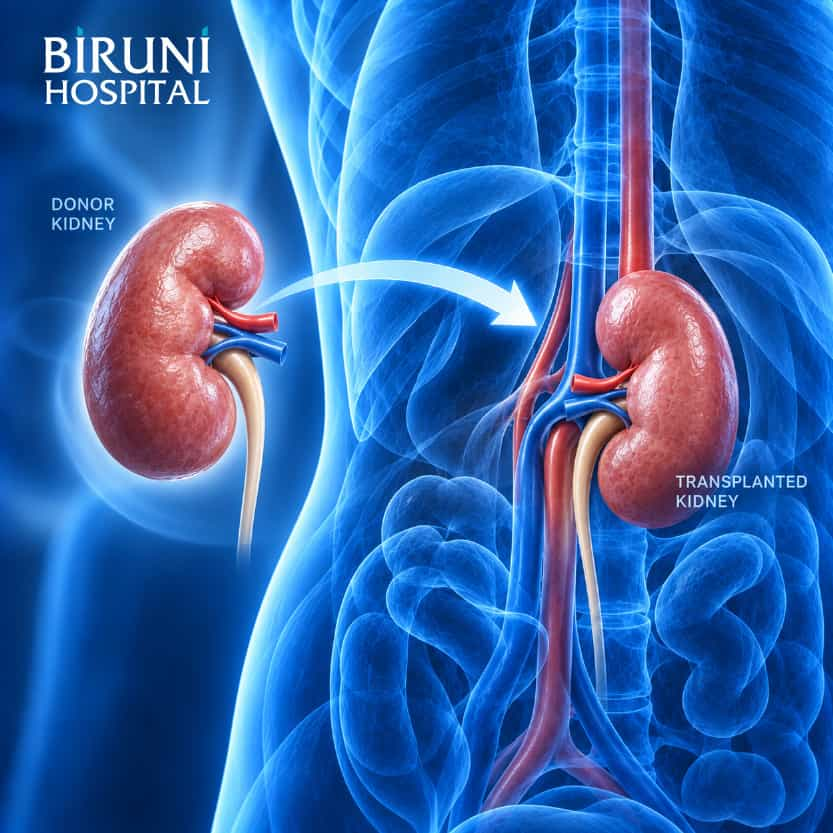
Biruni Hospital in Istanbul Turkey Kidney Transplant, Organ Transplant $24000

Kidney Transplant Cost Comparison in Turkey

Country Procedure Price
United States Kidney Transplant, Organ Transplant $250000

Choosing the right medical center for an organ transplant requires looking far beyond a polished waiting room. You need a facility with a dedicated nephrology and transplant department that strictly follows international safety protocols. In Turkey, verify that the hospital is actively licensed for organ transplantation by the Turkish Ministry of Health.

It is also highly recommended to prioritize clinics with Joint Commission International (JCI) accreditation, as this ensures they meet global standards for infection control and surgical care. Take your time to review facility credentials, post-operative ICU capabilities, and international patient support services. Compare the specialized transplant clinics below to see which facility aligns with your medical needs.

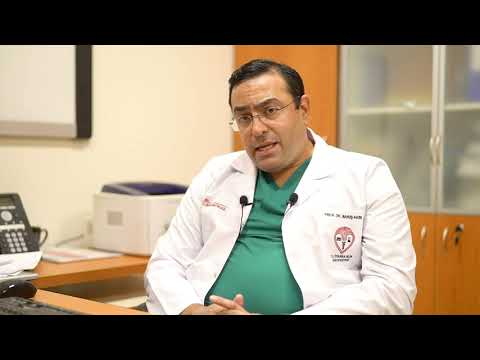
Reading about a complex surgical procedure is helpful, but watching the process unfold offers a completely different level of reassurance. Video resources can help you visualize the hospital environment and see exactly how patient care is handled in Turkish medical centers. Listening to doctors explain the cross-matching process can demystify the experience.

You can also find walkthroughs of sterile transplant units to better understand the environment where you will recover. Take a moment to watch the informative videos below to get a clearer picture of what you and your donor can expect during your stay.


The medical journey of a transplant recipient is deeply personal, and hearing from others who have navigated the same path can provide immense comfort. Patient feedback reveals the human side of clinical care, highlighting how well a medical team communicates and the quality of nursing support in the ICU. Reading about the experiences of both donors and recipients can give you realistic expectations about pain management.

These stories also shed light on the realities of traveling abroad and adjusting to life after surgery. Explore the patient reviews below to learn firsthand how different clinics and medical teams handle the complexities of transplant surgery.

Preparing for a kidney transplant requires extensive medical knowledge and careful logistical planning. Below are some of the most common questions international patients ask when considering this life-saving procedure in Turkey.

Can I receive a deceased donor kidney as a foreigner in Turkey?

No. Under Turkish law, international patients cannot be placed on the national deceased donor waiting list. You must bring a living donor with you to undergo the transplant.

Who is eligible to be my living donor in Turkey?

Your donor must be a relative up to the 4th degree of consanguinity, or your legal spouse. You will be required to provide legally authenticated and translated documentation proving your relationship to the hospital's ethics committee before surgery can proceed.

How long do I need to stay in Turkey for the procedure?

Patients typically need to stay in Turkey for 3 to 4 weeks. This timeframe accounts for extensive pre-operative testing, the hospital stay during surgery, and several follow-up appointments to monitor kidney function and adjust anti-rejection medications.

What pre-operative tests are required for a transplant?

Both you and your donor will undergo comprehensive testing, including blood typing, tissue typing (HLA), cross-matching to check for antibodies, psychological evaluations, and advanced imaging of the donor's kidneys to ensure they are healthy enough for surgery.

Are immunosuppressant medications readily available in Turkey?

Yes. Turkish pharmacies are well-stocked with standard immunosuppressant drugs. Your transplant hospital will typically supply your initial doses and provide a detailed prescription for you to fulfill locally before you travel home.

How do hospitals in Turkey manage language barriers?

Top JCI-accredited facilities employ dedicated international patient departments. They provide in-house translators for English, Arabic, Russian, and other major languages to ensure you fully understand your medical consultations and consent forms.

What happens if my donor is not a medical match?

If final cross-matching reveals incompatibility, the surgery cannot proceed to prevent organ rejection. It is highly recommended to do preliminary blood typing and compatibility testing in your home country before traveling to minimize this risk.

What is the recovery timeline for the kidney donor?

Donors undergo laparoscopic surgery, which minimizes scarring and recovery time. They usually stay in the hospital for 3 to 5 days and are often cleared to fly back to their home country within 10 to 14 days, provided there are no complications.

Is it safe to fly soon after a kidney transplant?

Flight clearance is granted strictly by your nephrologist based on your recovery progress. Most patients are cleared to fly 3 to 4 weeks post-surgery, once their kidney function stabilizes and their medication dosages are properly regulated.

Can I use my home country's health insurance in Turkey?

Most national health insurance plans do not cover elective procedures abroad. You will likely need to self-fund the transplant, though some specialized international medical policies may reimburse a portion of the costs. Check with your provider directly.

How Much Does Kidney Transplant Cost In Turkey?

Kidney transplant in Turkey offers a viable and often more affordable solution for individuals suffering from end-stage renal disease. The cost of a kidney transplant in Turkey is significantly lower than in many Western countries, attracting patients from around the globe. This guide will delve into the specifics of kidney transplant costs in Turkey, what's included, and answer other pressing questions you might have. We aim to provide a clear, human, and approachable overview to help you navigate this important healthcare decision. How much does a kidney transplant in Turkey typically cost? "A kidney transplant in Turkey typically costs between $20,000 and $35,000 USD. This price can vary based on the hospital, the surgeon's experience, the complexity of the procedure, and the specific services included in the transplant package." This cost is considerably lower when compared to countries like the United States, where the procedure can exceed $400,000, or the UK, where it can be around £70,000-£80,000 for private patients if not covered by the NHS. The affordability in Turkey does not mean a compromise on quality; many Turkish hospitals boast state-of-the-art facilities and highly experienced medical teams specializing in organ transplants. The final cost will often be provided as a package, which might include pre-operative assessments, the surgery itself, hospital stay, post-operative care for a certain period, and sometimes even accommodation for the donor and recipient. It's crucial to get a detailed breakdown of what the quoted price includes from the chosen medical facility. What factors influence the cost of a kidney transplant in Turkey? "Several factors influence the final kidney transplant cost in Turkey, including the choice of hospital and its accreditation, the surgeon's expertise and reputation, the type of kidney transplant (living donor or deceased donor, though deceased donor transplants are rare for foreigners), the recipient's overall health condition, the length of hospital stay, and the inclusion of post-operative medications and follow-up care." For instance, a transplant at a JCI (Joint Commission International) accredited hospital with a renowned surgeon might be at the higher end of the price spectrum. If the patient has other co-existing medical conditions that could complicate the surgery or recovery, this might also increase the cost. Furthermore, the type of room chosen during the hospital stay (e.g., private suite vs. standard room) can affect the price. It's also important to consider that initial quotes might not cover all potential expenses. Patients should inquire about costs related to unexpected complications, extended hospital stays, or specific medications that might be required post-transplant, which could be billed separately. What is generally included in a kidney transplant package in Turkey? "A typical kidney transplant package in Turkey often includes the surgeon's fees, anesthesia costs, operating room charges, standard hospital stay for both donor (if applicable) and recipient, initial pre-operative evaluations (blood tests, imaging), basic post-operative medications while in the hospital, and initial follow-up consultations." However, the specifics can vary significantly between hospitals. Some comprehensive packages might also cover: Accommodation for the donor and recipient for a set period before and after the surgery. Airport transfers. Translator services. The cost of the donor's evaluation and surgery (in the case of a living donor transplant). It's essential to request a detailed list of inclusions and exclusions before committing. Expenses like flights, long-term immunosuppressive medications (required for life after transplant), and treatment for any unforeseen complications are often not included. Are there different types of kidney transplant procedures available in Turkey, and how do they affect cost? "Yes, Turkey offers both living donor and deceased donor kidney transplants. However, for international patients, living donor kidney transplants are more common and accessible. The cost will primarily relate to a living donor transplant, as deceased donor organs are typically allocated to national patients first due to ethical and legal frameworks." Living donor transplants involve a healthy person (often a relative or altruistic donor, subject to legal and ethical approvals) donating one of their kidneys. This is the most frequent type of transplant for medical tourists in Turkey. Deceased donor transplants, using a kidney from someone who has recently passed away, are less common for foreigners due to organ allocation policies prioritizing local citizens. The cost structure provided usually refers to living donor transplants. The complexity of the surgery, such as whether it's a laparoscopic (minimally invasive) or open surgery for the donor, can also slightly influence the overall cost and recovery time. How does the success rate of kidney transplants in Turkey compare internationally? "The success rates for kidney transplants in Turkey are comparable to those in major developed countries. Reputable Turkish hospitals report graft survival rates (the transplanted kidney functioning) of over 95% at one year and over 85-90% at five years for living donor transplants." Many transplant centers in Turkey are equipped with advanced technology and staffed by surgeons who have trained internationally and have extensive experience in organ transplantation. They follow international guidelines and protocols, contributing to these high success rates. Patients should research specific hospital statistics and surgeon experience when making their decision. Factors that contribute to high success rates include thorough pre-transplant evaluation of both donor and recipient, skilled surgical teams, excellent post-operative care, and patient adherence to medication and lifestyle changes. Is it safe to get a kidney transplant in Turkey? "Yes, getting a kidney transplant in Turkey is generally safe, provided you choose an accredited hospital with experienced transplant teams. Many Turkish hospitals adhere to high international standards of care and possess certifications like JCI accreditation." Like any major surgery, a kidney transplant carries inherent risks, such as infection, bleeding, rejection of the transplanted organ, and side effects from immunosuppressive medications. However, these risks are managed effectively in well-equipped Turkish facilities. Patients are encouraged to thoroughly research hospitals, read patient testimonials, and even consult with their local nephrologist before deciding. Open communication with the Turkish medical team regarding all potential risks and safety protocols is crucial. Can a foreigner legally receive a kidney transplant in Turkey? "Yes, foreigners can legally receive kidney transplants in Turkey, primarily through living donor transplantation. Turkish law allows for organ transplants for international patients, provided all legal and ethical requirements are met, especially concerning organ donation." For living donor transplants, the donor and recipient must undergo a thorough ethical committee review to ensure the donation is voluntary, altruistic, and there is no financial coercion or organ trafficking involved. The relationship between the donor and recipient (if any) will be scrutinized. It's important to work with reputable hospitals that have clear protocols for international patients and can guide them through the legal and ethical approval processes. Attempting to bypass these regulations can have serious legal consequences. What are the legal and ethical considerations for kidney donation in Turkey for foreigners? "For foreigners undergoing a kidney transplant in Turkey with a living donor, the primary legal and ethical considerations revolve around proving the voluntary and altruistic nature of the donation. The donor must be a close relative (up to the 4th degree of kinship) or, in cases of non-related donors, approval from a regional ethics committee is mandatory. The hospital will facilitate this ethics committee review." Turkish regulations are strict in preventing organ commercialization. Both donor and recipient will be interviewed, and documentation proving the relationship (if any) and the voluntary nature of the donation will be required. This process ensures compliance with international ethical standards for organ transplantation. The ethics committee will evaluate the psychological and physical fitness of the donor, their understanding of the risks, and the absence of any financial transaction for the organ. How long is the waiting time for a kidney transplant in Turkey for international patients? "For international patients opting for a living donor kidney transplant in Turkey, the waiting time is relatively short, typically ranging from a few weeks to a couple of months. This period is mainly for comprehensive pre-transplant evaluations, donor matching, and ethical committee approvals." If a suitable and willing living donor is available, the process can be expedited once all medical and legal checks are completed. This is a significant advantage compared to the long waiting lists for deceased donor kidneys in many countries. For deceased donor transplants (which are rare for foreigners), the waiting time would be unpredictable and likely very long due to priority given to Turkish citizens. Therefore, medical tourists almost exclusively undergo living donor transplants. What are the eligibility criteria for a patient to undergo a kidney transplant in Turkey? "Eligibility criteria for a kidney transplant in Turkey include being diagnosed with end-stage renal disease (ESRD), being generally fit for major surgery, having a compatible and willing living donor (for most international cases), and being free from active infections, uncontrolled cancer, or severe cardiovascular conditions that would make the surgery too risky." A thorough medical evaluation is conducted to determine suitability. This includes blood tests, imaging studies, cardiac assessments, and psychological evaluations for both the recipient and the donor. The patient's ability to adhere to lifelong immunosuppressive medication and follow-up care is also a critical factor. Each hospital may have slight variations in its specific criteria, so a detailed consultation with the transplant team is necessary. What does the pre-transplant evaluation process involve in Turkey? "The pre-transplant evaluation for a kidney transplant in Turkey is a comprehensive process involving detailed medical history reviews, physical examinations, extensive blood tests (including tissue typing and crossmatching for donor-recipient compatibility), viral screening, radiological imaging (like CT scans and ultrasounds), cardiac assessments (ECG, echocardiogram), and consultations with various specialists." This thorough workup aims to ensure both the recipient and the living donor are suitable candidates for the procedure and to minimize potential risks. The donor undergoes a similarly rigorous evaluation to confirm they are healthy enough to donate a kidney without significant long-term health consequences. The evaluation process can take several days to a couple of weeks, depending on the hospital's schedule and the specific tests required. What is the typical hospital stay duration for a kidney transplant in Turkey? "The typical hospital stay for a kidney transplant recipient in Turkey is around 7 to 14 days, assuming no major complications. For a living kidney donor, the hospital stay is usually shorter, around 3 to 5 days." During this period, the recipient's new kidney function is closely monitored, immunosuppressive medication is initiated and adjusted, and the patient receives education about post-transplant care. The donor is monitored for pain management and recovery from the nephrectomy (kidney removal surgery). The exact duration can vary based on individual recovery progress and the hospital's protocols. What kind of post-operative care and follow-up is provided in Turkey? "Post-operative care for a kidney transplant in Turkey initially involves close monitoring in the hospital, pain management, and initiation of immunosuppressive drugs. After discharge, patients typically need to stay in Turkey for several weeks (e.g., 3-4 weeks or more) for regular follow-up appointments, blood tests, and medication adjustments." These follow-up checks are crucial for detecting early signs of rejection or other complications. The transplant team will provide a detailed plan for long-term care, including medication schedules and necessary lifestyle modifications. Once the patient returns to their home country, continued follow-up with their local nephrologist, in coordination with the Turkish transplant center, is essential for the long-term success of the organ transplant. What are the potential risks and complications associated with kidney transplants in Turkey? "Potential risks and complications associated with kidney transplants in Turkey, as with anywhere else, include organ rejection (acute or chronic), infection, bleeding, blood clots, complications from anesthesia, side effects of immunosuppressive medications (such as increased risk of infections, diabetes, hypertension), and surgical complications like leakage from the ureter." Reputable Turkish hospitals have protocols to minimize these risks and manage complications effectively if they arise. The lifelong use of immunosuppressants is necessary to prevent rejection but can make patients more susceptible to infections and other long-term side effects. Open discussion with the surgical team about these risks is vital. The benefits of a transplant in alleviating the burdens of dialysis and improving quality of life generally outweigh the risks for most eligible patients. How can I find reputable hospitals for kidney transplants in Turkey? "To find reputable hospitals for kidney transplants in Turkey, look for facilities with international accreditations (like JCI), those with dedicated and experienced transplant departments, and surgeons with a strong track record. Check for hospital affiliations with international medical societies and read patient reviews and testimonials." Many leading Turkish hospitals have multilingual staff and specific departments for international patients that can assist with medical and logistical arrangements. It is advisable to directly contact hospitals, inquire about their transplant programs, success rates, and the experience of their medical teams. Your local nephrologist or healthcare provider might also offer recommendations or be able to help you research credible options for medical tourism Turkey. Ready to explore your options for a kidney transplant or other healthcare services? PlacidWay can help you connect with leading medical facilities in Turkey and around the world. Discover personalized healthcare solutions tailored to your needs.

The success of an organ transplant relies heavily on the expertise of the surgical team and the nephrologists managing your post-operative care. In Turkey, top transplant surgeons often hold memberships in international medical boards, such as the European Society for Organ Transplantation (ESOT).

When researching doctors, look for specialists who have performed hundreds of successful living-donor procedures and have a clear record of patient safety. It is crucial to choose a surgeon who communicates clearly about the surgical risks and the lifetime commitment to anti-rejection medication. Browse the profiles of specialized transplant surgeons below to compare their credentials and experience.


Turkey has firmly established itself as a leading destination for complex medical procedures, drawing patients primarily from the Middle East, North Africa, Central Asia, and Europe. Cities like Istanbul, Ankara, and Antalya boast advanced medical infrastructure and strict healthcare regulations that ensure specialized procedures are monitored for safety and ethical compliance. Preparing for an extended medical stay requires careful consideration of local logistics.

Major Arrival HubsIstanbul Airport (IST), Ankara Esenbo?a Airport (ESB)
Typical Visa Processe-Visa available for many countries; medical visas for extended stays
Primary LanguageTurkish (Top hospitals provide dedicated English/Arabic translators)
Local CurrencyTurkish Lira (TRY) - Hospitals accept major foreign currencies

When planning your trip, keep these important factors in mind:

  • Legal Documentation: You must bring legally authenticated proof of relationship with your living donor, officially translated into Turkish and notarized.
  • Accommodations: Plan for a comfortable recovery environment. Many clinics offer partnered recovery hotels near the hospital to limit travel strain.
  • Travel Companions: Bring a dedicated support person to assist you and your donor during the intensive first weeks of recovery.
  • Medical Records: Carry physical and digital copies of all recent blood tests, dialysis records, and nephrology reports from your home doctor.

Making the decision to undergo a kidney transplant abroad requires thorough research, trusted medical guidance, and clear logistical planning. You do not have to figure out international healthcare regulations, medical records translation, and hospital comparisons on your own.

PlacidWay can help you connect with certified transplant centers, verify surgical credentials, and streamline communication with top medical teams in Turkey. Take the next step toward better health by reaching out for personalized assistance.

References

Kidney Transplant in Turkey - Improve Your Kidney Function thumbnail

About Experience

  • Translations: EN AR ES DE
  • Price Range: $18,000 - $25,000
  • Treatment: Kidney Transplant,Organ Transplant
  • Location: Turkey
  • Clinics: Florence Organ Transplant Center, ACIBADEM Bayındır Hospital, Medicana Health Group in Istanbul Turkey, Biruni Hospital in Istanbul Turkey, Istanbul Okan University Hospital, Lokman Hekim Health Group - Multispecialty Hospital in Istanbul,
  • Doctors dr.Osman Şahin, Prof. Dr. Mehmet Haberal, Feza Yarbug Karakayali, Prof. Dr. Halil Erbis,
  • Packages Kidney Transplant in Istanbul, Turkey by Okan University Hospital, Kidney Transplant in Istanbul, Turkey by Florence Nightingale Hospital, Kidney Transplant in Turkey by Baskent University Istanbul Hospital, Kidney Transplant Package in Istanbul Turkey by Biruni Hospital,
  • Overview Why Should I Go to Turkey for Kidney Transplant?

Trusted Medical Tourism Platform Since 2007

60+
Countries
2k+
Clinics
19.5k+
Reviews
2.5k+
Qualified Doctors
1.1M+
Patients Served Since 2007