


Triumph Over Adversity: A Firefighter's Quest for His Daughter's Kidney Transplant in Turkey
When a child is diagnosed with end-stage renal failure, a family's world shatters in an instant. For a dedicated first responder accustomed to rescuing others from burning buildings, being unable to save his own child presents the most agonizing challenge imaginable. Facing impossibly long waitlists and astronomical medical bills at home, this heroic father sought a lifeline abroad. Securing a highly specialized, affordable pediatric kidney transplant in Turkey became their beacon of hope. This remarkable journey highlights not just a father's boundless love, but also the revolutionary, world-class capabilities of modern medical tourism. Through advanced surgical intervention, rigorous living donor programs, and exceptional pediatric nephrology, international healthcare is rewriting the narrative for families facing impossible odds.
Video Chapters & Quick Navigation
The Devastating Diagnosis: Understanding Pediatric Renal Failure
Pediatric chronic kidney disease (CKD) is a progressive and irreversible condition that quietly robs a child of their vitality. Unlike adults, children suffering from renal failure face compounding developmental challenges. When a child’s kidneys can no longer filter toxins and excess fluids from the blood, their physical growth becomes stunted, their cognitive development is threatened, and their daily life is consumed by exhausting medical routines. As mentioned in the video at , the initial diagnosis is often a sudden and catastrophic blow to the family.
For the father in our story—a seasoned firefighter trained to remain calm in the face of roaring infernos and structural collapses—the reality of his daughter's failing health was a uniquely terrifying emergency. First responders are problem solvers by nature. They are conditioned to intervene, apply immediate life-saving techniques, and transport victims to safety. Yet, no amount of bravery or physical strength can repair a failing organ. The only permanent solution to pediatric end-stage renal disease is a successful kidney transplant.
Dialysis is often the immediate bridge to survival, but it is not a long-term cure. Pediatric dialysis requires multiple weekly sessions, hooking the child up to machines that artificially perform the job of the kidneys. This process is physically draining, emotionally traumatizing, and severely limits a child's ability to attend school or engage in normal childhood activities. The family quickly realized that to save her life and restore her childhood, they needed to find a pediatric organ transplant solution immediately.
The Organ Shortage Crisis: The Agonizing Wait at Home
The decision to seek medical treatment abroad is rarely the first choice for any family; it is usually born out of absolute necessity. In many Western nations, the healthcare system is highly advanced, but it is bottlenecked by a severe and persistent shortage of deceased donor organs. Thousands of patients, both pediatric and adult, languish on national transplant waiting lists for years. During this agonizing wait, a patient's health continues to deteriorate, sometimes progressing to a point where they are no longer strong enough to survive the surgery.
The firefighter and his family encountered this exact systemic hurdle. As detailed at , despite the critical nature of the young girl's condition, she was placed in a queue alongside thousands of others. The criteria for moving up the list are complex, often prioritizing those who are in immediate, life-threatening danger, yet simultaneously penalizing those who become too weak for surgery. This paradoxical waiting game is a source of immense psychological torment for parents who must watch their child suffer daily.
Furthermore, navigating the bureaucracy of insurance approvals for a specialized pediatric transplant adds another layer of distress. Families are frequently subjected to extensive reviews, policy limits, and out-of-pocket expenses that can bankrupt even those with comprehensive coverage. Faced with a system that demanded patience they simply did not have, the father made the decisive choice to become a living donor and look beyond the borders of their home country for a viable, immediate solution.
Why Medical Tourism? Exploring Kidney Transplant Options in Turkey
Over the last decade, Turkey has aggressively positioned itself as a premier global hub for complex medical procedures, specifically excelling in the field of organ transplantation. While many associate medical tourism with cosmetic or dental work, the reality is that major Turkish cities like Istanbul and Ankara boast some of the most sophisticated, state-of-the-art organ transplant centers in the world. These facilities are frequently accredited by the Joint Commission International (JCI), ensuring they meet or exceed the clinical safety standards mandated by top Western hospitals.
The expertise of Turkish transplant surgeons is a major draw for international patients. As highlighted at in the video, many of these chief surgeons have completed fellowships in the United States or the United Kingdom. They perform hundreds of complex living donor transplants annually, resulting in a volume of experience that directly translates to remarkably high success and survival rates. This high-volume practice is particularly crucial in pediatric cases, where the vascular anastomosis (the joining of blood vessels) requires extraordinary microscopic precision.
Moreover, the Turkish healthcare framework is uniquely designed to accommodate international patients seamlessly. Elite hospitals have dedicated international patient departments equipped with multilingual coordinators, dedicated pediatric nephrologists, and specialized intensive care units designed exclusively for transplant recipients. This holistic, patient-centric ecosystem ensures that families traveling from abroad are supported medically, logistically, and emotionally from the moment their flight lands.
The Strategic Advantages of the Turkish Healthcare Ecosystem
The success of Turkey’s transplant programs does not rely solely on the skills of individual surgeons; it is built on a comprehensive multidisciplinary approach. A pediatric kidney transplant requires the seamless collaboration of pediatric nephrologists, transplant surgeons, pediatric anesthesiologists, and specialized infectious disease experts. In Turkey, these multi-specialty tumor boards and transplant committees convene rapidly to evaluate living donor cases, drastically reducing the time between initial consultation and the surgical date.
Another profound advantage is the accessibility of advanced immunosuppressive drug monitoring protocols. Preventing organ rejection is a delicate science, particularly in a growing child whose metabolism is constantly changing. Top Turkish medical centers utilize advanced pharmacogenomic testing to tailor anti-rejection medication dosages perfectly to the child’s unique genetic profile. This bespoke medical care maximizes the lifespan of the transplanted kidney while minimizing toxic side effects, giving the child the best possible chance at a normal life.
A Firefighter's Ultimate Rescue: The Living Donor Process
A living donor kidney transplant is universally recognized as the gold standard for treating end-stage renal disease, particularly in pediatric patients. Kidneys procured from living, healthy donors generally function better, last significantly longer, and begin working immediately compared to organs from deceased donors. When the firefighter discovered he was a compatible match for his daughter, the mission transformed from a desperate search to a precise, tactical medical operation. He was no longer just advocating for her; he was providing the biological lifeline she desperately needed.
The medical workup for a living donor is exhaustive. As noted around , the father had to undergo rigorous physiological and psychological evaluations to ensure he was fit for surgery. This includes comprehensive cardiovascular testing, high-resolution CT angiograms to map the renal anatomy, and precise Human Leukocyte Antigen (HLA) tissue typing. The Turkish medical team leaves absolutely nothing to chance, strictly adhering to international ethical guidelines to ensure the donor's long-term health is never compromised.
Psychologically, the role of a parent donor carries immense emotional gravity. For this firefighter, the decision was instinctual. The ethos of his profession is built on self-sacrifice and the protection of vulnerable lives. Donating a kidney to his child was the ultimate manifestation of that oath. However, the anxiety of a dual-surgery scenario—where both parent and child are under general anesthesia simultaneously—requires immense fortitude and total trust in the selected medical team abroad.
The Financial Reality: Kidney Transplant Cost in Turkey vs. The West
One of the most compelling catalysts for medical tourism is the stark disparity in healthcare costs. In the United States, an uninsured or underinsured patient facing a living donor kidney transplant can easily incur bills exceeding $150,000 to $300,000. These exorbitant figures include the donor’s nephrectomy, the recipient's transplant surgery, hospital stays, and the initial rounds of expensive immunosuppressant medications. Such financial burdens often force families to resort to public crowdfunding, adding stress to an already traumatic situation.
In sharp contrast, the cost of a comprehensive pediatric kidney transplant package in Turkey is remarkably affordable without compromising clinical excellence. Because the cost of living, labor, and administrative overhead is significantly lower in Turkey, these savings are passed directly to the patient. Top-tier Turkish hospitals offer all-inclusive transparent pricing models that provide absolute financial clarity for desperate families.
| Medical Service / Procedure Component | Estimated Cost in US/UK | Estimated Cost in Turkey |
|---|---|---|
| Pre-Operative Donor & Recipient Evaluation | $10,000 - $25,000 | Included in Package |
| Donor Nephrectomy & Recipient Transplant Surgery | $120,000 - $250,000 | $20,000 - $35,000 |
| Hospital Stay (ICU and Standard Ward) | $20,000 - $50,000+ | Included in Package |
| Post-Op Care & Initial Immunosuppressants | $5,000 - $15,000 | Included in Package |
As illustrated in the video at , this financial accessibility allows families to focus their entire energy on the child's recovery rather than battling relentless medical debt. The packages generally cover up to 15 to 21 days of hospitalization, covering both the heroic donor and the young recipient, ensuring they are medically stable before ever stepping foot outside the hospital.
Advanced Surgical Options and Pediatric Nephrology Excellence
The execution of a pediatric kidney transplant is a symphony of advanced medical technology and surgical mastery. For the donor—our firefighter father—the nephrectomy is typically performed using minimally invasive, laparoscopic, or robotic-assisted techniques. This modern approach involves making very small incisions, using high-definition 3D cameras to safely detach the kidney. Minimally invasive donor surgery dramatically reduces blood loss, minimizes post-operative pain, and allows the hero of the story to return to his physically demanding career much sooner.
The implantation of the kidney into the child is a profoundly delicate procedure. Because a child’s abdominal cavity is small, the adult kidney is often placed in the lower abdomen, carefully connected to the child's tiny blood vessels and bladder. At , the narrative touches upon the magical moment the vascular clamps are released in the operating room. Surgeons watch intently as the pale kidney flushes pink with the child's blood, often producing urine immediately on the operating table. This instantaneous restoration of function marks the exact moment a child's life is saved.
Following the surgical victory, pediatric nephrology care takes center stage. Children are more prone to rapid immune responses, requiring vigilant monitoring to prevent acute organ rejection. Turkish transplant centers feature highly specialized pediatric intensive care units (PICU) where pediatric intensivists and nephrologists collaborate 24/7. They utilize highly sophisticated laboratory equipment to monitor tacrolimus and cyclosporine levels, ensuring the delicate balance of immune suppression is maintained perfectly without compromising the child's ability to fight off everyday infections.
The Recovery Experience: Healing Far From Home
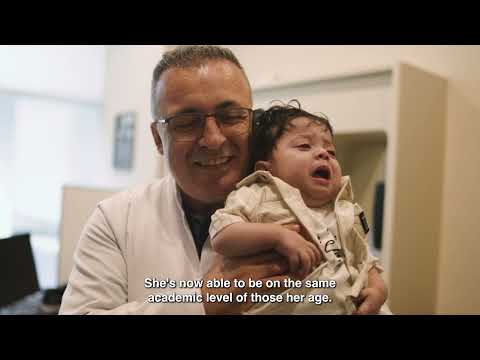
The immediate post-operative phase is a critical window for both the donor and the recipient. The father’s recovery is generally swift, allowing him to be discharged from the hospital within just a few days. His primary role quickly shifts back to being a supportive, comforting presence for his daughter as she navigates her longer recovery path. The child typically remains hospitalized for one to two weeks, transitioning from the PICU to a standard pediatric transplant ward as her new kidney establishes robust function.
Once discharged from the hospital, the journey does not immediately lead to an airport. International patients are required to stay in Turkey for several weeks to undergo intensive outpatient monitoring. As seen at , this mandatory stay is critical for ensuring the kidney is fully accepted by the child's body and that the complex medication regimen is optimized. During this time, they must visit the clinic frequently for blood draws, ultrasound imaging of the new kidney, and consultations with their dedicated medical team.
The Comforts of Turkish Hospitality
While recovering far from home can seem daunting, the environment in Turkey is profoundly conducive to healing. The legendary hospitality of the Turkish people extends deeply into their medical tourism sector. Many international patients opt to stay in comfortable, serviced recovery apartments or high-end hotels arranged by their medical facilitators. These accommodations are strategically located near the hospital, minimizing travel stress during follow-up appointments.
As the child regains her strength, the family can slowly begin to experience the therapeutic benefits of the local environment. Whether it's enjoying the temperate Mediterranean climate, taking gentle walks along the Bosphorus, or simply savoring fresh, nutrient-rich local cuisine, the recovery phase transitions from a clinical necessity to an uplifting cultural experience. The father, having successfully given the gift of life twice, gets to witness his daughter's energy and color return in real-time, validating every sacrifice made along the journey.
Preparing for Your Trip: Navigating International Healthcare with Expert Facilitators
Coordinating a complex medical procedure across international borders involves overwhelming logistical challenges, particularly when dealing with a life-threatening pediatric illness. Families must manage medical visa applications, secure urgent flight bookings, arrange specialized accommodations, and facilitate the secure transfer of extensive medical records. Attempting to organize this alone while caring for a critically ill child is nearly impossible.
This is where professional medical tourism facilitators like PlacidWay become indispensable allies. These organizations act as the crucial bridge between desperate patients and elite global healthcare providers. By leveraging established relationships with top JCI-accredited hospitals in Turkey, facilitators streamline the entire process. They ensure medical records are translated and evaluated by chief transplant surgeons swiftly, provide transparent cost estimates devoid of hidden fees, and assign dedicated patient coordinators to guide the family through every step of the journey.
- Comprehensive Medical Triage: Facilitators securely transfer pediatric medical histories and imaging to top specialists in Turkey for immediate assessment and eligibility confirmation.
- End-to-End Logistics: From arranging VIP airport transfers to securing sanitized, recovery-friendly hotel accommodations, all non-medical stressors are expertly managed.
- On-the-Ground Advocacy: Providing native language translation services and 24/7 support ensures that families never feel isolated or misunderstood during critical medical consultations.
For the heroic firefighter and his resilient daughter, the decision to look beyond their local healthcare system was not a choice of convenience, but a profound act of survival. By embracing the advanced medical infrastructure of Turkey, they successfully bypassed an agonizing waitlist and secured a world-class pediatric kidney transplant. Their triumph over adversity serves as a powerful testament to the life-saving potential of global medical tourism, proving that when hope seems lost at home, life-changing solutions are waiting across the globe.
Ready to Explore Life-Saving Transplant Options in Turkey?
Do not let long waiting lists dictate your family's future. PlacidWay Medical Tourism connects you directly with top JCI-accredited transplant centers and leading surgeons in Turkey. Secure world-class, affordable medical care today.
GET A FREE QUOTE TODAY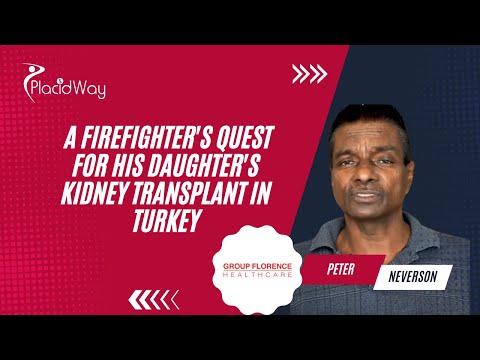


.png)










Share this listing