


The Comprehensive Guide to Kidney Transplant in Istanbul, Turkey by Group Florence
Facing end-stage renal disease is an overwhelming journey, but your geographical location should never dictate your access to life-saving medical care. For patients navigating the harsh realities of kidney failure, seeking a kidney transplant in Istanbul, Turkey, offers a profound lifeline.
By choosing Group Florence Nightingale Hospitals, patients gain access to globally accredited surgical excellence at a fraction of Western healthcare costs. Watch this video to explore how elite surgical teams, state-of-the-art facilities, and compassionate care converge in Turkey to give international patients a second chance at a healthy, vibrant life.
Video Chapters & Quick Navigation
The Severe Burden of End-Stage Renal Disease
Chronic kidney disease is a silent, progressive condition that affects millions of people worldwide. When the condition advances to End-Stage Renal Disease (ESRD), the kidneys lose their critical ability to filter waste, balance fluids, and produce essential hormones. For patients reaching this critical juncture, survival depends entirely on renal replacement therapy.
While dialysis can artificially mimic some kidney functions, it is an exhausting, time-consuming process that dramatically reduces a patient's quality of life. Patients undergoing hemodialysis or peritoneal dialysis often face severe dietary restrictions, chronic fatigue, and an increased risk of cardiovascular complications. As highlighted at in the video, a successful kidney transplant is universally recognized as the gold standard of care for ESRD.
A successful organ transplant does more than extend life expectancy; it restores vitality, freedom, and normalcy. However, the global shortage of deceased donor organs has created unmanageable waitlists in North America and Europe. This harsh reality pushes proactive patients and their families to seek out highly reliable medical tourism alternatives for living donor kidney transplantation abroad.
Why Choose Istanbul, Turkey for Your Kidney Transplant?
Over the last two decades, Turkey has deliberately transformed itself into a global epicenter for complex medical procedures, particularly organ transplantation. The Turkish Ministry of Health has implemented stringent regulations to ensure that all transplant centers adhere to the highest international safety and ethical standards. This aggressive pursuit of medical excellence has firmly placed Istanbul on the map as a premier destination for healthcare tourists.
Geopolitical Accessibility and Medical Infrastructure
Istanbul’s unique geographical position bridging Europe and Asia makes it highly accessible via direct flights from major global hubs. Beyond simple logistics, the city boasts a robust infrastructure of Joint Commission International (JCI) accredited hospitals. These facilities are equipped with the latest diagnostic imaging technologies, sophisticated surgical theaters, and specialized intensive care units dedicated solely to transplant patients.
The medical professionals driving this industry are among the most educated in the world. As noted at , top transplant surgeons in Istanbul frequently complete their specialized fellowships in the United States, the United Kingdom, and Germany. They return to Turkey bringing cutting-edge surgical methodologies and an uncompromising commitment to positive patient outcomes.
A Deep Culture of Medical Hospitality
Undergoing a major organ transplant in a foreign country can understandably cause anxiety. Turkish medical centers mitigate this by offering unparalleled medical hospitality. International patient departments handle everything from airport transfers and language translation to visa assistance and luxury accommodation arrangements.
Group Florence Nightingale Hospitals: A Legacy of Excellence
When discussing top-tier medical facilities in Turkey, Group Florence Nightingale Hospitals consistently lead the conversation. Established with a profound commitment to advancing clinical excellence, this hospital network has cultivated one of the most successful organ transplant programs in the region. Their dedicated Kidney Transplant Center is renowned for handling complex immunological cases with remarkable success rates.
What sets Group Florence Nightingale apart is their multidisciplinary approach to patient care. A kidney transplant is not merely a surgical event; it is a lifelong medical commitment. The hospital’s team comprises elite nephrologists, highly skilled transplant surgeons, specialized immunologists, infectious disease experts, and dedicated transplant coordinators.
This collaborative approach ensures that every aspect of the patient's health is meticulously managed. From the initial consultation to long-term post-operative monitoring, the team at Group Florence Nightingale leaves nothing to chance. Their state-of-the-art laboratory facilities allow for rapid, accurate tissue typing and crossmatching, which is absolutely critical for minimizing the risk of organ rejection, a point heavily emphasized at .
The Living Donor Kidney Transplant Process in Turkey
International patients traveling to Turkey for a kidney transplant must understand the specific legal and medical frameworks governing the procedure. Turkey strictly prohibits the commercial sale of organs. Therefore, international patients must bring their own willing, medically compatible living donor.
Legal and Ethical Frameworks
According to Turkish law, a living donor must be a relative up to the fourth degree (such as a parent, sibling, child, aunt, uncle, or cousin) or a spouse. If the donor is not a relative, the case must be rigorously reviewed by an independent national ethical committee to verify that the donation is entirely altruistic and devoid of financial coercion.
The Psychological and Physical Assessment
The safety and well-being of the living donor are treated with the exact same priority as the recipient. Before any surgical intervention is approved, the potential donor undergoes exhaustive psychological evaluations to ensure they fully understand the risks and are making an uncoerced decision.
Physically, the donor must be in peak health. They are screened for underlying conditions such as hypertension, diabetes, and hidden kidney anomalies. The philosophy at Group Florence Nightingale is simple: the hospital will never compromise the long-term health of a healthy individual to cure another.
Advanced Surgical Innovations: Laparoscopic and Robotic Options
The field of transplant surgery has evolved dramatically, and Group Florence Nightingale stands at the forefront of these technological advancements. Gone are the days of massive, debilitating incisions for organ donors. Today, patient comfort, minimal scarring, and rapid recovery dictate the surgical approach.
Laparoscopic Donor Nephrectomy
For the living donor, the gold standard procedure is the minimally invasive laparoscopic nephrectomy. Surgeons make a few tiny incisions in the abdomen to insert a camera and specialized instruments. The kidney is carefully detached and removed through a small incision near the bikini line. As shown around , this technique drastically reduces post-operative pain, minimizes blood loss, and allows the donor to return to their normal daily activities within a matter of weeks.
Robotic-Assisted Kidney Transplantation (RAKT)
For the recipient, select advanced medical centers in Istanbul now offer Robotic-Assisted Kidney Transplantation. Using highly advanced robotic systems like the Da Vinci Surgical System, surgeons can implant the new kidney with unprecedented precision. The robotic arms offer a 360-degree range of motion and high-definition 3D visualization.
This level of precision is particularly beneficial when suturing the delicate blood vessels of the new kidney to the recipient's iliac vessels. A perfect vascular anastomosis is essential for establishing immediate blood flow and minimizing the "warm ischemia time"—the brief period the organ is without blood supply during the transfer.
Comprehensive Pre-Operative Evaluation Protocols
The foundation of a successful kidney transplant is laid long before the patient enters the operating room. A rigorous pre-operative diagnostic phase is mandatory to ensure the physiological compatibility between the donor and the recipient.
- Blood Type Compatibility (ABO Typing): The first and most basic hurdle is ensuring compatible blood types to prevent immediate, hyperacute organ rejection.
- HLA Tissue Typing: Human Leukocyte Antigens are proteins found on cells. The closer the HLA match between donor and recipient, the lower the long-term risk of the immune system attacking the new kidney.
- Crossmatching: In this crucial final blood test, serum from the recipient is mixed with cells from the donor. A negative crossmatch means the recipient does not have pre-formed antibodies against the donor, giving the surgical team the green light to proceed.
- Advanced Imaging (CT Angiography): Surgeons require a highly detailed 3D map of the donor’s kidney anatomy, specifically the renal arteries and veins, to plan the precise surgical approach.
Group Florence Nightingale conducts all these intricate assessments in-house, ensuring rapid turnaround times and eliminating the potential for third-party laboratory errors.
Global Transplant Cost Comparison: Shattering the Price Tag
Financial toxicity is a massive burden for ESRD patients in the Western world. In the United States, an uninsured or underinsured patient can expect a kidney transplant to cost upwards of $400,000 when factoring in pre-operative tests, the surgery itself, hospital stays, and immediate post-operative care.
In stark contrast, undergoing a living donor kidney transplant at Group Florence Nightingale in Istanbul is remarkably affordable. The entire comprehensive package typically costs between $18,000 and $25,000. This staggering price difference is not due to inferior medical care, but rather the lower cost of living, favorable exchange rates, and heavy government subsidization of the healthcare infrastructure in Turkey.
| Country / Region | Estimated Average Cost (USD) | Wait Time for Deceased Donor |
|---|---|---|
| United States | $300,000 - $450,000 | 3 to 5+ Years |
| United Kingdom (Private) | $80,000 - $120,000 | 2 to 4 Years (NHS) |
| Istanbul, Turkey | $18,000 - $25,000 | Immediate (with living donor) |
These comprehensive packages curated by medical tourism facilitators like PlacidWay often include much more than the surgery. They encompass the pre-operative evaluations for both the donor and recipient, standard hospital stays (usually 7-10 days for the recipient, 3-4 days for the donor), intensive care unit fees, airport transfers, and VIP translation services. This all-inclusive model completely removes the stress of hidden medical bills.
Post-Operative Care, Immunosuppression, and Long-Term Recovery
The success of a kidney transplant extends far beyond the operating table. The immediate post-operative phase is a critical window requiring intense medical supervision. Following the surgery, the recipient is transferred to a specialized transplant intensive care unit where their vital signs, central venous pressure, and most importantly, their urine output, are monitored around the clock.
Waking Up the New Kidney
In living donor transplants, the newly implanted kidney typically begins producing urine almost immediately in the operating room. This is a highly emotional and positive indicator of success. The medical team will closely monitor serum creatinine levels, which should rapidly decline as the new kidney effectively filters the blood.
Mastering Immunosuppressive Therapy
The human immune system is brilliantly designed to attack foreign bodies. Unfortunately, it cannot distinguish between a dangerous virus and a life-saving transplanted organ. To prevent organ rejection, patients must adhere to a strict, lifelong regimen of immunosuppressive medications. Group Florence Nightingale pharmacists and nephrologists spend significant time educating the patient on this medication schedule before discharge.
Patients learn how to carefully balance these medications. Too little immunosuppression risks acute organ rejection, while too much leaves the patient vulnerable to severe infections. As highlighted at , dedicated dietitians also step in to provide comprehensive nutritional counseling. While the strict dialysis diet is lifted, transplant recipients must adopt healthy eating habits to manage blood pressure, avoid excessive weight gain, and protect the longevity of their new kidney.
Navigating Your Medical Journey with Confidence
Traveling across the globe for a complex medical procedure like a renal transplant is a major life decision. However, the combination of world-class surgical expertise, dramatically reduced costs, and immediate access to care makes Istanbul, Turkey, an undeniably logical choice for patients suffering from kidney failure.
Facilities like Group Florence Nightingale Hospitals have proven time and again that medical excellence knows no borders. By meticulously managing every aspect of the patient journey—from the donor’s initial blood test to the recipient’s final post-operative follow-up—these institutions provide a seamless, safe, and highly successful path to recovery. Your journey away from the exhaustion of dialysis and toward a renewed, healthy life is entirely possible.
Take the First Step Toward a Life Without Dialysis
PlacidWay Medical Tourism connects international patients with globally accredited transplant centers like Group Florence Nightingale in Turkey. Secure a free, no-obligation consultation to discuss your living donor kidney transplant options today.
GET A FREE QUOTE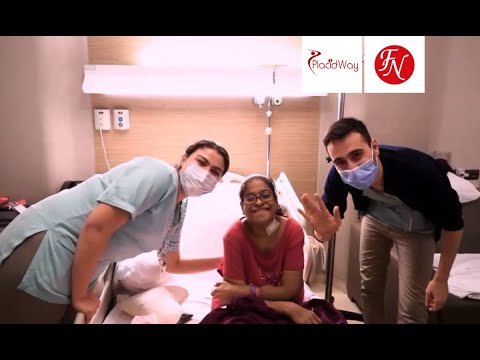




.png)











Share this listing