

PlacidWay patient guide · Treatment abroad
Investigational Regenerative Protocol
Hand Comfort Mobility: Finger Arthritis Treatment in Bangkok Thailand
Understanding Stem Cell Therapy for Hand and Finger Joint Pain in Bangkok Thailand, limited research, first-line options, costs, and the protocol at Healthi Life Longevity Center.
Aching, stiff or swollen hand joints make everyday tasks harder: opening jars, typing, gripping a pen, turning a key. Osteoarthritis (OA) in the base of the thumb and in the finger joints is common, and some people ask whether stem cell therapy is an option. This guide explains what the treatment is, how little research exists for the hand specifically, what first-line care looks like, how the protocol runs at Healthi Life Longevity Center in Bangkok, what it costs, and what to ask before agreeing to treatment.
Stem cell therapy at Healthi Life is a physician-supervised medical protocol, and it is investigational. Outcomes vary and are not guaranteed. A physician confirms eligibility after assessment, and sometimes the answer is no. For the hand, the evidence is thinner than for the knee, and this article says so plainly.
Featured Medical Provider & Leadership
Healthi Life Longevity Center

Center Logo
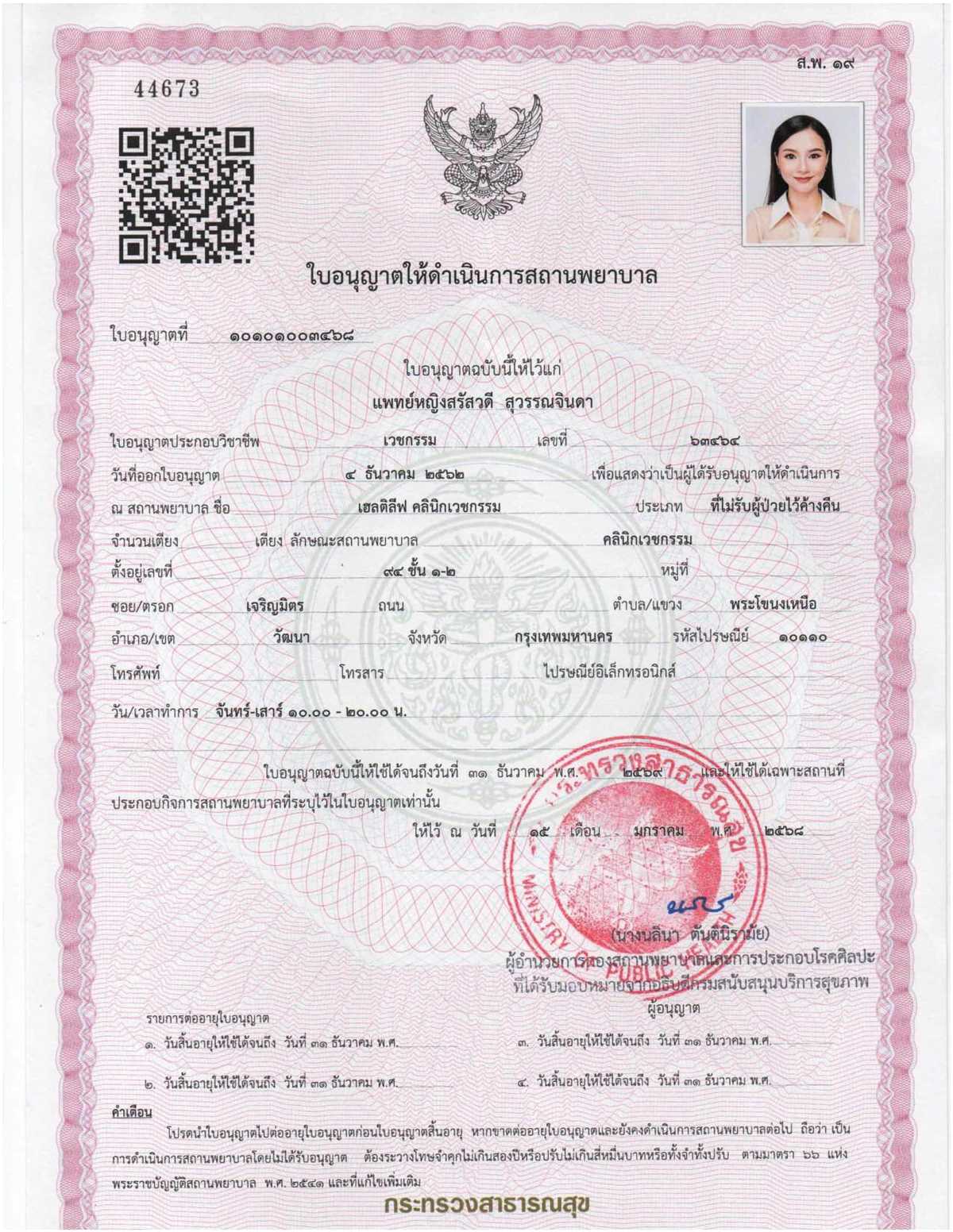
Center Certificate

Dr. Sarassawadee Suwanjinda, MD (Dr. Petch)
Co-Founder & Chief Medical Strategy Officer

Dr. Napat Hunsajarupan, MD (Dr. First)
Co-Founder & Chief Medical Officer
Overview & Scope
What it is, and what "hand and finger joints" covers
Hand OA most often affects the base of the thumb (the first carpometacarpal, or CMC, joint), the joints closest to the fingertips (distal interphalangeal joints) and the middle finger joints (proximal interphalangeal joints). Symptoms include pain with gripping, morning stiffness, swelling and bony enlargement.
Healthi Life's Joint Mobility Restoration program lists knee, shoulder, hand and finger joints under one per-joint framework. The cells are umbilical cord mesenchymal stem cells (UC-MSC) from fresh umbilical cord tissue collected during planned C-section deliveries. There are no fetal or embryonic sources and no animal products. Donors are screened, each batch has a Certificate of Analysis, and processing is xeno-free. Cells are administered fresh, with no freeze-thaw cycle, and prepared by GMP and ISO-certified partner laboratories. Those certifications are held by the laboratories, not by Healthi Life.
For hand and finger joints, the physician sets the dose after assessment. A small joint and a large joint are not the same target, so ask how the dose and the way the cells are delivered are chosen for a joint as small as a finger.
Clinical Evidence
What the research shows
This is the section to read most carefully.
Guidelines do not endorse it for the hand. The 2019 American College of Rheumatology and Arthritis Foundation guideline strongly recommends against stem cell injections for knee and hip OA. For hand OA it states that stem cell injections have not been evaluated, so it makes no recommendation either way (Kolasinski et al., 2020). "No recommendation" is not approval; it means the evidence was not there.
We found no randomized trial of umbilical cord MSCs in hand or finger OA. The study closest to the question is small and uses a different product. A 2025 retrospective series reviewed 30 hands of 19 people with thumb CMC arthritis, stages 1 to 4, who received an injection of a mixture of stromal vascular fraction, fat-derived stem cells and platelet-rich plasma under X-ray guidance. The authors concluded that the injection helped improve pain symptoms and might postpone surgery that removes part of the joint (Pumberger et al., 2025). A retrospective series without a comparison group cannot show that the injection caused the improvement, and the cells came from the person's own fat, not from umbilical cord.
Evidence Insight
Anyone asking about stem cells for the hand is asking about an area where published evidence is limited.
For the knee, evidence is larger but still mixed. A 2026 network meta-analysis of 24 randomized trials found that the gains from injected orthobiologics, including umbilical cord MSCs, did not exceed the minimal clinically important difference up to 12 months when compared with hyaluronic acid (Han et al., 2026). That finding is about knees, but it shows why caution applies to the smaller hand joints, where data are scarcer. A provider who tells you otherwise should be able to show you the studies.
Candidacy & Governance
Who may be a candidate, and who may not
A physician decides after assessment. People who may be considered generally have confirmed hand or finger OA, persistent pain that limits daily life, and have already tried first-line care.
A physician may advise against treatment when:
- Your pain may have another cause, such as inflammatory arthritis, a tendon problem, nerve compression (for example, carpal tunnel syndrome) or gout, which need different care. A proper diagnosis comes first.
- You have an active infection, an inflamed joint of unclear cause, or a medical history that raises risk.
- You have not tried first-line options such as hand exercises, a thumb-base splint or topical anti-inflammatory gel.
- You expect a guaranteed result or a reversal of joint changes.
- Your joint damage is advanced enough that a hand surgeon should assess you first.
A "no" is a normal outcome of a responsible assessment. The center describes its model as governance-first: eligibility screening comes before approval, and not every guest qualifies.
Standard of Care
Alternatives and first-line care
Treatments with stronger evidence exist for hand OA, and they come first.
The 2018 EULAR recommendations for hand OA (published 2019) include five overarching principles and ten recommendations. The first three cover non-drug options: education, assistive devices, exercises and orthoses (splints). Topical NSAIDs are the preferred first choice among medicines, with oral NSAIDs for a limited duration, chondroitin sulfate for symptom relief, and intra-articular glucocorticoids generally not recommended except possibly for painful interphalangeal OA. Disease-modifying drugs and biologics are discouraged for hand OA, and surgery is considered when other care fails (Kloppenburg et al., 2019).
The ACR and Arthritis Foundation guideline similarly gives a strong recommendation for hand orthoses for first CMC (thumb base) OA, and conditional recommendations for orthoses for other hand joints, topical NSAIDs, intra-articular steroid injections and chondroitin sulfate for hand OA (Kolasinski et al., 2020).
In practice, a sensible plan often combines hand exercises, a splint for the thumb base, joint-protection habits (wider-grip tools, jar openers), topical or oral medicine chosen with your own doctor, and a hand surgeon's opinion if function keeps falling. Stem cell therapy, where it is used, is an addition after assessment, not a substitute.
Treatment Journey
How the protocol runs at Healthi Life
1. Discovery
Complimentary 20-minute phone/video consultation to review reports and medical history.
2. Screening
Physician reviews history and assesses risk. Eligibility is confirmed after clinical assessment in Bangkok.
3. Dose Decision
The physician sets the specific cell dose and determines target joints based on examination.
4. Treatment
Treatment takes place under physician supervision using fresh UC-MSC with a Certificate of Analysis for the batch. Most protocols require little downtime, and recovery is discussed individually. Fatigue or a mild, short-lived temperature can follow. A high or persistent fever, breathlessness, chest pain, or spreading redness or swelling at an injection site should be reported right away. Every guest receives a contact for this before leaving.
5. Follow-up
Stem cell programs include structured medical follow-up for 30 to 90 days after you leave.
Ask for the injection technique, any imaging guidance, expected hand use in the days after treatment, and the visit schedule in writing.
Clinic Details & Licensing
The center is located at 94 Ekkamai 10 Alley, Khlong Tan Nuea, Watthana, Bangkok 10110, and is licensed in Thailand as Healthi-Life Medical Clinic (license 10101003468).
Pricing Transparency
Published prices
Every treatment listed here is dispensed only after a medical consultation at Healthi Life and on a physician's prescription. Prices are published for transparency, not as an offer to supply.
Shoulder, hand and finger joints use the same per-joint grid as the knee. Dose is confirmed by a physician after assessment. Cells are UC-MSC, administered fresh, with a Certificate of Analysis per batch.
| Program | Dose | Price (THB) | Approx. USD (? ?31/USD) |
|---|---|---|---|
| Joint Mobility Restoration (per joint) | 5 million cells | ?86,000 | $2,800 |
| Joint Mobility Restoration (per joint) | 10 million cells | ?123,000 | $4,000 |
| Joint Mobility Restoration (per joint) | 15 million cells | ?157,000 | $5,100 |
The published two-joint price (?155,000, about $5,000, for 5 million cells in each of two joints) is listed for two knees. If you are considering more than one hand or finger joint, ask the team to confirm the total in writing, joint by joint, before you book travel. Prices are per joint, so the number of joints matters a great deal to the total.
Safety & Considerations
Risks and limits of the evidence
Thin Hand Evidence
The ACR guideline states stem cell injections have not been evaluated in hand OA, and we found no randomized trial of umbilical cord MSCs in hand or finger joints.
Investigational Status
No stem cell product is approved by the U.S. FDA for orthopedic conditions; FDA alerts specify blood-forming cells as approved products, not orthopedic uses.
Small Joint Space
Injecting a small joint is a different technical task from injecting a knee. Ask who performs it and how they confirm placement.
Side Effects & Limits
Soreness, fatigue, and mild fever can occur. Cell source, dose, and preparation differ between providers, so results are not interchangeable.
If you are harmed after a product marketed as regenerative medicine, the FDA asks U.S. consumers to report through MedWatch. Also tell your treating physician.
Checklist
Questions to ask before treatment
1. What exactly is my diagnosis, and is it hand OA or something else?
2. Which first-line options have I tried, and which should I try first?
3. What published research supports this treatment in the hand, as opposed to the knee?
4. What cells are used, and can I see the Certificate of Analysis?
5. Which joints would you treat, at what dose each, and what is the total price?
6. How is the injection placed in a small joint?
7. What hand use is safe in the days after treatment?
8. What are the risks, and what should I do if I feel unwell after I leave Thailand?
9. What follow-up will I receive?
10. When would you advise me not to have it?
The International Society for Stem Cell Research (ISSCR) also publishes The ISSCR Guide to Stem Cell Treatments, with a "What to Ask Your Doctor" section.
Some guests also book the Advanced Check-Up (?30,000, 90+ biomarkers, all-inclusive, no separate lab fees) as a baseline. That baseline is what a longer-term longevity program with physician follow-up is built on.
Patient Inquiries
Frequently asked questions
1. Does stem cell therapy work for hand arthritis?
Evidence is limited. The ACR guideline says stem cell injections have not been evaluated in hand OA. Outcomes vary and are not guaranteed.
2. Is it approved?
No stem cell product is approved by the FDA for orthopedic conditions, and the treatment at Healthi Life is investigational.
3. Can it treat finger joints and the thumb base?
Healthi Life lists hand and finger joints within its per-joint program. A physician decides after assessment whether a specific joint is suitable, and sometimes the answer is no.
4. What cells are used?
Umbilical cord mesenchymal stem cells (UC-MSC), administered fresh, with a Certificate of Analysis per batch and xeno-free processing, prepared by GMP and ISO-certified partner laboratories.
5. How much does it cost?
Per joint: ?86,000 (about $2,800) for 5 million cells, ?123,000 (about $4,000) for 10 million and ?157,000 (about $5,100) for 15 million. The physician sets the dose after assessment. Treatment is dispensed only after a medical consultation and on a physician's prescription.
6. What should I try before this?
Hand exercises, a thumb-base splint, joint protection, and topical or oral anti-inflammatory medicine are recommended first by EULAR and ACR guidelines. Discuss options with your own doctor.
7. Is there downtime?
Most protocols require little downtime, and recovery is discussed individually. Fatigue or a mild, short-lived temperature can follow.
8. Can I be assessed before flying?
Yes. A complimentary 20-minute Discovery Consultation is available by phone or video. Eligibility and final dose are confirmed after clinical assessment in Bangkok.
9. How many joints can be treated?
That depends on the assessment. Prices are per joint; ask for a joint-by-joint total in writing.
10. What follow-up is provided?
Structured medical follow-up for 30 to 90 days after you leave.
Next Steps & Consultation
Take the Next Step: Request Your Medical Evaluation
Request a complimentary 20-minute Discovery Consultation with the medical team at Healthi Life Longevity Center. Share your recent imaging reports, lab results, and treatment history to determine if you meet the eligibility criteria for Hand Joint Pain Treatment in Bangkok Thailand.
Connect with Healthi Life Longevity Center




























Share this listing