
Share with AI


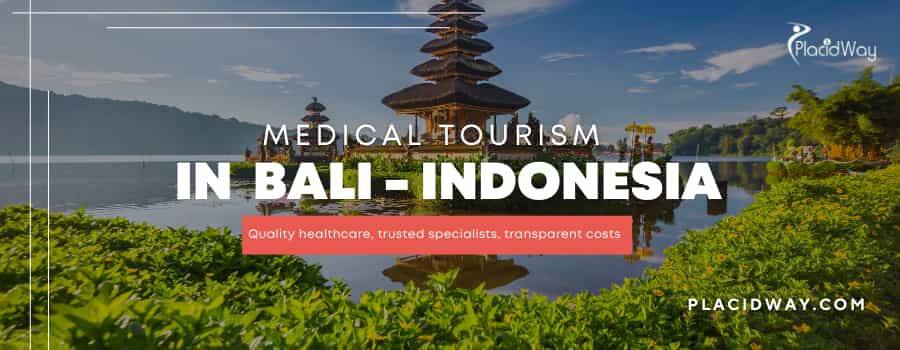
Bali, often referred to as the "Island of the Gods," has long been a sanctuary for spiritual seekers and vacationers. However, in recent years, it has transformed into a sophisticated hub for healthcare, attracting thousands of international patients annually. Medical tourism in Bali, Indonesia offers a unique proposition: the ability to undergo high-quality medical procedures while recovering in one of the world's most beautiful tropical environments. From cosmetic enhancements to complex dental work and orthopedic surgeries, Bali provides a seamless blend of leisure and healing.
The Indonesian government has heavily invested in infrastructure to capture a portion of the global medical travel market. With state-of-the-art hospitals located in key tourist areas like Nusa Dua, Kuta, and Denpasar, the island is equipped to handle international standards of care. Patients from Australia, New Zealand, the United States, and Europe are increasingly choosing affordable surgery in Bali, Indonesia not just for the cost savings, but for the personalized attention and holistic recovery atmosphere that Western healthcare systems often lack.
Indonesia is actively developing a "Medical Tourism Special Economic Zone" in Sanur, Bali, specifically designed to offer world-class healthcare facilities, including an international hospital in partnership with global medical heavyweights, to cater exclusively to medical tourists.
Why Choose Bali, Indonesia for Medical Care?
The primary driver for most patients is the significant financial advantage. Medical costs in Western nations have skyrocketed, making elective procedures inaccessible for many. In Bali, patients can access the same procedures for a fraction of the price. However, low-cost medical treatment does not equate to low quality; the favorable exchange rate and lower cost of living allow medical centers to offer premium services at competitive rates.
Beyond the sticker price of the surgery, the entire ecosystem of recovery is affordable. Luxury private villas with staff, healthy organic food, and transportation are accessible at prices that would barely cover a motel stay in the US or Australia. This allows patients to extend their stay for a proper recovery without financial stress.
- Significant Cost Savings: Save 40% to 75% compared to prices in Australia, the USA, and the UK.
- English-Speaking Professionals: Communication is seamless as medical staff in international wings are fluent in English.
- Holistic Recovery Environment: Heal in a stress-free environment surrounded by nature, which is clinically proven to speed up recovery.
- No Wait Lists: unlike nationalized healthcare systems, private hospitals in Bali offer immediate scheduling for procedures.
- Combined Vacation Value: The cost of flights, surgery, and a luxury vacation often totals less than the procedure alone at home.
- Advanced Technology: Clinics are equipped with modern diagnostic and surgical technology comparable to Western standards.
- Personalized Care: The Balinese culture of hospitality extends to healthcare, providing a level of warmth and attentiveness rarely seen elsewhere.
It is estimated that Indonesia loses approximately $6 billion to $11 billion annually as its citizens travel abroad for medical treatment. To reverse this, Bali is now pivoting to become a net importer of patients, aiming to capture the robust Australian and Asian medical travel markets.
Cost of Popular Medical Treatments and Procedures in Bali
Understanding the financial benefits is crucial for planning your medical trip. The following table provides a comprehensive overview of average medical costs in Bali compared to typical prices in countries like Australia and the United States. These figures highlight why medical travel packages to Indonesia are becoming increasingly popular for elective and non-elective surgeries alike.
Please note that these are average costs and can vary based on the specific clinic, the complexity of the case, and the technology used. However, the savings remain consistent across various medical disciplines.
| Procedure Name (Sub-treatment) | Average Cost in Bali (USD) | Avg. Cost in Australia/USA (USD) |
|---|---|---|
| Dental Implant (Titanium) | $800 - $1,500 | $3,000 - $5,000 |
| Porcelain Veneer (Per Tooth) | $300 - $550 | $1,200 - $2,000 |
| Full Face Lift (Rhytidectomy) | $4,500 - $6,500 | $12,000 - $18,000 |
| Breast Augmentation (Implants) | $3,500 - $5,000 | $8,000 - $12,000 |
| Rhinoplasty (Nose Job) | $2,500 - $4,000 | $7,000 - $10,000 |
| Liposuction (Per Area) | $1,000 - $2,000 | $3,500 - $5,000 |
| Total Knee Replacement (Unilateral) | $12,000 - $15,000 | $35,000 - $50,000 |
| Stem Cell Therapy (Anti-aging) | $3,000 - $8,000 | $10,000 - $25,000 |
| LASIK Eye Surgery (Both Eyes) | $1,500 - $2,500 | $4,000 - $6,000 |
| IVF Cycle (Standard) | $4,500 - $6,500 | $12,000 - $15,000 |
| Gastric Sleeve (Weight Loss) | $9,000 - $12,000 | $18,000 - $25,000 |
| Hip Replacement Surgery | $13,000 - $16,000 | $32,000 - $45,000 |
| Spinal Fusion (Lumbar) | $15,000 - $20,000 | $60,000 - $100,000 |
How Medical Tourism Works in Bali
The process of organizing medical treatment abroad can seem daunting, but the infrastructure in Bali is designed to make it seamless. From the initial inquiry to your return flight, the pathway is structured to ensure clarity and comfort. Understanding these steps helps manage expectations and ensures a smooth experience.
Most reputable providers have dedicated international patient departments. These teams act as your concierge, handling medical records and logistics so you can focus on preparing for your trip. Here is the typical workflow for a medical tourist in Bali:
- Initial Inquiry: You submit a request through a platform regarding your desired procedure.
- Remote Consultation: You provide medical history and photos (if applicable) for a preliminary assessment by the doctor.
- Treatment Plan & Quote: The clinic provides a detailed treatment plan and an estimated cost breakdown.
- Travel Arrangements: You book your flights and confirm accommodation (often with clinic assistance).
- Arrival & Pick-up: A representative typically meets you at Ngurah Rai International Airport to transport you to your hotel or clinic.
- Pre-op Assessment: You undergo physical examinations and final tests before the procedure.
- Treatment & Recovery: The procedure is performed, followed by a recovery period where follow-up appointments occur.
Always carry physical copies of your essential medical records, MRI scans, or X-rays. While digital copies are great, having a hard copy backup ensures that technical glitches don't delay your consultation upon arrival.
Top Destinations for Medical Care
While the entire island is a tourist haven, medical facilities in Bali are concentrated in specific areas that offer the best infrastructure. These zones are strategically located near the airport and major hotels, ensuring that patients have easy access to amenities. Choosing the right location is vital for balancing your medical needs with your desire for a relaxing environment.
Denpasar, the capital city, and the Kuta/Nusa Dua areas are the primary hubs. These locations host the largest multi-specialty hospitals and specialized clinics. They are surrounded by accommodation options ranging from budget-friendly stays to 5-star resorts, making them ideal for long-term recovery.
- Denpasar: The administrative center of Bali, hosting large general hospitals capable of handling complex surgeries and emergencies. It offers a more local experience and lower cost of living.
- Kuta & Seminyak: Known for vibrant tourism, this area is home to numerous aesthetic and dental clinics. It is perfect for those looking for cosmetic surgery in Bali who want to be near restaurants and shops.
- Nusa Dua: An upscale enclave known for luxury resorts and high-end medical centers. This area is ideal for patients seeking privacy, tranquility, and premium healthcare services.
- Ubud: While known more for wellness and spiritual retreats, Ubud is growing as a destination for holistic health, dental care, and non-invasive treatments, surrounded by lush jungle.
- Sanur: A quieter coastal town that is rapidly developing into a designated medical tourism zone, particularly for elderly patients and those seeking fertility treatments.
Success Stories
Nothing speaks louder than the experiences of those who have already traveled for care. Patient reviews for Bali hospitals consistently highlight the warmth of the staff and the quality of the results. These stories demonstrate the transformative power of accessible healthcare.
Below are summaries of real patient journeys that reflect the typical experience of medical tourists in Indonesia. These testimonials underscore the diverse range of successful treatments available.
Sarah from Australia - Dental Implants
"I needed extensive dental work that was going to cost me over $30,000 at home. I flew to Bali, had a wonderful two-week holiday, and got my full mouth restoration for under $10,000. The clinic was cleaner and more modern than my local dentist in Perth."
James from USA - Knee Replacement
"I was skeptical about having orthopaedic surgery abroad, but the pain was unbearable and my insurance wouldn't cover it fully. The hospital in Denpasar was world-class. My surgeon explained everything clearly, and the rehab therapy was intense but effective. I'm walking pain-free for the first time in years."
Elena from UK - Cosmetic Surgery
"I booked a Mommy Makeover package. The privacy was amazing. I stayed in a private villa with nursing care. The results are natural, and the surgeon was an artist. I felt pampered, not like a patient in a sterile ward."
Mark & Lisa from New Zealand - IVF Treatment
"We had tried IVF at home with no success and drained our savings. We gave it one last shot in Bali due to the lower cost. The fertility specialists were so compassionate. We are now expecting our first child and are forever grateful to the team in Bali."
Accreditations and Medical Standards
One of the biggest concerns for medical travelers is quality assurance. The best hospitals in Bali, Indonesia are acutely aware of this and strive for international recognition. The Indonesian Ministry of Health enforces strict regulations, but top-tier facilities go further by seeking global accreditation.
Many hospitals catering to tourists are accredited by KARS (Komisi Akreditasi Rumah Sakit), the national body. Furthermore, several premier institutions have achieved or are working toward JCI (Joint Commission International) accreditation, the gold standard in global healthcare. This ensures that safety protocols, hygiene, and patient care meet the highest international benchmarks.
- KARS Accreditation: The national standard for hospital management and service quality in Indonesia.
- ISO Certification: Many clinics hold ISO 9001 certification for quality management systems.
- International Partnerships: Leading hospitals often collaborate with Australian or Singaporean medical groups for training and knowledge exchange.
- Board Certified Surgeons: Many specialists hold certifications not just from Indonesian boards, but also from fellowships in the USA, Europe, or Australia.
- Continuous Monitoring: Accredited facilities undergo regular audits to maintain their status, ensuring consistent quality for patients.
- Language Capabilities: Accreditation standards often include requirements for multilingual support services for international patients.
The Australian Council on Healthcare Standards (ACHS) International has also begun to accredit facilities in Indonesia, providing a familiar benchmark of quality for the large volume of Australian patients traveling to Bali.
Safety and Legal Considerations
While medical tourism in Bali is generally safe, it is vital to understand the legal landscape. Unlike the litigious environments of the US, malpractice laws in Indonesia operate differently. Therefore, conducting thorough due diligence before selecting a provider is paramount. Choosing established, accredited hospitals minimizes risk significantly.
Travel insurance is another non-negotiable aspect. Standard travel insurance often excludes medical tourism complications. Patients must secure specialized medical travel insurance that covers the procedure and any potential extended stays due to recovery needs. This provides a financial safety net and peace of mind.
Always verify the credentials of your specific surgeon, not just the facility. Request to see "Before and After" portfolios and ask about their specific experience with your chosen procedure. Avoid unlicensed "beauty salons" offering invasive treatments at rock-bottom prices.
Cost of Living in Bali for Medical Tourists
One of the most attractive aspects of recovery in Bali is the incredibly low cost of living. You can enjoy a high standard of comfort—crucial for healing—without breaking the bank. From private drivers to nutritious meals, your daily budget will stretch much further than at home.
Accommodation options range from serviced apartments to private pool villas. Many long-stay patients choose villas where they can hire private chefs or nurses. This luxury is attainable for most middle-income visitors, turning a medical recovery into a pampering retreat.
- Accommodation: $30 - $100 per night for a 4-star hotel or private villa.
- Meals: $5 - $15 for a high-quality meal at a restaurant; less for local warungs.
- Transportation: $30 - $50 for a full-day private car hire with a driver.
- Groceries: Fresh tropical fruits and essentials are very affordable at local markets.
- Sim Card/Data: $10 - $15 for a month of high-speed 4G/5G data.
- Massage/Spa: Gentle post-op lymphatic massages (if approved by a doctor) cost around $10 - $20.
Bali has one of the highest densities of spas in the world. While you should avoid standard massages directly on surgical sites, the availability of relaxation therapies like reflexology helps lower cortisol levels, aiding the body's natural healing process.
How to Plan Your Medical Trip to Bali
Proper planning is the difference between a stressful trip and a successful medical holiday. Planning a medical trip to Bali requires coordinating medical appointments with travel logistics. It is advisable not to rush this process; give yourself ample time to gather information and prepare physically and mentally.
Pay special attention to visa requirements. While many nationalities get a Visa on Arrival (VoA), those planning extended recovery periods (over 30 days) might need to extend their visa or apply for a specific B211A visit visa. Always check the latest immigration regulations before booking flights.
- Research: Spend time reading reviews and comparing clinics on trusted platforms.
- Consultation: Engage in video calls with potential surgeons to build rapport and trust.
- Dates: Account for "acclimatization" time before surgery and "fit-to-fly" time after surgery.
- Budgeting: Factor in flights, surgery, accommodation, and a contingency fund for emergencies.
- Packing: Bring loose, comfortable clothing, all current medications, and medical records.
- Companion: Decide if you need a travel companion or if you will hire a carer locally.
- Flight Booking: Ensure your return flight is flexible in case recovery takes longer than expected.
When booking your flight home, request "Special Assistance" from the airline. This ensures you get wheelchair service through the airport and priority boarding, which is invaluable when you are still recovering from surgery.
How PlacidWay Facilitates Your Medical Journey in Bali
PlacidWay serves as your bridge to quality healthcare in Indonesia. We understand that finding a reliable doctor in a foreign country can be overwhelming. Our platform simplifies this by aggregating top-tier clinics and hospitals, allowing you to compare options transparently. We focus on providing you with the information you need to make an empowered decision about your health.
We are not a clinic, but a facilitator that streamlines communication between you and medical providers. Our goal is to remove the friction from the process, ensuring that your focus remains on your health and recovery. From gathering quotes to answering logistical questions, PlacidWay supports your journey every step of the way.
- Streamlined Information: We gather details from multiple providers so you don't have to hunt them down individually.
- Direct Connection: You communicate directly with the medical team to discuss your specific clinical needs.
- Free Assistance: You pay the clinic directly for your treatment; our assistance in connecting you and gathering information is completely free of charge to you.
- Comparison Tools: Easily compare prices, surgeon credentials, and facility photos in one place.
- Educational Resources: Access guides and articles to better understand the procedure and the destination.
- Global Network: Benefit from our years of experience in the global medical tourism industry.
Frequently Asked Questions About Medical Tourism in Bali
It is natural to have questions when considering surgery abroad. Below are answers to the most common queries we receive regarding medical travel to Indonesia. These answers are designed to help you prepare effectively for your trip.
For short procedures, a standard Visa on Arrival (VoA) valid for 30 days is often sufficient for many tourists. However, for longer treatments or recovery periods, international patients should apply for a B211A Visit Visa (Social-Cultural visa), which allows for stays up to 60 days and can be extended.
No, it is highly recommended to drink only bottled or filtered water while in Bali to avoid stomach issues often referred to as "Bali Belly." Use bottled water for brushing your teeth as well to ensure a complication-free recovery.
Patients traveling from Australia, New Zealand, or the USA typically save between 50% to 70% on dental procedures in Bali. Treatments like dental implants, veneers, and crowns offer the most significant financial benefits without compromising quality.
Yes, English is widely spoken in the private healthcare sector in Bali, particularly in hospitals catering to medical tourists. Many specialists have also received training abroad, ensuring no language barriers during your consultation and treatment.
Reputable medical facilities in Bali have protocols for post-operative care and emergency management. It is crucial to discuss contingency plans and follow-up care availability with your provider before the procedure, and always secure comprehensive medical travel insurance.
Bali is generally considered very safe for solo travelers, with a welcoming culture and a robust tourism infrastructure. However, for major surgeries, it is advisable to bring a companion to assist during the initial recovery phase or hire professional nursing services.
It is recommended to start planning and contacting facilitators 4 to 8 weeks in advance. This allows sufficient time for remote consultations, medical record review, visa processing, and securing accommodation near your treatment center.
Private hospitals catering to international patients adhere to strict international hygiene and sterilization standards. Many facilities follow protocols similar to those in Western countries to prevent infection and ensure patient safety.
Yes, combining a holiday with treatment is the essence of medical tourism in Bali, but timing is key. It is usually best to enjoy water sports and strenuous activities before your surgery, using the post-procedure time strictly for relaxation and recovery.
Most clinics in Bali require full payment at the time of service, usually via credit card or cash. While direct financing from the clinic is rare for international patients, third-party medical financing companies in your home country may cover treatments abroad.
Ready to Start Your Transformation?
Bali offers a compelling combination of world-class medical care, significant cost savings, and a serene environment perfect for healing. Whether you are seeking dental perfection, cosmetic enhancement, or necessary surgery, the Island of Gods is ready to welcome you. Take the first step toward a healthier, more confident you by exploring your options today.

-Using-Suture-Button-Fixation-in-Beijing,-China-by-AMCare.jpg)

.png)
.png)

.png)

Share this listing