

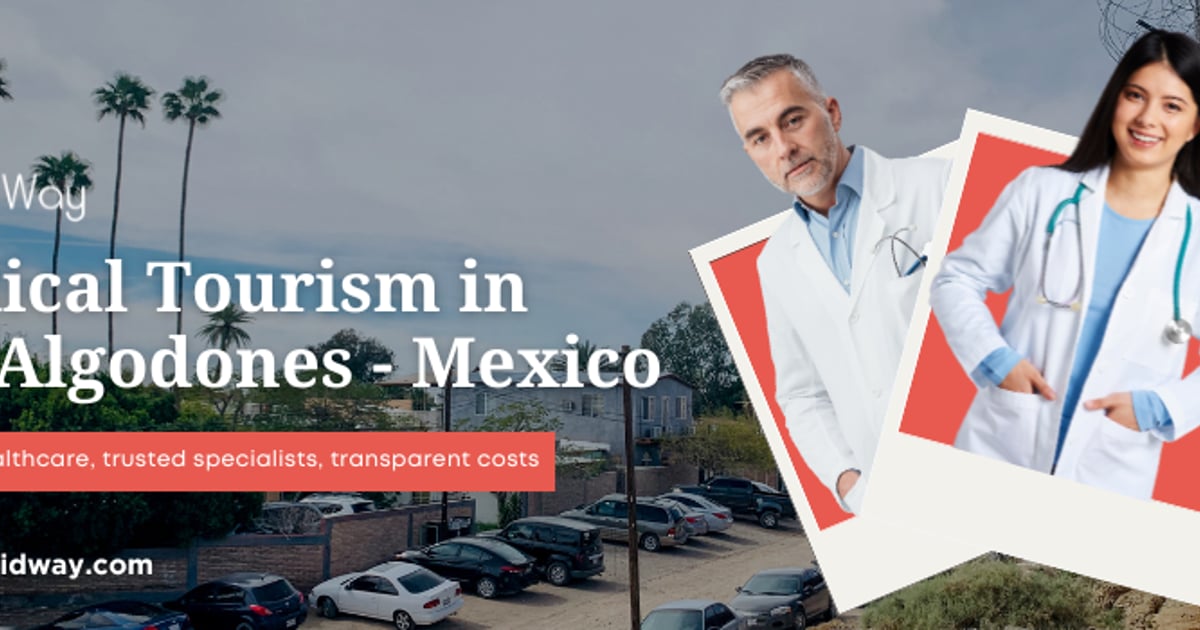
Complete Guide to Medical Tourism in Los Algodones, Mexico
Clutching her folder of panoramic X-rays near the sun-drenched Andrade port of entry, a retired teacher from Arizona prepares for a day of transformation. She joins thousands of daily visitors walking past the border gates into a bustling, colorful pedestrian zone where modern clinics stand shoulder-to-shoulder with vibrant artisan markets. This seamless blend of affordable healthcare and welcoming local culture is the cornerstone of medical tourism in Los Algodones, Mexico.
For many travelers from the United States and Canada, the anxiety of dental issues quickly dissolves into the warm, lively atmosphere of this unique border town. The streets hum with the sounds of mariachi music, the aroma of fresh tortillas, and the reassuring sight of English-speaking patient coordinators guiding visitors to their appointments. Stepping into this community feels less like a clinical visit and more like a structured cultural getaway designed entirely around visitor comfort.
Key Takeaways:
- Medical tourism in Los Algodones, Mexico attracts over 3,000 international visitors daily during the peak winter season.
- Patients typically save between 50% and 70% on major dental procedures compared to standard United States prices as of 2024.
- The town features over 300 registered dental clinics concentrated within a four-block walkable tourist district.
- Most travelers park on the United States side in Andrade, California, and walk across the border in under ten minutes.
- Local pharmacies, optical shops, and curio markets are tightly integrated, allowing patients to shop and recover simultaneously.
The Appeal of the Border Town Experience
Understanding the unique landscape of this border destination requires looking at how healthcare integration elevates the traditional travel experience. The town has meticulously engineered its infrastructure so that clinical appointments feel like natural extensions of a southwestern vacation.
- Pedestrian-Friendly Layout: The entire medical district is confined to a few vibrant, easily navigable blocks starting immediately at the border crossing. You can stroll from your morning consultation directly into a bustling plaza filled with local vendors selling handcrafted leather goods and painted ceramics.
- Built-In Recovery Entertainment: Between impressions or while waiting for lab work, visitors frequently explore the open-air markets rather than sitting in a sterile waiting room. The town's tourist infrastructure ensures there are plenty of shaded courtyards and street performers to keep you comfortably engaged.
- Community-Centric Atmosphere: Unlike sprawling urban healthcare hubs, this community thrives on localized hospitality where shop owners, restaurateurs, and clinic staff often collaborate. This close-knit environment means the local tourism sector is highly attuned to the specific physical and emotional needs of visiting patients.
- Accessible Day Trips: Because treatments often require mere hours of chair time, visitors use their free afternoons to enjoy the surrounding Sonoran Desert landscape. Many travelers integrate their medical visits with RV camping trips, exploring the nearby Imperial Sand Dunes just a short drive away on the California side.
- Stress-Free Navigation: The overwhelming presence of English signage and bilingual locals removes the traditional anxiety associated with international travel. This seamless communication allows you to focus on enjoying the colorful street life, negotiating at curio shops, and absorbing the local culture without a language barrier.
Top Procedures Driving Visitors to the Region
People primarily travel for specific, high-value treatments that allow them to combine significant savings with an enjoyable cultural excursion. The local tourism economy has organically expanded to support the recovery requirements of these exact procedures.
- Full-Mouth Dental Restorations: Complex procedures like All-on-4 implants require meticulous care, but the local environment supports the necessary downtime beautifully. Between surgical phases, patients often relax in comfortable, air-conditioned local cafes that specialize in soft, easy-to-eat Mexican delicacies.
- Custom Dental Crowns and Veneers: Cosmetic enhancements are highly sought after, with on-site milling labs producing final restorations while patients enjoy the town. You can spend your three-hour waiting period browsing for silver jewelry in the town square before returning to have your new smile fitted.
- Prescription Eyewear and Optical Care: Beyond dental care, visitors flock to local optometrists for affordable, same-day prescription glasses and comprehensive eye exams. This allows tourists to update their vision prescriptions quickly before spending the afternoon sightseeing under the bright desert sun.
- Routine Preventative Dentistry: Annual cleanings, fillings, and whitening treatments draw thousands of snowbirds who winter in nearby Yuma, Arizona. These quick visits are frequently treated as social outings, where groups of friends cross the border together for a morning cleaning followed by margaritas.
- Over-the-Counter Pharmacy Visits: The town is famous for its heavily regulated, tourist-friendly pharmacies offering non-prescription medications at steep discounts. Visitors regularly stock up on their standard health supplies while picking up authentic Mexican vanilla and spices from adjacent grocers.
Understanding the Cost Savings for Major Treatments
The financial relief provided by cross-border healthcare is frequently the initial catalyst for a visit, but how those savings are spent enhances the journey. By drastically reducing medical expenses, travelers free up their budgets to enjoy elevated tourism experiences throughout the region.
It is completely understandable to feel skeptical about prices that fall well below standard domestic rates, but these differences stem from lower operational overhead and favorable exchange rates rather than reduced quality. The table below outlines typical published ranges as of 2024, demonstrating how patients utilize their savings to fund nearby resort stays, extended vacations, or local shopping sprees.
| Procedure Category | Estimated US/Canada Cost | Estimated Local Cost | Tourism Integration |
|---|---|---|---|
| Single Titanium Implant | $3,500 - $5,000 | $800 - $1,200 | Funds a multi-night stay at a premium Yuma hotel. |
| Porcelain Crown | $1,000 - $1,500 | $200 - $350 | Allows for extensive curio shopping and local dining. |
| All-on-4 System (Per Arch) | $24,000 - $30,000 | $8,000 - $12,000 | Covers an entire month-long RV vacation in the southwest. |
| Root Canal Treatment | $900 - $1,200 | $200 - $300 | Leaves budget for sightseeing at the Imperial Dam. |
| Complete Dentures | $1,500 - $3,000 | $350 - $600 | Provides extra spending money for local artisanal goods. |
Navigating the Andrade Border Crossing
The logistics of entering the country are surprisingly straightforward, largely because the local infrastructure is optimized specifically for pedestrian healthcare visitors. This ease of movement allows you to transition smoothly from travel logistics directly into the vibrant local culture.
- Convenient US-Side Parking: Most travelers prefer to park their vehicles in the massive, secure lots managed by the Quechan Tribe on the California side. This removes the stress of navigating foreign traffic laws, letting you begin your cultural immersion the moment you step out of your car.
- Pedestrian-First Infrastructure: The walkway into the town is flat, well-paved, and highly accessible for wheelchairs or those recovering from physical exertion. You will find that crossing takes only minutes, instantly depositing you into a lively plaza lined with helpful guides and medical coordinators.
- Return Trip Timing: While entering is swift, the lines to return to the United States can swell during the late afternoon winter peak. Savvy tourists use this time to grab a final local coffee, sit on the shaded benches, and chat with fellow travelers about their sightseeing experiences.
- Documentation Requirements: A valid United States passport or passport card is legally required for re-entry, ensuring a smooth transition back home. Having your paperwork organized means less time worrying about border logistics and more time enjoying the local mariachi performances.
- Medical Lane Access: Many established clinics offer special border passes to their patients, granting access to a designated, faster medical return lane. This VIP-style perk significantly reduces wait times, allowing you to return to your hotel comfortably after a day of treatment and shopping.
Local Accreditation and Quality of Care
Safety and quality are paramount when traveling for healthcare, and this community has built its entire reputation on meeting rigorous standards. The integration of high-level clinical care within a relaxed tourist setting creates an atmosphere of trusted healing.
- International Board Certifications: Many specialists in the area hold dual credentials or have completed advanced training at prestigious institutions in the United States. This commitment to ongoing education provides peace of mind while you recover in the warm, welcoming environment of the town.
- ADA-Compliant Materials: Reputable clinics utilize the exact same FDA-approved materials, titanium posts, and porcelain blocks that you would find in your hometown. This standardization means you are receiving world-class materials while enjoying the charming backdrop of a historic Mexican border town.
- Advanced Imaging Technology: The main tourist district is outfitted with state-of-the-art 3D CBCT scanners and panoramic X-ray centers shared among clinics. You can easily walk from an imaging center back to your dentist, passing colorful street art and bustling taco stands along the way.
- Sterilization Protocols: Top facilities adhere strictly to OSHA and local health board sterilization guidelines, often keeping their autoclave rooms visible to patients. This transparency builds vital trust, allowing you to relax and focus on planning your afternoon sightseeing itinerary without lingering anxiety.
- Patient-Centric Facility Design: Clinics are designed to feel less like hospitals and more like boutique hotel lobbies, complete with comfortable seating and complimentary refreshments. This architectural approach mirrors the hospitality of the surrounding town, making your medical visits feel like a seamless part of your vacation.
Accommodations for Healing and Leisure
Finding the right place to rest is a critical component of your journey, blending the necessary comforts of recovery with the desire for a vacation atmosphere. Whether you prefer the immediate proximity of a local boutique hotel or the resort amenities across the border, options abound.
- Boutique Local Hotels: Staying directly in town allows you to wake up, enjoy an authentic Mexican breakfast, and walk to your appointment in under five minutes. These properties often feature lush, enclosed courtyards where you can relax by a fountain while recovering from morning procedures.
- Yuma's Resort Options: Many travelers choose to stay in nearby Yuma, Arizona, which offers expansive hotels with heated pools and familiar dining chains. The short twenty-minute drive to the border makes it easy to commute for your appointments while enjoying traditional American resort comforts.
- RV Parks and Campgrounds: The region is famous for its vibrant RV culture, drawing thousands of snowbirds to massive, community-oriented campgrounds just outside town. These parks offer a highly social environment where you can swap medical tourism tips with neighbors over evening campfires.
- Recovery-Focused Amenities: Accommodations catering to this specific demographic often provide soft pillows, in-room ice packs, and quiet environments tailored for healing. Staff at these locations are incredibly empathetic, understanding exactly what a patient needs after a long day in the dental chair.
- Extended Stay Suites: For complex treatments requiring a week or more, extended-stay hotels equipped with kitchenettes allow you to manage your own soft-food diet. This setup provides a comforting home base where you can retreat and rest after exploring the local Mexican markets.
Culinary Comforts During Treatment
Food is a central pillar of any travel experience, but when your journey involves dental work, your culinary choices require careful consideration. The local restaurant scene has brilliantly adapted to serve both adventurous foodies and patients with restricted diets.
- Tailored Soft-Food Menus: Understanding their core clientele, many local eateries offer delicious, easily chewable options like blended soups, soft tamales, and creamy refried beans. You never have to sacrifice authentic flavor just because you are recovering from an extraction or implant placement.
- Open-Air Courtyard Dining: The best dining experiences in town take place in shaded, open-air courtyards where you can enjoy live music alongside your meal. These tranquil environments are perfect for relaxing your nerves before an appointment or celebrating a successfully completed procedure.
- Fresh Local Ingredients: Street vendors and restaurants alike pride themselves on using vibrant, locally sourced ingredients to craft their traditional dishes. Sipping on a freshly squeezed agua fresca is an incredibly refreshing way to beat the desert heat while strolling between clinics.
- Bilingual Waitstaff: The hospitality workers in the area speak excellent English and are highly accustomed to accommodating specific dietary requests for medical reasons. You can easily communicate your needs, ensuring your dining experience is both safe for your recovery and culturally enriching.
- Iconic Margaritas and Socializing: For those who have been cleared by their doctors, joining fellow travelers for a classic margarita is a time-honored local tradition. It fosters a wonderful sense of camaraderie, turning a medical trip into a genuinely fun social excursion.
Sightseeing and Shopping Between Appointments
The downtime between consultations or while waiting for lab work is when the town truly shines as a tourist destination. The pedestrian zone is densely packed with engaging activities that keep your mind off your medical procedures.
- Vibrant Curio Markets: The streets are lined with colorful open-air stalls selling everything from hand-blown glassware to intricately woven blankets and leather goods. Negotiating with friendly vendors is a delightful way to pass the time and secure unique souvenirs for your family back home.
- Street Performances and Music: Wandering mariachi bands and local musicians provide a constant, joyful soundtrack to your stroll through the medical district. This lively atmosphere injects a sense of celebration into the air, drastically reducing the typical anxiety associated with healthcare visits.
- Local Art and Craftsmanship: You can find specialized boutiques featuring Talavera pottery, silver jewelry from Taxco, and authentic Mexican vanilla extract. Browsing these high-quality artisanal products turns a simple waiting period into an enriching cultural shopping spree.
- People Watching in the Plazas: The central squares are shaded by large trees and offer plenty of bench seating for weary travelers to rest. Sitting with a cold drink and watching the bustling mix of locals and international tourists is a relaxing way to spend an hour.
- Quick Beauty Treatments: Many visitors take advantage of affordable local salons offering manicures, pedicures, and massages right next door to the clinics. Treating yourself to a relaxing spa service is the perfect complement to your medical transformation.
Weather Patterns and Optimal Visit Times
The Sonoran Desert dictates the rhythm of life in this border region, making climate a major factor in planning your journey. Timing your visit correctly ensures that both your recovery and your sightseeing are as comfortable as possible.
- The Winter Peak Season: From November through March, the weather is spectacularly mild, with sunny skies and daytime temperatures hovering in the comfortable seventies. This ideal climate draws massive crowds, turning the town into a bustling festival of snowbirds and medical tourists.
- Managing the Summer Heat: Summer temperatures can easily soar well above one hundred degrees, making prolonged outdoor sightseeing physically exhausting. If you must travel during these months, it is crucial to schedule early morning appointments and spend your afternoons in air-conditioned comfort.
- Shoulder Season Advantages: October and April offer a sweet spot of manageable weather and slightly smaller crowds, making border crossings significantly faster. These months provide excellent conditions for exploring the outdoor markets without the intense density of the winter tourist rush.
- Hydration and Sun Protection: Regardless of the season, the desert sun is intense, requiring visitors to carry water and wear wide-brimmed hats while walking the town. Local vendors sell beautiful woven hats and cold beverages on every corner, seamlessly blending safety with local commerce.
- Evening Cool Downs: Even after warm days, desert evenings cool off beautifully, creating perfect conditions for a relaxed dinner on a restaurant patio. Packing layers ensures you remain comfortable as you transition from the sunny streets into air-conditioned clinics and cool night air.
Travel Logistics: Flights and Ground Transport
Reaching this unique destination is a distinct part of the adventure, involving a mix of domestic air travel and scenic desert driving. The journey is well-trodden by thousands of monthly visitors, resulting in highly streamlined transportation options.
- Flying into Regional Hubs: Most out-of-state patients fly into Yuma International Airport, which is a brief, heavily serviced twenty-minute drive from the border parking lots. Alternatively, some choose to fly into Phoenix or San Diego, renting a car to enjoy a picturesque drive through the rugged southwest landscape.
- Dedicated Medical Shuttles: Many top-tier clinics arrange private shuttle services that pick you up directly from your Yuma hotel or the airport. This white-glove service removes all navigational stress, allowing you to sit back and enjoy the views of the surrounding agricultural valleys.
- Navigating the Local Roads: The drive to the Andrade border crossing takes you through the beautiful Quechan Indian Reservation, featuring clear signage and well-maintained roads. The route is highly intuitive, designed specifically to funnel international visitors safely toward the medical district.
- Rideshare and Taxis: For those without a rental car, rideshare apps and local Yuma taxis provide reliable, affordable transportation right to the border gates. You can easily arrange a drop-off, walk across for your morning appointment, and call for a ride back when you return to the United States.
- RV Travel Routes: The highways leading into the region are extremely RV-friendly, with wide lanes and numerous scenic pull-offs for travelers making a road trip out of their visit. This accessibility has made the area a legendary winter gathering spot for retirees seeking both healthcare and community.
Currency, Cash, and Financial Planning
Managing your money across the border is incredibly simple due to the town’s total integration with the United States economy. Understanding the local financial landscape allows you to confidently negotiate in the markets and pay for your medical care.
- Universal Acceptance of USD: United States dollars are universally accepted by every clinic, restaurant, and street vendor in the tourist district, eliminating the need for currency exchange. You can seamlessly pay for a high-end medical procedure and a street-side taco using the exact same currency.
- Credit Card Utilization: Major clinics readily accept international credit cards for larger medical bills, though some may apply a small processing fee. It is highly advisable to notify your bank of your travel plans to prevent any security holds while paying for your treatment abroad.
- Cash for the Markets: While clinics take plastic, you will absolutely want to carry smaller USD bills for tipping waitstaff and purchasing items in the curio markets. Having cash on hand gives you the best leverage when politely negotiating prices for artisanal crafts and local jewelry.
- Transparent Medical Pricing: Reputable coordinators provide detailed, itemized quotes in USD before you ever cross the border, ensuring there are no financial surprises. This transparency allows you to budget precisely for your care, leaving the rest of your funds clearly designated for leisure and dining.
- ATMs and Banking: Should you need extra funds, there are secure ATMs available just outside the border on the California side. Drawing cash before you cross ensures you are fully prepared to enjoy the local shopping scene without hunting for a machine in town.
Language and Cultural Navigation
The fear of a language barrier frequently causes anxiety for first-time medical travelers, but this community has entirely eliminated that hurdle. The local culture is deeply intertwined with its international visitors, creating a warm, effortlessly communicative environment.
- Widespread English Fluency: Nearly all clinic staff, from the front desk receptionists to the leading specialists, speak fluent English. This ensures you can communicate complex medical histories and ask nuanced questions regarding your treatment without needing a translator.
- Bilingual Commerce: Shop owners and restaurateurs are equally adept at English, making ordering food or asking about the origins of a handicraft an easy, enjoyable experience. The cultural exchange is natural and friendly, characterized by a genuine appreciation for visiting tourists.
- Welcoming Hospitality: The local culture places a massive emphasis on warmth and respect, treating visiting patients like honored guests rather than transactional customers. You will frequently be greeted with smiles, handshakes, and genuine inquiries about your well-being as you walk the streets.
- Clear Navigational Signage: Every major street sign, clinic directory, and restaurant menu in the medical district is printed in both English and Spanish. You can confidently navigate the four-block radius independently, making the town feel incredibly safe and accessible for solo travelers.
- Building Relationships: Many returning patients develop long-standing friendships with their favorite dentists, hygienists, and local vendors over the years. This deep sense of community turns an annual medical checkup into a highly anticipated reunion with a beloved vacation destination.
Post-Procedure Relaxation and Day Trips
Once the clinical work is completed, the focus shifts entirely to rest and recovery in the beautiful surrounding environment. The region offers tranquil natural escapes that provide the perfect counterbalance to the bustling energy of the border town.
- Exploring the Imperial Sand Dunes: Just a short drive away in California, this massive, stunning dune system provides a cinematic backdrop for evening photography and gentle sunset walks. It is a peaceful, awe-inspiring landscape where you can mentally decompress after a day of clinical consultations.
- Relaxing at the Imperial Dam: For nature lovers, the areas surrounding the nearby dams offer serene spots for bird watching and gentle picnicking along the water. These quiet natural enclaves are ideal for patients seeking absolute tranquility while recovering from oral surgery.
- Historical Yuma Sightseeing: History enthusiasts often spend their recovery days exploring the Yuma Territorial Prison State Historic Park or the historic downtown district. These low-impact walking tours are physically undemanding, making them perfect activities for days when you need to take it easy.
- Golfing in the Desert: The region is home to several beautifully maintained golf courses that cater to visiting snowbirds and tourists. Playing a relaxed nine holes in the crisp morning air is a popular way for partners to pass the time while their spouse is in the clinic.
- Spa Days and Pampering: Transitioning from dental care to self-care is seamless, with many local wellness centers offering soothing massages and facials. Incorporating a spa afternoon into your itinerary guarantees you return home feeling completely rejuvenated, both medically and mentally.
Safety Standards in the Pedestrian Zone
Personal safety is often the unspoken concern for anyone traveling internationally for healthcare, but this specific district operates within a highly protected bubble. The town’s economic reliance on medical tourism means that visitor security is treated with the utmost seriousness.
- Dedicated Tourist Police: A visible, friendly force of tourist police constantly patrols the main medical blocks, ensuring the streets remain orderly and safe. They are bilingual, highly approachable, and ready to assist visitors with directions or general inquiries at any time.
- Concentrated Daytime Activity: The vast majority of medical tourism happens during daylight hours, with the town bustling from eight in the morning until late afternoon. This daylight schedule naturally aligns with safe travel practices, allowing you to complete your visit and cross back before dusk.
- Community Vigilance: Because the entire local economy thrives on international visitors feeling secure, shop owners and clinic staff are deeply invested in your well-being. There is a collective, unspoken agreement among locals to maintain a welcoming, protective environment for all incoming patients.
- Safe Pedestrian Walkways: The core blocks are heavily populated with other tourists, creating a lively, communal atmosphere where you are never isolated. Walking alongside hundreds of other Americans and Canadians provides immediate psychological comfort and a shared sense of security.
- Medical Emergency Protocols: In the highly unlikely event of a medical emergency, the clinics are equipped with modern stabilization gear and established protocols. Their proximity to the border means that, if necessary, rapid transport to United States medical facilities can be coordinated swiftly.
An Illustrative Patient Journey
To truly understand E-E-A-T in this context, it helps to view the experience through the eyes of a typical visitor navigating this unique ecosystem. This illustrative scenario highlights the practical realities of combining cross-border healthcare with local tourism.
- The Morning Arrival: A typical patient parks their car in the expansive Quechan lot on the California side just as the sun rises over the desert. They join a cheerful, slow-moving line of fellow travelers, crossing the pedestrian bridge and immediately entering the bustling plaza of pharmacies and clinics.
- The Clinical Consultation: By eight-thirty, they are seated in a modern, air-conditioned lobby, being greeted by a bilingual coordinator who offers bottled water and reviews the day's itinerary. The dentist utilizes a 3D scanner to assess their jaw, explaining the procedure in perfect English while the sounds of the town hum outside.
- The Midday Respite: With a three-hour wait for a custom crown to be milled, the patient leaves the clinic to explore the shaded curio markets. They spend an hour negotiating for a beautiful hand-painted ceramic bowl before resting at an open-air cafe with a bowl of soft, flavorful tortilla soup.
- The Afternoon Fitting: Returning to the clinic, the permanent crown is perfectly seated, and the bite is adjusted with meticulous care. The staff provides clear, printed post-operative instructions in English and a special VIP pass to expedite their return through the border crossing.
- The Evening Recovery: By four o'clock, the patient has bypassed the main border line, returning to their car and driving back to their resort in Yuma. They spend the evening relaxing by the hotel pool, enjoying the sunset with a restored smile and a sense of accomplished adventure.
Frequently Asked Questions
Is it safe to walk across the border for medical tourism in Los Algodones, Mexico?
Yes, walking across the border at Andrade is considered highly safe for tourists. The pedestrian zone is heavily patrolled by bilingual tourist police, well-lit, and populated by thousands of North American visitors daily. The local economy relies on medical tourists, ensuring a highly secure, welcoming environment during business hours.
Do I need a passport for medical tourism in Los Algodones, Mexico?
Yes, you must present a valid United States passport or a passport card to re-enter the United States through the Andrade port of entry. While Mexican officials rarely check documents upon walking in, United States Customs and Border Protection legally requires standard documentation for your return journey.
Can I use US dollars at the clinics and local shops?
Absolutely, United States dollars are universally accepted by every clinic, pharmacy, restaurant, and street vendor in the medical district. You do not need to exchange currency to pesos; in fact, all medical quotes, menus, and price tags are typically listed in USD for traveler convenience.
Where should I park when visiting the medical district?
Most visitors utilize the massive, secure parking lots owned by the Quechan Tribe located immediately on the United States side in Andrade, California. Parking typically costs a small daily fee, allowing you to safely leave your vehicle and walk across the border in under ten minutes.
Are the dentists and doctors board-certified?
Many top specialists in the area hold advanced degrees from respected Mexican universities and frequently possess additional certifications from United States institutions. Reputable clinics proudly display their credentials, utilize ADA-approved materials, and strictly adhere to international health and sterilization standards.
What is the best time of year to travel here for procedures?
The optimal time to visit is during the winter months, from November through March, when the desert climate features sunny skies and comfortable temperatures in the seventies. However, this is also the busiest season, so booking your appointments and local accommodations well in advance is highly recommended.
Will I encounter a language barrier during my treatment?
No, you will not face a language barrier. The town caters specifically to North American visitors, meaning almost all clinic staff, patient coordinators, restaurant servers, and market vendors speak fluent English. All medical forms and street signs are also clearly printed in English.
Can I stay overnight in the town during my recovery?
Yes, there are several clean, comfortable boutique hotels located directly within the medical district designed specifically for recovering patients. Alternatively, many visitors choose to stay in nearby Yuma, Arizona, and simply commute across the border for their scheduled daily appointments.
How do I bring prescription medications back into the United States?
You may bring back up to a 90-day supply of personal medications, provided you declare them to the Customs and Border Protection officer upon re-entry. Medications must be in their original containers, and you should always carry a valid prescription from a licensed physician.
What activities are available while waiting between clinic appointments?
The pedestrian zone is built for entertainment, featuring vibrant open-air markets, curio shops selling artisanal crafts, and lively street performances. You can safely spend your downtime browsing silver jewelry, enjoying soft foods at a shaded courtyard cafe, or receiving a relaxing manicure at a local salon.
Ready to Plan Your Journey?
Taking the first step toward affordable healthcare doesn't have to be intimidating when you have the right guidance. Our patient coordinators are here to answer your questions, help you compare verified clinics, and explain the logistics of your travel. Reach out today to request a free quote and discover how seamless participating in medical tourism in Los Algodones, Mexico can truly be.
References
- Medical Tourism Travel Health Guidelines – Centers for Disease Control and Prevention (CDC)
- Mexico Travel Advisory and Border Safety Updates – U.S. Department of State
- Guidelines for Dental Tourism and Cross-Border Care – American Dental Association (ADA)
- Infection Control and Safety in International Dental Settings – Organization for Safety, Asepsis and Prevention (OSAP)
- Global Health Care Quality and Safety Standards – World Health Organization (WHO)
- Guidelines for Importing Personal Medication into the US – U.S. Customs and Border Protection (CBP)
Medical Disclaimer: The information provided in this article is for educational and informational purposes only and does not constitute medical advice. Treatment outcomes, costs, and recovery experiences vary by individual. Always consult with a qualified healthcare physician or dental professional before making any medical decisions or traveling internationally for healthcare services.














Share this listing