Benefits of Getting All on 8 Dental Implants in Los Algodones - Mexico

Publish date: Modified date: Medically reviewed by: Dr. Octavio Delacruz on Oct 06, 2026 Author: Rizal Aditya

Experience Price

$15,050 Price starting from
Benefits of Getting All on 8 Dental Implants in Los Algodones - Mexico

Contents

Staring at a massive dental estimate from a US or Canadian dentist can make you want to grind your teeth—if you had them all. When you need a full mouth restoration, the staggering prices back home often mean choosing between a healthy smile and your retirement fund. That is exactly why thousands of North Americans skip the local clinic and drive straight down to the dental capital of the world.

In Los Algodones, Mexico, getting All on 8 dental implants is not just accessible; it is highly regulated and incredibly popular. You can expect the procedure cost to hover around $10,000 to $12,000 per arch, saving you up to 70% compared to domestic prices. When comparing your options, always check that the clinic holds local accreditations, such as from the Asociación Dental Mexicana (ADM) or international ADA affiliations, ensuring your care meets high safety standards.

What You Should Know

Procedure Time
Typically requires 2 separate trips
Anesthesia
Local anesthesia with IV sedation options
Healing Phase
3 to 6 months for osseointegration
Longevity
15+ years with proper oral hygiene
Nearest Airport
Yuma International Airport (YUM), Arizona

Trying to piece together the total expense of a major dental trip can feel like solving a frustrating puzzle. Inclusive dental packages take the guesswork out of your journey by bundling the essentials into one straightforward price. A comprehensive All-on-8 package typically covers the implants, abutments, temporary crowns, imaging, and sometimes even local ground transfers.

This means fewer surprise fees when you arrive at the clinic. Be sure to clarify exactly what is included in the provisional versus final restoration phases. Compare the comprehensive packages listed below to see which bundled option offers the best value for your treatment plan.

`

The primary reason patients travel for extensive dental work is the undeniable financial relief. An All-on-8 dental implant procedure in Los Algodones typically costs between $10,000 and $12,000 per jaw, a sharp drop from the $30,000 or more quoted in the US or Canada. This price generally includes the surgical placement, abutments, and the final fixed bridge.

While the savings are substantial, it is vital to understand that complex extractions or bone grafting will add to your final bill. Review the pricing estimates below to compare realistic costs and budget accurately for your border dental trip.

All on 8 Dental Implants Centers Cost Comparison in Los Algodones,Mexico

Provider Procedure Price
Care Smile Center All on 8 Dental Implants, Dentistry $15000

All on 8 Dental Implants Cost Comparison in Mexico

Country Procedure Price
Canada All on 8 Dental Implants, Dentistry $32000
United States All on 8 Dental Implants, Dentistry $35000

Finding a trustworthy dentist across the border requires looking past the shiny waiting room. You want a clinic that operates with full transparency and verified credentials. Start by checking if the facility is recognized by the Mexican Dental Association (ADM) and if the dentists have specialized training in implantology.

Do not hesitate to ask about their sterilization protocols, the brand of implants they use, and their follow-up care policies. A reputable clinic will gladly share their licenses and implant certifications. Take your time to review the clinic profiles below to find a certified facility that matches your medical needs.
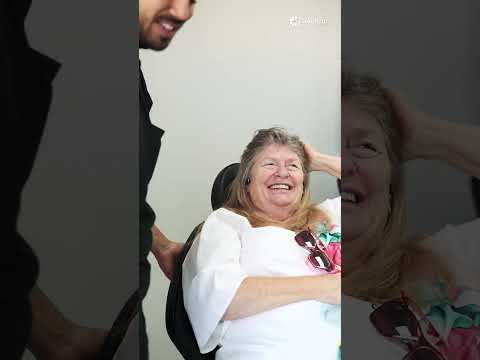
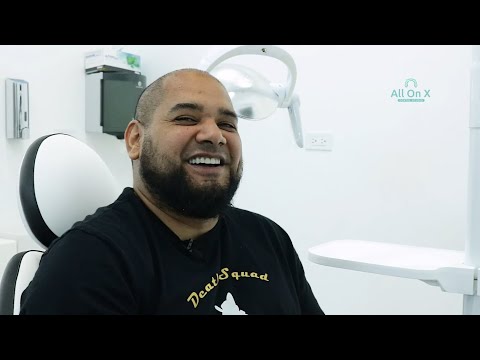
Reading about a complex dental surgery is one thing, but seeing the environment where it happens provides a completely different level of comfort. Before booking a trip, watching walkthroughs of the facility and hearing direct explanations from the dental surgeons can ease travel anxiety.

These visual tours give you a real sense of the clinic's hygiene standards, modern equipment, and overall atmosphere. You can also see how the staff interacts with international patients. Take a moment to watch the clinic videos below to get a virtual feel for the care you will receive.

When crossing the border for extensive dental surgery, the most reliable insights come from those who have already sat in the dentist's chair. Patient feedback reveals the truth about a clinic's bedside manner, the reality of the healing process, and the durability of their new teeth.

Look closely at how previous patients describe their communication with the clinic, especially regarding language barriers or post-op support. Genuine experiences often highlight small but important details about traveling to the area. Browse the patient reviews below to hear firsthand accounts and evaluate the reputation of your potential dental providers.

Preparing for major dental work abroad naturally brings up a lot of questions. Here are the most common inquiries patients have about getting this specific restorative treatment at the border.

What exactly is an All-on-8 dental implant procedure?

This procedure involves placing eight titanium implants into a single jawbone (upper or lower). These implants act as artificial roots to securely anchor a full arch of custom prosthetic teeth, providing maximum stability and bite force.

Why is Los Algodones so popular for this specific treatment?

Often called "Molar City," Los Algodones is immediately adjacent to the US border and hosts hundreds of dental clinics. It offers a combination of highly trained implant specialists, modern technology, and significantly lower overhead costs, which translates to affordable prices for North American patients.

How many trips to Mexico will I need?

You will typically need two trips. The first visit is for extractions, bone grafting (if necessary), and implant placement, after which you receive a temporary denture. The second trip, usually 4 to 6 months later, is to attach your permanent fixed crowns after the bone has healed around the implants.

Is it safe to travel there for dental surgery?

Yes, it is generally considered very safe for medical tourists. The town caters specifically to US and Canadian visitors, with most clinics located within walking distance of the border crossing. However, you should always verify clinic credentials and sterilization standards before booking.

What materials are used for the crowns?

Reputable clinics in Mexico use the same high-quality materials found in the US. The permanent restorations are typically made from zirconia or porcelain fused to metal, which offer exceptional durability and a natural appearance.

How do I pay for my dental treatment across the border?

Most clinics accept US cash, major credit cards, and cashier's checks. Be aware that paying with a credit card may incur an international transaction fee or a small processing surcharge at the clinic.

Will I have teeth during the healing phase?

Yes. After the implants are surgically placed, the dentist will provide you with a temporary healing denture. This ensures you can eat soft foods and maintain a normal appearance while the implants fuse with your jawbone.

What happens if I experience complications back home?

Quality clinics provide a guarantee or warranty on their implants and dental work. If an issue arises, they will often fix it at no additional medical cost, though you will be responsible for your travel expenses to return to the clinic.

Do the dentists and staff speak English?

Yes. Because the vast majority of their patients travel from the US and Canada, nearly all dentists, hygienists, and front desk staff in this border town speak fluent English to ensure clear medical communication.

Can I use my US dental insurance in Mexico?

Some US dental insurance providers will reimburse you for out-of-network care received in Mexico. You will usually need to pay upfront, collect an itemized receipt containing specific medical billing codes, and submit the claim yourself.

How Much Do All-on-8 Dental Implants Cost in Los Algodones?

The estimated cost for All-on-8 dental implants in Los Algodones typically ranges from $10,000 to $15,000 per arch. Final prices depend on bone grafting needs, diagnostic tests, chosen materials, and the complexity of your individual case. For many patients dealing with extensive tooth loss, restoring a full smile can feel financially out of reach in their home countries. This financial barrier often leads people to research treatment options abroad. When exploring the All-on-8 dental implants cost in Los Algodones, patients frequently find that the estimated prices are notably lower than those in the United States or Canada. Understanding the breakdown of these costs, the steps involved in the procedure, and what to anticipate during recovery is critical before making any health-related travel decisions. Rehabilitating an entire arch of teeth with eight implants is a complex surgical undertaking. It requires careful planning, a sufficient amount of healthy bone, and realistic expectations regarding healing times. This guide will walk you through the factors that influence pricing, patient eligibility, potential risks, and the nuances of traveling for oral healthcare. Key Takeaways Estimates typically range between $10,000 and $15,000 per jaw, though final bills can vary widely based on clinical needs. Bone grafting, sinus lifts, and tooth extractions can add significant costs and extend the healing timeline. The material you choose for your final bridge—such as acrylic or zirconia—plays a major role in both durability and price. The process generally requires at least two separate visits to Mexico spaced three to six months apart. Not everyone is a suitable candidate; patients need adequate bone volume and well-managed overall health to undergo this surgery. What exactly does an All-on-8 dental implant procedure involve? All-on-8 is a full-arch restoration technique that relies on eight titanium implants surgically placed into the jawbone to support a fixed prosthetic bridge. This procedure is designed for patients who have lost most or all of their teeth on either the upper or lower jaw. By using eight implants instead of the traditional four or six, the biting forces are distributed more evenly across the jaw. This can provide enhanced stability for the prosthetic teeth and reduce the mechanical stress placed on each individual implant post. The surgery involves embedding these titanium screws directly into the jawbone. Over a period of several months, the bone fuses with the titanium in a biological process called osseointegration. Because this method requires a greater number of posts, the patient must have a substantial amount of natural bone available to anchor them properly. Once the jawbone has fully healed and integrated with the implants, a permanent set of replacement teeth is custom-fabricated and securely screwed or cemented onto the posts. The resulting prosthetic is stationary—meaning it cannot be removed by the patient—and is designed to function and look very similar to natural teeth. What factors influence the total price of this treatment? The final price fluctuates based on pre-surgical procedures like extractions, bone grafting, material choices, and diagnostic imaging. While the base estimate for an arch may seem straightforward, dentistry is highly individualized. Two patients receiving the exact same number of implants may end up paying very different final amounts depending on the preparatory work required before the actual implant surgery can take place. Preparatory Surgeries: If you have severely decayed teeth remaining, they must be extracted. If your jawbone has atrophied, bone grafting or a sinus lift will be necessary to build enough volume to hold eight implants securely. These additions increase both cost and treatment time. Anesthesia and Sedation: Depending on your anxiety levels and the complexity of the surgery, you may opt for IV sedation rather than just local anesthesia. Sedation administered by a specialist usually incurs an extra fee. Diagnostic Imaging: 3D CBCT scans are crucial for mapping the exact placement of the implants, avoiding nerves, and assessing bone density. These scans may be billed separately. Temporary Prosthetics: During the months your implants are integrating with the bone, you will likely need a temporary set of teeth. The fabrication of these transitional teeth is often a separate line item on the treatment plan. How do materials affect the final cost and durability? Choosing between acrylic, porcelain, or zirconia for the final crowns significantly impacts both the initial price and the long-term wear of your dental restoration. The material used for the permanent bridge is one of the largest variables when estimating expenses at any All-on-8 dental implants clinic in Los Algodones. Each material has distinct characteristics regarding strength, esthetics, and financial investment. Material Characteristics Cost Impact Acrylic / Composite Lighter weight and softer, which can cushion the bite. However, acrylic is more prone to chipping, staining, and wear over time. Generally the most economical choice. Porcelain fused to Metal Offers excellent esthetics and strong underlying support. Porcelain can chip under heavy biting forces. Mid-range pricing. Zirconia Highly durable, resists stains, and closely mimics the translucency of natural enamel. Often considered the premium standard for full-arch restorations. Typically the most expensive option. Your dentist can help you weigh the benefits and drawbacks of each material. For instance, heavy grinders might be directed toward zirconia for its durability, whereas patients with a lighter bite or budget constraints might opt for a high-quality composite. Who is typically considered a suitable candidate for eight implants? Ideal candidates generally have sufficient jawbone density, healthy gums, and no underlying medical conditions that could severely impair bone healing. Because the All-on-8 system utilizes eight separate implant posts, it is not suitable for everyone. The most restrictive factor is often bone volume. Following tooth loss, the jawbone naturally begins to deteriorate (resorb). If a patient has been missing teeth for many years or has worn conventional dentures for a long time, they may lack the necessary bone width and height to support eight implants safely without extensive prior bone grafting. Systemic health is equally critical. Conditions that affect the immune system or bone healing, such as uncontrolled diabetes, osteoporosis, or autoimmune disorders, can increase the risk of implant failure. Furthermore, active gum disease (periodontitis) must be fully treated before any surgical intervention can take place. Tobacco use is another major consideration. Smoking constricts blood vessels in the gums, slowing the healing process and significantly increasing the chances of complications. Many oral surgeons will require patients to stop smoking weeks before and after the surgery to promote better outcomes. What are the potential risks and complications of this surgery? Like any oral surgery, risks include infection, nerve damage, sinus issues, and implant failure, which is why a thorough medical evaluation is critical. While dental implants have high success rates in properly selected patients, the procedure is not devoid of risks. Acknowledging these potential complications is vital, especially when traveling abroad for care, as managing a complication may require finding immediate local help or returning to the treating clinic. Infection: Post-surgical infections can occur at the implant site. If not treated quickly with antibiotics or localized cleaning, an infection can compromise the surrounding bone. Nerve Damage: If an implant is placed too close to a nerve in the lower jaw, it can cause pain, numbness, or a tingling sensation in the lips, tongue, or chin. In severe cases, this can be long-lasting. Peri-implantitis: This is an inflammatory condition affecting the gum and bone around the implant, often triggered by poor oral hygiene or smoking, which can eventually cause the implant to loosen. Sinus Perforation: When placing implants in the upper jaw, there is a risk of penetrating the sinus cavity, which may require additional medical intervention to resolve. What should you expect during the treatment timeline in Mexico? The process usually requires at least two separate visits spaced several months apart to allow the titanium posts to integrate fully with your jawbone. Patients must plan their travel carefully, as full-arch restoration is not a single-day event. The first trip generally focuses on diagnostics, extractions, and the surgical placement of the implants. During this visit, which usually lasts several days, you may receive a temporary, lightweight denture to wear while you heal. After the initial surgery, you return home for a healing period known as osseointegration. This phase typically lasts between three and six months, depending on your body's healing rate and whether bone grafting was performed. During this time, the bone grows around the threads of the implants, locking them firmly into place. The second trip involves taking final impressions, designing the permanent bridge, and finally securing it to the implants. This second visit may also take a few days to allow for laboratory manufacturing and adjustments to ensure the bite is comfortable and aligned properly. How long does the recovery process usually take? Initial soft tissue healing takes a few weeks, while complete bone integration can require three to six months before the final teeth can be safely attached. Immediate post-operative recovery varies by patient, but you can anticipate localized swelling, bruising, and tenderness for the first several days. Dentists often prescribe pain relievers and antibiotics to manage discomfort and prevent infection during this initial phase. Most patients feel well enough to resume normal, non-strenuous activities within a week. However, the internal recovery of the bone takes much longer. While your gums may look and feel healed relatively quickly, the underlying bone is still working to fuse with the titanium. Throughout this longer recovery window, patients are often restricted to a soft-food diet. Biting down on hard or crunchy foods too soon can shift the implants before they are fully integrated, which can lead to implant failure. How should you plan for aftercare once you return home? Proper maintenance requires strict daily oral hygiene and regular visits to a local dentist for professional cleanings and check-ups to monitor tissue health. A common misconception is that because implants are artificial, they do not require diligent care. In reality, the gums surrounding the implants are still susceptible to disease. Plaque buildup can lead to peri-implantitis, threatening the stability of the entire arch. When seeking dental care abroad, establishing a relationship with a local dentist in your hometown is essential. You will need routine professional cleanings to remove calculus that you cannot reach at home. Daily maintenance should include a soft-bristled toothbrush, non-abrasive toothpaste, and a water flosser or interdental brushes designed specifically to clean beneath the prosthetic bridge. Important Consideration: If you experience pain, severe swelling, or notice that the bridge feels loose after you return home, do not wait for your next scheduled trip to Mexico. Seek evaluation from a local professional immediately to address the issue before it worsens. Why do patients travel to Los Algodones for dental restorations? Many people participate in medical tourism in Los Algodones to access complex restorative dentistry at lower estimated costs compared to their home countries. Situated directly across the border from Yuma, Arizona, Los Algodones has earned a reputation as a major hub for dental care. The dense concentration of clinics creates an environment tailored almost entirely to international patients seeking everything from routine fillings to full-mouth rehabilitations. The lower cost of living and different regulatory overhead in Mexico contribute to the reduced prices offered at these facilities. However, patients must exercise due diligence. Not every facility offers the same standards of care. When researching options, it is important to look into the educational background of the dentists, the technological capabilities of the clinic (such as in-house 3D imaging or dental labs), and their protocols for sterilization. Why Choose PlacidWay for Your Dental Journey? Navigating the complexities of healthcare options abroad can feel overwhelming. PlacidWay acts as an informational platform designed to help patients explore global medical and dental facilities. Here are a few ways PlacidWay can assist you: Educational Resources: PlacidWay offers comprehensive articles and guides on various dental procedures, helping you understand your treatment options. Global Network Access: The platform connects patients with an extensive directory of healthcare facilities across multiple countries, including Mexico. Clinic Comparisons: You can review profiles of different medical centers, allowing you to compare available technologies, services, and language capabilities. Direct Connections: PlacidWay facilitates communication so you can request personalized information and estimates directly from the providers you choose. Transparent Information: The platform focuses on providing factual data regarding international healthcare options without applying pressure to make immediate decisions. Frequently Asked Questions Is the All-on-8 dental implant procedure painful? The surgery is typically performed under local anesthesia or sedation, meaning you should not feel pain during the procedure. Afterward, patients often experience soreness, swelling, and mild discomfort, which can usually be managed with prescribed or over-the-counter pain medication. Can I have my teeth extracted and implants placed on the same day? In some cases, yes. If you have sufficient bone density and no active infections, a dentist may be able to extract failing teeth and place the implants during the same surgical visit. However, this is highly dependent on your individual oral health. How long will I need to stay in Los Algodones for the initial surgery? Patients are typically advised to stay for 3 to 7 days for the first phase of treatment. This allows time for the initial consultation, the surgical placement of the implants, and a brief follow-up to ensure early healing is progressing well before traveling home. What happens if an implant fails after I return home? If you experience complications like severe pain, prolonged swelling, or a loose implant, you should seek immediate evaluation from a local dentist. Depending on the situation, you may need to travel back to Mexico for revision surgery or have the issue managed locally. Are there financing options available for dental work in Mexico? Some cross-border clinics partner with third-party medical financing companies that allow you to pay in installments. However, many facilities require upfront payment in cash, credit card, or traveler's checks, so it is important to clarify payment terms before booking. How does an All-on-8 procedure differ from an All-on-4? An All-on-8 uses eight titanium posts per arch, while an All-on-4 uses only four. Eight implants can distribute bite forces more evenly and provide additional support, but this approach requires significantly more healthy jawbone to accommodate the extra posts. Can I eat normally with an All-on-8 fixed bridge? During the healing phase, you must stick to a soft-food diet so the implants can integrate with the bone. Once the final bridge is securely attached and healing is complete, most patients can return to a relatively normal diet, though biting into extremely hard objects should be avoided. Will I need a passport to travel to Los Algodones? Yes, U.S. and Canadian citizens need a valid passport or an approved travel document (like a passport card) to re-enter their home country after visiting Mexico for dental care. Do local dental staff in Los Algodones speak English? Because the town caters heavily to medical tourists from the United States and Canada, many dentists, specialists, and support staff in the area are fluent in English to facilitate clear communication about medical care. How do I maintain my new fixed dental bridge? Maintenance involves brushing twice a day, using a water flosser or specialized interdental brushes to clean beneath the bridge, and visiting a local dentist every six months for professional cleanings and examinations to monitor the health of your gums and implants. Explore Your Dental Treatment Options Gather information, compare international facilities, and request personalized details to help you make an informed decision about your oral health. Compare Treatment Options References Implants – American Dental Association (ADA) What Are Dental Implants? – American Academy of Implant Dentistry (AAID) Dental Implant Surgery: Risks and Recovery – Mayo Clinic Dental Implants: What You Should Know – U.S. Food and Drug Administration (FDA) Medical Tourism Guidelines – Centers for Disease Control and Prevention (CDC) Medical Tourism Abroad – U.S. Department of State Medical Disclaimer: The information provided in this article is for educational and informational purposes only and does not constitute medical advice, diagnosis, or treatment recommendations. The costs, recovery times, and procedural details mentioned are estimates and will vary based on individual health conditions and clinic protocols. Always consult with a qualified, licensed healthcare provider or dental specialist to determine if a procedure is appropriate for your specific situation.

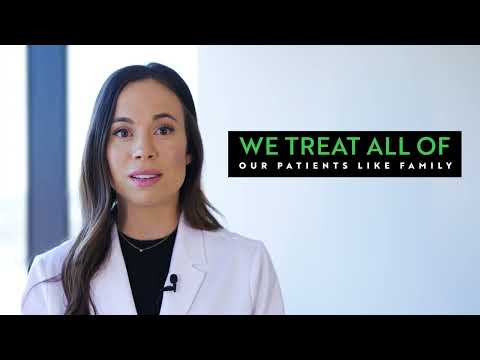
Placing eight implants into a single arch requires a high level of surgical precision and a deep understanding of jaw biomechanics. You are not just looking for a general dentist; you need a specialist in implantology or an oral maxillofacial surgeon. Look for doctors who highlight their international training, ongoing education, and specific success rates with full-mouth restorations.

A skilled surgeon will carefully evaluate your bone density before making any promises. Take a look at the doctor profiles below to compare their qualifications and find an experienced specialist you feel confident in.
Los Algodones, affectionately known as "Molar City," is a small Mexican border town dedicated almost entirely to medical and dental tourism. Located directly adjacent to Yuma, Arizona, it is incredibly accessible for North American patients looking for high-quality, affordable care. The town is highly walkable, heavily populated by English-speaking snowbirds, and caters specifically to the needs of foreign dental patients, making it a stress-free environment for your procedure.

The easiest way to reach the town is by flying into Yuma International Airport (YUM) or driving down via Interstate 8. From there, most patients simply park on the US side of the border in the Quechan Casino Resort parking lot and walk across the pedestrian checkpoint. The clinics, pharmacies, and optical shops are located just a few blocks from the border crossing.

From the US SouthwestDrive directly to Yuma, park on the US side, and walk across the border.
From the Midwest & East CoastFly to Yuma (YUM) or San Diego (SAN), then take a shuttle or rental car.
From CanadaFly into Phoenix (PHX) or San Diego (SAN), rent a car, and drive to the border.
  • Bring a valid passport, as it is required for reentry into the United States.
  • Wear comfortable shoes, as the most convenient way to navigate the clinics is on foot.
  • Keep your travel schedule flexible to accommodate minor changes in your dental treatment timeline.

Deciding to restore your smile with All-on-8 implants is a major medical and financial step, and you do not have to navigate the border logistics alone. Our team can help you review certified clinic options, understand bundled packages, and connect you with experienced implant specialists in Los Algodones. We focus on providing the transparent information you need to make a confident, well-informed choice about your dental care abroad. Take the next step toward a secure, functional smile today.

References

Benefits of Getting All on 8 Dental Implants in Los Algodones - Mexico thumbnail

About Experience

  • Translations: EN ES
  • Price Range: $15,050 - $15,050
  • Treatment: All on 8 Dental Implants,Dentistry
  • Location: Los Algodones,Mexico
  • Clinics: Sani Dental Group, Marietta Dental Care Los Algodones, All On X Dental Studio: Leading Dental Clinic in Los Algodones, RUMO Dental Group, Care Smile Center,
  • Doctors Luis Armando Melendez Martinez DDS, Dr. Cesar Alejandro Ruiz, Dra. Estephany Arroyo,
  • Packages All on 8 Dental Implants Package in Los Algodones, Mexico by RUMO Dental Group,
  • Overview Why Choose All on 8 Dental Implants in Los Algodones?

Trusted Medical Tourism Platform Since 2007

60+
Countries
2k+
Clinics
19.5k+
Reviews
2.5k+
Qualified Doctors
1.1M+
Patients Served Since 2007