
All-on-8 Dental Implants Cost in Los Algodones (2025 Price Guide)
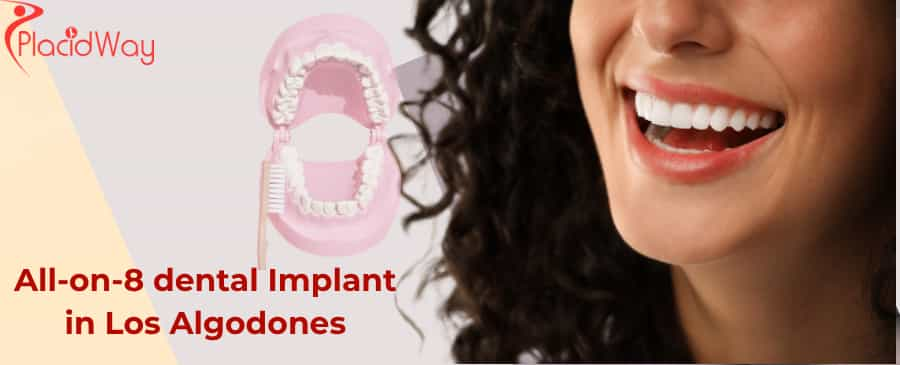
For many patients dealing with extensive tooth loss, restoring a full smile can feel financially out of reach in their home countries. This financial barrier often leads people to research treatment options abroad. When exploring the All-on-8 dental implants cost in Los Algodones, patients frequently find that the estimated prices are notably lower than those in the United States or Canada. Understanding the breakdown of these costs, the steps involved in the procedure, and what to anticipate during recovery is critical before making any health-related travel decisions.
Rehabilitating an entire arch of teeth with eight implants is a complex surgical undertaking. It requires careful planning, a sufficient amount of healthy bone, and realistic expectations regarding healing times. This guide will walk you through the factors that influence pricing, patient eligibility, potential risks, and the nuances of traveling for oral healthcare.
Key Takeaways
- Estimates typically range between $10,000 and $15,000 per jaw, though final bills can vary widely based on clinical needs.
- Bone grafting, sinus lifts, and tooth extractions can add significant costs and extend the healing timeline.
- The material you choose for your final bridge—such as acrylic or zirconia—plays a major role in both durability and price.
- The process generally requires at least two separate visits to Mexico spaced three to six months apart.
- Not everyone is a suitable candidate; patients need adequate bone volume and well-managed overall health to undergo this surgery.
What exactly does an All-on-8 dental implant procedure involve?
This procedure is designed for patients who have lost most or all of their teeth on either the upper or lower jaw. By using eight implants instead of the traditional four or six, the biting forces are distributed more evenly across the jaw. This can provide enhanced stability for the prosthetic teeth and reduce the mechanical stress placed on each individual implant post.
The surgery involves embedding these titanium screws directly into the jawbone. Over a period of several months, the bone fuses with the titanium in a biological process called osseointegration. Because this method requires a greater number of posts, the patient must have a substantial amount of natural bone available to anchor them properly.
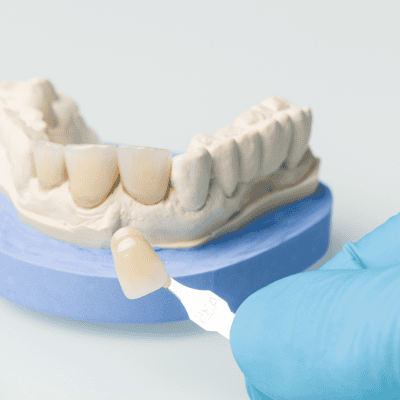
Once the jawbone has fully healed and integrated with the implants, a permanent set of replacement teeth is custom-fabricated and securely screwed or cemented onto the posts. The resulting prosthetic is stationary—meaning it cannot be removed by the patient—and is designed to function and look very similar to natural teeth.
What factors influence the total price of this treatment?
While the base estimate for an arch may seem straightforward, dentistry is highly individualized. Two patients receiving the exact same number of implants may end up paying very different final amounts depending on the preparatory work required before the actual implant surgery can take place.
- Preparatory Surgeries: If you have severely decayed teeth remaining, they must be extracted. If your jawbone has atrophied, bone grafting or a sinus lift will be necessary to build enough volume to hold eight implants securely. These additions increase both cost and treatment time.
- Anesthesia and Sedation: Depending on your anxiety levels and the complexity of the surgery, you may opt for IV sedation rather than just local anesthesia. Sedation administered by a specialist usually incurs an extra fee.
- Diagnostic Imaging: 3D CBCT scans are crucial for mapping the exact placement of the implants, avoiding nerves, and assessing bone density. These scans may be billed separately.
- Temporary Prosthetics: During the months your implants are integrating with the bone, you will likely need a temporary set of teeth. The fabrication of these transitional teeth is often a separate line item on the treatment plan.
How do materials affect the final cost and durability?
The material used for the permanent bridge is one of the largest variables when estimating expenses at any All-on-8 dental implants clinic in Los Algodones. Each material has distinct characteristics regarding strength, esthetics, and financial investment.
| Material | Characteristics | Cost Impact |
|---|---|---|
| Acrylic / Composite | Lighter weight and softer, which can cushion the bite. However, acrylic is more prone to chipping, staining, and wear over time. | Generally the most economical choice. |
| Porcelain fused to Metal | Offers excellent esthetics and strong underlying support. Porcelain can chip under heavy biting forces. | Mid-range pricing. |
| Zirconia | Highly durable, resists stains, and closely mimics the translucency of natural enamel. Often considered the premium standard for full-arch restorations. | Typically the most expensive option. |
Your dentist can help you weigh the benefits and drawbacks of each material. For instance, heavy grinders might be directed toward zirconia for its durability, whereas patients with a lighter bite or budget constraints might opt for a high-quality composite.
Who is typically considered a suitable candidate for eight implants?
Because the All-on-8 system utilizes eight separate implant posts, it is not suitable for everyone. The most restrictive factor is often bone volume. Following tooth loss, the jawbone naturally begins to deteriorate (resorb). If a patient has been missing teeth for many years or has worn conventional dentures for a long time, they may lack the necessary bone width and height to support eight implants safely without extensive prior bone grafting.
Systemic health is equally critical. Conditions that affect the immune system or bone healing, such as uncontrolled diabetes, osteoporosis, or autoimmune disorders, can increase the risk of implant failure. Furthermore, active gum disease (periodontitis) must be fully treated before any surgical intervention can take place.
Tobacco use is another major consideration. Smoking constricts blood vessels in the gums, slowing the healing process and significantly increasing the chances of complications. Many oral surgeons will require patients to stop smoking weeks before and after the surgery to promote better outcomes.
What are the potential risks and complications of this surgery?
While dental implants have high success rates in properly selected patients, the procedure is not devoid of risks. Acknowledging these potential complications is vital, especially when traveling abroad for care, as managing a complication may require finding immediate local help or returning to the treating clinic.
- Infection: Post-surgical infections can occur at the implant site. If not treated quickly with antibiotics or localized cleaning, an infection can compromise the surrounding bone.
- Nerve Damage: If an implant is placed too close to a nerve in the lower jaw, it can cause pain, numbness, or a tingling sensation in the lips, tongue, or chin. In severe cases, this can be long-lasting.
- Peri-implantitis: This is an inflammatory condition affecting the gum and bone around the implant, often triggered by poor oral hygiene or smoking, which can eventually cause the implant to loosen.
- Sinus Perforation: When placing implants in the upper jaw, there is a risk of penetrating the sinus cavity, which may require additional medical intervention to resolve.
What should you expect during the treatment timeline in Mexico?
Patients must plan their travel carefully, as full-arch restoration is not a single-day event. The first trip generally focuses on diagnostics, extractions, and the surgical placement of the implants. During this visit, which usually lasts several days, you may receive a temporary, lightweight denture to wear while you heal.
After the initial surgery, you return home for a healing period known as osseointegration. This phase typically lasts between three and six months, depending on your body's healing rate and whether bone grafting was performed. During this time, the bone grows around the threads of the implants, locking them firmly into place.
The second trip involves taking final impressions, designing the permanent bridge, and finally securing it to the implants. This second visit may also take a few days to allow for laboratory manufacturing and adjustments to ensure the bite is comfortable and aligned properly.
How long does the recovery process usually take?
Immediate post-operative recovery varies by patient, but you can anticipate localized swelling, bruising, and tenderness for the first several days. Dentists often prescribe pain relievers and antibiotics to manage discomfort and prevent infection during this initial phase. Most patients feel well enough to resume normal, non-strenuous activities within a week.
However, the internal recovery of the bone takes much longer. While your gums may look and feel healed relatively quickly, the underlying bone is still working to fuse with the titanium. Throughout this longer recovery window, patients are often restricted to a soft-food diet. Biting down on hard or crunchy foods too soon can shift the implants before they are fully integrated, which can lead to implant failure.
How should you plan for aftercare once you return home?
A common misconception is that because implants are artificial, they do not require diligent care. In reality, the gums surrounding the implants are still susceptible to disease. Plaque buildup can lead to peri-implantitis, threatening the stability of the entire arch.
When seeking dental care abroad, establishing a relationship with a local dentist in your hometown is essential. You will need routine professional cleanings to remove calculus that you cannot reach at home. Daily maintenance should include a soft-bristled toothbrush, non-abrasive toothpaste, and a water flosser or interdental brushes designed specifically to clean beneath the prosthetic bridge.
Why do patients travel to Los Algodones for dental restorations?
Situated directly across the border from Yuma, Arizona, Los Algodones has earned a reputation as a major hub for dental care. The dense concentration of clinics creates an environment tailored almost entirely to international patients seeking everything from routine fillings to full-mouth rehabilitations.
The lower cost of living and different regulatory overhead in Mexico contribute to the reduced prices offered at these facilities. However, patients must exercise due diligence. Not every facility offers the same standards of care. When researching options, it is important to look into the educational background of the dentists, the technological capabilities of the clinic (such as in-house 3D imaging or dental labs), and their protocols for sterilization.
Why Choose PlacidWay for Your Dental Journey?
Navigating the complexities of healthcare options abroad can feel overwhelming. PlacidWay acts as an informational platform designed to help patients explore global medical and dental facilities. Here are a few ways PlacidWay can assist you:
- Educational Resources: PlacidWay offers comprehensive articles and guides on various dental procedures, helping you understand your treatment options.
- Global Network Access: The platform connects patients with an extensive directory of healthcare facilities across multiple countries, including Mexico.
- Clinic Comparisons: You can review profiles of different medical centers, allowing you to compare available technologies, services, and language capabilities.
- Direct Connections: PlacidWay facilitates communication so you can request personalized information and estimates directly from the providers you choose.
- Transparent Information: The platform focuses on providing factual data regarding international healthcare options without applying pressure to make immediate decisions.
Frequently Asked Questions
Is the All-on-8 dental implant procedure painful?
The surgery is typically performed under local anesthesia or sedation, meaning you should not feel pain during the procedure. Afterward, patients often experience soreness, swelling, and mild discomfort, which can usually be managed with prescribed or over-the-counter pain medication.
Can I have my teeth extracted and implants placed on the same day?
In some cases, yes. If you have sufficient bone density and no active infections, a dentist may be able to extract failing teeth and place the implants during the same surgical visit. However, this is highly dependent on your individual oral health.
How long will I need to stay in Los Algodones for the initial surgery?
Patients are typically advised to stay for 3 to 7 days for the first phase of treatment. This allows time for the initial consultation, the surgical placement of the implants, and a brief follow-up to ensure early healing is progressing well before traveling home.
What happens if an implant fails after I return home?
If you experience complications like severe pain, prolonged swelling, or a loose implant, you should seek immediate evaluation from a local dentist. Depending on the situation, you may need to travel back to Mexico for revision surgery or have the issue managed locally.
Are there financing options available for dental work in Mexico?
Some cross-border clinics partner with third-party medical financing companies that allow you to pay in installments. However, many facilities require upfront payment in cash, credit card, or traveler's checks, so it is important to clarify payment terms before booking.
How does an All-on-8 procedure differ from an All-on-4?
An All-on-8 uses eight titanium posts per arch, while an All-on-4 uses only four. Eight implants can distribute bite forces more evenly and provide additional support, but this approach requires significantly more healthy jawbone to accommodate the extra posts.
Can I eat normally with an All-on-8 fixed bridge?
During the healing phase, you must stick to a soft-food diet so the implants can integrate with the bone. Once the final bridge is securely attached and healing is complete, most patients can return to a relatively normal diet, though biting into extremely hard objects should be avoided.
Will I need a passport to travel to Los Algodones?
Yes, U.S. and Canadian citizens need a valid passport or an approved travel document (like a passport card) to re-enter their home country after visiting Mexico for dental care.
Do local dental staff in Los Algodones speak English?
Because the town caters heavily to medical tourists from the United States and Canada, many dentists, specialists, and support staff in the area are fluent in English to facilitate clear communication about medical care.
How do I maintain my new fixed dental bridge?
Maintenance involves brushing twice a day, using a water flosser or specialized interdental brushes to clean beneath the bridge, and visiting a local dentist every six months for professional cleanings and examinations to monitor the health of your gums and implants.
Explore Your Dental Treatment Options
Gather information, compare international facilities, and request personalized details to help you make an informed decision about your oral health.
Compare Treatment OptionsReferences
- Implants – American Dental Association (ADA)
- What Are Dental Implants? – American Academy of Implant Dentistry (AAID)
- Dental Implant Surgery: Risks and Recovery – Mayo Clinic
- Dental Implants: What You Should Know – U.S. Food and Drug Administration (FDA)
- Medical Tourism Guidelines – Centers for Disease Control and Prevention (CDC)
- Medical Tourism Abroad – U.S. Department of State





















Share this listing