Dentures in Cancun

Publish date: Modified date: Medically reviewed by: Dr. Octavio Delacruz on Jan 25, 2026 Author: Rizal Aditya
Dentures in Cancun

Contents

Imagine combining a relaxing Caribbean vacation with the restoration of your smile and confidence. Getting dentures in Cancun, Mexico, allows you to do exactly that. As one of the world's leading dental tourism destinations, Cancun offers a compelling alternative for North Americans facing skyrocketing dental costs at home. Whether you need full dentures, partials, or modern implant-supported solutions, this tropical hub provides top-tier care that rivals U.S. standards.

Patients are often drawn by the savings, but they stay for the quality. Cancun's dental infrastructure is sophisticated, with many clinics featuring on-site laboratories and digital CAD/CAM technology. This means your dentures are designed, fabricated, and fitted much faster than the weeks-long waiting periods common in the U.S. or Canada.

The experience is tailored to international visitors. From the moment you land, you enter an ecosystem designed for your comfort, where language barriers are non-existent in the clinic, and the stress of "the dentist's chair" is mitigated by the view of turquoise waters. Choosing Cancun for your dental prosthetics means prioritizing both your health and your wallet without compromise.

Before you pack your bags, explore the insights below to understand why thousands of patients trust their smiles to Cancun specialist every year.

!

Did You Know?

Cancun is often referred to as the "Dental Vacation Capital." Because denture procedures often require a few days for lab work between impressions and fitting, patients have scheduled "downtime" to enjoy the beach, making the recovery process significantly less stressful than sitting at home.

Key Insights at a Glance

1
Massive Savings:

Expect to pay 50% to 75% less for dentures compared to prices in the USA or Canada.

2
Speedy Turnaround:

With in-house labs, many clinics can deliver final dentures in 3-5 days, rather than weeks.

3
Material Quality:

Clinics use top international brands for materials (like porcelain and high-impact acrylics) ensuring durability.

4
Language:

English is the primary language spoken in dental clinics within the Hotel Zone and downtown tourist areas.

5
Technology:

Access to 3D oral scanners and digital smile design technology is standard in top-rated clinics.

6
Guarantees:

Reputable clinics offer written warranties on their prosthetic work, typically ranging from 1 to 5 years.

FUN FACT

The "Snap-On" Popularity

Cancun has become a major hub for "Snap-On Dentures" (implant-supported overdentures). Because the cost of dental implants is so low here, many patients upgrade from traditional removable dentures to secure, implant-anchored dentures for the same price they would pay for a basic set back home.

Bundling your dental care can simplify your travel logistics and budget. Below, we have curated a selection of clinics that offer comprehensive denture packages. These often include the consultation, panoramic X-rays, 3D scans, the prosthetic itself (upper, lower, or both), and sometimes even transportation between your hotel and the clinic. Review the options to find a package that offers the best balance of quality and convenience for your trip.

Note: While flights are rarely included, many clinics offer concierge services to help you book local transport and nearby accommodations at corporate rates.

`

Financial transparency is key to planning your dental vacation. In the table below, you will find a clear comparison of average prices for various denture types—from standard acrylic to porcelain and implant-supported options—in Cancun versus standard North American pricing. Use this data to calculate your potential savings, remembering that these are base estimates and your specific oral health needs will determine the final quote.

Budget Tip: If you require extractions or bone grafting before receiving dentures, factor these costs into your budget, though they are also significantly cheaper in Mexico.

Dentures Centers Cost Comparison in Cancun, Mexico

Provider Procedure Price
YeahSmile Dentures, Dentistry $4290

Not all dental clinics are created equal. We have selected the top-rated dental centers in Cancun that specialize in prosthodontics. These facilities are chosen for their modern infrastructure, sterilization protocols that meet OSHA standards, and use of advanced technology like digital impressions. Explore the clinic profiles below to see facility photos, read about their on-site technologies, and verify their accreditations.

Look For: Clinics with on-site dental labs often provide the fastest service and the most precise fit for dentures.

A new smile can be life-changing, and seeing the results is believing. In this section, watch video testimonials from real patients who traveled to Cancun for their dentures. Listen to their stories about the quality of care, the pain-free procedures, and the joy of being able to eat their favorite foods again. These videos offer an authentic glimpse into the patient journey from arrival to the final smile reveal.

Listen For: Comments on the "fitting process," as this is the most critical part of denture comfort.
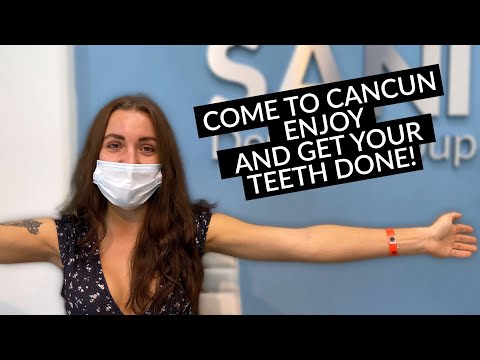
We have compiled verified reviews from patients who have completed their dental work in Cancun. These reviews cover essential aspects such as the dentist's communication skills, the cleanliness of the clinic, and the durability of the dentures months after the procedure. Reading these unbiased experiences will help you build confidence in your decision and set realistic expectations for your dental trip.

Key Metric: Check reviews that mention "eating comfort" to gauge the functional success of the dentures provided.

Is getting dentures in Cancun safe?

Yes, getting dentures in Cancun is safe, provided you choose a reputable clinic. The top dental centers in Cancun cater specifically to international patients and adhere to strict hygiene and sterilization protocols that meet or exceed rigorous US (OSHA) standards. Many dentists are members of the American Dental Association (ADA) and receive ongoing training abroad. However, as with any medical procedure, it is vital to do your due diligence, check clinic reviews, and verify the dentist's credentials before booking.

How much money can I really save?

Patients typically save between 50% and 70% on denture procedures in Cancun compared to US prices. For example, a complete set of dentures (upper and lower) that might cost $3,000–$5,000 in the US often costs between $800 and $1,500 in Cancun. If you are opting for implant-supported dentures (like All-on-4), the savings can amount to tens of thousands of dollars. These lower prices are due to lower labor and overhead costs in Mexico, not lower quality materials.

How long does the denture process take in Cancun?

The turnaround time in Cancun is significantly faster than in the US or Canada. For standard dentures, the process usually takes 4 to 8 days. This includes the initial consultation, impressions, a "wax try-in" to check the fit and look, and the final delivery. Many clinics have on-site laboratories, which eliminates shipping times. If you need extractions first, you may need a healing period of several weeks before the permanent dentures can be fitted, though immediate temporary dentures are usually available.

What materials are used for the dentures?

Cancun dentists use the same high-quality materials found in premier US clinics. Common options include high-impact acrylics for durability and porcelain or composite resin for teeth that look natural. For the frameworks of partial dentures, they use lightweight and strong metal alloys or flexible Valplast materials. Leading clinics will happily provide the brand names of the materials they use (such as Ivoclar Vivadent or Nobel Biocare) so you can verify their quality.

Do I need implants for my dentures?

You do not *need* implants, but they are highly recommended for stability. Traditional dentures rest on the gums and are held in place by suction or adhesive. Implant-supported dentures (often called "Snap-On" dentures) clip onto 2-4 dental implants placed in the jaw. This prevents the dentures from slipping while eating or speaking and preserves jawbone density. Because implants are much more affordable in Cancun, many patients upgrade to this option for a better quality of life.

What happens if my dentures don't fit when I get home?

A proper fit is essential. Reputable clinics in Cancun will not let you leave until you are comfortable, often scheduling multiple adjustments during your trip. Most clinics offer a warranty (typically 1-3 years) on the prosthetic itself. If a structural failure occurs, they will repair or replace it free of charge, though you would likely need to return to the clinic. For minor adjustments (like a sore spot), it is often more practical to see a local dentist in your hometown, though this would be at your own expense.

Will there be a language barrier?

In the major dental clinics of Cancun, English is the standard operating language. Dentists and specialists are fluent, often having trained in the US or Europe. Reception staff and patient coordinators are also bilingual. You will be able to communicate your needs, pain levels, and aesthetic preferences clearly without the need for a translator. This is a key reason why Cancun is such a popular destination for American and Canadian patients.

Is the procedure painful?

Getting impressions for dentures is painless. If you require extractions or implant placement, local anesthesia is used to numb the area completely. Many clinics in Cancun also offer sedation dentistry (IV sedation or nitrous oxide) for patients with dental anxiety. Post-procedure discomfort is usually managed effectively with over-the-counter pain relievers or prescribed medication. Your dentist will ensure you are comfortable throughout the process.

Does my US dental insurance cover treatment in Mexico?

It depends on your provider. PPO plans are more likely to offer some "out-of-network" reimbursement for international care than HMOs. However, the reimbursement process can be paperwork-heavy. Most patients find that the out-of-pocket cash price in Cancun is still lower than the co-pay or deductible they would pay in the US. Cancun clinics are accustomed to helping patients by providing the necessary itemized receipts and codes for you to submit to your insurance company upon return.

How do I pay for my treatment?

Most clinics accept US Dollars (cash), major credit cards (Visa, MasterCard, Amex), and sometimes wire transfers. It is important to notify your bank before traveling so they don't block your card for suspicious activity. Some clinics may charge a small processing fee (3-5%) for credit card transactions. While direct US financing is rare, some third-party medical financing companies do work with international providers, so ask the clinic about their payment partners beforehand.

How Much Do Snap-In Dentures Cost in Cancun, Mexico?

The estimated cost of snap-in dentures in Cancun, Mexico typically ranges from $4,000 to $6,500 per arch. This price generally includes the implant placement and the removable denture, but varies based on materials and your specific dental needs. For individuals facing extensive tooth loss, restoring a functional and confident smile is a major priority. If you are researching options abroad, you might be considering getting snap-in dentures in Cancun, Mexico. This coastal city has grown into a popular destination for dental tourists seeking complex restorative treatments at lower price points than what they might find in their home countries. Navigating international healthcare requires careful planning and a clear understanding of what the treatment entails. Finding accurate information regarding expenses, eligibility, and the realities of traveling for medical care is an essential first step. This guide covers what you should know about the procedure, the recovery process, and the factors that influence the overall pricing for this dental restoration. Key Takeaways The estimated price range for snap-in dentures in this region is typically between $4,000 and $6,500 per jaw. The procedure usually requires placing 2 to 4 dental implants per arch to anchor the removable denture. Patients generally need to make two separate trips to Mexico, spaced several months apart, to complete the treatment. Underlying oral health, specifically jawbone density, plays a major role in determining if you are a candidate. Careful budgeting should account for travel, accommodation, and potential supplementary dental procedures like bone grafting. 1. What exactly are snap-in dentures and how do they work? Snap-in dentures, also called implant-supported overdentures, are removable prosthetic teeth that attach firmly to dental implants surgically placed in the jaw. They offer more stability than traditional resting dentures while remaining easy to take out for cleaning. Unlike traditional dentures that rely on suction, adhesives, or the natural ridges of the gums to stay in place, snap-in dentures use a system of attachments. Dental implants—small titanium posts—are inserted into the jawbone. Once healed, abutments are placed on these posts. The underside of the denture features special receptacles containing rubber or nylon O-rings that securely snap onto these abutments. This mechanism provides a stronger hold when speaking and eating, which can improve the overall quality of life for patients struggling with loose conventional dentures. Because they are removable, patients can take them out at night to practice proper oral hygiene. While they provide significant stability, they are not permanently fixed in the mouth like an All-on-4 implant system, which can only be removed by a dentist. 2. What factors affect the snap-in dentures cost in Cancun, Mexico? The final price you pay depends on the number of implants required, the brand of materials used, and whether you need preliminary procedures like tooth extractions or bone grafting. Diagnostic imaging and temporary dentures also influence the total. When reviewing a treatment plan, the base estimate usually covers the implants and the final overdenture. However, human anatomy varies, meaning no two dental treatment plans look exactly alike. If you need teeth removed before the implants can be placed, each extraction will add to your total cost. Another common variable is bone grafting. If a patient lacks the necessary bone volume to securely anchor a titanium post, a dentist may need to perform a bone graft. This adds both cost and time to the process. Additionally, some patients opt for premium implant brands recognized globally, which can carry higher material fees compared to standard alternatives. A detailed breakdown from a professional should clarify what is included in their initial quote. 3. How does the pricing in Cancun compare to the US and Canada? Patients often find that treatments in Mexico cost roughly 50% to 60% less than comparable procedures in North America. This difference is primarily due to the lower cost of living, reduced overhead expenses, and different medical liability frameworks in Mexico. In the United States and Canada, a single arch of implant-supported overdentures can easily range from $10,000 to $15,000 or more, especially when extensive preparatory work is involved. By contrast, the estimates in Mexico start much lower. The discrepancy in pricing does not inherently mean lower quality materials are used; many internationally focused facilities import the exact same FDA-approved implant brands used by stateside dentists. However, prospective patients must calculate the actual "out-the-door" cost. Since the treatment generally requires multiple visits, you have to add the expenses for round-trip flights, hotel accommodations, meals, and local transportation. Even after factoring in travel logistics, many patients still experience a net savings, though individual budgets vary. 4. Am I a good candidate for this type of implant-supported denture? Ideal candidates have sufficient jawbone density, are free from active gum disease, and possess good general health. Your dentist will evaluate your medical history and take 3D scans to determine if dental implants are a safe and viable option for you. Getting dental implants involves oral surgery. Because of this, underlying health conditions can influence your eligibility. Conditions that affect the immune system or hinder bone healing—such as uncontrolled diabetes or severe osteoporosis—can increase the risk of complications. Furthermore, active smokers face a notably higher risk of implant failure because smoking restricts blood flow to the gums, slowing down the healing process. The health of your jawbone is the most critical local factor. When teeth are missing for an extended period, the bone that once held the roots begins to resorb or shrink. If the bone is too thin or shallow, an implant may not fuse correctly. In these instances, bone grafting might be required to build a solid foundation before moving forward with the procedure. 5. What happens during the procedure for snap-in dentures? The procedure involves an initial surgical phase where titanium posts are placed into the jawbone, followed by a healing period. Later, special attachment abutments are placed, and the custom-made denture is fitted over them. Consultation and Imaging: The dentist reviews 3D CBCT scans to map out nerves, sinuses, and bone structure, planning the exact angle and depth for each implant. Surgical Phase: Under local anesthesia (and sometimes sedation), the dentist makes small incisions in the gums to insert the titanium posts into the jawbone. Healing Phase: The gums are closed, and patients wear a temporary denture while the bone fuses to the implants over several months. Abutment Placement: Once integration is confirmed, the dentist attaches the snap-in abutments to the implants above the gumline. Final Fitting: The final acrylic denture is crafted in a lab, fitted to the patient's mouth, and adjusted to ensure a proper bite and comfortable snap-on mechanism. 6. How long does the treatment process take from start to finish? The complete journey usually spans between 3 and 6 months and typically requires two distinct trips to the clinic. This timeline allows the body to successfully fuse the titanium implants to the natural jawbone before bearing the pressure of chewing. Your first trip focuses on the surgical placement of the implants. This visit often requires a stay of 3 to 7 days in Mexico, allowing the dental team time to perform the surgery, manage immediate post-operative care, and provide a temporary denture. After you return home, your jaw undergoes osseointegration—the biological process where bone grows tightly around the implants. The second trip occurs after the implants have fully healed. During this visit, which may take another 5 to 10 days, the restorative work takes place. The dentist takes final impressions, the laboratory manufactures your custom snap-in denture, and the final attachments are fitted and adjusted. If you require bone grafting prior to implants, the overall timeline can extend up to a year. 7. What should I expect during recovery and aftercare? Initial recovery involves managing localized swelling, mild bruising, and discomfort using prescribed medications and ice packs. A soft-food diet is necessary during the healing weeks to prevent putting undue stress on the new implants. In the days immediately following the surgery, you will likely experience normal post-operative symptoms. Dentists generally provide antibiotics to mitigate infection risks and pain relievers to keep you comfortable. It is crucial to follow all provided instructions regarding oral hygiene; you may be asked to use a special antibacterial mouthwash rather than vigorous brushing near the surgical sites. Dietary restrictions play a large role in a successful recovery. You must avoid hard, crunchy, or sticky foods that could disturb the implants as they integrate with your bone. Once you return home, establishing a relationship with a local dentist for routine check-ups and cleanings is vital. The acrylic portions of the denture and the O-ring attachments will experience wear and tear, eventually requiring replacement parts down the line. 8. How do I choose a reliable snap-in dentures clinic in Cancun, Mexico? Selecting a facility requires diligent research into a provider's credentials, the clinic's sterilization standards, and past patient experiences. Look for dentists who hold specialized training in implantology or prosthodontics. Verify Credentials: Check if the dental professionals are board-certified in Mexico and if they participate in international organizations like the American Academy of Implant Dentistry. Ask About Technology: Clinics performing complex implant procedures should utilize modern diagnostic tools, such as CBCT (3D) scanners, to plan the surgery safely. Language and Communication: Ensure the facility has fluent English-speaking staff to avoid any miscommunication regarding your treatment plan and post-operative instructions. Review Safety Protocols: Inquire about their infection control and sterilization processes, which should align with global healthcare standards. Understand Complication Policies: Discuss what steps the clinic will take if an implant fails to integrate or if a revision is necessary after you have returned to your home country. 9. What are the potential risks and complications of dental implants? While dental implants have a high success rate in suitable patients, risks include infection at the surgical site, nerve damage causing numbness, sinus issues in the upper jaw, and the potential failure of the implant to fuse with the bone. Any invasive surgical procedure carries inherent risks, and implantology is no exception. An infection can occur during the healing phase, which is why adherence to prescribed antibiotics and oral hygiene regimens is so critical. There is also a small risk of injuring surrounding structures. For instance, placing implants in the lower jaw carries a slight risk of touching a nerve, which could lead to temporary or, rarely, permanent tingling in the lower lip or chin. In the upper jaw, implants can occasionally protrude into the sinus cavity if the bone is thin. Furthermore, osseointegration is not guaranteed. "Implant failure" occurs when the bone does not fuse to the metal post, meaning the implant becomes loose and must be removed. If this happens, a dentist can often attempt the procedure again after the site has healed, but patients should be aware that outcomes vary based on individual physiology. 10. Is medical tourism in Cancun, Mexico safe for dental patients? Traveling abroad for dental care can be safe when patients exercise appropriate caution, carefully vet their healthcare providers, and adhere to standard international travel advisories for the region. Cancun receives millions of international visitors annually and has an established infrastructure catering to medical tourists. Many dental facilities located in heavily trafficked tourist zones adhere to high safety and cleanliness standards. However, the regulatory environment in Mexico differs from that of the US or Canada, placing the burden of research squarely on the patient. From a travel safety perspective, visitors should monitor current governmental travel advisories and practice common sense, such as using reputable transportation and staying in established hotel districts. Medically, it is wise to keep copies of all your dental records, treatment plans, and post-operative instructions. You should also have a clear plan for how to handle potential dental emergencies once you fly back home, as resolving a complication across international borders can be logistically challenging. Why Choose PlacidWay for Medical Tourism in Mexico? When navigating the landscape of international dental care, having a starting point for research can be helpful. PlacidWay serves as a resource for patients exploring cross-border healthcare options. Extensive Directory: PlacidWay connects patients with a diverse network of international healthcare providers and dental facilities. Informative Resources: The platform offers educational materials to help patients understand different dental procedures and typical international practices. Clinic Comparisons: Patients can view profiles, compare estimated pricing models, and explore facility details in various global destinations. Facilitated Communication: The service helps bridge the gap by allowing patients to initiate direct contact with international clinics for individualized quotes. Empowered Decision Making: By providing access to centralized information, PlacidWay supports patients in doing their own diligent research before committing to a treatment path. Frequently Asked Questions How long do snap-in dentures typically last? The dental implants supporting the dentures can last many years, often a decade or more, with proper care and favorable oral health. The acrylic denture portion typically needs replacement or relining every 5 to 7 years due to normal daily wear. Can I sleep with my snap-in dentures in my mouth? Dentists generally recommend removing snap-in dentures at night. Taking them out gives your gums a chance to rest and allows you to properly clean both the denture and the implant attachments in your mouth. How many implants are needed for a lower snap-in denture? A lower snap-in denture typically requires a minimum of two dental implants for basic stability, though many dentists prefer using four implants to provide better retention and distribute chewing pressure more evenly. Will I need a bone graft before getting implants in Cancun? You might need a bone graft if you have experienced significant jawbone loss from missing teeth or periodontal disease. A dentist will evaluate your 3D dental X-rays to determine if your current bone density can safely support implants. Are there hidden fees when getting dental work in Mexico? While reputable clinics aim for transparency, patients should always ask for a comprehensive written quote. Costs for extractions, bone grafting, temporary dentures, and medication may be billed separately if not explicitly included in the initial estimate. What materials are used for the dentures themselves? The removable overdenture is usually crafted from high-quality dental acrylic with resin or composite teeth. The internal attachments that snap onto the implants are typically made from a combination of nylon and metal. How soon can I eat normal food after the procedure? Immediately following implant surgery, you will need to stick to a soft-food or liquid diet for several weeks to allow the implants to heal. Once the final dentures are attached and healing is complete, you can gradually return to a regular diet. Do I need a passport to travel to Cancun for dental care? Yes, international travelers, including citizens of the United States and Canada, must present a valid passport for air travel to and from Mexico. What happens if an implant fails after I return home? If you experience complications at home, you should seek immediate evaluation from a local dentist to manage any infection or pain. You will also need to contact your provider in Mexico to discuss their policies regarding implant failure and potential corrective treatments. How do I clean and maintain my new snap-in dentures? Remove the dentures daily to brush them with a soft-bristle brush and non-abrasive cleaner. You must also gently brush your gums and the implant abutments in your mouth, and attend regular professional dental cleanings. Interested in Exploring Your Dental Options? Compare treatment options and gather the information you need to make an informed decision about your dental care. Request Treatment Information References Dentures – American College of Prosthodontists Dental Implants – American Dental Association (ADA) Medical Tourism Guidelines – Centers for Disease Control and Prevention (CDC) Dental Implant Surgery Risks and Recovery – Mayo Clinic Mexico Travel Advisory and Requirements – U.S. Department of State Survival Rates of Implant-Supported Overdentures – PubMed / National Institutes of Health Medical Disclaimer: The information provided in this article is for educational and informational purposes only and does not constitute professional medical or dental advice. Dental health outcomes, recovery periods, and candidacy for treatments like dental implants vary by individual. Costs presented are estimates and subject to change. Always seek the advice of a qualified healthcare provider regarding a medical condition, diagnosis, or treatment plan before making decisions related to medical tourism.

For the best results, you shouldn't just see a general dentist; you should see a Prosthodontist. These are dental specialists with advanced training in teeth replacement and restoration. We have selected top specialists in Cancun who have dedicated their careers to reconstructing smiles. Their profiles feature impressive academic backgrounds, continuous education in modern techniques, and a history of successful patient outcomes.

1

Specialized Prosthodontists

Masters of Dental Restoration

Our listed specialists often hold Master's degrees in Oral Rehabilitation or Prosthodontics. This means they have undergone years of extra training specifically in the design, manufacture, and fitting of artificial teeth, ensuring your dentures are both functional and aesthetically pleasing.

2

Implant Experts

Leaders in Implantology

Many dentists in Cancun are also renowned implantologists. If you are opting for implant-supported dentures, you will be in the hands of surgeons who perform hundreds of implant placements annually, far exceeding the volume of an average general dentist in the U.S.

3

Aesthetic Focus

Digital Smile Designers

Modern dentistry is as much art as it is science. Top specialists utilize Digital Smile Design (DSD) to plan your new look before touching your mouth, ensuring that the shape, color, and size of your dentures complement your facial features perfectly.

Planning dental work abroad requires trust and coordination. PlacidWay acts as your bridge to quality care, vetting providers and simplifying communication so you can focus on your new smile.

Certified Clinic Verification

We rigorously check the credentials, accreditations, and hygiene standards of every clinic we list, ensuring you only see safe, high-quality options.

Multiple Quote Comparison

We obtain detailed treatment plans and cost estimates from various top-rated clinics, allowing you to compare prices and inclusions side-by-side.

Direct Doctor Communication

We facilitate direct contact with the dental team, enabling you to ask specific medical questions and build rapport before you even board your flight.

Transparent Reviews

Access authentic testimonials and before-and-after galleries from past patients to verify the aesthetic quality and durability of the clinic's work.

Treatment Coordination

Our team helps streamline your appointment scheduling, ensuring your treatment timeline fits perfectly within your travel dates.

Free Patient Support

Our services are free to patients. We are here to guide you, answer your concerns, and advocate for your needs throughout your dental journey.

Don't let cost stand in the way of your smile. Contact PlacidWay today to explore your options and receive a free, personalized quote for dentures in Cancun.

Get Your Free Personalized Quote
Dentures in Cancun thumbnail

About Experience

Trusted Medical Tourism Platform Since 2007

60+
Countries
2k+
Clinics
19.5k+
Reviews
2.5k+
Qualified Doctors
1.1M+
Patients Served Since 2007