


For patients suffering from severe maxillary bone loss, traditional dental implants are often not a viable option without undergoing extensive, time-consuming bone grafting procedures. The advent of the zygomatic dental implants procedure in Mexico has revolutionized the landscape of full mouth restorations. This advanced surgical technique bypasses the need for bone grafts by anchoring the implants directly into the dense zygomatic bone, commonly known as the cheekbone. Because the cheekbone is significantly denser than the jawbone, it provides an incredibly stable foundation for immediate loading of prosthetic teeth. Patients who were previously told they did not have enough bone for implants can now achieve a fully functional, permanent smile in a fraction of the time.
Seeking this specialized treatment across the border has become increasingly popular due to the combination of world-class medical expertise and substantial financial savings. Many North American patients, just like Thom from Palm Springs, California [00:00], are choosing destinations like Los Algodones for their complex dental surgeries. By working with highly trained specialists at facilities like Sani Dental Group, patients receive top-tier care utilizing the latest in 3D imaging and surgical technology. This comprehensive guide will explore every aspect of zygomatic implants, from the initial consultation and surgical process to recovery protocols and detailed cost comparisons between Mexico and the United States.
Video Chapters & Quick Navigation
- What Are Zygomatic Dental Implants?
- Solutions for Severe Maxillary Bone Loss
- The Zygomatic Surgical Procedure Steps
- Patient Review: Thom's Experience in Mexico
- Expert Doctors for Complex Oral Surgery
- Cost of Zygomatic Implants: Mexico vs USA
- Recovery and Post-Operative Aftercare
- Why Choose Mexico for Dental Tourism?
Understanding the Zygomatic Dental Implants Procedure in Mexico
Zygomatic dental implants represent one of the most significant advancements in modern restorative dentistry. Unlike traditional implants that are placed directly into the jawbone, zygomatic implants are specially designed, elongated titanium posts that anchor into the zygomatic arch (the cheekbone). This anatomical structure is exceptionally dense and maintains its volume over a person's lifetime, unaffected by the bone resorption processes that degrade the upper jaw. By utilizing this dense bone, maxillofacial surgeons can provide a secure foundation for a permanent dental bridge without the need for preliminary bone grafting. This method is considered a graftless solution, which dramatically reduces overall treatment time and patient discomfort.
The engineering behind these implants requires meticulous precision. Zygomatic implants typically range from 30 to 52 millimeters in length, compared to traditional implants which are usually between 8 and 15 millimeters. Because of their length and the critical anatomical structures they bypass, placing them requires advanced surgical expertise and highly specialized training. Surgeons utilize state-of-the-art Cone Beam Computed Tomography (CBCT) scanners to map the patient's exact facial anatomy in three dimensions before the surgery begins. This detailed mapping ensures that the implants are placed at the optimal angle, avoiding sinus cavities and critical nerves while maximizing contact with the dense cheekbone structure.
Why Zygomatic Implants Are the Best Solution for Severe Maxillary Bone Loss
Maxillary bone loss occurs when the upper jawbone slowly deteriorates due to prolonged tooth loss, severe periodontal disease, or long-term denture wear. When natural teeth are missing, the jawbone no longer receives the stimulation required to maintain its density, leading to a process known as resorption. Historically, patients with severe maxillary bone loss were told they were ineligible for implant-supported restorations. Their only options were ill-fitting traditional dentures or undergoing sinus lifts and extensive bone grafting procedures. These grafting methods often require taking bone from the patient's hip or using synthetic materials, adding six to twelve months of healing time before implants can even be placed.
The zygomatic dental implants procedure circumvents this lengthy and painful process entirely. Because the implants bypass the deteriorated jawbone and anchor into the cheekbone, patients can often receive a temporary, fully functional set of teeth on the exact same day as their surgery. This immediate loading capability is life-changing for individuals who have struggled with removable dentures for years. Not only does this procedure restore the functional ability to chew a diverse diet, but it also rehabilitates the patient's facial structure, preventing the sunken appearance that frequently accompanies severe bone loss in the upper jaw.
Step-by-Step Guide to the Zygomatic Dental Implants Procedure
The journey to a restored smile begins long before the patient sits in the surgical chair. The first phase of the zygomatic dental implants procedure in Mexico involves an exhaustive clinical evaluation. Top dental clinics utilize panoramic x-rays, CBCT scans, and intraoral digital impressions to assess bone density, sinus cavity volume, and overall oral health. A multidisciplinary team of prosthodontists and maxillofacial surgeons collaborate to design a customized surgical guide. This digital planning phase is crucial because it dictates the exact trajectory and depth of each implant, ensuring absolute precision during the physical surgery.
On the day of the surgery, patient comfort is prioritized. The procedure is typically performed under IV sedation or general anesthesia, ensuring the patient feels no pain or anxiety. The maxillofacial surgeon makes precise incisions in the gum tissue to expose the underlying bone. Using specialized surgical instruments, the extended implants are carefully threaded through the maxillary sinus space and firmly anchored into the dense zygomatic bone. Depending on the patient's specific anatomy, a combination of two to four zygomatic implants may be used, often supplemented by traditional implants in the anterior region of the jaw to provide maximum stability for the prosthetic arch.
Once the implants are securely integrated into the cheekbone, the immediate loading phase begins. The surgical team attaches specialized abutments to the implants, which serve as connectors for the prosthetic teeth. A pre-fabricated, highly durable provisional bridge is then securely fastened to these abutments. This means the patient wakes up from surgery with a fixed, unmovable set of beautiful teeth. This provisional bridge is worn during the osseointegration period—the healing phase where the bone fuses directly with the titanium implants. After roughly four to six months, the patient returns to the clinic to receive their final, permanent zirconia or porcelain restorations, which are custom-milled to perfectly match their natural facial aesthetics.
Real Patient Experience: Thom’s Full Mouth Restoration Journey
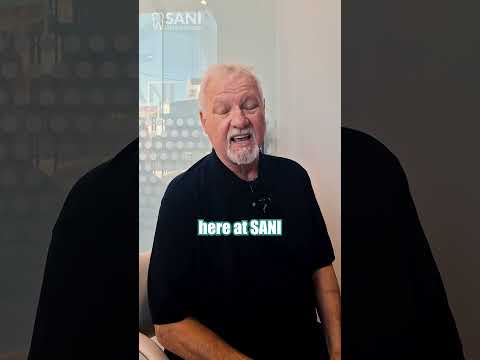
Understanding the clinical benefits is one thing, but hearing about the journey from a real patient provides invaluable perspective. Thom Gaulin, a resident of Palm Springs, California, recently made the decision to pursue his dental restoration across the border. Suffering from complex dental issues, he opted for the advanced zygomatic implants procedure in Mexico at the renowned Sani Dental Group [00:05]. Thom's choice reflects a growing trend among North Americans who live within driving distance of border towns like Los Algodones, seeking top-tier medical care without the exorbitant price tags associated with US-based clinics.
Reflecting on his surgical experience, Thom emphasized the professionalism and expertise of his medical team. He noted that the procedure went smoothly and that the medical staff provided exceptional care throughout the process. Thom specifically highlighted that the doctors were fantastic, making a complex and potentially intimidating surgery feel manageable and safe [00:10]. For patients dealing with severe bone loss, traveling to a foreign country for major maxillofacial surgery can induce anxiety, but positive testimonials from individuals who have successfully navigated the process offer immense peace of mind and validation of the clinic's quality.
Expert Maxillofacial Surgeons: Dr. Javier and Dr. Alan
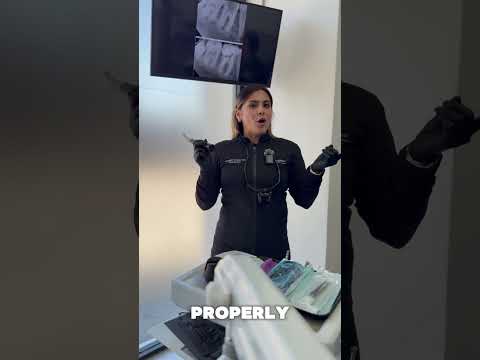
The success of zygomatic implants relies almost entirely on the skill and experience of the surgical team. Placing an implant into the cheekbone requires a profound understanding of craniofacial anatomy that goes far beyond standard implantology. During his testimonial, Thom expressed deep gratitude toward his specific surgeons. He stated that Dr. Javier provided a significant amount of help and guidance throughout his treatment, ensuring he was comfortable and well-informed [00:15]. This level of personalized care is a hallmark of high-quality dental tourism facilities, where doctors take the time to build trust and communicate effectively with international patients.
Furthermore, Thom voiced his appreciation for Dr. Alan and the overall quality of the work he received. He mentioned how much he liked the people he met at the clinic, indicating a warm, welcoming environment that prioritized patient wellbeing [00:18]. The combination of advanced surgical expertise and compassionate patient care creates a powerful dynamic. Ultimately, Thom summarized his journey as a highly positive experience and enthusiastically recommended that others considering complex dental procedures should "come on down" to Mexico to receive their treatment [00:23].
Cost of Zygomatic Implants in Mexico vs USA
The primary catalyst driving the massive growth in dental tourism is the significant disparity in healthcare costs between North America and Latin America. When analyzing the cost of zygomatic implants in Mexico vs USA, the savings are astronomical, often reaching up to 60-70% for the exact same procedure. In the United States, a full arch restoration utilizing zygomatic implants is considered a premium, highly specialized surgery. Because it requires a maxillofacial surgeon, an anesthesiologist, a prosthodontist, and custom lab work, the fees compound rapidly, putting this life-changing procedure out of reach for the average citizen.
In contrast, top clinics in Mexico operate with significantly lower overhead costs, reduced administrative burdens, and more favorable medical malpractice insurance rates. These systemic economic differences allow internationally accredited clinics to offer the zygomatic dental implants procedure at a fraction of the price, without compromising on the quality of the titanium implants, the sterilization protocols, or the technology used. Major clinics in Mexico use the exact same globally recognized implant brands (such as Nobel Biocare or Straumann) as their American counterparts. Below is an estimated breakdown comparing the average costs for zygomatic implant treatments.
| Treatment Phase / Procedure Type | Estimated Cost in USA | Estimated Cost in Mexico |
|---|---|---|
| Initial Consultation, CBCT Scans & 3D Planning | $500 - $1,000 | $0 - $150 (Often Free) |
| Single Zygomatic Implant Placement | $4,000 - $6,000 | $1,200 - $2,000 |
| Full Arch Restoration (Quad Zygoma + Prosthetics) | $35,000 - $50,000+ | $12,000 - $18,000 |
| IV Sedation / General Anesthesia | $1,000 - $2,500 | $400 - $600 |
Comprehensive Recovery Protocol for Zygomatic Implants
Proper post-operative care is paramount to ensuring the long-term success of full mouth restorations. Because the zygomatic dental implants procedure involves significant manipulation of the soft tissues and anchoring into the cheekbone, patients can expect a distinct recovery timeline. During the first 72 hours following surgery, moderate swelling around the upper cheeks, nose, and eyes is entirely normal. Some localized bruising may also appear. Surgeons will prescribe a regimen of anti-inflammatory medications, broad-spectrum antibiotics to prevent infection, and specialized pain management prescriptions to keep the patient comfortable during the initial healing phase.
A strict dietary protocol is one of the most critical aspects of zygomatic implant recovery. Even though the implants are secured firmly into dense bone and patients leave with a fixed provisional bridge, the implants are still undergoing osseointegration. For the first four to six weeks, patients must adhere strictly to a soft-food diet. Consuming hard, crunchy, or chewy foods prematurely can place excessive microscopic stress on the implants, potentially causing them to shift and fail to integrate with the surrounding cheekbone. Smoothies, mashed potatoes, well-cooked pasta, and broths should be the primary staples of the patient's diet during this crucial window.
Oral hygiene must also be adapted during the recovery phase. Vigorous brushing and the use of water flossers are strictly prohibited immediately following surgery, as they can disrupt the healing incisions. Instead, patients are instructed to use a prescribed antimicrobial mouthwash, gently letting the liquid wash over the surgical sites without forceful swishing or spitting. As the weeks progress and the gum tissue fully heals, the surgical team will provide instructions on how to transition back to normal brushing and flossing routines. Regular follow-up appointments, either in person or via virtual consultations, ensure that the healing process is progressing optimally.
The Rise of Dental Tourism in Mexico for Complex Oral Surgery
The concept of traveling abroad for medical treatment is not new, but the infrastructure surrounding dental tourism in Mexico has evolved into a highly sophisticated industry. Border towns like Los Algodones, often referred to as "Molar City," have transformed into specialized medical hubs catering almost exclusively to international patients. These cities feature state-of-the-art facilities equipped with CAD/CAM dental milling machines, in-house ceramic laboratories, and dedicated surgical suites that rival or exceed the standards found in top-tier American hospitals. This concentration of medical resources attracts some of the most highly skilled maxillofacial surgeons in Latin America, many of whom hold international board certifications and degrees from prestigious global universities.
Beyond the clinical excellence, dental tourism clinics go to great lengths to provide a seamless, stress-free logistical experience for traveling patients. Recognizing that navigating a foreign country post-surgery can be daunting, premier clinics offer comprehensive concierge services. These services typically include personalized airport pickups, shuttle transportation across the border, partnerships with local high-end hotels for discounted recovery stays, and dedicated bilingual patient coordinators who assist with everything from medical paperwork to translating post-operative instructions. This holistic approach ensures that patients can focus entirely on their recovery and their new smile, rather than worrying about the logistics of their travel.
Key Advantages of Choosing Zygomatic Implants Over Bone Grafting
When comparing severe maxillary bone loss treatments, patients often weigh the pros and cons of traditional sinus lifts combined with bone grafting versus direct zygomatic implant placement. The advantages of bypassing the grafting process are substantial and multi-faceted.
- Dramatically Reduced Treatment Timeline: Traditional bone grafting requires six to nine months of healing before implants can even be placed, followed by another four to six months of implant integration. Zygomatic implants offer a "teeth in a day" solution, completing the functional restoration immediately.
- Higher Predictability and Success Rates: Extensive bone grafts in the upper jaw have variable success rates and can sometimes fail to vascularize properly. The zygomatic bone, however, is consistently dense, resulting in exceptionally high long-term success rates for implants anchored there.
- Fewer Surgical Interventions: Bone grafting often requires multiple distinct surgeries—harvesting the bone, placing the graft, placing the implants, and uncovering the implants. Zygomatic placement consolidates the surgical intervention into one single appointment, reducing overall anesthesia exposure and patient trauma.
- Immediate Aesthetic and Functional Improvement: Leaving the clinic with a fixed set of provisional teeth provides an instant boost to the patient's self-esteem and quality of life, eliminating the need to wear uncomfortable, removable temporary dentures during a long healing phase.
Ready to Restore Your Smile with Zygomatic Implants?
Don't let severe bone loss prevent you from achieving the permanent, beautiful smile you deserve. Connect with top-rated maxillofacial specialists in Mexico and receive a comprehensive treatment plan tailored to your specific anatomical needs.
Get Free QuoteView Full Video Transcript
[00:00] Hello. My name's Thom Gaulin.
[00:01] I live in Palm Springs, California,
[00:05] and I recently got zygomatic implants here at SANI
[00:10] and it was really good, doctors were fantastic.
[00:15] Dr. Javier was a lot of help and Dr. Alan,
[00:18] I really appreciate the work and I liked the people that I met here.
[00:23] And it was a good experience that I recommend to come on down.

.png)















Share this listing