

Medical Tourism in Guatemala: A Practical Guide for Your Journey
A Canadian teacher sits at her kitchen table, reviewing quotes for full-mouth dental implants. She is carefully calculating the logistics of flying to Guatemala City twice a year versus taking on multi-year financing for local care. The numbers look promising, but the coordination of flights and time off work adds a heavy layer of complexity.
A professional from Texas reviews a treatment plan for stem cell therapy, searching a Guatemalan clinic's website for verified clinical data. He is trying to separate genuine medical protocols from aggressive marketing claims. His primary concern is not the cost of the trip, but the long-term safety and legal standing of the procedures offered.
A mother from El Salvador plans a short trip across the border for plastic surgery, balancing the convenience of geographical proximity with the need for specialized aftercare. She assumes the short distance makes the process simpler, but she is beginning to realize that post-operative recovery requires the same rigorous planning regardless of border proximity.
All three people are dealing with Guatemala medical tourism, but their actual journeys, decisions, and experiences differ significantly.
How do you determine if traveling to Guatemala is a medically sound, logistically realistic choice for your specific health needs?
Finding Your Reason for Traveling South
A major health decision rarely begins with a desire to book a flight. It begins with a local frustration, a financial barrier, or a sudden change in your quality of life. Understanding your exact motivation is the first step in determining if crossing a border makes practical sense.
Maybe you have reached a plateau with local dental costs, realizing that dental veneers are permanently priced out of your reach at home. The functional need remains, but the financial pathway is blocked.
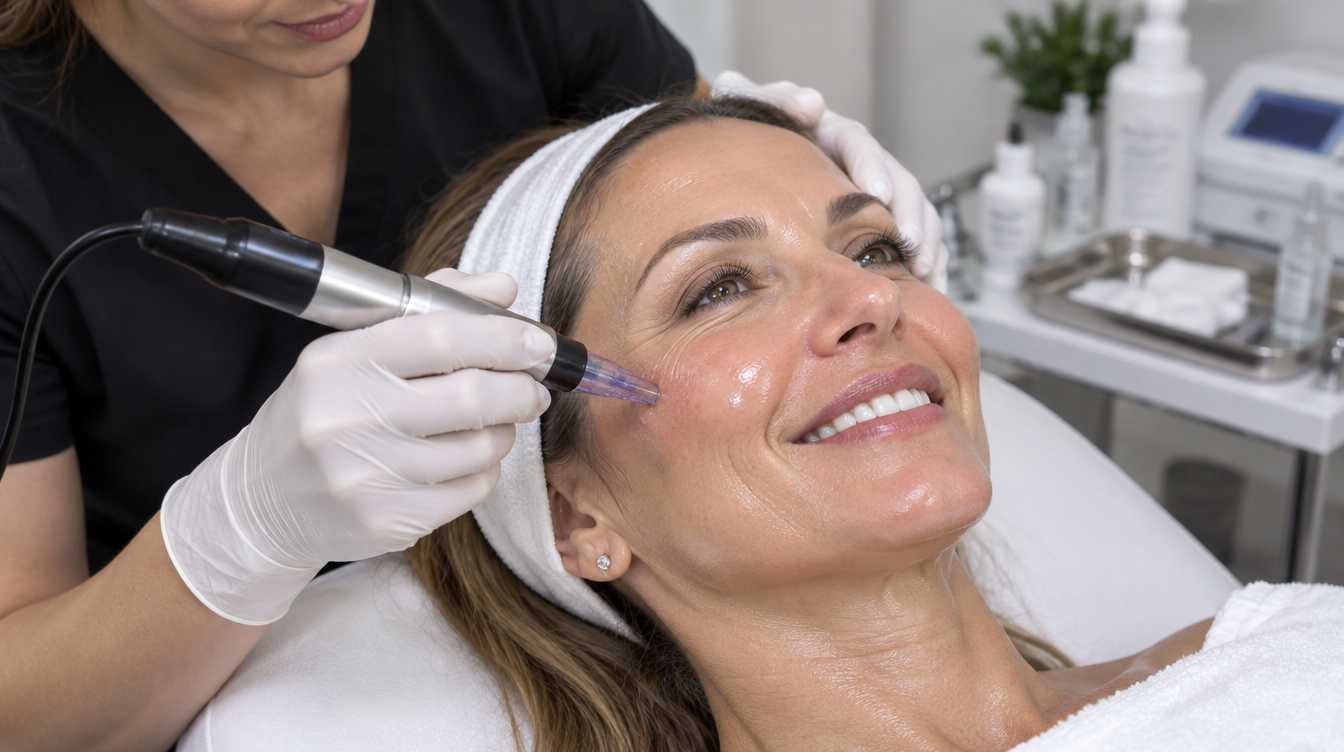
Perhaps you are exploring anti-aging treatments that are heavily restricted, delayed, or unavailable in your home health system. You are looking for a jurisdiction that offers safe access without years of bureaucratic waiting.
Maybe your vision is deteriorating, and you are considering eye surgery combined with a quiet recovery period away from daily workplace stress. The idea of healing near Lake Atitlán feels less clinical and more restorative than a local outpatient center.
Which sounds most like you?
"I cannot afford the extensive dental work I need if I stay in my home country."
This reader is prioritizing cost versus long-term value. They must carefully calculate whether the travel expenses for multiple visits negate the upfront savings on dental implants.
"I want access to regenerative therapies that my local doctors cannot provide yet."
This reader is prioritizing capability versus verification. Their main task is ensuring the stem cell therapy offered abroad meets legitimate safety standards, not just marketing promises.
"I want a private environment for my plastic surgery recovery."
This reader is prioritizing aesthetic goals versus functional outcomes. They need to ensure the serene recovery environment does not compromise immediate access to emergency medical support.
"I live in a neighboring country and want better specialist access without flying."
This reader is prioritizing convenience versus capability. They must remember that a short drive still requires the same strict verification of a surgeon’s credentials as a long-haul flight.
This is why choosing Guatemala medical tourism should begin with your situation, not a generic ranking, slogan, or price comparison.
One Destination. Several Different Real-World Paths.
Guatemala’s healthcare sector is highly segmented, meaning the quality of care depends entirely on which specific facility you enter. The country has developed a concentrated private medical sector, heavily centered in specific areas like Guatemala City’s Zona 10, often referred to as the medical district. However, moving outside these zones changes the medical infrastructure dramatically.
Official guidance from the Guatemalan Ministry of Public Health and Social Assistance (MSPAS) oversees general licensing, but specialized standards vary. Many top-tier clinics cater explicitly to international patients, employing bilingual staff and maintaining modern surgical suites. Conversely, smaller clinics may lack the infrastructure required for complex post-operative complications.
In practice, this means your experience with plastic surgery could range from a highly coordinated, hospital-based operation to an isolated clinic lacking emergency intensive care. Capability, quality, timing, and support can differ substantially between providers, locations, or models. This is a planning consideration, not a guarantee of safety simply because you are in a popular district.
Here is what those differences can feel like in real life.
Dental Implants: When Structural Timing Dictates Travel
A patient arrives in Guatemala City for the surgical placement of dental implants, knowing they must return months later for the final crowns. The initial procedure goes smoothly, but the waiting period requires careful coordination with their local dentist back home. They suddenly realize that managing two distinct phases of care across two different countries requires impeccable communication.
This route attracts patients who need complex restorative work but face prohibitive costs locally. The option solves the immediate financial barrier while creating an expectation of high-quality materials like titanium posts. Many choose this path assuming the total cost of two trips will still undercut a single local procedure.
The less obvious reality involves the hidden dependencies of multi-stage treatments. If the bone does not heal as expected, the timeline shifts, requiring altered flights and extended lodging. Furthermore, if an implant fails after returning home, local dentists may refuse to touch work performed abroad due to liability concerns.
Before you decide, ask:
- Who is legally and financially responsible if an implant fails within the first six months?
- Do I have a local dentist willing to provide interim care or emergency adjustments?
- How exactly will the Guatemalan clinic transfer my surgical records to my local provider?
- Are the specific implant brands used globally recognized so parts can be sourced locally?
- What happens to my travel investment if the surgeon decides my bone density requires a delay?
Cost savings can make the experience easier. They cannot replace the critical requirement of long-term continuity of care.
Stem Cell Therapy: When Clinical Validation is Crucial
A patient seeking anti-aging treatments or joint regeneration lands in Guatemala, hopeful about therapies unavailable in their home country. They are escorted to a modern, immaculate clinic, but they notice the paperwork is brief and the guarantees of success seem unusually high. The immediate comfort of the facility masks the complex biological reality of the treatment they are about to receive.
This option attracts individuals who feel failed by traditional medicine or who are seeking cutting-edge restorative options. It provides an alternative pathway when local health systems restrict specific regenerative protocols. People often choose this route because the marketing emphasizes rapid cellular rejuvenation and holistic recovery.
The operational challenge here is the vast gap between clinical appearance and verified medical efficacy. Regenerative medicine is highly unregulated globally, meaning patients bear the burden of demanding independent laboratory verification. The hidden cost is not just financial; it is the physical risk of receiving unverified biological material without proper longitudinal follow-up.
What matters here isn’t the clinic’s interior design.
- Which independent regulatory body oversees the laboratory harvesting these cells?
- Can the clinic provide peer-reviewed documentation supporting this specific protocol?
- What is the exact escalation procedure if I experience an adverse immune reaction post-treatment?
- Are the providers officially registered with the Colegio de Médicos y Cirujanos de Guatemala?
- How will my progress be medically monitored once I return to my home country?
Same destination. Completely different risk profile and verification requirements.
Plastic Surgery: When Post-Operative Limitations Anchor You
A patient completes an extensive body contouring procedure and is transferred to a nearby recovery house. They anticipated exploring the city, but quickly realize that post-surgical drains and swelling restrict them entirely to their room. The beautiful landscape outside the window becomes irrelevant when simply getting out of bed requires physical assistance.
This path appeals to those seeking comprehensive aesthetic changes combined with the privacy of recovering away from colleagues and neighbors. It solves the problem of high domestic surgical fees while offering a seemingly peaceful recuperation period. Readers choose this expecting a vacation-like experience seamlessly merged with clinical care.
The strict limitation is that major plastic surgery absolutely forbids typical tourist activities. Healing requires specific climates, limited movement, and immediate proximity to the operating surgeon in case of hematomas or infection. Flying too soon after surgery drastically increases the risk of deep vein thrombosis, forcing patients into mandatory, extended stays.
Before you decide, ask:
- Does the recovery house have licensed medical personnel on duty overnight?
- Exactly how many days must I remain in the country before I am medically cleared to fly?
- If an infection occurs, does my initial payment cover readmission to the private hospital?
- How far is the recovery facility from a fully equipped emergency room?
- Will the surgeon conduct the final follow-up personally, or will it be delegated to nursing staff?
The most attractive recovery setting is not always the safest medical environment.
The Person Beside You Carries Part of the Weight
There is often another person missing from guides like this. It is the spouse navigating the unfamiliar streets, the adult child translating documents, or the friend managing the midnight anxieties. Their role in medical travel is substantial, yet rarely factored into the initial decision.
This person manages real-life responsibilities that directly impact the safety of the journey. They are often the ones tracking medication schedules when the patient is groggy from eye surgery or dental sedation. They must confidently communicate with local clinic staff and hotel management if plans suddenly shift.
A responsible decision process must help companions understand their logistical burden before boarding the plane. They need direct access to the surgeon's after-hours contact numbers and clear instructions on what physical limitations the patient will face. Furthermore, they need to know their own boundaries, ensuring they have the emotional capacity to handle potential medical delays away from home.
A successful medical journey is a shared responsibility, requiring preparation for both the patient and the person sitting in the waiting room.
Challenging the Search for the "Best" Clinic
When planning a trip, the most common question patients type into search engines is, "What is the best clinic in Guatemala?" This question feels natural, as we are conditioned to look for star ratings and top-ten lists for hotels and restaurants. However, applying this mindset to complex medical care creates a dangerous oversimplification of how healthcare actually works.
A simple ranking fails because the "best" clinic for routine dental veneers may lack the advanced surgical infrastructure required for extensive facial plastic surgery. A high-volume facility might offer low prices but fail to provide the personalized, prolonged attention necessary for a complex stem cell therapy patient. The answer changes drastically depending on your baseline health, your specific procedure, and your risk tolerance.
Instead of looking for a universal ranking, you must ask targeted research questions. Does the facility hold current registration with the Guatemalan Ministry of Health (MSPAS)? Are the specific surgeons actively registered as specialists with the Colegio de Médicos y Cirujanos de Guatemala? How does the clinic handle medical liability and international patient disputes?
The Importance of Verifying Responsibility
Attractive marketing often blurs the line between a certified medical facility and a well-funded booking agency. Relying on badges or polished testimonials is insufficient when your physical safety is on the line.
"We offer the highest standard of international medical care and guaranteed safety."
Instead of accepting this, ask: Exactly which legal entity is issuing this guarantee, and where can I independently verify their medical license? You must look beyond promotional language and identify the specific doctors taking responsibility for your care. Trust is built through verifiable credentials, not through soothing website copy.
Before you commit, try the 4-Point Return Test
1. The Record Test: Will you leave with physical and digital copies of your complete operative notes, translated into your native language?
2. The Complication Test: If you develop a severe infection one week after returning home, exactly who do you call, and who pays for the domestic emergency care?
3. The Maintenance Test: Can local doctors easily identify and service the materials (like specific dental implants) used in your procedure?
4. The Legal Test: If a catastrophic error occurs, are you protected by any malpractice insurance, or do you waive all rights by crossing the border?
That is the Guatemala medical tourism test.
Looking at the Journey Through Different Lenses
Because every patient brings unique constraints, the same destination serves entirely different purposes. Relying on a single narrative of "affordable care" ignores the distinct realities patients face.
"I am a local patient from Central America seeking specialized eye surgery."
Most relevant route: Direct booking with private ophthalmology centers in Guatemala City.
Key factor to investigate: Whether the required laser technology is the most current generation or an older model.
Warning: Do not assume that regional proximity eliminates the need for thorough background checks on the surgeon.
"I am a North American patient needing extensive, multi-stage dental implants."
Most relevant route: Clinics offering comprehensive concierge services and established timelines for two-phase treatments.
Key factor to investigate: The exact brand of implants used to ensure they can be adjusted by dentists back home.
Warning: Avoid clinics that promise to complete complex bone-grafting and implants in a single short trip.
"I am a chronic pain patient researching stem cell therapy."
Most relevant route: High-level clinical environments that prioritize transparency over immediate booking.
Key factor to investigate: Independent laboratory reports verifying cell viability and origin.
Warning: Be highly skeptical of any provider guaranteeing a specific cure or downplaying the experimental nature of some treatments.
"I am seeking anti-aging treatments on a strict, limited timeline."
Most relevant route: Outpatient dermatology and aesthetic centers with clear, rapid-recovery protocols.
Key factor to investigate: Whether the specific injectables or laser treatments make you temporarily sensitive to sun or altitude.
Warning: Do not schedule treatments so tightly that a minor swelling reaction prevents you from comfortably boarding your flight.
Same Guatemala medical tourism. 4 completely different research journeys.
The True Cost Goes Beyond the Initial Quote
Eventually, almost everybody asks.
It is the most natural question when considering healthcare abroad: "How much will I save?" However, focusing only on the surgical fee or the price per dental unit creates a dangerous blind spot regarding the actual financial commitment.
What will the whole journey cost?
- Initial Procedure Price: The baseline quote provided by the clinic for the treatment itself.
- Pre-Travel Testing: Local blood work, imaging, or clearances required before the clinic accepts you.
- Travel and Logistics: Round-trip flights, airport transfers, and medically appropriate accommodations.
- Companion Expenses: Food, lodging, and time away from work for the person supporting your recovery.
- Unexpected Delays: The cost of extending hotel stays and changing flights if recovery takes longer than anticipated.
- Follow-up Requirements: The price of return flights or paying a local specialist for post-operative reviews.
- Rework or Corrections: The absolute financial burden if a procedure fails and requires domestic intervention.
The cheapest provider may not create the cheapest total experience.
What the Journey Actually Feels Like
The glossy brochures rarely capture the tactile reality of navigating healthcare in a foreign country. It is waiting in a sleek, modern lobby in Zona 10, listening to a mix of Spanish and English while filling out extensive legal waivers. It is the sudden wave of vulnerability when a nurse asks a medical question, and you hope the translation is precise.
It is the quiet, uncomfortable hours spent in a hotel room in Antigua, watching the ceiling fan spin while managing post-operative swelling with ice packs. It involves coordinating WhatsApp messages with a clinic coordinator late at night, asking if a particular symptom is normal. The experience is often a mix of highly attentive, personalized care and the undeniable stress of being far from home.
There are small moments of progress, like eating comfortably for the first time after dental veneers, or realizing your vision has cleared. But these moments are earned through meticulous planning, patience, and a willingness to step outside your comfort zone.
That is still medical care. Just a very different kind.
Questions People Realize Too Late
Decisions made entirely on optimism often unravel during the recovery phase. These are the practical gaps patients frequently overlook until they are already sitting in an examination chair thousands of miles from home.
- "I wish I’d known how difficult it would be to get my local doctor to prescribe physical therapy for a surgery done abroad."
- "I wish I’d asked exactly what brand of dental implants they were using before I paid the deposit."
- "I wish we’d planned for the possibility that I wouldn't be cleared to fly home on my scheduled date."
- "I wish I’d checked if the clinic had a dedicated emergency generator for their surgical suites."
- "I wish I’d asked who specifically would be answering my frantic texts at 2:00 AM."
- "I wish I’d known that international medical complications are rarely covered by standard travel insurance."
"A seamless, stress-free medical vacation."
Real-life questions provide far better guidance than promotional messages. A seamless experience is never guaranteed; it is the result of demanding transparency and preparing for the unexpected.
Does This Path Actually Fit Your Life?
Guatemala medical tourism may be worth investigating when:
- You have the flexibility to extend your travel dates without jeopardizing your job.
- You can independently verify the credentials of the specific physician treating you.
- You have a dedicated, healthy companion willing to travel and support your recovery.
- You have consulted with your local doctor about the feasibility of receiving care abroad.
- Your budget can easily absorb sudden, unexpected costs like extended hotel stays or extra medication.
Who Should Think Especially Carefully?
Guatemala medical tourism—or any comparable option—may make less sense when:
- You suffer from severe pre-existing conditions like advanced diabetes or heart disease that complicate anesthesia.
- Your primary motivation is extreme urgency, pushing you to bypass thorough background checks.
- You are unwilling or unable to return to the country if complications arise months later.
- You do not have a local medical professional willing to manage your aftercare.
- The procedure involves highly experimental therapies with no standardized medical consensus.
- You are traveling completely alone for a major surgical procedure.
"I’m not comfortable proceeding."
A responsible decision process must make it easy to walk away. If the documentation is unclear, if the communication feels rushed, or if the logistics cause deep anxiety, choosing not to travel is a valid and often wise medical decision.
Mapping Your Route Before Booking
Navigating cross-border healthcare requires structure. Instead of scrolling through endless lists of clinics, start by identifying your exact clinical and logistical needs.
What brings you here?
I need significant restorative dentistry but must stagger the costs and time.
Focus your research on clinics with established international coordinators that specialize in multi-stage treatment planning.
I am looking for specialized stem cell therapies not yet approved at home.
Focus entirely on independent verification of the clinic’s laboratory standards and local government registration.
I want cosmetic surgery but require strict privacy and dedicated nursing care.
Research private hospital facilities that have formally affiliated recovery houses with 24-hour medical staff.
I live nearby in Central America and want outpatient eye surgery.
Evaluate specific surgical technologies available in Guatemala City compared to your local options.
I am overwhelmed by the options and don't know who to trust.
Pause your search for clinics and begin by defining your exact budget, timeline, and required level of post-operative support.
That is not simply a directory. It is a decision environment.
Returning to Your Reality
Maybe you are sitting with your spouse, running the numbers one last time to see if the flight to Guatemala makes sense for your dental health. You are balancing the clear financial advantage against the undeniable stress of international travel.
Maybe you are staring at a glossy clinic brochure for anti-aging treatments, wondering if the promises align with the clinical realities. You are trying to figure out if the potential benefits outweigh the lack of domestic regulatory oversight.
Maybe you have decided to wait, realizing that your current work schedule simply cannot accommodate the necessary recovery time for plastic surgery. You recognize that the right procedure at the wrong time is still the wrong choice.
Medical tourism should never be reduced to simple promises of saving money, getting instant results, or finding a flawless vacation. It is a complex reality involving your individual health baseline, practical logistical limitations, and your ability to manage risk long after the initial procedure is over.
The best option is not the one with the most attractive price.
It is the one where:
the right medical requirement,
the right verified provider,
the right personal support system,
and a realistic path to safe, long-term follow-up
can come together for your particular situation.
Instead of asking: "Where is Guatemala medical tourism cheapest or easiest?"
Ask: "What is the next informed step that realistically fits my situation?"
Your Way to Hope
Navigating healthcare decisions across borders is an intensely personal journey. It involves more than comparing clinical techniques; it involves trust, thorough preparation, and the involvement of the people who care about you.
Maybe medical travel to Guatemala is the right path for your situation. Maybe it isn't. Not only does it require careful evaluation of the surface benefits, but it also demands a deep consideration of your safety, your recovery, and your long-term wellbeing.
At PlacidWay, we believe that every patient deserves access to transparent information to make decisions grounded in reality, not pressure. Are you ready to take a careful, informed look at your options?
Request Independent InformationDisclaimer: The information provided in this guide is for educational and planning purposes only and does not constitute personalized medical advice. Healthcare regulations, provider capabilities, and travel conditions change frequently. Always consult with a qualified local healthcare professional and verify the current credentials of any international provider before making medical decisions.
References
- Traveler's Health: Guatemala – Centers for Disease Control and Prevention (CDC)
- Official Health Regulations and Standards – Ministry of Public Health and Social Assistance (MSPAS), Guatemala
- Health and Wellness Tourism Sector Guidelines – AGEXPORT Guatemala
- Medical Registration and Professional Standards – Colegio de Médicos y Cirujanos de Guatemala
- Quality of Care and Patient Safety Guidelines – World Health Organization (WHO)





















Share this listing