

Evaluating Medical Tourism in Trinidad and Tobago for Your Care
A couple sits at their kitchen table in Florida, carefully reviewing the costs of a third fertility cycle. They are quietly calculating whether a short flight to Port of Spain for In Vitro Fertilization (IVF) offers a realistic balance of high-tier laboratory technology and financial feasibility. The stakes feel incredibly high after previous local disappointments.
In London, a professional woman reads through recovery protocols for abdominal cosmetic surgery. She is trying to determine if recovering in a warmer, secluded Caribbean environment will provide the quiet anonymity she needs away from her demanding corporate schedule. Her primary concern is not just the surgery, but the safety of the long flight home afterward.
Meanwhile, a gentleman in neighboring St. Vincent maps out a ferry and regional flight schedule. He needs comprehensive dental implants that are unavailable on his home island, but he must balance the procedure timeline with his limited time away from his small business. He needs certainty about how many trips this restoration will actually require.
All three people are dealing with the same broad topic of seeking healthcare abroad, but their actual journeys, decisions, and experiences differ significantly.
How do I evaluate if the medical, logistical, and financial realities of treatment in this specific destination genuinely align with my personal needs, limitations, and safety requirements?
Understanding the Motivation Behind Your Search
Looking for medical care across borders rarely starts with a desire for a vacation. It usually begins with a barrier.
Maybe you have been priced out of repeated Intrauterine Insemination (IUI) or IVF treatments at home. You need a solution that does not require taking on massive debt, but you refuse to compromise on clinical standards.
Perhaps your local wait times for specialized dental care are delaying your ability to eat comfortably or speak with confidence. You are looking for a location that can prioritize your schedule.
Maybe you are seeking cosmetic surgery, but you want to avoid the visible, immediate post-operative phase in your own community. You are searching for a place where early recovery happens in total privacy.
Perhaps you live on a smaller Caribbean island where advanced medical technology is simply not accessible. You need a neighboring hub with established infrastructure and specialized practitioners.
Which sounds most like you?
"I need a high standard of clinical care, but local costs have made multiple attempts impossible."
This reader is prioritizing long-term value and repeat access. When undergoing treatments like IVF or ICSI, the possibility of needing a second cycle means total journey costs matter more than a single discounted procedure price.
"I want advanced restorative work done efficiently, without waiting months for an appointment."
This reader is balancing speed with verification. They need complex dental implants handled promptly, but must ensure the speed does not come at the expense of proper bone healing and functional outcomes.
"I am looking for a secluded place to undergo my procedure and heal before returning to daily life."
This reader values privacy and an integrated environment. For cosmetic surgery, their priority is a seamless transition between the surgical center and a safe, medically appropriate recovery space.
"I have to leave my home island to get this done, so I need the logistics to be manageable."
This reader focuses on convenience versus capability. They are weighing the ease of regional travel against the need for verified specialists who can handle unexpected complications.
This is why choosing medical tourism in Trinidad and Tobago should begin with your situation, not a generic ranking, slogan, or price comparison.
One Destination. Several Different Real-World Paths.
Medical tourism is often discussed as a single, uniform industry. In reality, the systems managing reproductive medicine operate entirely differently from those managing cosmetic alterations or dental restorations.
Current official guidance notes that medical facilities in Trinidad and Tobago are overseen by the local Ministry of Health. However, individual specialists are registered under distinct bodies, such as the Medical Board of Trinidad and Tobago or the Dental Council.
Capability, quality, timing, and support can differ substantially between providers. A clinic excelling in ICSI (Intracytoplasmic Sperm Injection) requires highly specialized embryology labs that have nothing in common with the infrastructure needed for aesthetic surgery.
This means your safety and success depend entirely on the specific micro-environment of the clinic you choose. A beautiful island setting provides a nice backdrop, but it does not dictate clinical outcomes.
Here is what those differences can feel like in real life.
Fertility Care: When Precision Meets Emotional Exhaustion
Picture a patient navigating IVF who has already spent years dealing with rigid local clinical protocols and emotional heartbreak. They are drawn to Trinidad and Tobago because certain clinics offer highly personalized communication and advanced techniques like ICSI.
This option solves a very specific problem: the need for high-touch, advanced reproductive care at a more manageable price point. It attracts readers who feel like just a number in massive North American or UK hospital systems.
However, fertility treatments require strict, unforgiving timelines aligned with human biology. Delays in travel, missing medications, or unexpected ultrasound results can disrupt an entire cycle.
Before you decide, ask:
- Will my initial monitoring scans be done in my home country, and who coordinates that data?
- How many days must I remain in Trinidad for egg retrieval and embryo transfer?
- Who handles my care if I experience ovarian hyperstimulation syndrome (OHSS) after clinic hours?
- Are the embryology labs equipped with backup power systems for power grid fluctuations?
- What are the precise protocols for transporting or storing genetic material across borders?
The destination provides the setting. The laboratory dictates the outcome.
Dental Implants: When Function Requires Structural Time
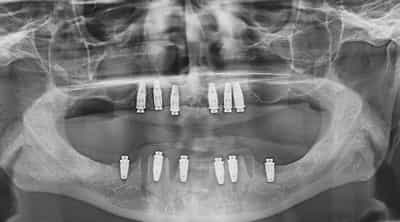
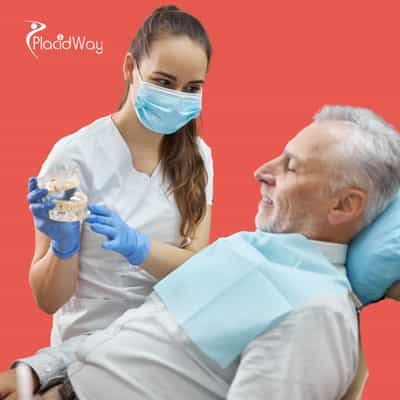
Think of a patient who needs multiple dental implants and bone grafting. They see advertisements for fast, affordable smiles in the Caribbean and envision returning home a week later with perfect teeth.
This route appeals to those exhausted by the high out-of-pocket costs of major dental restoration in their home countries. It creates the expectation that complex dental work can be completed during a brief vacation.
The hidden reality is that true dental implants require biological integration. Bone must heal around titanium, which often necessitates two separate trips spaced months apart.
What matters here isn’t the speed of the first visit.
- Does the clinic use internationally recognized implant brands, in case a local dentist needs to adjust them later?
- If the implant fails to integrate after the first trip, who covers the cost of revision?
- Are custom prosthetics manufactured in-house in Trinidad, or shipped from another country?
- Will I have temporary functional teeth between the surgical phase and the final placement?
- Does my timeline allow for adequate rest before flying with fresh oral sutures?
Convenience can change the calculation. It should not end the research.
Cosmetic Surgery: When Recovery Defines the Outcome
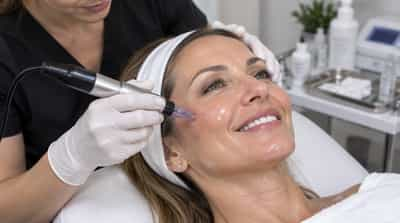
Consider a patient planning abdominal or breast cosmetic surgery who looks forward to recovering in a private tropical villa. They are driven by the desire to merge a major physical transformation with a tranquil environment.
This option solves the need for discretion while offering specialized surgical skills. It allows patients to bypass the stress of hiding their early recovery from neighbors or coworkers.
Yet, recovering in a humid climate with surgical incisions requires rigorous hygiene and climate control. Furthermore, flying too soon after major surgery dramatically increases the risk of deep vein thrombosis (DVT).
Before you commit to a date, ask:
- What are the exact criteria for flight clearance, and what happens if I am not cleared to fly home on schedule?
- Does the recovery accommodation have medically appropriate beds, assistance, and uninterrupted climate control?
- If an infection occurs on day three, who is on call, and where will I be admitted?
- How does the surgeon collaborate with my primary care doctor back home for late-stage follow-ups?
- Is the surgeon registered specifically as a specialist with the local Medical Board?
An attractive environment can make the experience easier. It cannot replace critical medical aftercare.
The Person Beside You Has a Role Too
There is often another person missing from guides like this. It is the spouse, sibling, adult child, or trusted friend sitting in the waiting room.
This person is rarely just a travel companion. In medical tourism, they become an unofficial care coordinator, an emotional anchor, and the primary problem-solver when you are vulnerable.
They are the ones remembering complex medication schedules after your IVF transfer. They are managing taxis, communicating with hotel staff, and ensuring you have soft foods after your dental implant surgery.
A responsible decision process must include their needs as well. They need to know exactly who to call if you run a fever at 2:00 AM. They need to understand the local emergency escalation pathways and where their own support boundaries lie.
A successful medical journey protects the physical health of the patient and the emotional bandwidth of the caregiver.
Moving Beyond "Is it Cheap and Safe?"
It is entirely natural to start your research by typing, "Is it safe to get medical care in Trinidad?" into a search engine. We all want a simple, reassuring yes or no.
However, that question fails to capture reality. Safety is not a blanket condition of an entire country. It is the result of specific protocols, verified credentials, and individual clinic standards.
A healthy 30-year-old flying in for a single dental implant faces entirely different risks than a 55-year-old seeking extensive cosmetic surgery while managing mild hypertension. A simple answer can be dangerously misleading.
Turning Marketing Claims into Verification
"We offer world-class, certified care at a fraction of the cost."
When you see claims like this, you must translate them into verifiable facts. Do not rely on website logos or generic badges.
You need to verify the responsible entities. For doctors, check their active registration with the Medical Board of Trinidad and Tobago. For dentists, consult the Dental Council. Check if the clinical facility itself holds current approvals from the local Ministry of Health.
Trust comes from identifiable responsibility, evidence, and accountability, not from persuasive marketing text.
Before You Commit, Try the 4-Point Post-Arrival Test
Marketing materials excel at showing the beginning of the journey: smiling consultations and beautiful facilities. You need to evaluate the end of the journey.
Apply this framework to any provider you are considering:
- The Midnight Reality: If I have severe pain or bleeding at midnight in my hotel, exactly who picks up the phone, and where do I go?
- The Delay Scenario: If my treatment takes three days longer than planned, does my visa, flight, and budget allow for the extension without panic?
- The Handoff Protocol: When I return home, what exact documentation will my local doctor receive to understand the drugs or hardware used?
- The Rework Policy: If the IUI fails, or the cosmetic outcome requires a revision, what are the financial and logistical terms for returning?
That is the medical tourism test.
Show the Topic Through Different Reader Eyes
"I am navigating my first IVF cycle away from home."
The Best Route: A fertility center in Trinidad with a dedicated international patient coordinator who handles lab logistics and local accommodation.
What to Investigate: The clinic’s specific success rates for your age bracket, not just their overall averages.
The Warning: Do not assume that lower treatment costs negate the expense of last-minute flight changes if your egg retrieval date shifts.
"I need full-mouth dental implants but cannot take weeks off work."
The Best Route: A specialized prosthodontic clinic that clearly separates extraction, grafting, and final placement into distinct, manageable trips.
What to Investigate: Whether they use internationally available implant systems (like Straumann or Nobel Biocare) that your local dentist can service.
The Warning: Do not force a complex biological healing process into a single, rushed vacation window.
"I am seeking cosmetic surgery but have mild pre-existing conditions."
The Best Route: A surgical center attached to a major local hospital, rather than an isolated private clinic.
What to Investigate: The anesthesiologist’s credentials and the facility’s ICU capabilities.
The Warning: Do not prioritize the luxury of the recovery villa over the clinical safety net of the operating facility.
"I am coming from a neighboring island for IUI."
The Best Route: A streamlined fertility clinic that coordinates closely with your local island doctor for initial bloodwork and scans.
What to Investigate: The reliability of regional flights or ferries, particularly during the rainy season.
The Warning: Do not underestimate the stress of navigating transport logistics while transporting sensitive medications.
Same medical destination. Four completely different research journeys.
What Will the Whole Journey Actually Cost?
Eventually, almost everybody asks.
It is a perfectly reasonable question. You are likely looking at medical tourism precisely because of financial constraints at home. However, looking only at the "sticker price" of the procedure is a major pitfall.
To evaluate the true financial impact, you must calculate the whole journey cost. This includes:
- Initial Price: The surgeon, dentist, or clinic fee.
- Preparation: Pre-op bloodwork, cardiac clearance, or fertility scans done in your home country.
- Travel & Access: Flights for you and your companion, ground transport, and potential medical visas if applicable.
- Hidden Fees: Specialized IVF medications, customized post-op compression garments, or temporary dental crowns.
- Delays: Extra hotel nights if you are not cleared to fly home on schedule.
- Ongoing Support: Follow-up appointments with a local specialist upon your return.
The cheapest procedure quote may not create the cheapest total journey.
What the Experience Actually Feels Like
You will spend time sitting in unfamiliar waiting rooms, listening to the hum of an air conditioner, clutching a folder of your medical records.
There will be moments of intense focus as you try to convert currency in your head while paying a pharmacy bill. You will experience the strange quiet of a hotel room where your primary job is simply to rest and wait for healing.
There will be phone calls to loved ones back home, updating them on your progress over patchy Wi-Fi. There will be small moments of relief when a nurse explains your medications with warmth and deep competence.
That is still medical care. Just a very different kind.
The Questions People Wish They Had Asked Earlier
- I wish I’d known how exhausted I would feel navigating a busy airport three days after surgery.
- I wish we’d planned for the cost of the specialized fertility injections that were not included in the base IVF package.
- I wish I’d checked if my home dentist was willing to adjust the specific brand of dental implant used abroad.
- I wish I’d asked for written protocols on what to do if I developed a post-operative fever on a Sunday.
- I wish I’d realized that my companion needed their own space to decompress after managing my recovery all day.
- I wish I’d asked the surgeon directly how many times they perform this exact procedure monthly.
"Enjoy a relaxing vacation while getting your new smile!"
Real-life questions provide better guidance than promotional messages because they focus on consequences, not just anticipation. A vacation implies an escape from responsibility; medical tourism demands heightened responsibility.
Assessing Your Fit and Proceeding with Caution
Medical tourism in Trinidad and Tobago may be worth investigating when:
- You have a clear, documented diagnosis from your home physician.
- You can verify the credentials of the specific doctor through official local medical boards.
- You have a reliable travel companion to support you during recovery.
- You possess the budget to absorb unexpected travel delays.
- Your timeline allows for proper, unhurried biological healing before flying.
Who Should Think Especially Carefully?
This path—or any comparable overseas option—may make less sense when:
- You have complex pre-existing conditions like severe heart disease or unmanaged diabetes.
- You are seeking a highly experimental treatment not approved in your home country.
- You cannot find a local doctor willing to handle your post-return follow-up care.
- You are financing the trip with high-interest debt that assumes a flawless, single-trip outcome.
- The clinic applies high-pressure sales tactics or refuses to arrange a direct pre-booking call with the specialist.
A responsible guide should make it easier for you to say, "I'm not comfortable proceeding," if the situation is not right.
What brings you here?
You are seeking cost-effective reproductive options like IVF or ICSI.
Begin by requesting virtual consultations with fertility specialists to assess their communication style, laboratory capabilities, and willingness to coordinate with your home OB-GYN.
You need extensive dental implants to restore basic function.
Start by sending your current panoramic X-rays to a verified prosthodontist to request a realistic, phased treatment timeline before booking any flights.
You are planning cosmetic surgery and need discreet recovery.
Focus your research on the medical aftercare infrastructure. Ask for exact protocols regarding post-op monitoring, nursing care at the recovery site, and deep vein thrombosis prevention.
You are traveling from a nearby island due to a lack of local specialists.
Prioritize clinics with experience handling regional patients, who understand the nuances of ferry/flight schedules and can consolidate appointments effectively.
That is not simply a directory or a generic guide. It is a decision environment.
Returning to the Human Decision
Maybe you are sitting with your partner tonight, opening multiple browser tabs, trying to figure out if crossing a border for IVF is a leap of faith you are ready to take.
Maybe you are quietly calculating your vacation days, wondering if you can manage a trip for dental implants without alerting your entire office to your personal struggles.
Maybe you are wrestling with the uncertainty of traveling for cosmetic surgery, balancing your deep desire for change against the very real anxieties of recovery far from home.
Medical decisions should not be reduced to simple promises of saving money, getting instant results, or finding an absolute "best" option. Those simplifications ignore your unique health profile, your support systems, and the realities of travel.
The best choice is not the one with the most persuasive marketing or the lowest initial price.
It is the one where the right clinical capability, the right verified professional, the right post-procedure support, and a realistic path to safe follow-up can come together for your particular situation.
Instead of asking: "Where is medical tourism cheapest or easiest?"
Replace with: "What is the next informed step that realistically fits my situation?"
Your Way to Hope | PlacidWay
Seeking medical care is a deeply personal journey. It involves your family, your health, and your future. Medical tourism is one possible option, not a guaranteed solution for everyone.
Maybe it is the right path for you. Maybe it requires more time, more conversations, and more reflection. We believe in providing the clarity you need to make informed, prepared decisions—not just highlighting surface benefits, but encouraging deeper consideration of your safety and care.
Are you ready to gather the facts for your specific situation?
Request Personalized InformationReferences
- Ministry of Health – Government of the Republic of Trinidad and Tobago
- Travelers' Health: Trinidad and Tobago – Centers for Disease Control and Prevention (CDC)
- Medical Board of Trinidad and Tobago – Official Registration and Verification
- Patient Safety and Medical Travel Guidelines – International Society of Aesthetic Plastic Surgery (ISAPS)
- Guidance on Cross-Border Reproductive Care – American Society for Reproductive Medicine (ASRM)
Disclaimer: The information provided in this guide is for educational and planning purposes only. It does not constitute medical, legal, or financial advice. Medical regulations, pricing, and travel requirements change frequently. Always consult with your primary healthcare provider and independently verify the credentials and safety records of any medical facility or practitioner before making healthcare decisions.





















Share this listing