



Contents
Affordable Seoul Rhinoplasty: Best Clinics & Real Patient Reviews
Imagine stepping into a clinic where surgical precision is treated as an absolute art form. For international patients seeking facial harmony, South Korea has become the undisputed global capital of cosmetic innovation, particularly when it comes to rhinoplasty. Every year, tens of thousands of medical tourists travel to this dynamic country to reshape their noses, drawn by a reputation for hyper-natural results, cutting-edge technology, and highly specialized surgeons.
Rhinoplasty, commonly referred to as a "nose job," is one of the most delicate cosmetic procedures available. It requires a surgeon to balance aesthetic beauty with the vital functional mechanics of breathing. In South Korea, doctors perform this surgery at an astonishingly high volume, meaning a top-tier Korean specialist may complete more rhinoplasties in a single year than many Western surgeons do in a decade. This unparalleled level of hands-on experience translates directly into refined techniques, minimal scarring, and consistently stunning outcomes.
What truly sets South Korea apart is its customized approach. Rather than applying a "one-size-fits-all" template, Korean surgeons are renowned for their meticulous pre-operative planning. They excel at working with diverse facial structures, ensuring that whether you are seeking a subtle bridge refinement, tip projection, or reconstructive work, the final result harmonizes flawlessly with your unique ethnic features.
Beyond the operating room, the country offers a medical tourism infrastructure designed entirely around the patient experience. From dedicated in-house translation services to VIP recovery lounges, choosing South Korea for your rhinoplasty means embracing a journey where world-class medical excellence is the absolute standard.
Did You Know?
South Korea has the highest rate of cosmetic surgeries per capita in the world. This immense domestic and international demand has fostered a hyper-competitive medical environment, pushing clinics to constantly innovate and maintain the highest possible standards to attract patients.
Key Insights at a Glance
Korean surgeons are celebrated globally for achieving hyper-natural, balanced results tailored to individual facial harmony.
Clinics utilize cutting-edge 3D CT scans and virtual modeling to map out the nasal structure before making a single incision.
Surgeons possess unparalleled expertise in working with diverse ethnic nasal structures, including Asian, Caucasian, and African descent.
A strong preference for using your own body tissue (like rib or ear cartilage) to rebuild the nose, reducing the risk of implant rejection.
Refined surgical techniques lead to less trauma, resulting in significantly reduced swelling, bruising, and overall downtime.
Top centers provide dedicated international patient departments featuring multi-lingual coordinators to ensure seamless communication.
The "Dermatology Drip" Bonus
In South Korea, post-operative care is just as vital as the surgery itself. Many top-tier plastic surgery clinics include complimentary de-swelling treatments—such as specialized LED light therapy, hyperbaric oxygen chambers, and vitamin IV drips—as a standard part of your rhinoplasty recovery protocol!
Financial planning is a crucial step in your medical tourism journey. In the section below, you will find a transparent breakdown of the average costs associated with different types of rhinoplasty procedures in South Korea. While these figures serve as a highly accurate baseline, please keep in mind that the final price will be tailored to the complexity of your specific case, whether you require primary or revision surgery, and the materials used.
Tip: Always request a detailed, itemized quote from your chosen clinic to understand exactly what is included in your rhinoplasty fee.

Price starting from $5,100
Rhinoplasty Package in Seoul South, Korea by VG Plastic Surgery
VG Plastic Surgery
- Cosmetic/Plastic Surgery
Seoul, South Korea
To make your medical journey as seamless as possible, we have carefully curated a selection of top-rated providers in South Korea offering comprehensive all-inclusive rhinoplasty packages. These convenient bundles are designed to eliminate hidden fees and typically cover your surgical costs, facility fees, anesthesia, and necessary medical screenings. Browse the options below to find a package that perfectly aligns with your aesthetic goals and personal budget.
Note: Choosing an all-inclusive package provides immense peace of mind, allowing you to focus entirely on your recovery rather than unexpected medical bills.
Nose Surgery Rhinoplasty Centers Cost Comparison in South Korea
| Provider | Procedure | Price |
|---|---|---|
| VG Plastic Surgery | Nose Surgery Rhinoplasty, Cosmetic/Plastic Surgery | $5100 |
| Hugo Plastic Surgery | Nose Surgery Rhinoplasty, Cosmetic/Plastic Surgery | $3300 |
| VG Plastic Surgery | Nose Surgery Rhinoplasty, Cosmetic/Plastic Surgery | $5100 |
Nose Surgery Rhinoplasty Cost Comparison in South Korea
| Country | Procedure | Price |
|---|---|---|
| United Kingdom | Nose Surgery Rhinoplasty, Cosmetic/Plastic Surgery | $7000 |
| Canada | Nose Surgery Rhinoplasty, Cosmetic/Plastic Surgery | $10000 |
| Australia | Nose Surgery Rhinoplasty, Cosmetic/Plastic Surgery | $9000 |
| Germany | Nose Surgery Rhinoplasty, Cosmetic/Plastic Surgery | $9500 |
Your safety and the quality of your aesthetic outcome depend heavily on the facility you select. We have compiled a list of premier medical centers and boutique clinics in South Korea renowned specifically for their specialization in facial contouring and rhinoplasty. These state-of-the-art facilities are strictly vetted for their adherence to international hygiene protocols, cutting-edge surgical infrastructure, and robust patient safety records.
Safety First: Look for clinics accredited by the Korean Ministry of Health and Welfare (KAHF) when selecting your medical center.
VG Plastic Surgery
Seoul, South Korea
Hugo Plastic Surgery
Seoul, South Korea

Urban Plastic Surgery
Seoul, South Korea

JK Medical Group in Seoul, South Korea
Seoul,Gangnam, South Korea
Glovi Plastic Surgery Korea
Seoul,Gangnam, South Korea
There is nothing quite as reassuring as hearing directly from individuals who have successfully completed the journey you are about to begin. The video testimonials featured below showcase real, unfiltered stories from international patients who traveled to South Korea for their nose surgery. Watch their experiences to gain genuine insights into the consultation process, the recovery phase, and the life-changing results they achieved.
Insight: Patient vlogs and video testimonials often provide the most authentic, day-by-day perspective on the surgical healing process.

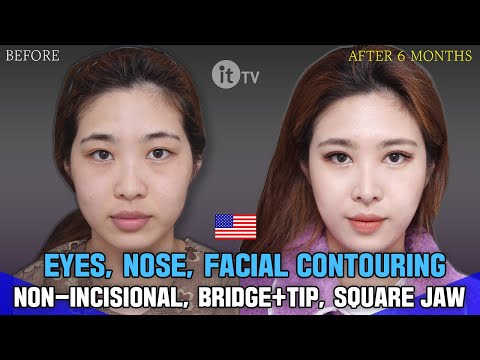
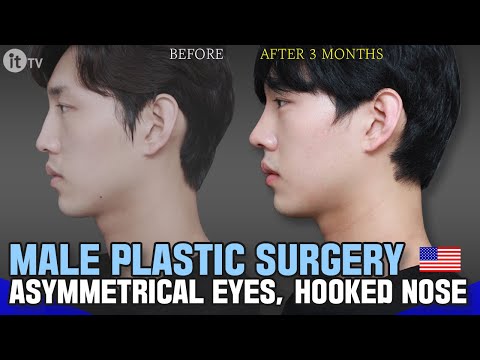
Transparent patient reviews are an invaluable tool when evaluating the quality of medical care. In this section, you will find verified written reviews and ratings from past patients who entrusted their facial transformations to surgeons in South Korea. Read through their honest feedback regarding pre-operative communication, clinical bedside manner, post-operative support, and their overall satisfaction with their new look.
Review Tip: Pay close attention to reviews from international patients, as they offer context on how the clinic handles language barriers and travel logistics.

How much is rhinoplasty in south korea?
Considering nose surgery, also known as rhinoplasty, and looking at South Korea as a potential destination? You're in good company. South Korea has become a global hub for cosmetic surgery, renowned for its skilled surgeons and advanced medical technology, particularly in facial procedures like rhinoplasty. This comprehensive guide addresses the key questions people are asking about getting a nose job in South Korea, providing you with the information needed to navigate your options. What is nose surgery (rhinoplasty)? "Nose surgery, or rhinoplasty, is a surgical procedure to reshape the nose, often to improve its aesthetic appearance, correct breathing problems, or repair deformities caused by injury or birth defects." Rhinoplasty is a highly individualized surgical procedure aimed at improving the harmony and proportion of the nose with the rest of the face. Surgeons can modify the size, shape, angle, and overall structure of the nose by reshaping bone and cartilage. Beyond cosmetic enhancements, nose surgery can also address functional issues such as a deviated septum, which can obstruct breathing. Whether the goal is to achieve a more balanced facial profile or to improve nasal function, rhinoplasty requires a skilled surgeon with a deep understanding of nasal anatomy and facial aesthetics. Why is South Korea a popular destination for nose surgery? "South Korea is a popular destination for nose surgery due to its reputation for highly skilled and experienced plastic surgeons, advanced medical technology, competitive pricing compared to some Western countries, and a strong focus on aesthetic excellence." South Korea has earned its reputation as a leading destination for cosmetic surgery, and rhinoplasty is one of the most sought-after procedures. Several factors contribute to this popularity. The country boasts a large number of highly trained and experienced plastic surgeons who specialize in facial surgery, including rhinoplasty. Many Korean surgeons have honed their skills through years of practice and are known for their artistic eye and meticulous techniques. Furthermore, South Korea has invested heavily in advanced medical technology and infrastructure, ensuring high standards of care. While not the cheapest option globally, the cost of nose surgery in South Korea is often more competitive than in countries like the United States or some parts of Europe. The cultural emphasis on aesthetics and beauty in South Korea also drives innovation and excellence in the field of cosmetic surgery. How much does basic nose surgery cost in South Korea? "Basic nose surgery or rhinoplasty in South Korea typically ranges from $2,000 to $7,500 USD." The cost of a primary or basic rhinoplasty in South Korea can vary depending on several factors. This price range generally covers the surgeon's fee, anesthesia, and facility charges for a straightforward procedure aimed at reshaping the nose for cosmetic reasons. However, it's important to remember that this is a general estimate, and the actual cost can be influenced by the complexity of the surgery, the specific techniques used, and the individual surgeon's fees. What factors can affect the total cost of rhinoplasty in South Korea? "Factors affecting the total cost of rhinoplasty in South Korea include the complexity of the surgery (primary vs. revision), the surgeon's experience and reputation, the type of rhinoplasty (e.g., open, closed, tip plasty), the clinic's location and facilities, anesthesia fees, pre-operative tests, and post-operative care." Several elements can influence the final price of your nose surgery in South Korea. Revision rhinoplasty, which corrects issues from a previous surgery, is typically more complex and costly than a primary rhinoplasty. Surgeons with extensive experience, specialized skills, and a strong reputation often charge higher fees. The specific surgical techniques employed, such as open rhinoplasty (involving a small external incision) or closed rhinoplasty (incisions inside the nose), as well as more focused procedures like tip plasty (reshaping the nasal tip) or alar base reduction (narrowing the nostrils), can also affect the cost. Clinics located in upscale areas of Seoul or those with state-of-the-art facilities may have higher overhead costs, which can translate to higher prices. Anesthesia fees, the cost of pre-operative medical tests and consultations, and any post-operative care or medications will also contribute to the total expense. What is the difference in cost between primary and revision rhinoplasty in South Korea? "Revision rhinoplasty in South Korea is typically more expensive than primary rhinoplasty, ranging from $7,000 to $15,000 USD or higher, due to its increased complexity and the specialized skills required to correct previous surgical outcomes." Revision rhinoplasty is a more intricate procedure than primary rhinoplasty because it involves working with altered nasal structures and scar tissue from previous surgeries. Correcting deformities, functional issues, or unsatisfactory aesthetic results from a prior nose job requires advanced surgical skills and a deep understanding of nasal anatomy. As a result, surgeons specializing in revision rhinoplasty in South Korea often charge higher fees to reflect the increased complexity and expertise involved. The cost can range significantly based on the extent of the revision needed and the surgeon's experience in handling such cases. Are there different types of rhinoplasty procedures that affect the cost in South Korea? "Yes, different types of rhinoplasty procedures, such as open rhinoplasty, closed rhinoplasty, tip plasty, and non-surgical rhinoplasty (using fillers), have varying costs in South Korea based on their complexity and the materials or techniques used." The specific type of rhinoplasty you undergo will influence the overall cost in South Korea. Open rhinoplasty, where a small incision is made across the columella (the skin between the nostrils), allows for greater surgical access and is often used for more complex cases, potentially leading to a higher cost. Closed rhinoplasty, with incisions made only inside the nose, may be less expensive for simpler adjustments. Tip plasty, focusing solely on reshaping the nasal tip, is generally less costly than a full rhinoplasty. Non-surgical rhinoplasty, which involves injecting dermal fillers to temporarily reshape the nose, is the least expensive option, typically ranging from $500 to $1,500 USD, but its results are temporary. How do the qualifications and experience of the surgeon impact the cost of nose surgery in South Korea? "Highly qualified and experienced rhinoplasty surgeons in South Korea with board certifications and a strong track record of successful outcomes typically charge higher fees due to their expertise and demand." The surgeon's qualifications and experience are significant factors in determining the cost of nose surgery in South Korea. Surgeons who are board-certified in plastic or facial reconstructive surgery, have years of specialized experience in rhinoplasty, and possess a strong portfolio of successful results often command higher fees. Their expertise and reputation reflect a higher level of skill and a potentially lower risk of complications, making them a preferred choice for many patients despite the higher cost. What are the typical pre-operative and post-operative costs associated with rhinoplasty in South Korea? "Typical pre-operative costs for rhinoplasty in South Korea may include consultations (ranging from $50 to $100 USD), medical tests, and imaging (around $50 to $200 USD). Post-operative costs can include medications ($50 to $200 USD), follow-up appointments, and potential aftercare treatments." Before undergoing nose surgery in South Korea, you will likely need to attend one or more consultations with your chosen surgeon. These initial consultations may have a fee, typically ranging from $50 to $100 USD per session. Pre-operative medical tests, such as blood work and imaging (like X-rays or CT scans if necessary), will also incur costs, potentially totaling between $50 and $200 USD. After the surgery, you will need to purchase prescribed medications for pain management and infection prevention, which can cost around $50 to $200 USD. Follow-up appointments with your surgeon to monitor your healing are usually included in the overall surgical package, but it's essential to confirm this. Additional aftercare treatments, if needed, may involve extra expenses. Is the cost of living and accommodation in South Korea something I should factor into my budget for nose surgery? "Yes, if you are traveling to South Korea for nose surgery, you should definitely factor in the costs of flights, accommodation, meals, transportation within the country, and potential interpreter services into your overall budget." For international patients seeking nose surgery in South Korea, the cost of the procedure itself is only part of the overall expense. You will also need to budget for round-trip airfare, accommodation (which can range from budget-friendly hostels to luxurious hotels), meals, and local transportation. Depending on your language proficiency, you might also need to factor in the cost of interpreter services to facilitate communication with the medical team and during your stay. These additional living and travel expenses can significantly impact the total cost of your medical trip. How does the cost of nose surgery in South Korea compare to other popular destinations for cosmetic surgery? "The cost of nose surgery in South Korea is generally competitive compared to countries like the United States, Australia, and parts of Europe, but it might be higher than in some other medical tourism destinations like Thailand or Mexico." When comparing the cost of nose surgery, South Korea often falls in a mid-range category. It is generally more affordable than countries like the United States, Australia, and many Western European nations, where rhinoplasty can easily cost upwards of $8,000 to $15,000 USD or more. However, other popular medical tourism destinations, such as Thailand or Mexico, may offer even lower prices for nose surgery. The choice of destination often involves a trade-off between cost, the perceived quality of medical care, surgeon expertise, and travel considerations. Are there financing options available for nose surgery in South Korea? "Financing options for nose surgery in South Korea may be limited for international patients. It is best to inquire directly with the clinic about payment plans or explore personal loan options in your home country." For international patients, finding direct financing options for cosmetic surgery in South Korea can be challenging. Most clinics typically require upfront payment or payment in full before the procedure. It is advisable to discuss payment options with the clinic you are considering. You might also explore personal loan options or medical financing plans available in your home country to help cover the costs of your nose surgery and travel expenses. What are some important questions to ask during a rhinoplasty consultation in South Korea regarding cost? "During a rhinoplasty consultation in South Korea, ask for a detailed breakdown of all costs involved, including the surgeon's fee, anesthesia, facility charges, pre-operative tests, and post-operative care. Inquire about any potential additional fees and the accepted methods of payment." When you have a consultation with a rhinoplasty surgeon in South Korea, it's crucial to have a clear understanding of the financial aspects. Ask for a comprehensive breakdown of all the costs associated with the surgery, including the surgeon's fee, anesthesia fees, the cost of using the surgical facility, any required pre-operative tests and consultations, and the cost of post-operative care and medications. Inquire about any potential additional fees that might arise and clarify the accepted methods of payment. Understanding the full financial commitment will help you plan accordingly. Ready to explore your options for nose surgery in South Korea? Contact PlacidWay today to connect with reputable clinics and experienced surgeons and take the first step towards achieving your desired nasal appearance!
Is Rhinoplasty Cheaper in South Korea Compared to other Countries?
Rhinoplasty, commonly known as a nose job, is a popular cosmetic procedure worldwide that reshapes the nose to improve its appearance and, in some cases, its function. South Korea has emerged as a global hub for plastic surgery, attracting countless individuals seeking aesthetic enhancements. Many people wonder if rhinoplasty in South Korea offers a more budget-friendly option compared to other nations. This blog post aims to answer this question comprehensively, exploring the costs, factors influencing prices, and what makes South Korea a top destination for nose reshaping surgery. We will delve into the specifics of rhinoplasty cost, various types of rhinoplasty, and the overall experience of getting a nose job in this leading medical tourism destination. What is the average cost of rhinoplasty in South Korea? "The average cost of rhinoplasty in South Korea typically ranges from $2,000 to $7,500 USD, depending on the complexity of the procedure and the clinic." The price for a rhinoplasty in South Korea can vary significantly based on several factors. For a basic nose job, such as refining the nasal tip or addressing a minor hump, you can expect to pay between $3,000 to $6,000 USD. More complex procedures, like those involving significant reshaping of nasal bones, correction of a deviated septum, or complete alteration of the nose's structure, can range from $6,000 to $10,000 USD. Revision rhinoplasty, which is performed to correct or improve the results of a previous nose surgery, is often the most expensive type due to its intricacy, with costs typically ranging from $7,000 to $15,000 USD. It's important to remember that these figures are general estimates, and the actual cost will be determined during your consultation with a qualified plastic surgeon. How does the cost of rhinoplasty in South Korea compare to the USA and Europe? "Rhinoplasty in South Korea is often significantly cheaper than in the USA and many European countries, with potential savings of 50% or more." When comparing the cost of rhinoplasty, South Korea frequently stands out as a more economical choice. In the United States, a rhinoplasty can range from $7,000 to $15,000 USD, and sometimes even up to $20,000 USD for complex or revision cases. Similarly, in many Western European countries, the prices are often comparable to, or even higher than, those in the US. For example, a standard rhinoplasty in South Korea might cost around $2,100 to $3,500 USD, whereas the same procedure in the US could be $7,000 to $15,000 USD. This substantial difference in rhinoplasty cost makes South Korea an attractive option for international patients seeking high-quality results at a more accessible price point. The lower operating costs, competitive market among numerous clinics, and high volume of procedures contribute to these favorable prices. What factors influence the cost of rhinoplasty in South Korea? "The cost of rhinoplasty in South Korea is influenced by the type of rhinoplasty procedure, the surgeon's experience and reputation, the clinic's location and facilities, and the complexity of the individual case." Several key factors contribute to the final rhinoplasty cost in South Korea. Understanding these can help you better estimate your potential expenses. Type of Rhinoplasty Procedure: The specific type of nose job you undergo significantly impacts the price. Simple procedures like tip rhinoplasty or alar base reduction are less expensive than open rhinoplasty, closed rhinoplasty, ethnic rhinoplasty, or especially revision rhinoplasty, which requires more time, skill, and resources. Surgeon's Experience and Reputation: Highly sought-after and experienced plastic surgeons with a long track record of successful outcomes often charge higher fees. Their expertise and reputation for delivering natural and harmonious results are considered valuable. Clinic's Location and Facilities: Clinics located in prime areas, such as Seoul's upscale Gangnam district, tend to have higher overheads, which can translate to higher prices. The use of advanced technology and state-of-the-art facilities also contributes to the overall cost. Complexity of the Case: Every nose is unique, and the extent of correction needed varies. A more complex case, such as one requiring significant structural changes, cartilage grafts, or addressing a pre-existing condition like a deviated septum, will naturally incur a higher cost due to the increased surgical time and intricate techniques involved. Anesthesia Fees: The type of anesthesia used (local with sedation or general anesthesia) and the anesthesiologist's fees are also included in the total cost. Pre and Post-Operative Care: This can include initial consultations, medical evaluations, follow-up visits, and prescribed medications. While some clinics include these in a package, others might charge separately. Additional Services: Some clinics offer all-inclusive packages that cover accommodation, airport transfers, and interpreter services, which can add to the overall price but also provide convenience for international patients. Are there different types of rhinoplasty in South Korea, and how do they affect cost? "Yes, there are various types of rhinoplasty in South Korea, including open rhinoplasty, closed rhinoplasty, tip rhinoplasty, ethnic rhinoplasty, and revision rhinoplasty, each with varying costs based on complexity." The specific technique used for your nose job will depend on your desired outcome and the current structure of your nose. Open Rhinoplasty: This involves a small incision on the columella (the strip of skin between the nostrils), allowing the surgeon direct access to the underlying nasal structures. It's often used for more complex reshaping and typically ranges from $4,500 to $8,500 USD. Closed Rhinoplasty: All incisions are made inside the nostrils, leaving no visible external scars. This method is generally for less extensive modifications and can range from $4,000 to $7,500 USD. Tip Rhinoplasty: This procedure focuses solely on reshaping the nasal tip. It's less invasive and generally more affordable, costing around $3,500 to $6,000 USD. Ethnic Rhinoplasty: South Korea is renowned for its expertise in ethnic rhinoplasty, which aims to enhance specific ethnic features while creating harmony with the rest of the face. Costs for this specialized procedure can range from $4,000 to $10,000 USD. Revision Rhinoplasty: As mentioned earlier, this is a corrective procedure after a previous nose job and is the most complex, with prices often starting from $5,000 and going up to $9,000 USD or more. Non-Surgical Rhinoplasty (Fillers): While not a permanent surgical solution, dermal fillers can temporarily reshape the nose. This is the least expensive option, typically ranging from $1,000 to $3,000 USD, but requires repeat treatments. Why is South Korea a popular destination for rhinoplasty? "South Korea is a popular destination for rhinoplasty due to its highly skilled plastic surgeons, advanced surgical techniques, competitive pricing, and a strong cultural emphasis on aesthetic refinement." South Korea has cemented its reputation as the "plastic surgery capital of the world" for good reason. The country boasts an incredibly high volume of cosmetic procedures, meaning its surgeons gain extensive experience and expertise. Expert Surgeons and Advanced Techniques: Korean plastic surgeons are at the forefront of cosmetic surgery innovation, often developing and refining techniques, particularly in cartilage-based rhinoplasty, which allows for natural-looking and long-lasting results. They are known for their precision and artistic approach, focusing on creating harmonious facial balance. State-of-the-Art Facilities: South Korean clinics are equipped with advanced medical technology and adhere to strict safety standards, ensuring high-quality care and patient safety. Natural-Looking Results: A key appeal of rhinoplasty in South Korea is the emphasis on achieving subtle, natural enhancements that complement the individual's existing features rather than creating an "operated" look. Competitive Pricing: As discussed, the affordability of rhinoplasty cost compared to Western countries is a significant draw, allowing patients to access top-tier medical care without the exorbitant price tag. Medical Tourism Infrastructure: The country has a well-developed medical tourism industry, offering services like multilingual support, streamlined processes for international patients, and comprehensive pre and post-operative care. What should I consider when choosing a clinic for rhinoplasty in South Korea? "When choosing a clinic for rhinoplasty in South Korea, consider the surgeon's experience and board certification, the clinic's reputation and patient reviews, transparent pricing, and the quality of pre and post-operative care." Selecting the right clinic and surgeon is crucial for a successful rhinoplasty. Surgeon's Qualifications and Expertise: Ensure your plastic surgeon is board-certified and has extensive experience specifically in rhinoplasty. Look for before-and-after photos of their previous work to assess their aesthetic style and results. Clinic Reputation and Reviews: Research the clinic's reputation through online reviews, forums, and patient testimonials. Positive feedback, especially from international patients, can be a good indicator. Transparency in Pricing: Choose a clinic that provides a clear and comprehensive breakdown of the rhinoplasty cost, including all fees for surgery, anesthesia, facility, and follow-up care. Avoid clinics with hidden charges. Consultation Process: A thorough consultation is essential. The surgeon should listen to your goals, assess your nasal structure, and explain the proposed nose job procedure, potential outcomes, and any risks involved. Post-Operative Care: Inquire about the post-operative care plan, including follow-up appointments, medication, and instructions for recovery. Good aftercare is vital for optimal healing and results. Communication: For international patients, access to interpreters or English-speaking staff is important for clear communication throughout the process. What is the typical recovery time for rhinoplasty in South Korea? "The typical recovery time for rhinoplasty in South Korea involves initial bruising and swelling that subsides significantly within 2-3 weeks, with full results becoming apparent over several months to a year." After a rhinoplasty, some degree of swelling and bruising around the eyes and nose is normal. Initial Recovery (1-2 weeks): A splint or cast is usually worn for about a week. Most of the noticeable bruising and significant swelling will diminish within the first 10-14 days. Patients can often return to light activities and work after 1-2 weeks, though strenuous activities should be avoided. Mid-Term Recovery (1-3 months): The majority of the swelling (around 80%) will subside within the first 1 to 3 months. The nose will start to take its new shape, but subtle swelling, especially in the tip, may persist. Long-Term Recovery (6-12 months): It can take up to a year, or even longer for revision rhinoplasty, for all the swelling to completely resolve and for the final results of the nose job to become fully visible. Patience is key during this period as the tissues continue to heal and settle. Following your surgeon's post-operative instructions diligently is crucial for a smooth recovery and optimal outcome. Are there any hidden costs or additional expenses for rhinoplasty in South Korea? "While rhinoplasty costs in South Korea are generally transparent, potential additional expenses might include pre-operative tests, post-operative medications, interpreter services, accommodation, and travel, which are usually not included in the surgical fee." It's important to clarify what exactly is included in the quoted rhinoplasty cost from a clinic. While the surgical fee often covers the surgeon's fee, anesthesia, and use of the operating room, other expenses can add up. Pre-operative Medical Tests: Blood tests, X-rays, or other diagnostic imaging might be required before surgery, and these costs may be separate. Post-operative Medications: Painkillers, antibiotics, and anti-inflammatory drugs are essential for recovery and are typically an additional cost. Interpreter Services: If the clinic doesn't provide free interpretation, hiring a private interpreter will be an extra expense. Accommodation and Travel: For international patients, flights, hotel stays, and local transportation are significant factors to budget for. Many clinics offer packages that include accommodation, which can simplify planning. Follow-up Treatments: While initial follow-ups are usually included, any additional treatments like lymphatic drainage massages to reduce swelling might be charged separately. Revision Surgery: Although rare with experienced surgeons, if a revision is needed down the line due to complications or dissatisfaction, it will incur additional costs. Always discuss the clinic's policy on revisions during your consultation. Is rhinoplasty in South Korea safe? "Yes, rhinoplasty in South Korea is generally safe, given the country's stringent medical regulations, highly skilled plastic surgeons, and modern facilities, which prioritize patient safety and high success rates." South Korea has a well-deserved reputation for safety and quality in its cosmetic surgery sector. The country's medical institutions are subject to rigorous government oversight and licensing. Highly Regulated Environment: The South Korean healthcare system maintains strict standards for medical facilities and practitioners, ensuring patient safety protocols are followed. Experienced and Specialized Surgeons: Many plastic surgeons in South Korea are highly specialized in rhinoplasty and perform a large volume of these procedures, leading to extensive experience and refined skills. This high volume contributes to lower complication rates. Advanced Technology and Equipment: Clinics invest in cutting-edge technology for both surgery and patient monitoring, further enhancing safety. Focus on Patient Care: Korean clinics are known for their comprehensive pre-operative evaluations and thorough post-operative care, which are crucial for minimizing risks and ensuring a smooth recovery. As with any surgical procedure, there are inherent risks, such as infection, bleeding, or adverse reactions to anesthesia. However, choosing a reputable, board-certified surgeon in a well-equipped facility significantly mitigates these risks. Can I combine rhinoplasty with other cosmetic procedures in South Korea? "Yes, it is common and often more cost-effective to combine rhinoplasty with other cosmetic procedures like double eyelid surgery, facial contouring, or liposuction in South Korea." Many patients, especially international visitors, opt to undergo multiple cosmetic procedures during their trip to South Korea to maximize their time and recovery period. This approach can also lead to cost savings, as clinics may offer package deals for combined surgeries. Common Combinations: Popular combinations include rhinoplasty with double eyelid surgery (blepharoplasty) to achieve more balanced facial features, or with facial contouring procedures (like cheekbone reduction or jawline surgery) to create a more harmonious overall face shape. Efficiency: Combining procedures means only one recovery period from anesthesia and typically a single extended stay in South Korea, which can be more convenient and efficient. Surgeon's Expertise: Korean plastic surgeons are often highly skilled in a wide range of facial cosmetic procedures, making it feasible to have multiple surgeries performed by the same expert team. Consultation is Key: It is essential to discuss your desire for multiple procedures with your surgeon during the initial consultation. The surgeon will assess your suitability for combined surgeries, considering your overall health and the complexity of each procedure, to ensure patient safety and optimal results. What is ethnic rhinoplasty, and is South Korea a good choice for it? "Ethnic rhinoplasty is a specialized nose job that reshapes the nose while preserving and enhancing the patient's unique ethnic features, and South Korea is an excellent choice due to its expertise in tailoring procedures for diverse ethnic anatomies." Unlike traditional rhinoplasty that often aimed for a Westernized nose shape, ethnic rhinoplasty focuses on creating a nose that harmonizes with the individual's specific ethnic background and overall facial structure. This approach values cultural identity while addressing aesthetic concerns. Specialized Expertise: South Korean plastic surgeons are highly adept at performing ethnic rhinoplasty, particularly for Asian patients. They have a deep understanding of diverse nasal anatomies and employ specialized techniques, often using cartilage grafts from the septum, ear, or rib, to achieve natural and balanced results without erasing ethnic identity. Tailored Approach: Korean clinics emphasize a personalized approach, ensuring that the nose job outcome aligns with the patient's aesthetic goals while respecting their heritage. High Demand: Due to its global reputation, South Korea attracts a significant number of international patients seeking ethnic rhinoplasty, further enhancing the surgeons' experience in this specialized field. How long should I plan to stay in South Korea for rhinoplasty? "For rhinoplasty in South Korea, it is generally recommended to plan a stay of at least 7 to 10 days to allow for pre-operative consultations, the surgical procedure, and crucial initial post-operative recovery and follow-up." The duration of your stay will depend on the specific type of rhinoplasty performed and your individual healing process. Initial Consultation and Pre-Op: You'll need at least one day for detailed consultation with the plastic surgeon, medical evaluations, and sometimes 3D imaging to plan your nose job. Surgery Day: The surgery itself typically takes a few hours. Immediate Post-Op (First Week): The first week after rhinoplasty is critical for initial healing. You'll have a splint or cast on your nose, and the most significant swelling and bruising will occur during this time. Your surgeon will typically remove the splint around 5-7 days post-surgery. Follow-up Appointments: You'll need follow-up visits to monitor your healing progress and remove stitches or the splint. Staying longer ensures you receive proper immediate aftercare and allows your surgeon to address any early concerns. Optimal Recovery: While 7-10 days allows for the initial recovery and splint removal, staying for two weeks can be beneficial to ensure more of the prominent swelling has subsided before you travel back home. This also allows for any minor adjustments or concerns to be addressed while you are still under the direct care of your plastic surgeon. What are the potential risks and complications of rhinoplasty? "While generally safe, potential risks and complications of rhinoplasty include infection, bleeding, adverse reactions to anesthesia, difficulty breathing, numbness, unsatisfactory aesthetic results, and the need for revision rhinoplasty." It's important to be aware of the potential risks associated with any surgical procedure. While rhinoplasty in South Korea is performed by highly skilled professionals with excellent safety records, no surgery is entirely risk-free. Infection: Although rare, infection at the surgical site is a possibility. Bleeding: Some bleeding is normal, but excessive bleeding can occur. Adverse Reaction to Anesthesia: As with any surgery requiring anesthesia, there's a small risk of adverse reactions. Numbness: Temporary or, in rare cases, permanent numbness in or around the nose. Difficulty Breathing: In some instances, the reshaping of the nose can lead to or worsen breathing difficulties. Unsatisfactory Aesthetic Outcome: Despite careful planning, the final appearance might not perfectly align with the patient's expectations, or minor asymmetries could occur. This is a primary reason why some patients consider revision rhinoplasty. Scarring: While closed rhinoplasty leaves no external scars, open rhinoplasty leaves a small, usually inconspicuous scar on the columella. Nasal Septum Perforation: A rare but possible complication where a hole develops in the septum. Your surgeon will discuss all potential risks and complications during your consultation, ensuring you make an informed decision about your nose job. What is the process of getting a rhinoplasty in South Korea for international patients? "The process for international patients seeking rhinoplasty in South Korea typically involves initial online consultation, travel arrangements, in-person consultation and pre-operative tests, the surgical procedure, post-operative care and follow-up, and finally, return travel." South Korean clinics have well-established systems for catering to international patients, making the process relatively smooth. Initial Online Consultation: Many clinics offer virtual consultations where you can send photos and discuss your goals with a coordinator or even the surgeon. This helps determine if you are a suitable candidate and provides an initial rhinoplasty cost estimate. Travel Planning: Once you decide to proceed, you'll arrange your flights and accommodation. Some clinics assist with this or offer all-inclusive packages. In-Person Consultation and Pre-operative Tests: Upon arrival, you'll have a detailed in-person consultation with your plastic surgeon. This includes a thorough examination, discussion of your aesthetic goals, 3D imaging (if available), and pre-operative medical tests to ensure you are fit for the nose job. The Surgical Procedure: The rhinoplasty is performed under the chosen anesthesia. Post-operative Care and Follow-up: After surgery, you'll receive instructions for care. You'll have follow-up appointments for splint removal and monitoring your healing progress. This period is crucial for observing any immediate concerns and ensuring a good recovery. Return Travel: Once your surgeon deems it safe for you to travel, you can return home, continuing your recovery with proper aftercare instructions. Many clinics offer remote follow-up options for international patients. Does insurance cover rhinoplasty in South Korea? "Typically, health insurance does not cover rhinoplasty in South Korea if it is performed purely for cosmetic reasons. However, if the nose job is medically necessary to correct breathing problems or structural deformities, partial coverage might be possible, depending on your individual insurance plan." For most people considering a rhinoplasty, it's an elective cosmetic procedure, and therefore, insurance providers usually do not cover the rhinoplasty cost. Cosmetic vs. Functional: Insurance generally distinguishes between cosmetic procedures (to improve appearance) and functional procedures (to improve health or function). If your nose job is solely for aesthetic enhancement, it will almost certainly not be covered. Medical Necessity: If you have a documented medical condition that impacts your breathing, such as a deviated septum or nasal valve collapse, and rhinoplasty (often combined with septoplasty) is deemed medically necessary to correct it, your insurance might cover a portion of the functional aspect of the surgery. Documentation: To claim insurance, you would typically need detailed medical documentation from a local ENT specialist or a plastic surgeon proving the medical necessity of the procedure. Even then, coverage varies widely depending on your specific policy and provider. It's always best to contact your insurance company directly to understand your coverage options before undergoing any procedure. Explore PlacidWay for solutions related to medical tourism and healthcare services.
Are There Any Risks Associated With Rhinoplasty in South Korea?
While rhinoplasty in South Korea is highly sought after for its expert surgeons and advanced techniques, potential risks include common surgical complications like bleeding, infection, and adverse reactions to anesthesia, as well as specific concerns such as asymmetry, breathing issues, and, rarely, the use of unlicensed "ghost doctors." Rhinoplasty, commonly known as a "nose job," is one of the most popular cosmetic procedures worldwide, and South Korea has established itself as a leading destination for this intricate surgery. Known for its highly skilled plastic surgeons, cutting-edge technology, and an artistic approach to facial harmony, South Korea attracts thousands of international patients seeking to refine their nasal appearance. However, like any surgical procedure, rhinoplasty in South Korea carries inherent risks. While the country boasts an impressive safety record and high success rates, understanding these potential complications is crucial for anyone considering the surgery. This comprehensive guide will delve into the various risks associated with rhinoplasty, specifically in the South Korean context, to help you make an informed and safe decision. What are the general risks associated with any rhinoplasty procedure? "General risks of any rhinoplasty procedure include bleeding, infection, adverse reactions to anesthesia, temporary numbness, swelling, bruising, and potential dissatisfaction with the aesthetic outcome, which might necessitate revision surgery." Regardless of where rhinoplasty is performed, certain risks are common to any surgical intervention. It's important to be aware of these fundamental possibilities: Bleeding: Some light bleeding is normal after surgery, but excessive or prolonged bleeding can be a complication. Infection: Though rare due to sterile environments and prophylactic antibiotics, any surgery carries a risk of bacterial infection at the incision sites. Adverse Reaction to Anesthesia: While modern anesthesia is very safe, some individuals can experience nausea, vomiting, or, in very rare cases, more severe allergic reactions. Numbness: Temporary or, in rare cases, permanent numbness in or around the nose can occur due to nerve irritation or damage. Swelling and Bruising: These are expected side effects and can be significant, especially around the eyes. They gradually subside over weeks to months. Pain or Discomfort: Managed with prescribed medication, some level of discomfort is normal during the initial recovery. Breathing Difficulties: Post-surgical swelling can temporarily obstruct nasal passages. In rare cases, structural changes might lead to persistent breathing issues. Asymmetry or Irregularities: Despite the surgeon's best efforts, minor asymmetries or irregularities can sometimes occur, which may require minor adjustments or revision surgery. Scarring: While incisions are typically hidden (closed rhinoplasty) or strategically placed (open rhinoplasty), the risk of visible scarring, though low, exists. South Korean clinics are well-equipped to manage these general risks, with experienced medical teams and advanced facilities. Pre-operative assessments are thorough to identify any predisposed conditions that might increase these risks. Are there specific risks associated with rhinoplasty for Asian noses in South Korea? "Rhinoplasty for Asian noses often involves augmentation using implants or cartilage grafts, which carries specific risks like implant displacement, infection, extrusion, or warping of autologous cartilage. Thicker skin can also lead to prolonged swelling." Asian rhinoplasty frequently differs from Western rhinoplasty, often focusing on augmentation (e.g., building up the nasal bridge or defining the tip) rather than reduction. This involves the use of materials like silicone implants, Gore-Tex, or autologous cartilage (from the septum, ear, or rib). These materials introduce their own set of potential risks: Implant-Related Complications: Displacement: The implant can shift from its intended position. Infection: A foreign body, like an implant, can become a site for infection, which might necessitate removal. Extrusion: In rare cases, an implant can gradually erode through the skin. Capsular Contracture: Excessive scar tissue can form around the implant, causing hardening or distortion. Autologous Cartilage Grafts: While generally well-tolerated, even natural grafts carry risks: Warping: Especially with rib cartilage, the graft can bend or twist over time, altering the nasal shape. Resorption: The body might partially or completely reabsorb the grafted cartilage. Donor Site Issues: If cartilage is harvested from the ear or rib, there's a small risk of pain, scarring, or complications (like pneumothorax for rib harvest). Thicker Skin and Swelling: Asian skin often tends to be thicker and has more sebaceous glands. This can lead to more prolonged and significant swelling after rhinoplasty, delaying the final results. South Korean surgeons are highly experienced in Asian rhinoplasty techniques and are adept at minimizing these risks through careful surgical planning, precise techniques, and appropriate material selection. They often combine implants with autologous tissue to achieve natural and lasting results while reducing complication rates. What is the risk of "ghost surgery" in South Korea, and how can it be avoided? "The risk of 'ghost surgery' in South Korea, where an unqualified surgeon performs the procedure instead of the advertised one, is a serious concern. It can be avoided by verifying the surgeon's identity, credentials, and ensuring direct communication throughout the process." One of the most alarming risks associated with cosmetic surgery in South Korea, particularly for international patients, is the phenomenon of "ghost surgery." This refers to a deceptive practice where the surgeon whom the patient consulted and agreed upon does not perform the actual operation. Instead, an unlicensed, less experienced, or even unqualified "substitute" surgeon carries out the procedure. This practice is illegal and extremely dangerous, as it compromises patient safety and ethical standards. To avoid "ghost surgery," prospective patients must be vigilant: Verify the Surgeon's Identity: Insist on meeting the surgeon multiple times before the procedure. Confirm their identity in the operating room. Check Credentials: Ensure the surgeon is board-certified in plastic surgery (e.g., by the Korean Society of Plastic and Reconstructive Surgeons) and has extensive experience specifically in rhinoplasty. Ask for their medical license number and verify it. Choose Reputable Clinics: Opt for well-established clinics with a long history and positive reviews, especially from international patients. Look for clinics with international accreditations like JCI (Joint Commission International) or KAHF (Korean Accreditation Program for Hospitals Serving Foreign Patients). Clear Communication: Ensure all communication is direct with the surgeon or an authorized, reliable translator provided by the clinic, not just a consultant. Avoid Unrealistic Discounts: Be wary of unusually low prices or deals that seem too good to be true, as they might be a red flag. Review CCTV Policies: Some clinics offer CCTV monitoring in operating rooms, allowing patients to confirm who is performing their surgery. Inquire about this possibility. While Korean authorities are working to crack down on this practice, patient awareness and proactive verification remain the best defense. What is the risk of requiring revision rhinoplasty in South Korea? "The risk of requiring revision rhinoplasty, though generally low with experienced surgeons, exists if patients are dissatisfied with the aesthetic outcome or experience functional issues. The revision rate can vary, with some sources indicating around 10-15% for primary rhinoplasties globally." Even with the most skilled surgeons, a small percentage of patients may require revision rhinoplasty. This can be due to: Aesthetic Dissatisfaction: The initial results may not meet the patient's expectations, or minor imperfections might become apparent after swelling subsides. Functional Issues: Breathing problems that persist or develop after the initial surgery. Healing Complications: Unpredictable healing, excessive scar tissue formation, or subtle shifts in grafted material can alter the desired outcome. Revision rhinoplasty is often more complex than primary surgery because it involves working with altered anatomy and scar tissue. South Korea has a reputation for excellent revision rhinoplasty specialists, precisely because of the volume of primary surgeries performed and the expertise developed over time. Many clinics offer discounted revision rates for their returning patients. It's typically recommended to wait at least 9-12 months after the initial surgery before considering a revision to allow all swelling to fully subside and final results to stabilize. What are the post-operative risks and side effects to expect after rhinoplasty in South Korea? "Expected post-operative effects after rhinoplasty in South Korea include significant swelling and bruising around the eyes and nose, nasal congestion, temporary numbness, and discomfort. These are normal and gradually subside, typically taking several months for final results to appear." The immediate post-operative period is crucial for healing. While not strictly "risks," these are normal side effects that patients should be prepared for: Significant Swelling and Bruising: This is the most noticeable effect. The swelling will be most pronounced in the first 72 hours and will gradually decrease over weeks, though subtle swelling can persist for up to a year, particularly in the nasal tip. Bruising around the eyes typically resolves within 1-3 weeks. Nasal Congestion: Due to internal swelling and possibly splints or packing, breathing through the nose will be difficult initially. Saline sprays and keeping the head elevated can help. Temporary Numbness: The skin of the nose may feel numb for several weeks or months as nerves regenerate. Mild Pain/Discomfort: Managed with oral pain medication. Slight Bleeding/Drainage: Some oozing from the nostrils is normal for the first few days. Tightness: A feeling of tightness across the bridge or tip of the nose is common. South Korean clinics excel in providing comprehensive post-operative care, including detailed instructions, medications, and advanced therapies like LED light therapy or lymphatic drainage massages to aid recovery and reduce swelling. Can a rhinoplasty in South Korea affect my breathing long-term? "While temporary nasal congestion is normal post-rhinoplasty, long-term breathing difficulties are a rare risk if the surgeon over-resects cartilage or causes structural instability. Reputable South Korean surgeons prioritize both aesthetic and functional outcomes." A well-performed rhinoplasty should ideally improve or maintain nasal breathing. However, there is a risk, albeit small, that the procedure could negatively impact breathing in the long term. This typically occurs if: Over-resection of Cartilage: Removing too much cartilage, especially from the nasal tip or nostrils, can weaken the nasal structure and lead to collapse of the nasal valves, restricting airflow. Scar Tissue Formation: Excessive scar tissue inside the nose can narrow the air passages. Deviated Septum: If a pre-existing deviated septum is not adequately addressed, or if one develops post-surgically, it can cause breathing issues. South Korean plastic surgeons are trained to balance aesthetic goals with functional considerations. During the consultation, they will assess your nasal anatomy thoroughly, often using CT scans, to identify any pre-existing breathing issues and plan the surgery to prevent future complications. If you experience persistent breathing difficulties after your surgery, it's crucial to follow up with your surgeon. What role does surgeon experience play in minimizing rhinoplasty risks in South Korea? "Surgeon experience is paramount in minimizing rhinoplasty risks. Highly experienced, board-certified surgeons in South Korea possess the skill, anatomical knowledge, and judgment to handle complex cases, anticipate challenges, and manage potential complications effectively." The expertise of your plastic surgeon is arguably the most critical factor in minimizing the risks and achieving a successful outcome in rhinoplasty. In South Korea, many surgeons specialize heavily in specific procedures like rhinoplasty, performing hundreds or even thousands of these operations. An experienced surgeon: Has Deeper Anatomical Knowledge: They understand the intricate structures of the nose and how they interact with surrounding facial features. Possesses Superior Surgical Skill: Precision is key in rhinoplasty, and experienced surgeons are more adept at subtle reshaping and grafting techniques. Can Anticipate and Avoid Complications: Their vast experience allows them to recognize potential problems before they arise and adjust their approach accordingly. Manages Complications Effectively: If a complication does occur, an experienced surgeon is better equipped to handle it promptly and effectively. Achieves Natural and Harmonious Results: Beyond avoiding risks, their artistic eye and technical skill contribute to a natural-looking nose that complements the rest of your face. When selecting a clinic in South Korea, prioritize researching the individual surgeon's credentials, specialization, and before-and-after photos, paying attention to their experience with cases similar to yours. How can I ensure safety and minimize risks when choosing a rhinoplasty clinic in South Korea? "To ensure safety and minimize rhinoplasty risks in South Korea, choose a board-certified surgeon, verify their credentials, select an accredited clinic with positive reviews, ensure transparent communication, understand all costs, and follow pre/post-operative instructions diligently." Navigating the vast landscape of South Korean plastic surgery clinics requires diligence. To maximize safety and minimize risks: Research and Verify Surgeon Credentials: Ensure the surgeon is board-certified by the Korean Society of Plastic and Reconstructive Surgeons. Look for surgeons specializing in rhinoplasty and assess their experience (number of surgeries, years in practice). Request to see extensive before-and-after photos of previous patients with similar concerns. Choose an Accredited and Reputable Clinic: Look for clinics accredited by international bodies like JCI (Joint Commission International) or the Korean Accreditation Program for Hospitals Serving Foreign Patients (KAHF). Read independent reviews on platforms like Google Reviews, RealSelf, and dedicated medical tourism forums. Check the clinic's overall reputation and longevity. Ensure Transparent Communication: Communicate directly with the surgeon during consultations. If using a translator, ensure they are professional and accurate. Ask all your questions regarding the procedure, risks, recovery, and expected outcomes. Obtain a detailed breakdown of all costs to avoid hidden fees. Understand the Pre- and Post-Operative Care: Meticulously follow all instructions given by your surgeon before and after the surgery, including medication, activity restrictions, and wound care. Plan for adequate recovery time in South Korea (typically 7-10 days for initial follow-ups). Avoid Unrealistic Expectations: Be realistic about what rhinoplasty can achieve. A good surgeon will manage your expectations honestly. Focus on achieving a natural, harmonious result rather than aiming for a celebrity's nose. Consider Medical Tourism Facilitators: Reputable facilitators like PlacidWay can assist in finding vetted clinics and surgeons, arranging logistics, and providing support throughout your journey, adding an extra layer of safety. For more detailed information on rhinoplasty options, clinics, and personalized consultations, we encourage you to explore PlacidWay. PlacidWay can help you connect with top-rated medical facilities in South Korea and other leading destinations, ensuring you find the best solution for your nasal refinement needs.
What are the Things I Wish I Knew Before a Nose Job in South Korea?
Before getting a nose job in South Korea, it is vital to understand the specific aesthetic goals, the importance of post-op care, and how to navigate the consultation process to find a surgeon who matches your vision. South Korea is a global leader in plastic surgery, renowned for its highly skilled surgeons and advanced techniques in rhinoplasty. Many seek a nose job in South Korea for the natural, harmonious results surgeons there are known to create. However, undergoing surgery in another country requires careful planning. It’s essential to look beyond the before-and-after photos and understand the nuances of the Korean plastic surgery process. This guide covers the critical questions about cost, safety, aesthetics, and recovery to help you prepare for your rhinoplasty journey with confidence. What is the average cost of a nose job in South Korea? The average cost of a primary rhinoplasty in South Korea ranges from $4,000 to $8,000 USD. Revision surgeries are more complex and typically cost more, ranging from $6,000 to $12,000 or higher. The final cost of a rhinoplasty in South Korea depends on the surgeon's reputation and the complexity of your procedure. When receiving a quote, ensure it's a comprehensive breakdown that includes the surgeon's fee, anesthesia, facility costs, pre-operative tests, and post-operative care appointments. Always clarify if VAT (taxes) and prescription medications are included to avoid unexpected expenses. Is it safe to get a nose job in South Korea? Yes, getting a nose job in South Korea is generally very safe, as the country has extremely high standards for medical care, board-certified specialists, and advanced technology. However, safety depends on choosing a reputable clinic and an experienced surgeon. South Korea's medical standards are exceptionally high, with rigorous training for board-certified surgeons and state-of-the-art clinics. To ensure your safety, research is paramount. Choose a clinic that has a dedicated anesthesiologist, a long history of positive international patient reviews, and transparent communication. Avoid "factory" clinics that may rush procedures and compromise on personalized care. How is a "Korean nose job" different? A "Korean nose job" typically aims for a natural-looking, refined nose with a straight or slightly sloped bridge, a defined but small tip, and a balanced profile. The focus is on creating harmony with other facial features rather than a drastic change. The popular aesthetic in Korean rhinoplasty focuses on elegance and balance. Key features often include: A higher, straight nasal bridge. A refined and slightly upturned nasal tip. Narrower, more delicate nostrils. While surgeons are experts in this style, they are skilled in all types of rhinoplasty. It is vital to bring reference photos to your consultation to clearly communicate your personal aesthetic goals and ensure you and your surgeon share the same vision. How do I choose the best surgeon and clinic in Korea? To choose the best surgeon, research their credentials, look for specialists in rhinoplasty, and read extensive reviews from international patients. Select a clinic that is transparent, has English-speaking staff, and offers a comprehensive pre-operative and post-operative care system. With so many options in Seoul, focus your search on surgeons who specialize exclusively in rhinoplasty. Verify their board certification and read candid reviews from international patients on forums like Reddit. Schedule several online consultations to compare surgeons' approaches and communication styles. Choose a clinic where you feel understood, respected, and confident in the surgeon’s ability to achieve your goals. What materials are used for implants and grafts? Surgeons in South Korea commonly use silicone implants for the nasal bridge and autologous cartilage (from the patient's own ear, septum, or rib) for the nasal tip. This hybrid approach provides structure and a natural, soft-feeling tip. The combination of a silicone implant for the bridge and your own cartilage for the tip is a gold standard in Korean rhinoplasty. Silicone provides a defined shape for the bridge, while using your own tissue for the tip minimizes the risk of rejection and creates a more natural look and feel. Your surgeon will discuss the best options for your specific anatomy. What is the recovery process like in South Korea? The initial recovery takes about one to two weeks. You'll have a cast and packing for the first few days, with major swelling and bruising for 7-10 days. Most clinics offer post-op care like de-swelling laser treatments to speed up recovery. Prepare for about two weeks of downtime. The first week is the most challenging, with a cast on your nose, significant swelling, and bruising. You will need to rest, sleep upright, and eat soft foods. A major advantage of recovering in Korea is the excellent post-operative care; most clinics include follow-up appointments with de-swelling treatments (like light therapy) to aid the healing process. How long do I need to stay in South Korea after my nose job? You should plan to stay in South Korea for a minimum of 10 to 14 days after your rhinoplasty. This allows for the cast and stitch removal (around day 7) and a final check-up to ensure you are healing well and are safe to fly. A stay of 10-14 days is essential for a safe recovery. This timeline ensures you can attend your most critical post-op appointments, including stitch and cast removal. It also gives your surgeon a final opportunity to check on your healing before you undertake a long flight, which is crucial for minimizing complications. Plan for a restful stay focused entirely on recovery. What happens during the consultation process? During the consultation, you will meet with a consultant and the surgeon. They will take photos, often perform a CT scan to analyze your nasal structure, discuss your goals, and create a surgical plan. The surgeon may also create a computer simulation of the potential result. A thorough consultation in Korea often includes a 3D CT scan, which gives the surgeon a precise view of your nasal anatomy. You will meet with both a translator/consultant and the surgeon to discuss your goals, using your reference photos as a guide. The surgeon will explain what is realistically possible and may show you a simulation of the expected outcome. Be prepared to ask questions to ensure everyone is on the same page. Ready to explore your options for world-class cosmetic surgery? PlacidWay connects you with accredited clinics and expert surgeons around the globe. Find your ideal healthcare solution and begin your transformation today.
How to Choose Between Surgical vs Non-Surgical Nose Job (Liquid Rhinoplasty) in Gangnam, South Korea?
So, you’re thinking about a nose job. And not just anywhere, but in Gangnam, the world's literal epicenter for aesthetic artistry. It’s an exciting thought! But then you hit the first major crossroad: do you go for a full surgical rhinoplasty or try the "liquid nose job" everyone's been talking about? It's a huge decision. One is a permanent, life-changing procedure, and the other is a temporary, minimally-invasive tweak. Both have incredible potential, especially in the skilled hands of a Gangnam surgeon, but they are worlds apart in what they do, how they feel, and what they require from you. Making this choice feels overwhelming, I get it. You’re weighing permanence against downtime, cost against commitment, and dramatic results against subtle refinement. This guide is here to walk you through that decision-making process, step by step. We're going to break down exactly what each procedure entails, who it’s really for, and what you must consider when planning a trip to South Korea for your transformation. By the end, you'll have a much clearer picture of which path is the right one for your unique goals. First, What’s the Real Difference? A Quick Comparison Before we dive into the "how-to" of choosing, let's get the basics straight. Think of it like this: surgical rhinoplasty is like renovating your house, while a non-surgical nose job is like redecorating. Both can make you love your space, but they are fundamentally different processes. Surgical Rhinoplasty What it is: This is the traditional "nose job." A surgeon makes incisions (either inside the nose or with a small one across the columella) to access the underlying bone and cartilage. They then reshape, resize, or reposition these structures to achieve the desired look. Best for: Permanent, significant changes. This includes making the nose smaller, removing a large dorsal hump, refining the nasal tip, correcting asymmetry, or fixing functional issues like a deviated septum that affects breathing. Downtime: Significant. Expect about 1-2 weeks of initial downtime with bruising and a splint. Full results can take 6 months to a year to settle as all swelling subsides. Permanence: Permanent. Non-Surgical Nose Job (Liquid Rhinoplasty) What it is: A minimally invasive procedure where a doctor injects dermal fillers (usually hyaluronic acid-based) into specific points on the nose to alter its shape. Best for: Temporary, subtle changes. This is all about adding volume to create illusions. It can smooth out a small bump (by filling the area around it), lift a droopy tip, or correct minor asymmetries. It cannot make your nose smaller. Downtime: Minimal to none. You might have some redness or slight swelling, but most people return to work the same or the next day. Permanence: Temporary. Results typically last from 6 to 18 months, as the body gradually absorbs the filler. How to Choose: A 7-Step Guide to Your Decision Okay, let's walk through this. Grab a notebook, be honest with yourself, and let's figure this out. Step 1: Get Radically Honest About Your Goals This is the most important step. What, exactly, do you want to change? Be specific. Are you looking to reduce the size of your nose? Make it narrower? Remove a prominent bump? If your answer involves the word "smaller" or "reduce," your choice is almost certainly surgical rhinoplasty. A liquid nose job adds volume; it cannot take it away. Are you looking to smooth out a small dip or bump? Make your nasal bridge appear straighter? Give your tip a slight, subtle lift? If your goals are about minor refinements and camouflaging imperfections, a non-surgical nose job could be a fantastic option. Do you have trouble breathing through your nose? This is a functional issue. Fillers can't fix a deviated septum. You will need a surgical septorhinoplasty to correct the structure and improve airflow. Are you unsure or scared of permanent change? A liquid rhinoplasty can be a great "test drive." It lets you see a different nose shape on your face with the safety net of it being temporary (and even reversible with a dissolving enzyme). Pro-Tip: Find "wish pics," but be realistic. Look for people with a similar starting nose and facial structure. A skilled Gangnam surgeon can show you 3D simulations, but starting with a clear goal is key. Step 2: Deep-Dive into the Surgical Rhinoplasty Path If your goals from Step 1 point toward surgery, here’s what you need to know about getting a surgical nose job in Gangnam. This is the gold standard for permanent, structural change. Surgeons in South Korea are renowned for their meticulous techniques, often sub-specializing in just rhinoplasty. They will evaluate your entire facial harmony, not just your nose. The Pros: Permanent Results: One and done. After you heal, this is your new nose for life. Comprehensive Correction: The only way to make a nose smaller, fix a crooked nose, or correct significant bumps and tip issues. Functional Fixes: Can be combined with a septoplasty to fix breathing problems. Gangnam Expertise: Korean surgeons are masters at creating natural-looking, harmonious results, especially for Asian rhinoplasty (bridge augmentation, tip refinement) but are highly skilled in all types. The Cons & Considerations: The Downtime: This is a real surgery. You'll have a splint for a week. Bruising and swelling are normal. You'll need to plan to stay in Seoul for at least 7-10 days post-op for follow-ups and splint removal. The Final Reveal: You will not see your final result for a long time. It takes up to a year, sometimes longer, for every last bit of swelling to go down, especially in the tip. This requires patience. The Cost: It's a significant investment. A primary surgical rhinoplasty in Gangnam can range from $3,000 to $9,000+ USD, depending on the complexity and the surgeon's reputation. The Risks: All surgery has risks: infection, bleeding, anesthesia complications, or dissatisfaction with the results (which could require a more complex revision surgery). Step 3: Explore the Non-Surgical "Liquid" Rhinoplasty Path Maybe your goals are more subtle. Or maybe the idea of surgery is just too much right now. Let's look at the liquid nose job. This procedure is incredibly popular in Gangnam's high-speed "K-beauty" culture. It’s often called a "15-minute nose job" because it’s that fast. A doctor uses a fine needle or cannula to strategically place filler. The Pros: Instant Results: You walk out of the clinic seeing the change immediately. No Downtime: You can go about your day. This is a huge plus for medical tourists on a tight schedule. Reversible: If you use a hyaluronic acid filler (the most common kind), and you don't like the result, it can be dissolved with an enzyme called hyaluronidase. Lower Cost (Upfront): In Gangnam, a liquid nose job can cost between $500 and $1,500. It’s far more accessible. The Cons & Considerations: It's Temporary: This is the big one. You'll love your nose, and then in 6-18 months, you'll need a touch-up. Over a lifetime, this can become more expensive than a one-time surgery. It Adds, It Doesn't Subtract: I have to say this again: you cannot make your nose smaller with filler. You are adding volume. A skilled injector makes it look more balanced, but it is technically larger. The Risks (They Are Serious): While it's not surgery, it's not risk-free. In inexperienced hands, this procedure is dangerous. The nose has a complex blood supply. If filler is accidentally injected into an artery, it can cause a vascular occlusion, leading to skin necrosis (tissue death) or, in very rare, tragic cases, blindness. The "Injector" Rule: This is NOT a spa treatment. Do not go to a "medispa" for this. You must go to a board-certified dermatologist or plastic surgeon who has an expert, deep understanding of facial anatomy. Gangnam has many, but you must do your research. Step 4: Compare the Critical Factors Head-to-Head Let's put them side-by-side. Where do you land? Factor Surgical Rhinoplasty Non-Surgical (Liquid) Rhinoplasty Goal Permanent, structural change (e.g., smaller size, remove large hump, fix breathing) Temporary, subtle change (e.g., smooth small bump, lift tip, hide asymmetry) Permanence Permanent Temporary (6-18 months) Downtime 1-2 weeks initial (splint, bruising) 6-12+ months for final result Minimal (0-1 day) Immediate results Cost in Gangnam $3,000 - $9,000+ (one-time) $500 - $1,500 (per session) Major Risks Anesthesia, infection, bleeding, scarring, dissatisfaction Vascular occlusion, skin necrosis, blindness (rare but severe), filler migration Reversible? No (requires revision surgery) Yes (if hyaluronic acid filler is used) Step 5: Factor in the "Gangnam" Medical Tourism Aspect You're not just getting a procedure; you're traveling for it. This adds another layer to your decision. Gangnam is an amazing choice. It has one of the highest concentrations of board-certified plastic surgeons in the world. The clinics are high-tech (many have in-house 3D CT scanners for surgical planning) and the competition drives excellence. But you need to plan. If you choose SURGERY: You need to block out more time. Plan for at least 10-14 days in Seoul. You'll have your consultation, your surgery, a few days of rest (and lots of pumpkin juice, a Korean staple for de-swelling!), and then your 1-week follow-up to remove stitches and the splint. You need to be cleared to fly home. If you choose NON-SURGICAL: Your timeline is much easier. You could theoretically have your consultation and procedure on the same day and fly home a day or two later. However, I'd still recommend staying for a couple of days just to ensure you have no adverse reactions. It also gives you an excuse to enjoy Seoul! No matter what, you'll need a coordinator. This is where a medical tourism agency is invaluable. They bridge the language barrier, help you vet clinics, and coordinate your appointments, travel, and accommodation. It takes the stress out of the logistics. Step 6: Understand the Consultation (This is Non-Negotiable) You cannot make a final decision until you have a professional consultation. Period. A good surgeon will not just "sell" you a procedure. They will listen to your goals from Step 1, analyze your nose's structure (skin thickness, cartilage strength), and tell you what is realistically achievable. A great surgeon might even tell you "no." A surgeon might tell you that your goals are too minor for surgery and that you'd be a perfect candidate for filler. Conversely, you might want filler, but the surgeon may explain that filler cannot achieve your goals and you'd be wasting your money, pointing you toward a surgical option. Listen to them. They are the experts. Many top Gangnam clinics offer online consultations for international patients. You can send photos and have a video call to get a preliminary assessment before you even book a flight. Step 7: Make Your Final Choice You’ve done the research. You're honest about your goals. You understand the pros, cons, costs, and risks. You've factored in the travel. And you've (hopefully) had a professional consultation. The choice is now yours. Choose Surgical Rhinoplasty if: You seek permanent, significant change, need to reduce the size of your nose, have functional issues, and are prepared for the recovery time and financial investment. Choose Non-Surgical Rhinoplasty if: You seek a temporary, subtle improvement, want to camouflage minor imperfections, are hesitant about surgery, and understand the need for repeat treatments and the absolute importance of a highly-skilled injector. Frequently Asked Questions (People Also Ask) Is non-surgical rhinoplasty safe in Korea? It is very safe, if performed by the right person. The high standards in Gangnam's top clinics mean you have access to some of the most experienced injectors in the world. However, the risk of vascular occlusion is real. The key is to never bargain-hunt for injectables. Go to a reputable, board-certified plastic surgeon or dermatologist, not a discount spa or "filler party" clinic. Can a liquid nose job prepare me for a surgical one? Yes! This is one of its best uses. It allows you to "try on" a straighter bridge or more defined tip. Many patients do this, love the results, and then book their surgical rhinoplasty for when the filler dissolves, feeling 100% more confident in their decision. How much time do I really need to take off for a rhinoplasty in Gangnam? For surgery, plan on 2 weeks. 7-10 days in Seoul for the procedure and initial follow-up, and then another few days at home to rest before you feel "public-ready" (though swelling will persist). For a liquid nose job, you could do it on a Friday and be back at work on Monday (or even the same day). Why is rhinoplasty so much cheaper in South Korea? It's a combination of factors. The sheer volume of procedures and intense competition (over 500 clinics in Gangnam alone!) drives prices down. The government also actively supports the medical tourism industry, which helps streamline costs. It is not a reflection of lower quality—the standards and technology are among the best in the world. Can a liquid nose job make my nose tip smaller or more refined? This is a common misconception. It can't make the tip smaller. What it can do is add projection (make it pointier or "lift" it), which can create the illusion of a more refined tip. But if your tip is wide or bulbous, only surgery can remove the cartilage and tissue to physically reduce it. What if I get a liquid nose job and then want surgery? You can! But you must tell your surgeon. They will need you to dissolve all the filler with hyaluronidase several weeks before your surgery. Operating on a nose with filler in it is complex and can affect the surgical outcome, so full disclosure is critical. What's the recovery for a liquid nose job really like? Honestly, it's pretty simple. You might have a little tenderness or redness at the injection sites. The main things are: no glasses (if you had the bridge done) for a week or two, no massaging the area, and no strenuous exercise for 24-48 hours. That’s about it. Ready to Explore Your Options? Choosing between a surgical and non-surgical nose job is a deeply personal decision. You're weighing a permanent transformation against a temporary refinement, and both are valid paths to feeling more confident. The good news? You don't have to navigate this alone. The first and most important step is getting expert, personalized advice from a world-class specialist in Gangnam. But finding the right clinic and surgeon from halfway across the world can be daunting. That's where PlacidWay comes in. We are your partners in this journey. We can connect you with pre-vetted, elite plastic surgery centers in South Korea. We help you schedule your virtual consultations, understand your quotes, and coordinate your entire trip, from your flight to your recovery. Let us handle the logistics so you can focus on your transformation. Don't just wonder "what if." Find out. Contact PlacidWay today for a free, no-obligation consultation and let's explore your rhinoplasty options in Gangnam together.
The cornerstone of a successful rhinoplasty is the steady, experienced hand of a masterful surgeon. We have identified a premier selection of board-certified plastic surgeons in South Korea renowned for their exceptional skill in nasal reshaping. These profiles detail their rigorous educational backgrounds, board certifications, signature surgical techniques, and track records of patient satisfaction. Reviewing these experts will empower you to find a specialist whose aesthetic vision perfectly aligns with yours.
Board-Certified Expertise
Rigorous Local and International Training
Top specialists are distinguished members of the Korean Society of Plastic and Reconstructive Surgeons (KPRS). Achieving this board certification requires years of grueling surgical residency, ensuring that only the most capable doctors are permitted to operate, guaranteeing you a foundation of profound medical knowledge.
Hyper-Specialization
Masters of Nasal Anatomy
Unlike Western doctors who may perform varied full-body procedures, elite Korean rhinoplasty surgeons often dedicate their entire careers solely to facial contouring and nose jobs. This laser-focused hyper-specialization results in an intuitive understanding of nasal mechanics and aesthetics that is difficult to find elsewhere.
Revision Authorities
Corrective Surgery Pioneers
Many of these specialists are globally recognized for their ability to perform complex revision rhinoplasties. They frequently correct botched surgeries performed in other countries, utilizing advanced autologous cartilage grafting to rebuild structurally sound and aesthetically pleasing noses.
Dr. Minhee Ryu
RNWOOD - Best Plastic Surgery in Seoul, South Korea
- Plastic Surgeon
Seoul, South Korea
The Epicenter of Cosmetic Innovation
South Korea has seamlessly merged a deep cultural appreciation for aesthetics with aggressive technological advancement. The famed Gangnam district in Seoul is a testament to this, boasting an incredibly dense concentration of over 500 plastic surgery clinics within just a few square miles.
This intensely competitive environment forces clinics to continually innovate. From adopting 3D facial printing for pre-surgical modeling to pioneering "no-implant" autologous rhinoplasty techniques, South Korea consistently sets global trends rather than following them. When you travel here, you are accessing the absolute vanguard of medical technology.
Unmatched Surgical Volume and Experience
Before the pandemic, South Korea was welcoming over 300,000 international medical tourists annually, a number heavily driven by cosmetic procedures. This sheer volume of patients equips Korean surgeons with a level of practical, hands-on experience that is almost impossible to replicate elsewhere.
A surgeon who performs hundreds of rhinoplasties a year develops an intuitive understanding of facial symmetry and tissue behavior. This experience results in higher precision, reduced surgical time, less trauma to the nasal tissues, and ultimately, a faster, less painful recovery for the patient.
Flawless International Patient Support
South Korea is uniquely appealing because it has engineered its clinics specifically to welcome international guests. The country’s medical tourism infrastructure is deeply supportive and heavily regulated by the government for safety.
Top clinics employ dedicated multi-lingual concierges who act as medical interpreters and care coordinators. From the moment you step in for a consultation to your final de-swelling treatment and follow-up appointment, you are guided securely through a highly organized, VIP-level healthcare system that leaves nothing to chance.
Planning a complex procedure like rhinoplasty abroad can feel overwhelming, but you don't have to navigate it alone. PlacidWay serves as your dedicated healthcare advocate, bridging the gap between you and South Korea’s most elite surgical facilities to ensure a safe, transparent, and successful medical journey.
Rigorous Clinic Vetting
We exclusively partner with highly-rated, certified medical centers in South Korea that have proven track records of safety, stringent hygiene standards, and international patient success.
Transparent Cost Comparisons
We eliminate financial guesswork by securing personalized, itemized quotes from multiple top-tier clinics, empowering you to make decisions with absolute financial clarity.
Surgeon Matchmaking
We carefully analyze your specific aesthetic goals and match you with board-certified specialists who focus precisely on the specific rhinoplasty techniques you require.
Virtual Consultation Setup
We coordinate initial pre-operative video consultations, allowing you to ask critical medical questions and build rapport with your surgeon before committing to the procedure.
Medical Records Transfer
We securely facilitate the transfer of your medical history, CT scans, and reference photos to your chosen clinic, ensuring the medical team is fully prepared for your arrival.
Continuous Patient Advocacy
Our dedicated support team remains available to you, providing guidance on medical financing options, answering procedural questions, and advocating for your well-being.
Take the first confident step toward achieving your aesthetic goals. Contact PlacidWay today to receive a free, personalized consultation and begin planning your transformative rhinoplasty journey to South Korea.
Get Your Free Personalized Quote




.jpg)
.jpg)
.jpg)
.jpg)












Share this listing