


Contents
Rediscover Freedom of Movement: Shoulder Replacement in Turkey
Dealing with severe shoulder joint deterioration can make even the simplest daily movements—like reaching for an item on a high shelf, dressing yourself, or getting a restful night's sleep—feel agonizing. If long specialist wait times at home or soaring medical expenses are standing in the way of your relief, you may want to explore global alternatives. That is why many patients look into Shoulder Replacement Surgery in Turkey. Pairing advanced orthopedic technology with cost-effective care plans makes this region an attractive destination for international medical travelers.
A complete Total Shoulder Replacement in Turkey typically offers significant financial relief compared to Western private healthcare markets, though total expenses depend heavily on the specific medical center, prosthetic components used, and length of stay. However, finding affordable care should never compromise safety protocols. When evaluating clinics, look past marketing materials to confirm proper licensure through the Turkish Ministry of Health (Saglik Bakanligi). Furthermore, investigate your orthopedic surgeon's background, board certifications, and memberships in professional bodies like the Turkish Medical Association (TTB) or the Turkish Society of Orthopaedics and Traumatology (TOTBiD). Careful vetting ensures a safer and more confident medical journey.
Key Takeaways
Organizing travel logistics—such as clinic billing, recovery hotels, and local transit—while managing shoulder mobility restrictions can feel daunting. All-inclusive medical packages simplify this by combining surgical fees, hospital stays, local transfers, and initial physiotherapy into a single cohesive plan. Review the bundled choices below to discover an option tailored to your itinerary.

Price starting from $9,900
Total Shoulder Arthroplasty Surgery Package in Istanbul, Turkey by Turan Turan
Turan Turan Robotic Surgery Center and Orthopedic Clinic in Turkey
- Orthopedic/Knee Surgery
Istanbul,Bursa, Turkey

Price starting from $10,400
Reverse Shoulder Replacement Surgery Package in Istanbul, Turkey by Turan Turan
Turan Turan Robotic Surgery Center and Orthopedic Clinic in Turkey
- Orthopedic/Knee Surgery
Istanbul,Bursa, Turkey
Transparency matters when budgeting for care abroad. A standard shoulder procedure in Turkey generally ranges between $8,000 and $12,000 depending on whether an anatomical or reverse design is required—substantially lower than comparable costs in North America. Lower operational overhead and regional economic factors drive these differences without sacrificing surgical standards. Always confirm what inclusions are covered under your quote. Compare specific price configurations below.
Shoulder Surgery Cost Comparison in Turkey
| Country | Procedure | Price |
|---|---|---|
| United States | Shoulder Surgery, Orthopedic/Knee Surgery | $19500 |
Selecting a hospital for Shoulder Arthroplasty in Turkey involves analyzing structural capabilities beyond visual aesthetics. Upper extremity reconstruction demands specialized surgical theaters, sterile environments, and dedicated orthopedic units. Prioritize institutions endorsed by the Turkish Ministry of Health or bearing international credentials like JCI. Review clinic infrastructures below to examine facility credentials and select an environment built for complex joint procedures.

Turan Turan Robotic Surgery Center and Orthopedic Clinic in Turkey
Istanbul,Bursa, Turkey
Medical Park Hospitals Group in Istanbul, Turkey
Istanbul, Turkey
Reading text descriptions can only go so far when evaluating an overseas medical choice. Watching facility walkthroughs, physical therapy demonstrations, and interviews with orthopedic specialists helps bridge the gap between expectation and reality. Spend a few moments viewing the video resources below to visualize your clinical surroundings.
Hearing from individuals who have successfully navigated upper body reconstruction offers authentic perspective. Past patients provide crucial insights regarding nursing attentiveness, pain management, and rehabilitation progress. Browse testimonials below to learn from real experiences before booking your procedure.

How Much is Shoulder Surgery in Turkey?
Dealing with shoulder pain can be debilitating, affecting everything from your daily routines to your overall quality of life. When conservative treatments fail, surgery often becomes the necessary next step. If you're exploring your options, you've likely heard about the benefits of medical tourism, and one destination stands out for orthopedic care: Turkey. But the first question on everyone's mind is, "How much is shoulder surgery in Turkey?" The answer is refreshingly affordable, often a fraction of the cost in the US or UK, without compromising on quality. This guide will walk you through everything you need to know about the cost of shoulder surgery in Turkey. We'll break down the prices for different procedures, explain why the costs are lower, and answer all the critical questions you might have about safety, quality, and the overall experience. With world-class, internationally accredited hospitals and highly experienced orthopedic surgeons in Turkey, getting your shoulder fixed might be more accessible than you think. How much does shoulder surgery cost in Turkey? “The cost of shoulder surgery in Turkey typically ranges from $2,500 to $12,000 USD. The final price depends on the specific type of surgery required, the complexity of the procedure, the hospital, and the surgeon's experience.” This price range is significantly lower than what you would expect to pay in countries like the United States, where the same procedures can cost upwards of $20,000 to $50,000, or the UK, where prices can range from £15,000 to £25,000. This substantial cost difference is a primary driver for patients seeking affordable shoulder surgery abroad. The variation in cost within Turkey itself is due to several factors. A minimally invasive shoulder arthroscopy in Turkey will be at the lower end of the price spectrum, while a complex total shoulder replacement will be at the higher end. Renowned hospitals in major cities like Istanbul or Ankara might have slightly higher prices, but they often come with JCI (Joint Commission International) accreditation and surgeons with extensive international training. Why is shoulder surgery so much cheaper in Turkey? “Shoulder surgery is cheaper in Turkey primarily due to the country's lower cost of living, favorable exchange rates, and government support for the medical tourism sector. This allows clinics to offer competitive prices for high-quality medical services.” It's natural to be skeptical of lower prices, but in Turkey's case, it's not a reflection of lower quality. The economic realities of the country are the main reason for the affordability. Operational costs, including staff salaries, rent for state-of-the-art facilities, and administrative expenses, are considerably less than in Western nations. Furthermore, the Turkish government actively promotes medical tourism by offering incentives to healthcare providers who treat international patients. This creates a competitive market where hospitals strive to offer the best value. This combination of economic factors means you can access treatment from a highly qualified orthopedic surgeon in Turkey in a modern facility for a fraction of the price back home. What is the price for shoulder arthroscopy in Turkey? “The average price for a shoulder arthroscopy in Turkey is between $2,500 and $5,000. This minimally invasive procedure is used to diagnose and treat a variety of common shoulder problems.” Shoulder arthroscopy is a common "keyhole" surgery used for issues like rotator cuff tears, labrum tears, impingement, and bursitis. Because it involves smaller incisions, it generally means less pain, reduced scarring, and a quicker recovery time compared to open surgery. The cost for this procedure is at the more affordable end of the spectrum for shoulder surgery in Turkey. The price will typically cover the surgeon's fee, anesthesia, operating room costs, and a short hospital stay. It's an incredibly cost-effective option for resolving persistent shoulder pain and mobility issues. How much is a rotator cuff repair in Turkey? “A rotator cuff surgery cost in Turkey generally falls between $3,500 and $6,000. The price can vary based on whether the repair is done via arthroscopy or open surgery and the extent of the tear.” Repairing a torn rotator cuff is one of the most frequently performed shoulder surgeries. In Turkey, this procedure is highly accessible due to its affordability. Most rotator cuff repairs today are performed arthroscopically, which contributes to a smoother recovery. The final cost will depend on the complexity of your specific case. A small, partial tear will be less expensive to repair than a massive, complete tear of multiple tendons. During your consultation, your surgeon will use imaging like an MRI to assess the damage and provide a precise quote for your rotator cuff surgery cost in Turkey. What’s the cost of a total shoulder replacement in Turkey? “The cost of a total shoulder replacement in Turkey typically ranges from $7,000 to $12,000. This is significantly less than in the US or UK, where the same procedure can cost over $50,000.” For patients with severe arthritis or a major, irreparable fracture, a total shoulder replacement (arthroplasty) can be life-changing. This procedure involves replacing the damaged "ball and socket" of the shoulder joint with high-quality prosthetic components. Despite being a more complex surgery, the cost of a shoulder replacement in Turkey remains remarkably low. This price often includes the cost of the prosthesis, which is typically sourced from the same international medical device companies that supply hospitals in the US and Europe. This means you are getting the same quality of implant for a much lower overall procedure cost. What does a shoulder surgery package in Turkey typically include? “Most shoulder surgery in Turkey packages are all-inclusive, covering the surgery itself, hospital stay, surgeon and anesthesiologist fees, pre-operative tests, medications, and often airport transfers and accommodation.” To make the process as seamless as possible for international patients, Turkish hospitals and medical tourism facilitators offer comprehensive packages. This transparency helps you budget effectively without worrying about unexpected bills. A typical package often includes: Airport Transfers: VIP pickup from the airport to your hotel and clinic. Accommodation: A stay in a comfortable, pre-vetted hotel for the duration of your trip. Hospital Stay: All costs associated with your time in the hospital. Medical Fees: Surgeon, anesthesiologist, and nursing staff fees. Pre-Operative Care: Initial consultations, blood tests, and imaging (X-rays, MRI). Post-Operative Care: Follow-up appointments, necessary medications, and a physical therapy plan. Translation Services: An interpreter to ensure clear communication. Are there hidden costs for shoulder surgery in Turkey? “Generally, there are no hidden costs for shoulder surgery in Turkey when you book through a reputable provider that offers an all-inclusive package. However, you should always clarify what is included in your quote, such as the cost of the implant, physical therapy, and potential extended stays.” Transparency is a cornerstone of the Turkish medical tourism industry. Reputable clinics will provide you with a detailed, itemized quote upfront. It's crucial to review this document carefully and ask questions. Potential costs that might not be included in a basic quote could be: Flights: You will almost always need to book your own airfare. Extended Stays: If you choose to stay longer for tourism or require a longer recovery period than anticipated. Complex Revisions: If you require a more complicated revision surgery, the cost may be higher. Post-Operative Physical Therapy: While a plan is provided, the cost of long-term therapy back in your home country is your responsibility. Always ask for a final, all-inclusive price to ensure there are no surprises. How long do I need to stay in Turkey for shoulder surgery? “You should plan to stay in Turkey for approximately 7 to 14 days for shoulder surgery. This allows for pre-operative consultations, the surgery itself, a brief hospital stay, and initial post-operative check-ups before you are cleared to fly home.” The exact duration will depend on your specific procedure. For a straightforward shoulder arthroscopy, a 7-day stay might be sufficient. For a more complex total shoulder replacement, your surgeon may recommend staying closer to 10-14 days to monitor your initial recovery and ensure you are stable for travel. This timeframe ensures you are not rushing your recovery. The first few days after surgery are critical for pain management and monitoring for any immediate complications. Your surgeon will want to see you for at least one follow-up appointment to check your incisions and provide guidance for your continued recovery after shoulder surgery in Turkey. Is it safe to get shoulder surgery in Turkey? “Yes, it is very safe to get shoulder surgery in Turkey, provided you choose an internationally accredited hospital and a board-certified orthopedic surgeon. Many Turkish hospitals hold JCI accreditation, which is considered the gold standard in global health care.” Safety is a valid concern, and one that Turkey's top hospitals take very seriously. The country's private healthcare infrastructure is modern and technologically advanced. Hospitals catering to international patients are equipped with the latest surgical technology and adhere to stringent European and international standards for hygiene and patient safety. Furthermore, orthopedic surgeons in Turkey are highly educated and often have extensive experience working and training in Europe and the United States. They are skilled in the latest minimally invasive techniques, which contributes to higher success rates and safer outcomes. How do I find the best orthopedic surgeon in Turkey? “To find the best orthopedic surgeons in Turkey, look for credentials such as board certification, memberships in international orthopedic associations, extensive experience with your specific procedure, and positive patient reviews. Reputable medical tourism agencies can connect you with pre-vetted, top-tier surgeons.” Doing your due diligence is key. When researching a surgeon, verify their qualifications and experience. Look for videos of them explaining procedures and read testimonials from previous international patients. Many surgeons in Turkey have profiles on platforms like LinkedIn or on their hospital's website where you can see their educational background and specializations. Working with a trusted medical tourism facilitator like PlacidWay can simplify this process immensely. They have already vetted the top surgeons and hospitals, ensuring they meet high standards of quality and patient care, and can match you with a specialist best suited for your needs. What is the recovery process like after shoulder surgery in Turkey? “Recovery after shoulder surgery in Turkey begins with a few days of rest, followed by a structured physical therapy program. You'll wear a sling for several weeks, and full recovery can take anywhere from 3 to 6 months, depending on the surgery.” Your recovery journey will start in Turkey and continue when you return home. Immediately after surgery, your arm will be immobilized in a sling to protect the repair. Pain will be managed with medication. Your surgeon will provide a detailed post-operative care plan. This plan will include: Sling Usage: Instructions on when and how long to wear your sling (typically 4-6 weeks). Pain Management: A schedule for your prescribed pain medication. Wound Care: How to keep your incisions clean and dry. Rehabilitation: A set of gentle exercises to begin promoting blood flow and preventing stiffness, which will progress to a full physical therapy regimen. Following this plan diligently is crucial for achieving the best possible outcome from your surgery. What are the success rates for shoulder surgery in Turkey? “The success rates for shoulder surgery in Turkey are very high, often cited as being over 90% for common procedures like arthroscopy and rotator cuff repair. These rates are comparable to top hospitals in the US and Europe, thanks to the use of advanced technology and experienced surgeons.” Success is typically measured by patient satisfaction, which includes pain relief, improved range of motion, and a return to daily activities. Turkish orthopedic departments pride themselves on their excellent outcomes. Factors contributing to these high success rates include: Skilled Surgeons: Expertise in modern surgical techniques. Advanced Technology: Use of high-definition arthroscopic cameras and high-quality implants. Comprehensive Care: Thorough pre-operative planning and structured post-operative rehabilitation. By choosing a reputable facility, you can be confident in the likelihood of a successful and lasting result. Ready to take the next step toward a pain-free life? Explore your options for affordable, high-quality shoulder surgery in Turkey. Contact PlacidWay today to get a personalized quote and connect with some of the best orthopedic surgeons in the world.
Discover the Cost-Effective Choice: Shoulder Replacement Surgery in Turkey
Shoulder Replacement Surgery in Turkey typically costs $6,000 to $9,500. This covers the premium prosthetic, hospital stay, and specialist fees. Patients save up to 70% compared to Western countries while receiving world-class orthopedic care. Living with chronic shoulder pain can severely diminish your quality of life, making simple daily tasks like reaching for a high shelf or combing your hair agonizing. When conservative treatments like physical therapy and corticosteroid injections fail, surgical intervention becomes the most viable path to restoring mobility. Today, thousands of patients are looking beyond their borders to find high-quality, affordable solutions. Exploring medical tourism in Turkey has become the preferred strategy for individuals seeking top-tier orthopedic care without the exorbitant financial burden typically associated with major joint reconstruction. Key Takeaways: Orthopedic Excellence Abroad Exceptional Affordability: Prices range from $6,000 to $9,500, offering massive savings without compromising medical standards. Premium Materials: Surgeons utilize globally trusted, FDA-approved titanium and polyethylene prosthetics. Zero Wait Times: International patients benefit from immediate scheduling, bypassing the extensive delays common in national healthcare systems. Comprehensive Care: Healthcare packages routinely include pre-operative imaging, hospital stays, and initial physical therapy. What are the different types of Shoulder Replacement Surgery in Turkey? Orthopedic specialists offer total anatomical, partial, and reverse shoulder replacements. The specific technique utilized depends heavily on the integrity of your rotator cuff and the severity of your glenohumeral arthritis. A Total Anatomical Replacement is the traditional approach designed for patients who have severe osteoarthritis but still possess healthy, functioning rotator cuff tendons. During this procedure, the surgeon replaces the arthritic humeral head with a highly polished metal ball and resurfaces the glenoid socket with a durable plastic component. This mimics the natural anatomy of the shoulder joint and relies on your existing muscles to provide strength and stability to the new prosthetic. Conversely, a Reverse Shoulder Replacement is specifically engineered for patients suffering from rotator cuff tear arthropathy or those who have experienced previous failed joint surgeries. In this innovative procedure, the anatomy is literally reversed. The metal ball is attached to the shoulder bone, and the plastic socket is attached to the upper arm bone. This clever biomechanical shift forces the deltoid muscle to lift the arm, completely bypassing the damaged rotator cuff tendons. Finally, a Partial Replacement, also known as a hemiarthroplasty, is recommended when only the humeral head is damaged. The surgeon replaces the ball but leaves the natural bone of the socket completely intact. This is often the preferred intervention for severe shoulder fractures where the ball is shattered but the socket remains pristine, offering a less invasive option with excellent long-term functional outcomes. Did You Know? The shoulder provides the greatest range of motion of any joint in the human body. Because it is a shallow ball-and-socket joint, it relies heavily on surrounding muscles and ligaments for stability, making precise surgical alignment absolutely critical for a successful outcome. How does the Shoulder Replacement Surgery cost in Turkey compare globally? The Shoulder Replacement Surgery cost in Turkey is remarkably lower than in North America or Europe. You can expect comprehensive medical packages that eliminate hidden fees while delivering uncompromising surgical quality. When analyzing the financial landscape of major joint reconstruction, the price disparities across different continents become immediately apparent. In the United States, uninsured or underinsured patients face astronomical hospital bills, often putting crucial medical care entirely out of reach. The pricing structure abroad offers a financially viable alternative without sacrificing the caliber of the prosthetic materials or the expertise of the surgical team. Country Estimated Minimum Cost Estimated Maximum Cost United States $25,000 $45,000+ United Kingdom $15,000 $22,000 Canada $18,000 $24,000 Turkey $6,000 $9,500 This striking price difference is not indicative of lower quality healthcare. The affordability stems from macroeconomic factors including lower overall costs of living, favorable currency exchange rates, and substantial government subsidies aimed at bolstering the healthcare sector. These economic advantages allow hospitals to acquire top-tier surgical equipment and employ internationally educated surgeons while passing the financial savings directly to the patient. How do I choose a certified Shoulder Replacement Surgery clinic in Turkey? Selecting a Shoulder Replacement Surgery clinic in Turkey requires checking for Joint Commission International accreditation and verifying surgeon board certifications to guarantee the highest international safety standards. Navigating foreign healthcare landscapes requires diligence. The most crucial metric for evaluating any medical facility is international accreditation. Hospitals that carry the Joint Commission International seal have undergone rigorous, independent audits covering everything from surgical sterilization protocols to intensive care capabilities. This golden seal assures patients that the hospital operates under the exact same stringent safety protocols found in premier medical centers across North America and Europe. Equally important is the credentialing of the orthopedic team. The ideal surgical candidate should look for specialists who hold active memberships in prestigious international organizations, such as the European Society for Surgery of the Shoulder and the Elbow. Many leading specialists have completed extensive fellowship training in Western countries, ensuring they are well-versed in the latest joint preservation and replacement techniques. Finally, a premier medical facility dedicated to international patients will feature a specialized international department. These departments bridge any potential communication gaps by providing native-speaking coordinators who assist with medical translation, pre-operative testing schedules, and post-operative care instructions. This infrastructure ensures that you are fully informed and comfortable throughout every phase of your clinical journey. Why is medical tourism in Turkey experiencing massive growth for orthopedic care? The boom of medical tourism in Turkey is driven by rapid access to care, state of the art healthcare infrastructure, and the ability to bypass long waitlists while receiving personalized VIP treatment. Immediate Accessibility: Patients from countries with socialized medicine often face waiting lists stretching beyond a year for elective joint surgery. Traveling abroad grants immediate access to necessary procedures, stopping the progression of joint degeneration. Technological Supremacy: Significant government investment has resulted in hyper-modern hospitals equipped with 3D surgical mapping, advanced diagnostic imaging, and smart operating theaters designed specifically for complex orthopedic reconstructions. Holistic Patient Experience: The culture of hospitality extends deeply into the medical sector. Patients enjoy private recovery suites, tailored dietary plans, and a level of attentive nursing care that accelerates healing and reduces pre-surgery anxiety. Strategic Geographic Location: Situated at the crossroads of Europe and Asia, the country is easily accessible via direct, short-haul flights from major global hubs, minimizing travel fatigue for patients dealing with chronic joint pain. Cost Transparency: The medical tourism industry operates on bundled pricing models. This transparency eliminates the fear of receiving unexpected bills for anesthesia, operating room time, or standard surgical supplies weeks after returning home. What diagnostic steps are required before your Shoulder Replacement Surgery in Turkey? Pre-operative diagnostics include high resolution MRI scans, 3D computerized tomography modeling, and comprehensive cardiovascular clearance testing to ensure the patient is physically prepared for general anesthesia. Before any surgical intervention begins, a meticulous pre-operative workup is mandatory. Upon arriving at the hospital, patients undergo a fresh set of high-resolution diagnostic imaging. This typically includes a detailed MRI to assess the health of the rotator cuff muscles and ligaments, alongside a 3D CT scan. The CT scan is particularly vital as it allows the surgical team to create a digital, three-dimensional model of your unique bone structure, enabling them to plan the exact size and angle of the prosthetic implant. Simultaneously, an internal medicine specialist conducts a thorough cardiovascular and respiratory evaluation. Because joint replacement requires general anesthesia or an extensive regional nerve block, ensuring your heart and lungs are functioning optimally is paramount. This screening includes an electrocardiogram, comprehensive blood panels, and pulmonary function tests to detect any underlying conditions that could complicate the surgery. Once the imaging and physical evaluations are complete, you will have an extensive consultation with your lead orthopedic surgeon. During this meeting, the surgeon will review the 3D models with you, explain the chosen surgical technique step-by-step, discuss the specific type of prosthetic to be used, and address any lingering concerns you may have regarding the procedure and the expected outcome. What is the expected rehabilitation timeline after Shoulder Replacement Surgery in Turkey? Recovery involves a three to five day hospital stay followed by intensive physical therapy. Most international patients stay in the country for roughly two weeks to stabilize before flying home safely. The rehabilitation process begins almost immediately after you wake up in the recovery room. Modern orthopedic protocols prioritize early mobilization to prevent joint stiffness and stimulate healthy blood circulation. On the first day post-operation, a specialized physical therapist will guide you through gentle passive range-of-motion exercises. During this acute phase, your arm will remain in a supportive sling when not actively engaging in therapy to protect the newly repaired muscles. Following a hospital stay of three to five days, you will transition to a partner hotel where your outpatient rehabilitation continues. Physical therapy sessions become more structured, focusing on gradual active assisted exercises. The clinical team monitors your incision site for proper healing and manages your pain levels meticulously. Staying in the region for a total of twelve to fourteen days is strongly recommended to ensure you are medically cleared for air travel. Full recovery is a marathon, not a sprint. While the acute pain subsides rapidly within the first month, restoring complete strength and maximum range of motion requires dedicated physical therapy upon returning home. Most patients can perform basic daily tasks within six weeks, but achieving the final, optimal results of the surgery can take up to six months of consistent rehabilitative effort. What implant materials are utilized during Shoulder Replacement Surgery in Turkey? Turkish orthopedic centers utilize globally recognized, high grade prosthetics made from advanced titanium alloys, trabecular metal, and highly cross-linked polyethylene to ensure maximum longevity and biocompatibility. Titanium Alloys: The humeral stem, which is inserted directly into the arm bone, is typically crafted from advanced titanium. This metal is incredibly strong, lightweight, and highly biocompatible, meaning the body accepts it without adverse immune reactions. Cobalt-Chromium Spheres: The artificial ball component is often made from a highly polished cobalt-chromium alloy. This material offers exceptional resistance to wear and tear, ensuring a smooth, frictionless glide against the socket for decades. Cross-Linked Polyethylene: The socket lining utilizes medical-grade, highly cross-linked plastic. This specialized material is engineered specifically to withstand heavy biomechanical loads and drastically reduce the microscopic wear particles that can cause implant loosening over time. Trabecular Metal Technology: Many premium implants feature porous trabecular metal surfaces. This unique cellular structure mimics the natural porosity of human bone, encouraging actual bone tissue to grow directly into the implant, creating a permanent, biological fixation. FDA-Approved Suppliers: Top medical facilities exclusively source their hardware from major global manufacturers that hold strict FDA and European CE certifications, guaranteeing you receive the exact same quality of hardware utilized in premier Western hospitals. Expert Insight The shift towards cementless, press-fit implants has revolutionized shoulder arthroplasty. By allowing the patients natural bone to ingrow into the porous coating of the prosthetic, surgeons can achieve a significantly more durable, long-lasting bond compared to traditional bone cement methods. How do orthopedic surgeons manage pain after Shoulder Replacement Surgery in Turkey? Pain is controlled through highly effective multimodal analgesia. This includes targeted interscalene nerve blocks during surgery, intravenous medications, and carefully calibrated oral pain relievers to ensure early physical therapy participation. Managing post-operative discomfort effectively is a critical component of a successful surgical outcome. Anesthesia teams utilize an approach known as an interscalene nerve block. Administered via ultrasound guidance right before the surgery begins, this localized injection temporarily numbs the entire shoulder and arm network. This block provides profound pain relief that lasts for the first twelve to twenty-four hours post-surgery, which is typically the most uncomfortable period. As the initial nerve block gradually wears off, the medical team transitions the patient to an intravenous pain management protocol. Instead of relying heavily on massive doses of a single narcotic, surgeons use a multimodal strategy. This means they combine different types of medications such as anti-inflammatories, muscle relaxants, and mild opioids. Attacking the pain pathways from multiple angles results in better overall relief while minimizing the unpleasant side effects associated with heavy narcotic use. By the time you are discharged from the hospital to your recovery hotel, your pain will be well controlled with standard oral medications. The ultimate goal of this comprehensive pain management protocol is not just comfort, but function. Keeping pain levels low allows you to actively and confidently participate in your daily physical therapy sessions, which is the cornerstone of regaining full mobility. Why choose PlacidWay to coordinate your Shoulder Replacement Surgery in Turkey? PlacidWay seamlessly connects you with globally vetted medical centers and highly credentialed orthopedic surgeons. We prioritize your clinical safety, treatment efficacy, and absolute financial transparency throughout your entire healthcare journey. Rigorous Facility Vetting: We partner exclusively with internationally accredited hospitals that demonstrate exceptional infection control rates, advanced technological infrastructure, and consistent clinical excellence in joint reconstruction. Surgeon Credential Verification: Our network includes only board-certified orthopedic specialists who possess extensive surgical volume specifically in complex shoulder arthroplasty, ensuring you are treated by recognized masters of the procedure. Absolute Price Transparency: We provide comprehensive, bundled quotes before you make any commitments. This ethical approach guarantees there are zero hidden medical fees, unexpected hardware costs, or surprise facility charges post-surgery. Pre-Operative Virtual Consultations: We facilitate direct digital meetings between you and your prospective surgeon. This allows you to discuss diagnostic imaging, review the surgical plan, and build crucial medical trust prior to any international departure. Dedicated Patient Advocacy: From compiling your domestic medical records for review to coordinating communication with the foreign clinical team, our medical coordinators act as your personal advocates to ensure continuity of care. Frequently Asked Questions About Orthopedic Care Is it medically safe to undergo shoulder arthroplasty in Istanbul? Yes, Istanbul is home to numerous internationally accredited hospitals that follow stringent global healthcare standards. Orthopedic departments utilize advanced sterilization protocols, highly experienced surgical teams, and modern intensive care units to ensure patient safety parallels or exceeds Western hospital environments. How long do prosthetic shoulder implants last when performed by Turkish surgeons? Modern shoulder implants placed by expert orthopedic surgeons typically last fifteen to twenty years. The longevity depends heavily on the patients post-operative lifestyle, adherence to physical therapy, and the specific high-grade materials like cross-linked polyethylene and titanium used during the procedure. Can I complete my initial physical therapy while recovering in Antalya? Absolutely. Many medical tourists choose coastal cities like Antalya specifically for their relaxing recovery environments. Orthopedic centers integrate intensive physical therapy programs into your stay, allowing you to begin crucial early mobilization exercises under expert supervision before returning to your home country. What is the success rate of reverse shoulder replacement in Turkish medical facilities? Reverse shoulder replacements have an exceptionally high success rate in Turkish facilities, often exceeding ninety percent for pain relief and functional restoration. This specific procedure is highly effective for patients with severe rotator cuff tear arthropathy who have not found relief through conventional treatments. Do orthopedic facilities provide warranties on the prosthetic shoulder joints? While medical procedures themselves cannot be guaranteed due to individual biological responses, the premium implant manufacturers used by top-tier facilities offer global warranties on the physical hardware. This ensures that the prosthetic components are protected against manufacturing defects worldwide. How soon am I legally and medically cleared to fly after receiving a new shoulder joint? Most orthopedic specialists clear international patients to fly approximately ten to fourteen days after the surgery. This waiting period is crucial to monitor early healing, remove surgical sutures, complete initial physiotherapy, and ensure there are no signs of deep vein thrombosis before taking a long-haul flight. What specific medical records must I provide before an orthopedic consultation? You will need to provide recent X-rays, an MRI of the affected shoulder joint, a comprehensive list of current medications, and documentation of any previous orthopedic surgeries. Providing these digital records allows the surgical team to formulate an accurate pre-operative plan and confirm your candidacy. Are companion accommodations included in standard orthopedic surgery packages? The majority of comprehensive healthcare packages are designed to accommodate a traveling companion. Private VIP hospital rooms typically include a comfortable sleeping area for your guest, and partner hotels often provide double occupancy rooms at no significant additional charge to support your recovery process. How do Turkish orthopedic specialists manage post-operative joint pain? Pain management utilizes a multimodal approach including targeted nerve blocks administered during surgery, intravenous analgesics during the hospital stay, and oral pain relievers for the hotel recovery phase. This comprehensive strategy ensures minimal discomfort and allows patients to participate actively in necessary physical therapy. Will my domestic health insurance policy cover orthopedic surgery conducted abroad? Most standard domestic health insurance plans do not automatically cover elective procedures performed internationally. However, patients often find that the out-of-pocket cash price for the entire procedure abroad is lower than the co-pays and deductibles required by their insurance for the same surgery at home. Restore Your Mobility and Reclaim Your Life Do not let chronic joint pain control your future. PlacidWay connects you with globally recognized orthopedic specialists providing premium joint replacements at a fraction of the cost. Receive a customized surgical plan, transparent pricing, and comprehensive medical coordination today. Get Your Free Quote * Responses typically within 24 hours. Privacy guaranteed.
Shoulder Replacement Surgery for Seniors: Why Turkey is a Preferred Destination
How much is Shoulder Replacement Surgery for Seniors in Turkey and is it safe? The procedure typically costs between $6,000 and $8,500, offering massive savings compared to the US. It is exceptionally safe, with internationally accredited hospitals providing advanced geriatric care, pre-operative screening, and world-class orthopedic expertise tailored for older adults. Key Takeaways for Senior Patients Massive Cost Savings: Shoulder Replacement Surgery for Seniors in Turkey provides up to 70% savings without compromising on medical implant quality or surgical expertise. Advanced Geriatric Safety: Hospitals utilize strict cardiovascular and respiratory screening protocols tailored for seniors to minimize anesthesia risks. State-of-the-Art Technology: Access to reverse shoulder arthroplasty, robotic-assisted joint replacement, and FDA-approved titanium implants. Holistic Rehabilitation: Programs include immediate post-operative physical therapy to prevent joint stiffness and accelerate healing. Seamless Coordination: PlacidWay offers expertly vetted medical providers to guarantee a secure, transparent, and high-quality surgical experience. Why is Turkey a top choice for shoulder replacement for seniors? Turkey stands out by combining elite orthopedic surgeons, state-of-the-art medical technology, and specialized geriatric care protocols at a fraction of Western healthcare costs. Over the last decade, Turkey has transformed into a global hub for specialized orthopedic care. For older adults suffering from debilitating osteoarthritis or severe rotator cuff injuries, finding high-quality, timely, and affordable care is critical. The nation's healthcare infrastructure features modern facilities that frequently mirror or exceed the standards found in North America and Western Europe, making it an optimal destination for complex joint reconstructions. One of the primary drivers making Turkey a top choice is the emphasis on senior-specific medical protocols. Older patients often present with comorbidities such as hypertension, diabetes, or cardiovascular issues. Turkish hospitals that cater to international patients feature robust multidisciplinary teams—comprising cardiologists, internal medicine specialists, and anesthesiologists—who collaborate closely with orthopedic surgeons to ensure that seniors are thoroughly optimized before entering the operating theater. Furthermore, the growth of medical tourism in Turkey has resulted in an ecosystem specifically designed to support international patients. From the moment an elderly patient arrives, they are supported by patient coordinators, language translators, and dedicated nursing staff. This holistic environment reduces the anxiety associated with traveling for medical care and allows seniors to focus entirely on their recovery and physical rehabilitation. How much does a shoulder replacement surgery for seniors cost in Turkey? The Shoulder Replacement Surgery for Seniors cost in Turkey typically ranges from $6,000 to $8,500, offering savings of 60% to 75% compared to prices in the United States and the United Kingdom. Understanding the financial aspects of joint replacement is vital for seniors living on fixed incomes. In the United States, an uninsured or underinsured patient can expect to pay upwards of $25,000 to $35,000 out of pocket for a shoulder replacement. In contrast, the comprehensive cost in Turkey covers not just the surgeon’s fee, but also the anesthesia, operating room charges, standard globally recognized implants (such as Zimmer or Stryker), and the initial days of hospital recovery. The drastically lower pricing is not indicative of inferior care. Rather, it reflects Turkey's lower cost of living, favorable currency exchange rates, and government subsidies aimed at bolstering the medical tourism sector. This economic advantage allows seniors to access top-tier medical expertise without depleting their retirement savings. Below is a comparative breakdown illustrating the financial advantages of choosing Turkey over other Western nations for this orthopedic procedure. Country Estimated Cost (USD) Quality of Care / Implants Turkey $6,000 - $8,500 Excellent (FDA-approved implants, JCI hospitals) United States $25,000 - $40,000+ Excellent United Kingdom $15,000 - $22,000 Excellent Canada $18,000 - $25,000 Excellent Expert Medical Insight For seniors experiencing massive rotator cuff tears combined with severe arthritis—a condition known as cuff tear arthropathy—standard shoulder replacements often fail. In these cases, Turkish surgeons excel at performing Reverse Total Shoulder Replacement, which alters the biomechanics of the shoulder to rely on the deltoid muscle, successfully restoring arm mobility even in advanced age. Is it safe for older adults to undergo shoulder surgery abroad? Yes, undergoing shoulder replacement is highly safe when performed in accredited Turkish facilities, thanks to stringent geriatric medical clearances, advanced anesthesia techniques, and world-class infection control. JCI-Accredited Hospitals: Many medical facilities in Turkey hold Joint Commission International (JCI) accreditation. This ensures they adhere to the same rigorous safety, hygiene, and clinical care standards required of top-tier hospitals in the United States. Comprehensive Pre-Operative Screening: Senior patients undergo exhaustive testing before surgery. This includes EKGs, echocardiograms, extensive blood panels, and pulmonary function tests to verify that their heart and lungs can safely handle anesthesia. Specialized Anesthesia Protocols: Instead of general anesthesia alone, surgeons often utilize advanced regional nerve blocks (like interscalene blocks). This significantly reduces post-operative pain, limits the need for heavy systemic narcotics, and lowers cognitive risks for elderly patients. Intensive Care Availability: High-quality medical centers are equipped with advanced Intensive Care Units (ICUs). Should a senior patient experience any unexpected fluctuations in blood pressure or respiratory function, immediate, life-saving intervention is on hand. Strict Infection Control: Surgical site infections are a primary concern for seniors. Turkish hospitals utilize ultra-clean operating theaters with laminar airflow systems and strictly enforce prophylactic antibiotic protocols to minimize infection risks. What types of shoulder replacement surgeries are available in Turkey? Seniors have access to Total Anatomic Shoulder Replacement, Partial Replacement (Hemiarthroplasty), and Reverse Total Shoulder Replacement, ensuring highly individualized treatment based on joint damage. The specific type of surgery a senior requires depends heavily on the condition of their rotator cuff and the extent of bone loss in the shoulder joint. A Total Anatomic Shoulder Replacement is the traditional approach. During this procedure, the arthritic ball (humeral head) is replaced with a smooth metal ball, and the socket (glenoid) is fitted with a durable plastic cup. This is ideal for seniors with severe osteoarthritis but who still possess a healthy, intact rotator cuff tendon. For older adults who have suffered irreversible damage to their rotator cuff alongside arthritis, a Reverse Total Shoulder Replacement is often the surgical method of choice. This innovative procedure switches the anatomy—the metal ball is attached to the shoulder bone, and the plastic socket is attached to the arm bone. This mechanical shift allows the patient to lift their arm using the larger deltoid muscle, bypassing the torn rotator cuff entirely. Additionally, in cases where only the humeral head is severely damaged and the socket remains relatively healthy, surgeons may opt for a Partial Shoulder Replacement (Hemiarthroplasty). Turkish orthopedic surgeons utilize cutting-edge 3D pre-operative planning software to map out the exact implant size and surgical angle, minimizing bone loss and maximizing the longevity of the joint for the patient. How do I prepare for orthopedic surgery as a senior patient? Preparation requires obtaining thorough medical clearances, engaging in pre-surgery physical therapy (pre-hab), and carefully managing chronic medications under the guidance of your surgical team. Medical Clearance: Before flying to Turkey, consult with your primary care physician or cardiologist. A formal medical clearance confirming your fitness for surgery and international travel is a crucial first step for senior safety. Medication Management: Blood thinners, NSAIDs, and certain herbal supplements must be paused days or weeks before surgery to prevent excess bleeding. Your Turkish surgical team will provide a strict timeline for tapering off these medications. Pre-habilitation Exercises: Engaging in gentle, targeted exercises to strengthen the core, back, and unaffected arm muscles will make post-surgery mobility much easier. A stronger body recovers significantly faster from orthopedic trauma. Home Modification Planning: Since you will return home with one arm immobilized in a sling for several weeks, prepare your living space beforehand. Move everyday items to waist height, install safety rails in the shower, and secure loose rugs to prevent fall hazards. Packing Smartly: Pack loose-fitting button-down or zip-up shirts. You will not be able to pull clothing over your head for several weeks following a shoulder replacement. Slip-on shoes are also highly recommended. Did You Know? Modern shoulder implants used in Turkish hospitals are composed of highly advanced biomaterials, including titanium alloys and cross-linked polyethylene. With proper rehabilitation and care, these implants boast a survival rate of over 90% at the 15-year mark, ensuring long-lasting relief for seniors. What is the typical recovery process for seniors after shoulder surgery? Recovery involves a 3 to 5-day hospital stay, immediate passive physical therapy, wearing a protective sling for 4 to 6 weeks, and a gradual return to normal activities over 3 to 6 months. The initial recovery phase begins immediately in the Turkish hospital. To ensure senior patients are safe and pain-free, they generally remain admitted for 3 to 5 days. During this time, nurses manage pain through IV medications and nerve blocks. Physical therapy starts on day one, focusing strictly on passive range of motion—where the therapist moves the arm without the patient actively flexing the shoulder muscles. This early movement is critical to prevent scar tissue build-up and "frozen shoulder." Upon discharge from the hospital, the senior patient will wear a specialized sling to protect the newly reconstructed joint. For the next 4 to 6 weeks, active lifting, pushing, or pulling is strictly prohibited. However, the patient will be given a specific set of at-home exercises focusing on moving the hand, wrist, and elbow to maintain blood flow and prevent joint stiffness. Sleep is often the most challenging part of this phase, with many seniors finding it more comfortable to sleep in a recliner rather than flat in a bed. As the soft tissues heal, the rehabilitation transitions into active-assisted, and eventually, active strengthening exercises. Around the 3-month mark, most seniors report a profound reduction in their baseline arthritis pain and can resume light daily activities, driving, and self-care. Maximum medical improvement and a return to hobbies like golf or swimming typically occur between 6 and 9 months post-operation. How do I select the right shoulder replacement surgery for seniors clinic in Turkey? Selecting the premier Shoulder Replacement Surgery for Seniors clinic in Turkey involves verifying the surgeon's specific experience in geriatric orthopedics, hospital accreditations, and the presence of comprehensive post-operative physical therapy programs. Surgeon Expertise & Volume: The most crucial factor is the surgeon's experience. Look for orthopedic surgeons who perform a high volume of shoulder replacements annually and have specific fellowship training in shoulder and upper extremity reconstruction. International Accreditation: Ensure the clinic or hospital holds prestigious certifications, such as the JCI (Joint Commission International) or ISO. These accreditations guarantee strict adherence to global safety and hygiene protocols. Implant Transparency: A reputable clinic will be completely transparent about the hardware they use. Confirm that they utilize FDA-approved or CE-marked implants from major global biomedical companies to ensure longevity and safety. Integrated Rehabilitation: Superior clinics do not just perform the surgery; they offer integrated physical therapy services. Having access to experienced physiotherapists immediately post-surgery is vital for a senior’s long-term functional outcome. Language and Patient Support: Ensure the facility has a dedicated international patient department with fluent English speakers to assist with medical translations, ensuring clear communication regarding medications, pain management, and recovery instructions. What are the benefits of combining medical tourism in Turkey with joint surgery? Embracing medical tourism in Turkey offers seniors a holistic healing environment, VIP medical concierge services, and the opportunity to recover in a serene, culturally rich destination away from daily home stressors. Medical tourism is no longer just about cost-savings; it is about upgrading the entire patient experience. For seniors, the logistical stress of surgery is significantly mitigated by the VIP services standard in the Turkish medical tourism sector. From the moment a patient lands, they are greeted by dedicated coordinators who manage hospital transfers, appointment scheduling, and communication with the medical team, creating a frictionless environment. Furthermore, recovering in Turkey provides a tranquil, therapeutic environment. Many seniors choose to spend their initial 2-week recovery phase in comfortable, medically-assisted environments near the hospital. The mild Mediterranean climate found in many Turkish coastal medical hubs is particularly soothing for patients dealing with joint stiffness and arthritis, promoting a more comfortable early rehabilitation phase. Lastly, the cultural warmth and hospitality deeply ingrained in Turkish society translate seamlessly into their healthcare system. Seniors frequently report that the bedside manner, attentiveness of the nursing staff, and unhurried consultations with surgeons far exceed the rushed healthcare experiences they often encounter in their home countries. This compassionate care is critical for emotional well-being during surgical recovery. What are the long-term outcomes for seniors getting shoulder replacements? Long-term outcomes are exceptionally positive, with over 90% of seniors experiencing complete relief from chronic arthritis pain, restored arm functionality, and a vastly improved ability to perform independent daily activities. The primary goal of a shoulder replacement in an older adult is pain relief, and in this regard, the surgery is highly successful. Prior to surgery, many seniors suffer from chronic, grinding pain that severely disrupts sleep and diminishes their overall quality of life. Within a few months post-operation, the vast majority of patients report that their debilitating arthritis pain is completely eradicated, replaced only by occasional, mild muscle soreness after heavy activity. Functional restoration is the second major outcome. While a replaced shoulder may not have the extreme range of motion of a healthy 20-year-old joint, it provides more than enough mobility for seniors to regain their independence. Patients can comfortably reach overhead to dress themselves, comb their hair, cook, and lift moderate weights. For many, this marks a return to personal independence and a reduction in reliance on family caregivers. With advancements in implant technology, the longevity of the joint is also impressive. For senior patients, a modern shoulder replacement will often last for the remainder of their lives. By adhering to weight-lifting restrictions (usually avoiding repetitive heavy lifting over 25-30 pounds) and maintaining regular, low-impact exercise, the artificial joint provides decades of durable, pain-free performance. Why Choose PlacidWay for Shoulder Replacement Surgery for Seniors in Turkey? PlacidWay empowers senior patients by connecting them with a meticulously vetted network of internationally accredited orthopedic specialists in Turkey, ensuring high-quality, safe, and transparent medical care. Rigorous Medical Provider Vetting: PlacidWay exclusively partners with medical facilities that hold top-tier accreditations (like JCI) and have a proven track record of successful orthopedic outcomes for elderly patients. Transparent Surgical Pricing: Through PlacidWay, seniors receive comprehensive, upfront cost estimates for their surgery, eliminating the stress of hidden hospital fees or unexpected surgical charges. Access to Elite Orthopedic Surgeons: PlacidWay provides direct access to board-certified surgeons who specialize heavily in complex joint reconstructions and geriatric orthopedics. Comprehensive Pre-Surgical Consultations: Patients can engage in detailed telehealth consultations with their chosen Turkish medical team prior to committing, allowing them to ask questions and establish medical trust. Dedicated Patient Advocacy: PlacidWay’s robust communication support ensures that seniors are guided through the medical process, keeping patient safety, informed consent, and medical clarity as the highest priorities. Expert Rehabilitation Tip Compliance with physical therapy is just as crucial as the surgery itself. Seniors who commit to daily, gentle range-of-motion exercises as prescribed by their Turkish physiotherapists experience less scar tissue formation and achieve significantly better final mobility than those who remain sedentary. Frequently Asked Questions What is the age limit for shoulder replacement in Turkey? There is no strict upper age limit for shoulder replacement surgery in Turkey. Candidacy is determined by physiological health, bone density, and overall fitness for surgery rather than chronological age. Many patients in their 70s and 80s successfully undergo the procedure, provided they pass comprehensive cardiovascular and respiratory pre-operative screenings. How long must a senior stay in Turkey after shoulder surgery? Seniors are typically advised to stay in Turkey for 10 to 14 days following their shoulder replacement surgery. This timeframe is essential as it accommodates the initial hospital stay (usually 3 to 5 days), careful post-operative monitoring for infection or blood clots, the initiation of physical therapy, and the final medical clearance required to fly safely. Can I have both shoulders replaced at the same time? Bilateral (both sides) shoulder replacement is generally not recommended, particularly for senior patients. Operating on both shoulders simultaneously severely limits a patient's mobility, making self-care, eating, and bathroom use incredibly difficult. Furthermore, it increases the duration of anesthesia and surgical risk. Surgeons typically stage the procedures 3 to 6 months apart. Are the implants used in Turkey the same quality as in the US? Yes, absolutely. Top-tier Turkish hospitals utilize FDA-approved and CE-marked orthopedic implants sourced from premier global manufacturers such as Zimmer Biomet, Stryker, and DePuy Synthes. You receive the exact same high-grade titanium and cross-linked polyethylene components as you would in the best hospitals in the United States and Europe. Will my home health insurance or Medicare cover shoulder replacement in Turkey? Generally, US domestic health insurance plans and Medicare do not cover elective medical procedures performed overseas. However, the comprehensive self-pay cost of a shoulder replacement in Turkey is often significantly lower than the deductibles, copayments, and out-of-pocket maximums required for the exact same surgery performed domestically in the US. What happens if there is a complication during surgery? Leading internationally accredited hospitals in Turkey are fully equipped to handle medical emergencies. They feature state-of-the-art Intensive Care Units (ICUs) and employ multi-disciplinary teams of cardiologists, pulmonologists, and emergency medicine specialists to instantly manage any cardiac, respiratory, or surgical complications, ensuring the highest level of safety for older adults. Is a reverse shoulder replacement better for older adults? Often, yes. Many seniors suffer from a specific condition known as cuff tear arthropathy, where severe arthritis is combined with massive, irreparable rotator cuff tears. A reverse shoulder replacement relies on the deltoid muscle rather than the damaged rotator cuff to elevate the arm, making it highly effective and frequently the preferred choice for older adults. How soon can a senior fly after shoulder replacement surgery? Most senior patients are officially cleared by their surgeon to fly 10 to 14 days post-surgery, provided recovery is progressing normally with no signs of infection or deep vein thrombosis (DVT). During the flight, patients will need to keep their arm secured in a sling, get up periodically to promote blood flow, and arrange for wheelchair assistance at the airport. Do Turkish orthopedic surgeons speak English? Yes, the vast majority of orthopedic surgeons who specialize in treating international patients in Turkey are highly fluent in English. Many of these elite specialists have completed advanced fellowships, medical training programs, or attended extensive medical conferences in the United States, the United Kingdom, or other English-speaking nations. How painful is the recovery for a senior patient? While any joint replacement involves post-operative discomfort, surgical pain is managed comprehensively. Surgeons use advanced regional nerve blocks during surgery to numb the shoulder for the first 24 hours. After that, oral pain medications manage the discomfort. Most seniors find that the acute surgical pain of the first two weeks is actually more tolerable than the chronic, daily arthritis pain they lived with previously. Ready to Reclaim Your Mobility and Live Pain-Free? Don't let shoulder arthritis dictate your retirement. PlacidWay connects you with globally recognized, expertly vetted orthopedic specialists in Turkey for safe, affordable, and life-changing joint replacement surgery. Get Your Free Quote
What are the Things I Wish I Knew Before Shoulder Surgery in Turkey?
Getting shoulder surgery in Turkey offers a path to world-class orthopedic care at an affordable price, but a successful outcome relies on understanding how to choose the right surgeon, being prepared for the rehabilitation process, and knowing the logistics of recovery abroad. Living with chronic shoulder pain can affect everything from daily tasks to your overall quality of life. When surgery becomes necessary, the high costs and long wait times in many Western countries can feel discouraging. This is why shoulder surgery in Turkey has become a trusted option, offering patients high-quality orthopedic care that is both timely and affordable. However, traveling abroad for surgery comes with unique challenges. Many patients reflect on things they wish they had known beforehand—from true costs and surgeon selection to the realities of recovery and rehabilitation. This guide aims to prepare you with practical insights so your journey toward restored mobility and lasting relief is as smooth and successful as possible. Why has Turkey become a hotspot for shoulder surgery? Turkey is a top destination for shoulder surgery because it provides an exceptional balance of quality and affordability. Patients have access to internationally-trained orthopedic surgeons, JCI-accredited hospitals with advanced technology, and costs that are often 60-70% lower than in the US or UK. Turkey has become a leader in orthopedic care thanks to heavy government investment and state-of-the-art, JCI-accredited hospitals in cities like Istanbul and Ankara. Turkish orthopedic surgeons are highly trained, often with European or U.S. fellowships, and experienced in modern techniques like shoulder arthroscopy. This combination of expertise and cost savings makes Turkey an attractive option for patients worldwide. How much does shoulder surgery cost in Turkey? The cost of shoulder surgery in Turkey generally ranges from $4,000 to $8,000 USD for arthroscopic procedures like rotator cuff repair, and $8,000 to $15,000 for a full shoulder replacement. This is significantly less than in countries like the USA, where costs can be three to five times higher. The cost is a primary motivator for many, but it's essential to understand what's included in the price. Many Turkish hospitals offer all-inclusive packages for international patients, which simplifies budgeting. However, you should always request an itemized quote. Here's a general comparison: Procedure Average Cost in Turkey (USD) Average Cost in USA (USD) Shoulder Arthroscopy $4,000 - $6,000 $15,000 - $25,000+ Rotator Cuff Repair $5,000 - $8,000 $20,000 - $30,000+ Total Shoulder Replacement $8,000 - $15,000 $35,000 - $55,000+ A good package will typically include the surgeon's fee, hospital stay, anesthesia, the implant (for replacements), pre-op tests, and initial in-hospital physical therapy. Be sure to budget separately for flights, accommodation, and the crucial post-discharge rehabilitation. How do I find a top orthopedic surgeon in Turkey? To find a top orthopedic surgeon, focus on their credentials and experience. Look for surgeons who are board-certified, have fellowships in shoulder surgery, and are members of international orthopedic societies. A video consultation is essential to gauge their expertise and communication skills. Your surgeon is the most important factor in your surgical outcome. Don't just rely on a clinic's marketing. Do your own research. Check Credentials: Verify their medical school, residency, and any specialized fellowship training, particularly in shoulder and upper extremity surgery. Look for Experience: How many shoulder surgeries do they perform annually? A high volume often correlates with better outcomes. Ask specifically about their experience with your condition (e.g., complex rotator cuff tears). Read Reviews: Look for reviews from previous international patients on independent platforms. Schedule a Virtual Consultation: This is a non-negotiable step. Prepare your questions, have your MRI scans ready to share, and assess how well they explain the procedure and answer your concerns. How long do I need to stay in Turkey for surgery and initial recovery? You should plan to stay in Turkey for a minimum of 2 to 3 weeks. This allows for a pre-operative consultation, the surgery, a short hospital stay (1-3 nights), and, most importantly, the start of your critical physical therapy before being cleared to fly home. Rushing home after shoulder surgery is a mistake. The first couple of weeks are crucial for managing pain and starting rehabilitation under professional guidance. A typical timeline looks like this: Week 1: Pre-op appointment, surgery, and a 1-3 night hospital stay. The rest of the week is focused on rest, pain management, and a follow-up with your surgeon. Week 2-3: You will begin your outpatient physical therapy. These sessions are vital for preventing stiffness and starting the healing process correctly. Your surgeon will want to have a final check-up before you leave to ensure the incision is healing well and you are stable for travel. Is physical therapy (rehabilitation) included in the cost? Initial in-hospital physical therapy is almost always included. However, the essential outpatient physical therapy sessions you'll need for the 2-3 weeks of your stay are often a separate cost. It's critical to clarify this and budget for it beforehand. Many patients wish they had clarified this sooner: recovery from shoulder surgery is largely about rehabilitation. While the first session starts in your hospital bed, most Turkish surgeons require a physical therapy program before you fly home. Ask the clinic about session costs and recommended frequency, as this is a crucial part of your treatment. What does the immediate recovery process in Turkey look like? Immediate recovery involves managing pain with medication and wearing a shoulder sling continuously for several weeks. You will have very limited use of your arm and will need assistance with daily tasks. The focus is on rest, icing, and attending initial physical therapy sessions. First week after shoulder surgery in Turkey: Wear a sling 24/7, including while sleeping, to protect the repair. Focus on pain management, swelling, and simple passive exercises guided by your therapist. Choose a comfortable hotel room, as your stay is for medical recovery, not sightseeing. Will I need someone to travel with me? Yes, it is highly recommended and practically essential to have a companion travel with you. You will be one-handed for at least a few weeks and will need help with everything from cutting food and getting dressed to carrying your bags. Shoulder surgery requires complete arm immobilization, making independence difficult. A travel companion provides essential support with luggage, daily tasks, and emotional encouragement. Traveling alone would be very challenging and stressful. What should I pack for a shoulder surgery trip? Pack loose, comfortable clothing that is easy to put on with one hand. Focus on button-down or zip-front shirts, elastic-waist pants, and slip-on shoes. Also, pack gel ice packs and any personal comfort items for your recovery. Smart packing can make a huge difference in your comfort and independence. Think "one-handed living." Tops: Button-front shirts, zip-up hoodies, and large t-shirts that can be pulled on without extensive arm movement. Bottoms: Sweatpants, athletic shorts, or any pants with an elastic waistband that don't require fussing with buttons or zippers. Footwear: Slip-on shoes or sandals are a must, as you will not be able to bend over and tie laces. Recovery Aids: Bring a few large, reusable gel ice packs. While you can buy them there, having your own is convenient. Practical Items: A long charging cable for your phone, dry shampoo, and pre-downloaded books or movies for entertainment. How painful is the recovery? The first few days after surgery are the most painful, but this is managed with strong pain medication. Many surgeons use a nerve block during surgery, which provides significant relief for the first 12-24 hours. The pain then becomes a more manageable ache. Managing pain after shoulder surgery: Nerve block provides initial pain relief for the first day. Stay on schedule with prescribed pain medication to stay ahead of discomfort. Pain typically reduces to a deep ache after the first week; icing helps control swelling. What happens if there's a complication after I return home? This is a key logistical challenge of medical tourism. Before your trip, you must establish a plan with a local doctor or orthopedic specialist who is aware of your surgery and willing to manage your follow-up care and handle any potential complications. Before booking surgery, inform your family doctor or local orthopedic surgeon about your plans. Ensure they can manage post-operative care and address concerns like infection or unusual pain. They will also need to handle prescriptions and refer you to a local physical therapy center. What is the single most important thing to know before going? The single most important thing to know is that the surgery itself is only the beginning. A successful outcome is overwhelmingly dependent on your commitment to a long and consistent physical therapy program, which will last for several months after you return home. Planning for post-surgery rehabilitation: Understand that surgery fixes the joint, but rehab restores strength, flexibility, and function. Dedicate months to physical therapy for optimal results. Connect with a local therapist before traveling to ensure continuity of care. Ready to take the first step toward a pain-free shoulder? PlacidWay connects you with a network of JCI-accredited hospitals and expert orthopedic surgeons in Turkey. Explore your options, get transparent quotes, and plan your surgical journey with a trusted partner.
The functionality of your restored joint depends heavily on precision surgical execution. Look for upper extremity subspecialists who maintain active credentials with respected organizations like the Turkish Society of Orthopaedics and Traumatology (TSOT). Review surgeon profiles below to compare professional backgrounds.
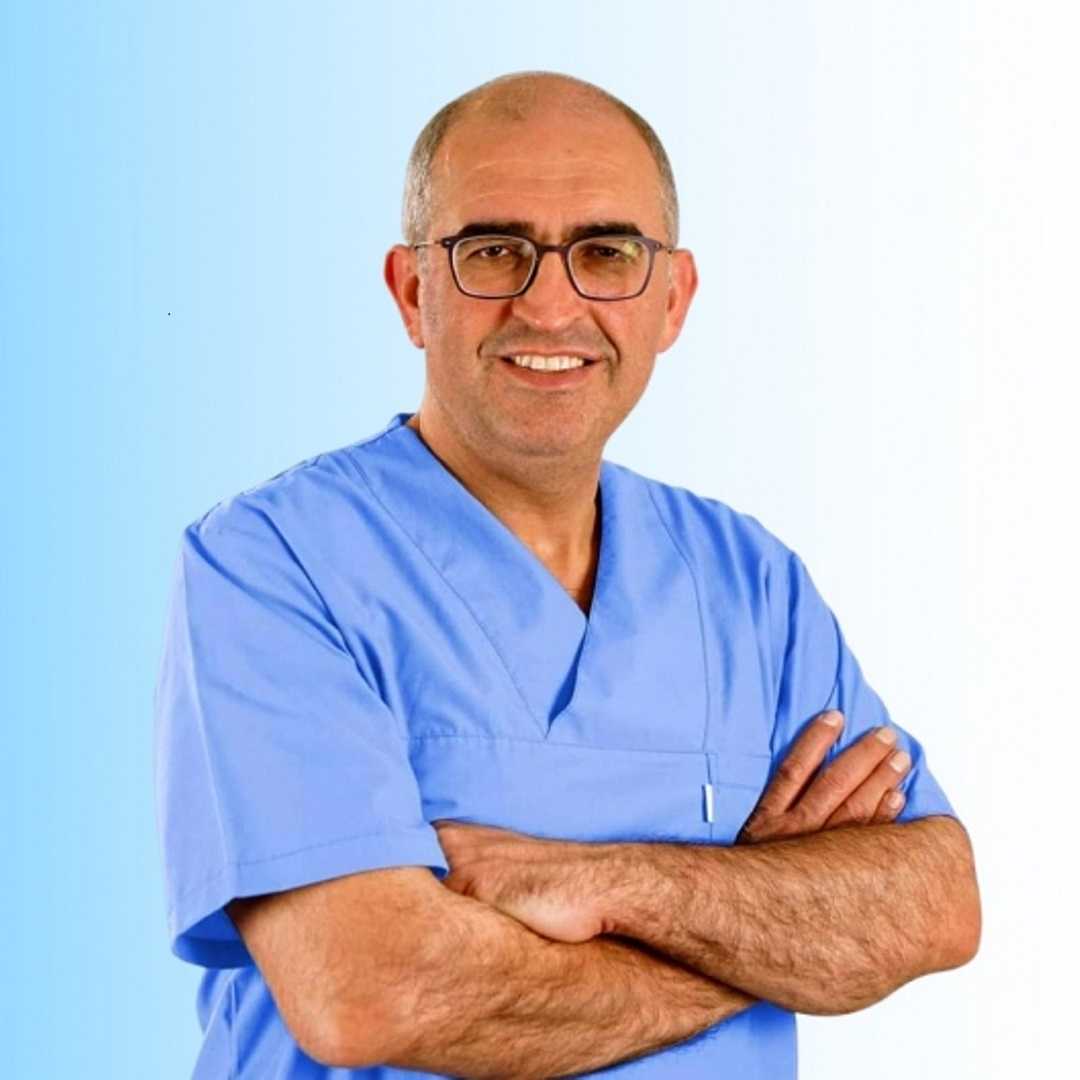
Op.Dr. Kayhan Turan
Turan Turan Robotic Surgery Center and Orthopedic Clinic
- Orthopedic surgeon
Istanbul, Turkey
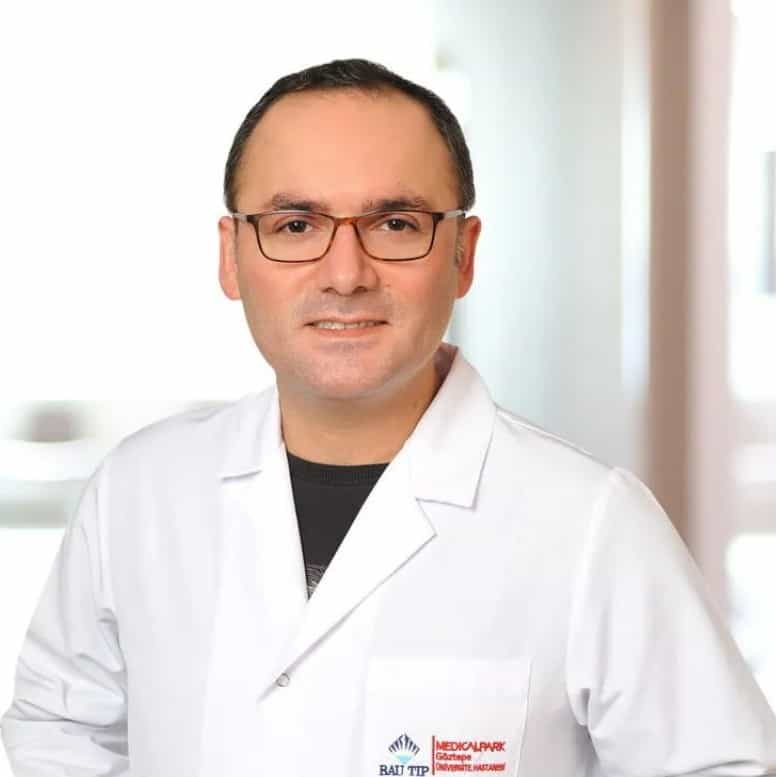
Abdulhamit Misir
Medical Park Hospitals Group in Istanbul, Turkey
- Orthopedic Surgeon
Istanbul, Turkey
Choosing Turkey for orthopedic interventions is a well-traveled pathway for citizens across the UK, Europe, North America, and the Middle East seeking reliable alternatives to high out-of-pocket costs. Positioned as a global aviation crossroad, major urban medical hubs like Istanbul, Ankara, and Izmir provide effortless access for international travelers. When arranging your medical journey while managing shoulder immobility, consider the following transit practicalities:
Keep in mind that recuperating from a joint replacement requires prioritizing physical rest and structured rehabilitation over heavy sightseeing or tourist activities.
Navigating major joint surgery overseas is a significant decision, but you do not have to handle the planning alone. From obtaining itemized medical estimations to verifying specialist credentials, PlacidWay assists you at every step to ensure a safe, health-focused experience. Ready to review your personalized quote for Shoulder Surgery in Turkey? Let us guide you forward.References








Share this listing