The estimated cost for All-on-6 dental implants in Thailand typically ranges from $7,500 to $12,000 per arch. Prices generally include the implants, abutments, and a temporary prosthesis. Final costs vary based on materials and individual dental needs.
Replacing a full arch of missing teeth is a significant medical and financial decision. For those looking at options abroad, All-on-6 dental implants in Thailand have become a common consideration. This procedure aims to restore oral function and aesthetics by anchoring a complete dental bridge onto six strategically placed titanium posts. While the prospect of combining a vacation with dental care appeals to many, it requires careful planning, a clear understanding of the medical realities, and realistic expectations regarding costs and recovery.
Navigating the landscape of medical tourism in Thailand means looking beyond just the price tag. You must factor in travel logistics, the necessity of follow-up care, and your own physical suitability for major oral surgery. This guide breaks down what patients typically need to know before booking a consultation.
Key Takeaways
The estimated price for a single arch (upper or lower) typically falls between $7,500 and $12,000.
Treatment usually requires at least two separate trips spaced three to six months apart.
Not everyone is a candidate; bone density and overall health play a major role in eligibility.
Risks include infection, implant failure, and complications adjusting to the new prosthesis.
Establishing local dental care in your home country is vital for long-term maintenance and managing potential issues.
What exactly is the All-on-6 dental implant procedure?
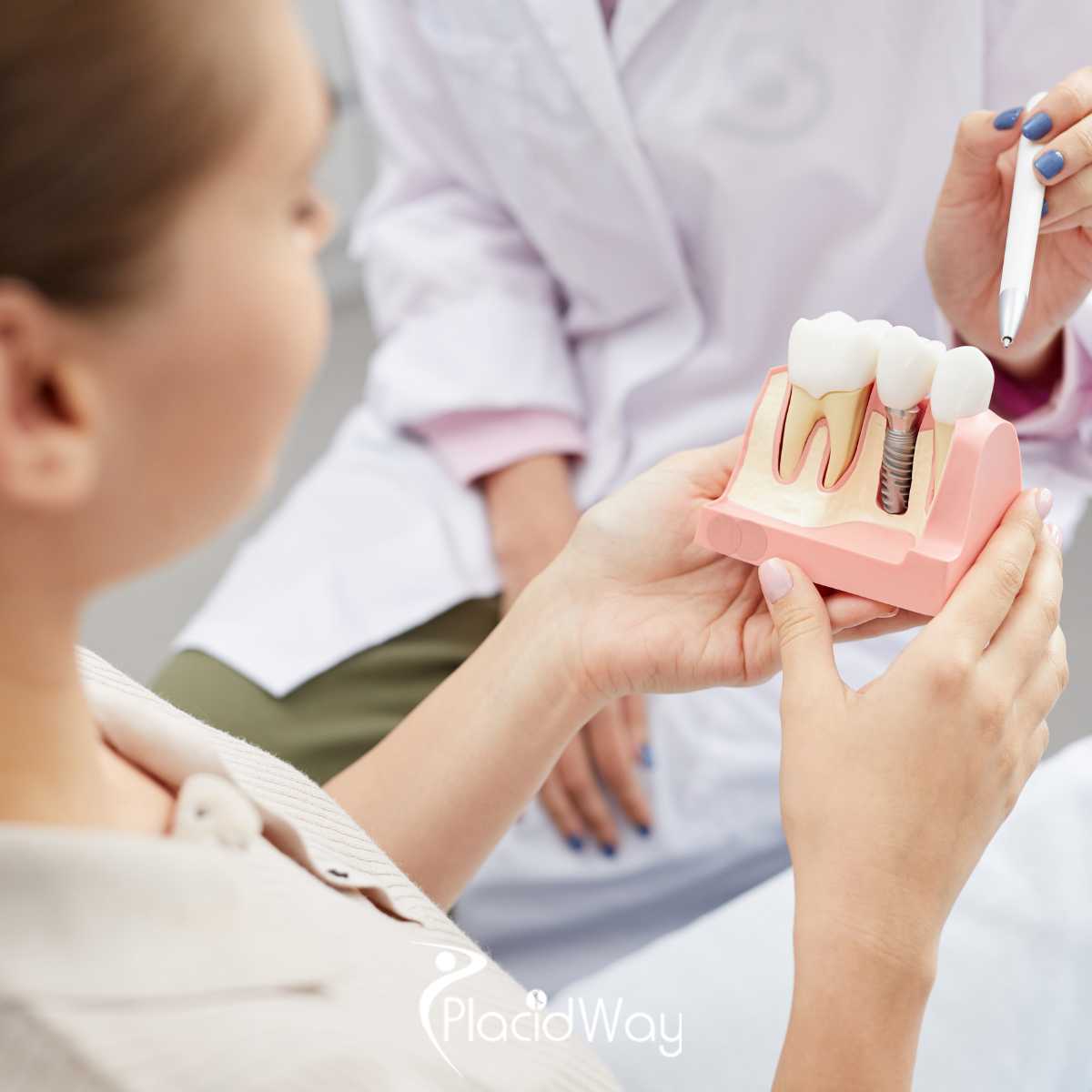
The All-on-6 procedure is a surgical method that uses six titanium implants to support a permanent, full-arch dental bridge. These implants act as artificial roots fixed directly into the jawbone.
When a patient has lost all or most of their teeth in a single arch, traditional dentures are not the only option. The All-on-6 approach offers a fixed alternative. During the surgery, a dentist places six small titanium posts into the jaw. These posts are distributed to maximize support and stability, distributing the biting force evenly across the bone.
Following the placement of the implants, a temporary set of teeth is usually attached so you do not leave the clinic without a smile. The permanent prosthesis is only crafted and attached after the bone has fully healed and fused with the titanium posts, a biological process known as osseointegration. This ensures the implants are strong enough to withstand the pressures of daily chewing.
What factors affect the All-on-6 dental implants cost in Thailand?
The final price varies widely depending on the materials used for the final bridge, the need for preparatory surgeries, and the specific fees of the clinic you choose.
While the baseline estimate gives you a starting point, several variables will influence the ultimate All-on-6 dental implants cost in Thailand:
Material of the Final Prosthesis: A bridge made from standard acrylic with denture teeth is generally less expensive than one milled from a solid block of zirconia or layered with high-end porcelain.
Preparatory Procedures: If you require tooth extractions, sinus lifts, or bone grafting to create a stable foundation for the implants, these will add to the overall cost.
Diagnostic Imaging: Comprehensive 3D CBCT scans and surgical guides are essential for safe placement and may carry separate fees.
Implant Brands: Premium, globally recognized implant brands tend to be more expensive than standard alternatives, though they often come with more robust clinical data.
Medications and Sedation: The type of anesthesia or sedation you opt for during the surgery will impact the final bill.
Am I a suitable candidate for this type of full-arch restoration?
Candidacy relies heavily on having sufficient jawbone density, good general health, and a commitment to strict oral hygiene. A thorough clinical evaluation is necessary to determine if you can safely undergo the surgery.
Not everyone with missing teeth is an immediate candidate for six implants. Because the procedure involves invasive surgery, your overall physical health is a primary consideration. Conditions that impair healing, such as uncontrolled diabetes, autoimmune disorders, or a history of radiation therapy to the head and neck, may complicate or contraindicate the procedure.
Additionally, bone volume is critical. When teeth are missing for a long time, the jawbone tends to shrink. If the bone is too thin or soft, it cannot securely hold the implants. In some cases, bone grafting can rebuild the area, but this extends the treatment timeline. A qualified dental professional will need to review your 3D scans and medical history before confirming your eligibility.
Important Consideration:
Smoking severely restricts blood flow to the gums, which can hinder healing and significantly increase the chances of the implants failing to integrate with the bone. Patients are typically advised to stop smoking well before surgery and throughout the recovery phase.
What are the potential risks and complications of All-on-6 surgery?
As with any oral surgery, risks include localized infection, nerve damage, sinus issues, and the possibility that the implant may not successfully fuse with the jawbone.
It is crucial to approach dental implants with a clear understanding of the risks. While success rates are generally high for suitable candidates, complications can and do occur. Understanding these risks helps you make an informed decision and recognize when to seek medical help.
Infection: The surgical site can become infected, requiring antibiotics or, in severe cases, removal of the implant.
Implant Failure: Sometimes, osseointegration does not occur. The implant remains loose and must be extracted.
Nerve Injury: If an implant in the lower jaw is placed too close to a nerve, it can cause pain, numbness, or tingling in the lips, chin, or tongue. This can be temporary or permanent.
Sinus Complications: Implants placed in the upper jaw can occasionally protrude into the sinus cavities, leading to inflammation or infection.
Prosthetic Issues: The bridge itself may chip, wear down over time, or feel bulky as you adjust to speaking and eating with it.
How many trips to Thailand are usually required for the complete procedure?
Patients should expect to make at least two separate trips to Thailand, usually spaced three to six months apart, to allow for proper bone healing before the final bridge is attached.
The timeline for full-arch restoration is phased. During your first trip, the primary focus is diagnostic testing, possible extractions, and the surgical insertion of the implants. You will likely spend one to two weeks in the country so the dentist can remove sutures and ensure initial healing is progressing normally. You will typically return home with a temporary prosthesis.
The second trip takes place only after osseointegration is complete. This healing phase cannot be rushed, as the stability of your permanent teeth depends on it. During the return visit, the dentist will take new impressions, design your permanent bridge, and secure it to the implants. This second trip may also require a stay of a week or more while the final prosthetics are fabricated in the laboratory and adjusted for a proper bite.
Treatment Phase
Typical Timeframe
Primary Focus
Trip 1 (Surgery)
7 - 14 Days
Consultation, extractions, implant placement, fitting of temporary teeth.
Healing Period at Home
3 - 6 Months
Osseointegration, maintaining a soft diet, gentle oral hygiene.
Trip 2 (Final Placement)
7 - 14 Days
Impressions, crafting the permanent bridge, fitting, and bite adjustments.
What is the typical recovery process after getting All-on-6 implants?
Initial recovery involves managing swelling, bruising, and discomfort for a few weeks, followed by several months of following a strict soft-food diet to protect the healing implants.
Immediately after the surgery, it is normal to experience localized pain, facial swelling, and minor bleeding. Dentists typically provide pain management protocols and antibiotics to minimize discomfort and prevent infection. Resting and keeping your head elevated can help reduce swelling during the first few days.
Perhaps the most challenging part of recovery is the dietary restriction. While the implants are integrating with the bone, they are vulnerable to excessive force. Chewing hard or crunchy foods too soon can disrupt the healing process and cause the implants to fail. Patients must stick to soft foods, such as smoothies, mashed vegetables, and scrambled eggs, until their dentist clears them to resume a normal diet.
Are there alternatives to the All-on-6 approach?
Yes, patients may consider traditional dentures, implant-supported overdentures that snap in and out, or the All-on-4 method depending on their clinical needs and budget.
If the cost or physical demands of six implants are not feasible, alternative treatments can also restore function and appearance. Discussing these options during your consultation ensures you choose the treatment best suited to your lifestyle.
All-on-4 Implants: Similar to the All-on-6, but uses only four posts. The posterior implants are often angled to utilize available bone, which may sometimes reduce the need for bone grafting.
Implant-Supported Overdentures: Uses two to four implants to anchor a removable denture. This provides more stability than traditional dentures but still requires you to take the teeth out for cleaning.
Traditional Removable Dentures: The most economical option, requiring no surgery. However, they rely on suction or adhesives, which can affect speaking, eating, and long-term bone retention.
How do I evaluate an All-on-6 dental implants clinic in Thailand?
Evaluating an All-on-6 dental implants clinic in Thailand requires verifying the dentist's credentials, reviewing the clinic's safety protocols, and ensuring clear communication.
Choosing where to undergo major dental surgery is a critical safety step. Look for facilities that prioritize patient safety and adhere to international sterilization standards. It is often helpful to inquire about the specific imaging technology they use, as 3D CBCT scanners are generally considered standard for complex implant planning.
Additionally, focus on the qualifications of the dental team. Oral surgery and prosthodontics are specialized fields. Don't hesitate to ask about the dentist's training, how often they perform full-arch restorations, and whether they can clearly explain both the benefits and the potential risks in a language you fully understand. Clear communication is essential for obtaining informed consent and managing your care effectively.
What should I plan for regarding travel and medical tourism in Thailand?
Planning for medical tourism requires coordinating your treatment schedule with visa requirements, arranging comfortable accommodations near the clinic, and allowing adequate downtime for recovery.
Combining surgery with travel can be physically demanding. While it is tempting to plan a busy vacation, your primary focus must be your health. In the days following your implant placement, you will likely feel tired, swollen, and in need of rest. It is wise to avoid strenuous activities, heavy lifting, or spending long hours in the hot sun.
When organizing your trip, ensure your visa covers the entire duration of your expected stay, plus a few extra days in case your dentist needs to monitor your healing longer than anticipated. Choose accommodations that offer access to soft foods and a quiet environment, and keep the contact information for your clinic easily accessible in case of sudden pain or bleeding.
What kind of aftercare and local follow-up will I need back home?
Long-term success requires excellent daily oral hygiene and establishing a relationship with a local dentist in your home country for routine check-ups and maintenance of your implants.
Receiving treatment abroad does not end your need for dental care. Implants require just as much, if not more, maintenance than natural teeth to prevent peri-implantitis—a form of gum disease that can destroy the bone supporting the titanium posts. You must commit to diligent brushing, using specialized floss or water flossers, and monitoring your gums for redness or swelling.
Before leaving Thailand, request a comprehensive copy of your medical records. This should include X-rays, surgical notes, and the exact specifications (brand, size, and model) of the implants and abutments used. Having this information is vital for your local dentist, who will be responsible for your ongoing professional cleanings and addressing any minor adjustments or complications that arise in the future.
Why Choose PlacidWay for Medical Tourism in Thailand?
Researching medical options abroad can be overwhelming. PlacidWay serves as a global medical tourism directory, helping patients navigate their options when looking for treatments like dental implants. Here are a few ways the platform can assist your search:
Extensive Directory: PlacidWay provides access to a wide network of international dental clinics, making it easier to see what is available in various regions.
Information Gathering: The platform allows you to request specific details about clinic facilities, technology, and estimated pricing before committing to a consultation.
Direct Connections: Patients can use the service to open lines of communication directly with medical providers to ask specific clinical questions.
Provider Profiles: You can review the listed credentials, spoken languages, and professional backgrounds of the dental teams.
Educational Resources: PlacidWay offers articles and guides to help patients better understand the complexities of receiving medical care outside their home country.
Frequently Asked Questions
How long do All-on-6 implants take to heal?
The initial soft tissue healing takes about one to two weeks. However, the critical process of osseointegration, where the implants fuse with your jawbone, typically takes three to six months before they can support the final permanent prosthesis.
Will I have teeth during the healing phase in Thailand?
Yes, in most cases, a temporary denture or provisional bridge is placed shortly after the surgery. This allows you to eat soft foods and maintain a normal appearance while waiting for your permanent teeth to be manufactured and your bone to heal.
Is bone grafting always required for All-on-6?
No, bone grafting is not universally required. The All-on-6 technique is designed to maximize existing bone. However, if bone loss in your jaw is significant, a graft may be necessary to ensure the implants have a stable foundation.
Can I fly immediately after dental implant surgery?
Dentists generally advise against flying for at least a few days after complex oral surgery. Changes in cabin pressure can increase discomfort, bleeding, or swelling, particularly if your procedure involved the upper jaw or sinus area.
What materials are used for the final prosthesis in Thailand?
Prosthetics are typically made from highly durable materials such as zirconia, porcelain fused to metal, or specialized acrylics on a titanium framework. The choice of material often impacts the final cost and overall longevity of the restoration.
How do I maintain my new implants once I return home?
Maintenance requires daily brushing, flossing with specialized tools like a water flosser, and routine professional cleanings. You will need to establish a relationship with a local dentist to monitor the health of your gums and the integrity of the bridge.
Can smokers get All-on-6 dental implants?
While smoking does not automatically disqualify you, it significantly increases the risk of implant failure and slows down healing. Most dental professionals strongly recommend quitting smoking several weeks before and after the procedure.
What happens if an implant fails after I leave Thailand?
If an implant fails, it usually needs to be removed, followed by a healing period and potentially a bone graft before a replacement can be attempted. You will need to discuss with your treating clinic how they handle complications and whether you need to return for revision.
Do local clinics in my home country provide maintenance for international implants?
Many local dentists are willing to clean and monitor implants placed abroad, provided they have the right tools and information. It is highly recommended to obtain your full dental records, including the specific brand and size of the implants used, before returning home.
Are medications available in Thailand the same as in my home country?
Thailand has a well-regulated pharmaceutical system, and most standard antibiotics and pain relievers are readily available, though they may be sold under different brand names. Always inform your treating dentist of any allergies or medications you are currently taking.
Compare Treatment Options
Gather the information you need to make an informed decision about your dental care abroad. Connect with providers to discuss your specific needs.
Request Treatment Information
References
Dental Implants: What You Should Know – U.S. Food and Drug Administration (FDA)
Dental Implant Surgery: Risks and What You Can Expect – Mayo Clinic
Dental Implants Guidelines – American College of Prosthodontists
Medical Tourism: Travel Health Guidance – Centers for Disease Control and Prevention (CDC)
Implants Overview and Aftercare – American Dental Association (ADA)
Osseointegration and Dental Implants – National Institutes of Health (NIH) / PubMed
Medical Disclaimer: The information provided in this article is for educational and informational purposes only and does not constitute medical advice. Treatment outcomes, recovery times, and costs vary significantly based on individual medical history, bone density, and compliance with aftercare. Not all patients are candidates for All-on-6 dental implants. Always seek the advice of a qualified healthcare provider or specialized dentist regarding any questions you may have about a medical or dental condition. Never disregard professional medical advice or delay seeking it because of something you have read here.


























Share this listing