

Contents
Spain can feel like an easy medical trip, especially if you are travelling from the UK, Ireland or elsewhere in Europe. But familiar airports and Mediterranean weather do not make surgery a holiday. If you are coming from North America or farther away, recovery time and the return flight matter even more. Before comparing prices, confirm the actual facility where surgery will take place. Spain's REGCESS register includes public and private healthcare centres, using information supplied by regional health authorities. Check the doctor's legal registration through the CGCOM register and ask for the official specialist qualification relevant to plastic, reconstructive and aesthetic surgery. Then compare the options below on verifiable details rather than labels such as “premium,” “certified,” or “best.”
A package can make the bill easier to read—or hide what you will eventually pay. Ask for a written breakdown showing the surgeon, anesthesiologist, operating facility, pre-operative tests, implants or devices when relevant, hospital stay, medication, garments and follow-up.
Accommodation and transfers should be separated from medical care so you can see what you are actually comparing. EU cross-border healthcare guidance says providers should give patients treatment prices before care and a clear invoice afterward Individual packages can also carry different starting prices and inclusions. Compare the packages below line by line, not by the headline amount.
.png)
Price starting from $5,560
Best Rhinoplasty Surgery at Teknon Medical Center in Barcelona, Spain
Teknon Medical Center in Barcelona, Spain
- Cosmetic/Plastic Surgery
Barcelona, Spain

Price starting from $7,130
Burn Correction at Quironsalud University Hospital in Madrid, Spain
Quironsalud University Hospital Madrid
- Cosmetic/Plastic Surgery
Madrid, Spain
.png)
Price starting from $5,560
Teknon Medical Center- Best Liposuction Package in Barcelona, Spain
Teknon Medical Center in Barcelona, Spain
- Cosmetic/Plastic Surgery
Barcelona, Spain
Current planning figures put breast augmentation at roughly $5,000–$7,500, rhinoplasty at $5,500–$7,130, multi-area liposuction at $4,500–$6,500, facelift with neck lift at $8,500–$11,000, and combined mommy makeover procedures at approximately $10,500–$14,000.
These are comparison ranges, not guaranteed quotes. Specific package cards may start below a broader planning range because the provider, procedure scope and inclusions differ. If a Spanish quote looks cheaper than care at home, add travel, accommodation, follow-up and possible return visits before calculating any saving. NHS guidance specifically advises weighing lower overseas prices against risks and aftercare costs.
Cosmetic/Plastic Surgery Cost Comparison in Spain
| Country | Procedure | Price |
|---|---|---|
| United Kingdom | Nose Surgery Rhinoplasty, Cosmetic/Plastic Surgery | $7000 |
| United States | Vaginoplasty, Cosmetic/Plastic Surgery | $8000 |
Start with the operating address, not the clinic's photos. Ask for the legal name of the hospital or surgical centre where your procedure will actually take place, then check it in Spain's REGCESS register.
REGCESS information comes from healthcare-centre registers maintained by Spain's regional authorities, so it is more useful than a vague claim that a facility is “Ministry certified.” Ask which surgical services the facility is authorized to provide, who supplies anesthesia, how an emergency is handled, whether overnight monitoring is available when needed, and who manages complications after discharge. Use those checks when comparing the clinics below.

Teknon Medical Center in Barcelona, Spain
Barcelona, Spain

Quironsalud University Hospital Madrid
Madrid, Spain

Miranza Cl
Tenerife, Spain
Clinica Opcion Medica - Bariatric & Plastic Surgery in Spain
Barcelona, Spain
A video can show how a surgeon explains a procedure. It cannot prove that a clinic is authorized, that a doctor holds the right specialist qualification, or that your result will look like someone else's.
Pay more attention to videos discussing consultation, anesthesia, scars, limitations, risks, recovery and follow-up than dramatic before-and-after edits. Spain's patient-autonomy law requires patients to receive information about the nature, purpose, risks and consequences of an intervention, with written informed consent required for surgery. Watch the videos below for context, then confirm important details directly with your surgeon.
“Everyone was lovely” may describe the experience, but it tells you very little about the operation. Look for reviews that explain the consultation, communication with the surgeon, pain management, discharge instructions, follow-up and what happened when the patient had a concern.
Separate comments about hotels, transport and reception staff from comments about medical care. Results also depend on anatomy, procedure choice and healing, so another patient's outcome cannot predict yours. Reviews are most useful for spotting repeated patterns. Compare the feedback below alongside registration, facility authorization, the surgical plan and aftercare arrangements.

It depends on the procedure. Current planning ranges include about $5,000–$7,500 for breast augmentation, $5,500–$7,130 for rhinoplasty, $4,500–$6,500 for multi-area liposuction and $8,500–$11,000 for facelift with neck lift. Your final quote should follow an individual medical assessment.
Ask for the exact legal name and address of the facility where surgery will occur and search for it through Spain's REGCESS system. The Ministry of Health explains that REGCESS includes information on public and private healthcare providers and receives its centre data from regional health authorities.
Request the doctor's full legal name and registration number and check the CGCOM public register. CGCOM states that medical registration is compulsory for professional practice in Spain. Also ask for evidence of the official specialist qualification relevant to the surgery being offered.
No country can make surgery risk-free. Your risk depends on your health, the procedure, surgeon qualifications, anesthesia, operating facility and postoperative care. NHS guidance on cosmetic surgery abroad also stresses that complications can happen after surgery at home or overseas. Verify each surgeon and facility individually.
There is no universal package format. Ask whether the written quote covers the surgeon, anesthesia, operating facility, medical tests, implants or devices when relevant, hospital stay, medication, garments and follow-up. Accommodation and transport may be separate. Ask for exclusions and possible additional charges before comparing packages.
There is no medically “best” city for every patient. Madrid and Barcelona may simplify international travel, while other Spanish cities or regions may have surgeons relevant to a particular procedure. Compare the surgeon and operating facility first, then consider flights, accommodation, postoperative appointments and access to medical care.
There is no single safe stay for every operation. Your surgeon should base the recommendation on the procedure, your medical history, early healing and the length of your journey home. Build enough time into the trip for the planned postoperative examinations rather than choosing your departure date only around airfare.
Your surgeon should clear you to fly. CDC medical-tourism guidance says flying after surgery can increase blood-clot risk and advises delaying air travel for about 10–14 days after major operations, particularly those involving the chest. Your individual recommendation may differ.
It depends on your nationality and immigration status. Travellers from countries requiring a Schengen visa must follow the applicable short-stay visa process. Visa-exempt travellers should also check current EU entry-system requirements before departure because these rules are changing during 2026.
Sometimes, but the decision should be medical rather than financial. Combining operations can change anesthesia time, mobility, recovery demands and overall surgical risk. Your surgeon should explain whether the proposed combination is appropriate for your health and whether staging the procedures would be a reasonable alternative.
Ask before surgery who provides urgent advice, whether remote review is available, what the revision policy covers and which costs remain yours. CDC guidance notes that medical tourists may require treatment after returning home and that complication care can be prolonged and expensive.
Do not assume that planned treatment in Spain will be reimbursed. EU rules depend on whether the treatment is covered by your home healthcare system and whether prior authorization is required. The European Commission recommends checking with your home country's National Contact Point before arranging treatment abroad.
How much does plastic surgery cost in Spain?
How can I check whether a plastic surgery clinic in Spain is authorized?
How do I verify a plastic surgeon in Spain?
Is plastic surgery in Spain safe?
What should a plastic surgery package in Spain include?
Which city in Spain is best for plastic surgery?
How long should I stay in Spain after plastic surgery?
When can I fly after plastic surgery in Spain?
Do I need a visa to travel to Spain for plastic surgery?
Can I combine several plastic surgery procedures during one trip to Spain?
What happens if I develop a complication after returning home?
Can EU patients claim reimbursement for surgery in Spain?
Ask for the surgeon's full legal name and registration number before paying a deposit. Spain's CGCOM states that medical registration is compulsory for professional practice and provides a public register of doctors authorized to practise.
Then confirm the doctor's specialist qualification rather than treating a society logo or the phrase “cosmetic surgeon” as proof of training. Spanish law regulates official medical and specialist qualifications. Ask how the surgeon approaches your specific procedure, who manages anesthesia, what alternatives exist, how complications are handled, and what the revision policy covers. Compare the surgeons below using those questions.
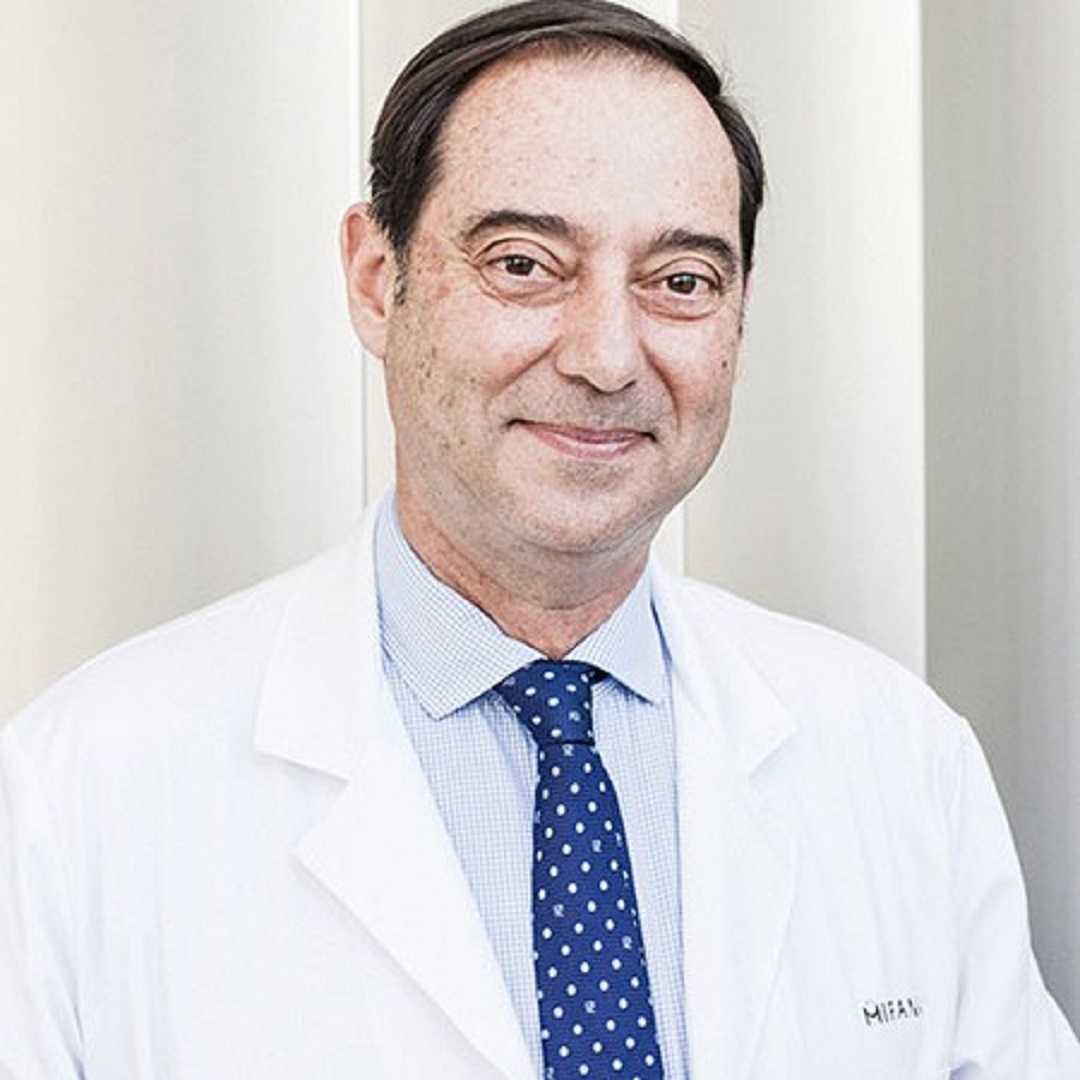
Dr. Jose Albetro Muinos – Best Plastic Surgeon in Spain
Miranza Clínica Muiños
- Plastic Surgeon
Santa Cruz de Tenerife, Spain
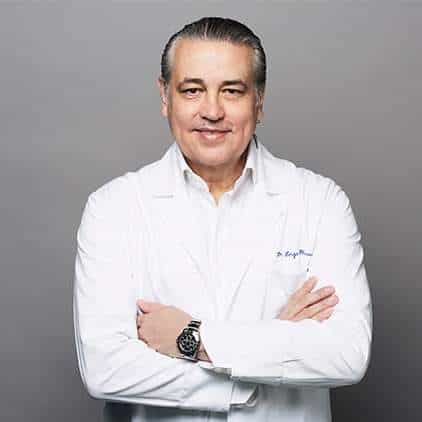
Dr. Jorge Planas
Clinica Planas - Plastic Surgery in Barcelona Spain
- Plastic Surgeon
Barcelona, Spain
Spain gives medical travellers several possible bases rather than one single cosmetic-surgery hub. Madrid and Barcelona are practical cities to compare when international flight access matters, while patients may also find providers in southern Spain, coastal areas and the islands. The medically sensible location is the one that keeps you reasonably close to your surgical team during early recovery. If you are travelling from the UK, Ireland, France, Germany or elsewhere in Europe, the flight may be relatively short, but that does not remove post-operative travel risk. Patients coming from the United States, Canada or other long-haul markets should pay particular attention to the time between surgery and the return flight. Surgery and prolonged travel can both affect blood-clot risk. CDC medical-tourism guidance states that flying after surgery can increase the risk of deep vein thrombosis and advises delaying air travel for approximately 10–14 days after major surgery, particularly surgery involving the chest. That is general guidance, not an automatic clearance date. Your surgeon should decide when you are fit to fly based on the operation, your medical history, mobility and recovery. Spain is part of the Schengen Area. For travellers who require a Schengen short-stay visa, the general short-stay framework allows visits of up to 90 days within a 180-day period; visa requirements depend on nationality and individual circumstances.
Travel Situation
What to Plan Before Surgery
Travelling from Europe
Compare direct routes, leave time for an in-person pre-operative assessment, and do not assume a short flight means you can leave immediately after surgery.
Travelling from the UK
Check current Schengen entry rules, travel insurance exclusions, expected follow-up and how complications would be managed after you return home.
Travelling from the US or Canada
Build enough recovery time into the itinerary for a long return journey and avoid booking a non-changeable flight before receiving postoperative guidance.
Considering an island or coastal clinic
Check connecting flights and how quickly you could reach your operating facility or an appropriate hospital if a postoperative concern develops.
Flying After Plastic Surgery
Practical Recovery Checklist
Spain Visa and EU Travel Rules
If Spain is on your shortlist, compare procedure-specific quotes rather than choosing from a country-wide starting price. Check the surgeon's registration, confirm the actual operating facility, review every package inclusion and ask how follow-up will work after you return home. A useful quote should make the medical plan easier to understand—not simply make the price look attractive. Medical Disclaimer: This content is provided for patient education and treatment comparison. It does not replace medical advice, diagnosis, an individual surgical consultation or personalized clearance for travel. Plastic surgery carries risks, and procedure suitability, recovery time, complication risk and final cost vary by patient, surgeon and facility.Compare Your Plastic Surgery Options in Spain
References



.png)


.png)




.jpg)

.jpg)
.jpg)









Share this listing