Eyelid Surgery in Thailand

Publish date: Modified date: Medically reviewed by: Dr. Lorenzo Halverson on Sep 04, 2026 Author: Amelia Pricilia

Experience Price

$1,200 Price starting from
Eyelid Surgery in Thailand

Contents

When your eyes look tired before your day has even started, the question is usually not simply “Where is surgery cheaper?” It is “Which option fits my eyelids, my health, and my travel plans?” Eyelid surgery in Thailand, also called blepharoplasty, may involve the upper lids, lower lids, both, or a double-eyelid technique. Patients from several regions compare Thailand because Bangkok offers different procedure and facility options.

Published prices vary considerably. Current procedure-specific comparison ranges are about $800–$1,500 for upper blepharoplasty, $900–$1,800 for lower blepharoplasty, $1,000–$2,200 for Asian double-eyelid surgery, and $1,600–$3,000 for combined upper and lower surgery. These are not interchangeable quotes: technique, anesthesia, facility, tests, medicines, follow-up, and revision planning can change the total.

Before comparing, verify the facility’s current Thai license, the surgeon’s active Medical Council registration, and any claimed Healthcare Accreditation Institute status. Confirm the certificate belongs to the same facility and is current. Then compare the options below by treatment, provider, price, and aftercare.

Current published procedure ranges are about $800–$1,500 for upper blepharoplasty, $900–$1,800 for lower blepharoplasty, $1,000–$2,200 for Asian double-eyelid surgery, and $1,600–$3,000 for combined upper and lower surgery. Prices can change and should be confirmed in writing after a medical review.

Ask whether the quote covers the surgeon, anesthesia, operating room, tests, medicines, follow-up, and stitch removal. Budget separately for flights, accommodation, transport, meals, insurance, and treatment of an unexpected complication. Compare the package details below, not just the headline number, before deciding which option fits.

Prices checked September 4, 2026. Currency values and provider quotes may change.

`

One of the primary drivers for medical tourism to Thailand is the exceptional cost-to-quality ratio. The table below outlines the average price ranges for upper, lower, and double eyelid surgeries in Thailand compared to Western nations. While significantly more affordable, these prices reflect high-standard medical care. Reviewing this data will help you estimate your potential savings, which can often cover the cost of your flights and a luxury holiday combined.

Tip: Prices can vary based on whether you require local or general anesthesia and the specific technique used.

Eyelid Surgery Centers Cost Comparison in Thailand

Provider Procedure Price
Dr. Siripong Plastic Surgery in Thailand Eyelid Surgery, Cosmetic/Plastic Surgery $1500
DGB Plastic Surgery Clinic Eyelid Surgery, Cosmetic/Plastic Surgery $550
Reals Aesthetic Center Eyelid Surgery, Cosmetic/Plastic Surgery $1800
Asia Cosmetic Hospital Eyelid Surgery, Cosmetic/Plastic Surgery $1550
Bangkok Plastic Surgery Clinic Eyelid Surgery, Cosmetic/Plastic Surgery $1500
Capturing Beauty at The Klinique Surgery Center in Thailand Eyelid Surgery, Cosmetic/Plastic Surgery $980

Eyelid Surgery Cost Comparison in Thailand

Country Procedure Price
Canada Eyelid Surgery, Cosmetic/Plastic Surgery $2591
Spain Eyelid Surgery, Cosmetic/Plastic Surgery $2812
United States Eyelid Surgery, Cosmetic/Plastic Surgery $8000

A polished website can tell you what a clinic wants to sell; a useful comparison tells you where surgery will happen, who will perform it, and what happens if healing is difficult. Check the facility license, operating location, emergency arrangements, infection-control information, and written aftercare plan. Look for current Thai accreditation when claimed; JCI does not replace local licensing checks.

The options below are for comparison, not a ranking or certification. Check the facility type, operating address, license, accreditation, named surgeon, and emergency arrangements in writing. Verify those details before choosing an option.

Videos are useful when they show the consultation, surgical setting, recovery instructions, or a patient’s experience over time. They can help you compare explanations of upper, lower, double-eyelid, and combined procedures, including anesthesia, incision placement, swelling, and follow-up. They cannot predict your result or prove that a technique suits your anatomy.

Check the date, clinic, surgeon, editing, sponsorship, and whether the result is early or final. Be cautious with before-and-after clips that omit lighting, camera angle, time since surgery, or additional procedures. Use the videos below to prepare questions for a consultation.

Reviews are most helpful when they describe the procedure, communication, discharge instructions, follow-up, and recovery rather than only saying that a clinic was “good.” Give more weight to recent, procedure-specific accounts and compare several sources. Reviews cannot confirm a surgeon’s license, facility accreditation, or likely outcome.

Look for repeated details: Was the final surgeon named before payment? Were extra fees explained? Could the patient reach the clinic after returning home? Do reviewers describe complications as well as uncomplicated recoveries? Use the review information below alongside credentials, a written quote, and your consultation notes.

How Much Does Eyelid Surgery Cost in Thailand?

Published examples vary by technique and provider. Current procedure ranges are about $800–$1,500 for upper blepharoplasty, $900–$1,800 for lower blepharoplasty, $1,000–$2,200 for Asian double-eyelid surgery, and $1,600–$3,000 for combined upper and lower surgery. Confirm the final quote and inclusions after consultation.

What Types of Eyelid Surgery Are Available in Thailand?

Thailand providers may offer upper blepharoplasty, lower blepharoplasty, combined upper and lower surgery, and double-eyelid procedures. The correct option depends on your eyelid skin, fat distribution, eye surface, brow position, and goals. A consultation should determine whether eyelid surgery alone is appropriate.

Is Bangkok a Good Place to Compare Eyelid Surgery in Thailand?

Bangkok is a practical place to compare because current package and hospital price examples are available there and it has two major international airports. The deciding factors should still be the named surgeon, licensed facility, procedure match, emergency plan, total cost, and follow-up access.

Are Eyelid Surgery Packages in Thailand All-Inclusive?

No. Inclusions differ. A package may cover the surgeon, facility, anesthesia, medicines, or follow-up, while flights, accommodation, transfers, tests, companion costs, and treatment of complications may be separate. Request a written breakdown before paying a deposit.

How Long Should I Stay in Thailand After Blepharoplasty?

Many international patients plan about 7 to 14 days, but there is no universal travel timetable. Your surgeon may want to see you early, remove sutures if needed, and assess swelling or wound healing before you fly. Combined or lower-eyelid surgery may require a longer plan.

When Can I Fly Home After Eyelid Surgery in Thailand?

Only the operating surgeon can clear you to fly. Flying too soon may be uncomfortable while swelling, bruising, dry eyes, or blurred vision are present, and you need a plan for follow-up. Ask when you can travel, who to contact during the flight period, and what to do if symptoms worsen after leaving Thailand.

How Do I Verify a Thai Eyelid Surgeon’s License?

Search the surgeon’s name through the Medical Council of Thailand’s official doctor-check service and confirm that the result is active. Ask the provider to identify the operating surgeon in writing. Also check specialty training, eyelid-specific experience, and the facility where surgery will occur.

Which Clinic Certificates Should I Check for Eyelid Surgery in Thailand?

First verify the facility’s current Thai license. Then check any claimed Healthcare Accreditation Institute or Thai Hospital Accreditation status, making sure the certificate matches the exact legal facility and date. JCI can be considered if genuinely held, but accreditation does not guarantee a cosmetic outcome.

What Are the Risks of Eyelid Surgery in Thailand?

Risks are not unique to Thailand and can include bleeding, infection, dry eye, temporary or persistent vision symptoms, difficulty closing the eyes, asymmetry, scarring, lower-lid malposition, and possible revision surgery. Ask how the provider prevents, recognizes, and treats complications both in Thailand and after you return home.

Is Eyelid Surgery in Thailand Performed Under Local or General Anesthesia?

It depends on the procedure and the surgeon’s plan. Published Thai provider information describes some upper-eyelid procedures under local anesthesia with sedation, while other cases may require a different approach. Ask who administers anesthesia, what monitoring is used, and whether the quoted price changes with sedation or general anesthesia.

Will Insurance Pay for Eyelid Surgery in Thailand?

Cosmetic blepharoplasty is commonly excluded from health insurance, but policies differ. If drooping eyelid skin affects vision, ask your insurer whether functional surgery is covered and what documentation is required. Travel insurance may also exclude planned treatment and related complications.

Can I Combine Upper and Lower Eyelid Surgery in Thailand?

Some surgeons perform combined upper and lower blepharoplasty, but it is not automatically the best choice. Combining procedures can affect anesthesia, cost, swelling, recovery, and risk. The surgeon should explain why each area needs treatment and whether staged surgery would be safer or more suitable.

How Long Does It Take to See the Result After Eyelid Surgery in Thailand?

Bruising and swelling often make the early result look unfinished. Many patients are more presentable after about 10 to 14 days, while scar maturation and final refinement can take longer. Your healing time depends on the technique, age, eye health, medications, smoking, and individual recovery.

What is the price for eyelid surgical procedure in Thailand?

The estimated price for an eyelid surgical procedure in Thailand typically ranges from $800 to $2,500. Costs vary based on whether you are having upper, lower, or double eyelid surgery, procedure complexity, and the surgeon's expertise. If you are researching the costs and logistics of cosmetic procedures abroad, understanding the landscape of eyelid surgery in Thailand is a helpful starting point. Also known as blepharoplasty, this procedure aims to address excess skin, muscle, or fat around the eyes. Because surgical techniques and patient anatomies vary, gathering accurate information about pricing, safety protocols, and realistic expectations is vital for making an informed medical decision. Key Takeaways The estimated price for blepharoplasty in Thailand ranges between $800 and $2,500. The procedure can target the upper eyelids, lower eyelids, or involve creating a double eyelid crease. Thorough medical evaluations are required to determine if you are a suitable candidate. Initial recovery usually takes 7 to 14 days, during which time patients should avoid strenuous activity. Any surgical intervention carries inherent risks, requiring careful consideration and consultation with qualified medical professionals. What exactly is an eyelid surgical procedure? Eyelid surgery, clinically known as blepharoplasty, is a medical procedure that involves removing or repositioning excess skin, muscle, and fat from the upper or lower eyelids. It is performed to address functional vision issues or for cosmetic enhancement. As we age, the delicate skin around our eyes loses elasticity, and the muscles that support our eyelids can weaken. This natural process may lead to a buildup of loose skin and fat accumulation above and below the eyelids. For some individuals, this results in drooping upper lids that can physically impair peripheral vision. For others, it creates under-eye bags or puffiness that they wish to address for aesthetic reasons. During the surgery, a medical professional makes precise incisions following the natural lines of your eyelids. Through these incisions, they separate the skin from the underlying tissue, remove or redistribute the targeted fat and muscle, and carefully close the cuts to minimize visible scarring. The specific techniques utilized depend entirely on your unique facial anatomy and the medical goals established during your consultation. What factors influence the eyelid surgery cost in Thailand? The overall financial investment depends on the specific type of surgery required, the type of anesthesia used, facility fees, and the level of experience of the operating surgeon. Additional medical tests and post-operative medications also contribute to the final price. When evaluating the eyelid surgery cost in Thailand, it helps to understand that the initial estimate may not cover every aspect of the medical journey. The complexity of the operation is the primary driver of cost. An isolated upper blepharoplasty generally costs less than a combination of upper and lower eyelid surgery. Furthermore, specialized procedures, such as revision surgery to correct previous outcomes, often require more extensive planning and surgical time, leading to higher fees. Beyond the surgical fee, patients must account for several other potential expenses. These typically include pre-operative blood tests, electrocardiograms (if required based on age or health), anesthesia fees (local versus general), facility operating room costs, and prescription medications for recovery. Traveling for medical care also means budgeting for airfare, accommodation, and daily living expenses while recuperating abroad. Important Consideration: Always request a detailed, itemized quote from your chosen facility to understand exactly what is—and isn't—included in the estimated price before making any financial commitments. What are the different types of blepharoplasty available? Surgeons generally perform three main types of eyelid surgeries: upper blepharoplasty, lower blepharoplasty, and double eyelid surgery. The appropriate technique is chosen based on a clinical assessment of your eye structure and functional needs. Upper Blepharoplasty: This targets the upper eyelid to remove redundant skin and fat that may be drooping over the eyelashes. It is frequently performed to improve vision obstructions or address a hooded eye appearance. Lower Blepharoplasty: Focused on the area beneath the eye, this approach aims to reduce puffiness, remove or reposition fat deposits (often referred to as "eye bags"), and smooth the transition between the lower eyelid and the cheek. Double Eyelid Surgery: Popular within Asian demographics, this specialized procedure creates a visible upper eyelid crease in individuals born without one (monolids). It requires precise techniques to ensure natural-looking facial harmony. Functional Blepharoplasty: A medically necessary variation where the primary goal is solely to restore a full field of vision by lifting severely ptotic (drooping) upper eyelids. Revision Blepharoplasty: A secondary surgery performed to correct functional issues or unsatisfactory aesthetic results from a previous eyelid procedure. How do I choose a safe eyelid surgery clinic in Thailand? Selecting a safe facility requires verifying the surgeon's medical board certifications, examining the clinic's international accreditations, and ensuring they have established protocols for handling potential surgical emergencies. When seeking an eyelid surgery clinic in Thailand, patient safety should always override cost considerations. Begin by researching the surgeon's credentials. They should be certified by recognized national or international plastic surgery boards. Furthermore, it is beneficial if they maintain memberships in reputable professional organizations, which often require adherence to strict ethical and safety standards. The medical facility itself should hold accreditations from respected bodies, such as the Joint Commission International (JCI). This indicates that the hospital or clinic undergoes regular audits for hygiene, patient care, and emergency response capabilities. During initial consultations, pay attention to how the medical staff communicates. A responsible surgeon will clearly explain the risks, ask detailed questions about your medical history, and avoid promising unrealistic outcomes. What are the potential risks and complications of eyelid surgery? Like all surgical procedures, blepharoplasty carries inherent risks, including infection, bleeding, dry eyes, difficulty closing the eyes, noticeable scarring, and in rare cases, changes in vision. A thorough medical evaluation helps minimize these risks. While blepharoplasty is commonly performed, it is a delicate surgery that alters the sensitive structures protecting your eyes. Short-term side effects typically include swelling, bruising, dry or irritated eyes, and temporary sensitivity to light. These are normal parts of the healing process and usually subside within a few weeks with proper care and medication. However, more serious complications can occur. These may include poor wound healing, asymmetry between the eyes, or ectropion (an outward rolling of the lower eyelid). If too much skin is removed, patients may experience difficulty closing their eyes completely, which can lead to severe corneal dryness. Infection or adverse reactions to anesthesia are also possible. It is critical to discuss all potential risks with a qualified healthcare provider prior to making a decision. How should patients prepare for eyelid surgery? Preparation involves undergoing comprehensive medical and eye examinations, adjusting current medications, avoiding blood-thinning supplements, and arranging for post-operative support, including transportation and an appropriate recovery environment. Medical Evaluation: You will likely need a physical exam and vision test. Your doctor may also measure your tear production to ensure you do not have severe dry eye syndrome, which can complicate recovery. Medication Adjustments: Surgeons typically require patients to stop taking aspirin, ibuprofen, certain herbal supplements, and other medications that can increase bleeding risks at least two weeks before surgery. Smoking Cessation: Nicotine restricts blood flow, significantly impairing wound healing and increasing the risk of complications. Patients are strongly advised to stop smoking well in advance of the procedure. Travel Logistics: If traveling abroad, coordinate your flights to allow ample rest before the surgery and plan your accommodation so that you have a clean, comfortable, and stress-free environment for recovery. Post-Op Supplies: Arrange to have items like dark sunglasses, prescribed eye drops, cold compresses, and easy-to-prepare meals ready before you head into surgery. What does the typical recovery process look like? Initial recovery from eyelid surgery usually spans 7 to 14 days. During this period, patients can expect swelling and bruising, which gradually subside, while full healing of the incision lines may take several months. Immediately following the procedure, your vision may be temporarily blurred due to lubricating ointments applied to your eyes. Swelling and bruising around the eyes are most pronounced during the first 48 hours. Patients are usually instructed to keep their head elevated, even while sleeping, and to gently apply cold compresses to manage inflammation. Pain is generally mild to moderate and can be controlled with medications prescribed by the surgeon. Stitches are typically removed between 5 and 7 days after the surgery. While most people feel ready to return to light, non-strenuous work after 10 to 14 days, you must avoid heavy lifting, vigorous exercise, and activities that increase blood pressure for several weeks. Wearing dark sunglasses is vital to protect the healing incisions from sun and wind exposure. Final results become more apparent as the residual swelling fully dissipates over the course of a few months. Am I a good candidate for eyelid surgery? Ideal candidates are generally healthy adults without serious eye conditions, who have realistic expectations about the outcomes, and do not suffer from medical issues that impair wound healing or significantly increase surgical risks. Suitability for blepharoplasty cannot be determined without a professional medical assessment. Individuals who smoke, have poorly controlled diabetes, or suffer from severe cardiovascular diseases may face elevated risks and might not be considered safe candidates. Additionally, pre-existing eye conditions—such as glaucoma, severe dry eye, or detached retinas—require clearance from an ophthalmologist before considering cosmetic eyelid surgery. Psychological readiness is equally important. Candidates should have a clear understanding that while surgery can enhance appearance and occasionally improve functional vision, it will not drastically alter underlying facial structure or halt the natural aging process. Open and honest communication with a board-certified professional is the only way to accurately evaluate your candidacy. Why is medical tourism in Thailand popular for cosmetic procedures? Thailand has developed a robust healthcare infrastructure focused on international patients, combining modern medical facilities, experienced physicians, and competitive pricing models compared to many Western healthcare systems. The rise of medical tourism in Thailand is largely due to the country's proactive approach to international healthcare standards. Many of the major hospitals situated in urban centers are equipped with modern surgical technology and staff who frequently train internationally. This allows them to offer specialized procedures, like complex blepharoplasty, in environments designed specifically to accommodate patients from abroad. Cost discrepancy is another significant factor. Differences in labor costs, administrative overhead, and facility fees often result in lower total estimates for patients traveling from regions with high healthcare expenses. However, prospective patients must balance these potential savings against the costs and physical demands of long-haul travel, as well as the logistical challenges of arranging adequate post-operative care once they return to their home country. Why Choose PlacidWay for Medical Tourism Research? Navigating international healthcare options requires reliable information. PlacidWay serves as a global medical resource designed to assist patients in researching their treatment choices. Comprehensive Facility Directory: Access a broad database of international clinics and hospitals offering various medical procedures. Transparent Cost Exploration: Review estimated pricing structures to help you understand potential financial commitments. Direct Communication Tools: Utilize platforms that allow you to send inquiries directly to healthcare providers abroad. Educational Resources: Read detailed articles and guides about numerous medical treatments and destinations. Patient Empowerment: Use provided tools to compare different clinics, facilitating informed decision-making based on your individual needs. Frequently Asked Questions Is eyelid surgery painful? Eyelid surgery is typically performed under local anesthesia with sedation or general anesthesia, meaning you should not feel pain during the procedure. During recovery, patients often experience mild to moderate discomfort, swelling, and tightness, which can usually be managed with prescribed pain relief medications. Will I have visible scars after blepharoplasty? Surgeons typically place incisions in the natural folds of the eyelids to help conceal scarring. While scars are permanent, they usually fade significantly over several months and become barely noticeable in most patients, provided proper aftercare and sun protection are followed. How long do the results of eyelid surgery last? The results of eyelid surgery are long-lasting, often remaining noticeable for many years. However, the procedure does not stop the natural aging process, and skin elasticity will continue to change over time. Upper eyelid surgery results typically last longer than lower eyelid procedures. Can I combine eyelid surgery with other procedures in Thailand? Yes, many patients choose to combine blepharoplasty with other facial procedures, such as brow lifts or facelifts, depending on their medical suitability. Combining procedures should be carefully discussed with your surgeon to ensure it is safe and appropriate for your health profile. How long should I stay in Thailand after eyelid surgery? Patients are generally advised to stay in Thailand for at least 7 to 10 days following the procedure. This allows time for the initial recovery phase, the removal of stitches, and a final follow-up evaluation with the surgeon before flying home. Does insurance cover eyelid surgery in Thailand? If the surgery is performed strictly for cosmetic reasons, health insurance typically does not cover it. However, if the procedure is medically necessary to correct vision impairment caused by drooping eyelids, partial coverage might be possible. You must verify this with your specific insurance provider. What is double eyelid surgery? Double eyelid surgery, or Asian blepharoplasty, is a specific technique used to create a visible crease in the upper eyelid for individuals born without one. It is a highly specialized procedure that focuses on subtle aesthetic changes while maintaining natural facial proportions. Are there age restrictions for blepharoplasty? There is no strict upper age limit for eyelid surgery, provided the patient is in good overall health. Most patients seeking anti-aging blepharoplasty are over 35, while those seeking double eyelid surgery may be younger. Suitability is based on medical history rather than age alone. When can I wear makeup again after the procedure? Patients are generally advised to avoid wearing eye makeup for at least two weeks following surgery. Applying makeup too soon or pulling on the eyelids during removal can increase the risk of infection and irritate the healing incisions. What happens if I experience complications after returning home? Before leaving Thailand, you should have a clear plan with your surgeon regarding post-operative care. If complications arise after returning home, you should immediately consult a local healthcare provider or ophthalmologist while keeping your overseas surgeon informed of your condition. Compare Treatment Options If you are exploring eyelid surgery options abroad, gather more information to help make an informed decision about your healthcare journey. Request Treatment Information References Eyelid Surgery (Blepharoplasty) – American Society of Plastic Surgeons (ASPS) Blepharoplasty Overview, Risks, and Recovery – Mayo Clinic Eyelid Surgery (Blepharoplasty) Information – Cleveland Clinic Eyelid Surgery Overview and Complications – National Health Service (NHS UK) What is Blepharoplasty? – American Academy of Ophthalmology (AAO) Medical Tourism Safety Guidelines – Centers for Disease Control and Prevention (CDC) Medical Disclaimer: The information provided in this article is for educational and informational purposes only and does not constitute medical advice. Treatment outcomes, recovery times, and individual suitability for surgery vary significantly by patient. Always consult with a qualified, board-certified healthcare professional or ophthalmologist before making any decisions regarding medical procedures. Pricing mentioned is based on estimated averages and is subject to change. Medical tourism involves unique risks, and careful consideration should be given to travel and local follow-up care.

Start with identity and scope of practice. Verify the doctor through the Medical Council of Thailand’s official doctor-check service, then ask about specialty training, eyelid-specific experience, anesthesia, and management of bleeding, dry eye, asymmetry, difficulty closing the eyes, or lower-lid malposition.

A directory entry or package listing does not confirm who will operate on you or whether a technique suits your anatomy. Confirm the operating surgeon before payment and ask for procedure-specific experience, expected recovery, and a plan for follow-up after you return home.

Compare the surgeon options below by verified credentials, eyelid-specific experience, communication, and aftercare arrangements—not by labels such as “best” or by photographs alone.

Bangkok is the main comparison point for international eyelid surgery because many published price and package examples are based in or around the capital. Patients may also investigate other Thai cities, but the practical choice depends on where surgery takes place, how follow-up is arranged, and how quickly you can reach medical care if a concern develops.

Most international patients arrive by air, stay near the treating facility, attend an in-person assessment before surgery, and leave time for an early follow-up. Do not book a sightseeing-heavy itinerary immediately after surgery. Swelling, bruising, light sensitivity, temporary blurred vision, and dry eyes can make airports and long flights uncomfortable, and your surgeon should decide when flying is reasonable for you.

Planning point What to arrange Why it matters
Before payment Written procedure, named surgeon, facility address, inclusions, exclusions, follow-up, and cancellation terms Prevents a low headline price from hiding important costs or an unclear care plan
Before flying Medical records, medication list, passport, accommodation, airport transfer, and a companion if advised The surgeon needs relevant health information, and you may need help after anesthesia
Entry to Thailand Check nationality-specific visa rules and complete the Thailand Digital Arrival Card within the required window The TDAC is separate from a visa and entry rules can change
After surgery Follow-up appointment, medication instructions, emergency contact, and surgeon-approved return date Early review is important if swelling, pain, vision changes, or wound problems occur

Thailand has two major Bangkok airports: Suvarnabhumi Airport and Don Mueang International Airport. Check which airport your airline uses and how far it is from the clinic or hospital. If your provider is in Phuket or another city, arrange the domestic connection only after confirming that travel is medically suitable.

For local facility checks, Thailand’s Healthcare Accreditation Institute explains the hospital accreditation system and provides a certificate-status search. Accreditation is one part of due diligence; it does not guarantee a particular cosmetic result. You should also ask how the clinic handles urgent eye symptoms after you return home and who pays for care if a complication needs treatment.

Use the destination information below to compare Bangkok and other Thai options based on airport access, surgeon location, recovery support, accommodation, and the ability to attend follow-up—not on holiday appeal alone.

What Is the Next Step for Eyelid Surgery in Thailand?

A sensible next step is to compare your medical goals, the named surgeon, facility verification, total written cost, recovery time, and follow-up plan. You can then request a consultation and ask providers to respond to the same questions, making the differences easier to see. If you would like help organizing those comparisons, contact PlacidWay and share your preferred procedure, medical history, travel origin, and timing.

Request Free Quote

References

Medical disclaimer: This page provides general educational information for people considering eyelid surgery in Thailand. It is not a diagnosis, treatment recommendation, or substitute for an examination by a qualified medical professional. Seek urgent local medical care for severe pain, sudden vision changes, heavy bleeding, breathing difficulty, or other emergency symptoms.

Eyelid Surgery in Thailand thumbnail

About Experience

  • Translations: EN AR TH ZH
  • Price Range: $1,200 - $1,500
  • Treatment: Eyelid Surgery, Cosmetic/Plastic Surgery
  • Location: Thailand
  • Clinics: Dr. Siripong Plastic Surgery in Thailand, Bangkok Plastic Surgery Clinic, Reals Aesthetic Center, Asia Cosmetic Hospital, The Image Aesthetic Centre, SLC Clinics - Bangkok Best Plastic Surgery Hospital,
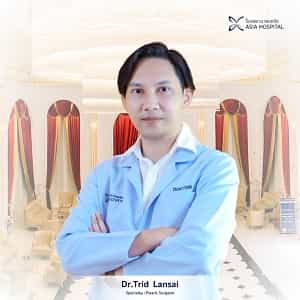
  • Doctors Dr. Pichet Rodchareon, Dr. Tanongsak Panyawirunroj, Dr. Trid Lansai, Dr. Thanakom Laisakul, Dr. Jakrapong Detsomboonrat, Dr. Akkrasash Vongjirad,
  • Packages Eyelid Surgery Bangkok Package for a Youthful Look at Asia Cosmetic Hospital, Best Bangkok Eyelid Surgery Package by BPS Clinic Thailand,
  • Overview

Trusted Medical Tourism Platform Since 2007

60+
Countries
2k+
Clinics
19.5k+
Reviews
2.5k+
Qualified Doctors
1.1M+
Patients Served Since 2007