
If you are comparing cosmetic surgery in Thailand, the lowest quote is rarely the most useful number. What matters is what the price includes, who performs your surgery, where it takes place, how complications are handled, and whether you can complete enough recovery before flying home.
Current PlacidWay marketplace examples reviewed in August 2026 show many single cosmetic procedures in Thailand starting around $1,500, while more complex or combined packages can reach $8,500 or more. For a safer comparison, verify the surgeon through the Medical Council of Thailand, confirm relevant plastic and reconstructive surgery credentials, and check the facility's Thai license and accreditation status before paying a deposit.

Quick Summary:
- Estimated cost: many current single-procedure marketplace examples fall roughly between $1,500 and $5,500, while extensive or combined packages can cost $8,500 or more.
- Safety: Thailand has an established aesthetic-surgery sector, but safety depends on the individual surgeon, facility, anesthesia team, procedure scope, and aftercare plan.
- Doctor verification: check the surgeon's medical registration through the Medical Council of Thailand and ask for relevant specialist credentials in plastic and reconstructive surgery.
- Hospital verification: check whether the facility is licensed through Thailand's Department of Health Service Support and whether it holds current Healthcare Accreditation Institute status where applicable.
- Recovery: visible recovery can range from days to several weeks, while deeper swelling and scar maturation may continue for months.
- Travel caution: surgery and long-distance travel can both increase blood-clot risk, so your return flight should follow medical clearance rather than a generic package schedule.
Why Patients Consider Cosmetic Surgery in Thailand?
Thailand attracts international cosmetic-surgery patients because it combines a large private healthcare market, broad procedure availability, and self-pay pricing that may be lower than treatment in higher-cost countries. The destination is particularly familiar to patients from Australia and nearby Asian markets, but affordability should never replace clinical suitability.
The latest complete International Society of Aesthetic Plastic Surgery country data available in 2026 come from the 2024 Global Survey, released in 2025. ISAPS estimated 197,505 aesthetic procedures in Thailand, including 146,585 surgical and 50,920 non-surgical procedures performed by plastic surgeons.
Why Thailand Appeals to Patients?
- Competitive self-pay prices
- Wide choice of facial, breast and body procedures
- International-patient coordination in many private facilities
- Large aesthetic-surgery market
- Several major medical-tourism hubs, especially Bangkok
What Makes Treatment Abroad Harder?
- Long-distance postoperative travel
- More difficult in-person follow-up after returning home
- Possible extra costs for extended stays or revisions
- Different licensing and complaint systems
- Need to coordinate emergency care across countries
What Cosmetic Surgery Procedures Are Popular in Thailand?
Thailand's current aesthetic-surgery activity is concentrated heavily in facial procedures, with breast and body surgery also representing substantial volumes. ISAPS estimated eyelid surgery as the most frequently performed surgical aesthetic procedure in Thailand in 2024, followed by rhinoplasty and breast augmentation.
| Procedure in Thailand | ISAPS 2024 Estimate | What It Usually Addresses? | Important Decision Point? |
|---|---|---|---|
| Eyelid surgery | 29,260 | Upper or lower eyelid skin and fat concerns | Technique should match eyelid anatomy and functional needs |
| Rhinoplasty | 20,948 | Nasal shape, proportion and some structural concerns | Ask whether grafting or revision-level complexity is expected |
| Breast augmentation | 13,633 | Breast volume and contour | Implant type, documentation and long-term follow-up matter |
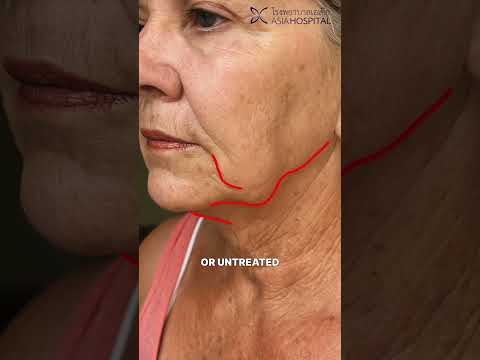
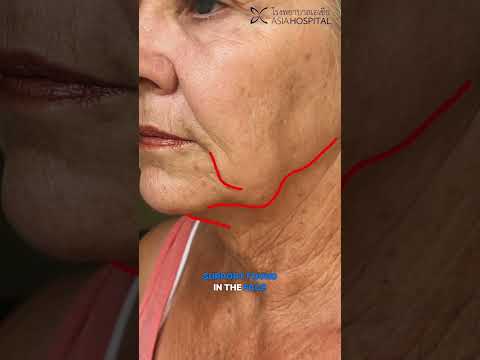
| Facelift | 9,025 | Lower-face and neck aging changes | Technique and surgical extent affect recovery and scars |
| Liposuction | 8,360 | Localized fat and body contour | It is contour surgery, not a weight-loss treatment |
| Abdominoplasty | 5,130 | Loose abdominal skin and selected abdominal-wall concerns | Major body surgery generally needs longer recovery planning |
Recent Aesthetic Surgery Trend Relevant to Thailand
Facial surgery has remained an important part of the global aesthetic market. The line graph below uses the latest complete ISAPS survey released in 2025 and compares selected worldwide surgical volumes from 2020, 2023 and 2024.
Source: International Society of Aesthetic Plastic Surgery global surveys. Latest complete survey released in 2025.
How Much Does Cosmetic Surgery in Thailand Cost?
Cosmetic surgery prices in Thailand vary by procedure, surgeon, city, hospital level, anesthesia, operating time, implants or devices, and package inclusions. Thailand does not have one universal private cosmetic-surgery tariff, so a planning range should never be treated as a personal quotation.
The ranges below are based on current PlacidWay marketplace examples reviewed in August 2026. They are included for budgeting only. Some listings are procedure-only prices while others include additional services, so the written scope matters as much as the number.
| Cosmetic Procedure in Thailand | Planning Range in USD | Major Price Variables |
|---|---|---|
| Eyelid surgery | About $1,200–$1,600 | Upper vs. lower eyelids, technique, anesthesia |
| Rhinoplasty | About $2,000–$5,000+ | Implant or graft choice, open vs. closed approach, revision complexity |
| Breast augmentation | About $2,700–$5,000 | Implant brand, size, hospital, anesthesia and surgeon |
| Liposuction | About $1,700–$4,500 | Number of areas, volume, technology and operating time |
| Tummy tuck | About $3,500–$5,500 | Skin removal, muscle repair, liposuction and hospital stay |
| Facelift | About $4,000–$6,000+ | Facial areas treated, neck work, technique, anesthesia and operating time |
| Combined cosmetic surgery package | About $6,500–$8,500+ | Number and complexity of procedures, hospital stay and total operative plan |
What Should Be Included in Your Thailand Cosmetic Surgery Quote?
| Cost Item | What to Ask? | Why It Matters? |
|---|---|---|
| Surgeon's fee | Is the named surgeon's full fee included? | Confirms who is responsible for the operation |
| Anesthesia | Is the anesthesiologist and anesthesia fee included? | Can be a separate major charge |
| Hospital and operating room | What facility and number of nights are covered? | Hospital level and stay length affect the total |
| Implants or devices | Which brand, model and size are included? | Different devices have different costs and follow-up needs |
| Tests and garments | Which tests, compression garments and routine supplies are covered? | Smaller charges can accumulate |
| Follow-up | How many visits and how much remote support are included? | Critical for international patients |
| Unexpected care | What happens if extra nights, tests or procedures are needed? | Complications can change the budget quickly |
How Thailand Cosmetic Surgery Costs Compare with Home-Country Care
Thailand may be less expensive for self-paying patients from Australia, New Zealand, the United States and some European markets, but a fair comparison requires matched scopes. A Thailand package that includes anesthesia and hospital charges should not be compared with a home-country quote containing only the surgeon's professional fee.
For many patients, the financial question is not “Which country has the cheapest surgery?” but “Which option gives me a medically appropriate plan, verified provider, realistic aftercare, and a total budget I can manage if recovery takes longer than expected?”
| Comparison Factor | Thailand | Australia / New Zealand | United States / Higher-Cost Markets |
|---|---|---|---|
| Self-pay structure | Packages are common in medical-tourism marketing | Private quotes often itemize more components | Surgeon, facility and anesthesia charges may be separate |
| Travel | International flights and local stay required | Often less travel if treated locally | Often less travel if treated locally |
| Early follow-up | Must be completed before departure or coordinated remotely | Easier to revisit the operating surgeon | Easier to revisit the operating surgeon |
| Complication logistics | May require local emergency care or a return trip | Usually managed in the domestic system | Usually managed in the domestic system |
| Provider verification | Thai Medical Council, Thai specialist credentials and facility licensing | Domestic medical-board and facility regulation | State licensure plus relevant specialty certification |
How to Choose a Cosmetic Surgery Hospital or Clinic in Thailand
A cosmetic surgery facility in Thailand should be evaluated first by legal status and clinical capability, not by hotel-style amenities. The Department of Health Service Support provides a system for checking licensed private medical facilities, while the Healthcare Accreditation Institute is the Thai public organization responsible for healthcare-quality standards and accreditation.
International accreditation such as JCI can be a useful additional signal when it genuinely applies, but it is not a substitute for Thai licensing or competent clinical staffing. A clinic without international accreditation is not automatically unsafe, and an internationally accredited hospital does not make every individual surgeon or procedure appropriate for every patient.
| Thailand Facility Check | What to Verify? | Why It Matters? |
|---|---|---|
| Government license | Facility name, license information and services permitted | Basic legal starting point |
| Healthcare Accreditation Institute status | Current accreditation status where applicable | Shows structured external quality assessment |
| Operating-room capability | Appropriate equipment, monitoring and recovery area | Higher-risk surgery needs appropriate rescue capability |
| Anesthesia team | Who administers anesthesia and their qualifications | Anesthesia safety is separate from the surgeon's credentials |
| Emergency pathway | On-site critical-care capacity or formal transfer access | Complications can require rapid escalation |
| After-hours support | Named contact process for nights and weekends | Early problems may occur outside clinic hours |
How to Verify a Cosmetic Surgeon in Thailand?
The surgeon who will actually perform your operation should be verified independently. The Medical Council of Thailand provides an English-language physician search tool, and its member services include checks for medical practitioners and specialists.
For cosmetic plastic surgery, ask whether the doctor has recognized specialist training in plastic and reconstructive surgery and which Thai board or professional body issued the credential. A general medical license confirms legal medical registration; it does not, by itself, prove specialist plastic-surgery training.
Cosmetic Surgeon Verification Checklist for Thailand
- Get the surgeon's full legal name exactly as registered.
- Verify the doctor's medical registration through the Medical Council of Thailand.
- Ask for the exact specialist qualification in plastic and reconstructive surgery.
- Check relevant Thai specialist-society membership or directory information where available.
- Ask how often the surgeon performs your exact procedure.
- Ask who performs each major part of the operation and who provides anesthesia.
- Review standardized before-and-after cases relevant to your procedure and anatomy.
- Request the written revision and complication-management policy.
- Confirm how the surgical team will communicate after you return home.
Who Is a Good Candidate for Cosmetic Surgery in Thailand?
A good candidate is medically suitable for the planned operation, understands the limitations of cosmetic surgery, and can complete safe recovery and follow-up. International travel adds practical risks, so a patient who is suitable for surgery near home may still need a different plan when flying abroad.
Your surgeon may need information about previous operations, chronic conditions, medications, supplements, allergies, pregnancy plans, nicotine exposure, previous blood clots, weight stability and anesthesia history. Do not hide medical information because you are worried it could affect your eligibility or price.
| Candidate Factor | Why It Matters? | What to Discuss? |
|---|---|---|
| General health | Medical conditions can affect anesthesia and healing | Complete health history and previous operations |
| Medications and supplements | Some can affect bleeding or perioperative care | Provide a complete current list |
| Nicotine exposure | Nicotine can impair blood supply and wound healing | Smoking, vaping and nicotine products |
| Weight stability | Major weight changes can alter body-contouring results | Recent and planned weight changes |
| Pregnancy plans | Pregnancy can change abdominal and breast results | Timing of elective surgery |
| Expectations | Surgery cannot guarantee a particular appearance | Realistic goals and acceptable tradeoffs |
| Travel plan | Long travel may complicate early recovery | Length of stay and flight clearance |
Cosmetic Surgery Recovery and Travel Planning in Thailand
Recovery should determine your itinerary. The CDC notes that surgery and air travel independently increase the risk of blood clots, including deep vein thrombosis and pulmonary embolism. Remaining seated for long periods soon after surgery can add another travel-related risk.
The safe length of stay depends on the operation, your health and how you heal. Eyelid surgery, rhinoplasty, breast augmentation, liposuction, facelift and abdominoplasty should not share one generic “fit to fly” date. Your operating team should give procedure-specific guidance.
| Timeframe | Biological or Clinical Process | Patient Sensation | Activity Level | Action Required |
|---|---|---|---|---|
| Before surgery | Medical assessment and surgical planning | Usually normal | Normal unless instructed otherwise | Complete testing and informed-consent review |
| First 1–3 days | Early inflammation, swelling and wound healing | Soreness, tightness, swelling or bruising may occur | Limited; gentle movement as directed | Attend early review and follow wound-care instructions |
| Days 4–14 | Incisions continue sealing and swelling begins changing | Procedure-dependent bruising, stiffness and fatigue | Gradual increase if cleared | Complete required postoperative checks before departure |
| Weeks 2–6 | Tissue repair and remodeling continue | Residual swelling, firmness or sensitivity may remain | Progressive return based on medical clearance | Maintain follow-up and respect activity restrictions |
| Following months | Scars mature and deeper swelling continues resolving | Most routine discomfort should continue improving | Increasingly normal when medically appropriate | Assess the final result only after adequate healing |
When to Seek Urgent Medical Help After Cosmetic Surgery
- Sudden shortness of breath, chest pain or coughing blood
- New one-sided leg swelling or significant calf pain
- Uncontrolled or rapidly increasing bleeding
- Fever with worsening wound redness, swelling, drainage or pain
- Severe pain that is rapidly worsening rather than gradually improving
- New visual symptoms after surgery involving the eyelids or surrounding tissues
What Risks Should You Understand Before Cosmetic Surgery in Thailand?
Cosmetic surgery in Thailand carries the same fundamental surgical risks as treatment elsewhere, while international travel can make postoperative problems harder to manage. Infection, bleeding, hematoma, anesthesia complications, delayed healing, scarring, asymmetry, blood clots, dissatisfaction and revision surgery should be part of informed consent when relevant to your operation.
Procedure-specific risks also matter. For example, breast implants are medical devices with potential long-term complications such as capsular contracture, implant rupture or deflation, pain, infection, reoperation and implant removal. The appropriate risk discussion should match the exact device and procedure being considered.
| Cosmetic Surgery Risk | What It Can Mean? | What to Verify Before Surgery? |
|---|---|---|
| Infection | Wound infection may delay healing and require additional treatment | Infection-control standards and follow-up access |
| Bleeding or hematoma | Blood can collect after surgery and occasionally require intervention | Emergency contact and surgical response capability |
| Blood clot | Deep vein thrombosis can become dangerous if a clot reaches the lungs | Personal risk assessment and travel plan |
| Anesthesia complication | Reactions or cardiopulmonary problems can occur | Qualified anesthesia professional and monitoring |
| Poor wound healing or scarring | Incisions may heal slowly or develop noticeable scars | Individual risk factors and wound-care plan |
| Aesthetic dissatisfaction | Shape or symmetry may differ from expectations | Realistic goals, limitations and revision policy |
Who Travels to Thailand for Cosmetic Surgery?
Thailand attracts aesthetic patients from both nearby Asian countries and long-haul markets. In the ISAPS 2024 survey, participating plastic surgeons in Thailand reported a median of 10% and an average of 20.1% of their patients attending from other locations.
Australia, China and Cambodia were the three most frequently cited origins for international patients among Thailand respondents. These figures describe survey responses from plastic surgeons rather than a complete national registry of every medical tourist, so they should be interpreted as directional rather than exact tourism shares.
Most Frequently Cited Origins
- Australia
- China
- Cambodia
Why Demographics Matter
- Flight length affects recovery planning
- Language can affect informed consent and aftercare
- Home-country follow-up options vary
- Procedure preferences differ by age and anatomy
Age Distribution for Rhinoplasty Patients
ISAPS age data are global rather than Thailand-specific, so they should not be treated as the age distribution of foreign patients entering Thailand. They still help show how demand varies by procedure. In 2024, 60.1% of surveyed rhinoplasty procedures worldwide were performed in patients aged 18–34.
Source: ISAPS 2024 Global Survey, released in 2025. Age distribution is worldwide and not Thailand-specific.
How to Plan Cosmetic Surgery in Thailand Before You Book?
Good medical-tourism planning reduces uncertainty before money changes hands. You should know who will operate, where surgery will take place, what your quote includes, how long you need to remain near the provider, and what happens if recovery does not follow the expected timeline.
Do not make tourism activities the center of an early postoperative itinerary. Heat, walking, swimming, alcohol, sun exposure and long excursions may conflict with procedure-specific recovery instructions. Your trip should be designed around medical follow-up first.
| Planning Stage | What to Complete? | Do Not Move Forward Until |
|---|---|---|
| Initial research | Compare procedure, providers and credential systems | You understand why the proposed operation fits your goal |
| Medical review | Submit requested health history, photographs and records | A qualified surgeon has assessed the case |
| Credential verification | Check surgeon registration, specialty and facility license | Credentials can be independently verified |
| Financial review | Obtain itemized quote, deposit terms and refund policy | You understand likely additional charges |
| Travel planning | Allow enough local recovery and flexibility | The itinerary matches the postoperative review plan |
| Aftercare planning | Identify contacts in Thailand and at home | You know what to do if a complication develops |
Questions to Ask Before Cosmetic Surgery in Thailand
- Who exactly will perform my operation?
- What is the surgeon's Medical Council of Thailand registration information?
- What relevant specialist qualification does the surgeon hold?
- Where will surgery take place, and how can I verify the facility license?
- Who will provide anesthesia?
- What is included and excluded from my written price?
- How many postoperative examinations occur before I leave Thailand?
- What symptoms require urgent assessment?
- What happens medically and financially if I need revision treatment?
- How will you coordinate care after I return home?
Frequently Asked Questions
Is cosmetic surgery in Thailand safe for international patients?
Cosmetic surgery can be performed in appropriately licensed Thai facilities by qualified surgeons, but no destination is automatically safe. Verify the surgeon's registration and specialty, the facility's license, anesthesia arrangements, complication pathway, infection-control practices and postoperative follow-up before deciding whether a specific option is appropriate.
How much does cosmetic surgery in Thailand cost in 2026?
Current marketplace examples for many single procedures fall roughly between $1,500 and $5,500, while extensive or combined packages may reach $8,500 or more. Your final quote depends on procedure complexity, surgeon, hospital, anesthesia, implants, tests, length of stay and package inclusions.
How can I check whether a plastic surgeon in Thailand is qualified?
Ask for the surgeon's complete legal name and verify medical registration through the Medical Council of Thailand. Then confirm relevant specialist training in plastic and reconstructive surgery and independently check the exact board, professional society or credential the doctor claims to hold.
Does a cosmetic surgery hospital in Thailand need JCI accreditation?
No. International accreditation can be an additional quality signal, but Thai government licensing, appropriate clinical capability, qualified staff and local quality systems are more fundamental. A clinic without JCI is not automatically unsafe, and JCI does not replace surgeon-specific credential verification.
How long should I stay in Thailand after cosmetic surgery?
There is no single safe stay length for every procedure. Eyelid surgery, rhinoplasty, breast surgery, liposuction, facelift and major body contouring have different recovery needs. Ask your surgeon how many in-person postoperative reviews are required and when you are expected to be medically fit for travel.
Can I fly home soon after cosmetic surgery in Thailand?
Your return-flight date should be based on individual medical guidance. Surgery and long-distance travel can both increase blood-clot risk, while early complications may require in-person assessment. Confirm the travel plan with your surgeon and allow flexibility if healing takes longer than expected.
Which city is best for cosmetic surgery in Thailand?
Provider quality matters more than destination popularity. Instead of choosing Bangkok, Phuket, Chiang Mai or another location mainly for tourism convenience, compare surgeon credentials, facility capability, emergency support, experience with your procedure and postoperative follow-up arrangements first.
Are Thailand cosmetic surgery packages really all-inclusive?
Not necessarily. “All-inclusive” can mean different things between providers. Request an itemized quote covering surgeon, anesthesia, hospital, implants, laboratory tests, garments, accommodation, transfers, follow-up, extra hospital nights and revision-related charges before assuming a package covers everything.
Can I combine several cosmetic procedures in Thailand?
Some procedures can be combined, but suitability depends on your health, total surgical scope, expected operating time, mobility during recovery and other clinical factors. Combining procedures to reduce travel cost or time should never take priority over the surgeon's assessment of what can be performed safely.
What happens if I develop a complication after returning home?
Before leaving Thailand, obtain your operative records, relevant implant or device information, discharge instructions and direct contact details. Also identify where you can receive urgent assessment at home because infection, bleeding, blood clots and other complications cannot always be evaluated safely through photographs or video calls.
What is the most common cosmetic surgery performed in Thailand?
In the latest complete ISAPS country data, covering procedures performed in 2024 and released in 2025, eyelid surgery was the most frequently reported surgical aesthetic procedure in Thailand, followed by rhinoplasty and breast augmentation. Popularity does not determine which procedure is appropriate for you.
Compare Cosmetic Surgery Options in Thailand with PlacidWay
PlacidWay can help you compare providers, understand available treatment costs, organize questions about surgeon credentials and facility standards, and request information from clinics. Use comparison support to gather information, then make your medical decision with a qualified healthcare professional who understands your health and treatment goals.
Disclaimer
Disclaimer: This information is for educational purposes only and does not replace professional medical advice. Always consult a qualified healthcare provider before making medical decisions.
References
- Global Survey 2024: Full Report and Press Releases – International Society of Aesthetic Plastic Surgery
- Physician License Verification – Medical Council of Thailand
- Healthcare Accreditation System – Healthcare Accreditation Institute Thailand
- Medical Tourism – CDC Yellow Book
- Deep Vein Thrombosis and Pulmonary Embolism – CDC Yellow Book
- Surgical Site Infections – World Health Organization
- Things to Consider Before Getting Breast Implants – U.S. Food and Drug Administration
























Share this listing