Liposuction in Izmir, Turkey

Publish date: Modified date: Medically reviewed by: Dr. Lorenzo Halverson on Oct 06, 2026 Author: Amelia Pricilia
Liposuction in Izmir, Turkey

Contents

Tired of staring at those stubborn pockets of fat that refuse to budge, no matter how many hours you spend at the gym? If you live in the UK or mainland Europe, the idea of getting body contouring surgery might feel completely out of reach once you look at the staggering local healthcare prices.

That is exactly why so many people are packing their bags for the Aegean coast to get liposuction in Izmir, Turkey. With average costs hovering around $2,500 to $3,500, patients can save significantly without sacrificing quality, provided they know what to look for. When comparing facilities, always prioritize clinics holding Turkish Ministry of Health accreditation or international standards like JCI, ensuring your safety remains the top priority.

Key Insights

Average Cost
$2,500 - $3,500
Procedure Time
1 to 4 hours
Minimum Stay
5 to 7 days in Izmir
Key Accreditations
JCI, Turkish Ministry of Health
Anesthesia
General or Local with Sedation

Booking surgery abroad involves more than just paying for the procedure itself. Many facilities in Izmir bundle their services into all-inclusive packages to make the medical tourism experience seamless for international patients. These packages typically cover your airport transfers, hotel accommodation, pre-operative testing, and post-surgery check-ups.

Look closely at the inclusions before making a decision, as checking whether post-op garments or medications are provided can save you from unexpected out-of-pocket expenses. Review the options below to see which comprehensive package fits your specific travel and medical requirements.

`

Understanding the financial commitment is usually the first step when considering body contouring surgery. Getting liposuction in Izmir generally costs between $2,500 and $3,500, depending on how many areas you want treated and the specific technique used. This price point sits significantly lower than the averages found in the UK and US, mainly due to Turkey's lower cost of living and favorable exchange rates.

Always ask for a completely itemized breakdown of the fees to ensure there are no hidden costs for anesthesia, facility use, or post-operative garments. Compare the pricing options below to gauge what aligns with your budget and medical needs.

Liposuction Centers Cost Comparison in Izmir, Turkey

Provider Procedure Price
Prof. Cenk Demirdover - Plastic Surgery in Izmir Turkey Liposuction, Cosmetic/Plastic Surgery $5000

Liposuction Cost Comparison in Turkey

Country Procedure Price
United Kingdom Liposuction, Cosmetic/Plastic Surgery $6550
United States Liposuction, Cosmetic/Plastic Surgery $15000

Choosing where to have your surgery is a major decision that requires looking beyond glossy reception areas and marketing photos. To find a reputable clinic for liposuction in Izmir, start by verifying their local licenses through the Turkish Medical Association. You should also check if the facility holds broader certifications, such as Joint Commission International (JCI) accreditation, which ensures strict safety and hygiene protocols.

Take the time to ask about their emergency care capabilities and nursing staff ratios. Browse the clinics listed below to evaluate their verifiable credentials and facility standards.
Sometimes, reading about a medical procedure just is not enough to truly understand what the experience entails. Watching detailed videos can help demystify the surgical process, showing you exactly what happens from the initial consultation through to the recovery phase.

These visual guides often feature real patient journeys, facility tours, and direct explanations from medical professionals in Izmir. Seeing the clinical environment and hearing from past patients can help set realistic expectations for your own trip. Take a look at the video gallery below to gain a clearer perspective on your upcoming treatment.

Nothing speaks louder than the honest experiences of people who have already walked the path you are considering. Reading patient reviews offers invaluable insights into the bedside manner of the medical staff, the cleanliness of the facilities, and the reality of recovering in Izmir.

Look for detailed accounts that discuss not just the final results, but also how the clinic handled communication and any post-operative concerns. Authentic feedback helps you look past the brochures to see how patients are truly treated. Compare the patient testimonials below to help inform your decision-making process.

Navigating medical tourism can bring up a lot of valid concerns and practical questions. Below, we have compiled the most common questions patients ask about undergoing liposuction in Izmir to help you make a safe, informed decision.

Is liposuction in Izmir safe for international patients?

Yes, it is generally safe when performed by board-certified surgeons in accredited facilities. Safety depends heavily on choosing a clinic that meets international standards, such as JCI or Turkish Ministry of Health certification.

How much fat can safely be removed during one session in Turkey?

Global medical guidelines generally advise removing no more than 4 to 5 liters of fat in a single outpatient session to minimize the risk of complications, fluid imbalance, and severe bruising.

What liposuction techniques are available in Izmir?

Clinics in Izmir offer several modern techniques, including VASER (ultrasound-assisted), Laser-assisted (SmartLipo), and traditional tumescent liposuction. Your surgeon will recommend the best method based on your skin elasticity and fat density.

How long do I need to stay in Izmir after the surgery?

Patients are typically advised to stay in Izmir for 5 to 7 days post-surgery. This allows the medical team to monitor your initial healing, remove any drains, and clear you for safe air travel.

Does the procedure require general anesthesia?

It depends on the extent of the procedure. Small targeted areas can often be treated under local anesthesia with sedation, while larger or multiple areas typically require general anesthesia for your comfort and safety.

What are the main risks associated with getting liposuction abroad?

Risks include infection, fluid accumulation, contour irregularities, and blood clots (DVT), which can be exacerbated by flying too soon after surgery. Proper clinic selection and following post-op travel advice mitigate these risks.

Will I need to wear a compression garment during my flight home?

Yes. You will need to wear a specialized compression garment for 4 to 6 weeks, including during your flight back from Izmir. This reduces swelling, helps skin retract, and supports your new body contours.

How long does it take to see the final results?

While you will notice a difference immediately, post-operative swelling can take several months to fully subside. Most patients see their final, settled results between three to six months after the procedure.

Can I combine liposuction with other procedures while in Izmir?

Yes, many patients combine it with a tummy tuck, breast augmentation, or Brazilian Butt Lift (BBL). However, combining surgeries increases the time under anesthesia and prolongs the required recovery time before flying.

What should I do if I experience complications after returning home?

Before leaving Izmir, ensure your clinic provides a clear post-operative communication plan. If severe complications arise at home, you should immediately seek care from your local healthcare provider or emergency room.

Which are the Best Liposuction Clinics in Turkey?

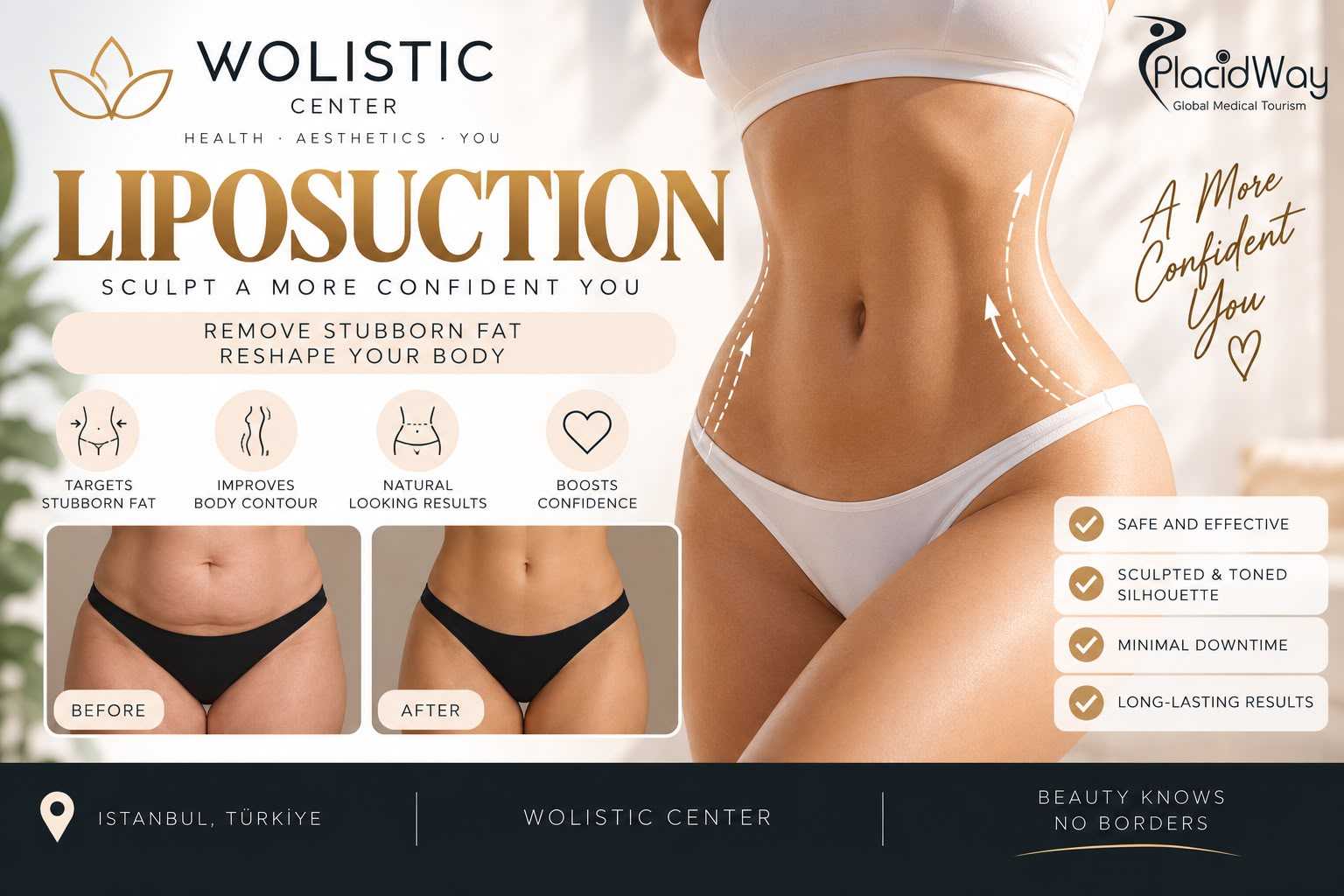
To find the best liposuction clinics in Turkey, patients should prioritize facilities with international accreditations like JCI, board-certified plastic surgeons, and comprehensive aftercare protocols tailored to patient safety. The right clinic depends on your specific medical needs rather than promotional claims. For patients exploring body contouring options, seeking out liposuction in Turkey has become an increasingly frequent consideration. The country has developed a vast medical infrastructure catering to international patients, offering modern surgical techniques and experienced healthcare professionals. However, navigating the sheer volume of available facilities can feel overwhelming. Choosing a medical provider abroad requires careful research, focusing primarily on medical credentials, facility safety standards, and transparent communication, rather than simply looking for the lowest price or the most aggressive marketing. Key Takeaways The most reliable clinics hold recognized international accreditations, such as Joint Commission International (JCI). Verify that your chosen plastic surgeon is board-certified and holds memberships in organizations like ISAPS or TSAPS. Liposuction is a body contouring procedure meant for stubborn fat deposits, not a substitute for weight loss. Patients traveling abroad typically need to remain in the destination for 7 to 10 days to allow for safe initial recovery and medical clearance before flying. All surgical procedures carry inherent risks; individualized medical assessment is essential before committing to treatment. How can I choose a safe and reputable liposuction clinic? Identifying a safe liposuction clinic in Turkey involves checking for facility accreditations, verifying surgeon board certifications, ensuring clear communication, and reviewing their emergency protocols. High-quality clinics are transparent about both the benefits and the potential risks of surgery. When evaluating potential facilities, the emphasis should always be on medical standards. Accreditations from independent organizations, such as the Joint Commission International (JCI) or the International Organization for Standardization (ISO), indicate that a hospital or clinic regularly undergoes rigorous audits for hygiene, patient safety, and quality of care. Equally important is the medical team. The surgeon performing your procedure should be fully qualified in plastic and reconstructive surgery. Look for specialists who are recognized by the Turkish Society of Plastic Reconstructive and Aesthetic Surgeons (TSAPS) or who hold international affiliations, such as with the International Society of Aesthetic Plastic Surgery (ISAPS). Additionally, pay attention to the consultation process. A reputable clinic will require a thorough review of your medical history, current medications, and pre-existing conditions before confirming your eligibility. They will encourage you to ask questions and will never pressure you into booking a surgery on the spot. What is liposuction and how is it performed? Liposuction is a surgical procedure that removes localized fat deposits to reshape specific areas of the body. It involves injecting a specialized fluid to minimize bleeding and using a hollow tube (cannula) attached to a vacuum to suction out the fat. The procedure is designed to address stubborn areas of fat that do not respond to diet and exercise, such as those on the abdomen, hips, thighs, arms, or under the chin. The modern standard of care usually involves the tumescent technique. Before any fat is removed, the surgeon injects a sterile solution containing saline, a local anesthetic (like lidocaine), and a drug to constrict blood vessels (epinephrine). This solution causes the targeted area to swell and stiffen, making fat removal easier while significantly reducing blood loss and post-operative bruising. Once the area is prepared, the surgeon makes small, inconspicuous incisions. A thin tube called a cannula is inserted through these incisions and moved back and forth to loosen the fat cells, which are then suctioned out of the body using a surgical vacuum or a syringe attached to the cannula. Important Consideration: Liposuction is not a treatment for obesity. Medical guidelines recommend that patients be at or near their ideal body weight before undergoing body contouring surgery to achieve safe and predictable outcomes. What advanced fat removal techniques are available? Surgeons may utilize various technologies to assist in fat removal, including VASER (ultrasound-assisted), Laser-assisted (SmartLipo), and Power-assisted liposuction. Each technique has specific applications depending on the patient's anatomy and the targeted areas. While traditional tumescent liposuction remains widely used, many highly rated clinics offer technology-assisted methods to refine the process: Ultrasound-Assisted Liposuction (UAL / VASER): This method uses a special cannula that emits ultrasound energy. The energy ruptures the walls of the fat cells, liquefying the fat for easier removal. It is often used for dense fat areas like the male chest or back. Laser-Assisted Liposuction (LAL): Utilizing high-intensity laser light, this technique breaks down fat for removal. The laser energy may also stimulate collagen production, which can sometimes aid in mild skin contraction. Power-Assisted Liposuction (PAL): A vibrating cannula is used to break up tough fat more quickly and with less manual effort from the surgeon. This can reduce tissue trauma and is particularly useful when large volumes of fat are being treated. The best technique for you depends on your unique physical characteristics, skin elasticity, and the surgeon's specialized expertise. Am I a good candidate for body contouring abroad? Ideal candidates are adults within 30% of their ideal body weight, have firm, elastic skin, and possess a healthy immune system. Patients with underlying medical conditions or those who smoke face higher surgical risks and may not be suitable candidates. Candidacy for surgery is primarily based on health and safety rather than aesthetics alone. Good skin tone and elasticity are crucial; if your skin is thin or lacks elasticity, it may not conform well to your new body shape, potentially resulting in a loose or dimpled appearance post-surgery. Certain medical conditions can disqualify individuals from safe surgery. Conditions that restrict blood flow, severe cardiovascular disease, diabetes, or a weakened immune system can complicate both the procedure and the healing process. Surgeons typically require a full panel of pre-operative blood tests and an ECG to confirm you are healthy enough to undergo anesthesia. Smoking severely inhibits blood flow and delays wound healing. You will likely be required to completely stop smoking, including the use of nicotine patches or e-cigarettes, for several weeks before and after the procedure. What is the average liposuction cost compared to other regions? The average liposuction cost in Turkey typically ranges from $2,000 to $4,500, though this is only an estimate. Final pricing depends heavily on the number of areas treated, the complexity of the surgery, the technology used, and the facility's credentials. When analyzing costs, it is essential to understand what is included in a preliminary quote. Many facilities bundle services together, combining the surgical fee, anesthesia, operating room facilities, pre-operative testing, post-operative garments, and occasionally local transport and accommodation. While prices are generally lower than in North America or Western Europe due to differences in the cost of living and operational overheads, patients should be wary of prices that seem unusually low. Deeply discounted surgeries may indicate compromises in facility standards, equipment quality, or the experience level of the surgical team. Never compromise patient safety for financial savings. Factor Affecting Cost Impact on Overall Estimate Number of Treatment Areas Treating multiple areas (e.g., abdomen, flanks, thighs) increases time and complexity, raising the cost. Surgical Technique Advanced modalities like VASER or Laser-assisted methods typically carry a premium over traditional tumescent liposuction. Surgeon Expertise Highly experienced, board-certified surgeons often charge more for their specialized skills. Facility Accreditation JCI-accredited hospitals maintain rigorous safety standards, which may reflect in slightly higher pricing. What are the potential risks and complications? Like all major surgeries, liposuction carries inherent medical risks. Potential complications include contour irregularities, infection, fluid accumulation (seromas), numbness, and rare but severe events like deep vein thrombosis (DVT) or fat embolisms. Safety must be the primary focus of any medical decision. While serious complications are relatively rare when the procedure is performed by a qualified plastic surgeon in an accredited facility, patients must be fully aware of what can go wrong. Aesthetic risks include uneven fat removal, poor skin elasticity resulting in a bumpy or wavy appearance, and changes in skin pigmentation. More severe medical risks include: Fluid accumulation: Temporary pockets of fluid (seromas) can form under the skin and may need to be drained with a needle. Infection: Though rare, skin infections can occur and sometimes require surgical treatment. Fat embolism: A medical emergency where loosened pieces of fat break away, enter a blood vessel, and travel to the lungs or brain. Lidocaine toxicity: If too much local anesthetic is used during the tumescent technique, it can cause central nervous system or heart toxicity. Discuss these risks openly with your surgeon during the consultation phase to understand how their facility prevents and manages emergencies. What should I expect during recovery after fat removal? Recovery involves initial pain, swelling, and bruising lasting one to two weeks. You will need to wear a compression garment for several weeks to minimize swelling and support the healing tissues as they conform to their new contours. Directly following the surgery, patients typically experience soreness that is manageable with prescribed pain medication. You may also notice fluid draining from the incision sites; some surgeons place temporary small drains to help remove excess blood and fluid. Movement is encouraged shortly after surgery to promote blood circulation and reduce the risk of blood clots, but strenuous exercise must be avoided for four to six weeks. Most patients can return to non-physical work within a few days to a week, depending on how many areas were treated. Patience is required when assessing the results. While the bulk of the swelling resolves within the first month, residual swelling can persist for up to six months before the final body shape becomes fully evident. How does medical tourism for body contouring work? Participating in medical tourism in Turkey requires careful logistical planning. Patients typically need to arrive a day before surgery for in-person consultations and blood tests, and stay 7 to 10 days post-surgery for recovery and medical clearance before flying. Combining surgery with travel adds a layer of complexity to your medical care. The process usually begins with remote consultations, where you share your medical history and photographs securely with the surgical team to determine preliminary candidacy. Once you arrive, the in-person consultation is vital. This is the moment to verify everything discussed online. If the surgeon notices an underlying health issue or poor skin elasticity that wasn't apparent in photos, the surgical plan may change, or the procedure might be canceled entirely for your safety. Flying shortly after surgery is a well-documented risk factor for Deep Vein Thrombosis (DVT). Reputable surgeons will mandate a strict waiting period before you are cleared to take a long flight home. During this time, you will attend follow-up appointments to monitor healing, remove drains, and check for signs of infection. What kind of aftercare is required when I return home? After returning home, you must arrange for a local healthcare provider to monitor your recovery. While your surgical team abroad will offer remote follow-ups, managing late-onset complications like delayed infections requires immediate local medical intervention. The continuity of care is one of the most critical aspects of receiving medical treatment abroad. Before you travel, it is highly recommended to speak with your primary care physician at home. Explain your plans and ensure they are willing to assist with standard post-operative monitoring or direct you to a local specialist if complications arise. When you leave your destination, ensure you carry all your medical records, surgical reports, details of the anesthesia used, and contact information for the clinic. If you experience symptoms such as a high fever, severe pain, sudden shortness of breath, or excessive redness around the incisions after returning home, you should seek emergency medical care immediately rather than waiting for a remote consultation. Why Choose PlacidWay for Medical Tourism in Turkey? Finding credible information when planning medical travel is essential. PlacidWay serves as a comprehensive resource for patients looking to understand their global healthcare options. Access to Information: PlacidWay provides a detailed directory of internationally accredited medical centers and hospitals. Comparative Tools: The platform allows patients to compare various treatment options, facility credentials, and professional profiles side-by-side. Educational Resources: Patients can access extensive, transparent information about medical procedures, typical timelines, and international healthcare standards. Direct Connections: PlacidWay facilitates direct communication between patients and healthcare providers for individualized, confidential consultations. No Pressure Environment: The platform focuses on enabling information gathering, allowing patients to research at their own pace without pressure to make immediate medical decisions. Frequently Asked Questions Does liposuction leave noticeable scars? Liposuction requires small incisions, typically a quarter-inch long or less, to insert the cannula. While these incisions do leave small scars, surgeons generally place them in natural body creases or hidden areas so they fade over time and become barely noticeable in suitable patients. Can liposuction treat cellulite or loose skin? No, liposuction is designed to remove localized fat deposits, not to treat cellulite, stretch marks, or loose skin. In fact, if you have poor skin elasticity, removing fat may make the skin appear looser. Alternative or combined procedures like a tummy tuck may be necessary for skin tightening. Will the removed fat return after the surgery? The fat cells removed during liposuction are permanently eliminated from the body. However, if you gain weight after the procedure, the remaining fat cells can still expand, potentially altering your new body contours. Maintaining a stable weight through diet and exercise is crucial. Is it safe to fly immediately after liposuction? Flying immediately after surgery is generally not recommended due to the increased risk of deep vein thrombosis (DVT) and severe swelling. Most surgeons advise waiting at least 7 to 10 days before flying home, depending on the extent of the procedure. Can multiple areas be treated in a single session? Yes, multiple areas such as the abdomen, flanks, and thighs can often be treated during one surgery. However, there is a strict medical limit to how much fat and fluid can be safely removed in a single day to minimize the risk of complications. How soon will I see the final results of my procedure? While you may notice a difference shortly after surgery, post-operative swelling can obscure the final results for several months. It typically takes three to six months for the swelling to completely subside and the final body contour to settle. Do Turkish clinics provide post-operative compression garments? Most reputable medical facilities include the necessary post-operative compression garments in your treatment plan. These garments are vital for reducing swelling and helping your skin conform to your new body shape during the first several weeks of recovery. What is the difference between VASER and traditional liposuction? Traditional liposuction uses manual movement of a cannula to break up fat, while VASER uses ultrasound energy to liquefy fat cells before they are suctioned out. VASER may offer easier removal of dense fat and potentially less bruising, though both techniques have their specific medical indications. Is general anesthesia required for fat removal? The type of anesthesia depends on the volume of fat being removed and the number of treatment areas. Minor liposuction on a single area might be performed under local anesthesia with sedation, whereas larger or multiple areas usually require general anesthesia for patient comfort and safety. How do I verify a Turkish plastic surgeon's qualifications? You can verify a surgeon's credentials by checking if they are board-certified by the Turkish Society of Plastic Reconstructive and Aesthetic Surgeons (TSAPS) and looking for international memberships, such as the International Society of Aesthetic Plastic Surgery (ISAPS). Explore Your Treatment Options safely Gather information, compare internationally accredited facilities, and request details from medical providers directly. Request Treatment Information References Liposuction Procedure Overview – American Society of Plastic Surgeons (ASPS) Patient Information: Liposuction – International Society of Aesthetic Plastic Surgery (ISAPS) Liposuction Risks and Results – Mayo Clinic Cosmetic Procedures: Liposuction – National Health Service (NHS) Medical Tourism Travel Health Guidelines – Centers for Disease Control and Prevention (CDC) Hospital Accreditation Standards – Joint Commission International (JCI) Medical Disclaimer: The information provided in this article is for educational and informational purposes only and does not constitute medical advice. Treatment outcomes, recovery times, and risks vary by individual. Always consult with a qualified, board-certified healthcare provider to evaluate your specific medical condition and determine if a procedure is appropriate for you. Mention of generalized costs or procedures does not guarantee eligibility or specific results.

The skill of your operating doctor is the single most important factor in achieving safe, natural-looking results. When researching surgeons for liposuction in Izmir, look for specialists who are board-certified by the Turkish Society of Plastic Reconstructive and Aesthetic Surgeons (TSPRAS) or international bodies like ISAPS.

A qualified professional will openly discuss both the benefits and potential risks of the procedure rather than just promising perfection. Do not hesitate to ask about their specific experience with the exact type of fat removal you want. Review the surgeon profiles below to check their medical backgrounds and specialized training.

Traveling to the Aegean coast offers a unique blend of modern healthcare and a calming environment, which is why thousands of patients from the UK, Germany, and the Middle East fly here every year. Izmir is Turkey’s third-largest city, known for its relaxed coastal vibe, making it an ideal setting for a discreet and peaceful surgical recovery.

Most international patients fly directly into Izmir Adnan Menderes Airport (ADB), which accommodates numerous direct flights from major European hubs. The flight time from London is roughly four hours, keeping travel fatigue to a minimum.

Flight Time (from UK)Approx. 4 hours
Main AirportAdnan Menderes Airport (ADB)
Local CurrencyTurkish Lira (TRY)
Best Time to TravelSpring or Autumn for mild recovery weather

While recovering, patients often enjoy the tranquil atmosphere of the city's seaside promenades, though strenuous activities must be avoided. Navigating the city is straightforward, as most major medical facilities provide dedicated English-speaking coordinators and private transport between your hotel and the clinic.

Planning a medical trip requires careful research, reliable information, and verified connections with accredited healthcare providers. PlacidWay helps international patients navigate this process by connecting you with certified clinics, experienced surgeons, and transparent pricing models in Turkey.

If you are ready to explore your options for safe and effective body contouring, our team is available to help you compare facilities, arrange consultations, and organize a treatment plan that prioritizes your health. Take the next step by requesting personalized details for your journey.

References

Liposuction in Izmir, Turkey thumbnail

About Experience

Trusted Medical Tourism Platform Since 2007

60+
Countries
2k+
Clinics
19.5k+
Reviews
2.5k+
Qualified Doctors
1.1M+
Patients Served Since 2007