


.png)
Contents
Find the Best Clinics Offering Stem Cell Therapy in Mexico
Why wait for tomorrow's medical breakthroughs when they are available to you today? For countless patients facing chronic pain, autoimmune disorders, neurological conditions, or the natural wear and tear of aging, traditional medicine often plateaus at simply managing symptoms. This is where regenerative medicine steps in, and it's precisely why Mexico has emerged as a global epicenter for advanced Stem Cell Therapy.
Located just a short flight—or even a quick drive—from the United States and Canada, Mexico offers a unique healthcare environment. Here, progressive medical regulations allow scientists and doctors to perform cellular expansion. This means they can cultivate stem cells in highly regulated, sterile laboratories to create highly concentrated, therapeutic doses that yield maximum regenerative potential. In contrast, strict regulations in North America often restrict these processes, limiting patients to treatments with far lower cell counts.
Choosing Mexico for your stem cell treatment does not mean compromising on safety. The country's top regenerative medicine clinics operate under the strict oversight of COFEPRIS (the Mexican equivalent of the FDA). These facilities utilize state-of-the-art biological laboratories and employ highly vetted protocols, often sourcing premium Mesenchymal Stem Cells (MSCs) from ethically obtained Wharton's Jelly (umbilical cord tissue), bone marrow, or adipose tissue.
Beyond the cutting-edge science, what truly sets Mexico apart is its holistic, patient-first approach. Doctors here spend hours, not minutes, reviewing your medical history. Treatments are frequently combined with adjunctive therapies like hyperbaric oxygen therapy, IV nutrition, and physical rehabilitation to create a microenvironment in your body where stem cells can thrive. If you are seeking to repair damaged tissue, modulate your immune system, and vastly improve your quality of life, Mexico offers a safe, accessible, and scientifically robust pathway forward.
Did You Know?
The key difference between stem cell therapy in the US and Mexico is "Cellular Expansion." In the US, the FDA considers expanded stem cells to be an unapproved drug. In Mexico, COFEPRIS allows licensed labs to multiply stem cells over weeks. This means a patient in Mexico can receive hundreds of millions of viable stem cells in a single treatment, compared to the fractions available in domestic treatments, vastly increasing the healing potential.
Key Insights at a Glance
Mexican law allows for the ethical expansion of stem cells, providing patients with therapeutic, high-yield doses necessary for serious conditions.
Top clinics use laboratories licensed and strictly monitored by COFEPRIS to ensure absolute sterility, cell viability, and safety.
Patients typically save 50% to 70% compared to equivalent regenerative treatments globally, without sacrificing quality of care.
Clinics specialize in MSCs from Wharton's Jelly, known for their powerful anti-inflammatory and tissue-repairing properties.
Treatments aren't just injections; they often include IV ozone, hyperbaric oxygen, and exosomes to boost stem cell efficacy.
World-class hubs are located in accessible tourist-friendly cities like Tijuana, Cancun, Guadalajara, and Puerto Vallarta.
The "Immune-Privileged" Superpower
Umbilical cord-derived Mesenchymal Stem Cells (MSCs), heavily utilized in Mexico, are considered "immune-privileged." This means they lack the specific markers that would trigger a rejection response from your body's immune system. As a result, you do not need to be a blood or tissue match to safely receive these powerful, youthful donor cells!
Navigating regenerative medicine in a foreign country is made infinitely easier when logistics are handled for you. In the section below, we have curated a selection of top-rated clinics offering comprehensive, all-inclusive stem cell packages. These bundles generally encompass the core cellular treatments, necessary pre-therapy blood work, adjunctive therapies (like IV vitamins or exosomes), and local VIP transportation between the airport, hotel, and clinic.
By choosing a packaged approach, patients can focus entirely on their health and recovery rather than worrying about managing individual appointments and hidden fees. Browse the options below to discover a streamlined package tailored to your specific medical condition and budget.
Note: All-inclusive packages provide maximum peace of mind by combining medical therapies, local logistics, and specialized consultations into one transparent itinerary.

Price starting from $6000.0
Stem Cell Therapy for Autism in Tijuana, Mexico
Progencell - Stem Cell Therapies
- Stem Cell Therapy
, Mexico
.png)
Price starting from $6500.0
Stem Cell Therapy for Diabetes Package in Mexico City, Mexico by MexStemCells Clinic
MexStemCells Clinic
- Stem Cell Therapy
Mexico City, Mexico

Price starting from $5995.0
Stem Cell Therapy for Liver and Kidney Failure Package in Tijuana, Mexico by ITC
Regenerative Medicine - Stem Cells by ITC
- Stem Cell Therapy
Tijuana, Mexico

Price starting from $5000.0
Top Stem Cell Guadalajara Mexico Osteoarthritis Treatment Package by Stem Health
Stem Health Guadalajara
- Stem Cell Therapy
Guadalajara, Mexico

Price starting from $3000.0
Stem Cell Mexico City Treatment Package for Fibrosis Relief by Dr. Ary Papadopolus
World-Leading Anti-Aging Stem Cell Clinic in Mexico City by Dr. Ary Papadopulos
- Stem Cell Therapy
Mexico City, Mexico

Price starting from $2400.0
Restore Youthful Vitality with Anti Aging Stem Cells Mexico City Package by LONVIDA
LONVIDA - Regenerative Medicine in Mexico City
- Stem Cell Therapy
Mexico City, Mexico
Cost is often a primary catalyst for patients seeking care across borders. Because regenerative therapies are rarely covered by standard US or Canadian health insurance, out-of-pocket expenses can be daunting at home. The table below outlines the average costs for various stem cell treatments in Mexico, illustrating the profound financial advantages available.
Keep in mind that exact pricing depends heavily on your specific diagnosis, the required cell count (dosages can range from 50 million to over 300 million cells), the source of the cells, and the inclusion of supportive therapies. Use this data as a foundational guide to help plan your medical budget.
Tip: Always request a formal, customized medical evaluation to receive an accurate, itemized quote based on your specific cellular needs.
Stem Cell Therapy Centers Cost Comparison in Mexico
| Provider | Procedure | Price |
|---|---|---|
| MexStemCells Clinic | Stem Cell Treatment for Diabetes, Stem Cell Therapy | $6500 |
| ICONIC Medical Aesthetic | Umbilical Cord Stem Cell Therapy, Stem Cell Therapy | $3500 |
| World-Leading Anti-Aging Stem Cell Clinic in Mexico City by Dr. Ary Papadopulos | Anti Aging Stem Cell Treatments old, Stem Cell Therapy | $9500 |
| Stem Health Guadalajara | Stem Cell Therapy for Osteoarthritis, Stem Cell Therapy | $5000 |
| LONVIDA - Regenerative Medicine in Mexico City | Anti Aging Stem Cell Treatments old, Stem Cell Therapy | $2400 |
Stem Cell Therapy Cost Comparison in Mexico
| Country | Procedure | Price |
|---|---|---|
| United States | Adult Stem Cell Therapy, Stem Cell Therapy | $25000 |
| United Kingdom | Bone Marrow Stem Cell Therapies, Stem Cell Therapy | $20000 |
| United States | Anti Aging Stem Cell Treatments old, Stem Cell Therapy | $25000 |
| United States | Stem Cell Treatment for Diabetes, Stem Cell Therapy | $22000 |
| United States | Stem Cell Therapy for Osteoarthritis, Stem Cell Therapy | $35000 |
| United States | Stem Cell Treatment for Alzheimers Disease, Stem Cell Therapy | $35000 |
When dealing with advanced biologics, the integrity, sterility, and scientific backing of the medical facility are paramount. Below, we have highlighted a carefully vetted selection of Mexico's premier regenerative medicine centers. These facilities stand out for their adherence to strict local and international health protocols, integration of cutting-edge technology, and their employment of multidisciplinary medical teams.
Many of these centers operate their own in-house, COFEPRIS-licensed cleanrooms, ensuring the highest standards of cellular viability from processing to administration. Explore the center profiles below to review their unique treatment methodologies, facility photos, and specialized areas of focus.
Safety First: Prioritize clinics that transparently share their lab licensing and cellular sourcing protocols during the inquiry phase.
Stem Health | Leading Stem Cell Clinic in Tijuana, Mexico
Tijuana, Mexico
MexStemCells Clinic
Mexico City, Mexico

ICONIC Medical Aesthetic
San Jose del Cabo, Mexico
CellsTime Clinique Puerto Vallarta
Puerto Vallarta, Mexico
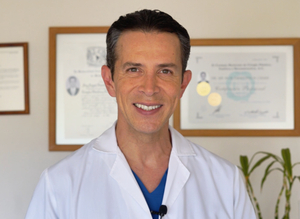
World-Leading Anti-Aging Stem Cell Clinic in Mexico City by Dr. Ary Papadopulos
Mexico City, Mexico
LONVIDA - Regenerative Medicine in Mexico City
Mexico City, Mexico
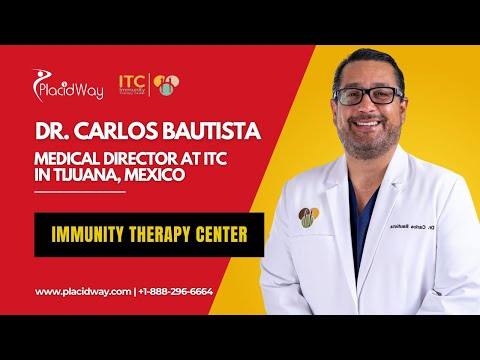
The true impact of regenerative medicine is best understood through the stories of those whose lives have been transformed by it. The video testimonials featured below offer an intimate, unfiltered look into the patient journey in Mexico. You will hear from individuals who have battled chronic pain, neurodegenerative diseases, and autoimmune disorders, and who found renewed hope across the border.
Watch these videos to witness firsthand the compassion of the medical staff, the quality of the facilities, and most importantly, the tangible improvements in mobility, energy levels, and overall wellness that these patients have achieved.
Insight: Video testimonials provide crucial insights into the day-to-day experience and the genuine bedside manner of the clinical teams.



Before committing to travel for advanced medical care, it is natural to seek validation from those who have walked the path before you. In this section, you will find written reviews and ratings directly from international patients who received stem cell therapies in Mexico.
These verified reviews cover everything from the initial consultation and clinic hygiene to the effectiveness of the treatment over time. Reading through these firsthand accounts will help you gauge the consistency of clinical outcomes and determine if a specific clinic aligns with your expectations for compassionate, successful care.
Review Tip: Look for reviews from patients who share your specific medical condition to better understand potential outcomes.

How Long Does It Take for Stem Cell Therapy to Work?
Stem cell therapy is a revolutionary treatment that promotes tissue repair, regeneration, and healing for various medical conditions. Many patients considering this treatment often ask, "How long does it take for stem cell therapy to work?" The answer varies based on factors like the condition being treated, the type of stem cells used, and the patient's overall health. This guide explores the expected timeline for results, key factors affecting recovery, and what to expect post-treatment. Key Insights at a Glance Initial Improvements: Some patients notice reduced pain and inflammation within a few weeks. Noticeable Changes: Most see significant progress within 3 to 6 months after treatment. Full Effects: Maximum benefits often develop over 6 to 12 months. Chronic Conditions: Some cases may require up to 2 years for full regeneration. Patient-Specific Variability: Results depend on age, health, and severity of the condition. Understanding the Stem Cell Therapy Timeline Stem cell therapy works by stimulating the body's natural healing process, but it does not produce instant results. Instead, improvements occur gradually as the stem cells repair and regenerate damaged tissues. Typical Recovery Timeline Timeframe Expected Results First Few Weeks Reduced inflammation, slight pain relief in some cases. 1 to 3 Months Improved mobility, tissue healing begins. 3 to 6 Months Significant symptom reduction, better function. 6 to 12 Months Maximum tissue regeneration, long-term healing. Up to 2 Years Continued improvements in chronic or severe cases. Factors That Affect Stem Cell Therapy Results 1. Condition Being Treated Orthopedic Issues (Joint Pain, Arthritis): Results may be visible within 3 to 6 months. Neurological Disorders (MS, Parkinson’s): It may take 6 to 12 months for noticeable changes to occur. Autoimmune Diseases: Response varies, but improvement can be seen within 6 months. 2. Type of Stem Cells Used Mesenchymal Stem Cells (MSCs): Commonly used for joint and muscle regeneration. Hematopoietic Stem Cells (HSCs): Often used for blood-related conditions. Induced Pluripotent Stem Cells (iPSCs): Can generate various cell types but take longer to show effects. 3. Patient's Age & Health Condition Younger patients and those in good health tend to heal faster. Elderly patients or those with severe damage may take longer to experience benefits. 4. Post-Treatment Care & Lifestyle Following physical therapy, proper nutrition, and avoiding smoking/alcohol can accelerate healing. Lack of post-treatment care can delay or minimize the therapy’s effectiveness. When Can You Expect to Feel Better? Most patients report some relief within the first few weeks, but the most noticeable improvements happen between 3 to 6 months. Full recovery and long-term effects are often achieved within a year or longer. Did You Know? Stem cell therapy continues to work even after a year! The regenerative process can remain active for up to two years, gradually improving tissue health. Frequently Asked Questions (FAQs) 1. How long does it take for a stem cell injection to work? The effects of stem cell injections vary, but most patients experience some relief within a few weeks. Significant improvements in pain reduction and function typically occur within 3 to 6 months, while full regeneration may take up to 12 months or longer. 2. What not to do after stem cell injections? Avoid heavy exercise, anti-inflammatory medications, and alcohol for at least 6 weeks after treatment. Smoking should also be avoided, as it can slow down recovery. Follow your doctor’s post-treatment guidelines to ensure optimal healing. 3. How fast do stem cells work? Stem cells begin working immediately, but noticeable improvements take time. Some patients feel early benefits in a few weeks, while others see progress within 3 to 6 months. The healing process continues for up to 2 years in some cases. 4. What to expect after stem cell injections? After a stem cell injection, mild swelling, soreness, or stiffness may occur for a few days. Pain relief and mobility improvements typically develop gradually over several months. Long-term healing depends on lifestyle and post-treatment care. 4. Can everyone experience the same recovery time? No, results vary by individual. Age, health condition, and lifestyle choices influence how fast and effectively stem cells work. 5. Does stem cell therapy require multiple sessions? In some cases, repeat treatments may be needed for chronic conditions or severe tissue damage to achieve the best results. 6. What can slow down stem cell therapy results? Poor lifestyle choices, smoking, excessive alcohol, and lack of proper rehabilitation can delay or reduce the therapy’s effectiveness. 7. What should I do to speed up recovery after stem cell therapy? Follow post-treatment care guidelines. Eat a healthy diet rich in vitamins and proteins. Stay active but avoid overexertion. Attend follow-up appointments for progress tracking. Experience the Benefits of Stem Cell Therapy Stem cell therapy offers a natural, long-term solution for healing and tissue regeneration. While results take time, most patients experience positive changes within a few months, with continued improvements over the long term. If you're considering stem cell therapy, consult a specialist today to understand how it can benefit your specific condition!
What is the Average Price of Stem Cell Therapy for Parkinson's Disease in Mexico?
Stem cell therapy for Parkinson's Disease (PD) is an area of significant research and development within regenerative medicine, offering hope for managing symptoms and potentially slowing disease progression. Mexico, particularly clinics in popular medical tourism hubs like Tijuana, has become a destination for patients seeking these advanced, often investigational, treatments at a more accessible cost. What is the Average Price of Stem Cell Therapy for Parkinson's Disease in Mexico? "The average price of stem cell therapy for Parkinson's Disease in Mexico typically ranges from $8,000 to $15,000 USD per treatment session. This cost can vary significantly based on the type and quantity of stem cells used, the administration method (e.g., intravenous, intrathecal), the specific clinic's protocol, and any included complementary therapies or services." For example, some clinics offer protocols starting around $8,000 to $10,000 USD for a specific cell count and administration method. More comprehensive packages, involving higher doses of stem cells (e.g., 100 million or more), multiple types of cells, or additional supportive treatments like exosomes, PRP, or specific IV drips, might reach up to $15,000 USD or potentially slightly higher. As of June 2025, these prices represent a substantial saving compared to the United States or Canada, where similar investigational treatments, if available, could cost upwards of $20,000 to $50,000+ per session. What are the typical costs for a single session of stem cell therapy for Parkinson's Disease in Mexico? "The typical costs for a single session of stem cell therapy for Parkinson's Disease in Mexico generally fall between $8,000 and $15,000 USD, with pricing influenced by the specific type and concentration of stem cells and the complexity of the treatment protocol." The cost of stem cell therapy for Parkinson's Disease in Mexico reflects the individualized nature of these advanced treatments. Here's a general breakdown: Standard Protocols (e.g., IV administration with standard cell count): You might find treatments starting from $8,000 to $10,000 USD. These usually involve a defined number of Mesenchymal Stem Cells (MSCs), often derived from umbilical cord tissue, administered intravenously. This is often the starting point for patients seeking general neurological support. Higher-Dose or Combination Protocols: As the number of stem cells administered increases (e.g., 50 million, 100 million, or more), or if the treatment involves additional components like exosomes (extracellular vesicles with regenerative properties), Platelet-Rich Plasma (PRP), or specific neurotrophic factors, the price can increase to $10,000 to $15,000 USD. These higher doses or combinations may be recommended for more advanced stages of PD or for patients seeking more intensive treatment. Advanced Administration Routes: While less common, if a clinic offers more invasive administration methods (e.g., intrathecal injection into the spinal fluid, which aims for closer delivery to the central nervous system), the cost would typically be on the higher end of the spectrum due to increased complexity and specialized expertise required. The exact cost will always be determined after a thorough medical evaluation by the clinic's specialists, who will then design a personalized treatment plan. Why is stem cell therapy for Parkinson's Disease more affordable in Mexico? "Stem cell therapy for Parkinson's Disease is more affordable in Mexico primarily due to lower operational costs for specialized clinics, reduced labor wages for highly skilled medical professionals, and a more favorable regulatory environment for regenerative therapies compared to the United States, allowing for significant cost savings for patients." The substantial cost advantage of seeking stem cell therapy for Parkinson's Disease in Mexico (often saving 50% to 70% compared to equivalent treatments in the US) is a major draw. This affordability stems from economic differences, rather than a compromise on the quality of care or the stem cells themselves at reputable clinics: Lower Overhead Costs: The operational expenses for medical facilities in Mexico, including rent for clinics, utilities, medical supplies, and general administrative costs, are considerably lower than in the US or Canada. Reduced Labor Wages: While Mexican medical specialists, including neurologists, stem cell therapists, nurses, and lab technicians, are highly trained and experienced, their salaries are significantly lower than what their counterparts earn in North America. This significantly reduces the overall cost of providing the therapy. Regulatory Framework: As of June 2025, the regulatory landscape for stem cell therapies in Mexico, overseen by COFEPRIS (Mexico's equivalent of the FDA), allows for broader and more accessible applications of regenerative treatments than in the US. In the US, many stem cell therapies for neurological conditions like PD are still considered investigational and can only be accessed through costly clinical trials or under specific, limited exemptions. This regulatory difference reduces development and operational costs for Mexican clinics. Favorable Exchange Rates: The purchasing power of the US dollar against the Mexican Peso further enhances affordability for international patients. Competitive Market: Mexico's robust medical tourism sector, particularly in cities like Tijuana and Guadalajara, fosters competition among specialized clinics, encouraging them to offer attractive pricing for advanced therapies. These combined factors enable reputable Mexican clinics to provide cutting-edge stem cell therapy for Parkinson's Disease at a fraction of the cost seen in many other countries. What types of stem cells are used for Parkinson's Disease treatment in Mexico? "For Parkinson's Disease treatment in Mexico, clinics primarily utilize Mesenchymal Stem Cells (MSCs), most commonly derived from umbilical cord tissue (Wharton's Jelly), but also from adipose (fat) tissue or bone marrow, due to their neuroprotective, anti-inflammatory, and immunomodulatory properties." MSCs are the most prevalent type of stem cell employed in regenerative medicine for neurological conditions like Parkinson's Disease. They are multipotent cells that can differentiate into various cell types and exert therapeutic effects through several mechanisms: Neuroprotection: MSCs can release growth factors and other molecules that help protect existing dopamine-producing neurons from further degeneration. Anti-inflammation: They possess powerful anti-inflammatory properties that can reduce neuroinflammation in the brain, which is implicated in PD progression. Immunomodulation: MSCs can modulate the immune system, potentially calming autoimmune responses that may contribute to neuronal damage. Trophic Support: They secrete factors that promote tissue repair and regeneration. Common sources for MSCs in Mexico include: Umbilical Cord Tissue-Derived MSCs: These are "allogeneic" (donor-derived) and are a preferred source due to their abundance of young, potent, and ethically sourced cells. They are considered immune-privileged, reducing the risk of rejection. Adipose-Derived Stem Cells (ADSCs): These are usually "autologous" (from the patient's own fat tissue) or, less commonly, allogeneic. They are harvested via liposuction, processed, and then re-administered. Bone Marrow-Derived Stem Cells (BMSCs): Also autologous, harvested from the patient's bone marrow. While effective, harvesting is more invasive and cell potency can decrease with age. The specific type, source, and quantity of MSCs used will be determined by the clinic's protocol and the patient's individual neurological assessment. What is typically included in the price of stem cell therapy packages for Parkinson's Disease in Mexico? "The price of stem cell therapy packages for Parkinson's Disease in Mexico typically includes the initial medical consultation, the cost of stem cells (sourcing and processing), administration of cells (e.g., IV, intrathecal), and immediate post-treatment monitoring, with some clinics offering additional supportive therapies or logistics." When considering stem cell therapy for Parkinson's Disease in Mexico, it's crucial to obtain a detailed, itemized quote to understand exactly what is covered in the package. Reputable clinics typically offer comprehensive services: Medical Consultation: This involves a thorough review of your medical history, current PD symptoms, diagnostic imaging (MRI, PET scans), and a neurological evaluation to assess your suitability and create a personalized treatment plan. This may include remote initial consultations. Stem Cell Sourcing and Preparation: The cost of acquiring the specific type and quantity of stem cells (e.g., from a certified umbilical cord bank) and the sophisticated laboratory processing to ensure cell viability and purity. Administration of Cells: The cost associated with the chosen delivery method, whether it's intravenous (IV) infusion, intrathecal injection (into the spinal fluid), or a combination of approaches. Post-Treatment Monitoring: Immediate observation and care after the procedure to monitor for any adverse reactions and ensure patient stability. Medical Team Fees: Fees for the specialized neurologists, stem cell therapists, nurses, and technicians involved in your treatment. Medications: Initial medications administered during the treatment process. Logistical Support (Varies by clinic): Some comprehensive packages may include ground transportation from the border or airport to the clinic/hotel, and even accommodation for a few nights. What is often not included and should be budgeted separately: Extensive Pre-treatment Diagnostics: While some basic labs might be included, specialized neurological assessments or advanced imaging (e.g., functional MRI) might be extra if not already completed. Additional Therapies: Complementary treatments like exosomes, NAD+ IV drips, hyperbaric oxygen therapy (HBOT), or specific physical/occupational therapy sessions might be offered as add-ons. Multiple Sessions: If a series of treatments is recommended for sustained benefits, each session will typically be a separate cost. Travel and Accommodation: Unless explicitly stated in a premium package, flights, hotel stays, local transportation beyond clinic transfers, and meals are separate expenses. Long-term Follow-up: While immediate post-treatment contact is usually provided, long-term neurological monitoring by the clinic or your local neurologist is typically not included. Always request an itemized quote to ensure full transparency and avoid any unexpected expenses. What factors influence the total cost of stem cell therapy for Parkinson's Disease in Mexico? "The total cost of stem cell therapy for Parkinson's Disease in Mexico is primarily influenced by the type and quantity (number of cells) of stem cells used, the administration method, the number of treatment sessions, the clinic's reputation and specialization, and any complementary therapies included in the protocol." The personalized nature of stem cell therapy means that the final cost can vary significantly. Key factors impacting the price include: Stem Cell Type and Quantity: Umbilical cord-derived MSCs are generally more expensive due to their sourcing from licensed banks and processing. Higher cell counts (e.g., 100 million+ cells per dose) are typically associated with higher costs, as they involve more complex lab work and sourcing. Administration Method: Simple intravenous (IV) infusions are usually less expensive than intrathecal (spinal fluid) injections, which require specialized training and equipment for precise delivery to the central nervous system. Number of Treatment Sessions: Many protocols for chronic neurological conditions like PD recommend multiple sessions over time (e.g., annually, bi-annually, or a series over a few weeks) for potential cumulative or sustained benefits. Each additional session will increase the overall cost. Clinic Reputation and Medical Team: Highly renowned clinics with advanced research capabilities, state-of-the-art facilities, and leading neurologists or regenerative medicine specialists will likely charge more for their expertise and infrastructure. Complementary Therapies: Many clinics offer integrated treatment plans that combine stem cell therapy with other modalities like exosome therapy, NAD+ IV drips, neurorehabilitation programs, or hyperbaric oxygen therapy, which will add to the total cost. Pre- and Post-Treatment Diagnostics: Comprehensive neurological assessments, advanced imaging (MRI, PET scans), or long-term biomarker testing might be an additional cost if not specifically bundled. A detailed discussion with the clinic about your specific condition and their recommended protocol is essential to get an accurate cost estimate. How does the pricing of stem cell therapy for Parkinson's Disease in Mexico compare internationally? "The pricing of stem cell therapy for Parkinson's Disease in Mexico is significantly lower compared to countries like the United States and parts of Europe, where similar investigational treatments, if available, can cost anywhere from $20,000 to $50,000 USD or more per session." The cost differential makes Mexico a highly attractive option for patients worldwide: United States: As of June 2025, many stem cell therapies for neurological conditions like PD are considered investigational by the FDA. Access is typically limited to clinical trials (which may have costs or be covered by grants) or specific, often very expensive, unapproved clinics operating under limited exemptions. A single session, if offered outside of a trial, could be in the range of $20,000 to $50,000+ USD. Europe: Prices in some European countries (e.g., Germany, Switzerland) for advanced regenerative therapies can also be substantial, often ranging from €15,000 to €40,000+ per treatment. Other Medical Tourism Hubs: While other countries like Panama or Costa Rica also offer stem cell therapies, Mexico, particularly its border cities like Tijuana, remains extremely competitive, especially for North American patients due to its convenient proximity. The lower pricing in Mexico allows more individuals to access these potentially life-improving stem cell treatments for Parkinson's Disease. Is stem cell therapy for Parkinson's Disease covered by insurance in Mexico or my home country? "No, stem cell therapy for Parkinson's Disease is generally not covered by standard health insurance in Mexico, the United States, Canada, or most other countries, as it is primarily considered an experimental or investigational therapy by major regulatory bodies." As of June 2025, patients considering stem cell therapy for Parkinson's Disease should anticipate paying the full cost out-of-pocket. Here's why insurance typically doesn't provide coverage: Investigational Status: Most insurance companies adhere to the guidelines of regulatory bodies (like the FDA in the US, Health Canada) which classify these treatments as investigational. Until they receive full approval as standard medical practice for Parkinson's Disease with extensive, long-term efficacy and safety data, insurance coverage is highly unlikely. Lack of Definitive Clinical Trial Data: Insurers typically require robust, large-scale, placebo-controlled clinical trial data demonstrating clear long-term efficacy and safety for specific indications before they will cover a treatment. This data is still being gathered for stem cell therapy in PD. Off-Label Use: Even if stem cells are approved for certain orthopedic or blood conditions, their use for neurological conditions like PD is considered "off-label" and therefore not covered. Elective Nature: From an insurance perspective, many experimental treatments are deemed elective or non-essential, falling outside of standard coverage. Out-of-Network/Out-of-Country: Even if a plan had some experimental coverage, it would likely not extend to treatment obtained in a foreign country or from providers not in their network. While Flexible Spending Accounts (FSAs) or Health Savings Accounts (HSAs) in the US might be used for these expenses, it's crucial for patients to confirm eligibility with their plan administrator directly. How to find a reputable clinic for stem cell therapy for Parkinson's Disease in Mexico? "To find a reputable clinic for stem cell therapy for Parkinson's Disease in Mexico, prioritize clinics with board-certified neurologists and regenerative medicine specialists, transparent pricing, verifiable cell quality and sourcing, strong patient testimonials, and clear communication regarding treatment protocols and realistic expectations." Choosing a reputable clinic is paramount for safety and potential efficacy when dealing with a complex neurological condition like Parkinson's Disease. Here's a checklist for thorough vetting: Medical Team Credentials: Ensure the doctors overseeing and administering the treatment are board-certified in relevant specialties (e.g., Neurology, Internal Medicine, Regenerative Medicine) and have specific experience with stem cell applications for neurological disorders. Transparency in Stem Cell Sourcing and Processing: This is critically important. Ask about the source of their stem cells (e.g., accredited umbilical cord tissue banks, in-house adipose/bone marrow processing labs), how they are processed, and if they provide Certificates of Analysis (COAs) for cell count, viability, and purity for each batch. Clinic Licensing and Accreditations: Verify that the clinic is fully licensed by the Mexican Ministry of Health (COFEPRIS). While international accreditation (like JCI) is less common for specialized stem cell clinics, it's a strong indicator of quality if present. Detailed Treatment Protocols: The clinic should provide a clear, individualized treatment plan based on your specific PD stage, explaining the rationale, dosage, administration routes, expected outcomes (realistic), and potential risks. Realistic Expectations: Be wary of clinics that make exaggerated claims or promise "cures." Reputable clinics will emphasize the investigational nature of the treatment and manage expectations responsibly, focusing on symptom management and potential disease modification rather than a full cure. Patient Testimonials and Reviews: Look for consistent positive feedback on independent platforms. Inquire if they can connect you with past patients (while respecting privacy). Communication: Ensure staff are multilingual and provide clear, prompt, and empathetic communication. Facility Standards: Ask for photos or virtual tours of their lab (if they process in-house) and treatment facilities to assess cleanliness and professionalism. Emergency Protocols: Inquire about their emergency preparedness and access to hospital facilities if needed. Thorough research, direct communication, and a healthy dose of skepticism are key to making a safe and informed decision about stem cell therapy for Parkinson's Disease in Mexico. Ready to explore potential innovative therapies for Parkinson's Disease? Visit PlacidWay to discover world-class medical tourism options and connect with trusted providers offering high-quality, affordable stem cell treatment for Parkinson's Disease in Mexico.
How much is Stem Cell Treatment for Diabetes in Guadalajara, Mexico?
Stem cell treatment for diabetes in Guadalajara, Mexico generally costs between $4,500 and $8,000 per session. This price includes initial medical consultations, the complete cellular therapy protocol, and essential post-procedure monitoring. Key Takeaways: Regenerative Therapy in Guadalajara Cost Efficiency: Patients save up to seventy percent compared to identical experimental protocols in the United States or Canada. Advanced Protocols: Facilities utilize cutting-edge Mesenchymal cell infusions to target pancreatic inflammation and beta-cell regeneration. Minimally Invasive: The therapy is administered via a simple intravenous drip, requiring zero surgical intervention and zero physical downtime. Regulatory Safety: High-end local clinics adhere strictly to COFEPRIS regulations and international ISO cleanroom standards. Holistic Care: Comprehensive packages often include extensive endocrinology evaluations, nutritional counseling, and long-term follow-up support. What factors influence the Stem Cell Treatment for Diabetes Cost in Mexico? The final price depends on the number of cells administered, the specific type of cells used, and the necessary pre-treatment diagnostic tests. Facility amenities also play a role. The primary driver of expenses is the cellular dosage required for your specific metabolic condition. Patients with severe insulin resistance or longer disease duration often need a higher concentration of millions of viable cells to achieve optimal tissue regeneration and immunomodulation. Adjusting this cellular count directly impacts the stem cell treatment for diabetes cost in Mexico. Another significant aspect is the laboratory processing standard. Top-tier medical destinations invest heavily in pristine cleanrooms and advanced incubation technologies to ensure maximum cellular viability. This rigorous quality control slightly increases the baseline expense but dramatically improves therapeutic outcomes by ensuring only the healthiest, most robust cells are utilized. Finally, comprehensive diagnostic panels play a crucial role in the total investment. Before receiving stem cell treatment for diabetes in Mexico, patients undergo extensive blood work, endocrine evaluations, and immune system profiling to customize the regenerative protocol perfectly to their unique biological needs. How does the procedure work for Stem Cell Treatment for Diabetes in Guadalajara? The protocol involves extracting or preparing potent regenerative cells, purifying them in a laboratory, and reintroducing them intravenously. These cells then migrate to damaged tissues to promote healing. Initial Medical Evaluation: Comprehensive baseline testing establishes your current glycemic control, inflammatory markers, and overall organ function prior to therapy. Cellular Preparation: Depending on the protocol, specialists either extract cells from your own adipose tissue or prepare ethically sourced materials from a certified laboratory. Intravenous Administration: The purified therapeutic agents are gently infused into your bloodstream through a standard IV drip, a painless process that typically takes a few hours. Targeted Tissue Migration: Once in the body, these smart cells utilize chemical signals to home in on the pancreas and other areas experiencing high levels of oxidative stress. Post-Infusion Monitoring: Medical staff observe your vital signs and immediate biological responses to ensure complete comfort and safety before you return to your accommodation. What types of cells are used at a Stem Cell Treatment for Diabetes Clinic in Mexico? Facilities primarily use Mesenchymal cells sourced from umbilical cord tissue, bone marrow, or the patient own adipose fat. These cells are chosen for their powerful anti-inflammatory properties. Mesenchymal cells derived from Wharton jelly in donated umbilical cords are incredibly popular in modern regenerative medicine. These young, robust cells possess exceptional multiplication capabilities and do not carry the risk of immune rejection, making them universally compatible for diverse patient profiles seeking treatment abroad. Autologous adipose-derived cells are another excellent option frequently offered at any reputable stem cell treatment for diabetes clinic in Mexico. By utilizing your own body fat, specialists eliminate ethical concerns and rejection risks while providing a rich source of regenerative tissue perfectly matched to your DNA. Bone marrow aspirate remains a traditional yet highly effective source for metabolic therapies. While the extraction process is slightly more invasive, the resulting cellular matrix is rich in growth factors and hematopoietic elements that significantly aid in repairing damaged vascular networks associated with chronic high blood sugar. Is it safe to undergo Stem Cell Treatment for Diabetes in Guadalajara Mexico? Yes, undergoing regenerative therapy in Guadalajara is highly safe when performed in certified facilities following strict international protocols. The city boasts modern infrastructure and highly trained specialists. Strict Regulatory Compliance: Top facilities adhere strictly to guidelines set by COFEPRIS, the national health regulatory agency, ensuring sterile environments and ethical medical practices. Advanced Sterilization Protocols: Laboratories utilize ISO-certified cleanrooms to process all biological materials, eliminating the risk of bacterial contamination or infection. Comprehensive Screening: Allogeneic biological materials undergo rigorous multi-step testing for infectious diseases, genetic abnormalities, and cellular viability before ever reaching a patient. Expert Medical Supervision: Treatments are administered by board-certified specialists with extensive training in endocrinology and regenerative protocols, ensuring immediate response capabilities. Minimal Side Effects: Because the therapies utilize naturally occurring biological mechanisms, adverse reactions are exceptionally rare and typically limited to mild, temporary fatigue. What results can patients expect from Stem Cell Treatment for Diabetes in Mexico? Patients frequently experience improved blood sugar stability, reduced reliance on synthetic insulin, and a significant decrease in neuropathic pain. Results vary based on disease progression. The most profound benefit reported by patients is the stabilization of daily glucose levels. By repairing pancreatic beta cells and reducing systemic insulin resistance, the therapy helps the body regain its natural ability to process sugars efficiently, preventing dangerous spikes and crashes throughout the day. Many individuals find they can gradually reduce their dependence on exogenous medications under their endocrinologist supervision. This reduction not only cuts long-term pharmaceutical costs but also minimizes the negative side effects often associated with heavy reliance on synthetic metabolic drugs. Furthermore, the immunomodulatory effects of the therapy drastically reduce chronic inflammation. This mechanism is particularly effective in halting or reversing secondary diabetic complications such as peripheral neuropathy, retinopathy, and slow-healing extremities. Condition Type Primary Regenerative Goal Expected Clinical Outcome Type 2 Reverse systemic insulin resistance and reduce widespread cellular inflammation. Significant stabilization of HbA1c, potential reduction in oral medications, and neuropathy relief. Type 1 Modulate the autoimmune response to protect remaining pancreatic beta cells. Smoother glycemic control, fewer hypoglycemic episodes, and possible reduction in daily insulin units. How does Medical Tourism in Mexico benefit patients seeking Stem Cell Treatment for Diabetes? Traveling southward allows patients to access cutting-edge regenerative treatments at a fraction of the cost found in their home countries, bypassing slow bureaucratic healthcare approvals. The primary advantage of medical tourism in Mexico is the overwhelming economic relief. Healthcare systems in North America and Europe often price innovative biological treatments out of reach for the average person, whereas Latin American centers offer identical or superior technology at highly accessible rates. Beyond financial savings, international patients benefit from significantly reduced waiting times. Instead of remaining on waiting lists for months or years while their metabolic condition deteriorates, individuals can schedule comprehensive consultations and receive their infusions within a matter of weeks. The holistic approach taken by international providers also enhances the healing experience. Patients receive unhurried, comprehensive care that treats the root cause of their metabolic dysfunction rather than simply masking symptoms, all while recovering in a culturally rich and relaxing environment. How should patients prepare for Stem Cell Treatment for Diabetes in Guadalajara? Proper preparation involves stabilizing current blood sugar levels, adopting an anti-inflammatory diet, and stopping certain medications. A clean biological environment maximizes the infusion effectiveness. Nutritional Optimization: Transitioning to a diet rich in antioxidants, lean proteins, and healthy fats helps reduce baseline inflammation, creating a welcoming environment for the new cells. Hydration Focus: Drinking abundant water in the weeks leading up to the procedure ensures optimal blood volume and makes intravenous access much easier for the nursing staff. Medication Review: Patients must consult their primary care physicians to temporarily pause blood thinners or specific immunosuppressants that could hinder the regenerative cascade. Lifestyle Adjustments: Eliminating alcohol consumption and tobacco use is absolutely critical, as toxins severely damage cellular viability and restrict the oxygen flow necessary for tissue repair. Stress Reduction: Engaging in light yoga, meditation, or deep breathing exercises helps lower cortisol levels, preventing stress-induced glucose spikes prior to the medical intervention. What is the recovery phase like after Stem Cell Treatment for Diabetes in Mexico? Recovery is exceptionally rapid, with most patients returning to light daily activities within twenty-four hours. Follow-up involves periodic blood work to monitor glucose trends. Because the intervention is minimally invasive, physical downtime is virtually nonexistent. Patients might experience mild lethargy or a slight headache on the day of the infusion, which is a normal biological response as the body redirects energy toward internal healing processes. The true magic happens over the following weeks and months. Regenerative tissue repair is a gradual cascade; therefore, patients are instructed to keep detailed logs of their daily glucose readings to track the subtle, progressive improvements in their metabolic function. Long-term success relies heavily on sustained lifestyle choices. The therapy provides a biological reset, but patients must protect their newly functioning pancreatic tissues by maintaining a healthy weight, exercising regularly, and adhering to the nutritional guidelines provided by their international medical team. Did You Know? Mesenchymal cells have a unique biological homing ability. When infused into the bloodstream, they act like microscopic paramedics, actively seeking out chemical signals of distress and inflammation emitted by a damaged pancreas to begin localized repairs. How does the Stem Cell Treatment for Diabetes Cost in Mexico compare to the United States? The financial investment in Latin America is typically sixty to eighty percent lower than comparable protocols in the United States, driven by lower operational overhead and different regulatory structures. In the United States, experimental and regenerative therapies are rarely covered by private insurance, forcing patients to pay exorbitant out-of-pocket fees. These inflated prices reflect high administrative costs, excessive malpractice insurance premiums, and massive pharmaceutical markups. Conversely, healthcare providers south of the border operate within a streamlined economic environment. Reduced administrative burdens and lower real estate costs allow top-tier laboratories to offer identical, premium-grade biological materials at a fraction of the northern price. It is crucial to understand that lower prices do not equate to inferior science. The leading biological laboratories in Jalisco utilize the exact same flow cytometry equipment, cleanroom technologies, and ISO-certified protocols as the most prestigious research hospitals in North America. Why Choose PlacidWay for Stem Cell Treatment for Diabetes in Guadalajara Mexico? PlacidWay serves as your dedicated health advocate, connecting you with internationally accredited facilities and top-tier regenerative specialists. We ensure a transparent, safe, and highly personalized experience. Rigorous Facility Vetting: We partner exclusively with extensively certified clinics that uphold the highest global standards for laboratory sterility and ethical cellular sourcing. Comprehensive Medical Advocacy: Our dedicated coordinators facilitate seamless communication between you and your chosen international specialists, ensuring all your clinical questions are answered promptly. Transparent Pricing Models: We provide clear, itemized cost estimates upfront, eliminating hidden medical fees so you can make informed financial decisions regarding your healthcare. Expert Specialist Matching: Based on your specific metabolic profile, we connect you with board-certified endocrinologists and regenerative researchers who possess documented success in treating your exact condition. Pre-Consultation Facilitation: We arrange secure digital meetings with your prospective medical team, allowing you to discuss protocols and establish trust before making any commitments. Ongoing Post-Care Support: Our commitment extends beyond your procedure; we assist in coordinating vital follow-up communications between your international doctors and your local primary care physician. Frequently Asked Questions About Stem Cell Treatment for Diabetes in Guadalajara, Mexico How long do I need to stay in Guadalajara for Stem Cell Treatment for Diabetes? Most regenerative protocols require a short stay of three to five days. This allows sufficient time for the initial medical evaluation, the intravenous infusion process, and a final post-treatment observation period to ensure you are fully stable before heading home. Can type 1 and type 2 diabetics both receive Stem Cell Treatment for Diabetes in Mexico? Yes, however, the goals differ. For Type 2, the focus is on reversing insulin resistance and regenerating beta cells. For Type 1, which is autoimmune, the therapy aims to halt the immune system attack on the pancreas while attempting to restore some endogenous insulin production. Are the materials used for Stem Cell Treatment for Diabetes in Guadalajara ethically sourced? Absolutely. Certified laboratories strictly utilize biological materials sourced from healthy, consenting adult donors or from discarded umbilical cords post-cesarean section. Embryonic materials are strictly prohibited and never utilized in legitimate regenerative clinics. Will my domestic health insurance cover Stem Cell Treatment for Diabetes in Mexico? Generally, traditional health insurance providers in the United States or Canada do not cover elective regenerative therapies performed internationally. Patients should expect to fund the procedure out-of-pocket, which is why the affordable pricing structure in Latin America is so advantageous. How soon will I notice changes after Stem Cell Treatment for Diabetes in Guadalajara? Biological healing is a gradual process. While some patients report improved energy and minor glucose stabilization within the first few weeks, the most significant and measurable metabolic improvements typically manifest between three to six months post-infusion. Do I need multiple sessions of Stem Cell Treatment for Diabetes in Mexico to see lasting improvements? The necessity for subsequent sessions depends entirely on individual disease severity. Many patients achieve exceptional, long-lasting results from a single comprehensive protocol, while others with advanced chronic conditions may benefit from a booster infusion twelve to eighteen months later. Are there age restrictions for Stem Cell Treatment for Diabetes in Guadalajara? While there is no strict upper age limit, candidacy is based on overall biological health rather than chronological age. Patients must possess sufficient organ function to safely process the biological materials, which is determined during the comprehensive pre-treatment evaluation. What makes Guadalajara a top destination for medical tourism in Mexico? The region is renowned as the Silicon Valley of Latin America, boasting exceptional technological infrastructure, world-class private hospitals, and a massive concentration of globally trained medical specialists who deliver premium healthcare in a beautiful, culturally rich environment. Is language a barrier at a Stem Cell Treatment for Diabetes clinic in Mexico? Not at all. Facilities catering to international patients employ fully bilingual medical staff. From the receptionists to the lead endocrinologists, communication is seamlessly conducted in English to ensure you fully understand every aspect of your medical care. Can I combine Stem Cell Treatment for Diabetes in Guadalajara with a family vacation? Because the procedure is non-surgical and involves virtually no physical downtime, many patients comfortably combine their medical journey with a relaxing vacation. The region offers incredible culinary experiences, historical architecture, and a temperate climate perfect for recovery. Start Your Regenerative Journey in Guadalajara Today Do not let metabolic conditions control your future. PlacidWay connects you with globally recognized, government-accredited clinics offering cutting-edge therapies. Get a free, no-obligation quote, receive a personalized treatment plan from board-certified endocrinologists, and unlock exclusive healthcare packages designed just for you. Get Your Free Quote * Responses typically within 24 hours. Privacy guaranteed.
Is Stem Cell Therapy for Osteoarthritis FDA-Approved?
No, stem cell therapy for osteoarthritis is not FDA-approved yet. However, there is hope as ongoing research and clinical trials show promising results, with scientists exploring ways to improve the consistency and safety of these treatments. The FDA currently allows stem cell therapy for osteoarthritis only under investigational trials, which means patients can access these treatments in a regulated setting where safety and efficacy are closely monitored. As advancements in stem cell technology continue, there is potential for these therapies to eventually receive FDA approval, offering a new regenerative solution for osteoarthritis patients. Understanding Stem Cell Therapy for Osteoarthritis Stem cell therapy for osteoarthritis primarily aims to regenerate cartilage and repair damaged joint tissue. The process typically involves using mesenchymal stem cells (MSCs), which can differentiate into various types of cells, including cartilage cells. These stem cells are often derived from a patient’s own body, typically from bone marrow or adipose (fat) tissue, and then injected directly into the affected joint. Once administered, the stem cells are believed to stimulate repair processes in the damaged cartilage, potentially providing pain relief and improving joint function. Best Clinics for Stem Cell Therapy for Osteoarthritis Clinics Countries CellCenter Slovakia Dr. Omar Gonzalez Integra Medical Center Mexico MexStemCells Clinic Mexico Stem Health Mexico Vega Stem Cell Clinic Thailand The FDA Status: Is Stem Cell Therapy for Osteoarthritis Approved? Currently, stem cell therapy for osteoarthritis is not FDA-approved. The FDA has only approved certain stem cell therapies for blood disorders, such as treatments for certain cancers. Stem cell treatments for orthopedic or joint-related conditions like osteoarthritis have yet to receive FDA endorsement, largely due to ongoing questions about their consistency, safety, and long-term effects. This lack of approval means patients should be cautious when considering stem cell therapy outside of regulated clinical trials. Why FDA Approval is Still Pending For FDA approval, a treatment must show consistent safety and efficacy in large-scale clinical trials. Stem cell therapy for osteoarthritis faces unique challenges, such as: Variability in Stem Cell Types: Different sources (bone marrow, fat tissue) and types (autologous, allogeneic) of stem cells are used, creating variations in outcomes. Mixed Results: While some patients experience positive results, others show minimal or short-lived improvements. The FDA needs extensive data showing consistent outcomes to approve any treatment. Safety Concerns: Risks like infection, inflammation, and potential tissue complications also weigh into the FDA’s cautious stance on approving this therapy. This regulatory caution doesn’t eliminate the hope stem cell therapy holds for osteoarthritis, but it emphasizes the importance of seeking reputable, regulated options if pursuing this treatment. How to Access Stem Cell Therapy for Osteoarthritis Safely For those interested in stem cell therapy despite the lack of FDA approval, participating in an FDA-regulated clinical trial is one of the safest ways to access this treatment. Clinical trials are closely monitored to adhere to strict safety standards and are designed to test treatment efficacy under controlled conditions. By participating in a trial, patients gain access to the treatment under medical supervision while contributing to the research that may one day make stem cell therapy FDA-approved. Real Hope: Why Stem Cell Therapy is Still Worth Considering Although stem cell therapy for osteoarthritis lacks FDA approval, research shows real promise. The therapy aims to repair damaged cartilage and reduce inflammation, potentially improving joint function and easing pain. Here’s why it’s generating optimism among patients and researchers: Regenerative Potential: Unlike traditional treatments, which only manage symptoms, stem cell therapy seeks to repair cartilage, potentially offering longer-term relief. Reduced Medication Dependency: Patients who respond well to stem cell therapy often report a reduced need for pain medications, thanks to improved joint function. Improved Quality of Life: Many patients who participate in trials experience greater mobility and less joint pain, enhancing their overall quality of life. Potential Risks and Precautions While promising, stem cell therapy for osteoarthritis is not without risks, especially when accessed outside FDA-regulated settings: Infection: Non-standardized procedures may lead to infections if proper precautions aren’t followed. Inflammation and Complications: Improper cell processing or administration can result in complications like tissue inflammation. High Costs with Limited Results: Unapproved treatments are often expensive, and without standardization, they may not provide the desired relief. By opting for clinical trials or researching providers thoroughly, patients can mitigate these risks and make informed decisions. Looking Ahead: Could Stem Cell Therapy Become the Future of Osteoarthritis Treatment? Although stem cell therapy is still under study, advancements in clinical trials, new technologies, and better standardization methods indicate that FDA approval could be within reach. Several promising research areas could make stem cell therapy safer and more effective, such as: Standardizing Cell Types: Consistent stem cell sources are key to achieving predictable results. Encapsulation Technology: Protecting stem cells from immune responses may help improve success rates. Refined Treatment Protocols: New techniques and research are helping make therapy safer, with a focus on achieving lasting benefits for patients. With ongoing developments and promising trial results, stem cell therapy may become a standard treatment for osteoarthritis, offering an alternative to pain management and surgery. The Future of Stem Cell Therapy for Osteoarthritis The future of stem cell therapy for osteoarthritis is promising, with several FDA-regulated clinical trials underway. Researchers are working on refining stem cell sources, improving delivery methods, and ensuring consistent outcomes. With continued research, stem cell therapy may eventually receive FDA approval, providing a safer and more effective regenerative option for osteoarthritis patients. Although stem cell therapy for osteoarthritis is not yet FDA-approved, its regenerative potential offers a glimpse of a future where osteoarthritis patients might finally see lasting relief. For those considering this therapy, participating in clinical trials or consulting with reputable medical professionals is the safest approach. With ongoing research and continuous advancements, stem cell therapy could one day become a viable, FDA-approved treatment for osteoarthritis, changing the lives of millions suffering from this painful condition.
What is the Average Price of Stem Cell Treatment for Anti Aging in Mexico?
The quest for eternal youth has led to remarkable advancements in medicine, and stem cell treatment for anti-aging has emerged as a promising frontier. For individuals seeking to revitalize their bodies, improve skin elasticity, boost energy levels, and generally combat the effects of aging, Mexico has become a highly attractive destination. This appeal is largely driven by the accessibility and significantly more affordable pricing of these innovative therapies compared to other countries. What is the average price of stem cell treatment for anti-aging in Mexico? "The average price of stem cell treatment for anti-aging in Mexico typically ranges from $3,000 to $7,800 USD per treatment session. This cost can vary depending on the specific clinic, the type and quantity of stem cells used, the administration method, and whether it's part of a broader anti-aging package." As of June 2025, Mexico continues to be a leading hub for regenerative medicine, offering cutting-edge stem cell therapies. This blog post will delve into the various factors that influence the cost of stem cell treatment for anti-aging in Mexico, explore what's typically included in the price, compare it to international costs, and discuss the types of stem cells used to help you make an informed decision about your regenerative journey. What are the typical costs for a single session of anti-aging stem cell treatment in Mexico? "The typical costs for a single session of anti-aging stem cell treatment in Mexico generally range from $3,000 to $7,800 USD, with prices fluctuating based on the number of cells administered and the clinic's comprehensive approach." For patients seeking to rejuvenate their bodies and mitigate the signs of aging, clinics in Mexico offer various protocols. A basic single session might include a specific number of stem cells, often administered intravenously. For example: Entry-Level Sessions: Some clinics might offer treatments with 10-25 million stem cells for around $3,000 to $5,000 USD. These are often marketed for general wellness, vitality, and initial anti-aging benefits. Mid-Range Sessions: Treatments involving a higher cell count (e.g., 50-100 million stem cells) or specific combinations of therapies might fall into the $5,000 to $7,000 USD range. Premium/Higher-Dose Sessions: The higher end of the spectrum, around $7,000 to $7,800 USD, often includes a very high number of stem cells (e.g., 100 million or more), potentially multiple administration routes (IV plus localized injections), or may be part of an initial package with additional supporting treatments like exosome therapy, NAD+ IV drips, or specialized peptides. The actual cost will depend on the clinic's specific pricing model and the personalized treatment plan designed by the medical team. Why is stem cell treatment for anti-aging more affordable in Mexico? "Stem cell treatment for anti-aging is more affordable in Mexico primarily due to lower operational costs for clinics, including reduced labor wages, real estate expenses, and less stringent regulatory burdens compared to countries like the US, allowing for significant cost savings for patients." The considerable price difference, often representing savings of 50% to 80% compared to equivalent treatments in the United States, is a major factor driving medical tourism to Mexico. This affordability is not typically a reflection of lower quality or less effective cells, but rather of different economic structures: Lower Overhead Costs: The cost of running a specialized clinic in Mexico, including rent for facilities, utilities, and general administrative expenses, is significantly lower than in the US or Canada. Reduced Labor Wages: While Mexican medical professionals are highly trained, their salaries, even for specialized stem cell therapists and support staff, are considerably lower than those in North America. Less Stringent Regulations for Experimental Therapies: In the US, many stem cell therapies are still considered experimental by the FDA and face strict regulatory hurdles, leading to higher costs for clinical trials and limited availability. Mexico has a more permissive regulatory environment for regenerative therapies, which reduces development and operational costs for clinics. Favorable Exchange Rates: The strength of currencies like the US dollar against the Mexican Peso enhances the affordability for international patients. Competitive Market: Mexico has a robust and competitive medical tourism sector, encouraging clinics to offer attractive pricing to draw in international clients. These combined factors allow Mexican clinics to provide advanced stem cell treatment for anti-aging at a fraction of the cost found elsewhere. What types of stem cells are used for anti-aging treatment in Mexico? "For anti-aging treatment in Mexico, clinics primarily use Mesenchymal Stem Cells (MSCs), derived from sources like umbilical cord tissue (Wharton's Jelly), adipose tissue (fat), or bone marrow, due to their potent regenerative and immunomodulatory properties." MSCs are the most common and versatile type of stem cell used in regenerative medicine for anti-aging purposes. They are multipotent stromal cells that can differentiate into various cell types (bone, cartilage, fat, muscle) and possess powerful anti-inflammatory, immunomodulatory, and trophic (growth factor-producing) effects. Umbilical Cord Tissue (Wharton's Jelly) Derived MSCs: This is increasingly the preferred source due to its abundance of young, potent, and ethically sourced MSCs. These cells are "allogeneic" (from a donor, but typically immune-privileged, reducing rejection risk) and are readily available from licensed laboratories. Adipose-Derived Stem Cells (ADSCs): These are autologous (from the patient's own fat tissue) or allogeneic. They are harvested through liposuction, processed, and then re-administered. Bone Marrow-Derived Stem Cells (BMSCs): These are also autologous and are harvested from the patient's bone marrow. While effective, the harvesting procedure is more invasive and cell yield can decrease with age. Clinics in Mexico might offer different types of MSCs, and the choice often depends on the patient's condition, the clinic's specialization, and the desired outcome. The quantity of viable cells administered is often a key factor in the treatment's potential efficacy and cost. What is typically included in the price of anti-aging stem cell treatment in Mexico? "The price of anti-aging stem cell treatment in Mexico typically includes the consultation with the medical team, the cost of the stem cells (including sourcing and processing), the administration of the cells, and immediate post-treatment monitoring, with some packages offering additional supportive therapies." When getting a quote for stem cell treatment for anti-aging in Mexico, it's important to understand what is covered. Reputable clinics aim for transparency in their pricing: Initial Consultation: This includes a thorough medical history review, assessment of your anti-aging goals, and determination of your suitability for treatment. This can be remote or in-person. Stem Cell Sourcing and Preparation: The cost of acquiring the specific type and quantity of stem cells (e.g., umbilical cord tissue-derived MSCs from a certified lab) and their preparation for administration. Administration: The cost of the procedure itself, whether it's intravenous (IV) infusion, localized injections (e.g., for joint pain, skin rejuvenation), or a combination of methods. Post-Treatment Monitoring: Short-term observation and care immediately after the infusion or injections. Medical Team Fees: Covering the services of the doctors, nurses, and technicians involved in your treatment. What's often not included and should be budgeted separately: Pre-treatment Diagnostics: Extensive blood tests, imaging, or specialized functional medicine assessments (though some basic labs might be included). Additional Therapies: Exosomes, NAD+ IV drips, peptides, hyperbaric oxygen therapy (HBOT), or other complementary treatments might be offered as add-ons. Follow-up Sessions: If multiple sessions are recommended, each typically incurs its own cost. Travel and Accommodation: Flights, hotel stays, local transportation, and meals are separate expenses. Always request an itemized quote to clarify all inclusions and potential additional costs. What factors influence the total cost of anti-aging stem cell treatment in Mexico? "The total cost of anti-aging stem cell treatment in Mexico is primarily influenced by the type and quantity (number of cells) of stem cells used, the administration method, the number of treatment sessions required, the clinic's reputation, and any complementary therapies included in the package." Here's a breakdown of elements that can affect the final price: Type of Stem Cells: Umbilical cord-derived MSCs are generally more expensive than autologous (patient's own) cells due to sourcing and processing from a licensed laboratory. Quantity of Stem Cells (Cell Count): A higher number of viable stem cells administered typically correlates with a higher cost. Clinics often price based on millions of cells (e.g., 50 million, 100 million). Administration Method: Simple IV infusions might be less expensive than complex localized injections into multiple joints or organs. Number of Sessions: Anti-aging protocols often recommend multiple sessions over a period (e.g., annually or bi-annually) for sustained benefits, which increases the overall cost. Clinic Reputation and Location: Highly renowned clinics with state-of-the-art facilities and leading specialists may charge more for their expertise and advanced infrastructure. Complementary Therapies: Many clinics offer packages that combine stem cell treatment with other anti-aging modalities like exosome therapy, NAD+ IV therapy, ozone therapy, or hyperbaric oxygen, which will increase the total cost. Pre- and Post-Treatment Diagnostics: Comprehensive biomarker testing or follow-up evaluations may or may not be included in the base price. It is crucial to have a detailed discussion with the clinic about your goals and their recommended protocol to get an accurate cost estimate. How does the pricing of anti-aging stem cell treatment in Mexico compare internationally? "The pricing of anti-aging stem cell treatment in Mexico is significantly lower compared to countries like the United States and some European nations, where similar treatments can cost anywhere from $10,000 to $30,000 USD or more per session." The cost differential is a major advantage for Mexico: United States: In the US, due to stringent FDA regulations (many stem cell therapies are still considered investigational and require clinical trial participation or operate under specific exemptions), high operational costs, and insurance non-coverage, anti-aging stem cell treatments can be prohibitively expensive. A single session might range from $10,000 to $25,000 or even $30,000+ USD, if available outside of research settings. Europe: Prices in some European countries (e.g., Switzerland, Germany) can also be high, often in the range of €10,000 to €25,000+ per treatment. Other Medical Tourism Hubs: While some other countries also offer more affordable stem cell therapies, Mexico remains highly competitive, especially for North American patients due to its proximity and well-developed medical tourism infrastructure. The lower pricing in Mexico allows more individuals to access these potentially transformative anti-aging treatments. Is anti-aging stem cell treatment covered by insurance in Mexico or my home country? "No, anti-aging stem cell treatment is generally not covered by standard health insurance in Mexico, the United States, Canada, or most other countries, as it is typically considered an experimental or elective aesthetic/regenerative therapy rather than a medically necessary treatment." As of June 2025, most insurance companies globally do not cover stem cell treatments for anti-aging purposes. Here's why: Experimental/Investigational Status: Many stem cell treatments are still considered investigational or experimental by major regulatory bodies (like the FDA in the US) and are not yet approved as standard medical practice for anti-aging. Lack of Long-Term Data: Insurance companies often require extensive long-term clinical trial data proving efficacy and safety for specific indications before they will cover a treatment. This data is still accumulating for many anti-aging stem cell applications. Elective Nature: Anti-aging treatments are generally considered elective or cosmetic in nature, which are almost universally excluded from health insurance policies. Off-Label Use: Even if stem cells are approved for certain orthopedic conditions, their use for systemic anti-aging is considered "off-label" and thus not covered. Patients considering this treatment should anticipate paying out-of-pocket. However, Flexible Spending Accounts (FSAs) or Health Savings Accounts (HSAs) in the US might be used for these expenses, but it's crucial to confirm eligibility with your plan administrator. How to find a reputable clinic for anti-aging stem cell treatment in Mexico? "To find a reputable clinic for anti-aging stem cell treatment in Mexico, prioritize clinics with board-certified doctors, transparent pricing, evidence of cell quality and sourcing, positive patient testimonials, and clear communication regarding treatment protocols and expectations." Choosing a reputable clinic is paramount for safety and potential efficacy. Here's what to look for: Medical Team Credentials: Ensure the doctors overseeing the treatment are board-certified and have experience in regenerative medicine. Transparency in Stem Cell Sourcing: Inquire about where their stem cells come from (e.g., certified umbilical cord banks), how they are processed, and if they provide Certificates of Analysis (COAs) for cell count and viability. This is crucial for safety and quality. Clinic Accreditations: Look for clinics that are licensed by the Mexican Ministry of Health. While international accreditation (like JCI) is less common for specialized stem cell clinics, it's a bonus. Clear Treatment Protocols: The clinic should provide a detailed, individualized treatment plan, explaining the rationale, expected outcomes, and potential risks. Realistic Expectations: Be wary of clinics promising "cures" or unrealistic results. Reputable clinics will emphasize potential benefits and manage expectations. Patient Testimonials and Reviews: Look for consistent positive feedback on independent platforms. Communication: Ensure staff are multilingual and provide clear, prompt communication. Facility Standards: Ask for photos or virtual tours of their lab and treatment facilities to assess cleanliness and professionalism. Ethical Practices: Ensure they adhere to ethical guidelines regarding stem cell research and application. Thorough research and direct communication are key to making a safe and informed decision. Ready to explore the potential of regenerative medicine for your anti-aging goals? Visit PlacidWay to discover world-class medical tourism options and connect with trusted providers offering high-quality, affordable stem cell treatment for anti-aging in Mexico.
Where is the best stem cell clinic in mexico?
Stem cell therapy is a rapidly evolving field, and Mexico has become a popular destination for those seeking these treatments due to its accessibility and often more affordable options compared to other countries. While it's challenging to definitively name the single best stem cell clinic in Mexico, several institutions are highly regarded for their expertise, facilities, and patient care. The "best" clinic can also depend on the specific condition being treated and individual patient needs. This blog post aims to provide a comprehensive overview of leading stem cell clinics in Mexico, what to consider when choosing one, and answers to common questions about stem cell therapy. What are some of the most reputable stem cell clinics in Mexico? "Some of the most reputable stem cell clinics in Mexico include MexStemCells Clinic, Dr. Ary Papadopulos - Stem Cell Mexico City Clinic for Anti-Aging , Regenerative Medicine by ITC - Immunity Therapy Center, Sportmed Centro Medico among others, known for their experienced teams, advanced technology, and patient-focused care." Mexico boasts a growing number of clinics offering various forms of stem cell therapy. These clinics often attract international patients due to their comprehensive services, competitive pricing, and accessibility. Many of them focus on regenerative medicine for a wide range of conditions, from orthopedic injuries and autoimmune diseases to neurological disorders and anti-aging. It's crucial for prospective patients to research each clinic's specific specializations, accreditations, and patient testimonials to ensure it aligns with their individual needs. Why is Mexico a popular destination for stem cell therapy? "Mexico is a popular destination for stem cell therapy due to its more affordable costs compared to the US and Europe, easier access and shorter waiting times, and a regulatory environment that allows for a broader range of cutting-edge treatments." The cost-effectiveness is a significant draw, with treatments often being a fraction of the price found in other countries. Furthermore, Mexico's proximity to the United States makes it a convenient option for North American patients. The regulatory framework in Mexico, while overseen by COFEPRIS (the Mexican equivalent of the FDA), generally permits more diverse stem cell applications than in some other nations, enabling clinics to offer a wider array of therapies that may not yet be approved elsewhere. Many clinics also prioritize comprehensive patient care, including travel assistance and personalized treatment plans, enhancing the overall experience for medical tourists. What should I look for in a stem cell clinic in Mexico? "When choosing a stem cell clinic in Mexico, look for proper licensing and accreditation (COFEPRIS), an experienced medical team with specialized training, transparent information on cell sourcing and viability, clear treatment protocols, positive patient testimonials, and a commitment to aftercare and follow-up." Thorough due diligence is essential. A reputable clinic will be transparent about its accreditations and licenses, which should ideally include COFEPRIS approval for stem cell collection, processing, and application. The medical team's qualifications, including their experience in regenerative medicine and specific conditions, are paramount. Inquire about the source of their stem cells (e.g., autologous, allogeneic, umbilical cord tissue), their processing methods, and documented cell viability rates. Understanding the proposed treatment plan, potential risks, and expected outcomes is also crucial. Lastly, patient reviews and the clinic's approach to post-treatment support can offer valuable insights into the quality of care. Are stem cell treatments in Mexico safe? "Yes, stem cell treatments in Mexico can be safe when performed in licensed and reputable clinics that adhere to strict safety protocols, utilize high-quality, ethically sourced cells, and are overseen by qualified medical professionals." The safety of stem cell therapy in Mexico largely depends on the clinic chosen. Reputable clinics prioritize patient safety by maintaining sterile environments, employing experienced staff, and adhering to international standards for cell processing and administration. They typically use high-quality stem cell products, often with documented viability and purity. However, as with any medical procedure, there are inherent risks, and patients should be wary of clinics making exaggerated claims or offering treatments without a thorough medical evaluation. Always confirm the clinic's regulatory compliance and inquire about their safety record. How much does stem cell therapy cost in Mexico? "The cost of stem cell therapy in Mexico typically ranges from $5,000 to $25,000 USD or more, depending on the specific condition being treated, the type and quantity of stem cells used, the number of treatments required, and the clinic's facilities and services." While generally more affordable than in countries like the United States, the price can vary significantly. Factors influencing the total cost include the complexity of the condition, whether autologous (from the patient's own body) or allogeneic (from a donor, like umbilical cord tissue) cells are used, and the overall package inclusions (e.g., consultations, diagnostics, post-treatment care, travel assistance). It's advisable to get a detailed quote from several clinics and compare what is included in each price. What types of conditions are treated with stem cells in Mexico? "Stem cell clinics in Mexico offer treatments for a broad range of conditions, including orthopedic injuries (e.g., osteoarthritis, joint pain), autoimmune diseases (e.g., rheumatoid arthritis, lupus), neurological disorders (e.g., Parkinson's, multiple sclerosis, stroke recovery), chronic pain, and even anti-aging and wellness applications." The scope of conditions treated in Mexico is generally wider than in some other countries where regulations are stricter. Many clinics specialize in specific areas, such as neurological regeneration, musculoskeletal repair, or immune modulation. Patients seeking treatment for conditions like diabetes, heart disease, spinal cord injuries, and certain types of organ damage may also find options in Mexico. It's important to discuss your specific condition with the clinic to determine if stem cell therapy is a suitable and potentially beneficial option for you. What is the typical process for receiving stem cell therapy in Mexico? "The typical process for receiving stem cell therapy in Mexico usually begins with an initial consultation and patient assessment, followed by customized treatment planning, stem cell harvesting/preparation, the administration of cells, and finally, post-treatment follow-up and monitoring." Initially, patients undergo a comprehensive evaluation, which may include reviewing medical records, diagnostic tests, and a consultation with a medical specialist to determine suitability for stem cell therapy. Based on this, a personalized treatment plan is developed. The stem cells are then harvested (if autologous) or prepared (if allogeneic) using advanced techniques. Administration can be via intravenous (IV) infusion, targeted injections, or other specialized methods. Post-treatment care often involves monitoring, follow-up consultations, and sometimes supportive therapies to optimize results and ensure patient well-being. What are the different types of stem cells used in Mexico? "In Mexico, common types of stem cells used include mesenchymal stem cells (MSCs) derived from sources like umbilical cord tissue, adipose (fat) tissue, and bone marrow, as well as hematopoietic stem cells in some specialized treatments." Mesenchymal stem cells (MSCs) are multipotent stromal cells that can differentiate into a variety of cell types, including osteoblasts (bone cells), chondrocytes (cartilage cells), and adipocytes (fat cells). They are widely used due to their regenerative and immunomodulatory properties. Umbilical cord-derived MSCs are popular for their youthful properties and ease of collection without invasive procedures on the patient. Adipose-derived stem cells (ADSCs) are also commonly used, as fat tissue is an abundant source. Bone marrow-derived stem cells (BMSCs) are another significant source, particularly for orthopedic applications. The choice of stem cell type often depends on the condition being treated and the clinic's specialization. How long does recovery take after stem cell therapy in Mexico? "Recovery time after stem cell therapy in Mexico varies depending on the condition treated and the individual, but generally, patients can expect to resume light activities within a few days to a week, with the full therapeutic effects often becoming noticeable over several weeks to months." The immediate recovery period is typically short, especially for minimally invasive procedures. However, the regenerative process initiated by stem cells takes time. Patients are often advised to follow specific post-treatment guidelines, which may include rest, physical therapy, and avoiding strenuous activities for a certain period. The full benefits of the therapy, such as reduced pain, improved function, or disease modulation, can manifest gradually over an extended period as the cells work to repair and regenerate tissues. What are the potential risks and side effects of stem cell therapy? "Potential risks and side effects of stem cell therapy, though generally rare with reputable clinics, can include infection, allergic reaction, minor pain or swelling at the injection site, and in extremely rare cases, unintended cell growth (teratoma formation) or immune rejection, particularly with certain types of allogeneic cells." While stem cell therapy is considered relatively safe, especially when autologous cells are used, it's not entirely without risk. Reputable clinics employ strict protocols to minimize risks like infection. Allergic reactions are uncommon, particularly with allogeneic umbilical cord-derived cells which are considered "immune privileged." The risk of tumor formation is primarily associated with embryonic stem cells and induced pluripotent stem cells (iPSCs), which are generally not used in current therapeutic applications in Mexico. Patients should have an open discussion with their medical team about all potential risks and side effects specific to their chosen treatment. Can I combine stem cell therapy with other treatments in Mexico? "Yes, many stem cell clinics in Mexico offer integrative treatment plans that combine stem cell therapy with other complementary therapies, such as nutritional support, detoxification protocols, physical therapy, ozone therapy, or exosome therapy, to enhance overall patient outcomes." This holistic approach aims to create an optimal healing environment and maximize the therapeutic potential of the stem cells. For example, patients with orthopedic issues might combine stem cell injections with physical therapy to improve joint mobility and strength. Those with chronic conditions might benefit from nutritional counseling and anti-inflammatory diets. Always discuss with the clinic whether such combined therapies are beneficial for your specific condition and if they are included in the treatment package. Do Mexican stem cell clinics offer follow-up care? "Yes, reputable Mexican stem cell clinics typically offer comprehensive follow-up care, which can include post-treatment consultations, ongoing monitoring of progress, and access to the medical team for any questions or concerns that arise after the therapy." Good follow-up care is a hallmark of a patient-centric clinic. This often involves scheduled check-ins, either in person or remotely, to assess the patient's response to treatment and make any necessary adjustments to their recovery plan. Some clinics also provide patient coordinators or dedicated support staff to assist with post-treatment logistics and communication. This continuous support helps ensure the best possible long-term outcomes for patients. What is the regulatory oversight for stem cell clinics in Mexico? "In Mexico, stem cell clinics are regulated by the Federal Commission for the Protection against Sanitary Risks (COFEPRIS), which oversees health regulations, including the use, processing, and application of stem cells, ensuring certain standards of safety and quality." COFEPRIS is the main regulatory body responsible for ensuring the safety and efficacy of medical treatments in Mexico. While their regulations may differ from those in other countries like the FDA in the United States, reputable clinics strive to meet or exceed these national standards. Patients should always verify a clinic's COFEPRIS licensing and inquire about their adherence to international best practices in regenerative medicine. Are there language barriers at stem cell clinics in Mexico? "Most reputable stem cell clinics in Mexico that cater to international patients employ bilingual staff and often provide translation services to ensure clear communication between patients and their medical team, minimizing any language barriers." Given the significant influx of patients from English-speaking countries, many clinics have made concerted efforts to provide a comfortable and understandable experience. From patient coordinators who assist with pre-arrival arrangements to doctors and nurses who are fluent in English, language barriers are typically not an issue at well-established medical tourism facilities in Mexico. Ready to explore leading stem cell therapy options and other advanced healthcare services? Visit PlacidWay to connect with top-rated medical providers and embark on your journey towards better health and well-being.
The efficacy of regenerative medicine relies heavily on the expertise of the administering physician and their laboratory team. We have compiled a list of top-tier specialists in Mexico who are pioneers in cellular therapy. These physicians often hold international board certifications, possess years of dedicated experience in immunology or orthopedics, and lead multidisciplinary teams. Reviewing these profiles will help you connect with a specialist whose background aligns perfectly with your specific medical needs.
Board-Certified Medical Doctors
Fully Licensed and Internationally Trained
The specialists performing these procedures are fully licensed medical doctors (MDs), often specializing in internal medicine, neurology, or orthopedics, who have pursued advanced fellowships in regenerative medicine. They adhere to rigorous medical standards ensuring both safety and scientific validity.
Condition-Specific Expertise
Focused Treatment Approaches
Rather than a "one-size-fits-all" approach, these specialists focus on specific ailments. Whether you need a neurologist for MS or an orthopedic surgeon for joint regeneration, the doctors are matched to your exact diagnosis for optimal protocol creation.
Collaborative Medical Teams
Comprehensive Patient Evaluation
Top practitioners do not work alone. They lead comprehensive teams that include hematologists, cellular biologists, nutritionists, and physical therapists to ensure your body is primed to receive and utilize the stem cells effectively.
Dr. Jose Alejandro Robert Montenegro
Stem Health | Leading Stem Cell Clinic in Tijuana, Mexico
- Stem Cell Therapy
Tijuana, Mexico
Dr. Carlos Dueñas Ramirez
Quantum Biohack - Stem Cell Therapy Playa del Carmen
- Stem Cell Therapy
Playa Del Carmen, Mexico
Dr. Ary Papadopulos
Dr. Ary Papadopulos - Stem Cell Mexico City Clinic for Anti-Aging
- Anti-Aging Medicine
Mexico City, Mexico
Dr. Yosafat Audiffred
LONVIDA - Wellness and Longevity Center in Mexico City
- Anti-Aging Medicine
Mexico City, Mexico

Favorable Yet Strict Regulatory Climate
The primary driver making Mexico a global powerhouse for regenerative medicine is its progressive regulatory environment. COFEPRIS (the Federal Committee for Protection from Sanitary Risks) allows for the laboratory expansion of stem cells. This means labs can culture millions of vibrant cells from a single sample.
Simultaneously, COFEPRIS rigorously regulates these labs for safety, sterility, and ethical sourcing. Patients get the dual benefit of highly therapeutic dosages—often physically impossible to legally obtain in the US or Canada—combined with stringent, government-mandated safety oversight.
Advanced Clinical Methodologies
Mexican medical centers are not constrained to outdated models of care. They frequently employ integrative methodologies, combining stem cell injections with exosome therapy, hyperbaric oxygen chambers, and customized IV nutrition.
This multidisciplinary approach focuses on changing the patient's internal terrain, reducing systemic inflammation so that the newly introduced stem cells have the highest possible chance of surviving, engrafting, and repairing damaged tissues.
Unmatched Proximity and Value
For North Americans dealing with chronic illness, grueling 15-hour flights to clinics in Asia or Europe are physically draining. Mexico offers world-class hubs just across the border (like Tijuana) or a short, direct flight away (like Cancun or Puerto Vallarta).
Coupled with lower operational costs, Mexico provides an exceptional value proposition. Patients receive premium, VIP-level healthcare, comprehensive therapies, and ongoing patient support at a fraction of the cost they would incur elsewhere, making actual healing accessible rather than a luxury.
Navigating advanced medical treatments abroad can feel daunting, but you don't have to do it alone. PlacidWay serves as your dedicated healthcare advocate, bridging the gap between you and Mexico's most elite regenerative medicine specialists, ensuring a transparent, secure, and medically sound experience.
Rigorous Provider Vetting
We exclusively partner with clinics that hold valid COFEPRIS laboratory licenses and employ board-certified specialists, completely eliminating the guesswork from your search.
Secure Medical Review
We facilitate the secure transfer of your medical records and imaging to the surgical teams in Mexico for a thorough, obligation-free preliminary medical evaluation.
Direct Medical Consultations
We coordinate direct video or phone consultations, allowing you to speak one-on-one with the lead physician to discuss cell counts, protocols, and realistic outcomes.
Transparent Pricing
We secure comprehensive, itemized quotes on your behalf, ensuring you understand exactly what therapies and cell counts are included before making financial commitments.
Unbiased Education
We provide you with authentic patient reviews, facility profiles, and educational materials regarding cell sourcing, empowering you to make a data-driven choice.
Continuous Advocacy
Our specialized care team is available 24/7 to answer procedural questions, assist with clinical communication, and ensure your patient rights are prioritized.
Take the first step toward reclaiming your health and vitality today. Contact PlacidWay to receive a free, personalized quote and let us connect you with the top regenerative medicine experts in Mexico.
Get Your Free Personalized Quote.png)




.png)
.png)
.png)



Share this listing