Stem Cell Therapy for Diabetes in Mexico City

Experience Price

$6,500 Price starting from
Stem Cell Therapy for Diabetes in Mexico City

Contents

Effective Diabetes Regenerative Medicine in Mexico City

For patients managing the daily challenges of Type 1 or Type 2 diabetes, Mexico City has become a global center for advanced regenerative medicine. While conventional treatments focus on symptom management through insulin and medication, the specialized clinics in Mexico City utilize Mesenchymal Stem Cells (MSCs) to target the root causes: inflammation, immune system dysregulation, and pancreatic damage.

The primary advantage of seeking treatment in Mexico City lies in its progressive regulatory framework. Unlike in the United States, where the expansion (multiplication) of stem cells is heavily restricted, Mexico's health authority (COFEPRIS) permits the cultivation of cells under strict laboratory conditions. This allows patients to receive therapeutic doses in the hundreds of millions—doses high enough to potentially modulate the immune system and improve insulin sensitivity—which are simply not available in US clinics.

Leading facilities here are not "pop-up" clinics but established biotech centers often run by board-certified hematologists and endocrinologists. They primarily use high-potency stem cells derived from donated human umbilical cord tissue (Wharton's Jelly), known for their superior anti-inflammatory properties and lack of rejection risk. Treatment protocols are rigorous, often combining intravenous infusions with nutritional guidance to maximize results.

Below, we detail the science, safety, and specifics of Stem Cell Therapy for Diabetes in Mexico City, helping you understand how this innovative approach could change your disease management trajectory.

!

Did You Know?

For Type 2 Diabetes, the goal of stem cell therapy is not just to lower blood sugar, but to reduce systemic inflammation. Chronic inflammation is a key driver of insulin resistance and complications like neuropathy and kidney disease. MSCs act as "medicinal signaling cells" that can powerfully suppress this inflammation, potentially improving the body's natural ability to use insulin.

Key Insights at a Glance

1
High Dosage:

Mexican regulations allow for cell expansion, meaning patients can receive 100-300 million cells per treatment for maximum effect.

2
Superior Source:

Treatments typically use Wharton's Jelly MSCs (from umbilical cords), which are younger and more potent than a patient's own fat or bone marrow.

3
Cost Savings:

Therapies range from $5,000 to $15,000 USD, significantly less than similar experimental protocols in Panama or Europe.

4
Expertise:

Protocols are administered by licensed specialists who focus on metabolic diseases and immunology.

5
Minimally Invasive:

The procedure is typically a straightforward IV infusion, requiring no surgery and minimal downtime.

6
Safety Profile:

Umbilical cord MSCs are "immunoprivileged," meaning they do not trigger immune rejection, making them safe for almost all patients.

FUN FACT

The "Paracrine" Effect

Stem cells don't necessarily turn into new pancreas cells themselves. Instead, they primarily work through the "paracrine effect"—they release growth factors and cytokines that signal the body's existing cells to repair themselves, reduce inflammation, and stop attacking healthy tissue. It's like calling in a construction manager to direct a repair crew!

To reduce the stress of medical travel, leading regenerative medicine clinics in Mexico City provide all-inclusive packages. These comprehensive bundles typically include the full stem cell protocol (tailored to patient weight and condition), specialist consultations, comprehensive blood panels, ground transportation, and sometimes accommodation. Some clinics even include supportive therapies like hyperbaric oxygen or ozone therapy to enhance cell viability. Review the options below to find a package that covers your logistical and medical needs.

Note: Package prices usually depend on the cell count (e.g., 100 million vs. 300 million cells), so ensure you are comparing like-for-like dosages.

`

The cost of stem cell therapy is a significant investment, but Mexico City offers accessible pricing compared to other global hubs. Generally, treatments range from $5,000 to $15,000 USD. The lower end covers standard protocols (e.g., 50-100 million cells), while the higher end covers aggressive protocols for advanced complications (300+ million cells over multiple days). This is significantly lower than similar treatments in Panama or the Cayman Islands, which can exceed $25,000.

Tip: Always check if the quote includes follow-up consultations, which are vital for tracking your HbA1c and adjusting medication.

Stem Cell Treatment for Diabetes Centers Cost Comparison in Mexico City, Mexico

Provider Procedure Price
MexStemCells Clinic Stem Cell Treatment for Diabetes, Stem Cell Therapy $6500

Stem Cell Treatment for Diabetes Cost Comparison in Mexico

Country Procedure Price
Germany Stem Cell Treatment for Diabetes, Stem Cell Therapy $15000
United States Stem Cell Treatment for Diabetes, Stem Cell Therapy $22000

We have selected top-rated facilities that operate under COFEPRIS licenses for regenerative medicine. These centers distinguish themselves by having on-site laboratories to ensure cell viability, strict sterility protocols, and medical teams led by licensed specialists rather than general practitioners. Explore the profiles below to check their accreditations, laboratory standards, and experience specifically with diabetic patients.

Safety First: Ask the clinic for their "COFEPRIS license number" for stem cell banking/application to ensure they are a legal, regulated entity.

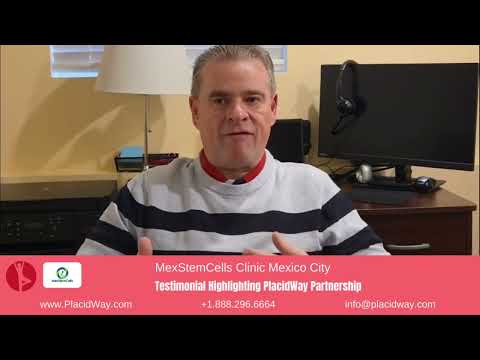
Individual results vary, but patient stories provide valuable context. In the video testimonials below, patients with Type 1 and Type 2 diabetes describe their experience in Mexico City. They discuss the treatment process, any side effects, and the impact on their daily life—such as reduced insulin requirements, improved energy levels, and stabilization of blood sugar spikes. These honest accounts help set realistic expectations.

Insight: Look for reviews that mention improvements in complications like neuropathy (nerve pain) or kidney function, as these are common targets of therapy.
Verified reviews from past patients can help guide your decision. In this section, you will find feedback regarding the professionalism of the doctors, the cleanliness of the facilities, and the overall patient care experience. Positive recommendations often highlight the comprehensive nature of the treatment—where doctors look at the whole patient, not just their glucose numbers—and the supportive environment provided during the stay.

Review Tip: Pay attention to reviews that discuss long-term follow-up, as maintaining contact with the clinic is crucial for monitoring progress.

Is stem cell therapy a cure for diabetes?

No, it is currently considered a management therapy, not a definitive cure. For Type 1, it aims to preserve remaining beta-cell function and modulate the autoimmune attack. For Type 2, it aims to reduce insulin resistance and systemic inflammation. While some patients may reduce their medication significantly, few stop insulin entirely forever. The goal is better control and prevention of complications.

What is the difference between Type 1 and Type 2 treatment?

In Type 1 (autoimmune), the focus is on immunomodulation—stopping the body from attacking the pancreas. Stem cells help "reset" the immune system. In Type 2 (metabolic), the focus is on reducing inflammation and improving the sensitivity of cells to insulin. The protocols differ slightly, but both rely on the anti-inflammatory properties of MSCs.

Where do the stem cells come from?

Premier clinics in Mexico City use Mesenchymal Stem Cells (MSCs) derived from Wharton's Jelly in donated human umbilical cords. These are collected ethically after healthy C-section births. These "allogeneic" cells are preferred over the patient's own (autologous) cells because they are younger, more potent, and have not been damaged by the patient's age or disease.

Is the procedure safe?

Yes, it is generally considered safe. Umbilical cord MSCs are "immunoprivileged," meaning they lack the markers that trigger immune rejection, so no matching is required. The administration is usually a simple IV infusion. Serious adverse events are rare; minor side effects like temporary fatigue or mild fever (a sign the immune system is responding) can occur.

How many cells will I receive?

This is a major advantage of Mexico. Because cell culturing is legal and regulated, clinics can offer high doses—typically 100 million to 300 million cells per treatment cycle. In the US, regulations often limit clinics to non-expanded cells, resulting in much lower, less effective doses.

Is this legal in Mexico?

Yes. Mexico has a specific regulatory framework for regenerative medicine. Clinics must obtain a license from COFEPRIS (Mexico's equivalent of the FDA) to bank and administer stem cells. This allows for legal, regulated treatments that adhere to safety and sanitary standards.

What about complications like neuropathy?

Stem cell therapy shows great promise for diabetic complications. By improving blood flow (angiogenesis) and reducing inflammation, MSCs can help alleviate symptoms of diabetic neuropathy (nerve pain) and nephropathy (kidney disease). Many patients seek treatment specifically to address these debilitating side effects.

How long do results last?

Results vary by patient. Some see benefits for 6 months, while others maintain improvements for several years. Since diabetes is a chronic condition, many patients return for "booster" treatments annually or biannually to maintain the anti-inflammatory and immunomodulatory effects.

How long is the stay in Mexico City?

A typical protocol requires a stay of 3 to 5 days. This allows for an initial medical evaluation and blood work on day 1, administration of cells on day 2 (and possibly day 3), and a final observation period. It is an outpatient procedure, so you can relax at your hotel in the evenings.

How do I know if I am a candidate?

Not everyone is a candidate. Clinics will require your recent medical records, including HbA1c levels, C-peptide test results (to check pancreatic function), and a general metabolic panel. Doctors review these to ensure you don't have active infections or cancer, and to determine if your body is likely to respond to the therapy.

What is the cost of Stem Cell Treatment for Diabetes in Mexico City, Mexico?

Diabetes is a chronic condition that affects millions of people worldwide, with significant impacts on quality of life. Type 1 and Type 2 diabetes can lead to serious complications, including heart disease, kidney failure, nerve damage, and more. While traditional treatments, such as insulin therapy and lifestyle changes, are essential, they may not be sufficient to fully manage the disease for everyone. As a result, innovative treatments like stem cell therapy have gained attention as a potential solution.In Mexico, particularly in Mexico City, stem cell therapy for diabetes is becoming an increasingly popular treatment option for those seeking alternatives to conventional methods. Mexico City has become a hub for medical tourism due to its advanced medical facilities, experienced specialists, and affordable treatment options. For patients considering stem cell treatment for diabetes, it is important to understand the costs, factors influencing the price, and the potential benefits and risks involved.This article will provide a comprehensive overview of the cost of stem cell treatment for diabetes in Mexico City, the factors influencing the cost, and important considerations when opting for this treatment. Key Insights at a Glance The cost of stem cell treatment for diabetes in Mexico City typically ranges from $5,000 to $20,000. The cost depends on the type of stem cells used and the number of sessions required. The treatment can be customized based on the patient's condition, which can affect the overall cost. Many clinics offer packages that include consultation, treatment, and post-treatment care. Stem cell treatment for diabetes is still considered experimental and may not be covered by insurance. What is Stem Cell Treatment for Diabetes? Stem cell therapy is an emerging and innovative medical treatment that involves using stem cells to repair or regenerate damaged tissues in the body. In the case of diabetes, stem cells have the potential to regenerate insulin-producing cells in the pancreas or help manage the body's response to insulin. This regenerative approach could potentially offer a more effective way to control or even reverse some of the complications associated with diabetes. There are two main types of stem cells commonly used for diabetes treatment: Autologous Stem Cells: These stem cells are taken from the patient’s own body, typically from fat or bone marrow. They are then processed, activated, and reintroduced into the patient to stimulate regeneration. Allogeneic Stem Cells: These stem cells come from a donor. They are usually derived from umbilical cord tissue or from other sources and are processed before being injected into the patient. Stem cell therapy for diabetes is aimed at stimulating the body’s own healing mechanisms, with the goal of improving insulin production, regulating blood sugar levels, and reducing the reliance on medication. This treatment is still considered experimental, and while results can vary from patient to patient, it has shown promise in some clinical trials. Cost Breakdown of Stem Cell Treatment for Diabetes in Mexico City Mexico City has become a leading destination for stem cell therapies, offering lower costs than many Western countries while maintaining high standards of medical care. The cost of stem cell treatment for diabetes in Mexico City depends on several factors, including the clinic, the type of stem cells used, and the number of treatment sessions required. Below is a general breakdown of the costs: Initial Consultation and Diagnosis Cost Range: $200 - $500 Before beginning stem cell therapy, a comprehensive consultation is necessary to assess the patient's health condition, medical history, and suitability for stem cell treatment. The consultation may include lab tests, scans, and blood work to evaluate the extent of the diabetes and its complications. Stem Cell Therapy (Per Session) Cost Range: $5,000 - $12,000 per session The cost for stem cell therapy depends on the clinic, the type of stem cells used (autologous or allogeneic), and the treatment protocol. Some clinics offer a single-session treatment, while others may recommend a series of treatments for better results. A single session of stem cell therapy can cost between $5,000 and $12,000. Stem Cell Type (Autologous vs. Allogeneic) Cost Range: Additional $2,000 - $5,000 for allogeneic stem cells Allogeneic stem cells, which are sourced from a donor, are usually more expensive than autologous stem cells, which come from the patient’s own body. The cost difference arises from the additional processing and testing required for donor stem cells. Follow-Up Care and Monitoring Cost Range: $500 - $2,000 Follow-up care is essential to monitor the progress of the treatment, including regular check-ups, blood tests, and assessments of blood sugar levels. Some clinics include follow-up care in the initial treatment package, while others may charge separately for these services. Additional Costs Cost Range: Varies Additional costs may include medications or supplements prescribed to support the stem cell treatment, travel expenses, and accommodation. Patients coming from other countries may need to budget for flights, hotel stays, and transportation. Estimated Total Cost for Stem Cell Treatment for Diabetes in Mexico City Procedure Cost Range (USD) Initial Consultation and Diagnosis $200 - $500 Stem Cell Therapy (Per Session) $5,000 - $12,000 Stem Cell Type (Autologous vs. Allogeneic) $2,000 - $5,000 additional Follow-Up Care and Monitoring $500 - $2,000 Total Estimated Cost per Treatment $5,000 - $20,000+ Did You Know? Stem cell treatments for diabetes are available at a fraction of the cost in Mexico City compared to similar procedures in the U.S., making it an appealing option for many international patients. Factors That Influence the Cost of Stem Cell Treatment for Diabetes Several factors contribute to the variation in stem cell treatment costs for diabetes in Mexico City. Here’s what you need to consider: Type of Stem Cells Used The cost of stem cells can vary significantly depending on whether autologous or allogeneic stem cells are used. Allogeneic stem cells are typically more expensive due to the additional processing and testing requirements. Number of Sessions Some patients may require just one treatment session, while others may need multiple sessions for optimal results. Clinics may offer discounts for multiple sessions or treatment packages, but the total cost will increase if additional sessions are needed. Clinic Reputation and Expertise The experience and reputation of the clinic can affect the price. Clinics that are well-established, have experienced specialists, and use cutting-edge technology may charge more for their services, but they may also provide higher success rates and comprehensive care. Additional Services The treatment cost may include additional services such as pre-treatment tests, post-treatment monitoring, and support therapies. Some clinics offer all-inclusive packages, while others may charge separately for specific services. Travel and Accommodation Costs For international patients, the cost of travel, accommodation, and local transportation can add up quickly. Mexico City is easily accessible from various parts of the world, but patients should still factor in these costs when budgeting for stem cell treatment. Benefits of Stem Cell Therapy for Diabetes in Mexico City Affordable Pricing: Stem cell treatment in Mexico City is generally much more affordable than in countries like the U.S., offering significant savings without compromising on the quality of care. Advanced Medical Facilities: Many clinics in Mexico City are equipped with state-of-the-art technology, ensuring that patients receive high-quality, cutting-edge care. Experienced Specialists: Mexico City is home to many skilled doctors and specialists in regenerative medicine who have trained internationally and are well-versed in stem cell therapy for diabetes. Access to Personalized Care: Clinics in Mexico City often offer personalized treatment plans tailored to each patient’s unique needs, enhancing the chances of success with stem cell therapy. Medical Tourism Benefits: Mexico City is a well-known medical tourism destination, with a growing number of clinics offering packages that include consultation, treatment, and accommodation, making the process smooth for international patients. Did You Know? Many stem cell clinics in Mexico City provide bilingual staff and have experience working with international patients, making the process more accessible for English-speaking visitors. Risks and Considerations While stem cell therapy for diabetes shows promise, there are some risks and considerations to be aware of: Experimental Nature: Stem cell therapy for diabetes is still considered experimental. While early results have shown promise, long-term effectiveness and safety are not fully established, and the treatment may not work for everyone. Potential Side Effects: Like any medical procedure, stem cell therapy carries some risks. Patients may experience mild side effects such as soreness at the injection site, allergic reactions, or immune system responses. Lack of Insurance Coverage: Most insurance providers do not cover stem cell treatments, as they are considered experimental. Patients will likely need to pay for the procedure out of pocket. Uncertain Long-Term Outcomes: While some patients may see significant improvements in their diabetes management, the long-term impact of stem cell therapy on diabetes remains uncertain, and results can vary widely. Regulatory Considerations: Stem cell therapies are not approved for widespread use in many countries, including the U.S. Therefore, patients should carefully consider the legal and regulatory environment before opting for treatment in Mexico City. FAQs What is the cost of stem cell treatment for diabetes in Mexico City? The cost of stem cell treatment for diabetes in Mexico City typically ranges from $5,000 to $20,000, depending on the type of stem cells used and the number of treatment sessions required. Is stem cell therapy for diabetes safe? While stem cell therapy for diabetes is generally considered safe, it is still experimental. Patients should discuss the potential risks and benefits with their doctor before undergoing the procedure. How many sessions of stem cell therapy are required for diabetes? The number of sessions can vary. Some patients may benefit from a single treatment, while others may require multiple sessions for optimal results. Your specialist will determine the best approach based on your condition. Does insurance cover stem cell treatment for diabetes? Most insurance providers do not cover stem cell treatments for diabetes, as they are still considered experimental. Patients will need to pay for the procedure out of pocket. How soon will I see results from stem cell therapy for diabetes? Results from stem cell therapy for diabetes can vary widely. Some patients report improvements in blood sugar levels and insulin production within weeks, while others may take longer to see noticeable effects. Is stem cell therapy for diabetes available in other parts of Mexico? Yes, stem cell therapy for diabetes is available in other parts of Mexico, such as Tijuana, Guadalajara, and Monterrey. However, Mexico City is one of the leading destinations for stem cell treatments due to its advanced medical facilities and experienced specialists. What should I expect during the treatment process? The treatment process typically involves an initial consultation, followed by stem cell therapy, either through injections or IV. Follow-up care is essential to monitor your progress and ensure the treatment’s effectiveness. Ready to Take the Next Step? If you’re considering stem cell treatment for diabetes in Mexico City, PlacidWay can help you find trusted clinics and schedule a consultation with leading specialists. Our team is dedicated to helping you navigate the process and providing you with personalized treatment options to manage or potentially reverse your diabetes. Contact us today to learn more and start your journey toward improved health!

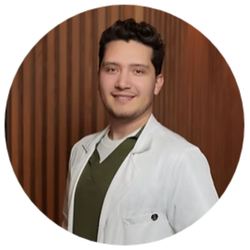
The effectiveness of stem cell therapy depends on the quality of the cells and the expertise of the physician administering them. We have identified leading specialists in Mexico City who are pioneers in the field of regenerative medicine. These experts include hematologists and endocrinologists with specialized training in cellular therapies, ensuring your treatment is scientifically grounded and professionally delivered.

1

Regenerative Medicine Experts

Leaders in Cellular Biology & Immunology

These specialists focus specifically on the clinical application of stem cells. They design personalized dosage protocols based on your weight and disease severity, ensuring optimal delivery and cell viability.

2

Board-Certified Hematologists

Specialists in Blood & Cell Handling

Hematologists are experts in blood diseases and cellular health. Their deep understanding of how cells behave in the bloodstream makes them uniquely qualified to oversee the safe banking, handling, and intravenous administration of stem cells.

3

Endocrinologists

Diabetes & Metabolic Disease Focus

Leading clinics often work in conjunction with endocrinologists who monitor the patient's diabetic markers (HbA1c, insulin levels) before and after therapy, ensuring that the treatment integrates safely with existing medication regimens.
1

Advanced Regulatory Environment

Mexico's regulations allow for the expansion (multiplication) of stem cells in the lab. This is critical because effective treatment often requires hundreds of millions of cells.

In countries like the US, clinics are often restricted to "same-day" procedures with very low cell counts, which are significantly less potent.

2

World-Class Infrastructure

Diabetes Stem Cell Treatment Mexico City is a sophisticated global capital with state-of-the-art biotech laboratories and hospitals that rival those in Europe.

Patients benefit from sterile, high-tech environments and 5-star accommodation options, ensuring a safe and comfortable medical journey.

3

Accessibility and Cost

With direct flights from most major North American hubs, Mexico City is easy to reach. Furthermore, the cost of therapy is typically 50-60% less than comparable treatments in Panama or the Cayman Islands.

This affordability makes high-quality regenerative medicine accessible to many families who would otherwise be priced out.

Navigating the world of regenerative medicine can be complex. PlacidWay acts as your trusted partner, connecting you with verified, regulated, and safe stem cell clinics in Mexico City.

Clinic Verification

We ensure that every clinic we partner with holds the necessary COFEPRIS licenses for stem cell banking and administration, ensuring legitimacy.

Transparent Pricing

Get detailed quotes that explain exactly what is included—cell count, source, medical fees, and logistics—so there are no financial surprises.

Direct Doctor Consults

We facilitate video consultations with medical directors, allowing you to ask specific questions about your condition and expected outcomes.

Travel Coordination

From recommending patient-friendly hotels to arranging airport transfers, we help make the logistics of your medical trip smooth.

Educational Resources

Access our library of patient testimonials, treatment guides, and doctor interviews to deepen your understanding of stem cell therapy.

Dedicated Advocacy

Our patient coordinators are here to support you at every step, acting as your advocate to ensure you receive the best possible care.

Explore the potential of regenerative medicine for better diabetes management. Contact PlacidWay today to receive your free personalized quote.

Get Your Free Personalized Quote


Stem Cell Therapy for Diabetes in Mexico City thumbnail

About Experience

  • Translations: EN ES
  • Price Range: $6,500 - $6,500
  • Treatment: Stem Cell Treatment for Diabetes, Stem Cell Therapy
  • Location: Mexico City, Mexico
  • Clinics: MexStemCells Clinic, LONVIDA - Regenerative Medicine in Mexico City,
  • Doctors Javier Sanchez Gonzalez, Dr. Yosafat Audiffred,
  • Packages Stem Cell Therapy for Diabetes Package in Mexico City, Mexico by MexStemCells Clinic,
  • Overview Effective Diabetes Regenerative Medicine in Mexico City