Surrogacy in Cyprus

Publish date: Modified date: Medically reviewed by: Dr. Brenda Sanchez on Oct 01, 2026 Author: Hina Munawar
Surrogacy in Cyprus

Contents

The journey to parenthood is one of the most profound chapters in a person's life, but for many, the path is paved with challenges that traditional methods cannot overcome. Cyprus has emerged as a beacon of hope for intended parents worldwide, offering a sophisticated, ethical, and legally structured environment for surrogacy. Known as the "Island of Love," Cyprus provides more than just a beautiful backdrop; it offers some of the highest success rates in Assisted Reproductive Technology (ART) across the Mediterranean.

Choosing surrogacy in Cyprus means navigating a landscape where medical expertise is matched by deep empathy. The region is particularly favored by international patients due to its liberal yet well-regulated approach to fertility treatments. Whether you are dealing with infertility, medical conditions that make pregnancy unsafe, or are a same-sex couple looking to build a family, Cyprus offers a range of options including gestational surrogacy often paired with egg or sperm donation.

One of the most compelling reasons for this destination's popularity is the sheer quality of clinical care. IVF centers in Cyprus are equipped with state-of-the-art laboratories that utilize the latest in genetic screening (PGD/PGS) to ensure the highest chances of a healthy pregnancy. Furthermore, the surrogate screening process in Cyprus is notoriously rigorous, ensuring that surrogates are not only physically healthy but also psychologically prepared for the selfless journey they are about to undertake.

In Cyprus, the medical community understands that you aren't just looking for a procedure—you are looking for a miracle. From the initial consultation to the moment you hold your child, the specialized clinics here offer a seamless, supportive experience that prioritizes the health of the surrogate and the future of your family.

!

Did You Know?

Cyprus is one of the few destinations in the region where there are no waitlists for egg donors. This allows intended parents to begin their surrogacy journey almost immediately, significantly reducing the emotional stress associated with long waiting periods found in the UK or other parts of Europe.

Key Insights at a Glance

1
Success Rates:

Top Cyprus clinics report surrogacy success rates exceeding 70% when utilizing young egg donors and advanced embryo screening.

2
Legal Framework:

Cyprus offers a clear legal path for surrogacy, with specific regulations that protect the rights of the intended parents.

3
Cost Efficiency:

Surrogacy in Cyprus is approximately 50-60% more affordable than in the United States or Canada.

4
Donor Diversity:

Access to a diverse pool of healthy, screened egg and sperm donors with no waiting lists.

5
Advanced Tech:

Clinics utilize the latest PGD/PGS, MicroSort, and Embryoscope technology for optimal results.

6
Ideal Climate:

A relaxing Mediterranean environment that reduces stress for both intended parents and surrogates.

FUN FACT

The Birthplace of Aphrodite

Cyprus is the legendary birthplace of Aphrodite, the Greek goddess of love, beauty, and fertility. Many intended parents find it incredibly symbolic to begin their journey of creating a family on the very island historically dedicated to the goddess of creation and new life.

Cyprus is home to world-renowned fertility clinics that specialize in complex ART cases and gestational surrogacy. We have identified a selection of leading medical centers recognized for their laboratory excellence and ethical protocols. These facilities often hold international certifications and are staffed by specialists trained in the UK, Europe, and the US. Browse through our selected clinics to learn about their success rates, technological capabilities, and patient support services.

Safety First: Look for centers with ISO certification and high-grade embryo monitoring systems (like Embryoscope) for the best results.
Verified patient reviews are a cornerstone of our platform. In this section, you can read detailed feedback from families who have successfully navigated the surrogacy process in Cyprus. Their reviews cover topics like clinical professionalism, the ease of the legal process, and the level of support received during the pregnancy. These authentic perspectives are an invaluable tool for any intended parent during their research phase.

Review Tip: Look for reviews that specifically mention how the clinic handled the paperwork for bringing the baby home.

Is surrogacy legal in Cyprus for international patients?

Yes, surrogacy is legal and well-regulated in Cyprus, making it a safe destination for international intended parents. The legal framework distinguishes between the North and South, with Northern Cyprus being particularly popular for its liberal laws regarding commercial surrogacy and egg donation. In many cases, a court order or legal contract establishes the intended parents as the legal guardians. However, it is vital to consult with a legal expert specializing in reproductive law both in Cyprus and your home country to ensure a smooth transition and citizenship process for the newborn. Most reputable clinics in Cyprus have established legal partnerships to guide you through this complex process.

How are surrogates screened and selected in Cyprus?

Surrogates in Cyprus undergo a rigorous multi-stage screening process to ensure the best possible outcome for the pregnancy. This includes comprehensive medical evaluations, blood tests for infectious diseases, and an assessment of their reproductive history (they must typically have had at least one healthy child of their own). Equally important is the psychological screening, which ensures the surrogate understands the emotional gravity of the process and has a strong support system at home. Clinics also perform background checks and ensure that surrogates live in a healthy, stable environment. Intended parents can often review detailed profiles before a match is finalized, ensuring alignment in values and expectations.

What is the success rate for surrogacy in Cyprus?

Surrogacy success rates in Cyprus are among the highest in Europe, often ranging from 65% to over 80% per embryo transfer. These high rates are attributed to several factors: the use of young, healthy surrogates; access to high-quality egg donors; and the implementation of advanced technologies like Preimplantation Genetic Screening (PGS). PGS allows embryologists to select only the most chromosomally healthy embryos for transfer, significantly reducing the risk of miscarriage and chromosomal abnormalities. Additionally, the stress-free Mediterranean environment is thought to positively impact the well-being of the surrogate, further supporting a healthy pregnancy. Success can vary based on the specific medical history of the intended parents' gametes.

Can same-sex couples or single parents pursue surrogacy in Cyprus?

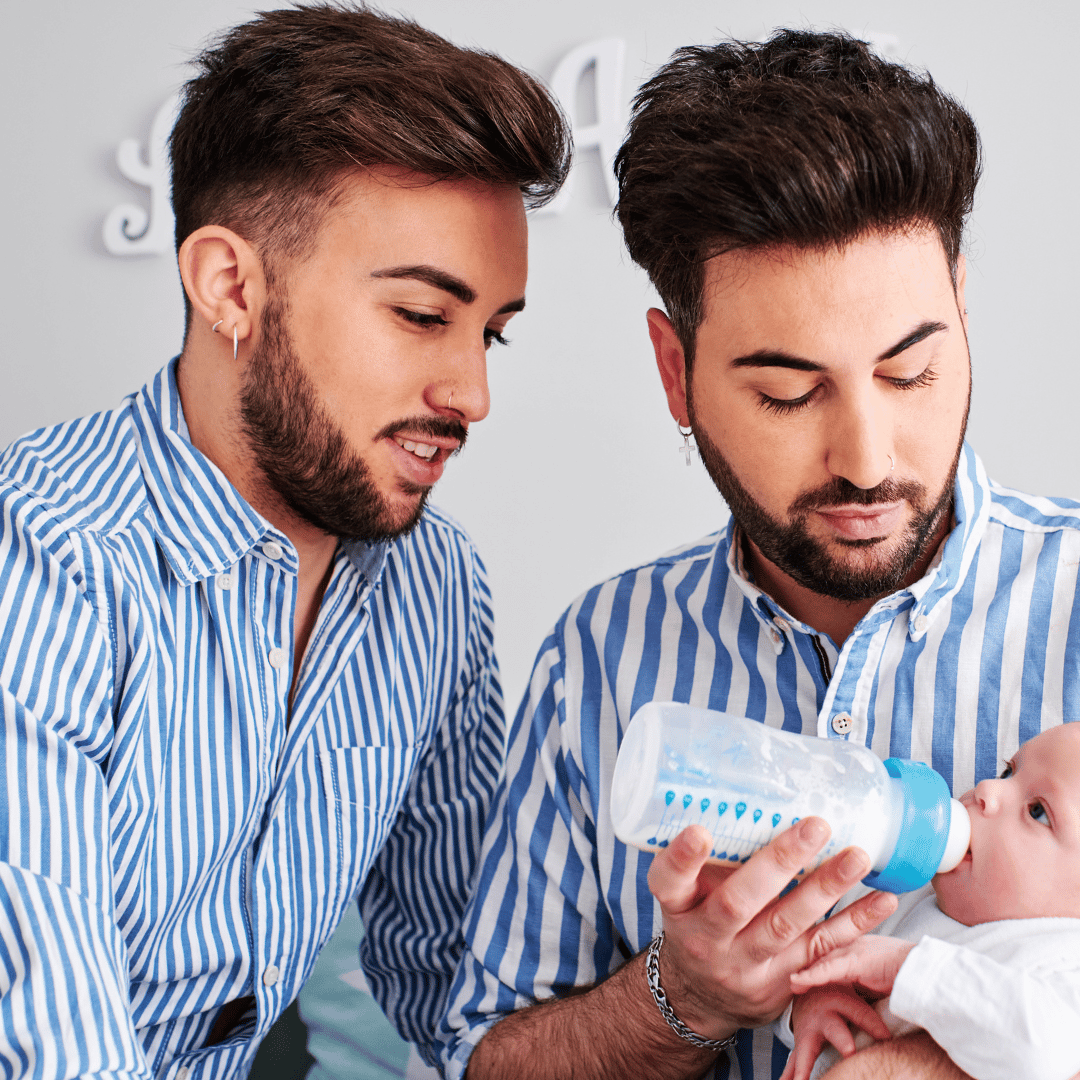
Yes, Cyprus is a very inclusive destination for surrogacy. Many clinics, particularly in Northern Cyprus, welcome single parents and same-sex couples with open arms. The legal procedures for these families are handled with care to ensure that the intended parents' rights are protected. Because Cyprus allows for the use of egg and sperm donors, same-sex couples can utilize one partner's gametes combined with a donor to create a biological connection. It is important for non-traditional families to work with a clinic that has extensive experience in these specific legal and administrative pathways to ensure a smooth path to citizenship in their home countries.

How much does the entire surrogacy process cost in Cyprus?

The total cost of surrogacy in Cyprus generally ranges from $45,000 to $75,000, depending on the specifics of the treatment plan. This typically includes the surrogate's compensation, IVF clinical fees, legal fees, donor fees (if applicable), and administrative management. Compared to the United States, where surrogacy can exceed $150,000, Cyprus offers a more accessible price point without sacrificing quality. Intended parents should look for all-inclusive packages that provide a detailed breakdown of costs to avoid hidden fees. Factors like the number of transfer attempts and specialized genetic testing will influence the final price, so requesting a personalized quote is essential for accurate budgeting.

Is gender selection (family balancing) allowed in Cyprus?

In Northern Cyprus, gender selection for family balancing is legally permitted through PGD (Preimplantation Genetic Diagnosis). This is a significant draw for many international families who wish to balance their existing family or have specific preferences. During the IVF process, embryos are tested for their chromosomal health, and the sex of the embryo is identified. Parents can then choose to transfer an embryo of a specific gender. This process is conducted with high ethical standards and is integrated into the genetic screening phase to ensure that only healthy embryos are selected for transfer. It is a highly accurate method and is a routine part of many surrogacy programs in the region.

How long do I need to stay in Cyprus for the birth?

Intended parents are usually advised to arrive in Cyprus about 1 to 2 weeks before the estimated due date to be present for the birth. After the baby is born, you should expect to stay in Cyprus for approximately 3 to 4 weeks. This period is necessary for the baby to receive initial health check-ups and for the legal team to process the birth certificate and travel documents (passports or emergency travel papers). The exact time depends on the administrative speed of your home country's embassy or consulate. Most clinics provide or recommend specialized accommodation during this time where you can bond with your baby while waiting for the paperwork to be finalized.

Can I use my own eggs or sperm for surrogacy in Cyprus?

Absolutely. Gestational surrogacy in Cyprus allows intended parents to use their own genetic material (eggs and sperm) to create a biological connection to their child. The process involves an IVF cycle where the intended mother's eggs are retrieved and fertilized with the intended father's sperm. If there are fertility issues with one or both parents, the clinic can facilitate the use of high-quality donor eggs or sperm. The embryos created are then transferred to the surrogate's uterus. Using your own gametes is a common preference, and Cyprus clinics are highly experienced in coordinating these "own-material" cycles with surrogacy arrangements.

How do I communicate with the surrogate during the pregnancy?

Communication is a vital part of the emotional journey, and Cyprus clinics facilitate this according to the comfort level of both parties. Many intended parents and surrogates use video calls, messaging apps, and email to stay in touch, share ultrasound photos, and discuss the baby's progress. Reputable clinics employ bilingual coordinators who act as intermediaries if there is a language barrier, ensuring that nothing is lost in translation. Some parents also choose to visit Cyprus during the second trimester for a detailed scan and to spend time with the surrogate. Most surrogacy agreements in Cyprus outline the expected frequency and method of communication to ensure a healthy, respectful relationship throughout the term.

What medical technology is used for surrogacy in Cyprus?

Cyprus is at the forefront of reproductive technology. Clinics utilize Embryoscopes (time-lapse embryo monitoring) to observe embryo development without disturbing their environment. Advanced genetic testing methods like NGS (Next-Generation Sequencing) are standard for screening embryos for chromosomal health. For male factor infertility, techniques like IMSI (Intracytoplasmic Morphologically Selected Sperm Injection) are used to select the highest quality sperm. Furthermore, the laboratories adhere to strict air filtration and temperature control standards to mimic the natural environment of the fallopian tubes. This commitment to using the latest evidence-based technology is a major reason why success rates in Cyprus are consistently high.

Is surrogacy legal in Cyprus

Yes, altruistic surrogacy is legal in the Republic of Cyprus for heterosexual couples with a proven medical need. Commercial surrogacy is illegal. Parentage requires court approval, and laws differ significantly between Northern and Southern Cyprus. Navigating the complexities of family building abroad can be an overwhelming experience. If you are exploring options for surrogacy in Cyprus, understanding the exact legal framework, medical requirements, and potential challenges is an essential first step. The island of Cyprus is a well-known hub for reproductive medicine, but it is deeply important to recognize that surrogacy is governed by strict laws designed to protect the surrogate, the intended parents, and the child. Key Takeaways Legality: Altruistic surrogacy is permitted in the Republic of Cyprus with court approval. Commercial Ban: Paying a surrogate beyond reasonable medical and pregnancy-related expenses is strictly prohibited. Eligibility: Treatment is generally legally restricted to heterosexual couples facing documented medical infertility. Legal Geography: Regulations differ fundamentally between the Republic of Cyprus (South) and Northern Cyprus. Legal Counsel: Securing a specialized reproductive lawyer in Cyprus is mandatory to establish legal parentage. What are the legal requirements for surrogacy in the Republic of Cyprus? The Medically Assisted Reproduction Law governs surrogacy in the Republic of Cyprus, requiring intended parents to be a heterosexual couple with a documented medical inability to carry a child to term. In the Republic of Cyprus, the legal landscape for assisted reproduction is heavily regulated to ensure ethical practices. Surrogacy is governed by the Medically Assisted Reproduction Law of 2015. Under this legislation, a surrogacy arrangement must be approved by the Council of Medically Assisted Reproduction before any embryo transfer takes place. To qualify, the intended parents must be a married heterosexual couple or in a legally recognized permanent relationship. They must submit comprehensive medical documentation proving that the intended mother cannot safely carry a pregnancy due to a physiological or medical condition. Additionally, the court requires psychological evaluations for all parties involved, including the surrogate, to ensure everyone understands the emotional and legal magnitude of the arrangement. Is commercial surrogacy allowed in Cyprus? No, commercial surrogacy is strictly prohibited in the Republic of Cyprus; intended parents may only reimburse the surrogate for reasonable, documented pregnancy-related expenses. The distinction between altruistic and commercial surrogacy is a foundational aspect of Cypriot law. Commercial surrogacy—where a surrogate receives a financial profit or salary for carrying the child—is a criminal offense in the Republic of Cyprus. The law is designed to prevent the commercialization of human reproduction and protect vulnerable women from potential exploitation. However, altruistic surrogacy is permitted. This means that the intended parents are legally allowed to cover the actual costs associated with the pregnancy. Permissible reimbursements typically include: Medical and clinical fees associated with IVF and prenatal care. Hospitalization and delivery costs. Maternity clothing and necessary supplements. Travel expenses for medical appointments. Documented loss of wages incurred directly due to the pregnancy or mandatory bed rest. Can LGBTQ+ couples or single parents pursue surrogacy in Cyprus? Under current legislation in the Republic of Cyprus, surrogacy is restricted to heterosexual couples, making it legally inaccessible for LGBTQ+ couples and most single individuals. Fertility laws across Europe vary significantly regarding who has access to assisted reproductive treatments. In the Republic of Cyprus, the legal framework explicitly outlines that surrogacy is an option reserved for a woman and her male partner who face severe medical obstacles to pregnancy. The law requires a specific medical diagnosis from the intended mother. Because of these strict legislative parameters, same-sex couples and single individuals do not currently meet the legal criteria to apply for court-approved surrogacy in the Republic of Cyprus. Patients falling outside the legally permitted demographic often need to explore alternative international destinations whose legal frameworks accommodate single and LGBTQ+ intended parents. How do surrogacy laws differ between Northern and Southern Cyprus? The Republic of Cyprus (South) has established strict legal frameworks for altruistic surrogacy, whereas Northern Cyprus operates under completely different regulations where surrogacy currently exists in a highly restricted or legally ambiguous state. The geopolitical division of Cyprus creates a complex environment for medical laws. The Republic of Cyprus (often referred to as Southern Cyprus) is an EU member state with a formal, court-regulated process for altruistic surrogacy. Legal parentage is protected by the state when protocols are properly followed. Conversely, the Turkish Republic of Northern Cyprus (TRNC) operates independently with its own Ministry of Health. While Northern Cyprus is a popular destination for IVF and egg donation due to favorable regulations for those specific treatments, surrogacy there exists in a legal gray area and has faced increasingly strict prohibitions in recent years. Because Northern Cyprus is not internationally recognized as a sovereign state by most countries, establishing legally binding, cross-border parentage for a baby born via a surrogate there can be extraordinarily difficult and carries immense legal risks. Independent legal counsel is absolutely critical. What medical conditions qualify a woman for surrogacy in Cyprus? To be approved for surrogacy in Cyprus, the intended mother must provide clinical evidence of a physiological or medical condition that prevents her from carrying a pregnancy. Approval for a surrogacy arrangement is never granted for social reasons or convenience. The medical committee meticulously reviews the intended mother's medical history to confirm that a pregnancy would be either physically impossible or life-threatening. The clinical evidence must be provided by appropriately qualified specialists. Common medical indications that may qualify a patient for surrogacy include: Congenital absence of the uterus (e.g., Mayer-Rokitansky-Küster-Hauser syndrome). Previous surgical removal of the uterus (hysterectomy) due to cancer, severe hemorrhage, or ruptured uterus. Severe, uncorrectable uterine anomalies preventing implantation or carrying to term. Absolute medical contraindications to pregnancy, such as severe cardiovascular disease, certain cancers, or severe renal failure. A documented history of multiple, unexplained recurrent miscarriages or recurrent IVF implantation failures despite high-quality embryos. How is legal parentage established for international intended parents? Establishing parentage requires obtaining a pre-birth court order in the Republic of Cyprus, which grants the intended parents legal rights and ensures their names go on the birth certificate. Legal parentage is perhaps the most critical component of the surrogacy journey. In the Republic of Cyprus, intended parents must apply to the family court before the embryo transfer takes place. This process involves submitting the surrogacy agreement, psychological reports, and medical approvals from the medical council. Once the court approves the arrangement, it issues an order recognizing the intended parents as the legal parents of the child from the moment of birth. However, for international patients, obtaining a Cypriot court order is only half the battle. You must also ensure that your home country will recognize this court order and grant the child citizenship and a passport. It is heavily advised to retain legal counsel in both Cyprus and your home country to navigate cross-border immigration and parentage laws, preventing the child from becoming stateless. What is the estimated surrogacy cost in Cyprus? While commercial surrogacy is banned, the overall surrogacy cost in Cyprus generally ranges from €40,000 to €60,000, covering IVF procedures, legal fees, and altruistic surrogate expenses. Although intended parents cannot pay a surrogate a commercial fee, embarking on a surrogacy journey involves significant financial planning. The costs are generally broken down into clinical fees, legal expenses, and surrogate reimbursement. It is important to note that these are estimates, and costs can fluctuate based on the complexity of the IVF cycle and individual circumstances. Expense Category Typical Inclusions Clinical & IVF Fees Ovarian stimulation, egg retrieval, fertilization (ICSI), embryo transfer, and surrogate medical screenings. Legal & Administrative Drafting contracts, court application fees, medical council submission, and lawyer representation. Surrogate Reimbursement Prenatal vitamins, maternity clothing, travel for appointments, and documented lost wages. Delivery & Aftercare Hospital delivery fees, potential cesarean section costs, and neonatal care. Additional costs may arise if donor eggs or sperm are required, or if multiple embryo transfers are necessary to achieve a successful pregnancy. How should intended parents choose a surrogacy clinic in Cyprus? Selecting a surrogacy clinic in Cyprus requires verifying the facility's accreditation with the Ministry of Health, reviewing their transparency, and ensuring ethical compliance. Your choice of medical provider is a pivotal decision. Because surrogacy involves precise medical synchronization and rigorous legal compliance, intended parents must carefully evaluate prospective fertility centers. A reputable clinic will prioritize the health and psychological well-being of both the surrogate and the intended parents over mere success statistics. When consulting with a clinic, patients should inquire about: Official licensing and compliance with the Cyprus Council of Medically Assisted Reproduction. The clinic's protocols for comprehensive psychological screening for the surrogate. Transparency in their pricing structures and estimated timelines. The level of coordination provided between the clinical staff and your legal representation. Success rates specific to surrogacy cycles, acknowledging that results vary widely by patient. What are the medical and psychological screening processes for surrogates? Potential surrogates must undergo rigorous medical evaluations, infectious disease testing, and psychological assessments to ensure they are physically and mentally prepared for pregnancy. Patient safety is paramount in any assisted reproductive treatment. Before a woman can be approved as a surrogate, she must pass strict medical and psychological evaluations. These protocols are designed to minimize risks to her health and to the developing fetus. Typically, a surrogate should have a history of at least one healthy, uncomplicated pregnancy and delivery of her own. Medical screening generally includes exhaustive blood panels, pelvic ultrasounds, and testing for infectious diseases such as HIV, Hepatitis B and C, and Syphilis. Equally important is the psychological evaluation. A licensed mental health professional will assess the surrogate's emotional stability, her understanding of the process, and her capacity to hand over the baby to the intended parents after birth without psychological distress. How does medical tourism in Cyprus impact surrogacy arrangements? The expansion of medical tourism in Cyprus has increased access to high-quality IVF, but international patients must carefully navigate cross-border legalities when pursuing surrogacy. Cyprus has developed a strong reputation as a destination for medical travelers seeking advanced fertility treatments. The island offers modern medical facilities, experienced reproductive endocrinologists, and often more accessible care compared to patients' home countries. For many European and international couples, traveling to Cyprus represents a hopeful pathway to parenthood. However, while the medical tourism infrastructure in Cyprus is robust, combining travel with a highly regulated legal procedure like surrogacy requires meticulous planning. Medical procedures can be performed seamlessly, but legal parentage does not automatically cross borders. Intended parents must coordinate closely with their clinic, Cypriot lawyers, and legal advisors in their home country to ensure a smooth transition home after the baby is born. Why Choose PlacidWay for Medical Tourism in Cyprus? Exploring international medical options requires access to reliable, organized information. PlacidWay Medical Tourism assists patients worldwide in navigating their healthcare choices abroad through educational resources and direct clinic connections. Here is how PlacidWay supports individuals seeking medical treatments: Access to Global Providers: PlacidWay connects patients with internationally recognized healthcare facilities and specialized fertility centers in Cyprus and worldwide. Comprehensive Facility Profiles: Patients can review detailed information about clinics, including their accreditations, available treatments, and medical team credentials. Direct Communication: The platform facilitates direct, initial contact between patients and healthcare providers to discuss treatment possibilities. Transparent Estimates: PlacidWay helps individuals access clear, estimated pricing structures from clinics, allowing for better financial planning. Educational Resources: PlacidWay provides informative guides and articles to help patients understand the landscape of global medical tourism before making decisions. Frequently Asked Questions Is surrogacy recognized by the EU if performed in Cyprus? The Republic of Cyprus is an EU member state, and surrogacy performed there under legal court approval is officially recognized within its borders. However, cross-border recognition depends entirely on the laws of the intended parents' home country, which may require additional legal steps for the child to be recognized back home. Can the surrogate keep the baby in Cyprus? In a legally approved surrogacy arrangement in the Republic of Cyprus, the court order issued prior to the embryo transfer establishes the intended parents as the legal parents from birth. Therefore, the surrogate typically does not have legal rights to keep the child. Are egg donors allowed in a Cyprus surrogacy arrangement? Yes, if the intended mother cannot provide viable eggs, donor eggs may be used. However, Cypriot law generally requires at least one of the intended parents to have a genetic link to the child. How long does the legal approval process take in Cyprus? Obtaining court approval before the embryo transfer can take several months. It involves submitting medical evidence, psychological evaluations, and legal contracts to the Medically Assisted Reproduction Council and the family courts. Do we need to travel to Cyprus for the court hearing? Intended parents are typically required to be present for specific legal procedures and medical evaluations. Your legal representative in Cyprus can advise on exactly when your physical presence is mandatory. Can intended parents bring their own surrogate to Cyprus? Yes, intended parents can bring an altruistic surrogate (such as a friend or family member) from their home country to undergo the IVF procedure in Cyprus, provided the arrangement meets all Cypriot legal requirements and receives court approval. What happens if the IVF cycle fails during a surrogacy arrangement? If an embryo transfer is unsuccessful, the intended parents and surrogate can attempt another cycle, depending on the terms outlined in their legal agreement and the medical advice of their fertility specialist. Is gender selection legal during surrogacy in Cyprus? In the Republic of Cyprus, gender selection for family balancing purposes is illegal. It is only permitted if there is a documented risk of passing on a severe sex-linked genetic disorder. What kind of legal representation is required? Intended parents must hire a reproductive lawyer licensed in Cyprus to draft the surrogacy agreement, apply to the medical council, and secure the necessary pre-birth orders from the family court. Will the child automatically get Cypriot citizenship? No. The child’s citizenship is typically determined by the nationality of the intended parents, not by the fact that the birth occurred in Cyprus. Parents must work with their local embassy to secure a passport for the newborn. Explore Your Fertility Options Abroad Looking for reliable information on medical facilities and fertility treatments globally? Request details and compare international healthcare options safely. Request Treatment Information References Ministry of Health, Republic of Cyprus – Health Legislation European Society of Human Reproduction and Embryology (ESHRE) – Legal Guidelines American Society for Reproductive Medicine (ASRM) – Practice Committee Documents International Federation of Fertility Societies (IFFS) – Global Surveillance on ART World Health Organization (WHO) – Infertility Fact Sheet Cyprus Bar Association – Legal Frameworks and Representation Medical & Legal Disclaimer: The information provided in this article is for educational and informational purposes only and does not constitute medical, legal, or professional advice. Surrogacy laws are complex, frequently changing, and vary heavily by jurisdiction. Medical outcomes, treatment suitability, and legal parentage cannot be guaranteed. Always consult with a qualified healthcare professional regarding medical fertility options and retain a specialized, licensed reproductive lawyer in your chosen destination and home country to navigate cross-border legalities.

The success of your surrogacy journey depends on the expertise of the medical and legal professionals you choose. Cyprus hosts a community of highly skilled embryologists, fertility specialists, and legal experts who are dedicated to helping families grow. Below, you will find profiles of top-tier specialists who have achieved international recognition for their work in ART. We have selected these professionals based on their clinical outcomes, years of experience, and commitment to ethical patient care.

1

Renowned Fertility Clinicians

International Academic Backgrounds

Our selected specialists often hold memberships in ESHRE (European Society of Human Reproduction and Embryology) and have extensive training from leading medical institutions in the UK and USA. They are experts in managing both the clinical and emotional aspects of surrogacy.

2

Expert Embryologists

Pioneers in Genetic Screening

The embryology teams in Cyprus are pioneers in utilizing PGD and PGS technologies. Their precision in the lab is a key factor in the high success rates for surrogacy, ensuring that only the most viable embryos are selected for the journey ahead.


1

A Progressive Legal and Ethical Environment

Cyprus has established itself as a premier global hub for surrogacy because it offers a pragmatic and progressive legal framework that welcomes diverse family structures. Unlike many European countries with restrictive laws, Cyprus provides a clear regulatory path for international intended parents. This includes supportive legislation for both altruistic and commercial arrangements in different regions of the island.

The medical infrastructure is world-class, featuring hospitals that hold ISO 9001 and JCI accreditations. Clinics here are known for their high ethical standards, particularly in the treatment and selection of surrogates, ensuring that every participant in the journey is treated with dignity and provided with comprehensive medical and psychological care.

2

World-Leading Success Rates & Technology

Patients are drawn to Cyprus because the clinical outcomes often exceed those found in their home countries. Cyprus clinics invest heavily in the latest Assisted Reproductive Technologies, such as MicroSort for family balancing and NGS for comprehensive chromosomal screening.

The availability of diverse donor pools and the absence of waitlists mean that intended parents can begin their journey without the delays common in the UK or Scandinavia. This efficiency, combined with success rates that consistently rank among the top 5 globally for international surrogacy, makes Cyprus a statistically superior choice for those looking to maximize their chances of success.

3

Holistic Support and Mediterranean Recovery

Beyond the clinic, Cyprus offers a supportive "medical tourism ecosystem." The island's hospitality sector is well-adapted to the needs of medical travelers, offering long-stay apartments and villas tailored for new parents. Most clinics provide bilingual patient coordinators who assist with everything from legal paperwork to local logistics.

Furthermore, the psychological benefit of the Mediterranean climate cannot be overstated. Intended parents often find that the relaxed, sun-drenched environment helps mitigate the stress of the surrogacy process. This holistic approach—combining clinical excellence with logistical ease and an environment that fosters well-being—solidifies Cyprus's status as a top-tier destination for building a family.

Navigating a surrogacy journey abroad is a significant commitment, and PlacidWay is here to ensure you are never alone. We bridge the gap between intended parents and Cyprus's most reputable fertility clinics, providing the transparency and advocacy you need to start your family with confidence.

Rigorous Provider Vetting

We pre-screen clinics in Cyprus to verify their success rates, ethical standards, and legal compliance, ensuring you only work with the best.

Transparent Costing

We facilitate detailed, all-inclusive quotes from multiple providers, helping you understand every financial aspect before you commit.

Appointment Coordination

Our team helps coordinate your initial consultations and medical timelines, ensuring your journey in Cyprus starts smoothly and efficiently.

Direct Specialist Access

We connect you directly with lead fertility specialists and legal consultants in Cyprus to answer your specific medical and legal questions.

Patient Advocacy

PlacidWay acts as your representative, helping you navigate clinic communications and advocating for your needs at every step of the process.

Information Transparency

Access verified reviews, success data, and laboratory certifications to make an educated, data-driven decision for your future family.

Begin your beautiful journey toward parenthood today. Contact PlacidWay to receive a personalized consultation and a free quote for surrogacy in Cyprus.

Get Your Free Personalized Quote
Surrogacy in Cyprus thumbnail

About Experience

Trusted Medical Tourism Platform Since 2007

60+
Countries
2k+
Clinics
19.5k+
Reviews
2.5k+
Qualified Doctors
1.1M+
Patients Served Since 2007