

コンテンツ
ソウル、特に江南地区は、美容整形手術の世界的な中心地として広く知られています。韓国は人口当たりの美容整形手術件数が世界最高水準であり、他国には類を見ない高度な専門化と技術革新のエコシステムを形成しています。米国、中国、ヨーロッパ、東南アジアから患者が訪れるのは、価格の安さだけでなく、繊細な顔の輪郭形成(Vライン手術)から、劇的なアンチエイジング治療やボディスカルプティングまで、世界的な美の基準となる結果を求めているからです。
ソウルの医療インフラは未来的です。クリニックは専用の超高層ビルに入居していることが多く、精密な骨マッピングのための3D CTスキャナーや高度な安全システムが備えられています。韓国の形成外科医は、厳格な訓練と細部への徹底したこだわりで知られており、多くの場合、特定の施術(例えば、鼻形成術のみ、または眼科手術のみ)に特化して技術を磨いています。
安全性と透明性が最優先事項となっています。一流のクリニックでは、手術室にCCTV(監視カメラ)を設置し、診察を受けた認定外科医が実際に手術を行うことを保証することで、「影の医師」による手術の懸念を払拭しています。術後ケアも同様に優れており、レーザー治療や高気圧酸素療法による腫れ軽減治療が標準的に含まれており、回復を早めています。
有名な「韓国風ドリー」ルックを目指す人も、さりげなく自然な美しさを求める人も、ソウルは洗練されたハイテクで包括的な医療ツーリズム体験を提供します。
知っていましたか?
韓国は、海外からの医療ツーリスト向けに手厚い**税金還付**制度を提供しています。出国時に空港で手術費用(VAT)の約7~8%の還付を受けることができます。認定クリニックは、この手続きに必要な「医療サービス証明書」を発行するため、手術費用をさらに抑えることができます。
主なポイントを一覧でご紹介
外科医は多くの場合、特定の部位(例えば、目、鼻、骨格形成など)に特化することで、比類のない専門知識を確保しています。
精密な治療計画を立てるためには、3D CTスキャン、内視鏡機器、高度なシミュレーションソフトウェアの使用が標準となっている。
一流のクリニックでは、手術室に監視カメラを設置し、実名での手術を保証することで、いわゆる「ゴースト手術」を防いでいる。
包括的な「腫れ軽減」アフターケアプログラム(レーザー治療、酸素療法など)は、ダウンタイムを大幅に短縮します。
観光客は空港で付加価値税(7~8%)の払い戻しを受けることができ、旅行の費用対効果を高めることができる。
パッケージには、空港送迎、通訳、宿泊施設、コンシェルジュサービスが含まれており、スムーズな旅をお約束します。
「ビューティーベルト」
ソウルの江南地区には、わずか数平方キロメートルの範囲に500軒以上の美容整形クリニックがひしめき合い、有名な「美容ベルト」を形成している。この驚異的な密集度は激しい競争を生み出し、クリニックは他社との差別化を図るため、常に最新技術を導入し、より良いサービスを提供し、最高水準の美的基準を維持しようと努力している。
最適なパッケージを見つけることで、医療の道のりを大幅に簡素化できます。以下のセクションでは、江南で総合的な美容整形パッケージを提供する評価の高いクリニックを厳選してご紹介しています。これらのパッケージには通常、手術費用、麻酔、術前検査(CTスキャン、血液検査)、術後投薬、圧迫着、空港送迎、通訳サービスが含まれています。多くのプレミアムパッケージには、提携ホテルでの宿泊や無制限の腫れ除去治療も含まれています。ご自身の美的目標とご予算に合ったパッケージを見つけるために、ぜひオプションをご覧ください。
注:多くのクリニックは宿泊費の補助を提供していますが、一部の高級パッケージではホテル宿泊費が料金に含まれています。
Price starting from $5,900
Forehead Lift Package in Seoul, South Korea by VG Plastic Surgery
VG Plastic Surgery
- Cosmetic/Plastic Surgery
Seoul, South Korea
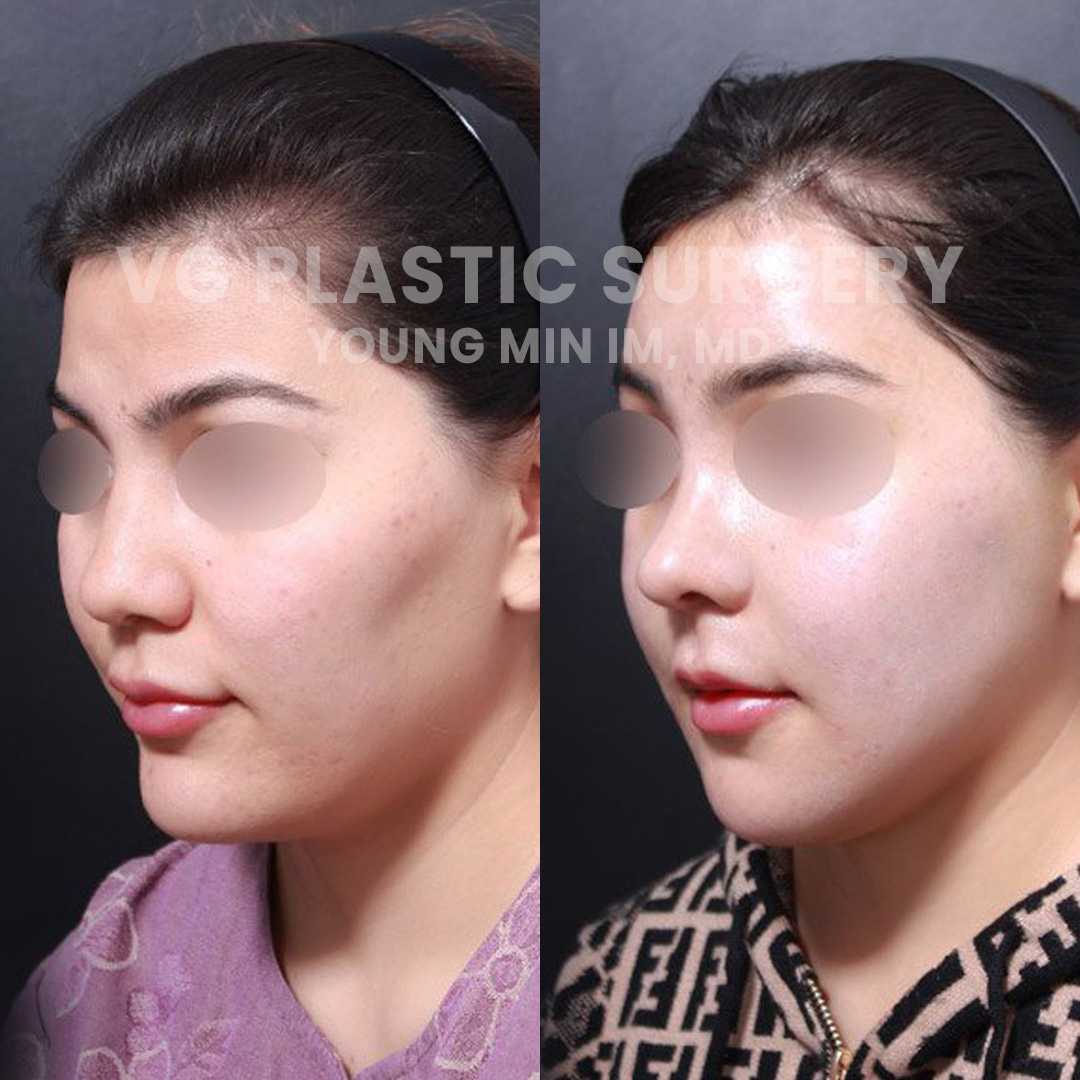
Price starting from $2,900
Facial Contouring Package in Seoul, South Korea by VG Plastic Surgery
VG Plastic Surgery
- Cosmetic/Plastic Surgery
Seoul, South Korea
Price starting from $32,000
Deep Plane Face Lift, Deep Neck Lift, and Fat Graft Package in South Korea by RNWOOD Seoul
RNWOOD - Best Plastic Surgery in Seoul, South Korea
- Cosmetic/Plastic Surgery
Seoul, South Korea
費用負担を理解することは、意思決定プロセスにおいて非常に重要です。以下の表は、ソウルで人気の高い施術の平均費用を米国価格と比較した、分かりやすい内訳を示しています。韓国はアジアで最も「安い」旅行先ではありませんが、世界最高水準の技術と安全性を欧米価格より30~50%安く提供しており、高い価値を提供しています。
ヒント:二重まぶた手術の費用は通常1,500ドルから2,500ドル程度ですが、鼻形成術全体は4,000ドルから7,000ドル程度です。
Cosmetic/Plastic Surgery センターのコスト比較 Seoul, South Korea
| プロバイダー | 手順 | 価格 |
|---|---|---|
| VG Plastic Surgery | Eyelid Surgery, Cosmetic/Plastic Surgery | $1700 |
| Oganacell Dermatology Jamsil Branch | Eyelid Surgery, Cosmetic/Plastic Surgery | $3455 |
Cosmetic/Plastic Surgery コスト比較 South Korea
| 国 | 手順 | 価格 |
|---|---|---|
| United States | Mommy Makeover, Cosmetic/Plastic Surgery | $20000 |
| United Kingdom | Mommy Makeover, Cosmetic/Plastic Surgery | $16000 |
| Canada | Mommy Makeover, Cosmetic/Plastic Surgery | $21500 |
施術の安全性と結果は、どの施設を選ぶかに大きく左右されます。そこで、ソウルにある美容整形手術に特化した一流の美容外科病院を厳選しました。これらのクリニックは、保健省の認可、常駐麻酔医、厳格な安全対策(CCTVや非常用電源など)を遵守していることを審査済みです。各クリニックの専門分野や患者向け設備については、以下のプロフィールをご覧ください。
標準的な方法:韓国政府によって「外国人患者のための医療機関」として指定されているクリニックを探しましょう。
VG Plastic Surgery
Seoul, South Korea
RNWOOD - Best Plastic Surgery in Seoul, South Korea
Seoul, South Korea
Glovi Plastic Surgery Korea
Seoul,Gangnam, South Korea
過去に施術を受けた患者さんの声を聞くことは、非常に貴重な安心感を与えてくれます。以下に掲載されているビデオ証言は、ソウルで理想の体型へと変身を遂げた方々の実体験を紹介しています。詳細なカウンセリングや3Dシミュレーションから、アフターケア、そして最終的な結果への満足度まで、彼らの体験談をぜひご覧ください。
洞察:患者は、手続きの効率性と、献身的な通訳者の親切さをしばしば強調する。

患者レビューは、医療の質を正直に評価するものです。このセクションでは、ソウルの専門医に顔や体の施術を任せた患者からの検証済みのレビューと評価をご覧いただけます。医師の技術、クリニックの快適さ、そして総合的な価値に関するフィードバックを読んで、ご自身の医療機関選びの参考にしてください。
レビューのヒント:興味のある施術(例:「Vライン」や「鼻整形」)について言及しているレビューを探すと、関連する体験談を見つけることができます。

How Much Does a Breast Lift Cost in Seoul, South Korea?
The estimated breast lift cost in Seoul, South Korea typically ranges from $4,500 to $8,000. Prices vary based on surgical technique, whether implants are included, anesthesia fees, and the individual patient's anatomical needs. Deciding to undergo aesthetic surgery is a significant personal choice that requires thorough research, especially when traveling abroad. Many international patients look into getting a breast lift in Seoul, South Korea due to the destination’s established medical infrastructure and experienced surgical professionals. Also known as mastopexy, this procedure aims to raise and reshape sagging breasts by removing excess skin and tightening the surrounding tissue to create a more youthful contour. Understanding the financial aspects, safety considerations, and logistical planning involved is crucial before booking a flight. This comprehensive guide will walk you through estimated costs, what the surgical journey entails, and how to approach your research responsibly. Key Takeaways The average estimated price spans $4,500 to $8,000, which can be more affordable than rates in North America or Western Europe. The procedure can be performed solely to lift the tissue or combined with implants (augmentation-mastopexy) to add lost volume. Safety requires careful vetting; always ensure you consult with a properly licensed and board-certified surgeon. International patients should plan to stay in the country for 10 to 14 days post-surgery to attend necessary follow-up appointments. Outcomes, scarring, and recovery timelines vary significantly from patient to patient depending on individual anatomy and healing capacity. What exactly is a breast lift and who is a suitable candidate? A breast lift, or mastopexy, is a surgical procedure that removes excess skin and tightens surrounding tissues to elevate the breasts. Suitable candidates typically experience drooping breasts due to aging, pregnancy, breastfeeding, or significant weight loss. Over time, skin loses its elasticity, and the structural support of the breast tissue weakens. This can lead to a condition called ptosis, where the breasts sag and the nipples point downward. A mastopexy aims to reposition the nipple-areola complex to a higher, more youthful position on the chest wall. During the procedure, the surgeon will also resize the areola if it has become enlarged over time. Good candidates are generally healthy individuals who do not smoke, maintain a relatively stable weight, and have realistic expectations about the outcome. It is important to remember that while a lift elevates the tissue, it does not significantly change the size of your breasts or round out the upper part of the breast. If you lack volume, a consultation will determine whether adding an implant is appropriate for your specific goals. Medical professionals often evaluate the degree of sagging by looking at where the nipple sits in relation to the inframammary fold (the crease beneath the breast). Individual anatomical differences mean that a thorough medical assessment by a qualified surgeon is necessary to confirm if this surgery is right for you. What factors influence the total breast lift cost in Seoul? The final price you pay can fluctuate based on the surgeon’s expertise, the complexity of the lift technique required, facility fees, and the inclusion of implants. Location and the specific amenities provided by the chosen clinic also play a major role. When researching a breast lift clinic in Seoul, South Korea, you will likely encounter varying price estimates. The baseline cost usually covers the surgeon's fee, but it is vital to ask what is included in your quote. A comprehensive surgical package should outline costs for anesthesia, operating room facilities, pre-operative lab work, and post-operative garments. If your surgical plan involves an augmentation alongside the lift, the price will increase significantly. Breast implants themselves vary in price depending on the brand, material (silicone versus saline), and shape (round versus anatomical). Highly complex cases requiring extensive tissue reshaping take longer in the operating room, which also drives up anesthesia and facility fees. Additionally, clinics situated in premium districts such as Gangnam often have higher overhead costs, which may reflect in their pricing. International patient packages sometimes bundle airport transfers, hotel accommodations, and translation services into the total cost, so comparing itemized quotes is essential for understanding exactly what you are paying for. How does a breast lift differ from a breast augmentation? A breast lift focuses on reshaping and elevating existing sagging tissue without increasing overall size, whereas breast augmentation solely aims to increase breast size and fullness using implants or fat transfer. It is common for patients to confuse these two distinct procedures, as both improve the overall appearance of the chest. A breast lift is primarily a restorative surgery. If your breasts have lost their perkiness but you are satisfied with their current volume, a lift may be all that is needed. The surgeon removes extra skin and tightens the remaining tissue to create a firmer profile. Conversely, breast augmentation addresses a lack of volume. If your breasts are small but sit high on the chest wall without sagging, augmentation alone can provide the desired fullness. Implants add projection and can enhance cleavage, but they cannot fix severely drooping skin. For many patients, a combination of both procedures is the most appropriate medical recommendation. When the breasts have lost both elasticity and volume—often referred to as "deflated" breasts following pregnancy or weight loss—a surgeon may perform an augmentation-mastopexy. This combined approach carries unique risks and requires a slightly different recovery timeline, which should be carefully discussed during your consultation. What surgical techniques are commonly used for a mastopexy? Surgeons utilize different incision patterns—such as the periareolar (donut), circumvertical (lollipop), or anchor technique—depending on the severity of breast sagging and the amount of excess skin that needs removal. Crescent Lift: Typically used for patients with minimal sagging. A small crescent-shaped piece of tissue is removed from the top half of the areola. Periareolar (Donut) Lift: Involves a circular incision around the edge of the areola. It is often suitable for mild sagging and can be combined with breast augmentation. Vertical (Lollipop) Lift: Entails an incision around the areola that extends downward vertically to the breast crease. This allows for more significant reshaping and is highly common for moderate ptosis. Anchor (Inverted-T) Lift: Used for severe sagging. Incisions go around the areola, vertically down to the crease, and horizontally along the breast crease, allowing for maximum skin removal. Customization: Your surgeon will recommend a technique that balances the need for optimal reshaping with the goal of minimizing visible scarring. What are the potential risks and complications of breast lift surgery? Like all major surgeries, a breast lift carries inherent medical risks, including infection, adverse reactions to anesthesia, unfavorable scarring, and temporary or permanent changes in nipple sensation. Patient safety must always be the top priority. While severe complications are uncommon when the procedure is performed by a qualified surgeon in a sterile environment, they can still occur. Bleeding and hematoma (a collection of blood under the skin) are possible in the days immediately following surgery and may require medical intervention to resolve. Scarring is an unavoidable aspect of mastopexy. Although skilled surgeons attempt to place incisions in discreet areas, the scars will be permanent. They typically appear red and raised initially, gradually fading over 12 to 18 months, though how well they fade depends heavily on individual genetics and post-operative scar care. Another important consideration is changes in sensation. Numbness or heightened sensitivity in the nipples or breast skin is common after surgery. In most cases, sensation returns to normal within a few months as nerve endings heal, but in a small percentage of patients, partial or total loss of sensation can be permanent. A thorough discussion of these risks, alongside your personal medical history, is a necessary step before confirming your surgery. Important Consideration: If you are planning a future pregnancy, you may want to postpone a breast lift. Weight fluctuations, hormonal changes, and nursing can stretch the skin again, potentially reversing the aesthetic results of the surgery. How long is the typical recovery period after surgery? Most patients require one to two weeks of initial downtime before returning to non-strenuous work. However, full internal healing, the softening of tissues, and the final settling of the breasts can take several months. Immediately after waking up from anesthesia, your breasts will be wrapped in gauze dressings or a specialized surgical support bra. Small drainage tubes might be temporarily placed under the skin to prevent fluid buildup; these are usually removed within a few days. During the first week, swelling, bruising, and soreness are at their peak. Pain is generally managed well with prescribed medications, and you will be advised to sleep on your back with your upper body elevated to minimize swelling. It is crucial to avoid any heavy lifting, bending over, or reaching high above your head, as this can place dangerous tension on your healing incisions. By the second week, many patients feel comfortable resuming light, daily activities, though vigorous exercise must still be avoided. Your surgeon will provide specific guidelines regarding when you can transition out of your surgical bra and when it is safe to resume cardiovascular and strength-training routines. Adhering strictly to these post-operative instructions minimizes the risk of complications and supports optimal aesthetic outcomes. How should I prepare for a breast surgery consultation in Seoul? Preparing for a consultation involves gathering your complete medical history, noting any medications or supplements you take, and collecting reference photos to clearly communicate your aesthetic goals to the surgeon. A successful surgical outcome begins with clear communication. Before meeting with a surgeon—whether virtually prior to travel or in-person upon arrival—compile a detailed list of your past surgeries, chronic conditions, and current medications. Certain supplements and medications, particularly blood thinners and anti-inflammatory drugs, may need to be paused weeks before surgery to reduce bleeding risks. Write down specific questions regarding the surgeon's qualifications. Ask about their board certification, their specific experience with mastopexy, and how frequently they perform the procedure. Request to see a diverse portfolio of before-and-after photos featuring patients with similar body types and varying degrees of ptosis. Lastly, be prepared for an honest discussion about what a breast lift cannot do. An ethical surgeon will explain the limitations of the procedure and will not pressure you into booking immediately. Use the consultation to assess not only the surgeon's skill but also their bedside manner and the overall professionalism of the clinic staff. How long do I need to stay in South Korea after the procedure? International patients are generally advised to remain in South Korea for 10 to 14 days following breast lift surgery to attend mandatory follow-up appointments and ensure it is safe to fly. When participating in medical tourism in South Korea, budgeting time for safe recovery is just as important as budgeting for the surgery itself. Traveling too soon after a major operation increases the risk of deep vein thrombosis (DVT) and pulmonary embolism—serious conditions linked to long-haul flights and immobility. During your post-operative stay, you will have several follow-up visits. The medical team will check your incisions for signs of infection, monitor your healing progress, remove any drains, and eventually remove non-dissolvable stitches. Leaving the country before receiving medical clearance can leave you vulnerable if an early complication occurs. Use this recovery period to rest in your accommodation. While light walking is encouraged to maintain healthy blood circulation, this is not the time to engage in extensive sightseeing or physically demanding tourist activities. Prioritize a calm, comfortable environment that supports your body’s healing process. What should I expect regarding follow-up care and returning home? Post-operative care extends long after you return home. You must establish a connection with a local healthcare provider who can evaluate your ongoing healing and assist if late-stage complications arise. Surgical healing is a continuous process. Once you are cleared to fly back to your home country, you must continue to follow your surgeon's aftercare instructions strictly. This includes wearing your compression garments, performing prescribed scar massage techniques, and avoiding sun exposure on your incisions, which can cause permanent hyperpigmentation. A critical, often overlooked aspect of medical tourism is local medical support. Before you travel to Seoul, it is highly recommended to inform your primary care physician or a local specialist about your plans. If you develop a fever, notice unusual redness, or experience excessive pain after arriving home, you need immediate access to medical evaluation. Ensure you leave the overseas clinic with complete copies of your surgical records. These documents should detail the techniques used, the exact type and size of implants (if applicable), and notes on how the surgery went. Having this information readily available empowers your local doctor to provide safe and accurate follow-up care. Will a breast lift leave noticeable scars? Yes, scarring is an unavoidable result of breast lift surgery. While surgeons place incisions in natural contours to minimize their visibility, the extent and appearance of scars depend heavily on the surgical technique used and individual healing. Maturation Phase: Scars typically look their worst—often red, raised, and firm—during the first few months before gradually softening and fading over a year or more. Incision Placement: Depending on the technique (donut, lollipop, or anchor), scars may be located around the areola, vertically down the breast, or along the inframammary fold. Genetics: Individual skin types play a massive role. Some patients heal with fine, barely visible lines, while others may be prone to hypertrophic or keloid scarring. Aftercare: Diligent adherence to scar management protocols, such as using silicone sheets or gels as directed by your physician, can significantly improve the final appearance. Clothing: Most breast lift scars are strategically placed so they can be easily concealed beneath standard bras and swimsuits. Why Choose PlacidWay for Medical Tourism in South Korea? Navigating healthcare systems in a foreign country can be complex. PlacidWay serves as a resource for international patients looking to explore treatment options abroad. When considering a procedure in Seoul, PlacidWay offers several useful tools to assist your research process. Global Network Access PlacidWay connects prospective patients with an extensive directory of medical facilities and providers located in South Korea and worldwide. Information Gathering The platform allows users to compare different clinics, review their listed specialties, and read about their facilities in one centralized location. Direct Communication Patients can use the service to initiate direct contact with international clinics to ask specific questions about treatments and protocols. Pricing Transparency The platform provides access to estimated price lists and potential package costs, helping you understand the financial requirements beforehand. Provider Research PlacidWay assists patients in requesting information about a surgeon's background, board certifications, and professional memberships, empowering you to make informed healthcare decisions. Frequently Asked Questions (FAQs) Is a breast lift painful? Patients typically experience moderate discomfort, swelling, and soreness for the first few days following surgery. This is generally well-managed with prescribed pain medications, and the discomfort usually subsides significantly after the first week. Can I breastfeed after having a breast lift? While many women can successfully breastfeed after a mastopexy, there is a risk that the surgery could impact milk production or duct function, depending on the surgical technique used. You should discuss your future breastfeeding plans with your surgeon during the consultation. How long do the results of a breast lift typically last? The results of a mastopexy are long-lasting, but they are not strictly permanent. Natural aging, gravity, weight fluctuations, and future pregnancies can alter breast shape over time. Maintaining a stable weight can help prolong your aesthetic results. Are consultation fees included in the overall surgery cost? Consultation fees are usually charged separately, though some clinics may apply this fee toward your total surgical balance if you proceed with the procedure. It is best to confirm this policy prior to booking your appointment. Will my health insurance cover a breast lift in South Korea? Because a breast lift is almost always considered an elective cosmetic procedure, standard health insurance policies typically do not cover the surgery, regardless of where it is performed. What type of anesthesia is used for mastopexy? The procedure is usually performed under general anesthesia to ensure you are entirely asleep and comfortable. In some less extensive cases, intravenous sedation with local anesthesia might be utilized. Can I combine a breast lift with other surgeries? Yes, it is often combined with breast augmentation (implants) to restore lost volume, or with body contouring procedures like a tummy tuck (often referred to as a mommy makeover). However, combining surgeries increases the time under anesthesia and may complicate recovery. Do Seoul clinics offer English translation services? Many facilities that cater to international patients provide in-house English coordinators or professional translation services to ensure clear communication regarding your medical history, procedure expectations, and aftercare. When can I resume exercising after a breast lift? Light walking is encouraged immediately to promote circulation. However, strenuous activities, heavy lifting, and upper body workouts should generally be avoided for at least four to six weeks to allow the internal tissues to heal properly. What happens if I experience a complication after returning home? Before traveling, it is crucial to establish a plan for post-operative care in your home country. If complications arise, you should seek immediate evaluation from a local qualified medical professional. Reputable overseas clinics will usually coordinate with your local doctor by providing surgical records. Ready to Compare Treatment Options? Request detailed treatment information, compare facility profiles, and gather the facts you need to make an informed decision about your medical journey. Request Treatment Information References Breast Lift Surgery - American Society of Plastic Surgeons (ASPS) Mastopexy Overview - International Society of Aesthetic Plastic Surgery (ISAPS) Breast Lift: Risks, Preparation, and Results - Mayo Clinic Mastopexy (Breast Lift) Procedure Details - Cleveland Clinic Medical Tourism Travel Health Information - Centers for Disease Control and Prevention (CDC) Risks and Complications of Breast Implants - U.S. Food and Drug Administration (FDA) Official Guide to Medical Tourism in Korea - Korea Health Industry Development Institute (KHIDI) Medical Disclaimer: The information provided in this article is for educational and informational purposes only and does not constitute medical advice. Treatment outcomes, safety, and recovery protocols vary significantly by individual. Always consult with a qualified, board-certified healthcare professional for an individualized assessment before undergoing any surgical procedure. PlacidWay does not endorse specific medical facilities or guarantee specific surgical outcomes.
How Much Does Breast Reduction Cost in Seoul, South Korea?
The estimated breast reduction cost in Seoul, South Korea typically ranges from $5,500 to $9,500. This price usually depends on case complexity, surgical technique, and the facility location, making it a viable option for international patients. Key Takeaways Average pricing ranges between $5,500 and $9,500 USD, though final quotes vary by individual case. The chosen technique, surgeon expertise, and facility type heavily influence the final estimate. Patients should thoroughly verify credentials via recognized South Korean medical boards. Recovery typically requires planning for a 7 to 10-day stay in the country before flying home. Comprehensive consultations are vital to understand potential risks and realistic aesthetic outcomes. What is the Average Breast Reduction Cost in Seoul? The typical breast reduction cost in South Korea usually falls between $5,500 and $9,500 USD. This estimate often includes the surgeon fee, operating room costs, and basic anesthesia. While comparing prices, patients will notice that facilities situated in high-end districts like Gangnam may charge near the higher end of this spectrum. These locations often provide extensive post-operative care packages, dedicated translation services, and advanced monitoring equipment designed for international visitors. The level of luxury and personalized attention directly impacts the final financial investment required. The total financial commitment should also account for necessary pre-operative tests, such as detailed blood work and mammograms, which might be billed separately from the surgical package. Always ask for a thoroughly itemized estimate during your initial virtual consultation to avoid unexpected fees upon arrival. Transparency in pricing is a hallmark of reputable international healthcare providers. Remember that this baseline price does not include your flights, local accommodation, or daily living expenses while in the city. Planning a comprehensive budget that covers both the medical and logistical aspects of your trip is essential for a stress-free experience. Proper financial planning ensures you can focus entirely on your recovery and health. Expense Category Estimated Cost Range (USD) Important Note Surgical Package $5,500 - $9,500 Varies by surgeon expertise and technique. Pre-op Tests $100 - $300 Bloodwork, ECG, and imaging if required. Medications & Garments $100 - $250 Post-surgical bras and pain management. Why Consider Breast Reduction in South Korea? Undergoing a breast reduction in South Korea offers access to highly experienced surgeons and advanced medical facilities. The country is recognized globally for its robust plastic surgery infrastructure. Medical tourism in South Korea has grown significantly due to the integration of modern surgical techniques and rigorous facility safety standards. Many locations cater specifically to international patients by offering dedicated concierge services that guide them from initial inquiry through post-operative recovery. This structured support system helps alleviate the anxiety often associated with seeking medical care abroad. Surgeons in this region frequently utilize advanced methods to minimize scarring and optimize functional outcomes for the patient. Their approaches are often tailored to the individual unique anatomy, aiming to relieve physical discomfort while maintaining natural proportion. The emphasis is heavily placed on both the medical necessity of tissue reduction and the aesthetic refinement of the final result. Additionally, the competitive nature of the healthcare market drives providers to maintain high standards of patient care and adopt the latest technological advancements. This environment ensures that patients receive care that aligns with international medical guidelines, providing a comprehensive and supportive setting for their surgical journey. Did You Know? South Korea mandates rigorous training for its specialized plastic surgeons, often requiring over a decade of medical education and specialized residency before they are permitted to perform complex reconstructive procedures independently. What Factors Influence the Price of Breast Reduction in South Korea? Several elements dictate the final cost of breast reduction, including the surgeon expertise, the complexity of the tissue removal, and the surgical method employed. Location and facility amenities also play a major role. Surgeon Experience: Highly sought-after specialists with extensive board certifications and decades of focused practice may command higher surgical fees. Surgical Technique: Methods requiring more operating time or specialized equipment can increase the overall estimate provided to the patient. Facility Type: Fully accredited hospitals or luxurious private centers often have higher overhead costs than smaller outpatient centers, reflecting in the price. Anesthesia Fees: The duration of the surgery directly impacts the cost of the anesthesiologist time and the medications used during the procedure. Post-Operative Care: Comprehensive packages that include lymphatic drainage massages, customized compression garments, and extended monitoring add to the baseline price. Case Complexity: Patients requiring significant tissue removal or correction of severe asymmetry may face higher costs due to the extended and demanding surgical time. How to Choose a Breast Reduction Clinic in South Korea? Selecting a reputable breast reduction clinic in South Korea requires careful research into surgeon credentials, facility accreditation, and patient reviews. Do not base your decision solely on the lowest price. Begin by verifying that the operating doctor is a board-certified plastic surgeon, ideally registered with national regulatory bodies. This professional certification indicates a high level of specialized training and strict adherence to established safety protocols. Patients should request official credential verification during their preliminary research phase to ensure compliance with medical standards. Look for facilities that prioritize comprehensive consultations and transparent communication over aggressive sales tactics. A reputable medical center will clearly explain the potential risks, recovery timelines, and realistic outcomes, rather than pressuring you into immediate booking. They will evaluate your medical history thoroughly to confirm you are physically suited for the operation. Request to review clinical before-and-after portfolios of previous patients with similar body types and surgical goals. Furthermore, inquire deeply about the center emergency protocols and their specific policies regarding post-operative complications. Knowing that you are fully supported medically throughout your journey is critical for peace of mind. What Are the Common Surgical Techniques Used for Breast Reduction in South Korea? Surgeons typically use techniques like the anchor method, vertical method, or liposuction-assisted reduction. The choice depends entirely on the amount of tissue being removed and the desired contour. The traditional anchor technique is generally reserved for patients requiring significant reduction and reshaping. It involves incisions around the areolar border, extending vertically down the center of the breast, and horizontally along the inframammary fold. This extensive approach allows the surgeon maximum access for substantial tissue and skin removal. The vertical method is often considered suitable for moderate reductions. This technique aims to reduce visible scarring by omitting the horizontal incision along the lower breast crease. However, it requires a highly skilled practitioner to ensure the remaining tissue settles naturally and aesthetically over the ensuing recovery months. In selective cases where the excess volume is primarily fatty tissue rather than dense glandular tissue, liposuction alone may be utilized. This minimally invasive approach leaves very small puncture scars and allows for a quicker recovery, but it does not address significantly sagging skin or severe glandular enlargement. Who is a Good Candidate for Breast Reduction in South Korea? Ideal candidates are healthy individuals experiencing physical discomfort, such as chronic back or neck pain, due to excessively large breasts. Having realistic expectations is also a crucial requirement. Individuals suffering from chronic neck, back, or shoulder pain that is not relieved by conservative treatments or physical therapy. Patients experiencing persistent skin irritation, deep shoulder grooving from bra straps, or rashes beneath the breast crease. Those whose physical activities, sports participation, or daily exercise routines are severely restricted by breast size and weight. Individuals who have reached full physical maturity and have demonstrated stable breast development for an extended period. Non-smokers, as nicotine significantly impairs blood circulation and drastically increases the risk of wound healing complications. Patients with a clear understanding that the surgery will leave permanent, albeit fading, scars on the chest area. What is the Typical Recovery Timeline for Breast Reduction in South Korea? Initial recovery usually takes about two to three weeks, during which swelling and bruising are most prominent. Full tissue settling and scar maturation may take up to a full year. During the first week after surgery, patients are generally advised to rest extensively, severely limit arm movements, and attend mandatory follow-up appointments. You will likely be instructed to wear a specialized surgical compression bra day and night to minimize swelling and mechanically support the newly contoured tissues during early healing. Most individuals feel comfortable returning to remote desk jobs or light daily activities within 14 to 21 days. However, strenuous cardiovascular exercises, heavy lifting, and any activities that bounce the chest must be strictly avoided for at least six weeks to prevent internal tearing and delayed healing. It is vital to plan a sufficient stay in the city before booking your return flight home. Surgeons typically require international patients to remain nearby for 7 to 10 days post-surgery to ensure drains are safely removed, incisions are checked, and early healing is progressing normally without signs of infection. Important Consideration Air travel shortly after major surgery increases the risk of deep vein thrombosis (DVT). Always secure explicit medical clearance from your operating surgeon before boarding a flight home. What Are the Potential Risks of Breast Reduction in South Korea? Like any major surgery, this procedure carries baseline risks such as infection, bleeding, and adverse reactions to anesthesia. Specific risks include changes in nipple sensation and prominent scarring. Poor wound healing is a known potential complication, particularly at the intersection of surgical incisions. Patients must carefully follow all post-operative hygiene and care instructions to minimize the risk of localized infections, delayed closure, or the widening of the resulting scars. Changes in breast or areolar sensation, which may be temporary or permanent, can occur due to inevitable nerve stretching or severing during extensive tissue removal. While many patients slowly regain sensation over several months as nerves regenerate, some may experience lasting numbness in localized areas. Additionally, visible asymmetry and the inability to breastfeed in the future are important long-term considerations. Prospective patients should discuss these possibilities extensively with their chosen medical provider during the initial consultation phase to ensure they are making a fully informed decision regarding their body. Why Choose PlacidWay for Your Medical Journey? PlacidWay offers a comprehensive informational platform that helps you explore and compare global healthcare options. We focus on empowering patients with factual details about various international medical providers. Extensive Network: Access a wide database of healthcare facilities and specialized clinical centers across multiple international destinations. Provider Profiles: Review detailed, organized information regarding facility accreditations, surgeon qualifications, and available medical technologies. Treatment Education: Utilize comprehensive resources and objective guides to better understand your desired medical procedures and associated risks. Direct Inquiry: Easily request treatment information and preliminary estimates directly from medical facilities to effectively compare your healthcare options. Transparent Comparisons: Evaluate different providers based on their documented clinical focus, facility infrastructure, and transparent pricing structures. Frequently Asked Questions Will insurance cover my breast reduction surgery in South Korea? Generally, health insurance providers consider procedures performed overseas as elective and out-of-network, meaning they typically do not provide financial coverage. However, if the surgery is deemed strictly medically necessary by domestic doctors, you should consult your specific provider regarding international reimbursement policies, though this remains quite rare. How long should I stay in Seoul after breast reduction surgery? Surgeons generally recommend staying in Seoul for at least 7 to 10 days following the procedure. This timeframe allows for proper initial healing, the safe removal of surgical drains, and necessary follow-up evaluations to medically clear you for safe air travel back home. Are breast reduction consultations in South Korea conducted in English? Many major facilities catering to international patients employ dedicated in-house translators or have English-speaking medical staff on site. It is important to confirm this language support prior to booking to ensure clear, accurate communication regarding your medical history and specific surgical goals. Does the breast reduction cost in South Korea include anesthesia? Comprehensive estimates often bundle the surgical fee, anesthesia services, and basic operating room costs into one package. However, you must explicitly ask the facility for an itemized breakdown, as pre-operative medical tests, prescribed medications, and post-surgical garments might be billed separately. What kind of scarring can I expect after breast reduction in South Korea? Scarring is an unavoidable aspect of this procedure, with patterns depending directly on the technique used, such as anchor or vertical incisions. While surgical scars are permanent, they typically fade, soften, and flatten significantly over the first 12 to 18 months when cared for properly. Can breast reduction in South Korea be combined with a lift? Yes, the procedure inherently involves lifting the breast by removing excess stretched skin and repositioning the areolar complex to a higher, more youthful position on the chest wall. The techniques for reduction and aesthetic lifting are highly integrated during the single operation. Will I be able to breastfeed after breast reduction in South Korea? The ability to breastfeed may be compromised depending on the surgical technique utilized and the amount of glandular tissue removed. If future breastfeeding is a high priority, you must discuss this extensively with your surgeon so they can attempt to preserve the necessary functional milk ducts. What is the minimum age for breast reduction in South Korea? Surgeons strongly advise waiting until breast development is entirely complete, which is usually around the age of 18 or older. Performing the procedure too early in life can result in the tissue growing back as the patient finishes their natural physical maturation process. Are drains used during breast reduction recovery in South Korea? Yes, small surgical drains are frequently placed to prevent the dangerous buildup of excess blood and fluid in the surgical site. These are typically removed by the medical staff within the first few days of your post-operative recovery while you are still recovering in the country. How soon can I exercise after a breast reduction in South Korea? Light walking is encouraged immediately to promote healthy blood circulation, but strenuous exercise, heavy lifting, and high-impact activities must be avoided for at least four to six weeks. Rushing back into rigorous fitness routines can severely compromise the healing incisions and increase complication risks. Ready to Explore Your Options? Compare medical facilities, review treatment details, and gather the information you need to make an informed decision about your healthcare journey. Request Treatment Information Medical Disclaimer: The information provided in this article is for educational purposes only and does not substitute professional medical advice. Always consult with a qualified healthcare provider regarding your specific medical condition and treatment options. Costs are estimated and subject to change. References Breast Reduction Information – American Society of Plastic Surgeons (ASPS) Breast Reduction Surgery Overview – Mayo Clinic Breast Reduction (Reduction Mammaplasty) – Cleveland Clinic Breast Reduction Surgery Details – Johns Hopkins Medicine Breast Reduction Surgery Guidelines – National Health Service (NHS) Breast Reduction Encyclopedia Entry – MedlinePlus International Patient Safety Guidelines – International Society of Aesthetic Plastic Surgery (ISAPS)
How Much Mommy Makeover Cost in Seoul, South Korea?
A Mommy Makeover in Seoul, South Korea typically costs between $12,000 and $18,000. This estimate varies based on chosen procedures like tummy tucks and breast surgeries, facility fees, and the complexity of your individual treatment plan. Key Takeaways Estimated prices range from $12,000 to $18,000, depending on case complexity. Procedures are highly customizable, commonly including abdominoplasty and breast enhancement. Patients must plan for a 10 to 14-day stay in the country for safe post-operative monitoring. Verifying medical credentials and facility accreditations is critical for patient safety. Final costs depend heavily on implant choices, surgical duration, and anesthesia requirements. What Procedures Are Included in a Mommy Makeover in Seoul, South Korea? A standard combination generally involves a tummy tuck, breast augmentation or lift, and liposuction designed to restore the body's pre-pregnancy appearance. The abdomen is often a primary focus, as pregnancy can separate abdominal muscles and stretch the skin. An abdominoplasty (tummy tuck) may help tighten these underlying muscles and remove excess tissue, offering a smoother, flatter contour that diet and exercise alone cannot achieve. Breast changes are also extremely common post-pregnancy or after periods of breastfeeding. Surgeons may recommend a breast lift (mastopexy) to address sagging skin, breast augmentation to restore lost volume using implants, or a strategic combination of both depending on the patient's natural anatomy and personal goals. Finally, liposuction is frequently utilized to target stubborn fat pockets in surrounding areas such as the flanks, thighs, or lower back. Because every body experiences pregnancy differently, these components are highly customizable to directly address the specific aesthetic goals and physical needs of the individual patient. How Does the Mommy Makeover cost in Seoul, South Korea Compare to the US? While prices vary widely, patients often find that estimates in Seoul range from $12,000 to $18,000, which can be noticeably lower than the $15,000 to $25,000+ averages seen in the US. The difference in pricing is generally driven by variations in the local cost of living, lower medical liability insurance overhead, and local healthcare economics, rather than a reduction in care quality. South Korea possesses a highly competitive aesthetic market with a dense concentration of facilities, which helps keep prices comparatively accessible. It is crucial to remember that these figures are strictly estimates. The final cost will fluctuate significantly based on the exact implant materials chosen (e.g., standard saline vs. advanced silicone gel), the extent of the tummy tuck (mini vs. full abdominoplasty), and the number of discrete areas treated with liposuction. Patients should also carefully budget for additional expenses that are not always included in the base surgical quote. These may encompass pre-operative lab tests, post-surgical compression garments, necessary prescription medications, and the cost of prolonged accommodation and meals in the city during recovery. Country Estimated Cost Range (USD) United States $15,000 - $25,000+ United Kingdom $14,000 - $22,000+ South Korea $12,000 - $18,000 *Note: Prices are estimates only and vary by clinic, materials, and individual patient requirements. Did You Know? South Korea's Gangnam district is famous worldwide for its exceptionally high concentration of specialized aesthetic clinics, drawing thousands of international patients annually seeking advanced surgical techniques. What Factors Influence the Final Price of This Surgery? The total financial commitment is influenced by the surgeon's expertise, the facility's infrastructure, anesthesia fees, and the specific surgical techniques required. One of the largest variables is the type of breast implant selected, if that component is applicable to your plan. Internationally recognized, FDA-cleared silicone implants typically command a higher price than standard saline options, and advanced cohesive gel models (often called "gummy bear" implants) may cost even more. Facility fees also play a major role in the overall quote. Choosing an internationally accredited hospital with an on-site intensive care unit (ICU) and in-house, board-certified anesthesiologists may increase the base price but is widely recommended for complex, multi-hour combination surgeries. Additionally, the actual length of the operation dictates the final anesthesia and operating room fees. A more extensive surgical case requiring six or seven hours will naturally cost more than a streamlined procedure completed in three to four hours. Am I a Good Candidate for a Mommy Makeover? Ideal candidates are typically healthy individuals who are at or near their goal weight, have fully recovered from childbirth, and do not plan future pregnancies. Surgeons generally advise waiting at least six to twelve months after childbirth or the cessation of breastfeeding before considering surgery. This mandatory waiting period allows the body's tissues to stabilize and hormone levels to normalize, which is vital for achieving predictable and safe surgical outcomes. A stable Body Mass Index (BMI) is also crucial. Significant weight fluctuations after the surgery can heavily alter the aesthetic results, stretching the skin or changing breast volume. Most surgeons require a BMI below a specific threshold (often 30) to reduce the risk of intraoperative complications. Candidates must undergo comprehensive medical evaluations before approval. This typically includes blood tests, EKGs, and a thorough review of medical history to ensure that undergoing prolonged general anesthesia is as safe as possible for the individual. What Should I Expect During Recovery in South Korea? The initial recovery period requires substantial rest and limited mobility for the first two to three weeks, with full internal healing taking several months. Immediately following the procedure, patients will experience noticeable swelling, bruising, and discomfort, which are typically managed with prescribed medications. Surgical drains may be placed temporarily to remove excess fluid and are usually removed within the first five to seven days. During the first few weeks, patients must strictly avoid bending, heavy lifting, or strenuous exercise. Wearing a medical-grade compression garment is mandatory during this time to support the healing tissues, reduce prolonged swelling, and help the body conform to its new contours safely. Patients recovering abroad must factor in a required period of immobility before they are medically cleared to fly. Follow-up appointments are critical during this phase to monitor incisions, check for early signs of infection, and ensure that the healing process is progressing normally. How Do I Choose a Safe Mommy Makeover clinic in Seoul, South Korea? Ensuring safety involves meticulously verifying board certifications, checking for recognized facility accreditations, and understanding the clinic’s protocols for managing emergencies. Start by researching the primary surgeon’s verifiable credentials. Look for recognized specialty training in plastic and reconstructive surgery and verify their active standing with national or international professional boards. Documented experience specifically in combination body contouring is essential. Evaluate the facility itself with a critical eye. Clinics that cater to international patients should ideally hold accreditations from respected organizations like the Joint Commission International (JCI) or the Korean Institute for Healthcare Accreditation (KOIHA), which standardizes patient safety and hygiene protocols. Finally, inquire explicitly about the clinic's safety infrastructure. It is highly recommended to select a facility that employs board-certified anesthesiologists on staff, rather than on-call, and possesses the necessary equipment and ICU access to manage unexpected medical emergencies should they arise. What Are the Potential Risks and Complications? Combining multiple procedures under general anesthesia inherently increases surgical risks, including infection, excessive bleeding, and delayed wound healing. Because a mommy makeover targets large surface areas of the body, the risk of fluid accumulation (seroma) or blood collection (hematoma) is elevated. Patients may also experience temporary or permanent changes in skin sensation, physical asymmetry, or unfavorable scarring that could eventually require revision surgery. Breast procedures carry specific risks, such as capsular contracture (where the body's scar tissue tightly squeezes the implant), implant rupture, or nipple necrosis. Tummy tucks carry the risk of poor wound healing, particularly along the lower abdominal incision line, which is exacerbated by poor circulation. To minimize these serious risks, it is imperative to disclose your complete medical history truthfully, strictly avoid smoking for several weeks before and after surgery, and meticulously follow all post-operative care instructions provided by your dedicated medical team. Important Consideration Long-haul flights shortly after major surgery significantly increase the risk of dangerous blood clots, known as Deep Vein Thrombosis (DVT). Always wait for formal, written medical clearance from your surgeon before attempting to fly home. Why is medical tourism in South Korea Popular for Plastic Surgery? South Korea is globally recognized for its high concentration of experienced aesthetic surgeons, advanced medical technologies, and specialized infrastructure built for international patients. The country has cultivated a strong reputation for precision in complex aesthetic procedures. Surgeons in Seoul often perform a high volume of cases annually, contributing to advanced technical skill and the rapid, effective adoption of innovative surgical techniques and materials. Many established clinics have developed dedicated international patient departments. These comprehensive departments often provide vital multi-language translation services, assist with navigating local accommodations, and help coordinate the complex logistics of seeking healthcare abroad. The integration of advanced technology, such as 3D surgical planning and highly sophisticated intraoperative monitoring systems, further enhances the appeal. However, patients must still perform their own rigorous due diligence, as the standard of quality can vary between individual providers. How Long Should I Stay in Seoul After My Surgery? Surgeons generally advise international patients to remain in the city for a minimum of 10 to 14 days post-surgery to ensure safe initial healing. This mandatory stay allows the medical team to frequently monitor your physical progress, safely remove surgical drains, and carefully take out non-dissolvable sutures. Leaving the area prematurely can severely complicate matters if a postoperative infection or hematoma develops while in transit. Extended travel too soon after major surgery significantly increases the risk of deep vein thrombosis (DVT) and pulmonary embolism. The combination of recent trauma to the body and prolonged immobility on a long-haul flight is a serious medical concern that cannot be ignored. Once properly cleared to fly, patients are usually advised to walk the cabin frequently, stay adequately hydrated, and wear prescribed compression socks. Follow-up care will still be required upon returning home, so establishing a connection with a local physician is highly recommended. Expert Insight Securing a local doctor in your home country who is willing to assist with routine post-operative care and handle any late-stage complications is a crucial step to finalize before traveling abroad for extensive surgery. Why Choose PlacidWay for Your Medical Tourism Journey? PlacidWay serves as a comprehensive educational resource to help individuals navigate the complex landscape of global healthcare and connect directly with international providers. Provides a comprehensive global directory allowing you to explore diverse healthcare options and locate accredited facilities in South Korea. Offers detailed educational resources to help you better understand specific procedures, associated risks, and standard international patient protocols. Assists you in gathering comparative treatment estimates and facility credentials, enabling you to conduct a thorough personal review. Facilitates direct communication with international patient departments, helping to streamline your research and information gathering phase. Focuses heavily on empowering patients with the factual, objective information needed to make their own informed healthcare decisions. Frequently Asked Questions Is it safe to combine multiple surgeries at once? Yes, it can be safe for healthy patients when performed by an experienced surgical team. However, combining procedures increases the duration of anesthesia and the physical demands of recovery, which requires careful medical clearance. Can I get pregnant after a Mommy Makeover? While it is physically possible to get pregnant after the surgery, surgeons highly recommend waiting until you are entirely finished having children. Future pregnancies can stretch the abdominal skin and alter breast volume, potentially reversing the surgical results. Do I need to lose weight before the procedure? It is strongly advised to be at or near your ideal, stable weight before surgery. A mommy makeover is a body contouring procedure, not a weight-loss substitute, and significant weight fluctuations post-surgery can compromise the aesthetic outcome. How soon can I fly home after surgery? Most international surgeons advise waiting at least 10 to 14 days before taking a long-haul flight. Flying too soon increases the risk of deep vein thrombosis (DVT) and prevents proper monitoring during the crucial early healing phase. What type of anesthesia is typically used? Because a mommy makeover involves multiple extensive procedures, general anesthesia is the standard protocol. This ensures the patient is completely unconscious and comfortable throughout the duration of the multi-hour operation. Are breast implants used internationally FDA-cleared? Many reputable international facilities utilize FDA-cleared or globally recognized CE-marked implants from major manufacturers. It is your responsibility to verify the specific brand and regulatory status of the implants your surgeon intends to use. Will there be noticeable scarring? Yes, surgical incisions will result in permanent scars. However, experienced plastic surgeons strategically place these incisions—such as low on the abdomen or along the breast crease—so they can typically be concealed by most underwear or swimwear. Does insurance cover a Mommy Makeover? No, these procedures are classified as elective cosmetic surgeries and are typically not covered by health insurance. Patients should expect to pay out-of-pocket for all associated costs. How long do the results typically last? The results can be long-lasting provided you maintain a stable weight, eat a balanced diet, and adhere to a healthy lifestyle. However, natural aging and gravity will eventually continue to affect the body over time. What is the standard consultation process like? The process often begins with a virtual consultation where you share medical history and photos for a preliminary assessment. This is followed by a comprehensive in-person physical examination and final surgical planning once you arrive at the clinic. Ready to Explore Your Options? Compare estimated costs, review clinic credentials, and gather the information you need to make an informed decision about your Mommy Makeover. Request Information References Tummy Tuck Surgery Guide – American Society of Plastic Surgeons (ASPS) Blood Clots and Travel: What You Need to Know – Centers for Disease Control and Prevention (CDC) Risks and Complications of Breast Implants – U.S. Food and Drug Administration (FDA) International Survey on Aesthetic/Cosmetic Procedures – International Society of Aesthetic Plastic Surgery (ISAPS) Safety of Combined Aesthetic Procedures – National Center for Biotechnology Information (NCBI)
How much is Breast Implants in Seoul, South Korea?
The average breast implants cost in Seoul, South Korea ranges from $5,000 to $12,000. Prices depend on the implant type, such as Motiva or Mentor, surgical technique, and the facilities at your chosen breast implants clinic in Seoul, South Korea. Key Takeaways: Procedure Pricing and Information Average Investment: Patients can expect to spend between $5,000 and $12,000 depending on implant technology and clinical amenities. Premium Technologies: Ergonomic gummy bear implants from brands like Motiva and Mentor are the industry standard. Advanced Techniques: Surgeons utilize high-definition endoscopic transaxillary methods for virtually invisible scarring. All-Inclusive Care: International packages typically bundle translation, pre-operative screening, and rapid healing therapies. Safety First: Mandatory operating room cameras and dedicated anesthesiologists ensure the highest safety protocols worldwide. What factors determine the breast implants cost in Seoul, South Korea? The overall price is primarily influenced by the chosen implant brand, surgical technique, and the expertise of the surgeon. Premium implant materials naturally increase the total financial investment required for the procedure. Implant brands play a massive role in establishing the final breast implants cost in Seoul, South Korea. Advanced ergonomic gels that shift naturally with the body, like those manufactured by Motiva, sit at the higher end of the pricing spectrum. Choosing these state-of-the-art materials can push the total surgical package close to the upper limit of $12,000. Conversely, traditional smooth round implants from established brands like Mentor or Sebbin are usually more affordable, typically hovering closer to the $5,000 to $7,000 mark. The specific surgical approach also significantly affects the final bill. Complex techniques such as dual-plane placement or hybrid augmentation involving simultaneous fat grafting demand more surgical time and specialized anatomical knowledge. Facilities charge a premium for these advanced methods because they require highly trained specialists and sophisticated endoscopic visualization equipment to execute perfectly. The extra time spent in the operating theater translates directly into higher facility and anesthesia fees. Finally, the prestige and location of the specific breast implants clinic in Seoul, South Korea matter immensely. Medical centers located in high-end districts like Gangnam or Apgujeong generally charge more due to their superior post-operative care amenities, luxurious private recovery suites, and the high international demand for their board-certified chief surgeons. Patients paying higher prices are often funding a higher ratio of nursing staff and more intensive aftercare therapies. Are silicone or saline breast implants in Seoul, South Korea more popular? Silicone gel implants are overwhelmingly the most popular choice among international patients and top surgeons in this region. Saline implants are rarely used due to their less natural feel and higher risk of visible rippling. Asian aesthetic standards heavily prioritize a natural look and an exceptionally soft feel. Because highly cohesive silicone gel closely mimics the density and texture of natural human breast tissue, it has become the undisputed standard in modern reconstructive and cosmetic surgery. Patients engaging in medical tourism in Seoul, South Korea almost exclusively request silicone options over outdated saline alternatives. Modern silicone variations, specifically form-stable gummy bear implants, offer superior safety profiles compared to older generations. If the outer shell ever ruptures, the thick cohesive gel stays intact rather than leaking into the surrounding muscle or glandular tissue. This advanced safety feature gives international travelers immense peace of mind when returning to their home countries after surgery. Additionally, silicone options allow for a significantly wider variety of profiles and specific projections. Surgeons can carefully select highly specialized shapes that perfectly complement a slender frame without looking overly artificial or excessively wide. Achieving this seamless, natural aesthetic is exactly what local medical professionals are globally renowned for delivering. What does a standard package at a breast implants clinic in Seoul, South Korea include? A premium surgical package generally covers the operation, anesthesia, specialized post-operative garments, and extensive deswelling treatments. These bundled offerings ensure patients receive complete care without managing multiple separate bills. Comprehensive Medical Screenings: The package includes all pre-operative blood work, electrocardiograms, and chest X-rays to ensure total physical readiness for general anesthesia. Surgical and Facility Fees: This covers the physical silicone devices, the primary surgeon fee, and the operating room facility charges for the entire duration of the procedure. Dedicated Anesthesiology: Full general anesthesia administered and continuously monitored by a dedicated, board-certified anesthesiologist present from start to finish. Specialized Compression Garments: Patients receive custom-fitted surgical bras designed to support the newly augmented chest, stabilize the devices, and minimize immediate swelling. Advanced Aftercare Therapies: Bundles often feature radiofrequency skin massages, smart LED light therapy, and hyperbaric oxygen chamber sessions to dramatically accelerate healing. Medical Translation Services: In-house bilingual coordinators ensure seamless communication between the international patient and the entire clinical team at every single step. How does medical tourism in Seoul, South Korea benefit breast augmentation patients? Patients gain access to world-class medical infrastructure, highly specialized surgeons, and cutting-edge surgical technologies at competitive price points. The region offers an unmatched combination of clinical excellence and premium patient hospitality. Engaging in medical tourism in Seoul, South Korea allows international patients to benefit from some of the most rigorous plastic surgery training programs in the entire world. Surgeons in this medical hub perform an exceptionally high volume of complex aesthetic procedures daily, giving them unparalleled practical experience. This profound expertise translates directly into lower complication rates, shorter surgical times, and highly refined aesthetic outcomes. Furthermore, the technological integration found in these medical facilities is absolutely phenomenal. Centers routinely utilize 3D virtual reality scanners to show patients their highly accurate projected post-surgery results before they even step into an operating theater. This immense technological advantage ensures absolute alignment between patient expectations and the meticulous surgical plan formulated by the doctor. Overall cost efficiency remains a significant driver for international travel. While this specific location is not the cheapest destination globally, the value-to-cost ratio is genuinely extraordinary. Patients receive top-tier luxury medical care, advanced minimally invasive endoscopic techniques, and premium implant brands for a total investment that often falls well below the cost of standard, less advanced procedures in North America or Western Europe. What are the hidden fees associated with breast implants in Seoul, South Korea? While clinic packages are usually highly comprehensive, patients should budget for local tax, prescription medications, and potential extended aftercare therapies. Understanding these potential extra expenses ensures a completely stress-free financial experience. One very common additional expense is the local Value Added Tax applied to all elective cosmetic procedures by the government. However, international travelers can often claim a substantial tax refund at the international airport before departing, provided the facility issues the proper medical tax refund documentation. It is highly crucial to verify during your consultation if the initial quote includes or excludes this mandatory tax. Post-operative medications are typically purchased at an independent local pharmacy rather than dispensed directly from the surgical center. Patients will need to set aside a small out-of-pocket budget to acquire necessary broad-spectrum antibiotics, strong anti-inflammatory drugs, and prescription painkillers. These are vital to effectively manage mild discomfort and prevent infection during the crucial first week of recovery. Additionally, if a patient strongly desires extra sessions of specialized deswelling treatments beyond what is formally included in their base package, these will naturally incur separate charges. While the standard breast implants cost in Seoul, South Korea fully covers the essential medical requirements, indulging in extra dermatological therapies or extended hyperbaric oxygen care will slightly increase your total medical expenditure. How long should I stay for recovery after getting breast implants in Seoul, South Korea? International patients are strongly advised to remain in the city for at least seven to ten days following their operation. This specific timeframe allows for all necessary follow-up appointments, stitch removal, and final clearance to fly safely. The first forty-eight hours post-surgery are the absolute most critical for medical monitoring and require strict bed rest. During this initial acute phase, patients typically return to the facility for a detailed check-up to ensure the devices are settling perfectly correctly and that no unexpected hematomas or fluid buildups are developing. Staying geographically close to your dedicated medical team is vital for your physical safety. Around day seven, the surgical team usually schedules the careful removal of external stitches and supportive surgical tape. At this important appointment, the medical staff thoroughly evaluates your healing progress and administers the first major round of professional deswelling therapies. They will also provide highly specific physical instructions on how to gently massage the chest to prevent hardening or capsular contracture. Flying entirely too soon after major surgery poses serious health risks such as deep vein thrombosis or dramatically increased tissue swelling due to airplane cabin pressure changes. By patiently waiting until day ten, patients receive final, official medical clearance from their lead surgeon, ensuring they are entirely physically safe to endure a long-haul international flight back to their home residence. What safety standards apply to a breast implants clinic in Seoul, South Korea? Top clinics strictly adhere to government-mandated safety protocols, including mandatory operating room cameras and dedicated in-house anesthesiologists. The regulatory environment prioritizes total patient safety and surgical transparency above all else. The local Ministry of Health aggressively and continuously regulates medical facilities catering specifically to international patients. A fully certified breast implants clinic in Seoul, South Korea must frequently pass rigorous unscheduled inspections regarding instrument sterilization protocols, emergency power backup systems, and the safe, climate-controlled storage of medical-grade silicone devices. One of the absolutely most reassuring safety measures is the strict implementation of mandatory closed-circuit cameras inside all operating theaters. This bold transparency initiative completely eliminates the historical risk of unapproved junior surgical staff performing the procedure while the patient is asleep. It ensures the utmost accountability and guarantees the lead surgeon completes the entire operation. Additionally, premium facilities never share anesthesiologists with other centers. They exclusively employ full-time, board-certified anesthesia specialists who personally monitor the patient continuously from the initial intravenous sedation until they are fully awake and stable in the private recovery room. This dedicated, undivided monitoring drastically reduces all physiological risks associated with deep general anesthesia. How do I choose the right size and profile for my breast implants in Seoul, South Korea? Selecting the perfect size involves comprehensive consultations using advanced 3D imaging technology and physical sizing systems. The surgeon will expertly guide you based on your exact chest width, existing tissue volume, and personal aesthetic goals. During the detailed pre-operative consultation, surgeons take incredibly precise anatomical measurements of your chest wall, natural breast base width, and overall skin elasticity. These critical medical metrics dictate the absolute maximum safe volume that your body can comfortably accommodate without risking severe tissue thinning, prominent stretch marks, or unnatural visible rippling of the shell edges. Top clinics utilize state-of-the-art 3D simulation software to eliminate guesswork. This remarkable technology meticulously scans your torso and quickly generates an interactive, three-dimensional digital model of your body on a monitor. The doctor can then digitally insert different device sizes and geometric shapes, allowing you to instantly visualize the potential final outcome from multiple angles before making a committed decision. Furthermore, you will also physically try on external sizing devices slipped under a specialized tight-fitting sports shirt. This tactile, real-world experience fundamentally helps you understand the true physical weight and bodily presence of the new volume. Combining precise medical measurements with advanced virtual simulations and physical testing ensures total, uncompromising satisfaction with your final aesthetic choice. Why choose PlacidWay for breast implants in Seoul, South Korea? PlacidWay acts as your premier medical facilitation partner, connecting you with elite, accredited clinics and securing highly competitive pricing. We ensure your medical journey is completely safe, highly transparent, and professionally managed. Impeccable Clinic Vetting: We maintain a rigorous quality verification process, partnering exclusively with medical centers that possess flawless safety records and highly acclaimed, board-certified surgical teams. Absolute Price Transparency: Our platform provides crystal clear pricing models, strictly ensuring you understand every single component of your medical package with absolutely zero hidden clinical fees. Direct Surgeon Consultations: We seamlessly facilitate secure online video consultations with top-tier aesthetic surgeons so you can thoroughly discuss your goals and anatomy before committing to the procedure. Expert Patient Coordination: Our highly dedicated medical coordination team assists with swiftly gathering, securely transferring, and translating your essential pre-operative medical records for the surgical team. Continuous Medical Advocacy: We act continuously as your fiercely loyal patient advocate, offering uninterrupted support and swift communication with the facility staff throughout your entire post-operative recovery phase. Frequently Asked Questions Is it completely safe to undergo breast implants in Seoul, South Korea? Undergoing this surgery is highly safe when you select a fully accredited facility. The local medical regulatory bodies enforce strict compliance with hygiene, emergency preparedness, and surgical ethics. Utilizing advanced endoscopy significantly reduces bleeding and tissue trauma, elevating the overall safety profile of the operation. What is the legal age requirement for aesthetic breast enhancement in Seoul? Patients must be at least eighteen years old to undergo cosmetic breast enhancement. Surgeons strongly prefer that patients have fully completed their physical development. For younger patients, extensive consultations are required to ensure they possess the emotional maturity necessary for permanent body modification. Will I be able to breastfeed safely after receiving silicone breast implants in Seoul? The ability to breastfeed remains largely unaffected when surgeons utilize the transaxillary or inframammary incision techniques. Because the implant is placed completely behind the chest muscle, the milk ducts and mammary glands are left entirely untouched and functional for future pregnancies. How soon can I return to heavy exercise after my breast augmentation surgery? Light cardiovascular activities like walking can resume within a few days to promote blood circulation. However, patients must strictly avoid lifting heavy weights, engaging in vigorous chest exercises, or running for at least six to eight weeks to prevent the implants from shifting out of their newly formed pockets. Do top surgical clinics in Seoul commonly use uncomfortable surgical drains? Most modern facilities have transitioned to a drainless technique. By utilizing high-definition endoscopic cameras, surgeons can perfectly cauterize blood vessels during the dissection, resulting in a completely dry pocket. This eliminates the need for uncomfortable surgical drains, making the initial recovery phase much more pleasant. Are modern silicone implants considered lifelong devices or will they require replacement? Modern high-quality implants are not explicitly lifetime devices, though many last well beyond fifteen years without issue. Patients are advised to undergo routine scans every few years to monitor the shell integrity. Replacement is only medically necessary if a rupture or severe capsular contracture occurs. How do medical facilities handle unexpected post-operative complications in South Korea? Elite medical centers provide comprehensive warranty policies covering immediate surgical complications like hematomas or severe infections. If an issue arises within the initial recovery window, the facility will address it promptly. They also maintain affiliations with major university hospitals for rapid transfer in the rare event of a severe emergency. Is autologous fat transfer a viable alternative to breast implants in Seoul? Fat grafting is an excellent alternative for patients seeking a subtle increase of about one cup size. Surgeons harvest unwanted fat from the thighs or abdomen and carefully inject it into the chest. While it offers a totally natural feel, it cannot achieve the dramatic volume or upper pole fullness that silicone devices provide. What is the best method to verify the credentials of a local plastic surgeon? International patients should look for membership in the Korean Society of Plastic and Reconstructive Surgeons. Specialists holding this title have completed over a decade of rigorous medical training and residency. Booking through a verified medical facilitation platform also guarantees that the doctor holds all necessary board certifications. Can I undergo facial contouring at the same time as my breast implants in Seoul? Combining multiple aesthetic procedures during a single trip is incredibly common and highly cost-effective. Performing operations simultaneously means the patient only undergoes general anesthesia once. However, the lead surgeon must carefully calculate the total surgical time to ensure it remains within completely safe physiological limits. Ready for Your Transformation Journey? Don't navigate international healthcare alone. Let PlacidWay connect you with elite, verified medical centers offering the highest standards of safety and aesthetic excellence. Discover personalized pricing and receive a free comprehensive consultation today. Get Your Free Quote
あなたの顔と体は、熟練の医師たちの手に委ねられます。ソウルで豊富な経験と専門医資格を持つ一流の形成外科医のリストを作成しました。これらのプロフィールでは、それぞれの専門分野、所属大学、そして患者の安全に対する献身的な姿勢を紹介しています。
KSPRS認定資格保有者
最高水準の国家基準
当院に掲載されている専門医は、韓国形成外科学会(KSPRS)の認定会員です。この認定を受けるには、一流医科大学の卒業、厳格なインターンシップ、そして専門試験の合格が必要です。これは、美容整形を行う一般医と真の形成外科医を区別するものです。
大学教授
学術・臨床分野のリーダー
江南地区のトップ外科医の多くは、かつてソウル大学(SNU)や延世大学といった名門大学で教授を務めていた経歴を持つ。彼らの学術的なバックグラウンドは、研究や高度な外科手術技術の最前線に立つことを保証し、しばしば自らの手法について世界中で講演を行っている。
ニッチスペシャリスト
専門分野に特化した知識
韓国では、外科医はしばしば高度に専門化しています。鼻形成術だけを行う医師や、顔面輪郭形成術だけを行う医師もいます。このように専門分野に深く特化することで、それぞれの分野のあらゆる細かなニュアンスを習得し、総合的な外科医では実現できないような結果を生み出すことができるのです。
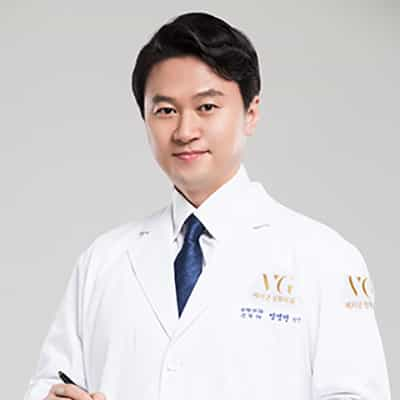
あなたの顔と体は、熟練の医師たちの手に委ねられます。ソウルで豊富な経験と専門医資格を持つ一流の形成外科医のリストを作成しました。これらのプロフィールでは、それぞれの専門分野、所属大学、そして患者の安全に対する献身的な姿勢を紹介しています。
KSPRS認定資格保有者
最高水準の国家基準
当院に掲載されている専門医は、韓国形成外科学会(KSPRS)の認定会員です。この認定を受けるには、一流医科大学の卒業、厳格なインターンシップ、そして専門試験の合格が必要です。これは、美容整形を行う一般医と真の形成外科医を区別するものです。
大学教授
学術・臨床分野のリーダー
江南地区のトップ外科医の多くは、かつてソウル大学(SNU)や延世大学といった名門大学で教授を務めていた経歴を持つ。彼らの学術的なバックグラウンドは、研究や高度な外科手術技術の最前線に立つことを保証し、しばしば自らの手法について世界中で講演を行っている。
ニッチスペシャリスト
専門分野に特化した知識
韓国では、外科医はしばしば高度に専門化しています。鼻形成術だけを行う医師や、顔面輪郭形成術だけを行う医師もいます。このように専門分野に深く特化することで、それぞれの分野のあらゆる細かなニュアンスを習得し、総合的な外科医では実現できないような結果を生み出すことができるのです。
韓国には選択肢が多すぎて、どれを選べば良いか迷ってしまうかもしれません。PlacidWayは、ソウルの一流クリニックをご紹介する信頼できるガイド役です。クリニックの選定、連絡、手配など、すべてお任せください。安全でスムーズな施術体験をお約束します。
クリニック認証
私たちは、政府公認のクリニックのみと提携しており、これらのクリニックは「実名」での手術を保証し、厳格な安全基準(監視カメラ、麻酔科医など)を満たしているため、患者様は最高の医療を受けられることをお約束します。
無料相談
弊社では無料のオンライン評価を提供しており、写真の送信や医療チームとの目標に関する話し合いを通じて、渡航前に個別のプランと見積もりを受け取ることができます。
透明性の高い価格設定
手術、麻酔、回復ケアにかかる費用を詳細に内訳した、明確で包括的な見積もりをご提供します。これにより、隠れた費用を気にすることなく、正確な予算編成が可能になります。
物流支援
空港送迎の手配から、クリニック近くの患者に優しいホテルの推薦まで、旅行に関する実務的な詳細事項のお手伝いをいたします。
翻訳サービス
私たちは、お客様が医療を受ける過程全体を通して、英語を話せるコーディネーターや通訳を利用できるようにすることで、すべてのステップを完全に理解していただけるように努めています。
患者擁護
私たちのチームは、お客様の旅全体を通してサポートし、ご質問にお答えし、お客様のご期待に沿った体験となるよう努めます。
最高の美しさを体験してください。今すぐPlacidWayにご連絡ください。無料かつ秘密厳守のカウンセリングで、ソウルでの美容整形への第一歩を踏み出しましょう。
無料の個別見積もりを入手
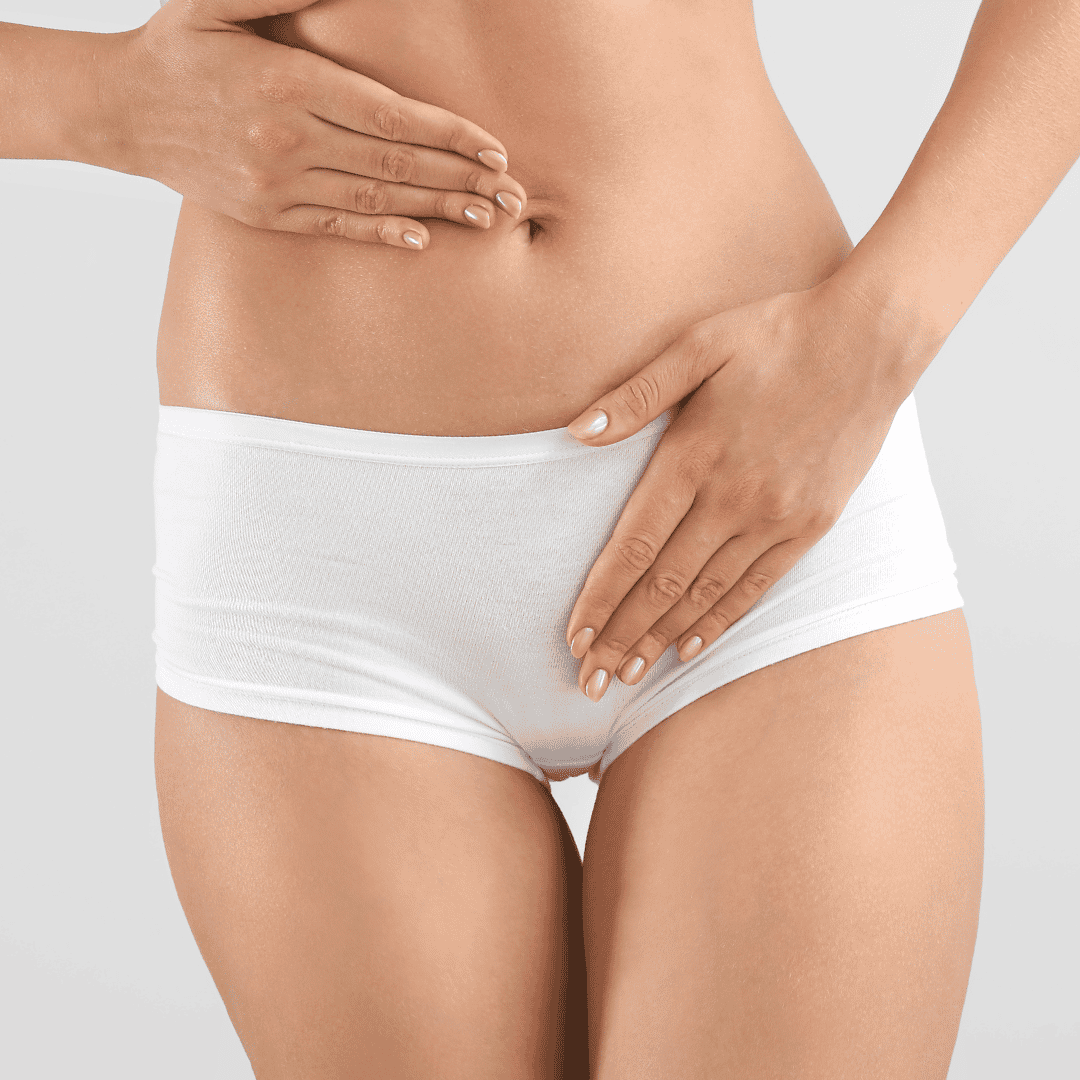
















Share this listing