


Breast Reduction Prices in Seoul, South Korea
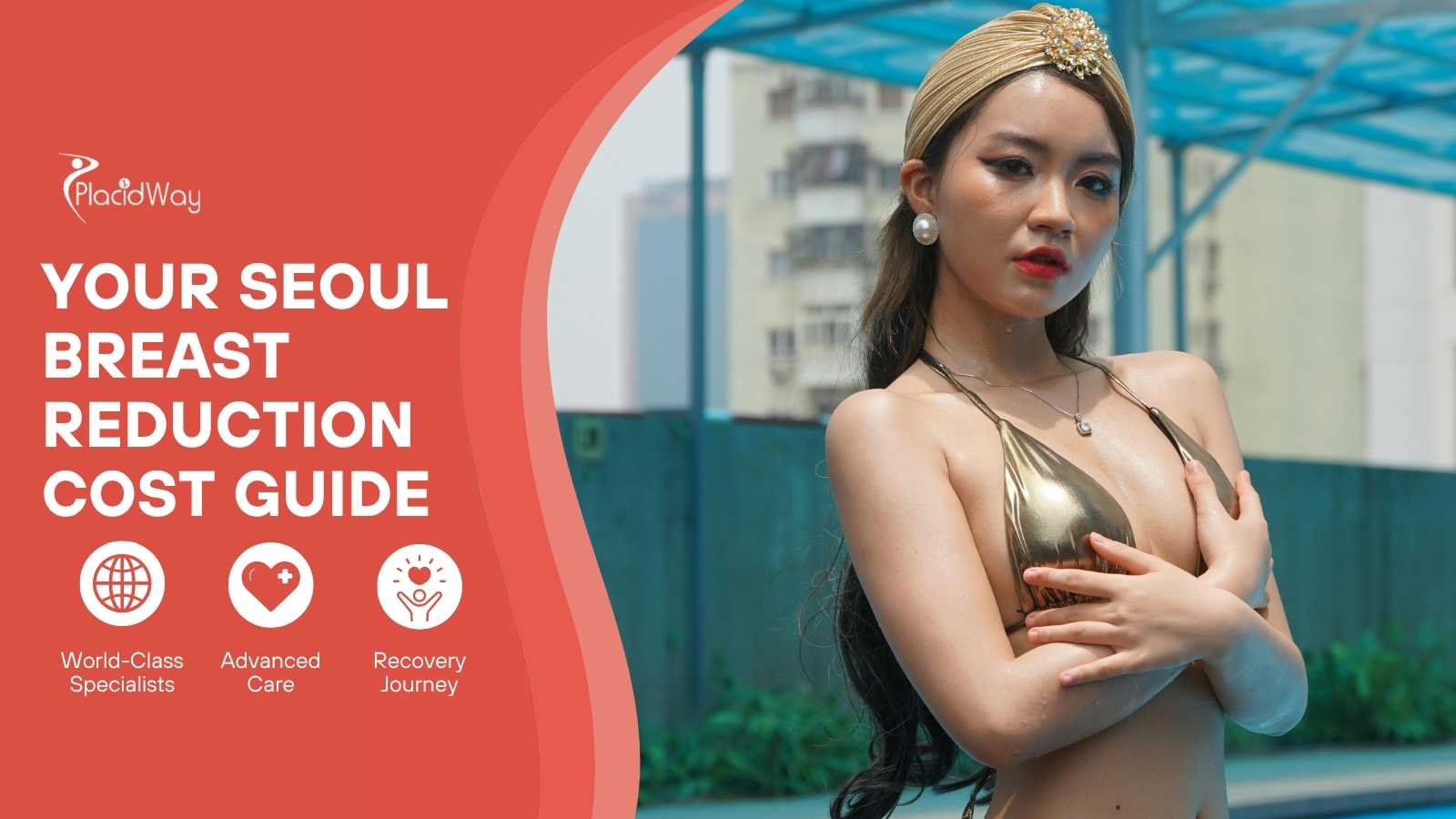
The estimated breast reduction cost in Seoul, South Korea typically ranges from $5,500 to $9,500. This price usually depends on case complexity, surgical technique, and the facility location, making it a viable option for international patients.
Key Takeaways
- Average pricing ranges between $5,500 and $9,500 USD, though final quotes vary by individual case.
- The chosen technique, surgeon expertise, and facility type heavily influence the final estimate.
- Patients should thoroughly verify credentials via recognized South Korean medical boards.
- Recovery typically requires planning for a 7 to 10-day stay in the country before flying home.
- Comprehensive consultations are vital to understand potential risks and realistic aesthetic outcomes.
What is the Average Breast Reduction Cost in Seoul?
The typical breast reduction cost in South Korea usually falls between $5,500 and $9,500 USD. This estimate often includes the surgeon fee, operating room costs, and basic anesthesia.
While comparing prices, patients will notice that facilities situated in high-end districts like Gangnam may charge near the higher end of this spectrum. These locations often provide extensive post-operative care packages, dedicated translation services, and advanced monitoring equipment designed for international visitors. The level of luxury and personalized attention directly impacts the final financial investment required.
The total financial commitment should also account for necessary pre-operative tests, such as detailed blood work and mammograms, which might be billed separately from the surgical package. Always ask for a thoroughly itemized estimate during your initial virtual consultation to avoid unexpected fees upon arrival. Transparency in pricing is a hallmark of reputable international healthcare providers.
Remember that this baseline price does not include your flights, local accommodation, or daily living expenses while in the city. Planning a comprehensive budget that covers both the medical and logistical aspects of your trip is essential for a stress-free experience. Proper financial planning ensures you can focus entirely on your recovery and health.
| Expense Category | Estimated Cost Range (USD) | Important Note |
|---|---|---|
| Surgical Package | $5,500 - $9,500 | Varies by surgeon expertise and technique. |
| Pre-op Tests | $100 - $300 | Bloodwork, ECG, and imaging if required. |
| Medications & Garments | $100 - $250 | Post-surgical bras and pain management. |
Why Consider Breast Reduction in South Korea?
Undergoing a breast reduction in South Korea offers access to highly experienced surgeons and advanced medical facilities. The country is recognized globally for its robust plastic surgery infrastructure.
Medical tourism in South Korea has grown significantly due to the integration of modern surgical techniques and rigorous facility safety standards. Many locations cater specifically to international patients by offering dedicated concierge services that guide them from initial inquiry through post-operative recovery. This structured support system helps alleviate the anxiety often associated with seeking medical care abroad.
Surgeons in this region frequently utilize advanced methods to minimize scarring and optimize functional outcomes for the patient. Their approaches are often tailored to the individual unique anatomy, aiming to relieve physical discomfort while maintaining natural proportion. The emphasis is heavily placed on both the medical necessity of tissue reduction and the aesthetic refinement of the final result.
Additionally, the competitive nature of the healthcare market drives providers to maintain high standards of patient care and adopt the latest technological advancements. This environment ensures that patients receive care that aligns with international medical guidelines, providing a comprehensive and supportive setting for their surgical journey.
Did You Know?
South Korea mandates rigorous training for its specialized plastic surgeons, often requiring over a decade of medical education and specialized residency before they are permitted to perform complex reconstructive procedures independently.
What Factors Influence the Price of Breast Reduction in South Korea?
Several elements dictate the final cost of breast reduction, including the surgeon expertise, the complexity of the tissue removal, and the surgical method employed. Location and facility amenities also play a major role.
- Surgeon Experience: Highly sought-after specialists with extensive board certifications and decades of focused practice may command higher surgical fees.
- Surgical Technique: Methods requiring more operating time or specialized equipment can increase the overall estimate provided to the patient.
- Facility Type: Fully accredited hospitals or luxurious private centers often have higher overhead costs than smaller outpatient centers, reflecting in the price.
- Anesthesia Fees: The duration of the surgery directly impacts the cost of the anesthesiologist time and the medications used during the procedure.
- Post-Operative Care: Comprehensive packages that include lymphatic drainage massages, customized compression garments, and extended monitoring add to the baseline price.
- Case Complexity: Patients requiring significant tissue removal or correction of severe asymmetry may face higher costs due to the extended and demanding surgical time.
How to Choose a Breast Reduction Clinic in South Korea?
Selecting a reputable breast reduction clinic in South Korea requires careful research into surgeon credentials, facility accreditation, and patient reviews. Do not base your decision solely on the lowest price.
Begin by verifying that the operating doctor is a board-certified plastic surgeon, ideally registered with national regulatory bodies. This professional certification indicates a high level of specialized training and strict adherence to established safety protocols. Patients should request official credential verification during their preliminary research phase to ensure compliance with medical standards.
Look for facilities that prioritize comprehensive consultations and transparent communication over aggressive sales tactics. A reputable medical center will clearly explain the potential risks, recovery timelines, and realistic outcomes, rather than pressuring you into immediate booking. They will evaluate your medical history thoroughly to confirm you are physically suited for the operation.
Request to review clinical before-and-after portfolios of previous patients with similar body types and surgical goals. Furthermore, inquire deeply about the center emergency protocols and their specific policies regarding post-operative complications. Knowing that you are fully supported medically throughout your journey is critical for peace of mind.
What Are the Common Surgical Techniques Used for Breast Reduction in South Korea?
Surgeons typically use techniques like the anchor method, vertical method, or liposuction-assisted reduction. The choice depends entirely on the amount of tissue being removed and the desired contour.
The traditional anchor technique is generally reserved for patients requiring significant reduction and reshaping. It involves incisions around the areolar border, extending vertically down the center of the breast, and horizontally along the inframammary fold. This extensive approach allows the surgeon maximum access for substantial tissue and skin removal.
The vertical method is often considered suitable for moderate reductions. This technique aims to reduce visible scarring by omitting the horizontal incision along the lower breast crease. However, it requires a highly skilled practitioner to ensure the remaining tissue settles naturally and aesthetically over the ensuing recovery months.
In selective cases where the excess volume is primarily fatty tissue rather than dense glandular tissue, liposuction alone may be utilized. This minimally invasive approach leaves very small puncture scars and allows for a quicker recovery, but it does not address significantly sagging skin or severe glandular enlargement.
Who is a Good Candidate for Breast Reduction in South Korea?
Ideal candidates are healthy individuals experiencing physical discomfort, such as chronic back or neck pain, due to excessively large breasts. Having realistic expectations is also a crucial requirement.
- Individuals suffering from chronic neck, back, or shoulder pain that is not relieved by conservative treatments or physical therapy.
- Patients experiencing persistent skin irritation, deep shoulder grooving from bra straps, or rashes beneath the breast crease.
- Those whose physical activities, sports participation, or daily exercise routines are severely restricted by breast size and weight.
- Individuals who have reached full physical maturity and have demonstrated stable breast development for an extended period.
- Non-smokers, as nicotine significantly impairs blood circulation and drastically increases the risk of wound healing complications.
- Patients with a clear understanding that the surgery will leave permanent, albeit fading, scars on the chest area.
What is the Typical Recovery Timeline for Breast Reduction in South Korea?
Initial recovery usually takes about two to three weeks, during which swelling and bruising are most prominent. Full tissue settling and scar maturation may take up to a full year.
During the first week after surgery, patients are generally advised to rest extensively, severely limit arm movements, and attend mandatory follow-up appointments. You will likely be instructed to wear a specialized surgical compression bra day and night to minimize swelling and mechanically support the newly contoured tissues during early healing.
Most individuals feel comfortable returning to remote desk jobs or light daily activities within 14 to 21 days. However, strenuous cardiovascular exercises, heavy lifting, and any activities that bounce the chest must be strictly avoided for at least six weeks to prevent internal tearing and delayed healing.
It is vital to plan a sufficient stay in the city before booking your return flight home. Surgeons typically require international patients to remain nearby for 7 to 10 days post-surgery to ensure drains are safely removed, incisions are checked, and early healing is progressing normally without signs of infection.
Important Consideration
Air travel shortly after major surgery increases the risk of deep vein thrombosis (DVT). Always secure explicit medical clearance from your operating surgeon before boarding a flight home.
What Are the Potential Risks of Breast Reduction in South Korea?
Like any major surgery, this procedure carries baseline risks such as infection, bleeding, and adverse reactions to anesthesia. Specific risks include changes in nipple sensation and prominent scarring.
Poor wound healing is a known potential complication, particularly at the intersection of surgical incisions. Patients must carefully follow all post-operative hygiene and care instructions to minimize the risk of localized infections, delayed closure, or the widening of the resulting scars.
Changes in breast or areolar sensation, which may be temporary or permanent, can occur due to inevitable nerve stretching or severing during extensive tissue removal. While many patients slowly regain sensation over several months as nerves regenerate, some may experience lasting numbness in localized areas.
Additionally, visible asymmetry and the inability to breastfeed in the future are important long-term considerations. Prospective patients should discuss these possibilities extensively with their chosen medical provider during the initial consultation phase to ensure they are making a fully informed decision regarding their body.
Why Choose PlacidWay for Your Medical Journey?
PlacidWay offers a comprehensive informational platform that helps you explore and compare global healthcare options. We focus on empowering patients with factual details about various international medical providers.
- Extensive Network: Access a wide database of healthcare facilities and specialized clinical centers across multiple international destinations.
- Provider Profiles: Review detailed, organized information regarding facility accreditations, surgeon qualifications, and available medical technologies.
- Treatment Education: Utilize comprehensive resources and objective guides to better understand your desired medical procedures and associated risks.
- Direct Inquiry: Easily request treatment information and preliminary estimates directly from medical facilities to effectively compare your healthcare options.
- Transparent Comparisons: Evaluate different providers based on their documented clinical focus, facility infrastructure, and transparent pricing structures.
Frequently Asked Questions
Will insurance cover my breast reduction surgery in South Korea?
Generally, health insurance providers consider procedures performed overseas as elective and out-of-network, meaning they typically do not provide financial coverage. However, if the surgery is deemed strictly medically necessary by domestic doctors, you should consult your specific provider regarding international reimbursement policies, though this remains quite rare.
How long should I stay in Seoul after breast reduction surgery?
Surgeons generally recommend staying in Seoul for at least 7 to 10 days following the procedure. This timeframe allows for proper initial healing, the safe removal of surgical drains, and necessary follow-up evaluations to medically clear you for safe air travel back home.
Are breast reduction consultations in South Korea conducted in English?
Many major facilities catering to international patients employ dedicated in-house translators or have English-speaking medical staff on site. It is important to confirm this language support prior to booking to ensure clear, accurate communication regarding your medical history and specific surgical goals.
Does the breast reduction cost in South Korea include anesthesia?
Comprehensive estimates often bundle the surgical fee, anesthesia services, and basic operating room costs into one package. However, you must explicitly ask the facility for an itemized breakdown, as pre-operative medical tests, prescribed medications, and post-surgical garments might be billed separately.
What kind of scarring can I expect after breast reduction in South Korea?
Scarring is an unavoidable aspect of this procedure, with patterns depending directly on the technique used, such as anchor or vertical incisions. While surgical scars are permanent, they typically fade, soften, and flatten significantly over the first 12 to 18 months when cared for properly.
Can breast reduction in South Korea be combined with a lift?
Yes, the procedure inherently involves lifting the breast by removing excess stretched skin and repositioning the areolar complex to a higher, more youthful position on the chest wall. The techniques for reduction and aesthetic lifting are highly integrated during the single operation.
Will I be able to breastfeed after breast reduction in South Korea?
The ability to breastfeed may be compromised depending on the surgical technique utilized and the amount of glandular tissue removed. If future breastfeeding is a high priority, you must discuss this extensively with your surgeon so they can attempt to preserve the necessary functional milk ducts.
What is the minimum age for breast reduction in South Korea?
Surgeons strongly advise waiting until breast development is entirely complete, which is usually around the age of 18 or older. Performing the procedure too early in life can result in the tissue growing back as the patient finishes their natural physical maturation process.
Are drains used during breast reduction recovery in South Korea?
Yes, small surgical drains are frequently placed to prevent the dangerous buildup of excess blood and fluid in the surgical site. These are typically removed by the medical staff within the first few days of your post-operative recovery while you are still recovering in the country.
How soon can I exercise after a breast reduction in South Korea?
Light walking is encouraged immediately to promote healthy blood circulation, but strenuous exercise, heavy lifting, and high-impact activities must be avoided for at least four to six weeks. Rushing back into rigorous fitness routines can severely compromise the healing incisions and increase complication risks.
Ready to Explore Your Options?
Compare medical facilities, review treatment details, and gather the information you need to make an informed decision about your healthcare journey.
Request Treatment InformationMedical Disclaimer: The information provided in this article is for educational purposes only and does not substitute professional medical advice. Always consult with a qualified healthcare provider regarding your specific medical condition and treatment options. Costs are estimated and subject to change.
References
- Breast Reduction Information – American Society of Plastic Surgeons (ASPS)
- Breast Reduction Surgery Overview – Mayo Clinic
- Breast Reduction (Reduction Mammaplasty) – Cleveland Clinic
- Breast Reduction Surgery Details – Johns Hopkins Medicine
- Breast Reduction Surgery Guidelines – National Health Service (NHS)
- Breast Reduction Encyclopedia Entry – MedlinePlus
- International Patient Safety Guidelines – International Society of Aesthetic Plastic Surgery (ISAPS)
.jpg)


.png)
.png)

.png)



.jpg)

.jpg)
.jpg)








Share this listing