
Contents
For men seeking a permanent solution to Erectile Dysfunction (ED) and Peyronie's Disease, Europe represents the pinnacle of urological innovation and patient privacy. Countries like Germany, Turkey, Spain, and the UK are home to some of the world's most distinguished high-volume implant surgeons. Unlike other regions, European centers often have early access to the latest device technologies from leaders like Boston Scientific (AMS 700) and Coloplast (Titan), ensuring you receive the most advanced care available.
Choosing Europe for Penile Prosthesis surgery means accessing a healthcare system that values the "Gold Standard" of treatment. Clinics here specialize in minimally invasive techniques, such as the "No-Touch" infection prevention protocol and infrapubic approaches that hide scars effectively. This focus on surgical precision significantly reduces recovery times and infection risks.
Beyond the medical expertise, Penile Implants in Europe medical tourism offers a layer of discretion that is highly valued by patients. Whether you are recovering in a private suite in Istanbul or a specialized clinic in Berlin, the environment is designed to be dignified, confidential, and supportive.
From the initial consultation to the activation of the device, the European approach combines rigorous medical standards with a deep understanding of men's health, offering a definitive return to intimacy and confidence.
Did You Know?
Penile implants have the **highest patient satisfaction rate** of all erectile dysfunction treatments—surpassing pills, injections, and vacuum devices. Studies consistently show that over 90% of patients and their partners report high satisfaction with the outcome, citing the spontaneity and reliability of the device as key factors.
Key Insights at a Glance
European centers are often designated "Centers of Excellence," performing hundreds of implants annually.
Destinations like Turkey and Central Europe offer savings of 40-60% compared to US prices for the same devices.
Full access to the latest 3-piece inflatable devices, offering the most natural look and feel.
Medical devices in Europe must carry the CE Mark, ensuring they meet rigorous safety and performance standards.
Use of antibiotic-coated implants (InhibiZone) and hydrophilic coatings to drastically lower infection rates.
European clinics prioritize discretion, often providing private entrances and confidential patient management.
A History of Innovation
Europe has been at the forefront of urological surgery for decades. The modern inflatable penile prosthesis was refined significantly by European urologists who pioneered the "reservoir placement" techniques. Today, many European surgeons are the ones training other doctors globally on how to place reservoirs safely in the abdomen to avoid visibility and complications.
A stress-free medical journey begins with a comprehensive package. We have curated a selection of top urology clinics in Europe that offer all-inclusive bundles tailored for international patients. These packages typically include the cost of the premium implant device (usually 3-piece inflatable), surgeon and anesthesia fees, operating room charges, and pre-operative testing. Many also cover luxury hotel accommodation, private airport transfers, and a personal patient coordinator to ensure your privacy and comfort.
Note: Look for packages that include a "device warranty" card, which ensures your implant is covered globally by the manufacturer.

Price starting from $10,000
Penile Implant Surgery Package in Istanbul, Turkey for Overseas Patients with Erectile Dysfunction
International Multispecialty Hospital in Istanbul, Turkey
- Urology
Istanbul, Turkey

Price starting from $13,000
Inflatable 3-piece Penile Implant Package in Istanbul, Turkey by Assoc. Prof. Dr. Zulfu Sertkaya
Assoc. Prof. Dr. Zülfü Sertkaya - Dr Hardrock Men's Health Excellence Center Urology in Istanbul, Turkey
- Urology
Istanbul, Turkey
Europe offers a tiered pricing structure that accommodates various budgets without compromising quality. The table below outlines average costs. In countries like Turkey or the Czech Republic, a top-tier 3-piece inflatable implant package ranges from €9,000 to €14,000. In Western Europe (Germany, UK, Spain), prices typically range from €16,000 to €22,000. Compare this to the U.S., where costs can exceed $25,000 to $40,000 for the procedure alone.
Tip: Always check if the price includes the specific device model you want (e.g., AMS 700 LGX vs. CX).
Penile Implant Cost Comparison in Europe
| Country | Procedure | Price |
|---|---|---|
| United States | Penile Implant, Urology | $35000 |
We have partnered with Europe's most prestigious urology departments and specialized men's health clinics. These centers are characterized by their high surgical volume—a critical factor in reducing infection rates and mechanical failure. They feature state-of-the-art sterile environments, robotic surgery capabilities (if needed for concurrent procedures), and experienced nursing staff trained specifically in post-operative urological care.
Standard of Care: Top centers prioritize "infection control" protocols that are stricter than general hospital standards.

International Multispecialty Hospital in Istanbul, Turkey
Istanbul, Turkey

Mens Health Clinics - Urology Treatment in Istanbul
Istanbul, Turkey

Hearing from other men who have regained their intimacy can be incredibly reassuring. The video testimonials below feature patients discussing their journey in Europe—from their initial hesitation to their satisfaction with the results. They talk candidly about the recovery process, the natural feel of the implant, and the quality of care they received from European medical teams.
Insight: Listen for comments on "spontaneity" and "partner satisfaction," which are the biggest benefits of this surgery.



Patient reviews offer transparency and trust. In this section, you will find verified feedback from men who have traveled to Europe for their procedure. Read about their experiences with the surgeons' bedside manner, the discretion of the clinic staff, and the long-term reliability of their implants. High recommendation rates are a testament to the life-changing nature of this procedure when performed by experts.
Review Tip: Look for reviews that mention the "ease of use" of the pump mechanism, as correct sizing by the surgeon is crucial for this.

What Are the Success Rates of Penile Implant Surgery in Germany?
Penile implant surgery in Germany generally shows high patient satisfaction. Mechanical reliability and overall success rates often range from 90% to 95% over ten years, varying based on implant type, patient health, and post-operative care. Key Takeaways German medical facilities operate under strict national and European healthcare regulations, minimizing surgical risks. Inflatable and malleable prostheses are the primary devices used, chosen based on individual anatomical needs. Long-term success depends heavily on controlling underlying health conditions like diabetes or cardiovascular issues. International patients must coordinate closely with a local urologist for follow-up care and device activation. While outcomes are generally favorable, patients must be aware of potential complications such as infection or mechanical wear. Navigating the options for erectile dysfunction treatment can feel overwhelming, especially when conventional therapies have not provided the desired results. For men considering surgical intervention, understanding the outcomes, safety protocols, and standard of care is crucial. Penile implant surgery in Germany has gained attention from international patients seeking reliable medical standards and experienced specialists. Why Do International Patients Choose Germany for Penile Implant Procedures? Many international patients travel for treatment because the country is recognized for stringent healthcare regulations, highly trained urologists, and advanced medical infrastructure. The decision to travel abroad for medical care involves balancing the quality of treatment with logistical considerations. Medical tourism in Germany often focuses on high-complexity, specialized surgeries rather than simply seeking the lowest price. The healthcare system in the country is governed by rigorous quality control measures, meaning that hospitals and private clinics must adhere to strict hygiene and surgical safety protocols. Furthermore, German urologists undergo extensive training and often participate in ongoing research regarding prosthetic urology advancements. This depth of experience can be reassuring for patients facing a permanent surgical decision. Clinics treating international patients are typically well-equipped to handle complex cases, offering comprehensive diagnostic evaluations before proceeding with any surgery. Privacy and discretion are also highly valued within the German healthcare framework. Medical staff are trained to handle sensitive urological conditions with professionalism, providing an environment where patients feel respected and comfortable discussing intimate health concerns. What Types of Penile Implants Are Available in German Clinics? Urologists typically offer two main types of FDA- and CE-approved devices: three-piece inflatable penile prostheses (IPP) and malleable (semi-rigid) implants. The choice of implant depends heavily on a patient's physical health, anatomical structure, manual dexterity, and personal preference. A thorough consultation is required to determine which device is medically appropriate. Three-Piece Inflatable Implants: This is often considered the gold standard. It includes two cylinders placed in the penis, a fluid reservoir in the abdomen, and a pump in the scrotum. It provides a natural-feeling erection and complete flaccidity when deflated. Two-Piece Inflatable Implants: Similar to the three-piece, but the fluid reservoir is combined with the pump in the scrotum. This is sometimes used for patients with abdominal scarring from previous surgeries. Malleable (Semi-Rigid) Implants: These consist of bendable rods implanted in the penis. The device keeps the penis constantly firm, but it can be bent downward for concealment or outward for intercourse. It is mechanically simpler and easier to use for patients with limited hand strength. How Do Medical Standards Impact Implant Success Rates? Strict clinical hygiene protocols and the requirement for extensive specialized training help minimize post-operative infections and surgical errors, which directly supports long-term device functionality. Infection is the most significant threat to the success of a penile implant. If bacteria contaminate the device during or after surgery, the entire prosthesis usually must be removed, leading to a difficult recovery and potential loss of tissue length. German hospitals follow strict sterilization protocols and often utilize implants coated with antibiotic or hydrophilic layers designed to inhibit bacterial growth. Expert Insight: Surgeons who perform a high volume of prosthetic procedures typically encounter fewer complications. When researching providers, looking for dedicated andrology departments can be an indicator of institutional experience. Additionally, the meticulous surgical techniques employed by experienced providers help ensure proper sizing and placement of the cylinders. Incorrect sizing can lead to patient discomfort, mechanical strain on the device, or erosion through the tissue, all of which require revision surgery. What Factors Can Affect the Long-Term Success of My Implant? While mechanical reliability is high, individual patient health factors such as poorly controlled diabetes, smoking, and cardiovascular disease can significantly increase the risk of complications. The success of the surgery is a partnership between the surgeon's skill and the patient's body. Men with uncontrolled diabetes have a notably higher risk of post-operative infections because elevated blood sugar impairs immune response and wound healing. Urologists typically require patients to achieve stable blood glucose levels before clearing them for the operating room. Smoking restricts blood vessels and reduces oxygen flow to healing tissues. Patients are almost universally advised to quit smoking weeks before and after the procedure to promote proper tissue recovery and reduce the likelihood of device extrusion or skin necrosis. Mechanical wear and tear is another reality. While modern devices are incredibly durable, they are still mechanical objects. After 10 to 15 years, the tubing, pump, or cylinders may degrade, requiring a straightforward revision surgery to swap out the components. Following the manufacturer's guidelines for inflating and deflating the device helps maximize its lifespan. What Is the Estimated Penile Implant Surgery Cost in Germany? The estimated penile implant surgery cost in Germany generally ranges from €15,000 to €25,000, varying based on the type of prosthesis selected and hospital fees. It is helpful to understand that these figures are estimates and can fluctuate based on the specific clinic, the complexity of the patient's anatomy, and the length of the hospital stay. An inflatable implant is structurally more complex and requires a longer surgery, making it more expensive than a simpler malleable device. Cost Component Typical Inclusions The Prosthetic Device The physical implant (inflatable or malleable) from recognized manufacturers. Surgical & Anesthesia Fees Surgeon's time, anesthesiologist monitoring, and operating room use. Hospital Stay Typically 2-4 days of inpatient care, nursing, and basic medications. When comparing international options, remember that traveling for medical care involves additional expenses outside the clinic walls. Flights, accommodation for a 10 to 14-day stay, and local transportation should be factored into your total budget planning. What Is the Typical Recovery Timeline After Surgery? Initial surgical healing usually takes about two to four weeks, while full recovery and medical clearance to activate and use the device typically takes four to six weeks. Recovery requires patience and strict adherence to post-operative instructions. Following the surgery, patients typically stay in the hospital for two to four days. During this time, medical staff monitor for immediate complications, manage pain with prescribed medication, and remove the temporary urinary catheter and surgical drains. Swelling and bruising around the groin and scrotum are entirely normal and can look significant during the first week. Patients are usually advised to wear supportive underwear and apply ice packs as directed. Light walking is encouraged to promote blood circulation, but heavy lifting, strenuous exercise, and sexual activity are strictly prohibited during the initial healing phase. Around the four to six-week mark, a urologist will typically teach the patient how to inflate and deflate the device safely. You should never attempt to use the device before receiving explicit clearance from a medical professional. Are There Risks or Complications Associated with Penile Implants? Yes, as with any surgical procedure, risks exist, including severe infection, mechanical failure over time, internal device erosion, and potential changes in penile sensation or length. It is vital to have realistic expectations and understand that no surgery is completely without risk. The most critical complication is infection. If an infection occurs around the implant, antibiotics alone are rarely sufficient; the device must almost always be surgically removed. After removing an infected implant, scar tissue can form, making future implant surgeries much more complex and often resulting in a loss of penile length. Mechanical failure is another consideration. Tubes can leak, pumps can malfunction, or cylinders can develop aneurysms over a span of many years. While these issues do not typically represent a medical emergency, they do require revision surgery to replace the faulty components. Some patients report a perceived loss of length compared to their erections prior to developing erectile dysfunction. The implant can only stretch the tissue as far as your current anatomy allows. Discussing anatomical expectations openly with your surgeon before the operation helps ensure you understand the realistic outcomes. How Should International Patients Handle Follow-Up Care? Patients traveling abroad must proactively arrange for a local urologist in their home country to monitor the healing process, manage potential complications, and assist with device activation. Continuity of care is a vital aspect of planning for urological surgery abroad. Before booking your travel, secure an agreement with a local physician who is willing to provide post-operative support. Some doctors hesitate to take on patients who received complex surgeries elsewhere, so establishing this relationship early is crucial. Your surgical team in Germany should provide comprehensive medical records, including detailed operative notes, information on the specific device model implanted, and discharge summaries in English. You must carry these documents back home to ensure your local urologist has all the necessary clinical context. How Can I Find a Qualified Penile Implant Surgery Clinic in Germany? Finding an appropriate penile implant surgery clinic in Germany involves researching facilities with dedicated andrology departments, transparent credentials, and surgeons specializing in prosthetic urology. When evaluating clinics, prioritize medical qualifications over marketing claims. Look for surgeons who are board-certified in urology and hold memberships in recognized professional organizations, such as the European Association of Urology (EAU) or the International Society for Sexual Medicine (ISSM). During initial consultations (often conducted via video call for international patients), ask specific questions about the surgeon's complication rates, the volume of implant procedures they perform annually, and their protocols for handling post-operative issues. A reputable provider will discuss both the benefits and the risks candidly, rather than pressing you into immediate surgery. Who Is Considered a Suitable Candidate for This Procedure? Ideal candidates are generally men with organic erectile dysfunction who have documented poor responses to less invasive treatments like oral medications, injections, or vacuum devices. A penile implant is considered a third-line therapy. Because the surgery destroys the natural erectile tissue, making natural erections impossible in the future, it is reserved for men who have exhausted other options. Candidates must undergo a thorough medical and sometimes psychological evaluation to confirm that their dysfunction is physical in origin (such as from vascular disease, diabetes, or prostate cancer surgery) rather than purely psychological. Important Consideration: A penile implant treats the mechanical aspect of erectile dysfunction. It does not increase sexual desire, cure underlying relationship issues, or provide protection against sexually transmitted infections. Why Choose PlacidWay for Medical Tourism? Researching medical procedures abroad requires access to organized, factual information. PlacidWay serves as a resource for patients exploring international healthcare options, offering a platform to explore various destinations and facilities. Provides a centralized directory of international healthcare providers, including urology and andrology centers. Allows patients to review facility details, professional credentials, and treatment options in one accessible place. Offers educational materials to help patients understand the logistics of seeking medical care abroad. Facilitates initial contact between patients and clinic coordinators to ask medical questions directly. Helps individuals compare estimated pricing structures across different regions to inform their personal budgeting. Frequently Asked Questions How long do penile implants typically last before needing replacement? Most high-quality penile implants have a mechanical lifespan of 10 to 15 years. Over time, mechanical parts may wear out, requiring a revision surgery to replace the device. Does health insurance cover penile implant surgery in Germany for international patients? Generally, international patients traveling for medical tourism pay out-of-pocket. Some specialized international health insurance policies may cover a portion if the procedure is deemed medically necessary, but you should verify this directly with your provider. Can I travel by plane immediately after the surgery? Flying immediately after surgery is not recommended due to the risk of blood clots and swelling. Most German urologists advise waiting at least 7 to 10 days before taking a short flight, and longer for long-haul travel. Will the implant be noticeable through my clothing? Inflatable implants are designed to be completely concealed within the body and are not noticeable when deflated. Malleable implants keep the penis semi-rigid, which can be slightly more challenging to conceal but usually manageable with appropriate underwear. Does a penile implant affect urination? A penile implant does not interfere with the urethra. You will be able to urinate normally once the initial post-operative swelling subsides and the temporary catheter is removed. What language is spoken in German medical facilities? While German is the primary language, the vast majority of doctors and medical staff in facilities catering to international patients speak fluent English. Many clinics also offer medical interpreters for other languages. How long should I plan to stay in Germany for the entire process? Patients typically stay for 10 to 14 days. This includes a pre-operative consultation, the surgical procedure (with a 2-4 day hospital stay), and necessary post-operative check-ups before being cleared to travel home. Can the implant be removed if I change my mind later? While the device can be surgically removed, doing so will likely leave you unable to achieve natural erections because the surgery alters the spongy tissue inside the penis. It is considered a permanent treatment route. Will I need a catheter after the procedure in Germany? Yes, a temporary urinary catheter is usually placed during surgery and remains overnight to monitor urine output and keep the bladder empty during the initial healing phase. It is typically removed before you are discharged. Does a penile implant affect natural climax or sensation? The implant provides the rigidity needed for intercourse but does not affect the nerves responsible for sensation or climax. If you had normal sensation and could reach climax before the surgery, you should still be able to do so afterward. Ready to Explore Your Options? Gather the information you need to make an educated healthcare decision. Compare treatment options and connect with qualified specialists today. Request Treatment Information References Guidelines on Sexual and Reproductive Health – European Association of Urology (EAU) Erectile Dysfunction Guidelines – American Urological Association (AUA) Long-term mechanical reliability of multicomponent inflatable penile prosthesis – The Journal of Sexual Medicine / PubMed What is a penile implant? – International Society for Sexual Medicine (ISSM) Healthcare Quality Standards – German Medical Association (Bundesärztekammer) Patient Safety Guidelines – World Health Organization (WHO) Medical Disclaimer: The information provided in this article is for educational and informational purposes only and does not constitute medical advice, diagnosis, or treatment recommendations. Success rates, costs, and recovery timelines are estimates and vary significantly by individual patient health, specific diagnosis, and surgical technique. Always consult with a qualified, board-certified physician or healthcare provider regarding any medical condition or treatment plan. A thorough medical evaluation is required to determine suitability for penile implant surgery.
How Much Does a Penis Enlargement Surgery Cost in Turkey?
The estimated penis enlargement surgery cost in Turkey typically ranges from $3,500 to $6,500. This depends on the specific techniques used, such as fat transfer, ligament release, or dermal fillers, as well as the surgeon's experience. For men exploring cosmetic urology, understanding the nuances of penis enlargement surgery in Turkey requires careful research. Elective procedures aimed at altering penile girth or flaccid length are highly personalized and require realistic expectations. Over recent years, Turkey has developed a substantial healthcare infrastructure that caters to international patients seeking various aesthetic treatments. While the financial aspects of care draw many individuals, selecting a qualified penis enlargement surgery clinic in Turkey demands a thorough evaluation of safety protocols, surgeon qualifications, and post-operative care plans. This guide explores the estimated costs, common medical techniques, inherent risks, and important logistical considerations for those contemplating this elective procedure abroad. Key Takeaways Cost estimates in Turkey generally fall between $3,500 and $6,500, varying by the complexity of the chosen procedure. Girth enhancement is commonly achieved through autologous fat transfer, while lengthening often involves releasing the suspensory ligament. Results are not guaranteed, and major medical societies emphasize that cosmetic enlargement carries distinct physical and psychological risks. Patients typically need to stay in the country for 5 to 7 days for initial post-operative monitoring before flying home. Consulting a board-certified urologist or plastic surgeon is essential to determine medical suitability and set realistic aesthetic goals. What techniques are used for penis enlargement in Turkey? Surgeons in Turkey primarily use autologous fat transfer or hyaluronic acid fillers for girth enhancement, and suspensory ligament release for increasing flaccid length. Penile augmentation usually addresses two different concerns: girth (thickness) and length. The most common technique for adding girth is autologous fat transfer. During this procedure, a surgeon uses liposuction to harvest fat from another part of your body—often the abdomen or thighs. The fat is purified and then carefully injected under the skin of the penis. Because it uses your own tissue, the risk of allergic reaction is minimized, though a portion of the transferred fat will naturally be reabsorbed by the body over time. For lengthening, the standard surgical approach involves dividing the suspensory ligament, which anchors the base of the penis to the pubic bone. Releasing this ligament allows more of the penile shaft to hang outside the body, which can increase the visible length when flaccid. It is vital to understand that this technique does not typically increase the actual erect length and can alter the angle of an erection. Another non-surgical or minimally invasive option includes the use of dermal fillers, such as hyaluronic acid. While less invasive, the results are temporary and require ongoing maintenance treatments to sustain the enhanced girth. What is included in the cost of penis enlargement surgery in Turkey? The estimated cost typically bundles the surgeon’s fees, operating room charges, anesthesia, pre-operative testing, and early post-operative follow-ups. When reviewing quotes from international providers, patients will often encounter bundled pricing models. This approach is designed to simplify the financial aspect of traveling for care. A comprehensive estimate usually covers the primary clinical requirements, including blood tests and initial consultations required to clear a patient for surgery safely. In addition to the surgical components, many packages include necessary medical garments, prescribed take-home medications, and transfers between the hospital and a local hotel. However, the degree of inclusion varies significantly by clinic. Patients should always ask for a detailed, itemized breakdown. You need to know if the quote covers the management of immediate complications, the cost of specialized post-operative equipment (such as penile traction devices, which are often recommended after a ligament release), and whether the pre-operative psychological evaluation is factored into the initial price. Procedure Type Estimated Cost Range in Turkey Common Technique Girth Enhancement Only $2,500 - $4,500 Fat Transfer / Liposuction Length Enhancement Only $3,000 - $5,000 Suspensory Ligament Release Combined Length & Girth $4,500 - $6,500 Ligament Release + Fat Grafting Who is a suitable candidate for this procedure in Turkey? Suitable candidates are physically healthy adult men with realistic expectations who do not suffer from body dysmorphic disorder. Physical Health: Candidates must be free of active infections, severe cardiovascular issues, or uncontrolled diabetes, which can impair wound healing. Psychological Readiness: Major urological guidelines recommend psychological screening to ensure patients are not seeking surgery to address deep-seated psychological distress or body dysmorphic disorder. Realistic Expectations: Understanding that surgery alters flaccid appearance more than functional erect size is critical for patient satisfaction. Non-Smokers: Smoking severely restricts blood flow. Surgeons typically require patients to quit smoking several weeks before and after the operation to reduce the risk of tissue necrosis and poor healing. Age: Patients must be over the age of 18 and have fully completed physical development. Important Consideration: Many medical organizations point out that most men seeking enlargement actually have a penis within the normal size range. Always discuss non-surgical alternatives and counseling with a qualified healthcare provider before committing to surgery. What are the potential risks and complications? Like all surgeries, penile augmentation carries risks including infection, scarring, asymmetry, sensory loss, and dissatisfaction with the aesthetic outcome. Safety must always be prioritized over cost. The delicate anatomy of the pelvic region means that complications, while not guaranteed, can be distressing when they occur. General surgical risks include adverse reactions to anesthesia, excessive bleeding, and post-operative infection, which require prompt medical attention. Specific to penile enlargement, fat grafting can lead to uneven reabsorption. The body may resorb the fat irregularly, leading to lumps, nodules, or a lumpy aesthetic contour that might necessitate corrective surgery. Furthermore, releasing the suspensory ligament alters the structural support of the penis, which can cause it to point downward during an erection and may create instability during intercourse. Nerve damage is a serious risk that can result in temporary or permanent loss of sensation. While cosmetic procedures aim to avoid the structures responsible for erectile function, any surgical trauma in the area carries a small risk of inducing erectile dysfunction. How long is the typical recovery period in Turkey before flying home? Patients are usually advised to remain in Turkey for 5 to 7 days post-surgery to attend follow-up appointments and ensure safe healing before flying. Proper post-operative care is crucial for achieving optimal results and avoiding complications. Immediately after the procedure, swelling, bruising, and discomfort are to be expected. The initial days require strict rest, careful wound management, and adherence to prescribed antibiotics and pain relief protocols. Air travel shortly after surgery introduces the risk of deep vein thrombosis (DVT) and can exacerbate swelling due to cabin pressure changes. Surgeons typically prefer to monitor the surgical site for at least a week to check for signs of infection or hematoma before clearing a patient for an international flight. Long-term recovery continues at home. Patients are generally instructed to abstain from sexual activity and vigorous exercise for 4 to 6 weeks. If a ligament release was performed, the surgeon might require the daily use of a penile traction device for several months to prevent the ligament from reattaching and reversing the lengthening effect. How does the surgery cost in Turkey compare to other countries? Procedures in Turkey often cost between $3,500 and $6,500, which is noticeably lower than the $8,000 to $15,000+ estimates typically found in the US or UK. The financial differences in global healthcare are primarily driven by local economic factors, not necessarily by the quality of the medical materials used. In the United States or Western Europe, high administrative costs, medical liability insurance, and higher wages for medical staff significantly inflate the price of elective procedures. Turkey has positioned itself as a hub for medical tourism in Turkey by offering favorable exchange rates and lower operational costs for clinics. Additionally, the government has invested heavily in modernizing private healthcare infrastructure to attract foreign patients. This combination allows many facilities to offer comprehensive treatment packages at a lower overall price point. However, lower costs do not negate the need for rigorous vetting. Patients should avoid choosing a clinic based on price alone and instead focus on the surgeon’s specific experience with aesthetic urology, the facility's accreditation, and the clarity of their complication management protocols. Are the results of the procedure permanent? Results vary; suspensory ligament release alters anatomy permanently, but fat grafting usually experiences 30% to 50% reabsorption over time. The longevity of surgical outcomes depends heavily on the specific techniques performed and the individual patient’s biological healing response. When a surgeon releases the suspensory ligament, the structural change is essentially permanent. However, scar tissue can form during the healing process, potentially causing the ligament to reattach in a way that minimizes the initial gain. Consistent use of post-operative stretching devices is often required to help maintain the new resting position. Girth enhancement via fat transfer presents different challenges. It is medically normal for the body to metabolize and resorb a portion of the transferred fat cells within the first six months. Surgeons often slightly over-correct during the initial injection to account for this expected loss. The fat that survives the initial healing phase generally becomes a permanent part of the tissue, though weight fluctuations in the future can alter its appearance. What should I look for when choosing a penis enlargement surgery clinic in Turkey? Prioritize clinics that employ board-certified urologists or plastic surgeons, maintain international accreditation, and provide transparent risk disclosures. Surgeon Credentials: Verify that the primary surgeon is specifically trained in urology or specialized reconstructive plastic surgery, rather than general cosmetic procedures. Facility Standards: Look for hospitals or clinics that hold recognized accreditations, indicating they adhere to strict hygiene, safety, and emergency protocols. Comprehensive Consultations: A reputable provider will insist on reviewing your full medical history and will discuss both the benefits and the potential risks without pressuring you into surgery. Clear Aftercare Plans: The clinic should provide detailed written instructions for recovery and have a protocol in place for answering medical questions once you return home. Language and Communication: Ensure that the medical staff can communicate clearly with you in English or that professional medical translation services are provided. Will I need follow-up care after returning home? Yes, arranging follow-up care with a local healthcare professional is crucial to monitor healing and address any delayed complications. A successful medical trip requires planning for what happens after the journey ends. While your surgeon in Turkey will handle the immediate post-operative phase, healing is an ongoing process that lasts for months. You may experience delayed swelling, localized infections, or concerns regarding the aesthetic contour of the fat grafts weeks after returning home. It is highly recommended to establish a relationship with a local urologist or primary care physician before you travel. You should bring home all medical records, surgical notes, and details of the exact procedures performed. If a complication arises—such as prolonged pain, abnormal discoloration, or severe wound separation—having a local professional ready to evaluate the situation prevents dangerous delays in care. Why Choose PlacidWay for Medical Tourism in Turkey? Navigating the global healthcare landscape can be overwhelming. PlacidWay acts as an informational resource to help patients research and connect with medical facilities worldwide. Here are several factual aspects of using the platform: Extensive Provider Network: PlacidWay offers access to a broad directory of international clinics, hospitals, and specialized specialists in various countries, including Turkey. Informational Resources: The platform provides detailed articles, cost estimates, and procedure guides to help patients understand their elective surgery options. Direct Clinic Connections: Users can request information and communicate directly with healthcare facilities to discuss their specific medical needs and review personalized estimates. Profile Details: Clinic profiles on the platform often display available medical certifications, spoken languages, and physician credentials provided by the facilities. Multi-Specialty Options: Beyond cosmetic urology, the platform allows patients to research a wide array of medical treatments, facilitating comprehensive healthcare planning. Frequently Asked Questions Is penis enlargement surgery painful? The procedure itself is performed under general anesthesia or local anesthesia with sedation, so you will not feel pain during surgery. Post-operative discomfort is common but can typically be managed with prescribed oral pain medications. Can I combine this surgery with other procedures in Turkey? Yes, some patients choose to combine penile augmentation with related procedures such as scrotal web resection or localized liposuction. Your surgeon will determine if combining procedures is safe based on your overall health. How soon can I exercise after the procedure? Light walking is encouraged immediately to promote circulation, but strenuous exercise, heavy lifting, and intense cardiovascular activities should typically be avoided for 4 to 6 weeks to prevent complications. Will the surgery affect my erectile function? When performed correctly, cosmetic enlargement procedures are designed to preserve erectile function. However, as with any surgery in this region, there is a risk of nerve damage or vascular issues that could impact sensation or function. Do surgeons in Turkey speak English? Many surgeons who treat international patients speak English fluently. Additionally, most clinics that focus on medical travelers provide dedicated patient coordinators and medical translators to ensure clear communication. Can I get a penile implant for cosmetic enlargement in Turkey? Penile implants are primarily used to treat severe erectile dysfunction rather than for cosmetic enlargement. While specific cosmetic implants exist globally, their availability and medical recommendation vary, and they carry distinct surgical risks. What kind of anesthesia is used for the surgery in Turkey? The choice of anesthesia depends on the specific technique. Fat grafting and ligament release are often performed under general anesthesia, while less invasive dermal filler injections may only require local anesthesia. How long does the actual surgery take? A standard surgical procedure, such as suspensory ligament release combined with fat transfer, typically takes between 1.5 to 3 hours to complete in the operating room. Does insurance cover this procedure in Turkey? Because penis enlargement is generally classified as an elective cosmetic procedure, health insurance providers typically do not cover the costs. Patients should expect to pay out-of-pocket. Can I travel alone for this procedure? While it is possible to travel independently, bringing a companion is often recommended. Having someone to assist you during the first few days of recovery can be helpful, though many clinics offer extended nursing care packages for solo travelers. Compare Treatment Options Connect with qualified clinics to review procedure details, obtain individualized cost estimates, and gather the information you need to make an informed healthcare decision. Request Treatment Information References Clinical Guidelines – American Urological Association (AUA) Penile Enhancement Overview – Urology Care Foundation Penis Enlargement Guidelines – National Health Service (NHS) Penis-enlargement products and procedures: Do they work? – Mayo Clinic Complications of Penile Augmentation – PubMed (NCBI) Medical Tourism Safety and Travel Guidelines – Centers for Disease Control and Prevention (CDC) Medical Disclaimer: The information provided in this article is for educational and informational purposes only and does not constitute professional medical advice, diagnosis, or treatment. Outcomes, risks, and recovery times for elective surgical procedures vary significantly based on individual patient health, anatomy, and surgical technique. Always seek the advice of a board-certified urologist, plastic surgeon, or other qualified healthcare provider regarding any medical condition or before undergoing any medical treatment. Never disregard professional medical advice or delay in seeking it because of something you have read here.
How to Choose a Urologist in Germany?
To find the right specialist, you should verify their German board certification (Facharzt), evaluate their experience with your specific condition, and ensure the facility offers clear communication and modern diagnostic technology. Navigating healthcare options abroad can feel overwhelming, especially when seeking specialized medical attention. Urology in Germany is widely recognized for its structured medical training, rigorous regulatory standards, and integration of modern technology. Whether you are dealing with a routine concern or a complex urological condition, finding an appropriately qualified specialist is a critical first step. When considering cross-border care, patients must evaluate several factors beyond just a doctor's reputation. Understanding how to assess credentials, evaluate facilities, and plan for continuity of care is essential. This guide explains the key steps to help you make an informed decision when looking for the right specialist for your individual needs. Key Takeaways Look for the title "Facharzt" to ensure the doctor has completed formal board certification in urology. Choose a specialist whose experience aligns closely with your specific diagnosis or required procedure. Verify that the clinic has experience handling the logistical and communicative needs of international patients. Always establish a post-treatment care plan with a local doctor in your home country before traveling. Understand that treatment suitability, risks, and recovery times vary widely depending on individual health factors. What qualifications should I look for in a German urologist? The primary qualification to look for is the title "Facharzt für Urologie," which indicates the doctor has completed rigorous board certification. In the German medical system, a doctor must complete comprehensive specialized training after finishing medical school to earn the title of "Facharzt" (specialist). For urology, this involves several years of clinical practice focusing on the urinary tract and male reproductive system, followed by a demanding state examination. Beyond basic board certification, many doctors pursue further academic qualifications. You might notice titles such as "Dr. med." (Doctor of Medicine) or "Prof. Dr. med." (Professor). While a professorship indicates significant involvement in academic research and teaching, it does not automatically mean they are the only capable surgeon for your needs. When evaluating qualifications, consider looking at the doctor's ongoing participation in professional medical societies, such as the German Society of Urology (DGU) or the European Association of Urology (EAU). Active membership often suggests that the specialist stays updated on current medical guidelines and evidence-based practices. How important is sub-specialization for urological conditions? Finding a doctor with a sub-specialty relevant to your specific diagnosis is often highly beneficial, as urology encompasses a broad range of complex conditions. Urology is not a single, narrow field. It branches into several distinct areas of expertise. If you require treatment for prostate or kidney cancer, a specialist focusing on uro-oncology is usually the most appropriate choice. Conversely, if you are dealing with structural issues, a reconstructive urologist would have the specific surgical skills required. Other notable sub-specialties include endourology (which focuses on minimally invasive treatments for stones and other tract issues), andrology (focusing on male reproductive health), and neuro-urology (dealing with bladder control problems related to neurological conditions). When you begin your search, ask prospective doctors about their routine caseload. A surgeon who performs a specific procedure frequently is likely to have a more nuanced understanding of potential complications and patient management than one who only performs it occasionally. Individual outcomes, however, will always depend on your specific anatomy and health status. Expert Insight Not every urologist performs surgery. Some focus entirely on diagnostics and medical management. Always clarify whether the doctor you are consulting is the same person who would perform a surgical procedure if one is deemed necessary. What should I expect during a consultation at a urology clinic in Germany? A typical consultation involves a thorough review of your medical history, a discussion of your current symptoms, and often preliminary diagnostic testing. When you visit a urology clinic in Germany, the initial consultation is designed to build a comprehensive picture of your health. The doctor will typically ask detailed questions about your medical history, previous treatments, and current medications. It is crucial to provide complete and honest information, as underlying conditions can significantly impact your eligibility for certain treatments. Depending on your symptoms, the doctor may recommend onsite diagnostics. This can include ultrasound imaging, urine flow tests, blood panels (such as PSA tests), or endoscopic examinations like a cystoscopy. These diagnostic steps help the specialist confirm your diagnosis before recommending a treatment plan. The consultation is also your opportunity to ask questions. A responsible medical professional will discuss the potential benefits, known risks, possible complications, and viable alternatives to any proposed procedure. They will never pressure you into immediate treatment and should encourage you to take time to consider your options. How can international patients verify a doctor's credentials? You can verify a doctor's registration and specialization through regional German Medical Chambers (Ärztekammern) or by reviewing their profiles on official hospital websites. Germany has a highly regulated healthcare system. Every practicing physician must be registered with their respective regional Medical Chamber (Landesärztekammer). These regulatory bodies ensure that doctors maintain appropriate standards of practice and complete required ongoing medical education. For international patients, navigating German-language regulatory websites can be challenging. However, reputable hospitals and clinics typically publish detailed, verifiable biographies of their senior staff. These profiles usually list the doctor's educational background, board certifications, specialized training, and memberships in professional medical associations. If you are working with an international patient office at a major hospital, you can directly ask them for documented proof of the surgeon’s specialized qualifications regarding your specific condition. Transparency regarding medical credentials is a standard expectation in German healthcare. Are language barriers a problem for medical tourism in Germany? While many German doctors speak English, effective communication requires ensuring the clinic has dedicated support for international patients or professional medical interpreters. Clear communication is fundamental to patient safety. You must be able to accurately describe your symptoms, fully understand diagnostic results, and comprehend the risks and aftercare requirements of a procedure. Fortunately, for those participating in medical tourism in Germany, many senior physicians and specialists have a strong command of English, often through international medical conferences or training. However, you should not assume that all nursing staff or administrative personnel will be fluent in your native language. Facilities that frequently treat international patients often have dedicated international offices that provide medical translation services and assist with administrative paperwork. Before committing to a clinic, ask how medical information, consent forms, and post-operative instructions will be communicated. If a facility cannot provide documentation in a language you fully understand, or if you feel communication with the doctor is strained, it is safer to seek care elsewhere. How do I evaluate the technology and facilities available? Look for facilities that actively maintain modern diagnostic imaging tools, utilize established infection control protocols, and offer advanced surgical options like minimally invasive systems. The quality of a medical facility can significantly impact diagnostic accuracy and treatment recovery. In urology, technology plays a vital role. High-resolution MRI, advanced ultrasound, and targeted biopsy technologies are standard tools in modern urological diagnostics. If surgery is required, inquire about the surgical approaches offered. Many specialized centers utilize robotic-assisted laparoscopic surgery for prostate, kidney, and bladder procedures. While robotic surgery can offer benefits like smaller incisions and potentially shorter hospital stays for suitable patients, it is not universally appropriate. The surgeon should be able to explain why a specific approach is recommended for your anatomy. Additionally, assess the facility's overall infrastructure. This includes asking about their intensive care capabilities, post-operative monitoring standards, and hygiene protocols. Hospitals in Germany adhere strictly to federal hygiene regulations, which helps manage the risk of hospital-acquired infections. Important Consideration Advanced technology is only as effective as the professional operating it. When evaluating a clinic's technological capabilities, ensure that the surgical team has substantial, documented experience using those specific systems. What are the typical urology costs in Germany for consultations and procedures? Prices vary based on the complexity of the procedure and individual patient needs, but medical billing is strictly regulated by standard medical fee schedules. Understanding urology cost in Germany requires knowing that medical billing is highly structured. For outpatient consultations, doctors utilize the GOÄ (Gebührenordnung für Ärzte), a standardized fee schedule that dictates what can be charged for specific medical services. For inpatient hospital stays, costs are generally calculated using the DRG (Diagnosis Related Groups) system, which groups treatments based on diagnosis, procedure complexity, and expected recovery time. Because every patient's medical condition is unique, it is impossible to provide an exact, universal price for surgery. Factors influencing the final estimate include the duration of hospital stay, the need for specialized materials (like stents or implants), the involvement of senior surgeons (often called a "Chefarzt" or Chief Physician surcharge), and pre-operative diagnostics. When you receive a cost estimate, ask the clinic for a detailed breakdown. Verify whether the estimate includes anesthesia fees, standard post-operative medications during your stay, and follow-up consultations. Keep in mind that unforeseen medical complications can increase the final cost of care, so patients should budget for potential contingencies. Should I seek a second opinion before undergoing major surgery? Yes, obtaining a second opinion is a standard and recommended practice, particularly when considering major surgical interventions or complex oncology treatments. A reputable specialist will never discourage you from seeking a second opinion. In fact, many welcome it. Getting another perspective can help confirm a diagnosis, present alternative treatment methods, or simply provide you with the peace of mind needed to proceed with confidence. When seeking a second opinion, gather all your medical records, including imaging scans (MRI, CT, ultrasound) and laboratory results. Providing the second doctor with comprehensive information prevents the need for duplicate testing and allows for an accurate assessment of your case. If two specialists offer differing treatment plans, ask each to explain the medical rationale behind their recommendation. Discuss the risks, expected recovery times, and potential long-term impacts of both approaches. Ultimately, the decision should be made collaboratively between you and a healthcare professional you trust. How does post-treatment care and follow-up work for international patients? Safe medical travel requires coordinating your aftercare with a local urologist or general practitioner in your home country before you travel to Germany. Medical treatment does not end when you leave the hospital. Urological procedures often require ongoing monitoring, catheter management, wound care, or follow-up imaging. Because you will eventually return home, continuity of care is a vital component of patient safety. Before traveling, identify a local physician who is willing to take over your post-operative care. Ensure they are comfortable managing the specific type of procedure you are undergoing. Once treatment in Germany is complete, your surgeon should provide a detailed medical discharge summary, outlining the procedure performed, medications administered, and specific instructions for follow-up care. Ensure this document is translated into your local language if necessary. It is also important to understand the risks of travel post-surgery. Flying too soon after certain procedures increases the risk of deep vein thrombosis (DVT) and other complications. Your German medical team will advise you on the necessary recovery period before it is medically safe to fly home. If complications arise after your return, your local physician should be your first point of contact. Why Choose PlacidWay for Medical Tourism? For patients exploring global healthcare options, PlacidWay serves as an educational platform to help navigate the complexities of international medical travel. Here are five factual ways PlacidWay can assist patients researching care abroad: Access to Information: PlacidWay provides comprehensive directories detailing international medical facilities and specialized clinics. Treatment Comparisons: The platform allows users to compare different healthcare options, facilities, and estimated pricing structures across multiple countries. Direct Communication: Patients can use the platform to request information directly from international medical providers to ask specific questions about their care. Global Network: PlacidWay aggregates information from a wide variety of medical sectors, including urology, dentistry, and elective surgeries. Educational Resources: The website offers articles, patient guides, and resources to help individuals understand the medical tourism process before making decisions. Frequently Asked Questions (FAQs) 1. Is urology in Germany known for advanced treatments? Yes, German medical facilities are generally recognized for utilizing advanced diagnostic and surgical technologies, including robotic-assisted surgery and minimally invasive techniques for various urological conditions. 2. How long does it take to get an appointment with a urologist in Germany? Appointment wait times can vary widely based on the specialist's schedule, the clinic's location, and the urgency of your condition. International patients working through dedicated medical departments may sometimes secure consultations within a few weeks. 3. Do I need a referral to see a private urologist in Germany? International patients seeking private care typically do not need a formal referral from a German general practitioner, but providing comprehensive medical records from your home country is highly recommended. 4. Are robotic surgeries common in German urology clinics? Many larger medical centers and specialized urology departments in Germany are equipped with robotic surgical systems, which are often used for prostate, kidney, and bladder procedures in suitable patients. 5. What conditions do German urologists typically treat? Urologists treat a wide range of conditions involving the male and female urinary tract and the male reproductive system, including prostate cancer, kidney stones, bladder issues, and reconstructive needs. 6. Can I get a virtual consultation before traveling to Germany? Many clinics now offer initial virtual consultations for international patients. This allows you to discuss your medical history, potential treatment plans, and suitability for travel before making arrangements. 7. How are complications handled if I return home? It is crucial to establish a care plan with a local healthcare provider in your home country before traveling. If complications arise after you return, your local doctor will manage your immediate care, often in communication with your German specialist. 8. Do German urologists accept international health insurance? Some specialized facilities may work with certain international insurance providers, but many medical tourists pay out-of-pocket. Always verify coverage and billing procedures with both the clinic and your insurance company prior to treatment. 9. How long should I plan to stay in Germany for urological surgery? The required length of stay depends entirely on the specific procedure, your overall health, and the necessary recovery time before it is safe to fly. Your doctor will provide an estimated timeline during your consultation. 10. What is a "Facharzt für Urologie"? A 'Facharzt für Urologie' is the German title for a board-certified urologist, indicating that the doctor has completed medical school followed by several years of rigorous, specialized training in urology. Compare Treatment Options Researching international medical care? Request information to learn more about facilities, specialists, and treatment availability to help you make an informed decision. Request Treatment Information References Clinical Guidelines – European Association of Urology (EAU) Medical Training and Regulation – German Medical Association (Bundesärztekammer) Patient Information and Professional Standards – German Society of Urology (DGU) Patient Safety Guidelines – World Health Organization (WHO) Medical Tourism Health and Safety – Centers for Disease Control and Prevention (CDC) Going Abroad for Medical Treatment – National Health Service (NHS) Medical Disclaimer: The information provided in this article is for educational and informational purposes only and does not constitute medical advice. Treatment outcomes, eligibility, and risks vary by individual. Always consult with a qualified healthcare professional regarding your specific medical condition before making any decisions about treatment or medical travel.
The skill of your surgeon is the single most important factor in the success of your penile implant. We work with a network of Europe's leading urologists who specialize in prosthetic urology. These experts are selected for their high surgical volume, low infection rates, and ability to handle complex cases, such as revision surgeries or patients with Peyronie's disease.
High-Volume Implant Surgeons
"Centers of Excellence" Leaders
Our partner surgeons often perform over 100 implants per year, qualifying them as "high-volume" specialists. Research shows that high-volume surgeons have significantly lower infection rates and mechanical failure rates compared to general urologists who perform the procedure sporadically.
Reconstructive Urology Experts
Solving Complex Anatomical Issues
Many of our specialists are experts in treating Peyronie's Disease (curvature of the penis) alongside ED. They can perform manual modeling or grafting procedures simultaneously with the implant placement, correcting the curvature and restoring length in a single surgery.
Minimally Invasive Pioneers
Less Pain, Faster Recovery
Leading European surgeons utilize minimally invasive approaches, such as the penoscrotal or infrapubic incisions. These techniques minimize trauma to the tissues, resulting in less post-operative pain, smaller scars, and a quicker return to normal daily activities.

Urology Doctor in Turkey
International Multispecialty Hospital in Istanbul, Turkey
- Urologist
Istanbul, Turkey
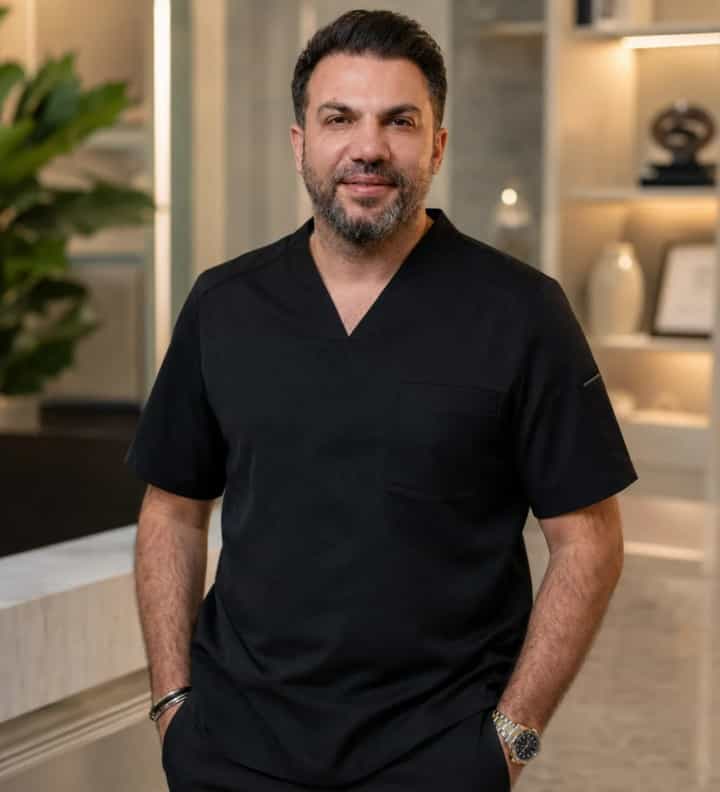
Dr. Zulfu Sertkaya
Assoc. Prof. Dr. Zülfü Sertkaya - Urology in Istanbul, Turkey
- Andrologist
Istanbul, Turkey
Access to the "Gold Standard" Devices
Europe has unrestricted access to the best implant technology on the market. Whether you need the AMS 700 series with InhibiZone antibiotic coating or the Coloplast Titan with its hydrophilic coating, European clinics for Inflatable Penile Prosthesis in Europe carry the full range.
This allows the surgeon to choose the device that best fits your anatomy, rather than being limited by hospital contracts or availability.
Unmatched Privacy and Discretion
For many men, this is a private matter. Traveling to Europe offers a layer of anonymity that is hard to achieve at home.
European clinics are accustomed to international VIPs and have strict confidentiality protocols. You can undergo surgery and recover in a boutique hotel, returning home only when you are comfortable and healed, with no one needing to know the details of your trip.
Combined Cost and Care Benefits
The cost savings in countries like Turkey or the Czech Republic are substantial without a drop in quality. Even in Western Europe, the transparent package pricing often works out to be less than the out-of-pocket costs in the US for uninsured or underinsured patients.
When combined with the opportunity to recover in a culturally rich, relaxing environment, the value proposition is undeniable.
Reclaiming your intimate life is a big decision. PlacidWay serves as your confidential guide, connecting you with the best urologists in Europe and managing the details so you can focus on your recovery.
Surgeon Verification
We verify that our partner surgeons are board-certified urologists with documented experience in high-volume prosthetic urology.
Confidential Consults
We arrange private, virtual consultations directly with the surgeon, allowing you to discuss your condition and options from the privacy of your home.
Transparent Pricing
Receive clear, all-inclusive quotes that cover the device, surgery, and hospital stay, so there are no financial surprises.
Logistics Management
From airport transfers to booking private recovery accommodations, we help handle the travel logistics to ensure a smooth trip.
Patient Privacy
Your data and medical history are handled with the utmost discretion, adhering to strict privacy standards throughout the process.
Warranty Assistance
We help ensure you receive the proper documentation and warranty cards for your device, securing your long-term peace of mind.
Take the first step towards restoring your confidence. Contact PlacidWay today for a private, obligation-free quote.
Get Your Free Confidential Quote







.png)

.png)













Share this listing