Stem Cell Therapy for Autoimmune Disease in Colombia

Publish date: Oct 07, 2025 Modified date: Oct 06, 2026 Medically reviewed by: Dr. Alejandro Fernando on Oct 06, 2026 Author: Pinki Sharma

Experience Price

$11,000 Price starting from
Stem Cell Therapy for Autoimmune Disease in Colombia

Contents

Living with an autoimmune condition often feels like a full-time job with zero vacation days. If you are in the US or Canada, you probably know the frustrating drill: endless specialist referrals, mounting copays, and the heavy realization that innovative treatments like stem cell therapy are either tangled in regulatory red tape or priced like luxury real estate. You just want your energy back, not another lecture on managing your expectations.

That is exactly why so many patients are packing their bags for South America. Getting stem cell therapy for autoimmune disease in Colombia offers a compelling alternative to the hurdles back home. Patients can access advanced regenerative protocols for around $8,000 to $12,000, which is a fraction of North American prices. When looking into your options, your priority should always be safety; verify that clinics hold local certifications from INVIMA or the Colombian Ministry of Health before booking your trip.

Key Insights

Average Cost
$8,000 to $12,000
Regulatory Body
INVIMA & Ministry of Health
Treatment Duration
Typically 5 to 7 Days
Popular Cities
Bogota, Medellin, Cartagena
Common Uses
MS, Lupus, Rheumatoid Arthritis

Navigating medical care in a different country can feel overwhelming, which is why comprehensive treatment bundles are such a practical choice. Rather than piecing together your trip like a complicated puzzle, you can look for all-inclusive options that handle the heavy lifting. This allows you to focus entirely on your health rather than logistics.

Many centers offer packages that combine the regenerative protocol, specialist consultations, airport transfers, and even hotel accommodations into one straightforward plan. Review the treatment packages listed below to find a bundle that makes your medical journey abroad as seamless as possible.

`

Let us talk openly about the numbers, because financial transparency matters when you are planning medical travel. The average cost of stem cell therapy for autoimmune disease in Colombia typically ranges from $8,000 to $12,000. This price point often includes the cellular protocol, physician fees, and necessary pre-treatment blood work.

In North America, similar therapies can easily exceed twenty or thirty thousand dollars, assuming you can even access them. The lower cost in South America reflects a different economic structure, not a drop in medical quality. Check the specific pricing estimates below to understand exactly what each facility charges.

Stem Cell Treatment for Autoimmune Diseases Centers Cost Comparison in Colombia

Provider Procedure Price
Stem Cells Kyron Colombia Stem Cell Treatment for Autoimmune Diseases, Stem Cell Therapy $8500

Stem Cell Treatment for Autoimmune Diseases Cost Comparison in Colombia

Country Procedure Price
United States Stem Cell Treatment for Autoimmune Diseases, Stem Cell Therapy $36000

Choosing where to get your treatment is not about picking the clinic with the prettiest waiting room. When comparing your options for stem cell therapy for autoimmune disease in Colombia, you have to dig into their actual credentials. Look beyond the polished reception area and focus on their medical licenses and lab standards.

Always ask if their laboratory complies with INVIMA regulations and if the facility is registered with the local Ministry of Health. A trustworthy clinic will happily provide these certificates upon request. Take a moment to compare the licensed medical centers listed below to see which facility aligns with your medical needs and safety standards.
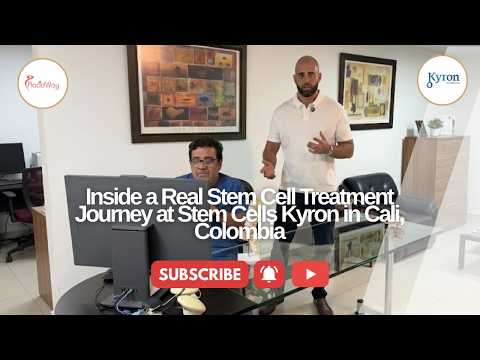
Sometimes, reading about a medical procedure just does not paint the full picture. Watching a visual walkthrough can demystify the process and help ease those common pre-travel jitters. It is reassuring to actually see the medical facilities and understand exactly how the cellular protocols are administered.

Hearing directly from the specialists and seeing the clinic environments can give you a strong sense of what to expect during your stay in South America. Take a look at the videos below to get a behind-the-scenes look at the facilities, the medical teams, and the daily patient experience.
Nothing speaks louder than the honest experiences of people who have already walked this path. When considering regenerative medicine abroad, reading real patient stories is essential for setting realistic expectations. You want to know how the staff treated them and how their bodies responded after returning home.

Pay attention to feedback about the clinic's communication, hygiene standards, and follow-up care. These firsthand accounts offer insights that a medical brochure simply cannot provide. Browse the patient reviews below to see how others navigated their autoimmune treatments overseas.

Planning a trip for regenerative medicine naturally brings up a lot of questions. Here are some of the most common things patients ask when considering stem cell therapy for autoimmune conditions in Colombia.

Is stem cell therapy legal and regulated in Colombia?

Yes, medical treatments and laboratory standards are regulated by INVIMA (the National Institute for Food and Drug Surveillance) and the Colombian Ministry of Health to ensure patient safety.

Where do the stem cells used in Colombia come from?

Clinics typically use ethically sourced Mesenchymal Stem Cells (MSCs) derived from donated umbilical cord tissue, specifically Wharton's Jelly, which undergo rigorous screening for infectious diseases.

How long do I need to stay in Colombia for the treatment?

Most patients are advised to plan for a 5 to 7-day stay. This allows time for initial consultations, the treatment itself, and a brief observation period before flying home.

Is it safe to travel to Colombia for medical care?

Yes, major medical hubs like Bogota and Medellin have secure, modern healthcare districts. Reputable clinics also often provide private transportation to ensure a safe and stress-free experience.

Will the doctors in Colombia speak English?

Most top-tier medical tourism facilities employ bilingual specialists or provide dedicated medical translators to ensure clear communication throughout your treatment.

What types of autoimmune diseases are treated there?

Specialists commonly treat conditions like Multiple Sclerosis (MS), Lupus, Rheumatoid Arthritis, and Crohn's disease, though candidacy depends on your specific medical history.

How are the stem cells administered?

Administration depends on your condition, but it is typically done via an intravenous (IV) infusion to circulate the cells throughout the body, sometimes combined with localized injections.

Can I fly home immediately after my infusion?

Doctors usually recommend waiting at least 24 to 48 hours after your final infusion before taking a long international flight to monitor for any mild side effects.

Does US or Canadian health insurance cover this treatment?

No, stem cell therapy abroad is generally considered experimental by North American insurers and is strictly an out-of-pocket expense.

What kind of follow-up care is provided once I leave?

Reputable centers schedule virtual check-ins at specific intervals post-treatment, often at one, three, and six months, to monitor your progress and adjust lifestyle recommendations.

Can Autoimmune Disease be Treated with Stem Cells in Colombia?

  Stem cell therapy in Colombia is a treatment option for autoimmune diseases, with numerous clinics offering regenerative medicine protocols. While these therapies are not a guaranteed cure, they aim to modulate the immune system, reduce inflammation, and alleviate symptoms, improving a patient’s quality of life. Stem cell therapy for autoimmune diseases has become a topic of great interest for many people seeking alternative or complementary treatments. Traditional treatments often focus on managing symptoms with medication that can have significant side effects. This has led to a growing number of people looking for new approaches, and regenerative medicine, particularly stem cell therapy, has emerged as a promising area. Colombia has gained a reputation as a leading destination for this kind of treatment, attracting patients from around the world. But what exactly does this treatment involve, is it safe, and is it a viable option for those living with an autoimmune disease? This detailed guide will explore everything you need to know about getting stem cell treatment for autoimmune diseases in Colombia. We will cover the types of stem cells used, the conditions that can be treated, the typical costs, and the important factors you need to consider before making a decision. Our goal is to provide you with clear, helpful, and comprehensive information that addresses the most common questions you might have. You will learn about how stem cells work to modulate an overactive immune system and help the body heal itself, which is a fundamental aspect of addressing many autoimmune conditions. By the end of this blog post, you will have a much better understanding of whether stem cell therapy in Colombia could be a suitable option for you or a loved one. We will provide detailed answers to key questions people are asking on various platforms, from forums to search engines, ensuring you have all the facts to make an informed choice about this advanced medical procedure. Can autoimmune disease be treated with stem cells in Colombia? Yes, autoimmune diseases are being treated with stem cells in clinics across Colombia. This therapy is not considered a cure, but it is used to help modulate the immune system, reduce inflammation, and regenerate damaged tissues, which can lead to a significant reduction in symptoms and an improved quality of life for patients. In Colombia, a number of clinics specialize in regenerative medicine, offering stem cell therapy for a variety of conditions, including autoimmune diseases. The primary goal of using stem cells in this context is to address the underlying cause of autoimmune conditions: an overactive immune system that mistakenly attacks the body's own tissues. Mesenchymal Stem Cells (MSCs), often sourced from umbilical cord tissue, are particularly popular for this purpose because of their potent immunomodulatory and anti-inflammatory properties. When administered, these stem cells can "re-educate" the immune system, calming the inflammatory response and preventing it from further damaging the body. They also promote tissue repair and regeneration in areas that have been affected by chronic inflammation. While this is not a one-time fix, many patients report noticeable improvements in symptoms such as chronic pain, fatigue, and mobility issues. The legal framework in Colombia, overseen by institutions like the National Institute of Food and Drug Monitoring (INVIMA), is considered more progressive regarding regenerative medicine compared to some other countries, which has contributed to its growth as a medical tourism destination. How do stem cells help with autoimmune diseases? Stem cells, specifically Mesenchymal Stem Cells (MSCs), help with autoimmune diseases by modulating the immune system, reducing inflammation, and promoting tissue regeneration. They don’t just mask symptoms but aim to address the root cause of the condition by helping the body restore balance and heal damaged areas. The mechanism by which stem cells, particularly MSCs, interact with the immune system is complex and highly effective. Here's a breakdown of how they work: Immunomodulation: MSCs have the ability to suppress the activity of T-cells and B-cells, which are the immune cells responsible for the autoimmune attack. By modulating these cells, MSCs can "turn down the volume" of the immune system's overreaction, preventing it from causing further damage to healthy tissues. Anti-inflammatory Properties: Stem cells secrete a variety of growth factors, cytokines, and other molecules that have powerful anti-inflammatory effects. This helps to calm the widespread inflammation that is characteristic of most autoimmune conditions, providing relief from symptoms like pain, swelling, and redness. Tissue Regeneration: Chronic inflammation and immune attacks can lead to significant tissue damage over time. Stem cells can differentiate into other cell types and also signal to the body's native stem cells to initiate repair and regeneration of damaged tissues, whether it's cartilage in the joints (as in rheumatoid arthritis) or myelin sheaths in the nervous system (as in multiple sclerosis). The combination of these effects allows stem cells to provide a holistic approach to managing autoimmune diseases, addressing both the symptoms and the underlying immune system dysfunction. It's a natural way to encourage the body's own healing processes, which is why many people are drawn to this form of regenerative medicine. What types of autoimmune diseases can be treated with stem cells in Colombia? Stem cell therapy in Colombia is used to treat a wide range of autoimmune diseases, including but not limited to Rheumatoid Arthritis, Multiple Sclerosis (MS), Lupus, Crohn's disease, and Type 1 Diabetes. The specific type of treatment and its effectiveness can vary based on the patient's condition and the specific protocol used by the clinic. Because of their powerful immunomodulatory effects, stem cells are being explored for a vast number of autoimmune conditions. The therapy is particularly suited for diseases where inflammation and immune system attacks are the primary drivers of symptoms and tissue damage. Common conditions treated in Colombia include: Rheumatoid Arthritis (RA): Stem cells can help reduce joint inflammation and potentially regenerate damaged cartilage, alleviating pain and improving joint function. Multiple Sclerosis (MS): MSCs can help modulate the immune attack on the central nervous system and may promote the repair of damaged myelin sheaths, which can lead to a reduction in symptom severity and progression. Lupus (Systemic Lupus Erythematosus): Stem cells can help regulate the immune system to reduce the widespread inflammation that affects multiple organs and systems in lupus patients. Crohn's Disease and Ulcerative Colitis: For these inflammatory bowel diseases, stem cells can reduce inflammation in the gastrointestinal tract and promote the healing of intestinal tissue. Psoriasis and Psoriatic Arthritis: Stem cell therapy can help calm the inflammatory skin and joint conditions associated with these diseases. It is important to note that the effectiveness of the treatment can vary from person to person. A thorough consultation with a qualified medical professional at a reputable clinic is essential to determine if you are a suitable candidate and to understand the potential outcomes for your specific condition. What is the cost of stem cell therapy for autoimmune diseases in Colombia? The cost of stem cell therapy for autoimmune diseases in Colombia generally ranges from $5,500 to $14,000. This price is significantly lower than in countries like the United States or Western Europe and typically includes the treatment itself, as well as additional services like initial consultation, diagnostics, and follow-up care. The cost is a major factor for many patients considering stem cell therapy abroad. The affordability of treatment in Colombia, without compromising on the quality of care, is a key reason for its popularity. Here's a breakdown of the factors that influence the total cost: Type of Condition and Severity: More complex or advanced cases may require a higher number of stem cells or multiple treatment sessions, which can increase the overall cost. Stem Cell Source and Count: The price can vary depending on whether the stem cells are sourced from the patient's own body (autologous), a donor (allogeneic), or from umbilical cord tissue. The number of cells administered (cell count) is also a significant factor. Clinic Reputation and Services: Established clinics with extensive experience and state-of-the-art facilities may have higher prices. The cost often includes a comprehensive package that might cover things like airport transfers, accommodation, and post-treatment support. Number of Treatments: Some conditions may require more than one session to achieve the desired results, which will increase the total investment. While the initial price might seem high, it’s important to compare it to the long-term costs of managing a chronic autoimmune disease with medication and other therapies. The potential for symptom reduction and an improved quality of life can make the investment worthwhile for many individuals. What is the typical stem cell treatment protocol for autoimmune diseases in Colombia? The typical stem cell treatment protocol in Colombia usually involves an initial consultation and health evaluation, followed by one or more sessions where stem cells are administered via intravenous (IV) infusion or targeted injections. The entire process often takes a few days, with follow-up care and monitoring continuing for several months. A typical treatment plan in a Colombian clinic is designed to be efficient and comprehensive, catering to international patients who may have a limited time in the country. Here's a general overview of what you can expect: Initial Consultation and Assessment: This is the first step, usually conducted remotely via a phone or video call. The medical team will review your medical history, current symptoms, and diagnostic tests (such as blood work and imaging). This helps them determine if you are a good candidate for treatment and to create a personalized treatment plan. Arrival and On-site Evaluation: Upon arrival at the clinic in Colombia, you will undergo a physical examination and any final diagnostic tests. The doctor will explain the treatment plan in detail and answer any remaining questions. Stem Cell Administration: The procedure itself is typically a minimally invasive, outpatient process. For autoimmune diseases, stem cells are most often administered through an IV infusion, which allows them to circulate throughout the body and "home in" on areas of inflammation and damage. In some cases, targeted injections into specific joints or tissues may also be performed. The entire procedure is generally quick and painless. Post-treatment Monitoring and Follow-up: After the procedure, the clinic will monitor you for a short period. You will be given instructions for post-treatment care and a timeline for when to expect results. Most clinics provide remote follow-up support to monitor your progress over the following months. The duration of the in-country stay can range from a few days to a week, depending on the specific protocol and the number of sessions required. The goal is to provide a smooth and comfortable experience for the patient from start to finish. Are stem cell treatments for autoimmune diseases in Colombia safe? Stem cell treatments in reputable Colombian clinics are considered generally safe, with a strong safety profile due to the use of allogeneic Mesenchymal Stem Cells (MSCs) from screened donors. These cells have a very low risk of rejection, and the procedures are minimally invasive. However, it is essential to choose a licensed and accredited clinic to minimize any potential risks. Patient safety is a top priority for reputable clinics in Colombia. The use of stem cells, particularly MSCs sourced from umbilical cord tissue, is considered to be one of the safest forms of regenerative therapy for several reasons: Non-Immunogenic: MSCs are "immune privileged," meaning they are not recognized as foreign by the recipient's immune system. This significantly reduces the risk of rejection or an adverse immune reaction, which is a major concern with other types of transplants. Minimal Risk of Contamination: Reputable clinics use stem cells that are processed in certified laboratories and undergo extensive screening for infectious diseases. This ensures the purity and safety of the cells being administered. Minimally Invasive Procedure: The administration of stem cells via IV or injection is a low-risk procedure, especially when compared to invasive surgeries. Potential side effects are usually minimal and temporary, such as mild fever or fatigue. While the overall safety profile is strong, it is crucial to do your research. You should look for clinics that are officially licensed, have experienced medical staff, and can provide transparent information about their procedures, stem cell sourcing, and patient outcomes. Choosing a clinic that follows strict international guidelines for safety and quality is the best way to ensure a positive experience. What is the success rate of stem cell therapy for autoimmune diseases? The success rate of stem cell therapy for autoimmune diseases can vary greatly, as it is not a "cure-all." Success is often measured by a significant reduction in symptoms, improved quality of life, and a decrease in reliance on traditional medications. Many patients report a positive response, but individual results depend on factors like the specific disease, its severity, and the patient’s overall health. Defining "success" in the context of stem cell therapy for autoimmune diseases is not always straightforward. Since the goal is often to manage and improve a chronic condition rather than to cure it, outcomes are measured by patient-reported improvements. Clinics in Colombia often provide data on patient outcomes, which can be encouraging. Here are some key indicators of success: Symptom Alleviation: A reduction in common symptoms such as chronic pain, fatigue, joint stiffness, or digestive issues is a primary measure of success. Improved Quality of Life: This can be seen through increased mobility, higher energy levels, and a greater ability to participate in daily activities. Reduced Medication Dependence: For many patients, a successful outcome means being able to lower the dosage of their immunosuppressant drugs or other medications, which can reduce the side effects and long-term costs of treatment. It’s important to have realistic expectations and to understand that results may not be immediate. It can take several weeks or even months for the full effects of the stem cells to become apparent as the body works to heal and restore balance. Reputable clinics will provide an honest assessment of potential outcomes based on your specific case. Who is a good candidate for stem cell therapy for an autoimmune disease? A good candidate for stem cell therapy for an autoimmune disease is typically someone who has a confirmed diagnosis, has not had significant success with conventional treatments, and is in generally stable health without active infections or other serious comorbidities. The best way to determine eligibility is through a comprehensive medical consultation with a specialist. While stem cell therapy is a promising option, it is not suitable for everyone. Clinics in Colombia follow a strict screening process to ensure patient safety and to maximize the potential for a positive outcome. The ideal candidate often meets the following criteria: Autoimmune Diagnosis: The patient must have a clear and confirmed diagnosis of an autoimmune condition that has shown to respond to stem cell therapy. Failed Conventional Treatments: Many candidates have tried standard treatments (e.g., immunosuppressants, biologics) with limited success or have experienced severe side effects. Stable Health: Patients should be in relatively stable health, without active cancer, uncontrolled infections, or other conditions that could pose a risk during the procedure. Realistic Expectations: It is crucial for patients to understand that stem cell therapy is a regenerative approach, not a guaranteed cure, and that results can vary. During the initial consultation, a medical professional will review all these factors. This personalized approach is a key part of the process in Colombia, ensuring that each patient receives a treatment plan tailored to their specific needs and health status. Why is Colombia a popular destination for stem cell therapy? Colombia is a popular destination for stem cell therapy due to its affordable costs, a progressive legal framework that supports regenerative medicine, highly skilled doctors, and the use of cutting-edge technology and protocols. The country has a growing reputation for medical tourism, offering high-quality care at a fraction of the cost of other nations. The reasons behind Colombia’s rise as a hub for regenerative medicine are multifaceted. Patients from around the world are choosing Colombia for their treatments due to a combination of factors that make it a compelling option: Cost-Effectiveness: The most significant driver is the dramatic difference in cost. Treatment that might cost tens of thousands of dollars in the United States or Europe can be obtained for much less in Colombia, making it accessible to a broader range of people. Advanced Medical Infrastructure: Colombia has made substantial investments in its healthcare sector. Many clinics are modern and equipped with the latest technology, and their staff includes doctors and scientists with international training and experience. Progressive Regulations: Unlike some countries where stem cell therapy is heavily restricted, Colombia's government, through agencies like INVIMA, has created a framework that allows for the safe and ethical application of these therapies, attracting top talent and research. Patient-Focused Experience: Clinics in Colombia are well-versed in catering to international patients. They often offer comprehensive packages that include a concierge service, assisting with everything from airport pickup and accommodation to translation services, which creates a stress-free experience. The combination of these elements makes Colombia a trusted and attractive destination for individuals seeking advanced and affordable medical care, particularly in the field of regenerative medicine.  

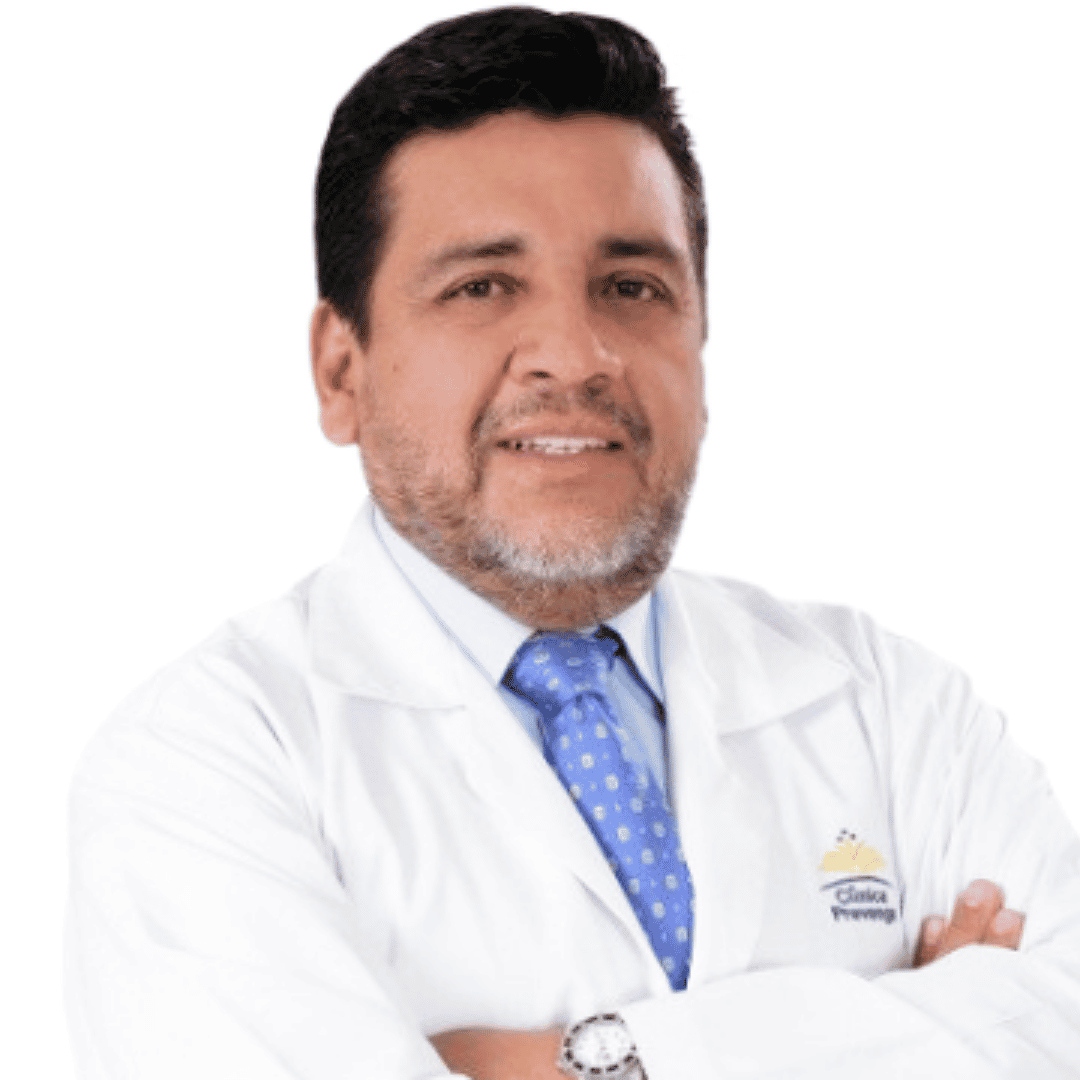
The success of your therapy heavily relies on the expertise of the medical professional overseeing your protocol. You are not just looking for a general practitioner; you need a specialist experienced in immunology and regenerative cellular medicine. Their knowledge dictates the safety and precision of your care.

It is vital to check their background for board certifications, international training, and a strong track record in treating autoimmune conditions specifically. Do not hesitate to ask about their experience with your exact diagnosis. Review the profiles of the specialists below to compare their qualifications.

Traveling for medical care is a big step, but Colombia has positioned itself as a highly accessible and welcoming hub for regenerative medicine. Patients from the United States, Canada, and Europe frequently fly into this South American destination, drawn by the combination of advanced medical infrastructure and beautiful recovery environments. The country’s major cities offer modern amenities that rival top global healthcare destinations.

Getting there is surprisingly straightforward, with direct flights available from major hubs like Miami, New York, and Toronto. When you arrive, you will find that the medical districts are safe, sophisticated, and heavily catered toward international patients.

Popular Medical HubsBogota, Medellin, Cartagena
Average Flight Time3 to 5 hours from the US East Coast
Regional ClimatesBogota (Cool), Medellin (Spring-like), Cartagena (Tropical)
Entry RequirementsValid passport; no visa required for US/Canadian tourists

Beyond the treatment itself, many patients appreciate the warm local culture and affordable cost of living. This makes a week-long medical stay far less stressful on the wallet while allowing for a peaceful recovery period.

Deciding to pursue stem cell therapy for an autoimmune condition is a deeply personal choice that requires careful research and planning. PlacidWay can help you navigate this journey by connecting you with verified clinics and regenerative specialists in Colombia. We make it easier to compare your options, understand the clinical protocols, and organize your medical travel without the usual stress.

Take your time to review the credentials and find a medical team that makes you feel confident and secure. When you are ready to take the next step and explore personalized treatment plans, we are here to assist you.

References

Stem Cell Therapy for Autoimmune Disease in Colombia thumbnail

About Experience

  • Translations: EN ES
  • Price Range: $11,000 - $11,000
  • Treatment: Stem Cell Treatment for Autoimmune Diseases, Stem Cell Therapy
  • Location: Colombia
  • Clinics: Stem Cells Kyron Colombia, Alevy - Stem Cell Therapy and Regenerative Medicine, Regencord - Stem Cell Therapies, Lumm Medical - Stem Cell Medellin Colombia,
  • Doctors Dr. Carlos Eduardo Rojas Martinez MD, Carlos Alberto Isaza Mejia, MD, Julieta Henao Bonilla, MD, Dr. Andrea Marin Vecino,
  • Packages Stem Cell Therapy for Systemic Sclerosis Package in Cali, Colombia by Stem Cells Kyron,
  • Overview Stem Cell Therapy Clinics Colombia: A New Era in Autoimmune Care

Trusted Medical Tourism Platform Since 2007

60+
Countries
2k+
Clinics
19.5k+
Reviews
2.5k+
Qualified Doctors
1.1M+
Patients Served Since 2007