

Contents
Living with chronic foot and ankle pain means every step becomes a daily obstacle. In the US and Canada, standard options often involve temporary steroid shots, invasive surgeries, or endless physical therapy. Meanwhile, insurance companies routinely deny coverage for advanced regenerative medicine. This leaves many patients stuck on frustrating waitlists or facing exorbitant out-of-pocket fees just to get back on their feet.
That is exactly why many North Americans are traveling to the Dominican Republic for stem cell therapy. A quick flight drops you into an established medical hub where regenerative joint treatments are both accessible and professionally regulated. You can expect this procedure to cost around $4,500, which is significantly lower than private care at home. When comparing facilities, always look for clinics certified by the Dominican Ministry of Public Health (Ministerio de Salud Pública) to ensure strict safety and ethical standards are met before you book.
Quick Facts at a Glance
Navigating medical travel is much simpler when you find a comprehensive treatment package. In the Dominican Republic, many regenerative clinics bundle the core stem cell procedure with helpful travel logistics. This often includes airport transfers, a few nights of hotel accommodation, and initial blood work.
Before committing, clearly ask what is covered. Check if follow-up imaging, mobility aids, or local transportation to the clinic are part of the deal. Compare the packages listed below to see which provider offers the most transparent inclusions for your trip.

Price starting from $4,400
Stem Cell Therapy for Foot and Ankle Pain Package in Santo Domingo, Dominican Republic by Dr. Vargas Decamps
Center for Prolotherapy and Pain Management
- Stem Cell Therapy
Santo Domingo, Dominican Republic
Stem cell therapy for foot and ankle pain in the Dominican Republic typically costs around $4,500. This direct pricing is usually thousands of dollars less than similar private treatments in the United States or Canada, where insurance rarely covers regenerative joint care.
The exact price can shift based on the number of joints treated and the specific type of cellular therapy required. Remember that a lower cost does not equal lower quality if you select a properly licensed facility. Compare the pricing options below to understand what fits your financial plan.
Stem Cell Treatment for Foot and Ankle Abroad Centers Cost Comparison in Dominican Republic
| Provider | Procedure | Price |
|---|---|---|
| Center for Prolotherapy and Pain Management | Stem Cell Treatment for Foot and Ankle Abroad, Stem Cell Therapy | $4400 |
Stem Cell Treatment for Foot and Ankle Abroad Cost Comparison in Dominican Republic
| Country | Procedure | Price |
|---|---|---|
| United States | Stem Cell Treatment for Foot and Ankle Abroad, Stem Cell Therapy | $35000 |
Choosing the right clinic in the Dominican Republic requires looking past glossy waiting rooms. You need a facility with a proven medical track record in orthopedic regenerative medicine. Focus on the medical team's specific experience with precise foot and ankle joint injections.
Always verify their local operating licenses through the Dominican Ministry of Public Health. It is also important to ask if they process the orthobiologics in an ISO-certified laboratory. Review the clinic profiles below to compare credentials, facility standards, and patient support services to find a safe option for your care.
Center for Prolotherapy and Pain Management
Santo Domingo, Dominican Republic
Watching a procedure on video can remove much of the mystery surrounding regenerative medicine. Before flying to the Dominican Republic, seeing how doctors administer targeted injections into the foot and ankle helps you know what to expect. It also gives you a clear view of the clinic’s hygiene and medical technology.
Many established specialists provide detailed walkthroughs of their process, from initial joint assessment to the actual treatment. Browse the videos below to learn more about the recovery steps and see these medical teams in action.

Reading about another patient’s journey can completely change how you approach traveling for medical care. Reviews give you unfiltered insight into how a Dominican Republic clinic handles everything from the initial pain evaluation to post-injection support.
Pay close attention to feedback regarding the doctor's communication style, the cleanliness of the facility, and the actual mobility patients regained weeks later. Browse the patient reviews below to weigh real-world outcomes before making your final choice.

Planning a medical trip raises practical and medical questions. Below are the most common questions patients ask when considering stem cell therapy for foot and ankle issues in the Dominican Republic.
What exactly is stem cell therapy for foot pain?
It is a regenerative procedure that uses your own or safely sourced stem cells, injected into the damaged ankle or foot joints, aiming to reduce inflammation and promote tissue healing.
Why do North Americans travel to the Dominican Republic for this?
Patients travel primarily to avoid the high out-of-pocket costs in the US and Canada, while still accessing modern clinics and experienced orthopedic specialists just a short flight away.
How long do I need to stay in the country?
Most clinics recommend a stay of 3 to 5 days. This allows time for an initial consultation, the injection procedure, and a short observation period before flying home.
Is this treatment legally regulated in the Dominican Republic?
Yes. Reputable clinics and laboratories must be licensed and audited by the Dominican Ministry of Public Health to perform cellular therapies safely.
Will I be able to walk immediately after the injection?
You will likely need to limit weight-bearing activities for several days. Clinics often provide a walking boot or crutches to protect the joint while the healing process begins.
What foot conditions respond best to this therapy?
Stem cell therapy is commonly used for osteoarthritis of the ankle, chronic plantar fasciitis, Achilles tendonitis, and cartilage defects in the foot.
How do I fly home comfortably after an ankle injection?
Doctors recommend requesting wheelchair assistance at the airports and keeping your foot elevated as much as possible during the flight to minimize swelling.
Are the stem cells used in the Dominican Republic safe?
Yes, provided you choose a certified clinic. Safe facilities use your own harvested cells or thoroughly screened donor cells processed in regulated, sterile laboratories.
How long does it take to see results in my ankle?
Regenerative medicine takes time. Most patients notice a gradual reduction in pain and inflammation between 4 to 12 weeks after the procedure.
Do Dominican clinics provide follow-up care once I return home?
Many established clinics offer virtual follow-up appointments to track your recovery and can coordinate with your local physical therapist if needed.
The safety and success of your stem cell treatment depend heavily on the specialist administering it. You need a doctor who intimately understands the complex biomechanics of the foot and ankle, rather than a general practitioner.
Look for orthopedic surgeons or sports medicine doctors with explicit training in regenerative therapies. Check if they hold international board memberships or have trained abroad, indicating a commitment to modern medical standards. Review the surgeon profiles below to compare their specific joint qualifications.
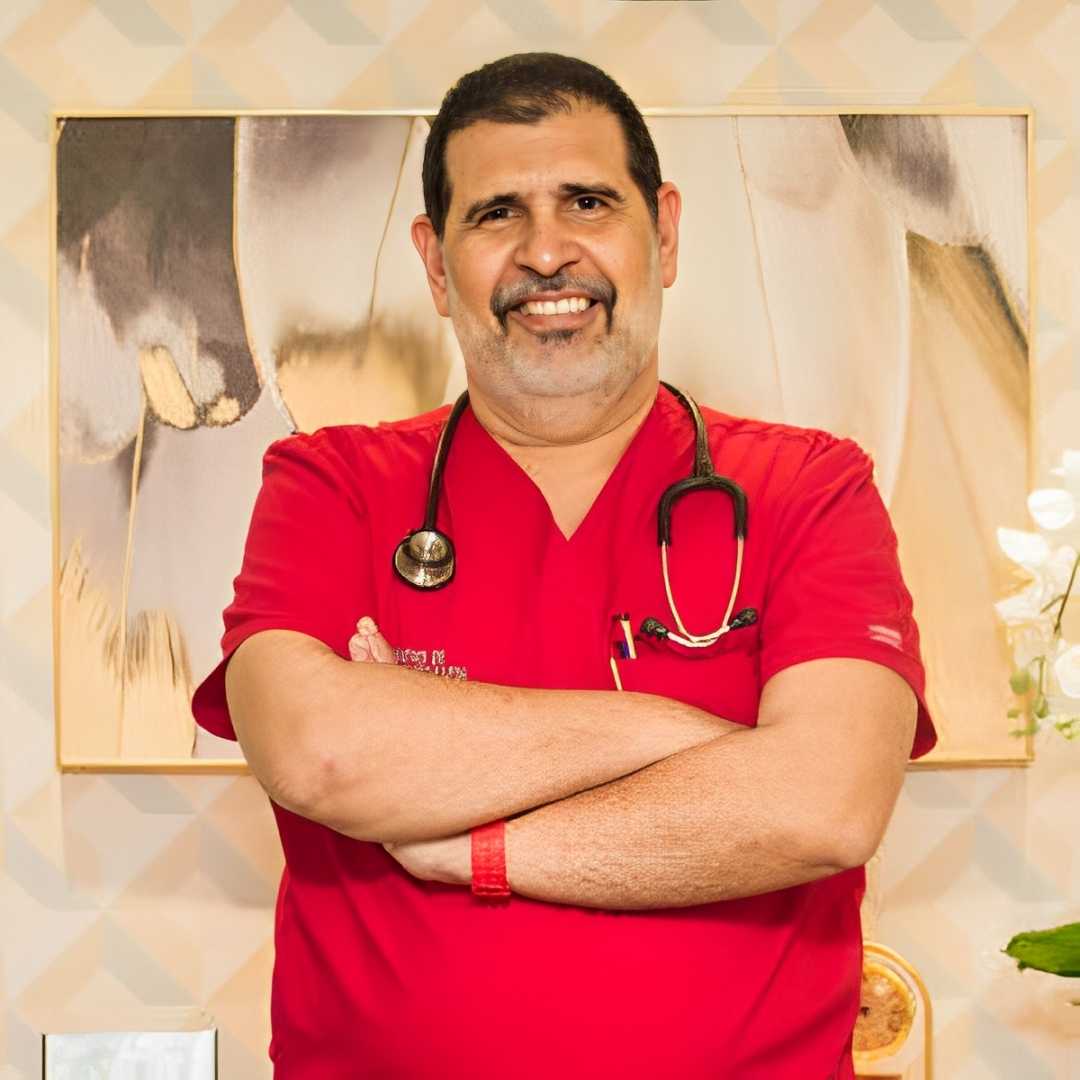
Dr. Juan Carlos Vargas Decamps
Center for Prolotherapy and Pain Management
- Sports medicine specialist
Santo Domingo, Dominican Republic

Dr. Susana Vargas Camilo
Center for Prolotherapy and Pain Management
- Regenerative Medicine Specialist
Santo Domingo, Dominican Republic

Dra. Thais Cobian
Center for Prolotherapy and Pain Management
- Regenerative Medicine Specialist
Santo Domingo, Dominican Republic
The Dominican Republic has quietly grown into a major hub for regenerative medicine, attracting patients primarily from the United States and Canada. The appeal is twofold: modern private healthcare facilities and a highly accessible geographic location. Direct flights from major North American cities like Miami, New York, and Toronto often take just a few hours.
Most international patients fly into Punta Cana International Airport (PUJ) or Las Américas International Airport (SDQ) in Santo Domingo. The prominent private clinics are generally clustered in these urban centers, offering modern infrastructure and bilingual medical staff to support international travelers.
| Major Medical Hubs | Santo Domingo, Punta Cana, Santiago |
| Main Airports | SDQ (Santo Domingo), PUJ (Punta Cana) |
| Average Flight Time | 2 to 5 hours from East Coast North America |
| Entry Requirements | Valid passport and e-Ticket for US/Canadian citizens |
When planning your trip, consider arriving a day early to rest and hydrate before your joint procedure. It is also wise to arrange ground transportation through your clinic in advance to minimize walking and stress upon arrival.
Navigating international healthcare options should not feel like a guessing game. PlacidWay can help you connect with certified clinics and experienced orthopedic specialists in the Dominican Republic. We assist in gathering your medical records, securing transparent pricing, and coordinating your travel logistics so you can focus entirely on healing.
Take your time to review the facilities, packages, and doctors listed below. When you are ready to explore your options further, reach out to us for personalized guidance.
References
- Frequently Asked Questions About Stem Cell Research – Mayo Clinic
- Traveler's Health: Dominican Republic – Centers for Disease Control and Prevention
- Orthobiologics for Foot and Ankle Conditions – American Academy of Orthopaedic Surgeons
- Mesenchymal Stem Cells in Foot and Ankle Surgery – National Institutes of Health
- Quality of Health Care – World Health Organization























Share this listing