
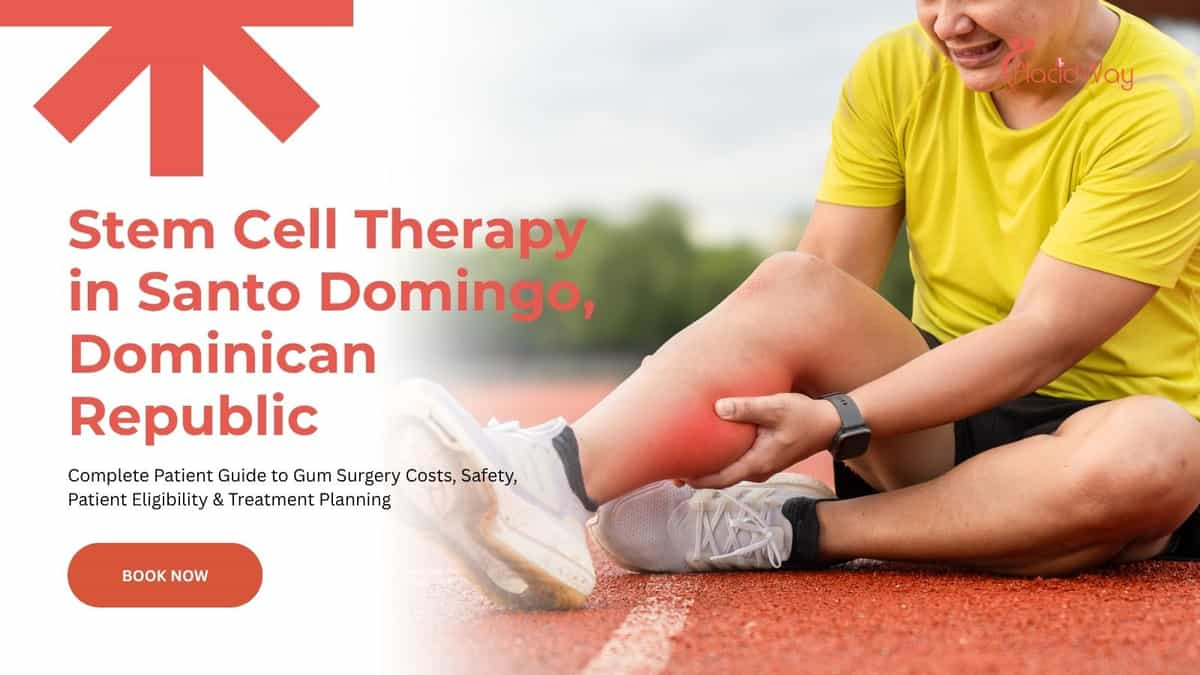
Living with chronic joint pain, autoimmune conditions, or degenerative diseases can severely impact your quality of life and limit your daily activities. If you are exploring regenerative treatments, you may find that high costs and strict regulatory limitations at home make local options inaccessible. Traveling for stem cell therapy in Santo Domingo offers an alternative, but it requires careful evaluation of clinic safety, local government licenses, and treatment costs. This guide helps you navigate Dominican healthcare standards, verify essential clinic certificates, and make an informed decision for your medical journey.
Quick Answer Summary
- Estimated Cost: Treatment generally ranges from $4,500 to $9,500 USD, depending on the cell source, joint count, and condition severity.
- Safety Overview: Safe when performed in highly regulated facilities. You must verify that clinics are licensed by the Ministerio de Salud Pública (MISPAS).
- Ideal Candidate: Individuals with osteoarthritis, sports injuries, or specific inflammatory conditions seeking alternatives to invasive joint replacement surgeries.
- Recovery Time: Most patients resume normal daily activities within 2 to 3 days, though strenuous physical exertion should be avoided for 4 to 6 weeks.
- Main Reason for Travel: Proximity to the United States and Canada, direct flights, and significantly lower out-of-pocket costs compared to North American providers.
- Important Caution: Stem cell therapy is an investigational treatment, meaning outcomes vary widely, and it does not guarantee a permanent cure for degenerative conditions.
Understanding Stem Cell Therapy Options in Santo Domingo, Dominican Republic
Regenerative medicine has transformed how specialists approach chronic pain, joint degeneration, and tissue injury. When you look beyond your home country for these treatments, Santo Domingo emerges as a prominent destination in the Caribbean. The capital city of the Dominican Republic combines modern private healthcare facilities with a growing medical tourism infrastructure. Patients travel here to access cellular therapies that may be cost-prohibitive or unavailable in their local healthcare systems.
You must approach international medical travel with a focus on safety and clinical validity. While the Dominican Republic offers advanced private clinics, healthcare regulations differ from those in the US or Canada. Understanding the types of cells used—such as autologous bone marrow, adipose-derived cells, or ethically sourced umbilical cord cells—is critical. Your choice of treatment will dictate both your clinical outcome and the total cost of your medical journey.
Patients typically travel to Santo Domingo for stem cell procedures due to several key factors:
- Cost Savings: Treatments are often 40% to 60% less expensive than in the US, without compromising on private medical care standards.
- Proximity: Short, direct flights from major US and Canadian cities make travel less physically taxing for patients dealing with chronic pain.
- Access to Varied Cell Sources: Clinics may offer expanded stem cell expansion protocols that are restricted by home country regulatory bodies.
- Vacation Environment: The opportunity to recover in a warm, relaxing tropical climate reduces postoperative stress.
- Dedicated Care: Private clinics catering to international patients often provide high staff-to-patient ratios and personalized attention.
- Bilingual Medical Staff: Top facilities heavily employ English-speaking doctors and care coordinators, minimizing language barriers.
Patient Demographics and Medical Travel Trends to the Dominican Republic
Understanding who travels for regenerative care can help validate your own decision-making process. Recent medical tourism data indicates a steady increase in cross-border travel to the Caribbean for advanced therapies. Patients seeking orthopedic relief form the largest segment, as joint degeneration deeply affects mobility and independence. These individuals are primarily middle-aged to older adults looking to delay or avoid invasive surgeries like total knee replacements.
The geographic origin of these patients heavily leans toward North America. The close proximity of the Dominican Republic makes it a natural hub for medical travelers. Wait times for elective orthopedics in Canada, combined with the high out-of-pocket expenses for investigational therapies in the United States, drive this continuous patient flow. Understanding these patterns provides context for why Santo Domingo has focused on developing specialized regenerative medicine clinics.
2024 International Patient Origins for Regenerative Medicine in the DR
The bar chart below illustrates the primary countries of origin for patients seeking stem cell therapy in the Dominican Republic, based on 2024 Caribbean medical travel registry data.
How Stem Cell Therapy Works and Conditions Addressed
Stem cell therapy utilizes the body’s natural repair mechanisms to heal damaged tissues, reduce intense inflammation, and promote cellular regeneration. Mesenchymal Stem Cells (MSCs) are the most commonly used cells in these procedures. These highly adaptable cells have the unique ability to seek out inflammation in the body and release growth factors that stimulate tissue repair. When injected into a damaged joint or administered intravenously, they work to alter the inflammatory environment and support natural healing.
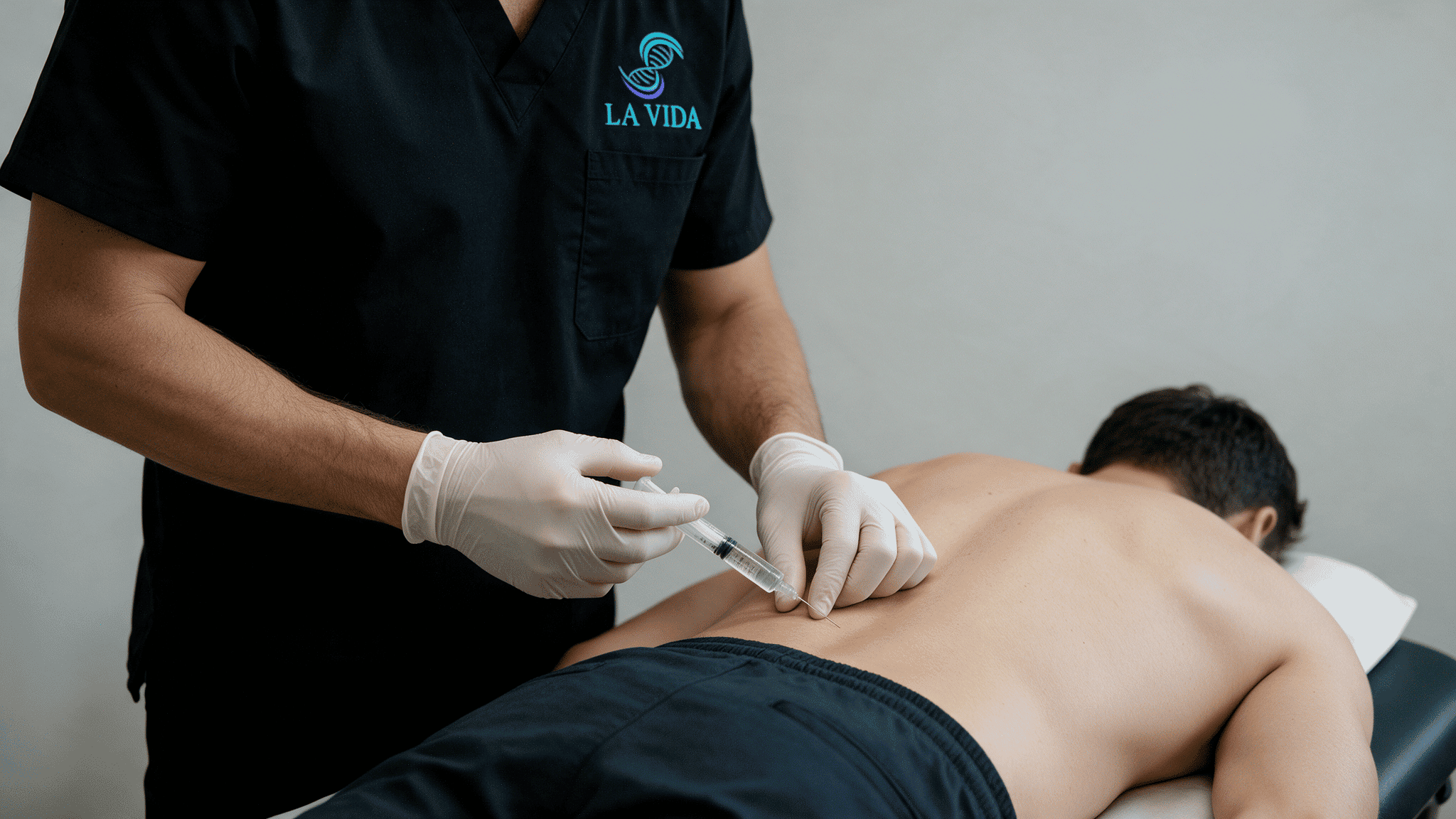
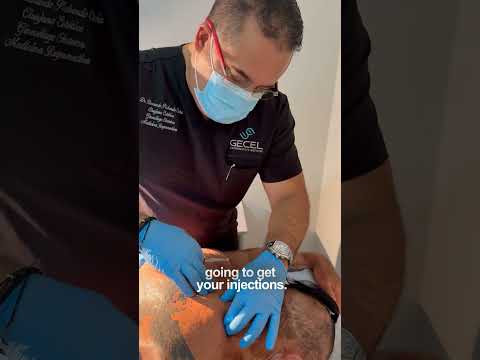
The procedure generally involves extracting cells from your own body—typically from fat tissue or bone marrow—or utilizing ethically sourced umbilical cord tissue from screened donors. Once extracted, the cells are concentrated and processed in a sterile laboratory environment. The specialized physician then carefully injects this high concentration of stem cells directly into the target area, often using ultrasound guidance to ensure precise placement within the joint capsule or damaged tissue.
Medical Context: Stem cell therapy does not act as a quick painkiller. Instead, it works on a biological level over weeks and months. You may experience initial relief due to reduced inflammation, but true tissue regeneration is a gradual process.
Cost of Stem Cell Therapy in Santo Domingo Versus North America
The financial aspect of medical travel is often the primary motivator for patients seeking care abroad. Regenerative treatments in North America are rarely covered by health insurance, leaving patients to bear the full financial burden. In the Dominican Republic, the lower cost of living, reduced clinical overhead, and favorable exchange rates create significant savings. However, you must always look for transparent pricing that outlines exactly what is included in the package.
When reviewing a treatment quote, ask the clinic to itemize the expenses. Determine if the price covers the medical consultation, the cell extraction or procurement, the processing lab fees, the injection procedure, and necessary follow-up care. Some premium packages in Santo Domingo also include VIP airport transfers, hotel accommodations, and a dedicated bilingual patient coordinator, which adds immense value to the overall cost.
| Treatment Type | Santo Domingo (USD) | United States (USD) | Canada (USD) |
|---|---|---|---|
| Single Joint Injection (Autologous) | $4,500 - $6,000 | $8,000 - $12,000 | $7,500 - $10,000 |
| Multiple Joints / IV Therapy | $6,500 - $9,500 | $15,000 - $25,000 | $12,000 - $20,000 |
| Umbilical Cord MSCs (Allogeneic) | $7,000 - $10,000 | $18,000 - $30,000 | Not widely available |
What Determines the Final Cost of Your Regenerative Treatment
The estimated costs provided by clinics in Santo Domingo act as a baseline, but your specific medical needs will dictate the final price. The source of the stem cells is the largest cost variable. Autologous treatments, which use your own fat or bone marrow, require in-clinic extraction and processing time. Allogeneic treatments, utilizing donor umbilical cord cells, require the clinic to purchase highly regulated, lab-expanded cellular products, driving up the procedure cost.
The complexity of your medical condition also plays a role. Treating a single osteoarthritic knee is a straightforward outpatient procedure. Conversely, addressing systemic autoimmune conditions may require a combination of targeted injections and intravenous (IV) infusions over multiple days. Furthermore, the inclusion of supportive therapies—such as Platelet-Rich Plasma (PRP) or hyperbaric oxygen therapy to boost cell survival—will incrementally add to your total medical bill.
How to Verify Clinic Licenses and Safety in the Dominican Republic
Your safety relies entirely on selecting a rigorously regulated healthcare provider. In the Dominican Republic, the national healthcare system is overseen by the Ministry of Public Health (Ministerio de Salud Pública, or MISPAS). Any clinic performing cellular therapies must hold a valid operating license from MISPAS. This certification ensures that the facility meets national standards for hygiene, emergency protocols, and medical equipment maintenance.
When contacting a clinic in Santo Domingo, you should ask for proof of their local government certifications. You can also look for accreditation by the Dominican Association of Health Tourism (ADTS), which signifies that the clinic specifically adheres to standards designed for international patient safety. International accreditations, such as Joint Commission International (JCI) or Temos, are excellent trust signals, but they are not mandatory for a clinic to operate safely under Dominican law.
Safety Warning: Never transfer medical deposits to a clinic that cannot produce a valid, current MISPAS operating license. Always prioritize facilities that operate within larger hospital networks or possess on-site intensive care capabilities in the rare event of an adverse reaction.
Choosing a Qualified Doctor and Surgeon in Santo Domingo
The expertise of your treating physician is just as vital as the clinic's credentials. Stem cell therapy is not a recognized standalone medical specialty; therefore, the doctor should be board-certified in the specific field related to your condition. For joint issues, look for an orthopedic surgeon or a sports medicine specialist. For autoimmune or neurological conditions, ensure the doctor holds relevant specialist qualifications recognized by the Dominican Medical College (Colegio Médico Dominicano - CMD).
You must verify that your doctor is fully registered to practice medicine in the Dominican Republic. Ask the clinic about the physician’s specific training in regenerative medicine. Determine how many cellular procedures they perform annually and inquire about their protocols for handling adverse events. A transparent, qualified specialist will gladly share their CMD registration number, educational background, and objective data regarding their patient outcomes.
What to Expect During Your Stem Cell Procedure and Recovery
Medical travel requires careful timeline planning. The actual stem cell procedure in Santo Domingo is typically completed within a few hours on an outpatient basis. However, international patients should plan to stay in the city for at least 4 to 7 days. This window allows for a comprehensive pre-treatment consultation, laboratory blood tests, the procedure itself, and a crucial follow-up appointment before you are cleared to fly home.
Following a joint injection, it is common to experience mild swelling, stiffness, and localized pain at the injection site. This is a normal inflammatory response as the healing process begins. Your doctor may recommend specific movement restrictions and will advise you to avoid anti-inflammatory medications (like ibuprofen), as these can interfere with the stem cells' biological action. You will need to rest and rely on provided post-care guidelines.
| Timeframe | Clinical Process | Patient Sensation | Action Required |
|---|---|---|---|
| Days 1-3 | Acute local inflammatory response triggered by injection. | Mild to moderate ache, stiffness, possible swelling. | Rest, use prescribed pain relievers (no NSAIDs), minimize walking. |
| Weeks 1-4 | Cells begin releasing growth factors; initial cellular modulation. | Gradual reduction in baseline pain, feeling of joint stability. | Begin light, non-weight-bearing physical therapy if approved. |
| Months 3-6 | Ongoing tissue remodeling and collagen production. | Noticeable improvement in mobility and reduction in chronic pain. | Gradual return to normal exercise routines and daily activities. |
Potential Risks and Medical Considerations for Stem Cell Patients
While regenerative therapies hold immense potential, they are medical procedures that carry inherent risks. You must approach stem cell therapy with a realistic understanding of possible complications. The most common risk involves infection at the injection site or the tissue harvest site. By choosing a deeply vetted, MISPAS-licensed clinic in Santo Domingo that adheres to strict sterile protocols, you significantly mitigate the risk of bacterial infection.
If you opt for allogeneic treatments (donor umbilical cord cells), there is a minimal risk of an immune reaction, though these cells are generally considered immune-privileged. Furthermore, the most significant clinical risk is a lack of efficacy. Stem cell therapy is not a guaranteed cure, and in some cases, patients may not experience the desired level of pain relief or tissue regeneration. Your doctor should clearly explain these possibilities during your initial consultation.
Long-Term Efficacy and Clinical Outcomes
Patient outcomes vary significantly based on age, lifestyle, overall health, and the severity of the condition being treated. For orthopedic conditions like knee osteoarthritis, clinical observations suggest that patients who respond positively typically notice peak improvements between 3 to 6 months post-procedure. The goal of the therapy is to alter the joint's microenvironment, slowing down degeneration and providing prolonged pain relief that can last for years.
To maximize your long-term results, you must commit to a structured aftercare plan. This often involves dedicated physical therapy, maintaining a healthy body weight to reduce joint stress, and following an anti-inflammatory diet. The doctors in Santo Domingo should provide you with a comprehensive follow-up schedule via telemedicine to monitor your progress and ensure you are recovering as expected.
Patient-Reported Mobility Improvement Over 12 Months (2024 Data)
This line graph visualizes the average percentage improvement in joint mobility and pain reduction reported by osteoarthritis patients undergoing stem cell injections, based on 2024 longitudinal tracking in Caribbean clinics.
Planning Your Medical Journey to the Dominican Republic
Organizing healthcare abroad involves precise logistical coordination. Once you have selected a MISPAS-licensed clinic in Santo Domingo and consulted with a CMD-registered specialist, you need to plan your travel timeline. The primary international gateway is Las Américas International Airport (SDQ), which accepts daily direct flights from major hubs in the US and Canada. Many top-tier clinics provide VIP airport pickup, ensuring your safety and comfort immediately upon arrival.
You should secure accommodations that prioritize rest and hygiene. Ask your clinic coordinator if they have partnerships with specific hotels that cater to medical tourists. These hotels often feature accessible rooms, elevators, and room service, which are essential if you are recovering from a joint injection. Ensure you bring all relevant medical records, updated MRI scans, and a detailed list of your current medications translated into Spanish, if possible.
Frequently Asked Questions About Stem Cell Therapy in Santo Domingo
Is stem cell therapy safe in the Dominican Republic?
Yes, it can be safe when performed at a clinic licensed by the Ministerio de Salud Pública (MISPAS). You must independently verify the clinic's local government credentials and ensure the treating doctor is a registered specialist with the Dominican Medical College before proceeding.
How much does stem cell therapy cost in Santo Domingo?
Treatment generally costs between $4,500 and $9,500 USD. The exact price depends on the specific cell source utilized, the number of joints being treated, and whether intravenous infusions are required. This represents a significant savings compared to North American prices.
What conditions are treated with stem cells in Santo Domingo?
Clinics most commonly treat orthopedic conditions like knee and hip osteoarthritis, sports injuries, and tendon tears. Some facilities also offer protocols for systemic inflammation, autoimmune disorders, and anti-aging, depending on the specialist's expertise.
Do doctors in Santo Domingo speak English?
Yes, the majority of doctors and patient coordinators at private medical tourism clinics in Santo Domingo are highly proficient in English. This ensures clear communication regarding your medical history, procedural risks, and aftercare instructions.
Where do the stem cells come from?
Cells are either autologous, extracted from your own bone marrow or adipose (fat) tissue, or allogeneic, sourced from rigorously screened and ethically donated human umbilical cord tissue obtained after healthy, full-term deliveries.
How long do I need to stay in the Dominican Republic?
International patients are typically advised to stay for 4 to 7 days. This allows adequate time for pre-treatment blood work, the cellular injection procedure, initial recovery monitoring, and a final physician sign-off before your flight home.
Is stem cell therapy a guaranteed cure?
No, stem cell therapy is not a guaranteed cure and is considered an investigational treatment. While many patients experience significant pain reduction and mobility improvement, individual biological responses vary widely.
Can I fly immediately after my stem cell injection?
Doctors generally recommend waiting at least 48 to 72 hours before flying. This waiting period allows the acute post-injection inflammation to subside and ensures you are comfortable enough to manage the physical stress of air travel.
Do I need a special visa to travel to Santo Domingo for treatment?
Citizens of the United States, Canada, and the EU generally do not need a special medical visa for short stays. You enter as a tourist and pay a standard entry fee, but you must carry a valid passport and your return flight itinerary.
Are medical records from my home country required?
Yes, you must provide recent medical records, including diagnostic imaging like MRIs or X-rays taken within the last six months, and comprehensive blood work. These documents allow the Dominican specialists to determine your eligibility before you travel.
Ready to Explore Your Treatment Options?
Navigating international healthcare choices can be challenging. PlacidWay can help you compare licensed providers in Santo Domingo, understand exact treatment costs, and request personalized information from verified clinics.
Request Free InformationDisclaimer
Disclaimer: This information is for educational purposes only and does not replace professional medical advice. Always consult a qualified healthcare provider before making medical decisions. Stem cell therapy is considered an investigational treatment by many global regulatory bodies, and clinical outcomes vary.
References
- Regenerative Medicine and Advanced Therapies – World Health Organization (WHO)
- National Healthcare Regulations and Clinic Licensing – Ministerio de Salud Pública (MISPAS), Dominican Republic
- Clinical Efficacy of Mesenchymal Stem Cells in Knee Osteoarthritis: A 2024 Review – National Center for Biotechnology Information (NCBI)
- Important Patient Information About Regenerative Medicine Therapies – U.S. Food and Drug Administration (FDA)
- 2024-2025 Global Medical Tourism Index and Caribbean Demographics – Medical Tourism Association
- Physician Registration and Board Verification – Colegio Médico Dominicano (CMD)
- Safety and Adverse Event Tracking in Orthopedic Cellular Therapies – Journal of Clinical Medicine (2024 Data)


















Share this listing