


How Maria Hortensia Overcame Chronic Knee Pain with Stem Cells in the Dominican Republic
Living with severe joint immobility can drain the joy from everyday life, but discovering how Maria Hortensia overcame chronic knee pain with stem cells in the Dominican Republic offers a profound beacon of hope. For years, patients suffering from debilitating osteoarthritis and severe joint degeneration have been told that highly invasive knee replacement surgery is their only definitive option. The agonizing cycle of corticosteroid injections, daily anti-inflammatory medications, and physical limitations becomes a harsh daily reality.
Today, the landscape of orthopedic medicine has dramatically shifted. Advanced regenerative medicine provides a powerful, non-surgical alternative that addresses the root cause of joint deterioration. This comprehensive guide explores Maria’s life-changing healing journey under the expert care of Dr. Vargas Decamps. We will delve deeply into how mesenchymal stem cell injections actively repair damaged cartilage tissue, drastically reduce chronic localized inflammation, and restore pain-free mobility without the grueling, months-long recovery period associated with traditional metallic joint replacements.
Video Chapters & Quick Navigation
The Heavy Burden of Chronic Knee Pain and Osteoarthritis
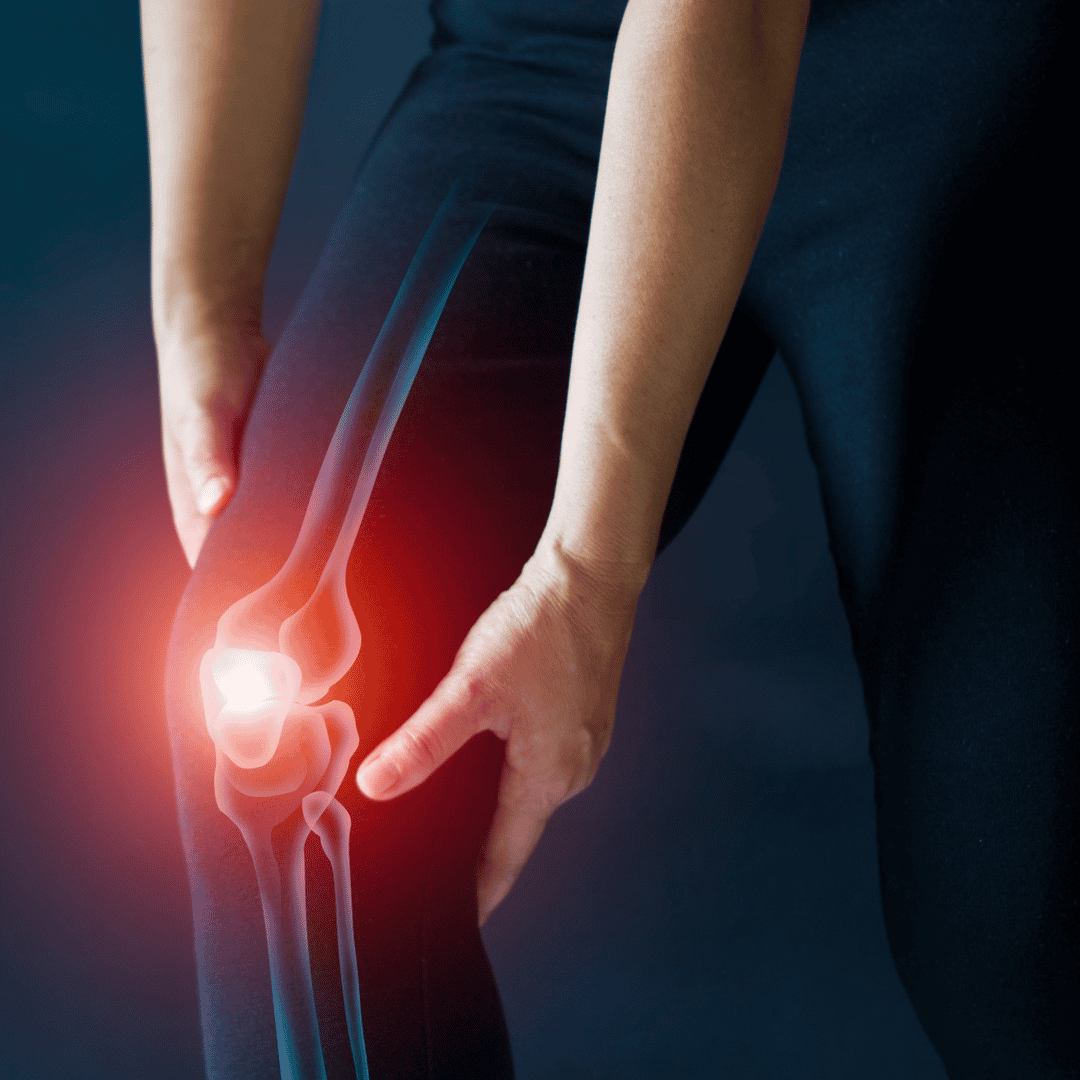
The human knee is one of the most complex, heavily utilized weight-bearing joints in the entire body. It acts as a sophisticated biological shock absorber, allowing us to walk, run, climb, and pivot with ease. However, when the protective articular cartilage that cushions the ends of the femur and tibia begins to wear away—a condition medically known as osteoarthritis—the results can be devastating. Patients often describe the sensation as a grinding, burning, or sharp stabbing pain that makes even simple tasks like walking to the mailbox feel like an insurmountable challenge. As noted in the video at , Maria Hortensia experienced this exact type of debilitating immobility before discovering regenerative medicine.
Conventional Western medicine typically approaches chronic knee osteoarthritis through a highly structured, progressive pyramid of interventions. Patients usually begin with conservative treatments: physical therapy, weight loss regimens, and non-steroidal anti-inflammatory drugs (NSAIDs) like ibuprofen. When oral medications fail to provide adequate relief, doctors frequently escalate the treatment plan to intra-articular injections. These often include synthetic hyaluronic acid (viscosupplementation) to temporarily lubricate the joint, or powerful corticosteroid injections to aggressively suppress local inflammation. While these methods may offer brief, fleeting windows of pain relief, they fundamentally fail to address the underlying structural deterioration of the joint. In fact, numerous modern clinical studies have demonstrated that repeated, long-term use of cortisone can actually accelerate the breakdown of healthy cartilage, inadvertently fast-tracking the patient toward the surgical operating table.
When all conservative and chemical measures inevitably fail, orthopedic surgeons present the final, most drastic option: Total Knee Arthroplasty (TKA), commonly known as a knee replacement. This highly invasive surgical procedure involves amputating the natural bone ends and cementing a prosthetic implant made of metal alloys and high-grade plastics into the leg. While knee replacements can be highly successful for some, they carry significant, unavoidable risks. Patients must navigate the dangers of hospital-acquired infections, deep vein thrombosis (blood clots), implant rejection, and severe postoperative stiffness. Furthermore, the grueling rehabilitation process can last anywhere from six to twelve months, demanding intense, painful physical therapy sessions just to regain basic functional mobility. It is precisely this daunting, traumatic prospect that drives thousands of patients like Maria Hortensia to desperately seek out alternative, non-surgical healing modalities.
Why Choose the Dominican Republic for Regenerative Medicine?
Over the past decade, the Dominican Republic has rapidly emerged as a premier global destination for high-quality, advanced medical tourism, particularly in the highly specialized fields of orthopedics and regenerative medicine. Patients from the United States, Canada, and Europe are increasingly looking beyond their own borders to find innovative healthcare solutions that are either bogged down by intense regulatory red tape or rendered completely inaccessible due to exorbitant local pricing structures. The Dominican Republic offers a unique, highly appealing intersection of world-class medical infrastructure, internationally trained physicians, and surprisingly affordable treatment packages.
One of the primary catalysts for this medical migration is the regulatory environment surrounding stem cell therapies. In the United States, the Food and Drug Administration (FDA) currently places strict, stringent limitations on how human stem cells can be isolated, cultured, expanded, and administered. While basic, same-day autologous treatments (using a patient's own bone marrow or fat tissue) are permitted under specific conditions, the highly effective process of culturing and multiplying stem cells in a laboratory to achieve massive, therapeutically potent doses is heavily restricted. Conversely, top-tier medical facilities in the Dominican Republic operate under different, yet highly safe and ethical, regulatory frameworks that align with advanced international standards. This allows specialized clinics to utilize expanded mesenchymal stem cells (MSCs) and ethically sourced Wharton’s Jelly from umbilical cord tissue, providing patients with significantly higher cell counts that exponentially increase the regenerative potential of the treatment.
A Healing Environment Conducive to Recovery
Beyond the undeniable medical advantages, the physical environment of the Dominican Republic plays a profound, often overlooked role in the holistic healing process. Recovering from any significant medical procedure in a cold, clinical, and stressful environment can hinder the body's natural restorative capabilities. By choosing to undergo stem cell therapy for knee osteoarthritis in a tropical, tranquil setting, patients benefit from a deeply relaxed state of mind. The warm Caribbean climate is famously soothing for arthritic joints, as cold, damp weather is notorious for exacerbating chronic joint stiffness and pain. The combination of state-of-the-art medical intervention and a serene, vacation-like recovery period creates an optimal environment for physical and psychological rehabilitation.
Dr. Vargas Decamps: A Pioneer in Orthopedic Stem Cell Therapy
At the very heart of Maria Hortensia's remarkable recovery is the unparalleled expertise of Dr. Vargas Decamps, a widely respected authority and trailblazer in the field of regenerative medicine in the Dominican Republic. Dr. Vargas Decamps has dedicated his extensive medical career to mastering the complex, delicate art of non-surgical joint restoration. Unlike traditional orthopedic surgeons whose primary focus often defaults to cutting, excising, and replacing biological tissue with synthetic hardware, Dr. Vargas Decamps firmly believes in harnessing, amplifying, and directing the human body's own innate, miraculous healing mechanisms.
What truly sets Dr. Vargas Decamps apart in the crowded field of regenerative medicine is his unwavering commitment to precision and highly personalized patient care. Stem cell therapy is not a one-size-fits-all, magic bullet solution. It requires a meticulous, comprehensive evaluation of the patient's unique biomechanics, the specific grade of their osteoarthritis, their nutritional status, and their overall physiological health. Dr. Vargas Decamps utilizes state-of-the-art diagnostic imaging, including high-resolution MRI and real-time diagnostic ultrasound, to precisely map the exact areas of cartilage degradation, meniscal tearing, and ligamentous laxity within the knee capsule.
During the actual treatment procedure, as highlighted around , Dr. Vargas Decamps employs advanced, image-guided injection techniques. Utilizing continuous fluoroscopy or ultrasound guidance, he ensures that the highly concentrated stem cell serum is delivered with pinpoint accuracy directly into the damaged intra-articular spaces and degraded connective tissues. This extreme level of precision is absolutely critical for success; injecting stem cells blindly into the general vicinity of the knee dramatically reduces the efficacy of the treatment. His meticulous methodology ensures that every single regenerative cell is placed exactly where it is needed most to initiate the profound biological cascade of tissue repair.
The Science of Healing: How Stem Cell Injections Work for Severe Joint Degeneration
To fully appreciate the incredible results achieved by patients like Maria Hortensia, it is essential to understand the underlying cellular biology and mechanisms of action involved in advanced stem cell therapy. Mesenchymal Stem Cells (MSCs) are often referred to as the "master orchestrators" or the "general contractors" of the body's natural healing and repair system. These unique, highly intelligent cells possess two extraordinary biological properties that make them invaluable in treating chronic knee pain: self-renewal (the ability to infinitely multiply) and multipotency (the ability to transform into various types of specialized structural tissues, including bone, cartilage, muscle, and fat).
The Paracrine Effect and Immunomodulation
When high concentrations of viable MSCs are injected directly into an osteoarthritic knee joint, they do not simply act as passive building blocks. Instead, they immediately begin to analyze the hostile, inflamed environment of the joint. In response to the high levels of inflammatory markers present in an arthritic knee, the injected stem cells unleash a massive, coordinated release of powerful bioactive molecules, healing cytokines, and specialized growth factors. This phenomenon, known in molecular biology as the "paracrine effect," acts as a potent biological signaling system that fundamentally alters the microenvironment of the damaged joint.
First and foremost, the stem cells exert a profound immunomodulatory effect. They actively down-regulate the aggressive, destructive immune response that causes chronic joint swelling, heat, and severe pain. By shutting down this toxic inflammation at the cellular level, the stem cells create a stable, hospitable environment where tissue regeneration can finally occur. Secondly, the growth factors released by the MSCs stimulate the patient's existing, dormant native cells (such as chondrocytes) to wake up and begin actively repairing and rebuilding the damaged cartilage matrix. Furthermore, the stem cells promote angiogenesis—the formation of tiny, new blood vessels—which drastically increases vital blood flow, oxygen, and essential nutrients to the avascular tissues of the knee, accelerating the overall healing timeline.
Stem Cell Therapy vs. Traditional Knee Replacement Surgery
When deciding how to manage severe, life-altering chronic knee pain, patients are ultimately faced with choosing between two vastly different medical philosophies: structural replacement versus biological regeneration. Understanding the stark contrasts between these two approaches is crucial for making an informed, confident healthcare decision.
| Feature / Comparison | Advanced Stem Cell Therapy | Total Knee Replacement (TKA) |
|---|---|---|
| Invasiveness | Minimally invasive. Involves targeted needle injections under local anesthesia. No cutting of bone or major tissue. | Highly invasive major surgery. Requires general anesthesia, bone amputation, and insertion of metal/plastic hardware. |
| Recovery Timeline | Rapid. Patients typically walk out the same day. Mild soreness for a few days; progressive improvement over 1-3 months. | Extensive and painful. Requires 3-6 days in the hospital, followed by 6-12 months of intense physical therapy. |
| Surgical Risks | Extremely low. Very minor risk of localized infection or temporary swelling at the injection site. | High. Risks include deep vein thrombosis (blood clots), severe hospital-acquired infections, implant loosening, and nerve damage. |
| Biological Integrity | Preserves and actively repairs 100% of the patient's natural anatomy and joint structure. | Permanently removes the natural joint; relies entirely on artificial synthetic mechanics. |
The Patient Experience: Maria Hortensia's Healing Journey
Statistics and scientific explanations are vital, but true understanding often comes from real human experiences. Maria Hortensia’s deeply personal testimony serves as a powerful illustration of what is possible with advanced regenerative medicine. Prior to her trip to the Dominican Republic, Maria’s world had steadily shrunk. The chronic knee pain dictated every aspect of her daily life—from the moment she woke up with stiff, aching joints, to the complex calculus of deciding whether a trip to the grocery store was worth the inevitable pain flare-up later that evening.
As detailed in her interview at , her decision to pursue treatment with Dr. Vargas Decamps was driven by a deep desire to reclaim her independence without submitting to the scalpel. The procedure itself was remarkably straightforward. Following her comprehensive initial consultation and diagnostic imaging, the actual injection process was completed in a highly controlled, outpatient clinical setting. By utilizing precise local anesthetics, Dr. Vargas Decamps ensured that Maria experienced minimal to zero discomfort as the regenerative serum was carefully delivered directly into her damaged joint capsules.
The post-treatment evolution was nothing short of extraordinary. Unlike surgery, where patients often feel significantly worse before they feel better, Maria began noticing subtle but distinct improvements within the first few weeks. The profound, constant swelling that had plagued her knees began to visibly subside as the stem cells' anti-inflammatory properties took root. As the weeks turned into months, the regenerative cascade continued. The sharp, bone-on-bone grinding sensations faded, replaced by a smooth, fluid range of motion. Today, Maria is able to walk, climb stairs, and engage in daily activities with a renewed sense of vigor and entirely free from the heavy, debilitating shackles of chronic joint pain.
Understanding the Cost of Stem Cell Therapy Abroad
One of the most pressing questions patients have when considering medical tourism is regarding the financial investment. When exploring stem cell therapy for knee osteoarthritis in the United States, patients quickly discover that these procedures are almost universally denied coverage by major health insurance providers and Medicare, categorizing them as "experimental" despite mountains of supportive clinical data. This leaves patients paying entirely out-of-pocket, with domestic prices frequently soaring between $8,000 and $15,000 per joint, depending on the specific type of cells utilized and the reputation of the clinic.
In stark contrast, undergoing stem cell therapy in the Dominican Republic offers exceptional, unparalleled financial value without compromising on the quality of care or the potency of the cellular products. Comprehensive, all-inclusive regenerative medical packages facilitated by organizations like PlacidWay often start at significantly lower price points—frequently representing a savings of 50% to 70% compared to equivalent North American treatments. These carefully curated medical packages typically encompass far more than just the medical injection itself. They routinely include the comprehensive initial specialist consultation, all necessary pre-operative diagnostic imaging (such as X-rays or MRI reviews), the advanced stem cell harvesting and culturing process, precision ultrasound-guided administration, luxury hotel accommodations, and dedicated VIP airport transfers.
Preparing for Your Orthopedic Trip to the Dominican Republic
Deciding to travel internationally for advanced medical care requires thoughtful preparation and careful coordination. Fortunately, the process of securing stem cell therapy in the Dominican Republic has been highly streamlined for international patients.
1. The Virtual Medical Evaluation
Your journey to a pain-free life begins long before you ever board a plane. Prospective patients are required to undergo a comprehensive virtual consultation. During this phase, you will submit your recent medical records, X-rays, and detailed MRI reports directly to Dr. Vargas Decamps' clinical team. This allows the medical staff to thoroughly evaluate your specific case of osteoarthritis, determine if you are a viable candidate for stem cell regeneration, and formulate a highly customized treatment protocol tailored specifically to your exact biological needs.
2. Travel and Logistics Coordination
Once you are medically approved for treatment, dedicated patient coordinators handle the complex logistics of your trip. The Dominican Republic is highly accessible, with numerous short, direct flights arriving daily from major international hubs across North America and Europe. Coordinators will assist in arranging safe, comfortable accommodations near the medical facility, ensuring that your primary focus remains entirely on your upcoming treatment and subsequent relaxation.
3. Post-Treatment Rehabilitation
It is vital to understand that the stem cell injection is merely the powerful catalyst for healing; proper post-treatment rehabilitation is the essential follow-through. While the procedure itself is minimally invasive, Dr. Vargas Decamps emphasizes the critical importance of specialized post-procedure physical therapy. Patients are provided with detailed, step-by-step physical rehabilitation protocols designed to gently strengthen the supporting musculature around the knee, improve overall joint flexibility, and safely stimulate the newly regenerating cartilage tissues without causing unnecessary mechanical stress. Adhering strictly to these low-impact exercise guidelines is paramount for achieving the absolute best, most long-lasting therapeutic outcomes.
For those suffering from the daily agony of severe joint degeneration, the story of Maria Hortensia proves that a life free from chronic knee pain is not just a distant dream—it is a tangible, achievable reality. Advanced regenerative medicine in the Dominican Republic offers a profound opportunity to heal your body naturally, avoid the severe risks of joint replacement surgery, and boldly reclaim the active, joyful lifestyle you rightfully deserve.
Ready to Defeat Chronic Knee Pain Naturally?
Stop letting severe joint pain and osteoarthritis dictate how you live your life. Connect with PlacidWay Medical Tourism today to schedule your comprehensive evaluation for advanced stem cell therapy with top specialists like Dr. Vargas Decamps in the Dominican Republic. Reclaim your mobility and your life.
GET A FREE MEDICAL QUOTE
























Share this listing