
Pain Relief for Nefi Florian Through Stem Cell Therapy in Dominican Republic for Knee Pain by Dr. Vargas Decamps
Living with chronic joint deterioration can turn simple daily activities into insurmountable challenges. For years, patients suffering from debilitating osteoarthritis have been told that invasive joint replacement surgery is their only viable option. Today, advanced regenerative medicine offers a groundbreaking alternative. Through stem cell therapy in the Dominican Republic for knee pain, patients are discovering profound healing without the extensive downtime of traditional surgery.
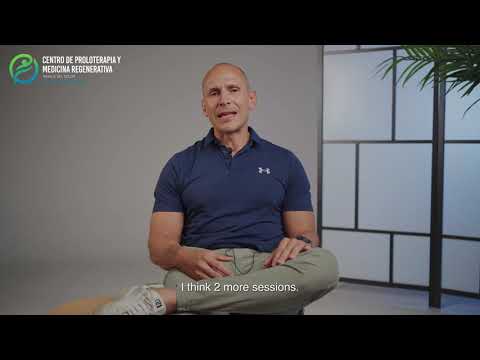
This powerful testimonial follows Nefi Florian’s journey to recovery. By seeking the expertise of Dr. Vargas Decamps, a leading specialist in regenerative treatments, Nefi bypassed the limitations of conventional medicine. His story highlights how medical tourism in the Caribbean is transforming lives by providing access to state-of-the-art biological therapies at accessible price points.
Video Chapters & Quick Navigation
The Hidden Toll of Joint Deterioration
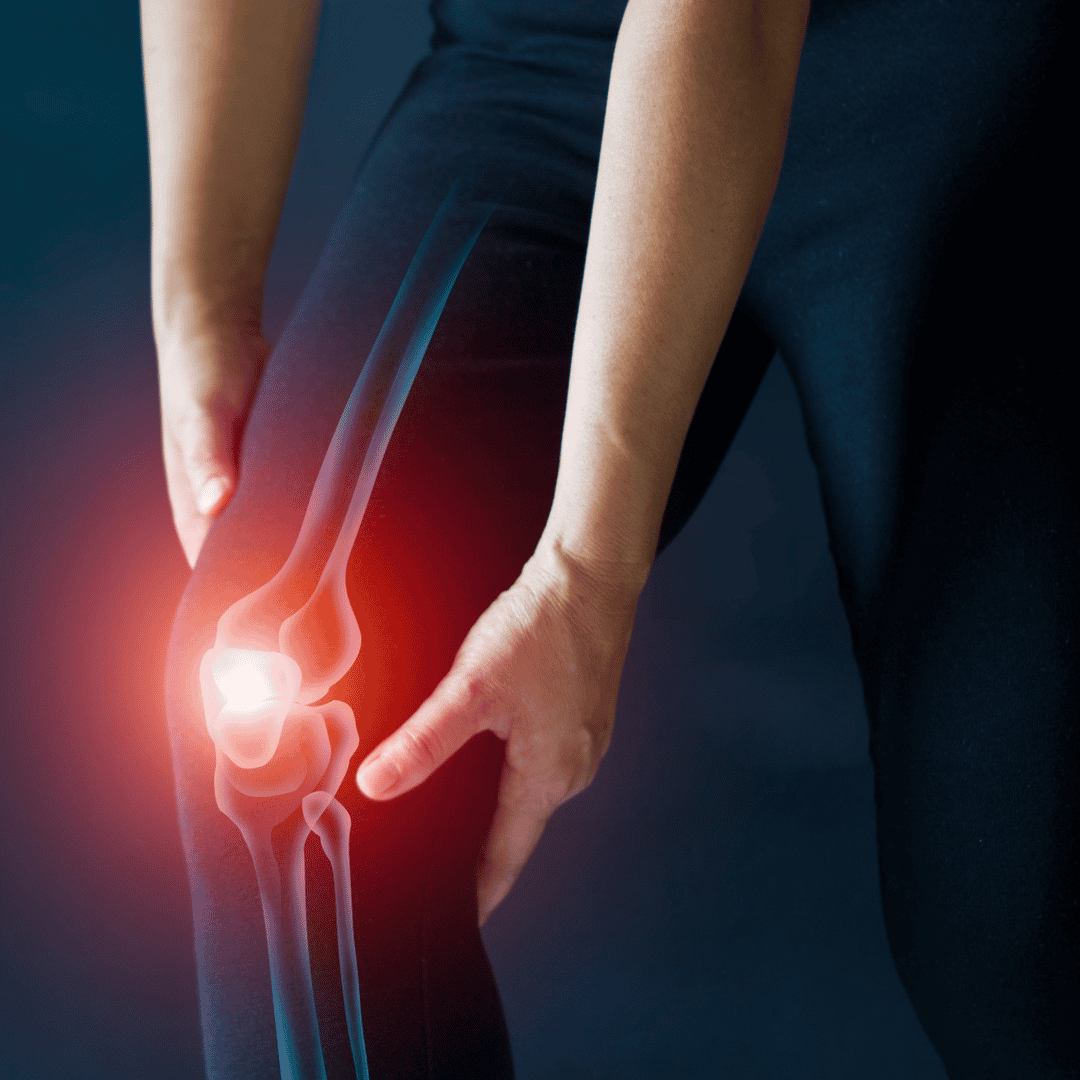
The human knee is an intricate biomechanical marvel designed to bear the brunt of our body weight while providing vast mobility. However, when the protective cartilage begins to wear down due to age, sports injuries, or osteoarthritis, the resulting friction creates a cascade of intense pain. This condition does more than just cause physical discomfort; it actively shrinks a person's world.
Individuals suffering from severe articular degradation often find themselves retreating from hobbies, exercise, and even social gatherings. The standard medical protocol typically involves a frustrating cycle of temporary fixes. Doctors frequently prescribe non-steroidal anti-inflammatory drugs (NSAIDs) or administer corticosteroid injections, which merely mask the symptoms rather than addressing the root cause.
Over time, these conventional treatments lose their efficacy, leaving patients staring down the daunting barrel of total knee arthroplasty. Surgery requires prolonged hospitalization, agonizing physical therapy, and carries significant risks of infection or implant failure. As highlights, finding an alternative to this drastic surgical route becomes a primary mission for those suffering from chronic joint issues.
Nefi Florian’s Search for Relief
Nefi Florian's story is one that resonates with millions of individuals globally. Before discovering stem cell therapy for knee pain, Nefi lived with a constant, throbbing ache that dictated his daily schedule. Walking up a flight of stairs felt like navigating a mountain, and simply standing up from a seated position required careful, painful effort.
Like many patients navigating the complex healthcare system, Nefi tried various conservative modalities. Physical therapy offered minor strengthening benefits, but the structural damage inside his joint remained unaddressed. The chronic inflammation refused to subside, and local orthopedic surgeons continually pushed for an invasive joint replacement.
Unwilling to accept the permanent alteration of his body and the associated lengthy downtime, Nefi began researching alternative regenerative therapies. His global search for a minimally invasive, biologically sound treatment led him to discover the profound benefits of medical tourism. At , Nefi describes the turning point in his healthcare journey, which ultimately brought him to the thriving medical hub of the Dominican Republic.
Understanding Cellular Therapy for Joint Regeneration
To fully grasp why Nefi achieved such remarkable results, one must understand the biological mechanisms driving regenerative medicine. Stem cell therapy is not a temporary painkiller; it is a fundamental reprogramming of the body's internal healing response. Specifically, the treatment utilizes Mesenchymal Stem Cells (MSCs), which possess extraordinary regenerative capabilities.
The Role of Mesenchymal Stem Cells
MSCs are multipotent cells, meaning they have the unique ability to differentiate into various types of structural tissues, including osteoblasts (bone cells) and chondrocytes (cartilage cells). When concentrated and injected directly into a damaged knee capsule, these cells actively seek out areas of high inflammation and tissue degradation.
Once they arrive at the site of the injury, MSCs perform two critical functions. First, they release powerful anti-inflammatory cytokines that rapidly reduce the swelling and heat associated with osteoarthritis. This provides the immediate pain relief that patients like Nefi experience shortly after the procedure.
Cartilage Repair and Immunomodulation
The second, more long-term function involves paracrine signaling. The introduced stem cells secrete growth factors that stimulate the patient's existing, dormant cells to wake up and begin repairing the damaged cartilage matrix. This process, known as immunomodulation, alters the microenvironment of the joint from a degenerative state to a regenerative one.
As explained by the medical team at , this biological cascade effectively bridges the gap in torn tissues and helps rebuild the protective gliding surface of the joint. By utilizing the body’s own natural healing mechanisms, the treatment avoids the risk of rejection and the complications associated with artificial metal or plastic implants.
Meet Dr. Vargas Decamps: A Pioneer in Regenerative Medicine
The success of any biological treatment relies heavily on the expertise, precision, and protocol utilized by the administering physician. In Nefi Florian’s case, the key to his successful recovery was Dr. Vargas Decamps. As a highly respected figure in Latin American medical circles, Dr. Decamps has dedicated his career to advancing the field of orthopedic stem cell applications.
Dr. Vargas Decamps operates at the intersection of traditional orthopedics and cutting-edge biotechnology. He understands that a one-size-fits-all approach is deeply flawed when it comes to joint regeneration. Instead, he meticulously evaluates each patient's specific joint pathology, utilizing advanced imaging and diagnostic tools to determine the exact concentration of cells required for optimal healing.
His clinic in the Dominican Republic is equipped with state-of-the-art laboratory facilities. This ensures that the cellular harvesting, processing, and reinjection phases are conducted under strict, internationally recognized sterility protocols. By maintaining complete control over the cellular processing, Dr. Vargas Decamps guarantees that patients receive the highest possible yield of viable, potent stem cells to maximize their therapeutic outcome.
The Dominican Republic Advantage for Medical Tourists
When discussing stem cell treatment for knee pain, the destination is just as important as the procedure itself. The Dominican Republic has rapidly emerged as a premier hub for regenerative medical tourism, attracting patients from the United States, Canada, and Europe. But what exactly makes this Caribbean nation so appealing for healthcare travelers?
Regulatory Environment and Innovation
Unlike the heavily restricted landscape of regenerative medicine in North America, the regulatory framework in the Dominican Republic allows physicians to utilize advanced cellular expansion techniques legally and safely. Doctors like Dr. Vargas Decamps can culture and multiply stem cells to reach optimal therapeutic numbers—a practice that is often prohibited or severely limited by agencies like the FDA in the United States.
A Healing Environment
Beyond the medical logistics, recovering in the Dominican Republic offers profound psychological benefits. Instead of recuperating in a sterile, dreary hospital room in a cold climate, patients spend their immediate post-procedure days in a lush, tropical paradise. The reduction in baseline stress levels, combined with warm weather and ocean breezes, naturally lowers systemic inflammation, creating an ideal bodily environment for stem cells to thrive.
International Cost Comparison: Affordability Meets Quality
The financial burden of chronic knee pain can be staggering. In the United States, even with insurance, out-of-pocket costs for a total knee replacement, hospital stays, and months of physical therapy can easily bankrupt a family. Moreover, domestic stem cell therapies are rarely covered by insurance and can carry exorbitant price tags for subpar cellular yields.
By choosing stem cell therapy in the Dominican Republic, patients like Nefi Florian access superior medical technology at a fraction of the domestic cost. The lower cost of living, reduced administrative overhead, and favorable exchange rates allow Dominican clinics to offer premium healthcare packages without compromising on quality or safety.
| Treatment Location | Average Cost Range | Cell Culturing Allowed? |
|---|---|---|
| United States | $6,000 - $12,000+ | Highly Restricted |
| Canada | $7,000 - $10,000+ | Restricted |
| Dominican Republic | $3,500 - $6,500 | Yes (Advanced Protocols) |
These comprehensive packages frequently include ground transportation, luxury accommodations, and all necessary pre-operative diagnostic testing. This transparent, all-inclusive pricing model removes the stress of hidden medical bills, allowing patients to focus entirely on their healing.
The Step-by-Step Procedure with Dr. Vargas Decamps
For those considering following in Nefi’s footsteps, understanding the exact timeline of the procedure helps alleviate travel anxiety. Dr. Vargas Decamps utilizes a highly streamlined, minimally invasive protocol designed to maximize patient comfort and cellular viability.
Phase 1: Comprehensive Diagnostics
Upon arrival at the clinic, patients undergo a rigorous physical examination. Dr. Vargas Decamps reviews fresh MRI scans and X-rays to map the precise areas of cartilage degradation. This mapping is crucial, as it dictates the exact trajectory the injection needle will take to deliver the stem cells to the most damaged tissue.
Phase 2: Harvesting and Processing
The stem cells are typically harvested from the patient's own body—usually from adipose (fat) tissue or bone marrow, where MSCs are most abundant. This extraction is done under local anesthesia and is surprisingly swift. The harvested material is immediately transferred to the on-site laboratory. Here, the tissue is centrifuged and processed to isolate a highly concentrated serum of pure stem cells and growth factors.
Phase 3: Image-Guided Injection
The final and most critical step is the reinjection. Using real-time ultrasound or fluoroscopic guidance, Dr. Vargas Decamps carefully guides the needle into the knee capsule. As shown at , this precision ensures that the cellular payload is delivered directly to the micro-fractures and worn cartilage surfaces, completely avoiding healthy surrounding tissue. The entire process takes just a few hours from start to finish.
Recovery and Long-Term Outcomes
Unlike invasive joint replacement surgeries that require months of arduous rehabilitation, the downtime associated with stem cell therapy is minimal. Patients are typically able to walk out of the clinic on their own two feet the very same day. Some mild soreness or stiffness at the injection site is expected for the first 48 hours, which is easily managed with mild analgesics.
During the first few weeks post-treatment, the stem cells act aggressively to calm joint inflammation. Many patients, including Nefi Florian, report a significant reduction in their baseline pain levels within the first month. As the paracrine effect takes hold over the subsequent three to six months, the cartilage begins its slow process of structural regeneration.
By the six-month mark, the improvements in joint mobility and stability are often profound. Patients find themselves returning to activities they had long abandoned, from playing golf and hiking to simply playing with their grandchildren without wincing in pain. Dr. Vargas Decamps provides detailed post-care physical therapy guidelines to ensure the newly forming tissue is properly loaded and strengthened over time.
Is Regenerative Medicine Right for Your Joint Pain?
While the success stories are incredibly compelling, stem cell therapy is not a magic cure-all for every single patient. Candidacy plays a massive role in the final outcome. Ideal candidates are those suffering from mild to moderate osteoarthritis, partial ligament tears, or chronic tendonitis.
Patients with severe bone-on-bone friction where zero cartilage remains may have more limited results, though many still experience massive pain reduction due to the anti-inflammatory properties of the MSCs. This is why the initial remote consultation and diagnostic review with a specialist like Dr. Vargas Decamps is so vital.
Nefi Florian took a leap of faith to reclaim his mobility, bypassing the surgeon's knife in favor of his body's own biological healing power. His pain-free reality today serves as a powerful testament to the efficacy of stem cell treatment for knee pain in the Dominican Republic. The integration of world-class medical expertise, advanced cellular science, and a patient-focused healing environment has permanently shifted the paradigm of orthopedic care.
Ready to Leave Your Knee Pain Behind?
Take the first step toward a pain-free life. Connect with Dr. Vargas Decamps and discover if regenerative stem cell therapy in the Dominican Republic is the right solution to restore your mobility.
GET A FREE QUOTE

.png)









.jpg)
.jpg)










Share this listing