


.png)
Isi
Sel Punca Jepang untuk Penyakit Alzheimer: Harapan Baru bagi Pasien
Jepang berada di garis depan global dalam pengobatan regeneratif, didorong oleh keharusan nasional untuk mengatasi tantangan kesehatan populasi lanjut usia. Bagi keluarga yang mencari intervensi canggih untuk Penyakit Alzheimer, Jepang menawarkan lingkungan medis yang unik di mana penelitian sel punca mutakhir diterjemahkan ke dalam praktik klinis di bawah salah satu kerangka peraturan terlengkap di dunia. Tidak seperti banyak negara di mana terapi tersebut dibatasi secara ketat pada uji klinis, "Undang-Undang tentang Keamanan Pengobatan Regeneratif" Jepang memungkinkan klinik berlisensi untuk menyediakan terapi sel yang disetujui secara aman dan legal.
Pendekatan pengobatan Alzheimer di Jepang berfokus pada potensi Sel Punca Mesenkimal (MSC) dan protokol regeneratif lainnya untuk mengurangi neuroinflamasi, mendorong neurogenesis, dan berpotensi memperlambat penurunan kognitif. Pengobatan di sini ditandai dengan perhatian yang cermat terhadap detail, mulai dari kultur sel berkualitas tinggi di Pusat Pemrosesan Sel (CPC) canggih hingga pemberian yang tepat oleh spesialis bersertifikat.
Pasien yang memilih Jepang tidak hanya mengakses teknologi baru; mereka memasuki sistem perawatan kesehatan yang terkenal dengan kebersihan, standar keselamatan, dan rasa hormat yang mendalam terhadap para lansia. Meskipun terapi sel punca bukanlah penyembuhan yang dijamin, Jepang menyediakan jalur yang ketat secara ilmiah dan diatur secara ketat untuk mengeksplorasi potensi regeneratifnya.
Kombinasi dukungan legislatif, inovasi ilmiah—termasuk tempat kelahiran sel iPS—dan perawatan penuh kasih sayang menjadikan Jepang sebagai tujuan utama bagi mereka yang ingin melawan perkembangan penyakit Alzheimer.
Tahukah Anda?
Jepang adalah tempat kelahiran Sel Punca Pluripoten Terinduksi (sel iPS). Pada tahun 2012, Dr. Shinya Yamanaka dari Universitas Kyoto dianugerahi Hadiah Nobel atas penemuan ini. Warisan inovasi ini meresap ke seluruh sektor pengobatan regeneratif Jepang, memastikan bahwa klinik-klinik mempertahankan standar ilmiah tertinggi.
Ringkasan Wawasan Utama
Terapi diawasi oleh Kementerian Kesehatan, Tenaga Kerja dan Kesejahteraan (MHLW) di bawah peraturan keselamatan yang ketat.
Klinik-klinik tersebut menggunakan Pusat Pemrosesan Sel (CPC) canggih untuk memastikan kemurnian dan kelangsungan hidup sel.
Protokol-protokol tersebut sering kali menargetkan neuroinflamasi, yang merupakan pendorong utama perkembangan penyakit Alzheimer.
Penyaringan ketat terhadap donor dan sel autologus meminimalkan risiko penolakan dan komplikasi.
Banyak pengobatan menggunakan pemberian intravena (IV) atau intranasal, sehingga menghindari operasi otak invasif.
Masyarakat yang sangat terbiasa merawat orang lanjut usia memastikan pengalaman pasien yang bermartabat.
Inovator "Super-Langit"
Jepang memiliki proporsi warga lanjut usia tertinggi di dunia. Alih-alih melihat hal ini sebagai beban, negara ini justru memanfaatkannya sebagai katalisator inovasi. Jepang menyetujui terapi regeneratif baru lebih cepat daripada FDA AS di bawah sistem "persetujuan bersyarat" untuk produk regeneratif, khususnya untuk memberikan perawatan potensial yang aman kepada pasien yang tidak dapat menunggu puluhan tahun untuk hasil uji klinis akhir.
Perjalanan medis untuk perawatan khusus memerlukan perencanaan yang cermat. Di bagian bawah, kami telah menyusun daftar klinik berlisensi di Jepang yang menawarkan paket terapi komprehensif. Paket ini seringkali mencakup biaya kultur sel, konsultasi medis, pemberian terapi, dan terkadang logistik seperti layanan penerjemahan dan bantuan akomodasi. Tinjau opsi-opsi ini untuk menemukan penyedia yang menawarkan protokol spesifik yang paling sesuai dengan kondisi Anda.
Catatan: Carilah kemasan yang secara eksplisit menyatakan jumlah sel (jumlah sel) dan metode pemberian yang disertakan.
Price starting from $10,000
Stem Cell Therapy for Alzheimer’s Disease Package in Tokyo, Japan by HELENE Clinic
HELENE - Stem Cell Clinic
- Stem Cell Therapy
Tokyo, Japan
Terapi sel punca adalah intervensi medis canggih dan personal, dan biaya di Jepang mencerminkan standar keamanan dan teknologi tinggi yang digunakan. Meskipun umumnya tidak ditanggung oleh asuransi, investasi tersebut mencakup pemrosesan sel yang ketat, biaya spesialis, dan perawatan rumah sakit. Tabel di bawah ini memberikan perkiraan kisaran biaya untuk berbagai protokol. Gunakan data ini untuk merencanakan anggaran Anda, dengan mengingat bahwa harga akhir bergantung pada jenis sel, dosis, dan jumlah sesi yang dibutuhkan.
Tips: Selalu tanyakan apakah harga yang tercantum sudah termasuk pengujian pra-perawatan dan konsultasi tindak lanjut pasca-perawatan yang diperlukan.
Stem Cell Treatment for Alzheimers Disease Perbandingan Biaya Pusat di Japan
| Penyedia | Prosedur | Harga |
|---|---|---|
| HELENE - Stem Cell Clinic | Stem Cell Treatment for Alzheimers Disease, Stem Cell Therapy | $10000 |
Stem Cell Treatment for Alzheimers Disease Perbandingan Biaya dalam Japan
| Negara | Prosedur | Harga |
|---|---|---|
| United States | Stem Cell Treatment for Alzheimers Disease, Stem Cell Therapy | $35000 |
Memilih fasilitas yang tepat sangat penting untuk keamanan dan efektivitas. Kami telah mengidentifikasi pusat-pusat medis terkemuka di Jepang yang secara resmi berlisensi dari Kementerian Kesehatan, Tenaga Kerja, dan Kesejahteraan untuk melakukan pengobatan regeneratif. Klinik-klinik ini telah diverifikasi kepatuhannya terhadap Undang-Undang tentang Keamanan Pengobatan Regeneratif, penggunaan laboratorium bersertifikat, dan pengalaman mereka dalam mengobati kondisi neurodegeneratif. Jelajahi profil di bawah ini untuk mempelajari lebih lanjut tentang fokus penelitian dan klinis spesifik mereka.
Utamakan Keselamatan: Pastikan klinik tersebut memiliki "Nomor Rencana Penyediaan" yang sah yang dikeluarkan oleh MHLW, yang menunjukkan otorisasi hukum.
Cell Grand Clinic - Best Stem Cell Clinic in Japan
Osaka, Japan
HELENE - Stem Cell Clinic
Tokyo, Japan
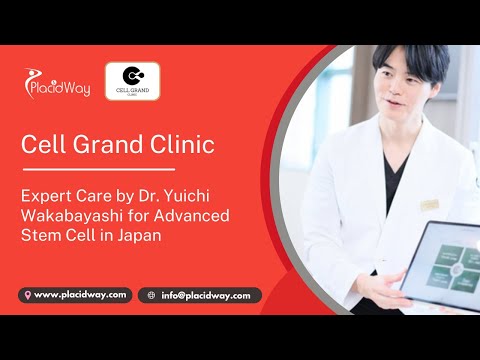
Mendengar kisah dari keluarga yang telah melewati perjalanan pengobatan Alzheimer dapat sangat memberdayakan. Testimoni video di bawah ini berbagi pengalaman pasien internasional di Jepang. Saksikan kisah-kisah ini untuk memahami proses pengobatan, tingkat perawatan yang diberikan oleh tim medis Jepang, dan peningkatan kualitas hidup yang diamati oleh pasien dan pengasuh mereka.
Wawasan: Kisah-kisah pasien sering kali menyoroti peningkatan yang halus namun bermakna dalam kewaspadaan, suasana hati, dan fungsi sehari-hari.


Umpan balik yang jujur membantu mengelola ekspektasi dan memilih jalan yang tepat. Di bagian ini, Anda akan menemukan ulasan terverifikasi dari pasien dan keluarga mereka yang memilih Jepang untuk terapi sel punca. Bacalah tentang interaksi mereka dengan dokter, kenyamanan fasilitas, dan kepuasan keseluruhan mereka terhadap dukungan yang mereka terima selama tinggal di kota-kota seperti Tokyo, Osaka, atau Kyoto.
Tips Membaca Ulasan: Carilah ulasan yang membahas aspek "layanan concierge", karena dukungan bahasa sangat penting untuk pengalaman yang lancar.

Is Stem Cell Treatment for Alzheimer's Available in Japan?
Yes, stem cell treatment for Alzheimer's in Japan is available. Under strict regenerative medicine laws, specialized clinics provide cutting edge therapies safely. Treatment costs generally range from $15,000 to $30,000, depending on the protocol. Key Takeaways: Neurological Regenerative Care Government Regulated Safety: Facilities must comply with the strict Act on the Safety of Regenerative Medicine. Advanced Biological Technology: Utilization of high yield autologous mesenchymal cells to target neuroinflammation. Transparent Financial Investment: Comprehensive treatment packages range between $15,000 and $30,000 USD. World Class Facilities: Exceptional healthcare infrastructure located in pristine cities like Tokyo and Osaka. Holistic Patient Support: Multidisciplinary approaches combining cellular therapy with continuous cognitive monitoring. How does stem cell treatment for Alzheimer's in Japan combat cognitive decline? Regenerative therapy targets neural inflammation and promotes the repair of damaged brain tissues. This innovative approach aims to slow down cognitive deterioration and improve the overall quality of life for affected individuals. The core mechanism of stem cell treatment for Alzheimer's in Japan revolves around the powerful anti inflammatory properties of mesenchymal cells. When introduced into the body, these biological agents seek out areas of severe inflammation within the brain. By modulating the overactive immune responses that contribute to neural degradation, the therapy helps protect existing healthy neurons from further toxic damage. Furthermore, these advanced biological materials secrete neurotrophic factors, which are essential proteins that stimulate neurogenesis. This means the therapy encourages the brain to generate new neural connections and repair damaged synaptic pathways. While it is not classified as a definitive cure, this regenerative stimulation is critical for slowing the progressive nature of memory loss and cognitive impairment. Medical researchers also note that cellular interventions may assist in clearing out harmful protein buildups, such as amyloid plaques, which are hallmarks of cognitive decline. By improving local blood flow and enhancing the brains natural waste removal systems, international patients often experience a stabilization in their condition, allowing them to maintain independence for a longer duration. What is the typical stem cell treatment for Alzheimer's cost in Japan? Patients should expect an investment ranging between $15,000 and $30,000 for a complete regenerative protocol. The final price depends on the number of cell expansions and the specific therapies required. When planning a medical journey, understanding the financial requirements is paramount. The stem cell treatment for Alzheimer's cost in Japan is highly competitive when compared to similar advanced medical programs in North America or Europe. The baseline cost typically covers the initial medical consultations, comprehensive pre procedural blood testing, and the sophisticated harvesting of biological materials. A significant portion of the expense is allocated to the laboratory expansion phase. Because neurological conditions require a massive volume of viable cells to cross the blood brain barrier effectively, the laboratory must cultivate the cells in highly controlled, sterile environments for several weeks. This meticulous culturing process ensures maximum cellular potency and patient safety, justifying the premium price point. Additionally, the upper end of the price spectrum usually includes extensive multidisciplinary care. This can encompass follow up neurological evaluations, personalized nutritional intravenous drips, and access to dedicated international patient coordinators. By opting for all inclusive medical packages, families can avoid hidden medical fees and focus entirely on the healing process. How do you select a reliable stem cell treatment for Alzheimer's clinic in Japan? The government enforces stringent regulatory frameworks that mandate rigorous safety checks. Selecting an officially accredited facility guarantees that the treatments meet the highest international medical standards. Finding a trustworthy stem cell treatment for Alzheimer's clinic in Japan begins with verifying government accreditation. The Ministry of Health, Labour and Welfare enforces the Act on the Safety of Regenerative Medicine, which strictly monitors all facilities offering cellular therapies. Clinics must submit detailed treatment protocols to independent ethical review boards before they are legally permitted to accept international patients. Prospective patients should look for facilities that operate their own onsite cell processing centers. Having a laboratory directly integrated into the clinic drastically reduces the risk of cellular contamination during transport and ensures the biological material remains highly viable upon injection. Transparency regarding the cell count and viability rate is a hallmark of a premier medical institution. Furthermore, evaluating the background of the medical staff is crucial. The leading clinics are directed by board certified neurologists who collaborate closely with regenerative medicine scientists. These experts should be willing to conduct comprehensive telehealth consultations prior to your arrival, offering honest assessments regarding the realistic outcomes of the procedure based on your specific medical history. Why is medical tourism in Japan expanding for neurological disorders? Asian destinations offer a unique combination of cutting edge medical technology, highly skilled specialists, and culturally immersive healing environments. Patients receive world class care while avoiding long domestic wait times. The rapid growth of medical tourism in Japan is driven by the nations unwavering commitment to technological innovation and patient safety. Unlike many other global destinations, the regulatory environment here heavily favors scientific advancement while firmly protecting the consumer. This creates a safe haven for patients seeking innovative treatments that might still be tied up in bureaucratic approval processes in their home nations. Beyond the clinical excellence, the country offers a pristine and highly organized environment that is incredibly conducive to healing. Cities like Tokyo, Kyoto, and Osaka boast spotless infrastructure, world renowned hospitality, and a deep cultural emphasis on respect and care for the elderly. This cultural backdrop provides immense comfort to families traveling under the stressful circumstances of cognitive decline. Moreover, the integration of traditional wellness practices with modern medicine appeals greatly to international visitors. Many medical journeys are complemented by restorative experiences such as soaking in therapeutic hot springs and consuming nutrient dense, anti inflammatory traditional diets. This holistic approach ensures that both the patient and their caregivers experience a rejuvenating journey. Did You Know? The life expectancy in this region is among the highest globally, driving massive local investment into age related medical research. This demographic reality has positioned local scientists at the absolute forefront of neurodegenerative therapy innovation. What types of cells are used for Alzheimer's treatment in Japan? Specialists primarily utilize autologous mesenchymal cells derived from the patients own fat tissue or bone marrow. These specific biological agents are chosen for their strong safety profile and potent anti inflammatory properties. Autologous Extraction: The materials are harvested directly from the patient, completely eliminating the risk of immune rejection or adverse allergic reactions. Adipose Derived Preference: Fat tissue is frequently favored because it yields a significantly higher concentration of viable regenerative cells compared to traditional bone marrow aspirations. Extensive Laboratory Expansion: Once extracted, the biological samples undergo a meticulous multiplication process in sterile cleanrooms to reach therapeutic quantities numbering in the hundreds of millions. Intravenous Administration: The multiplied cells are reintroduced to the body via simple intravenous drips, allowing them to circulate systematically and seek out neuroinflammation. Ethical Compliance: By utilizing adult autologous tissues, clinics entirely avoid the ethical controversies and legal restrictions associated with embryonic biological materials. What benefits do international patients see from stem cell therapy for dementia in Japan? Patients frequently report enhanced memory retention, improved daily functioning, and a stabilization of their cognitive decline. Families also notice better mood regulation and increased engagement in social activities. Disease Stabilization: The most significant benefit is the potential halting or slowing of rapid cognitive deterioration, granting families more quality time together. Enhanced Daily Independence: Patients often regain the ability to perform basic daily tasks, reducing the immediate burden on full time caregivers. Mood and Behavior Regulation: A noticeable reduction in agitation, confusion, and depressive symptoms is frequently observed as neuroinflammation subsides. Improved Physical Energy: The systemic anti inflammatory effects often lead to better sleep patterns and increased overall physical vitality. Cognitive Clarity: While results vary, many individuals report moments of heightened lucidity and a better ability to recognize familiar faces and environments. How are patients evaluated for stem cell procedures for cognitive decline in Japan? The evaluation involves comprehensive neurological assessments, advanced brain imaging, and extensive blood panels. This thorough screening ensures the patient is physically capable of undergoing the cellular therapy safely. Before any biological extraction takes place, international patients undergo a rigorous remote and physical screening process. Initially, the medical team reviews translated clinical records, including recent MRI or PET scans, to assess the current extent of brain atrophy and rule out other underlying neurological conditions. This pre screening prevents patients from making unnecessary international journeys if they are not viable candidates. Upon arrival at the clinic, a deeper diagnostic phase begins. Patients complete standardized cognitive assessment scales administered by bilingual neurologists to establish a clear baseline of their mental acuity. Simultaneously, comprehensive blood panels are drawn to check for infectious diseases, organ function, and overall metabolic health, ensuring the body can handle the minor surgical extraction of fat tissue. This multidisciplinary evaluation is crucial for setting realistic expectations. The medical staff conducts detailed family conferences to explain the scientific process, potential risks, and anticipated timelines for noticeable improvements. This transparent approach builds immense trust and ensures that everyone involved is mentally and emotionally prepared for the regenerative journey. What aftercare is provided following Alzheimer's stem cell therapy in Japan? Post treatment care includes regular telehealth consultations, continuous cognitive monitoring, and personalized nutritional guidance. Clinics maintain long term relationships with patients to track progress and adjust therapies. The completion of the intravenous infusion is only the beginning of the regenerative process. Premium medical facilities provide extensive post procedural aftercare designed specifically for international visitors. Immediately following the treatment, patients are monitored closely for a few days to ensure there are no adverse systemic reactions, although the autologous nature of the procedure makes complications exceedingly rare. Once the patient returns to their home country, continuity of care is maintained through scheduled secure telehealth portals. The original treating neurologist will periodically review new cognitive assessments and compare them against the baseline established before the procedure. This ongoing data collection is vital for understanding the long term efficacy of the biological intervention. Additionally, comprehensive aftercare packages often include holistic lifestyle recommendations. Medical teams provide tailored advice on anti inflammatory diets, targeted physical therapies, and mental exercises designed to maximize the neurogenic benefits of the therapy. By combining advanced science with daily wellness habits, patients achieve the highest probability of sustained cognitive stabilization. Why Choose PlacidWay for Alzheimer's regenerative therapy in Japan? PlacidWay serves as your dedicated medical companion, connecting you with globally accredited facilities and top tier specialists. Our platform ensures a seamless, transparent, and highly personalized healthcare experience from start to finish. Rigorous Facility Vetting: We partner exclusively with officially registered clinics that possess impeccable safety records and verifiable government accreditations for cellular therapies. Transparent Financial Models: We provide detailed, all inclusive medical quotes upfront, entirely eliminating the stress of unexpected hospital fees or hidden clinical charges. Direct Specialist Access: Our network grants you immediate consultation access to world renowned neurologists and pioneering researchers in the field of regenerative medicine. Comprehensive Pre Consultation Support: Our dedicated team assists in gathering, translating, and organizing your medical records to ensure rapid clinical evaluations before you commit to the procedure. Dedicated Patient Advocacy: We stand by your side throughout the entire clinical process, advocating for your specific healthcare needs and ensuring you receive unparalleled medical attention. Frequently Asked Questions About Regenerative Alzheimer's Care in Japan Is stem cell therapy legally approved for Alzheimer's in Tokyo? Yes, regenerative therapies are legally permitted under the stringent regulations of the Act on the Safety of Regenerative Medicine. Facilities in Tokyo and other major cities must pass rigorous government inspections to ensure maximum safety and efficacy for international patients seeking cognitive care. How long do I need to stay in Japan for neurological stem cell therapy? Patients typically need to stay for two to three weeks. This duration allows sufficient time for the initial medical evaluations, the biological material extraction, the laboratory expansion phase, and the final intravenous infusions, followed by immediate post procedural monitoring. Do I need a specific visa for medical treatments in Kyoto or Osaka? Many international visitors can enter using a standard tourist visa for short term stays. However, if your medical protocol requires a longer recovery period, you can apply for a specific Medical Visa, which requires an official invitation letter from your registered healthcare provider. Can foreign patients access Japanese regenerative medicine clinics easily? Yes, many highly accredited facilities feature dedicated international patient departments. These departments provide bilingual staff and coordinate all clinical appointments, ensuring that language barriers do not prevent foreign visitors from accessing world class neurological care. Does health insurance cover Alzheimer's stem cell procedures abroad? Standard health insurance policies generally do not cover experimental or advanced regenerative procedures performed internationally. Patients usually fund these specialized medical journeys out of pocket, which is why transparent pricing and inclusive packages are vital for planning. Are there age limits for receiving stem cells for dementia in Asia? While there is no strict legal age limit, medical specialists evaluate each candidate based on their overall health and the progression stage of their cognitive decline. Patients in the early to moderate stages of dementia often yield the most promising therapeutic responses. What medical records must I translate before consulting a Japanese specialist? You should prepare recent MRI or PET scans of the brain, comprehensive blood test results, and detailed neurological evaluation reports. Having these documents translated into English or Japanese helps the clinical team determine your eligibility before you travel. Will I need a medical translator during my hospital visits in Tokyo? Top tier medical facilities usually provide in house medical interpreters who are fluent in English and understand complex clinical terminology. This ensures that you and your family fully understand the procedure, risks, and post care instructions without any miscommunication. How soon can patients expect cognitive improvements after the injections? Biological responses vary significantly among individuals. Some families notice subtle improvements in mood and daily functioning within a few weeks, while cognitive stabilization and memory enhancements typically take three to six months to become apparent as neural inflammation decreases. Are mesenchymal stem cells better than embryonic ones for brain health? Mesenchymal cells are the preferred standard globally because they are harvested directly from the patient, eliminating the risk of immune rejection and ethical controversies. They have a proven track record of safety and effectively reduce the neuroinflammation associated with cognitive decline. Start Your Medical Journey to Japan Today Do not let cognitive decline dictate your future without exploring all medical options. PlacidWay connects you with globally recognized, government accredited regenerative clinics. Get a free, no obligation quote, receive a personalized evaluation from board certified neurologists, and unlock exclusive healthcare packages designed for international patients. Get Your Free Quote
How Does Alzheimer’s Disease Stem Cell Therapy Work in Japan?
Alzheimer’s disease stem cell therapy in Japan works by administering cultured mesenchymal stem cells (MSCs) intravenously to reduce neuroinflammation, clear amyloid plaques, and protect surviving neurons under the strict supervision of the Act on the Safety of Regenerative Medicine. Japan has positioned itself as a global pioneer in regenerative medicine, offering treatments for neurodegenerative conditions that are often still in the clinical trial phase elsewhere. If you are asking, "How does Alzheimer’s disease stem cell therapy work in Japan?" the answer lies in a unique combination of advanced cellular technology and a progressive regulatory framework. Unlike traditional drugs that only manage symptoms, stem cell protocols in Japan aim to modify the disease environment itself. The country’s "Act on the Safety of Regenerative Medicine" allows licensed clinics to provide cell therapies to patients once safety and efficacy are demonstrated, speeding up access to potentially life-altering treatments. This has made Japan a destination for families seeking proactive interventions for dementia and cognitive decline. What is the biological mechanism? The therapy relies on the "paracrine effect," where stem cells secrete neurotrophic factors (like BDNF and NGF) that repair damaged neurons, and immunomodulation, which calms the brain's overactive immune cells (microglia). The progression of Alzheimer’s is driven largely by two factors: the accumulation of toxic proteins (amyloid-beta plaques and tau tangles) and chronic neuroinflammation. Stem cell therapy addresses these through three main mechanisms: Anti-Inflammatory Action: In Alzheimer’s, the brain’s immune cells (microglia) become overactive and attack healthy neurons. Mesenchymal Stem Cells (MSCs) release signals that switch these cells from a "destructive" state to a "repair" state, reducing brain inflammation. Neuroprotection: The cells release powerful growth factors like Brain-Derived Neurotrophic Factor (BDNF). These factors act like "fertilizer" for the brain, preventing dying neurons from deteriorating further and supporting the formation of new synaptic connections. Plaque Clearance: Emerging research suggests that MSCs may enhance the brain's ability to clear toxic amyloid plaques, potentially by secreting enzymes like neprilysin that degrade these proteins. How is the therapy administered in Japan? Treatment typically involves the intravenous (IV) infusion of millions of autologous (patient's own) or allogeneic (donor) stem cells, which migrate to the brain via the bloodstream to target inflammation. In Japan, the standard protocol is rigorous yet minimally invasive. It usually involves harvesting a small amount of adipose (fat) tissue from the patient. This tissue is then processed in a Cell Processing Center (CPC)—a specialized facility mandated by Japanese law—to culture and expand the stem cells into the hundreds of millions. Once the cells reach therapeutic numbers, they are infused intravenously. Due to a phenomenon called the "homing effect," these cells naturally migrate toward areas of inflammation and damage in the body, including the brain. Some advanced protocols may also utilize intrathecal administration (into the spinal canal) to bypass the blood-brain barrier more directly. Japan's Regulatory Advantage The "Act on the Safety of Regenerative Medicine" ensures that all clinics are licensed by the Ministry of Health, Labour and Welfare, guaranteeing high standards for cell culture safety and patient care. What sets Japan apart is safety. You are not visiting a "wild west" clinic; you are entering a highly regulated medical system. Every clinic offering these therapies must submit their treatment plans to a government-certified committee for approval. They must also process their cells in certified facilities that adhere to Good Manufacturing Practice (GMP) standards. This oversight ensures that the stem cells you receive are pure, viable, and free from contaminants, which is critical for maximizing potential benefits and minimizing risks. Are there specific treatment packages available? Yes, specialized clinics offer comprehensive options, such as the Stem Cell Therapy for Alzheimer’s Disease Package in Tokyo, Japan by HELENE Clinic, which combines high-quality cell administration with Japanese medical precision. Patients traveling to Japan often choose packages that include the full spectrum of care: consultation, cell harvesting, culture expansion, and multiple rounds of administration. These packages are designed to be efficient for international travelers, often condensing the necessary steps into manageable visits while maintaining the highest medical standards. What are the expected outcomes? While not a cure, patients often report improved alertness, better sleep patterns, reduced agitation, and a slowing of cognitive decline, particularly when treated in the early to moderate stages. It is crucial to have realistic expectations. Stem cell therapy is currently viewed as a management tool rather than a reversal agent for advanced Alzheimer's. The primary goal is to stabilize the condition. Family members frequently report "quality of life" improvements—such as their loved one being more engaged in conversation, recognizing family members more consistently, or experiencing less "sundowning" (confusion in the evening). These small victories can make a significant difference in the daily lives of patients and caregivers. Take the Next Step Toward Advanced Alzheimer’s Care in Japan Ready to explore advanced Alzheimer’s stem cell therapy in Japan? PlacidWay Medical Tourism can connect you with licensed clinics like HELENE Clinic, guiding you through every step of your treatment journey safely and efficiently. Get a free quote and personalized treatment plan today! Get a Free Quote & Treatment Plan Today
Can stem cell therapy in Tokyo restore memory and cognitive function in Alzheimer's patients?
Stem cell therapy in Tokyo for Alzheimer's shows potential to slow cognitive decline and promote brain tissue regeneration, though full memory restoration is not guaranteed. Comprehensive treatment protocols typically range from $15,000 to $30,000. Key Takeaways: Cognitive Regenerative Medicine in Japan Regulatory Safety: Japan enforces the world-leading Act on the Safety of Regenerative Medicine, ensuring unparalleled treatment purity. Treatment Focus: Protocols aim to halt neurodegeneration, reduce neuroinflammation, and improve daily functioning rather than offering a miraculous cure. Cell Sourcing: Autologous Mesenchymal Stem Cells harvested from the patient's own fat or bone marrow are the gold standard. Global Hub: Excellent infrastructure makes medical tourism in Tokyo highly appealing for neurological patients. Holistic Care: Leading facilities like HELENE - Stem Cell Clinic in Tokyo, Japan integrate therapies for maximum efficacy. Alzheimer's disease remains one of the most challenging neurodegenerative conditions globally, characterized by progressive memory loss, cognitive decline, and a diminishing ability to perform daily tasks. As traditional pharmaceuticals often only manage symptoms temporarily, families are increasingly looking toward advanced regenerative medicine. Japan has emerged as a global pioneer in this field, offering highly regulated and technologically advanced options. Understanding how these therapies work, the realistic outcomes, and the logistical aspects of receiving care in Asia is crucial for making informed medical decisions. How does stem cell therapy in Tokyo target Alzheimer's disease progression? Regenerative treatments combat cognitive decline by targeting chronic brain inflammation and promoting neurogenesis. The infused cells secrete vital growth factors that help repair damaged neural networks. The primary pathology of Alzheimer's involves the accumulation of amyloid-beta plaques and tau protein tangles, which create a highly toxic and inflamed environment in the brain. This chronic neuroinflammation leads to the systematic death of neurons, particularly in the hippocampus, which governs memory and learning. When a patient undergoes stem cell therapy in Tokyo, the medical objective is not merely to replace dead cells, but to fundamentally alter the brain's hostile internal environment. Mesenchymal cells possess a unique ability known as immunomodulation. Once they cross the blood-brain barrier, they release anti-inflammatory cytokines that calm the aggressive immune response destroying healthy brain tissue. By reducing this inflammation, the remaining healthy neurons are protected from further degradation, effectively slowing the rapid progression of the disease. Furthermore, these cells exhibit profound paracrine effects. They act as microscopic biological factories, secreting neurotrophic factors that stimulate the brain's intrinsic repair mechanisms. This process encourages angiogenesis, which is the formation of new blood vessels, improving blood flow and oxygen delivery to compromised cortical regions. While this mechanism cannot resurrect long-dead neurons to restore forgotten memories from decades past, it can significantly strengthen existing neural connections, thereby improving short-term memory retention and cognitive clarity. What is the average stem cell therapy cost in Tokyo for neurological conditions? The financial investment for comprehensive neurological regenerative care typically ranges from $15,000 to $30,000. This pricing reflects the rigorous laboratory cultivation protocols and stringent safety measures required by Japanese law. Understanding the stem cell therapy cost in Tokyo requires looking at the comprehensive nature of the medical packages offered to international patients. Unlike standard clinical procedures, regenerative medicine involves complex, multi-step biological processes. A significant portion of the cost covers the specialized laboratory work required to harvest, isolate, and multiply the cells to a therapeutic volume, ensuring maximum vitality and sterility before administration. For a single round of autologous treatment, patients can expect baseline costs around $15,000. However, Alzheimer's patients often require multiple administrations or higher cell counts to effectively penetrate the central nervous system, pushing the investment closer to $25,000 or $30,000. These premium packages usually bundle essential auxiliary services such as extensive neurological mapping, MRI scans, comprehensive blood panels, and post-operative monitoring to track cognitive improvements accurately. While this represents a significant financial commitment, it is important to contextualize these figures globally. Comparable legitimate, highly-regulated treatments in North America or parts of Europe can exceed $40,000, often with longer waiting lists. The Japanese pricing model offers a balance of world-class scientific rigor, cutting-edge laboratory technology, and clinical accountability, providing genuine value for families seeking the highest standard of neurological care. Treatment Location Estimated Cost Range (USD) Regulatory Environment Tokyo, Japan $15,000 - $30,000 Highly Regulated (ASRM Law) United States $25,000 - $45,000+ Strict FDA Oversight Latin America $8,000 - $18,000 Variable per country Which types of stem cells are used at a stem cell clinic in Tokyo for memory care? Clinics in Japan predominantly utilize autologous Mesenchymal Stem Cells sourced from the patient's adipose tissue. These cells are celebrated for their ethical sourcing and powerful regenerative properties. When evaluating a stem cell clinic in Tokyo, patients will find that the medical community has reached a consensus on the safest and most effective cellular materials for neurological conditions. Mesenchymal cells, specifically Adipose-Derived Stem Cells, are the undisputed gold standard. Because these cells are extracted from the patient's own body fat, there are zero ethical concerns regarding embryonic tissue, and more importantly, there is absolutely no risk of graft-versus-host disease or immune rejection. Adipose tissue is heavily favored by Japanese researchers because it yields an incredibly high concentration of viable cells compared to bone marrow extraction. The harvesting process is minimally invasive, resembling a minor liposuction procedure performed under local anesthesia. Once collected, these cells are transported to state-of-the-art, government-certified cleanrooms where they are multiplied into the tens of millions over several weeks. In some advanced clinical scenarios, facilities may also incorporate exosomes into the treatment protocol. Exosomes are tiny extracellular vesicles secreted by stem cells that carry genetic information and proteins to target cells. They are highly efficient at crossing the blood-brain barrier. Combining cultivated autologous cells with concentrated exosomes creates a synergistic effect, maximizing the neuroprotective and anti-inflammatory benefits delivered to the deteriorating areas of the Alzheimer's patient's brain. Did You Know? Japanese scientists were awarded the Nobel Prize in Physiology or Medicine for their groundbreaking work in regenerative medicine, specifically regarding induced pluripotent stem cells. This legacy of excellence drives the entire nation's clinical standards today. What makes medical tourism in Tokyo ideal for Alzheimer's stem cell treatments? Tokyo combines cutting-edge biotechnological infrastructure with exceptional patient hospitality. The city offers a highly regulated, safe environment that caters specifically to the complex needs of international neurological patients. The landscape of medical tourism in Tokyo is uniquely structured to support patients dealing with severe cognitive impairments. Unlike typical health tourism destinations that focus primarily on cosmetic or dental procedures, Japan's capital has purposefully positioned itself as a global sanctuary for advanced biotechnology and regenerative therapeutics. The clinics here operate under some of the most rigorous healthcare standards in the developed world, ensuring absolute precision in every aspect of patient care. For families traveling with a loved one suffering from Alzheimer's, safety and accessibility are paramount concerns. Tokyo is renowned for its immaculate cleanliness, extremely low crime rate, and highly efficient public infrastructure. Medical centers dedicated to international patients are equipped with specialized sensory-friendly environments designed to reduce the anxiety and confusion often experienced by individuals with dementia when placed in unfamiliar settings. Additionally, the culture of Omotenashi, representing the Japanese philosophy of wholehearted hospitality, permeates the medical sector. International patients receive dedicated concierges, native-speaking medical interpreters, and personalized dietary planning. This comprehensive support system alleviates the enormous stress placed on caregivers, allowing them to focus entirely on their loved one's comfort and recovery during the treatment protocol. How quickly can patients see cognitive improvements after stem cell therapy in Japan? Cellular regeneration is a biological process that requires time. Most families begin to notice subtle improvements in mood and cognition within three to six months post-treatment. Weeks 1 to 4: The immediate post-treatment phase is categorized by internal systemic regulation. The cells are migrating to damaged areas and beginning to reduce neuroinflammation, though outward cognitive changes are rarely visible this early. Months 2 to 3: Families frequently report the first noticeable shifts during this window. These typically present as improvements in the patient's mood, a reduction in sundowning behaviors, and enhanced physical energy or appetite. Months 4 to 6: This is when primary cognitive benefits emerge. Caregivers often observe better short-term recall, increased verbal engagement, and a clearer ability to recognize familiar faces or follow simple daily routines. Months 6 to 12: The regenerative plateau is reached. The goal is that the patient's cognitive decline has stabilized significantly compared to their pre-treatment trajectory, preserving their current quality of life for an extended duration. Long-Term Monitoring: Continuous assessment is vital. Depending on the disease's aggressiveness, Japanese specialists may recommend a booster treatment after twelve to eighteen months to maintain the neuroprotective benefits. Are there specialized regulations for a stem cell clinic in Tokyo treating dementia? Yes, Japan enforces the Act on the Safety of Regenerative Medicine. This stringent legislation mandates that every clinic and cell processing center must pass rigorous government audits to operate legally. Unlike many destinations where regenerative medicine operates in a legal gray area, Japan has fully integrated these therapies into its national healthcare framework. In 2014, the Japanese government enacted pioneering legislation designed specifically to fast-track safe regenerative therapies while eliminating fraudulent or unsafe practitioners. Any facility offering these treatments must be officially certified by the Ministry of Health, Labour and Welfare. Under these regulations, a clinic cannot simply decide to inject cells into a patient. They must submit detailed scientific protocols for treating specific conditions like Alzheimer's to a specialized review board. Only after presenting substantial evidence of safety and potential efficacy will they receive permission to administer care. Furthermore, the laboratories where the cells are cultivated must adhere to standards equivalent to pharmaceutical manufacturing plants. This intense regulatory oversight provides unparalleled peace of mind for international patients. When visiting a certified Japanese facility, families are guaranteed that the cellular products being administered are sterile, genetically stable, and completely free from pathogens or contaminants. This legal framework has cemented Japan's reputation as the safest global destination for advanced cellular therapeutics. What medical evaluations are required before stem cell therapy in Tokyo? Comprehensive pre-treatment diagnostics are mandatory. These include advanced neuroimaging, extensive blood chemistry panels, and thorough cognitive assessments to ensure the patient is a viable and safe candidate. Ethical medical practice dictates that not every individual suffering from cognitive decline is an automatic candidate for cellular regeneration. To ensure patient safety and optimize clinical outcomes, specialists in Japan conduct an exhaustive pre-operative screening process. Long before travel arrangements are finalized, the patient's local medical records, including recent MRI or PET scans, must be submitted for preliminary review by the attending neurology board. Once approved for travel, the on-site evaluation begins. Physicians will perform high-resolution neuroimaging to map the precise areas of cortical atrophy and evaluate the integrity of the blood-brain barrier. Simultaneous blood work is conducted to screen for active infections, assess liver and kidney function, and evaluate tumor markers. Because regenerative cells promote growth, it is a strict contraindication to administer them to a patient with an active, undiagnosed malignancy. Additionally, formal psychometric testing is administered to establish a baseline of the patient's memory, language skills, and spatial awareness. This baseline is crucial, as it provides the quantifiable metric against which all post-treatment improvements will be measured. If the medical team determines the patient is in the terminal stages of dementia where cellular therapy would yield no measurable benefit, ethical guidelines require them to advise against the procedure. Expert Insight Proper patient selection is the cornerstone of success in regenerative neurology. Treating Alzheimer's in its mild to moderate stages allows the stem cells to protect existing neural architecture. Once complete structural devastation has occurred in late-stage dementia, clinical benefits become severely limited. Can international patients access HELENE - Stem Cell Clinic in Tokyo, Japan? Yes, prestigious facilities like HELENE - Stem Cell Clinic in Tokyo, Japan, actively welcome international medical tourists, offering streamlined protocols and comprehensive language support for global patients. Navigating international healthcare can seem daunting, but premier Japanese institutions have purposefully designed pathways to accommodate patients from around the globe. A leading example of this accessibility is HELENE - Stem Cell Clinic in Tokyo, Japan. Recognized for its stringent adherence to government safety protocols, this facility has tailored its clinical approach to meet the specific logistical and medical needs of international travelers seeking cutting-edge neurological interventions. When patients coordinate through an advanced stem cell therapy clinic in Tokyo, they receive a holistic care experience. These facilities understand that treating Alzheimer's requires immense compassion. They provide multilingual medical coordinators who remain by the family's side during every consultation, ensuring that all procedural details, risks, and expected outcomes are communicated with absolute transparency in the patient's native language. Furthermore, these dedicated international departments handle the complex administrative burdens associated with cross-border healthcare. They assist with the secure transfer of international medical records, provide the necessary documentation for medical visas if required, and ensure that the patient's primary care physicians back home receive comprehensive, translated discharge summaries to facilitate seamless continuing care. How does stem cell therapy in Japan compare to treatments in North America? Japan offers faster clinical application of safe, proven regenerative technologies due to its progressive regulatory framework, whereas North American systems often face prolonged bureaucratic delays regarding cell cultivation. The fundamental difference between Japanese and North American cellular therapeutics lies in the regulatory philosophy. In the United States, the FDA regulates cultivated autologous stem cells as biological drugs. This classification requires clinics to navigate a labyrinthine and profoundly expensive trial process that spans decades. Consequently, the commercial availability of cultivated cell therapies for neurodegenerative diseases remains highly restricted, forcing many clinics to offer uncultivated, less potent cell mixtures. Conversely, Japan adopted a dual-track regulatory system specifically to safely accelerate patient access. If a treatment utilizes the patient's own cells, is processed in a government-certified laboratory, and is administered by credentialed specialists, it can be provided legally without waiting for decades of generic pharmaceutical trials. This allows Japanese neurologists to deploy massive volumes of highly viable, cultivated cells, achieving a therapeutic potency that is difficult to replicate legally in North America. This progressive stance does not sacrifice patient safety. The mandatory auditing of Japanese cell processing centers ensures that the biochemical purity of the treatments meets or exceeds global standards. For Alzheimer's patients who do not have the luxury of waiting ten years for new domestic clinical trials to conclude, Japan's approach offers an immediate, scientifically sound, and legally secure avenue for intervention. Why Choose PlacidWay for stem cell therapy in Tokyo? PlacidWay empowers patients by providing access to strictly vetted, government-certified medical centers in Japan, ensuring complete price transparency and expert clinical coordination. Rigorous Facility Vetting: We exclusively partner with Japanese clinics that hold official Ministry of Health certifications for regenerative medicine, guaranteeing uncompromising safety standards. Transparent Medical Pricing: Our platform eliminates hidden fees by providing comprehensive, pre-negotiated treatment packages so families can plan their medical budgets accurately. Direct Specialist Access: We facilitate direct medical record reviews and virtual consultations with leading Japanese neurologists before you commit to the treatment plan. Dedicated Clinical Coordination: Our patient support team assists in translating your medical history and communicating complex neurological requirements to the receiving clinic. Comprehensive Care Planning: We assist patients in finding facilities that offer multi-disciplinary approaches, combining cellular infusions with specialized neurological rehabilitation therapies. Frequently Asked Questions Is stem cell therapy in Tokyo safe for elderly Alzheimer's patients? Yes, regenerative medicine for cognitive decline in Japan is highly regulated and considered very safe for elderly individuals. Specialists conduct extensive pre-operative health screenings, including cardiovascular and pulmonary testing, to ensure the patient is physically capable of receiving the intravenous or intrathecal cell administration without adverse reactions. How long do I need to stay in Japan for cognitive stem cell treatments? International patients should plan to stay in Japan for approximately ten to fourteen days. This timeline allows for initial consultations, necessary blood work, the cell cultivation period if using autologous cells, the actual administration procedure, and several days of mandatory post-treatment observation. Does insurance cover stem cell therapy cost in Tokyo for international patients? Standard international health insurance policies generally do not cover regenerative medicine for dementia, as it is still classified as an elective or experimental procedure in many western jurisdictions. Patients must fund these treatments privately, which is why transparent pricing packages are essential. What are the side effects of stem cell therapy for dementia in Japan? The procedure is minimally invasive, resulting in very few side effects. Patients might experience mild fatigue, a low-grade fever, or slight discomfort at the injection site for a day or two. Serious complications are exceedingly rare due to the strict purity standards enforced by Japanese medical authorities. Can stem cell therapy in Tokyo completely cure Alzheimer's disease? Currently, there is no definitive cure for this neurodegenerative condition. The goal of regenerative protocols is to significantly slow disease progression, reduce brain inflammation, and improve the patient's daily quality of life, rather than providing a complete reversal of all neurological damage. Do clinics in Tokyo offer English-speaking staff for medical tourists? Top-tier facilities catering to international visitors employ dedicated bilingual medical coordinators. These professionals translate complex medical terminology during consultations, assist with paperwork, and ensure seamless communication between the patient, their family, and the attending neurologists. What is the success rate of stem cell therapy for memory loss in Japan? Clinical outcomes vary based on the stage of cognitive decline at the time of treatment. Patients in early to moderate stages often report a sixty to seventy percent improvement in cognitive stability, mood regulation, and physical mobility, though individual results depend heavily on overall health and genetics. How are mesenchymal stem cells administered for brain conditions in Tokyo? Physicians primarily use intravenous infusions to allow cells to circulate systemically and cross the blood-brain barrier. In some specialized cases, an intrathecal injection into the spinal canal is utilized to deliver the regenerative agents more directly to the central nervous system. Are donor stem cells or my own cells used for Alzheimer's treatment in Japan? Japanese medical guidelines strongly favor autologous treatments, meaning the cells are harvested from the patient's own body, usually from adipose fat tissue or bone marrow. This completely eliminates the risk of tissue rejection and aligns with strict domestic bioethics regulations. Can I undergo other wellness treatments while visiting Tokyo for stem cell therapy? Many patients combine their cognitive protocols with complementary wellness therapies such as hyperbaric oxygen therapy, intravenous vitamin infusions, and exosome treatments. These complementary therapies are widely available and can actively enhance the efficacy of the primary regenerative procedure. Discover Hope for Cognitive Health in Japan Do not navigate the complexities of neurological care alone. PlacidWay connects you directly with Tokyo's most advanced, government-certified regenerative medicine clinics. Secure a free, no-obligation medical evaluation and receive a transparent pricing package tailored to your loved one's specific cognitive needs. Get Your Free Quote * Secure, confidential medical consultations. Responses typically within 24 hours.
Keberhasilan pengobatan sangat bergantung pada keahlian tim medis. Kami telah menyusun daftar spesialis pengobatan regeneratif terkemuka di Jepang. Dokter-dokter ini seringkali bersertifikasi oleh Perhimpunan Pengobatan Regeneratif Jepang dan beroperasi di fasilitas yang berlisensi MHLW. Profil mereka menyoroti latar belakang akademis, kontribusi penelitian, dan pengalaman klinis bertahun-tahun dalam terapi seluler.
Pakar Regeneratif Bersertifikat
Dilisensikan oleh Kementerian Kesehatan (MHLW)
Para spesialis di Jepang harus menjalani sertifikasi yang ketat untuk melakukan terapi sel punca. Mereka seringkali menjadi pelopor di bidang ini, berkontribusi pada penelitian global sambil tetap mematuhi protokol keselamatan nasional secara ketat.
Fokus Neuro-Regeneratif
Spesialisasi dalam Kondisi Neurodegeneratif
Para dokter terkemuka seringkali berspesialisasi khusus dalam bidang neurologi dan geriatri, menggabungkan pengetahuan mereka tentang patologi Alzheimer dengan teknik regeneratif untuk menyesuaikan protokol demi manfaat potensial maksimal.
Pendekatan Perawatan Holistik
Manajemen Pasien Komprehensif
Para spesialis Jepang terkenal dengan "Omotenashi" (keramahan sepenuh hati). Mereka memberikan perawatan penuh kasih sayang yang menghormati martabat pasien Alzheimer, memastikan kenyamanan dan pengertian sepanjang proses pengobatan yang kompleks.

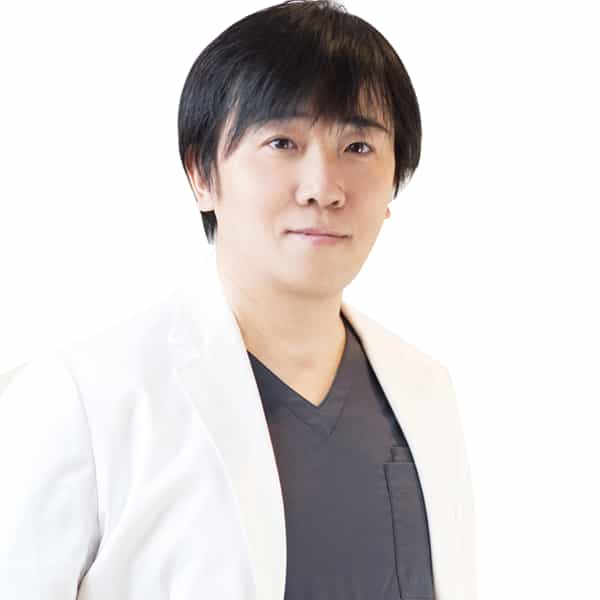
Yuichi Wakabayashi
Cell Grand Clinic – Japan’s Best Stem Cell Clinic
- Longevity Specialist
Osaka, Japan
Keamanan Regulasi yang Tak Tertandingi
Jepang membedakan dirinya dengan "Undang-Undang tentang Keamanan Pengobatan Regeneratif." Undang-undang ini menyediakan jalur yang legal, aman, dan teratur bagi pasien untuk mengakses terapi canggih yang masih dalam tahap uji coba awal di AS atau Eropa.
Hal ini menghilangkan risiko "liar" yang ditemukan di pasar yang tidak diatur, memberikan ketenangan pikiran kepada pasien bahwa perawatan mereka memenuhi standar nasional yang ketat.
Pemrosesan Sel Tingkat Lanjut
Kemanjuran terapi sel punca bergantung pada kualitas sel. Klinik-klinik di Jepang menggunakan Pusat Pemrosesan Sel (CPC) berteknologi tinggi yang menjaga sterilitas dan kontrol kualitas berstandar farmasi.
Hal ini memastikan tingkat kelangsungan hidup sel yang tinggi (persentase sel hidup dan aktif), yang sangat penting untuk mencapai hasil terapi potensial pada kondisi neurodegeneratif.
Perawatan Geriatri yang Penuh Hormat
Sebagai masyarakat "super-tua", Jepang telah membangun budaya perawatan kesehatan yang sangat selaras dengan kebutuhan para lansia. Fasilitas dirancang agar mudah diakses, dan staf dilatih untuk berinteraksi dengan pasien Alzheimer dengan kesabaran dan martabat yang luar biasa.
Lingkungan yang mendukung ini mengurangi stres baik bagi pasien maupun anggota keluarga yang mendampingi, sehingga perjalanan medis menjadi senyaman mungkin.
Mengakses pengobatan regeneratif tingkat lanjut di negara asing membutuhkan kepercayaan dan bimbingan ahli. PlacidWay menghubungkan Anda dengan klinik sel punca berlisensi dan terverifikasi di Jepang, memastikan perjalanan medis yang aman, transparan, dan didukung untuk orang yang Anda cintai.
Pemeriksaan Lisensi Terverifikasi
Kami menegaskan bahwa setiap klinik mitra memiliki lisensi yang sah dari Kementerian Kesehatan Jepang untuk melakukan terapi regeneratif secara legal.
Akses Langsung ke Spesialis
Kami memfasilitasi konsultasi jarak jauh pendahuluan, memungkinkan spesialis Jepang untuk meninjau catatan medis dan mengkonfirmasi kelayakan sebelum Anda melakukan perjalanan.
Penetapan Harga Transparan
Dapatkan penawaran terperinci yang merinci biaya pemrosesan sel, administrasi, dan rawat inap di rumah sakit, sehingga terhindar dari kejutan finansial yang tak terduga.
Dukungan Bahasa
Kami menghubungkan Anda dengan klinik yang menyediakan penerjemahan medis profesional, memastikan Anda sepenuhnya memahami setiap langkah perawatan.
Koordinasi yang Dipersonalisasi
Tim kami membantu menangani logistik perjalanan medis yang kompleks, mulai dari penjadwalan janji temu hingga pencarian akomodasi yang ramah pasien.
Advokasi Berkelanjutan
Kami akan selalu berada di sisi Anda sepanjang proses, memperjuangkan kebutuhan Anda dan memastikan pengalaman Anda memenuhi standar perawatan yang tinggi.
Jelajahi potensi pengobatan regeneratif dengan percaya diri. Hubungi PlacidWay hari ini untuk mendapatkan konsultasi gratis dan penawaran harga khusus untuk Terapi Sel Punca di Jepang.
Dapatkan Penawaran Harga Pribadi Gratis Anda.png)
.png)
.png)
.png)










Share this listing