


.png)
コンテンツ
日本の幹細胞療法で膝の変形性関節症の痛みを軽減
日本は世界の再生医療において圧倒的な最先端を走っています。2014年に画期的な「再生医療の安全性に関する法律」が制定されて以来、日本は細胞療法に対して世界で最も手厚く、かつ厳格な規制環境を構築してきました。膝関節全置換手術を避けたい変形性膝関節症(OA)患者にとって、日本は他国では利用できない、あるいは制限されている高度な培養幹細胞治療プロトコルへのアクセスを提供しています。
東京、大阪、京都のクリニックでは、患者自身の脂肪組織から採取した間葉系幹細胞(MSC)を使用しています。細胞をそのまま注入する単純な治療法とは異なり、日本の治療法では、注入前に専門の研究所で細胞を培養し、数億個にまで増殖させる「培養」を行うことがよくあります。この高濃度培養は、炎症を最大限に軽減し、損傷した軟骨の修復を促進するように設計されています。
日本の医療ツーリズムの特徴は、「おもてなし」と精密さにあります。最先端の研究所のような施設で治療を受けることができ、安全性と衛生管理は徹底されています。費用は発展途上国よりも高額ですが、ノーベル賞受賞レベルの科学に裏付けられた、政府認可の規制された治療を受けることができるのです。
膝の治療に日本を選ぶということは、可動性を回復させるという目標において、安全性、科学的誠実さ、そして高度な技術という最高水準を選択することを意味します。
知っていましたか?
日本は、2012年に人工多能性幹細胞(iPS細胞)の発見でノーベル賞を受賞した山中伸弥博士の出身国です。この科学的遺産は医療文化全体に浸透しており、民間のクリニックでさえ、細胞処理と品質管理において研究レベルの基準を維持しています。
主なポイントを一覧でご紹介
細胞療法を提供するすべてのクリニックは、厚生労働省から特定の許可を取得しなければならない。
日本の治療プロトコルでは、膝1つあたり1億個以上の細胞を投与するために、細胞を数週間培養することが多い。
主な目標は、侵襲性の高い膝関節置換手術(TKA)の必要性を遅らせる、あるいは完全に排除することである。
この処置は、簡単な脂肪吸引(脂肪採取)とその後の注入からなり、入院は不要です。
厳格な監督体制のおかげで、日本の認可施設では感染症などの合併症は極めてまれである。
日本は世界で最も高齢化が進んでいる国であり、これらの治療法は高齢者の活動性と運動能力を維持するために特別に改良されている。
未来のための「細胞バンク」
日本の多くの先進的なクリニックでは、「細胞バンク」サービスを提供しています。幹細胞を採取・培養した後、その一部を液体窒素で凍結保存し、将来の使用に備えることができます。数年後に膝の痛みが再発したり、他の関節に関節炎を発症したりした場合でも、再度脂肪吸引手術を受けることなく、注射を受けるために日本へ渡航するだけで済みます。
日本の医療パッケージは、その徹底した内容で知られています。標準的なパッケージには、初回診察(多くの場合、MRI画像による診断を含む)、脂肪採取、細胞培養(3~4週間かかる)、そして最終的な注入が含まれます。ハイエンドのパッケージには、通訳サービス、東京または大阪の空港送迎、必要に応じて医療ビザ取得のサポートなども含まれる場合があります。
注:細胞培養が必要なため、この治療には通常、約1ヶ月間隔で2回の日本への渡航が必要です。
.png)
Price starting from $10,000
Stem Cell Therapy for Knee Osteoarthritis Package in Tokyo, Japan by HELENE Clinic
HELENE - Stem Cell Clinic
- Stem Cell Therapy
Tokyo, Japan
日本は最高級の医療拠点であり、その価格には高い規制基準と検査費用が反映されています。両膝の幹細胞治療(完全培養)の費用は、通常12,000ドルから20,000ドルです。他の国と比べて高額ではありますが、この費用には、高い細胞生存率と安全性を確保するために必要な広範な生物学的処理が含まれており、これらは日本政府によって厳しく監視されています。
ヒント:料金に将来の治療のために余剰細胞を凍結保存/保管する費用が含まれているかどうかを確認してください。これは長期的に見て大きな価値をもたらします。
Stem Cell Treatment for Knee Osteoarthritis Abroad センターのコスト比較 Japan
| プロバイダー | 手順 | 価格 |
|---|---|---|
| HELENE - Stem Cell Clinic | Stem Cell Treatment for Knee Osteoarthritis Abroad, Stem Cell Therapy | $8000 |
Stem Cell Treatment for Knee Osteoarthritis Abroad コスト比較 Japan
| 国 | 手順 | 価格 |
|---|---|---|
| United States | Stem Cell Treatment for Knee Osteoarthritis Abroad, Stem Cell Therapy | $35000 |
当社は、再生医療の安全性に関する法律に基づき「第2種」または「第3種」の認可を受けている東京および大阪の厳選されたクリニックと提携しています。これらの施設は、総合病院ではなく、整形外科バイオテクノロジーを専門とするセンターであることが多く、製薬工場に匹敵するクリーンルーム技術を備えた細胞処理センター(CPC)を併設しています。下記のプロフィールをご覧になり、お客様のニーズに合ったクリニックをお探しください。
安全第一:予約前にクリニック固有の保健省認可番号を確認してください。すべての正規医療機関はこの番号を表示する義務があります。
Cell Grand Clinic - Best Stem Cell Clinic in Japan
Osaka, Japan

HELENE - Stem Cell Clinic
Tokyo, Japan
膝の治療のために日本を訪れた海外の患者さんたちの体験談をご覧ください。多くの患者さんは、金属製のインプラントを回避できたことによる安堵感や、ゴルフやハイキングといった趣味に復帰できた喜びを語っています。また、日本の医療スタッフの細やかな気配り、施設の清潔さ、そして治療に関わる生物学的プロセスについての丁寧な説明を高く評価しています。
ヒント:治療後数か月経ってから「歩行能力」が改善したというレビューを探してみましょう。


日本は、信頼性を重視する文化のおかげで、患者満足度において常に高い評価を得ています。口コミでは、治療が「予期せぬ事態がない」点がしばしば強調されています。予約時間は正確で、衛生状態は申し分なく、料金も明瞭です。言葉の壁は懸念事項となる場合もありますが、患者は医師との円滑なコミュニケーションを確保するために、専任の通訳者を配置しているクリニックを推奨しています。
レビューのヒント:脂肪吸引(脂肪採取)手術の快適さに関するフィードバックに注目してください。

How Effective is Stem Cell Therapy for Knee Osteoarthritis in Japan?
Stem cell therapy for knee osteoarthritis in Japan is highly effective, with success rates often reported between 80% and 90% for pain relief and functional improvement. Thanks to Japan's "Act on the Safety of Regenerative Medicine," clinics can legally expand cells to massive doses (over 100 million), providing superior results compared to countries with stricter cell-count limitations. If you are dealing with the grinding pain of knee osteoarthritis, you probably feel like your only options are painkillers that tear up your stomach or knee replacement surgery that puts you out of commission for months. But there is a third path that is drawing thousands of patients to Japan every year: regenerative medicine. Japan isn't just another medical tourism destination; it is arguably the world leader in stem cell regulation and technology. While other countries debate whether doctors can even "touch" your stem cells, Japan has established a government-backed framework that allows for high-dose, potent treatments designed to actually repair tissue rather than just mask the pain. In this guide, we are going to walk through everything you need to know—from the costs and the specific packages available to the recovery time—so you can decide if a trip to Osaka or Tokyo is the right move for your knees. What makes Japan a top destination for knee stem cell therapy? Japan is a top destination because of the Act on the Safety of Regenerative Medicine (ASRM), a law that allows clinics to culture and expand stem cells to high therapeutic numbers (100 million+) in regulated processing centers, ensuring a potency that is rarely available in the US or Europe. The "secret sauce" of Japan's success in this field comes down to legislation. In many Western countries, including the US, the FDA heavily restricts "manipulating" stem cells. This means doctors can usually only harvest your cells and inject them back immediately. The problem? You might only get 5 to 10 million cells, which often isn't enough to make a dent in severe arthritis. In contrast, Japan operates under the Act on the Safety of Regenerative Medicine. This law allows licensed clinics to take a small sample of your fat, send it to a specialized Ministry-approved lab (Cell Processing Center), and "culture" (grow) those cells over 3 to 4 weeks. The result is that when you return for your injection, you aren't getting 5 million cells—you are getting 100 million to 200 million highly active cells. This "cell count" is the most critical factor in effectiveness. More cells mean more anti-inflammatory signals and more "workers" available to help repair the damaged cartilage environment. It’s the difference between sending a small repair crew or an entire army to fix your knee. What is the cost of stem cell therapy for knees in Japan compared to other countries? Stem cell therapy for knees in Japan typically costs between $10,000 and $25,000 depending on the clinic and city. While premium clinics in Osaka may charge around $19,000, high-quality options in Tokyo like HELENE Clinic offer packages starting at approximately $10,000, making it competitive with Thailand ($8,000+) while offering superior regulatory oversight. Cost is a huge factor for anyone considering medical travel. While Japan is not the "cheapest" option on the map, it offers arguably the best value when you consider the quality and strict safety checks involved. In cheaper destinations, you might not be getting a guaranteed cell count, or the cells might not be tested for viability (how alive they are). Here is a breakdown of how Japan compares to other popular regions: Country Estimated Cost (USD) Key Differences Japan $10,000 – $25,000 High dose (100M+ cells), strictly regulated by government, high safety profile. USA $5,000 – $50,000+ Lower cost = low dose (unexpanded). High cost ($30k+) = usually expanded cells in grey-market clinics or trials. Thailand $8,000 – $15,000 Good medical tourism hub, but regulations on cell culturing vary more than in Japan. India $4,000 – $8,000 Most affordable, widely available, but heavy research is needed to verify lab quality. Mexico $5,000 – $15,000 Popular for US patients, offers expanded cells, but quality control is less standardized than Japan. When you pay for treatment in Japan, you are paying for the Cell Processing Center (CPC) costs—the high-tech lab work required to safely grow your cells to massive numbers without contamination. Which clinic offers the best stem cell package for knee osteoarthritis in Japan? Two top-rated clinics stand out: Cell Grand Clinic in Osaka for a premium, all-inclusive experience (approx. $19,200) and HELENE Clinic in Tokyo for exceptional value and accreditation (approx. $10,000). Both operate under strict government licenses and guarantee high cell counts. Choosing the right clinic is crucial. In Japan, you want a facility that holds a "Class II" or "Class III" regenerative medicine license. Here are the two top recommendations based on patient reviews and package value: 1. The Premium Choice: Cell Grand Clinic (Osaka) Package: Knee Osteoarthritis Regenerative Medicine Package For international patients who want a luxury medical experience with maximum potency, Cell Grand Clinic is a standout. Led by specialists like Dr. Yuichi Wakabayashi, they offer a rigorous protocol. Cost: Approx. $19,200 USD Key Feature: Guarantees 200 million viable cells. Inclusions: Consultation, minimally invasive fat harvesting, 3-4 week culture process, supernatant fluid injection (rich in growth factors), and post-care follow-up. 2. The Value & Tech Choice: HELENE Clinic (Tokyo) Package: Stem Cell Knee Treatment Japan Located in the upscale Minami-Aoyama district of Tokyo, HELENE Clinic is a powerhouse in the industry, holding over 20 official regenerative medicine licenses. Cost: Approx. $10,000 USD Key Feature: Exceptionally high safety standards with an in-house Cell Processing Center (CPC). Why choose them: They offer one of the most competitive prices for cultured stem cells in the developed world. Their package is perfect for patients who want world-class Tokyo medical care without the $20k+ price tag often seen elsewhere. Both clinics require a preliminary review of your MRI or X-rays to ensure you are a candidate before you travel. What types of stem cells are used for knee treatment in Japan? The most common type used is Autologous Adipose-Derived Mesenchymal Stem Cells (ADSCs) because fat tissue yields a high number of potent cells. Some advanced clinics also offer Synovium-Derived Stem Cells, which are harvested from the knee lining and have a strong ability to differentiate into cartilage. When you go to Japan, you will mostly hear about "Mesenchymal Stem Cells" (MSCs). These are the body's "general contractors" for repair. But where do they come from? 1. Adipose (Fat) Tissue: This is the gold standard in Japan right now. It is easy to harvest (a mini-liposuction from the belly), and fat contains 500 times more mesenchymal stem cells than bone marrow. Because they are your own cells ("autologous"), there is zero risk of rejection. 2. Synovium (Joint Lining): This is a cutting-edge option pioneered by Japanese universities (like Osaka University). Research suggests that cells taken from the synovium might be even better at turning into cartilage than fat cells. However, harvesting them requires a slightly more invasive procedure (arthroscopy) compared to fat harvesting, so Adipose remains the most popular choice for ease and comfort. Is stem cell therapy a safe alternative to knee replacement surgery? Yes, it is a safe alternative for many patients, specifically those with Grade 2 or 3 osteoarthritis. It avoids the risks of major surgery (like blood clots, infection, or implant failure) and preserves your natural knee anatomy, although it may not be effective for "bone-on-bone" (Grade 4) cases. Safety is the primary concern for anyone flying halfway across the world for medical care. The beauty of the Japanese system is the transparency. Under the ASRM law, every adverse event must be reported. Because the cells are your own (autologous), the risk of an allergic reaction or rejection is virtually non-existent. The main risks are minor and local: Swelling: Your knee might feel full or tight for a few days after the injection. Mild Pain: The harvesting site (stomach) might feel like a bruise. Compared to a Total Knee Replacement (TKR), the safety profile is vastly superior. A knee replacement is a major amputation of the joint ends and insertion of metal and plastic. It carries risks of deep vein thrombosis (DVT) and months of painful rehab. Stem cell therapy is a needle-based procedure. You walk in, and you walk out. How long does the recovery take after stem cell knee injections? Recovery is immediate for daily activities; patients typically walk out of the clinic on the same day. However, biological repair takes time—you may experience soreness for 3-5 days, with significant pain relief usually starting around the 4-week mark and continuing to improve for up to 6 months. One of the biggest selling points of this therapy is the "downtime"—or lack thereof. If you choose the Cell Grand Clinic package or similar options in Japan, here is what your timeline usually looks like: Day 1 (Harvesting): You might have some soreness in your abdomen from the fat collection, but you can walk and eat normally. Day of Injection (4 weeks later): The injection itself takes minutes. You are encouraged to rest the knee for 24-48 hours, but you do not need crutches or a wheelchair. Weeks 1-2: You might feel increased inflammation. This is actually a good sign—it means the cells are signaling a repair response. Month 1-3: This is when the "magic" happens. Patients often report a significant drop in pain scores (e.g., going from an 8/10 pain to a 3/10). Month 6+: Maximum benefit is usually reached. You can return to hiking, golf, or doubles tennis, though high-impact activities (like marathon running) might still be discouraged to protect the joint. Am I a good candidate for this treatment? The ideal candidate is someone with mild to moderate osteoarthritis (Kellgren-Lawrence Grade 2 or 3) who still has some cartilage remaining. Patients with severe Grade 4 "bone-on-bone" arthritis may see less benefit, though some still achieve pain relief; those with active cancer or severe infections are generally not candidates. Stem cells are powerful, but they aren't magic wands. They need a "scaffold" to work on. If your knee is completely bare of cartilage (Grade 4) and the bone is deformed, stem cells cannot rebuild the entire joint structure from scratch. In those cases, knee replacement might genuinely be the better option. However, if you have: Morning stiffness that loosens up Pain that gets worse with activity Visible cartilage on X-ray (even if it's thin) A desire to delay surgery for 5-10 years ...then you are likely an excellent candidate for the high-dose therapies available in Japan. Consultations with clinics like Cell Grand Clinic usually involve sending your X-rays or MRI scans ahead of time so the doctors can approve you before you book a flight. Ready to live without knee pain? Explore advanced options like the Knee Osteoarthritis Regenerative Medicine Package in Osaka and connect with world-class clinics today with PlacidWay Medical Tourism. Get a Free Quote & Treatment Plan Today
Malaysian Patients Prefer Osaka’s Ministry-Certified Knee Regeneration Protocols
Knee regeneration in Japan, especially in Osaka, offers Malaysian patients Ministry-certified stem cell protocols that are highly safe. Costs typically range from $15,000 to $25,000, providing advanced alternatives to total knee replacement surgery. Key Takeaways: Knee Regeneration in Osaka Regulatory Excellence: All procedures are strictly governed by the Japanese Ministry of Health under the Safety of Regenerative Medicine Act. Non-Surgical Alternative: Malaysian patients often choose this to avoid the long recovery and risks associated with total knee replacement. Advanced Lab Standards: Osaka hosts some of the world's most advanced Cell Processing Centers (CPC) with ISO-grade sterilization. High Success Rates: Clinical data from Japan shows significant pain reduction and cartilage improvement in over 85% of early-stage osteoarthritis patients. Why is knee regeneration in Japan becoming the top choice for Malaysians? Malaysian patients choose Japan due to the unmatched legal safety framework and the proximity of Osaka as a direct-flight destination. The protocols ensure the highest quality of autologous stem cells. The rise of medical tourism in Japan among Malaysians is driven by the search for safe, non-invasive alternatives to surgery. In Osaka, clinics follow the strict guidelines of the Act on the Safety of Regenerative Medicine, which provides a layer of consumer protection not found in many other medical destinations. This legal framework requires clinics to report all clinical outcomes and adverse effects directly to the government. Furthermore, the cultural synergy and high standards of Japanese hospitality appeal greatly to the Malaysian demographic. Patients from Kuala Lumpur or Penang find that the precision of a knee regeneration clinic in Japan aligns with their expectations for premium healthcare. The use of advanced imaging and automated cell counting ensures that every patient receives a standardized, potent dose of therapeutic cells. Cost-effectiveness also plays a role when considering the long-term benefits. While the initial investment might be higher than local options, the avoidance of repeat surgeries and the high quality of the cultured cells in Japanese labs often result in better long-term mobility, making it a preferred choice for the aging population in Malaysia. What is the typical knee regeneration cost in Japan for international patients? The knee regeneration cost in Japan usually ranges from $15,000 to $25,000 per knee. This includes the cell harvesting, culture process, and final injection under ultrasound guidance. The pricing for knee regeneration in Japan is transparent but reflects the high-tech nature of the treatment. The total cost is influenced by the number of cells being cultured—often reaching tens of millions for a single injection. Patients should be aware that the culture process itself takes about 3 to 4 weeks, which is the gold standard for achieving the necessary cell count for tissue repair. When comparing prices, Malaysian patients often look at the comprehensive nature of the Japanese quote. Unlike "bargain" destinations, a premium Osaka clinic includes pre-operative MRI analysis, specialized culture medium, and multiple post-operative follow-up teleconsultations. This ensures that the patient is not just buying an injection, but a managed recovery pathway. It is important to note that secondary booster injections, if required six months later, are often offered at a reduced rate. Patients are encouraged to request an all-inclusive medical tourism package that covers the 10% Japanese consumption tax and provides assistance with medical documentation for their local doctors in Malaysia. How does a knee regeneration clinic in Japan achieve Ministry certification? Certification requires a clinic to pass a review by a Certified Regenerative Medicine Committee and obtain final approval from the Ministry of Health. This process validates the safety and efficacy of their cell protocols. A certified knee regeneration clinic in Japan must adhere to the GCTP (Good Gene, Cellular, and Tissue-based Products Manufacturing Practice) standards. This means their laboratory environments must be strictly controlled to prevent contamination. For Malaysian patients, this certification is the ultimate "peace of mind" badge, ensuring they are not receiving unproven or dangerous "street" stem cells. The Ministry of Health also monitors the background of the medical directors. Surgeons and specialists in these clinics typically have extensive backgrounds in orthopedics and regenerative science. They are required to undergo continuous medical education to maintain their status, ensuring that the techniques used—such as PRP-assisted stem cell delivery—are based on the latest clinical evidence. Finally, the certification includes a mandate for transparency. Clinics must provide patients with detailed informed consent documents, often available in multiple languages, explaining the source of the cells, the culture methodology, and the realistic expected outcomes. This transparency is a hallmark of the Japanese medical system. What specific protocols are used for knee regeneration in Osaka? Osaka clinics primarily use Adipose-Derived Mesenchymal Stem Cells (ADSCs) which are cultured to high concentrations. The protocol often involves a 'Scaffold-Free' injection technique for maximum tissue integration. The "Osaka Protocol" for knee regeneration in Japan is famous for its precision. It begins with a mini-liposuction procedure, usually from the abdomen, to collect a small amount of fat tissue. This tissue is then sent to a high-tech lab where the Mesenchymal Stem Cells are isolated and expanded over a 21-day period. This expansion is critical, as millions of cells are needed to stimulate the body's natural cartilage repair mechanism. Once the cells are ready, the patient returns for the injection. Unlike standard injections, Japanese doctors use high-resolution ultrasound guidance to ensure the cells are delivered exactly into the damaged area of the meniscus or the cartilage defect. This "target-specific" approach minimizes cell waste and maximizes the regenerative signal sent to the surrounding tissues. Post-injection, clinics often utilize Platelet-Rich Plasma (PRP) as a natural growth factor "booster." This combination therapy helps the newly injected stem cells survive and begin the differentiation process into new chondrocytes (cartilage cells). This comprehensive biological approach is why Japan maintains such high patient satisfaction rates. Are there did you know facts about medical tourism in Japan for Malaysians? Did You Know? Osaka is known as the "Nation's Kitchen" in Japan. Many Malaysian medical tourists find the local diet—rich in Omega-3 from fresh fish and anti-inflammatory green teas—to be the perfect natural supplement for their knee recovery journey. Furthermore, the Kansai region (Osaka/Kyoto) has a higher density of Ministry-certified regenerative centers than any other part of Asia. What is the success rate for knee regeneration in Japan? Clinical studies from leading Osaka institutions report that 85% to 90% of patients experience significant pain reduction within 3 months. MRI scans often show visible cartilage thickening after one year. The success of knee regeneration in Japan is measured both subjectively (pain scales) and objectively (MRI imaging). For many Malaysians, the ability to return to daily activities like walking through shopping malls or performing religious prayers without pain is the ultimate success metric. Japanese protocols are specifically designed to treat Grade 2 and Grade 3 osteoarthritis, where some cartilage still remains to act as a foundation for the stem cells. Factors that influence success include age, weight, and the severity of the joint misalignment. Japanese doctors are very honest; if they believe the knee is too far gone for regeneration (Grade 4), they will not recommend the procedure. This medical integrity ensures that the success rates of those who do undergo the treatment remain exceptionally high. Long-term data from Japan suggests that the regenerative effects can last for 3 to 5 years, with some patients maintaining benefits even longer. This makes the knee regeneration cost in Japan a worthwhile investment for those looking to delay or completely avoid the hardware and complications of an artificial joint. How does Osaka's climate affect recovery for Malaysian patients? The moderate climate of Osaka, particularly in Spring and Autumn, is ideal for recovery. Avoid the humid summer months if you have sensitive joints that react to pressure changes. For Malaysians accustomed to tropical heat, the cooler air of Osaka in April or October can actually help reduce post-procedural swelling. Cold therapy is a common part of the "Osaka Protocol," and the natural environment supports this. However, patients should be mindful of the walking required in Japanese cities. While medical tourism in Japan is well-supported by public transport, those in the early stages of recovery should utilize the city's efficient and clean taxi services. Humidity and atmospheric pressure can affect joint pain. Many patients report that the lower humidity in Japan compared to Malaysia makes their joints feel "lighter" during the recovery phase. It is recommended to bring light layers of clothing to manage the temperature transitions between the ultra-modern clinics and the outdoor air. The psychological aspect of recovery is also enhanced by the serene environment of Osaka. Whether it is a quiet stroll through Utsubo Park or a visit to the Sumiyoshi Taisha shrine, the low-stress environment of Japan contributes significantly to the overall healing process. What are the risks involved in knee regeneration in Japan? Risks are minimal since the treatment uses your own cells. Potential minor issues include temporary swelling at the injection site or bruising from the fat harvesting site. The primary safety advantage of a knee regeneration clinic in Japan is the use of autologous cells. Because the cells are yours, there is zero risk of allergic reaction or rejection. The "safety act" mentioned earlier also ensures that all reagents used in the culture process are of pharmaceutical grade and free from animal-derived contaminants. The harvesting process is a minor surgical procedure performed under local anesthesia. While some bruising is expected, serious complications are extremely rare. The injection into the knee carries the standard minimal risk of infection associated with any joint injection, but the sterile standards of Japanese operating rooms make this statistically negligible. Malaysian patients are advised to disclose all current medications, especially blood thinners, during their initial consultation. The Japanese medical team will provide a specific protocol for pausing and restarting medications to ensure the safest possible experience during the cell harvest and injection phases. Why Choose PlacidWay for Knee Regeneration in Japan? PlacidWay provides a secure bridge between Malaysian patients and Japan's elite certified clinics, ensuring a seamless, safe, and transparent medical journey. Organizing medical tourism in Japan requires careful coordination, especially when dealing with the time-sensitive nature of cell culture. PlacidWay simplifies this by handling the complex communication and verification tasks for you. Here is why PlacidWay is the preferred partner for Malaysians: Ministry Verification: We only partner with Osaka clinics that hold active permits from the Japanese Ministry of Health, protecting you from uncertified operators. Multilingual Support: We facilitate communication with the Japanese medical teams, ensuring that your medical history from Malaysia is correctly translated and understood by the specialists. Transparent Pricing: We ensure that the knee regeneration cost in Japan presented to you is all-inclusive, with no hidden laboratory or administrative fees. Post-Op Care Coordination: Our team helps schedule your follow-up virtual appointments, ensuring that the Japanese doctors can monitor your progress once you return to Malaysia. Concierge Expertise: We understand the nuances of medical travel from KL to Osaka, helping you select clinics located near accessible transportation and recovery-friendly accommodation. Frequently Asked Questions About Knee Regeneration in Japan Do Malaysian citizens need a medical visa for knee regeneration in Osaka? Malaysian passport holders currently enjoy visa-free entry to Japan for short-term stays up to 90 days. For regenerative treatments which usually require only a few days of clinical presence, a standard tourist entry is sufficient. However, if complications arise or if you plan an extended recovery of over three months, a specific Medical Stay Visa should be discussed with the clinic and the Japanese Embassy in Kuala Lumpur. How does the Japanese Ministry of Health regulate stem cell clinics in Osaka? The Japanese Ministry of Health, Labour and Welfare (MHLW) enforces the Act on the Safety of Regenerative Medicine. Every knee regeneration clinic in Japan must submit a detailed 'Regenerative Medicine Provision Plan' to a certified committee. Only after rigorous review of their cell processing facility and clinical protocols do they receive an official permit number, which must be publicly displayed. Are there direct flights from Kuala Lumpur to Osaka for medical tourists? Yes, AirAsia X and Malaysia Airlines offer direct flights from Kuala Lumpur (KUL) to Osaka (KIX). The flight time is approximately 6 to 7 hours. This accessibility is a primary reason why medical tourism in Japan is thriving among Malaysians, as it minimizes travel stress on painful knee joints compared to long-haul flights to Europe or the US. Is the knee regeneration cost in Japan covered by Malaysian health insurance? Most standard Malaysian private health insurance policies do not cover elective regenerative treatments performed abroad. However, some premium international health plans or specific medical tourism insurance riders may offer partial reimbursement. It is essential to check with your provider and request a detailed itemized quote from the Osaka clinic for your claim submission. What is the primary language used in Osaka clinics for international patients? While Japanese is the primary language, top-tier clinics in Osaka catering to international patients provide professional medical translators, often fluent in English or Malay. Many doctors in these certified facilities have trained internationally and speak English well. When booking through a facilitator, dedicated interpretation services are usually included in the package. How long after the procedure can I fly back to Malaysia? For minimally invasive knee regeneration in Japan, patients are typically advised to wait 3 to 5 days before boarding a long-haul flight. This window allows the medical team to monitor for any immediate adverse reactions and ensures that the initial inflammatory response has stabilized. Compression stockings and frequent in-flight movement are recommended for the return journey. Are the stem cells used in Osaka autologous or donor-based? The vast majority of certified knee regeneration protocols in Osaka utilize autologous adipose-derived or bone marrow-derived mesenchymal stem cells. This means the cells are harvested from your own body, significantly reducing the risk of rejection or ethical concerns. This personalized approach is a cornerstone of regenerative medicine in Japan. What happens if the knee regeneration treatment does not work? While regenerative therapies have high success rates for early to mid-stage osteoarthritis, results vary by individual. Certified clinics provide a thorough pre-screening to ensure you are a good candidate. If the primary treatment does not yield expected results, the medical team will offer follow-up consultations to discuss secondary booster injections or traditional orthopedic alternatives. Can I travel to other cities like Kyoto during my recovery in Osaka? Kyoto is only 30 minutes from Osaka by train, making it a popular side trip for medical tourists. However, during the first week of recovery, strenuous walking is discouraged. It is better to use taxis or private car services if you wish to sightsee. Many patients prefer to experience the 'omotenashi' (hospitality) of Osaka's local culture while resting. Are Japanese regenerative protocols safer than those in other Asian countries? Japan was the first country in the world to establish a comprehensive legal framework specifically for regenerative medicine. This early adoption of strict safety standards, combined with advanced laboratory technology, makes Japan a global leader. The transparency of the Ministry-certified list provides a level of security that is often unmatched in regions with looser regulations. Regain Your Mobility with Osaka's Elite Protocols Stop letting knee pain dictate your life. Connect with Japan’s leading Ministry-certified regenerative specialists through PlacidWay. Get your free medical consultation, explore personalized treatment plans, and join the thousands of Malaysian patients who have successfully avoided surgery through Japanese innovation. Get Your Free Osaka Quote * Personalized support for Malaysian patients. Confidentiality assured.
What is the success rate of stem cell therapy for severe knee osteoarthritis in Osaka?
Stem cell therapy for severe knee osteoarthritis in Osaka shows a success rate of 70 to 85 percent in reducing pain and improving mobility. Results depend on cartilage degradation severity, cell count used, and the patients overall health profile. Key Takeaways: Regenerative Knee Treatment High Efficacy: The majority of patients report significant reductions in chronic knee pain within three to six months. Surgery Alternative: Provides a minimally invasive option for those wanting to delay or avoid total knee replacement. Strict Safety Laws: Japanese medical authorities rigorously regulate cell processing to ensure maximum sterility and patient safety. Autologous Cells: Treatments primarily use the patients own biological material, eliminating the risk of tissue rejection. Advanced Technology: Osaka facilities utilize state-of-the-art cell culture expansion to deliver millions of potent healing cells. How Does Stem Cell Therapy Work For Severe Knee Osteoarthritis? The treatment works by injecting concentrated mesenchymal regenerative cells directly into the damaged knee joint. These cells act as biological repairmen, aggressively reducing chronic inflammation and signaling the body to rebuild worn cartilage. Severe osteoarthritis occurs when the protective cartilage at the ends of your bones wears away entirely, leading to bone-on-bone friction, immense pain, and severe joint stiffness. Traditional conservative treatments merely mask this pain, but regenerative medicine attacks the root cause. Once introduced into the synovial fluid of the knee capsule, the stem cells adhere to the damaged intra-articular surfaces and begin a complex biological modulation process. Firstly, these powerful cells secrete specific cytokines and growth factors that rapidly turn off the inflammatory response destroying the joint. By transforming the harsh, toxic environment of an arthritic knee into a healing environment, patients experience dramatic pain relief. This anti-inflammatory action is often felt within the first few weeks following the therapeutic injection. Secondly, through paracrine signaling, the injected cells stimulate the patients surviving cartilage cells, known as chondrocytes, to start proliferating and producing fresh extracellular matrix. Over the course of several months, this mechanism thickens the remaining cartilage layer, improves joint lubrication, and restores the structural integrity of the knee, allowing patients to regain their active lifestyles without invasive metal implants. Did You Know? The cells used in these advanced orthopedic treatments are known as Mesenchymal Stem Cells. They possess a unique property called homing, meaning they naturally detect signals of tissue damage and migrate precisely to the micro-fractures and cartilage defects inside your knee to begin targeted repair. What Is The Average Stem Cell Therapy Cost In Japan Compared To Other Countries? The average stem cell therapy cost in Japan ranges from $12,000 to $20,000 for a comprehensive culture-expanded protocol. This pricing is highly competitive when compared to the inflated medical costs found in Western healthcare systems. Transparent Laboratory Fees: A significant portion of the cost covers the specialized laboratory work. Japanese clinics utilize highly regulated clean rooms to culture millions of cells over several weeks, ensuring you receive a massive, therapeutic dose rather than a simple same-day extraction. Avoiding Western Markups: In the United States, identical culture-expanded procedures are often prohibited or face immense regulatory hurdles, forcing patients to seek alternative treatments that can exceed thirty thousand dollars when facility fees and specialist markups are applied. All-Inclusive Medical Tourism Packages: Many facilities in Osaka offer bundled pricing for international patients. These carefully structured packages typically include initial consultations, MRI reviews, cell extraction, laboratory expansion, the final joint injection, and necessary translator services. Long-Term Cost Efficiency: While the upfront investment is considerable, regenerative medicine often negates the need for highly expensive total knee replacement surgeries, extended physical therapy, and years of prescription pain medications, making it a sound long-term health investment. Favorable Exchange Rates: Medical tourists currently benefit from highly favorable currency exchange rates against the Japanese Yen. This economic advantage significantly lowers the out-of-pocket burden for patients traveling from North America or Europe. Country Treatment Type Estimated Cost (USD) United States Basic Same-Day Spin (No Culture) $5,000 - $10,000 European Union Culture-Expanded Procedure $18,000 - $25,000 Japan (Osaka) High-Dose Culture-Expanded $12,000 - $20,000 Who Is The Ideal Candidate For A Stem Cell Clinic In Japan? The optimal candidate for a stem cell clinic in Japan is an individual suffering from moderate to severe degenerative joint disease who has exhausted standard physical therapy and non-surgical interventions. Grade Two to Three Osteoarthritis: Patients showing noticeable cartilage thinning, joint space narrowing, and the formation of bone spurs on their MRI scans respond exceptionally well. There is still enough cellular matrix remaining for the newly introduced cells to attach to and stimulate. Those Refusing Knee Replacement: Many individuals are considered too young for a joint replacement due to the limited lifespan of artificial hardware, while others simply wish to avoid the painful surgical recovery, intense rehabilitation, and risks associated with major invasive surgery. Failed Corticosteroid Dependency: Patients who have relied on repeated cortisone injections for pain management often find diminishing returns. Regenerative treatments offer a structural solution rather than just masking the inflammation temporarily, freeing patients from the damaging cycle of steroid dependency. Generally Healthy Individuals: Candidates should not have active cancers, widespread systemic infections, or severe bleeding disorders. A robust underlying immune system ensures that the extracted biological material is healthy enough to multiply effectively in the laboratory. Chronic Joint Pain Sufferers: Individuals whose daily activities, such as climbing stairs, taking long walks, or participating in recreational sports, are severely limited by constant, agonizing knee stiffness and swelling make excellent candidates for this restorative intervention. What Types Of Stem Cells Are Utilized For Knee Osteoarthritis In Osaka? Medical facilities in Osaka primarily utilize Autologous Adipose-Derived Mesenchymal Stem Cells for severe knee osteoarthritis. These are harvested from the patients own abdominal fat tissue, ensuring high potency and zero risk of immune rejection. Adipose tissue, commonly known as body fat, is incredibly rich in regenerative cells. Compared to bone marrow extraction, harvesting fat from the abdominal or thigh area is significantly less painful, requires only a localized anesthetic, and yields a substantially higher initial volume of viable mesenchymal cells. This minimally invasive liposuction procedure takes less than an hour and leaves minimal scarring. Once the fat tissue is harvested, the magic happens inside highly regulated Japanese laboratories. Instead of simply spinning the fat in a centrifuge and injecting it immediately, specialized technicians isolate the purest regenerative cells and place them in a specialized culture medium. Over three to four weeks, these cells multiply into the tens of millions. This culture-expansion phase is the critical difference between basic therapies and advanced regenerative medicine. By injecting an exponentially higher number of cells than what is naturally found in a standard tissue sample, the doctor delivers a massive, overwhelming biological response directly to the damaged knee joint, maximizing the potential for profound cartilage repair and sustained pain relief. Expert Insight The superior outcomes seen in Osaka are directly correlated to the stringent cell culturing protocols. By allowing the autologous biomaterial to replicate in a controlled, sterile environment, doctors can deliver up to one hundred million highly active cells per joint, a dosage that is scientifically proven to halt osteoarthritic progression. How Long Does The Recovery Process Take After Receiving Stem Cell Injections? The initial recovery involves mild soreness lasting three to five days, but the biological repair process spans several months. Patients typically begin noticing substantial improvements in pain reduction and mobility around the four to six-week mark. The beauty of this advanced procedure is the lack of a harsh surgical recovery period. Immediately following the joint injection, patients are provided with a supportive knee brace and are encouraged to walk lightly. During the first forty-eight hours, it is entirely normal to experience a sensation of fullness or mild pressure in the knee capsule as the concentrated fluid settles into the joint space. For the first month, physicians strongly advise against high-impact activities such as jogging, heavy weightlifting, or deep squats. The newly introduced cells need a stable, calm environment to successfully adhere to the degraded cartilage matrix. Patients are encouraged to perform gentle, low-impact movements like swimming or stationary cycling to promote healthy blood flow without overstressing the healing tissues. Between three and six months post-injection, the regenerative effects peak. During this phase, the reduction in localized inflammation is profound, and structural repairs within the joint become clinically evident. Patients who previously struggled with daily stairs or walking long distances often report returning to their favorite activities, experiencing a dramatic enhancement in their overall quality of life. Are The Results Of Stem Cell Therapy For Knee Osteoarthritis In Japan Permanent? While stem cell therapy for knee osteoarthritis in Japan cannot halt the natural human aging process entirely, the therapeutic benefits are exceptionally long-lasting, with most patients experiencing profound relief for three to five years or longer. It is essential to understand that osteoarthritis is a progressive degenerative disease. The regenerative cells do a remarkable job of turning back the clock, rebuilding lost tissue, and suppressing the inflammatory chemicals that cause joint degradation. For many patients with moderate arthritis, a single successful treatment protocol can effectively stabilize the knee joint for many years, completely averting the need for a metallic knee replacement. The longevity of the results heavily depends on the individual patients postoperative lifestyle. Those who maintain a healthy body mass index, engage in regular low-impact strengthening exercises for their quadriceps and hamstrings, and consume an anti-inflammatory diet enjoy the longest-lasting outcomes. Protecting the newly rejuvenated cartilage from excessive biomechanical stress is vital for enduring success. Furthermore, because the procedure utilizes your own biological material, it can be safely repeated in the future if joint pain slowly begins to return after several years. Unlike cortisone injections, which actively destroy cartilage with repeated use, periodic cellular booster treatments continue to enhance and preserve joint health without inflicting any structural damage to the knee. How Is Patient Safety Regulated For Regenerative Medicine In Osaka? Japan enforces one of the most rigorous legal frameworks globally for regenerative medicine. Clinics must pass strict governmental inspections and adhere to the Act on the Safety of Regenerative Medicine before treating any patients. The Japanese Ministry of Health, Labour and Welfare mandates that all cellular therapies be heavily scrutinized by independent ethical review boards. This ensures that every step of the process, from the initial fat harvesting to the complex laboratory cell expansion, meets identical sterility and safety standards as major pharmaceutical manufacturing facilities. Facilities like the renowned Cell Grand Clinic in Osaka, Japan, demonstrate these strict compliance measures. Many international patients prefer booking an advanced stem cell therapy clinic in Japan that adheres to these rigorous governmental protocols, knowing that their biological material is handled by highly specialized scientists in certified cleanrooms. This unparalleled level of government oversight completely eliminates the risks associated with unregulated shadow clinics found in other parts of the world. By legally restricting cell manipulation to certified laboratories and holding physicians accountable to national medical standards, Osaka provides a sanctuary of safety, hygiene, and scientific excellence for medical tourists seeking orthopedic relief. What Makes Medical Tourism In Japan Ideal For Orthopedic Treatments? Engaging in medical tourism in Japan offers an unmatched combination of cutting-edge biotechnology, world-renowned clinical hygiene, and deeply ingrained cultural hospitality, creating a stress-free environment for orthopedic healing. Pioneers in Cellular Science: Japan is globally recognized as the birthplace of modern advanced cellular research. The nation boasts numerous Nobel laureates in medicine, and its medical infrastructure is entirely structured around integrating these scientific breakthroughs directly into patient care. Immaculate Clinical Hygiene: Japanese medical facilities are famous for their obsessive dedication to cleanliness and infection control. This cultural priority ensures that the risk of hospital-acquired infections during your minimally invasive joint procedure is statistically close to zero. The Concept of Omotenashi: This unique Japanese philosophy of selfless hospitality translates directly into healthcare. International patients experience extraordinary levels of compassion, meticulous attention to detail, and a deeply personalized bedside manner from all medical staff. Seamless Technology Integration: From the moment of diagnosis using the highest resolution MRI scanners to the precision ultrasound-guided joint injections, patients benefit from flawless technological execution that maximizes the accuracy and effectiveness of the regenerative treatment. A Serene Healing Environment: Osaka provides a unique blend of modern convenience and historical tranquility. Patients can recover in a perfectly safe city, enjoying highly nutritious, anti-inflammatory Japanese cuisine, which organically supports the bodys internal healing mechanisms. Why Choose PlacidWay For Your Regenerative Knee Treatment Journey? PlacidWay serves as your premier global healthcare advocate, meticulously connecting you with highly vetted, board-certified specialists in Osaka while ensuring complete transparency and unwavering patient support throughout your medical journey. Rigorous Facility Vetting: We eliminate the guesswork and anxiety from international healthcare by exclusively partnering with fully licensed, government-certified medical centers that possess an impeccable track record in advanced cellular orthopedics. Complete Financial Transparency: Medical billing across borders can be confusing. PlacidWay negotiates comprehensive, all-inclusive treatment packages so you receive a clear, upfront cost breakdown, entirely avoiding hidden medical fees or unexpected laboratory charges. Seamless Medical Coordination: Our dedicated case managers facilitate the secure transfer of your localized MRI scans and medical history directly to the Japanese orthopedic specialists, ensuring your exact candidacy is confirmed long before you make any commitments. Dedicated Patient Advocacy: You are never alone during your healthcare journey. Our multilingual support team is constantly available to bridge any communication gaps, translating complex medical terminology so you feel completely empowered and informed. Structured Post-Treatment Follow-up: Our commitment to your health does not end when you leave the clinic. We assist in scheduling remote follow-up consultations with your treating physician to meticulously monitor your joint recovery and ensure optimal long-term outcomes. Frequently Asked Questions Is stem cell therapy painful when injected into the knee? The procedure involves minimal discomfort. Local anesthesia is applied to the knee before the injection, making the process highly tolerable. Patients might experience mild soreness or a feeling of fullness in the joint for a few days after the procedure, which subsides naturally. Can stem cells completely rebuild lost knee cartilage? While stem cells have remarkable regenerative properties, they do not magically regrow an entirely new knee joint. Instead, they repair damaged tissues, significantly reduce harmful joint inflammation, and improve the existing cartilage matrix, which dramatically relieves pain and restores mobility. How many stem cell injections are needed for severe osteoarthritis? Most protocols in Osaka involve a single, high-dose injection of millions of cultured stem cells. Because the cells are expanded in a laboratory to reach an optimal therapeutic volume, one comprehensive administration is typically sufficient for long-term relief. What is the difference between PRP and stem cell therapy for knees? Platelet-Rich Plasma uses growth factors from your blood to stimulate healing, which works well for mild injuries. Stem cell therapy utilizes powerful undifferentiated cells extracted from fat or bone marrow that can actively modulate the immune system and regenerate joint tissues, making it far more effective for severe degradation. Are there any age limits for receiving regenerative knee treatments in Osaka? There is no strict upper age limit. Candidacy is determined by overall health rather than chronological age. Many patients in their seventies and eighties successfully undergo this minimally invasive treatment, provided they do not have active infections or severe underlying systemic diseases. Do international insurance plans cover regenerative medicine in Japan? Currently, most international health insurance providers classify regenerative cell therapies as elective or experimental procedures, meaning they are typically out-of-pocket expenses. Patients should review their specific policies, but they should expect to fund the treatment privately. How soon can I walk normally after a knee stem cell procedure? Patients can usually walk out of the clinic on the same day. However, doctors advise limiting strenuous weight-bearing activities and extensive walking for the first two to four weeks to allow the injected cells to attach to the cartilage matrix and begin the healing process. What are the potential side effects of cultured stem cell injections? Because the treatment uses autologous cells derived from your own body, the risk of rejection or allergic reaction is virtually zero. The most common side effects are temporary localized swelling, mild stiffness, or slight bruising at the injection site, all of which resolve within a week. Can I receive stem cell treatment in both knees at the same time? Yes, treating bilateral knee osteoarthritis simultaneously is very common and highly recommended. Since the cellular extraction and culturing process yields a massive number of cells, the laboratory can easily prepare sufficient doses to inject into both knees during the same appointment. How long do I need to stay in Osaka for the entire treatment protocol? If utilizing a culture-expansion protocol, two trips are usually required. The first trip lasts about three days for the initial consultation and fat extraction. After the cells multiply in the lab over three to four weeks, a second trip of three to four days is needed for the final joint injection. Start Your Joint Healing Journey in Japan Today Do not let severe knee pain dictate your life or push you toward unwanted invasive surgery. PlacidWay connects you with Japans most elite, government-accredited regenerative specialists. Get a free, no-obligation assessment of your MRI and discover if advanced cellular therapy is the right solution for you. Get Your Free Medical Quote * Secure and confidential process. Responses typically within 24 hours.
日本では、再生医療は独自の専門分野として確立されています。当院では、整形外科の専門医であるだけでなく、細胞療法を行う資格も持つ医師をご紹介いたします。これらの専門医は、厚生労働省が定める細胞製剤の取り扱いと投与に関する特別な研修を受けています。彼らの専門知識により、細胞は関節内空間に正確に送達され、最大限の効果を発揮します。
再生医療の資格を持つ医師
保健省認定
当院の専門医は、クラスII(脂肪由来幹細胞)再生医療を行うための特別な資格を保有しています。この資格認定は厳格なものであり、医師が日本の最新の安全プロトコルと生命倫理規制を遵守していることを保証するものです。
整形外科医
関節力学の専門家
多くの施術者は、整形外科専門医の資格を持ちながら、生物学的修復へと専門分野を転換しています。この二つの専門知識は非常に重要です。なぜなら、膝のアライメント矯正に幹細胞治療と併用して機械的な矯正(骨切り術など)が必要なのか、あるいは生物学的治療だけで十分なのかを正確に判断できるからです。
学術界のリーダーたち
大学所属研究者
日本は研究に重点を置いているため、多くの私立クリニックの医師は東京大学や京都大学といった名門大学と提携関係を維持している。彼らは臨床試験に積極的に参加し、患者が軟骨再生に関する最新の学術的知見の恩恵を受けられるようにしている。

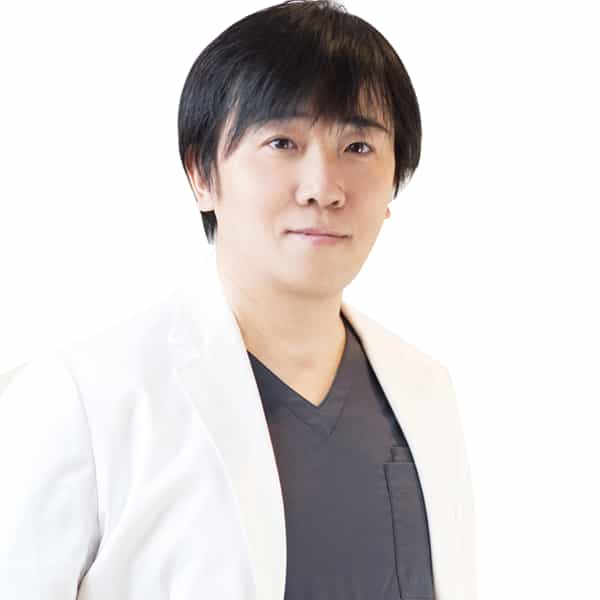
Yuichi Wakabayashi
Cell Grand Clinic – Japan’s Best Stem Cell Clinic
- Longevity Specialist
Osaka, Japan
世界をリードする規制
患者が日本を選ぶ主な理由は、安心感です。治療が規制されていない「無法地帯」のような市場とは異なり、日本は安全で効果的な細胞療法のための明確な法的道筋を提供しています。
政府の迅速承認制度は、患者の安全を厳格に保護しながらイノベーションを促進し、合法的な生物学的製剤を入手しているという安心感を提供します。
先進的なセル技術
日本は「細胞増殖」技術において卓越した能力を持っている。米国のクリニックでは、1回の施術で採取した細胞(SVF)しか使用できないことが多いのに対し、日本の研究所ではこれらの細胞を数百万個にまで増殖させることができる。
この高用量(多くの場合5000万~1億個の細胞)は、膝関節に対してより強力な抗炎症作用と再生作用をもたらします。
文化的な清潔さとサービス
日本人の衛生観念と正確さへのこだわりは伝説的だ。医療ツーリストは、クリニックの清潔な環境と細部への徹底した配慮にしばしば感銘を受ける。
さらに、「おもてなし」の文化は、患者へのサービスが非常に丁寧で、敬意を払い、きめ細やかなものであることを意味し、ストレスのない療養環境を作り出します。
PlacidWayは、日本における幹細胞治療をどのように支援できるのでしょうか?
言語や規制の壁があるため、日本の高度な医療システムを利用するのは容易ではありません。PlacidWayは、このギャップを埋め、東京と大阪にある外国人にも利用しやすい認定クリニックをご紹介します。
認可クリニックの確認
私たちは、保健省から再生医療に関する有効な認可を受けているクリニックのみと提携しており、無認可の業者による施術を避けることができます。
医療ビザサポート
私たちは、日本の医療滞在ビザの保証人として認可されたクリニックをご紹介し、治療のための長期滞在を円滑に進めるお手伝いをいたします。
翻訳サービス
私たちは、お客様が選択されたクリニックが専門的な医療通訳を提供し、お客様がご自身の診断と治療計画を完全に理解できるよう保証いたします。
遠隔診療
渡航前に、日本の専門医によるレントゲン写真やMRI画像の初期レビューを手配し、幹細胞治療の適格性を確認いたします。
物流調整
クリニック近くのホテルのおすすめから、2回の通院手順の説明まで、医療旅行の計画をお手伝いします。
透明性の高いコスト表示
当社では、処理手数料、医師の診察料、細胞バンクのオプションなどを含む詳細な見積もりをご提供いたしますので、このプレミアムセラピーの予算を正確に立てることができます。
革新の国、日本で、膝関節治療の未来を体験してください。今すぐPlacidWayにご連絡いただき、無料カウンセリングを受けて、日本で痛みのない動きへの第一歩を踏み出しましょう。
無料の個別見積もりを入手.png)

.png)














Share this listing