


.png)
Contents
일본 줄기세포 치료로 무릎 골관절염 통증을 줄이세요
일본은 재생의학 분야에서 세계 최고 수준을 자랑합니다. 2014년 획기적인 '재생의료 안전법' 제정 이후, 일본은 세포 치료에 있어 세계에서 가장 우호적이면서도 엄격한 규제 환경을 조성했습니다. 무릎 골관절염(OA)으로 고통받는 환자 중 인공관절 수술을 피하고 싶어하는 환자들에게 일본은 다른 나라에서는 접근이 어렵거나 제한적인 첨단 줄기세포 배양 프로토콜을 제공합니다.
도쿄, 오사카, 교토의 클리닉들은 환자 자신의 지방 조직에서 추출한 중간엽 줄기세포(MSC)를 활용합니다. 단순히 세포를 주입하는 시술과는 달리, 일본의 시술법은 종종 세포를 배양하는 과정을 거칩니다. 즉, 특수 실험실에서 수억 개에 달할 때까지 세포를 증식시킨 후 주입하는 것입니다. 이렇게 높은 효능을 가진 세포를 사용하여 염증을 최대한 줄이고 손상된 연골의 재생을 촉진합니다.
일본 의료 관광 은 '오모테나시'(진심 어린 환대)와 정밀함으로 정의됩니다. 첨단 실험실과 같은 시설에서 치료를 받게 되는데, 이곳에서는 안전과 무균 상태를 최우선으로 생각합니다. 개발도상국에 비해 비용이 높지만, 노벨상 수상 경력에 빛나는 과학자들의 연구를 바탕으로 정부 승인을 받은 규제된 치료를 받는 대가라고 생각하면 됩니다.
무릎 치료를 위해 일본을 선택한다는 것은 이동성 회복을 위한 노력에 있어 안전성, 과학적 신뢰성, 기술적 정교함의 최고 기준을 선택하는 것을 의미합니다.
알고 계셨나요?
일본은 2012년 유도만능줄기세포(iPS 세포) 발견으로 노벨상을 수상한 야마나카 신야 박사의 고향입니다. 이러한 과학적 유산은 일본 의료 문화 전반에 깊이 스며들어 있으며, 심지어 개인 병원에서도 세포 처리 및 품질 관리에 있어 연구 수준의 기준을 유지하고 있습니다.
핵심 요약
세포 치료를 제공하는 모든 클리닉은 후생노동성으로부터 특정 허가를 받아야 합니다.
일본의 프로토콜은 종종 무릎 하나당 1억 개 이상의 세포를 주입하기 위해 세포를 몇 주 동안 배양하는 과정을 포함합니다.
주된 목표는 침습적인 무릎 인공관절 수술(TKA)의 필요성을 지연시키거나 완전히 없애는 것입니다.
이 시술은 간단한 지방흡입(지방 채취)과 이후 주입으로 이루어지며, 입원이 필요하지 않습니다.
엄격한 관리 감독 덕분에 일본의 허가받은 시설에서는 감염과 같은 합병증이 극히 드뭅니다.
일본은 세계에서 가장 고령화된 인구를 가진 나라입니다. 이러한 치료법들은 특히 노인들이 활동적이고 거동이 자유로운 삶을 유지할 수 있도록 고안되었습니다.
미래를 위한 "세포은행"
일본의 많은 선진 클리닉에서는 "세포 은행" 서비스를 제공합니다. 줄기세포를 채취하여 배양한 후, 일부를 액체 질소에 냉동 보관하여 나중에 사용할 수 있습니다. 몇 년 후 무릎 통증이 재발하거나 다른 관절에 관절염이 발생하면 지방 흡입 수술을 다시 받을 필요 없이 간단히 주사를 맞기 위해 일본으로 돌아갈 수 있습니다.
일본의 의료 패키지는 꼼꼼한 서비스로 유명합니다. 일반적인 패키지에는 초기 상담(MRI 검토 포함), 지방 채취 시술, 세포 배양 과정(3~4주 소요), 그리고 최종 주사 시술이 포함됩니다. 고급 패키지에는 통역 서비스, 도쿄 또는 오사카 공항 픽업/샌딩 서비스, 필요한 경우 의료 비자 발급 지원 등이 추가될 수 있습니다.
참고: 세포 배양이 필요하기 때문에 이 치료를 받으려면 일반적으로 약 한 달 간격으로 두 번에 걸쳐 일본을 방문해야 합니다.
.png)
Price starting from $10,000
Stem Cell Therapy for Knee Osteoarthritis Package in Tokyo, Japan by HELENE Clinic
HELENE - Stem Cell Clinic
- Stem Cell Therapy
Tokyo, Japan
일본은 최고급 의료 서비스를 제공하는 국가로, 높은 규제 기준과 실험실 비용을 반영하여 가격이 책정됩니다. 양쪽 무릎에 대한 완전 배양 줄기세포 치료는 일반적으로 12,000달러에서 20,000달러 사이입니다. 다른 국가에 비해 다소 높은 가격이지만, 이 비용에는 높은 세포 생존율과 안전성을 보장하기 위해 필요한 광범위한 생물학적 처리 과정이 포함되어 있으며, 이는 일본 정부의 엄격한 감독을 받습니다.
팁: 향후 치료를 위해 여분의 세포를 냉동/보관하는 비용이 가격에 포함되어 있는지 문의하세요. 이는 장기적으로 상당한 가치를 더해줍니다.
Stem Cell Treatment for Knee Osteoarthritis Abroad Centers Cost Comparison in Japan
| Provider | Procedure | Price |
|---|---|---|
| HELENE - Stem Cell Clinic | Stem Cell Treatment for Knee Osteoarthritis Abroad, Stem Cell Therapy | $8000 |
Stem Cell Treatment for Knee Osteoarthritis Abroad Cost Comparison in Japan
| Country | Procedure | Price |
|---|---|---|
| United States | Stem Cell Treatment for Knee Osteoarthritis Abroad, Stem Cell Therapy | $35000 |
저희는 재생의료안전법에 따라 "2급" 또는 "3급" 허가를 보유한 도쿄 및 오사카의 엄선된 클리닉들과 협력하고 있습니다. 이러한 시설들은 일반 병원보다는 정형외과 생물학 전문 센터인 경우가 많습니다. 제약 제조 공장에 버금가는 청정실 기술을 갖춘 자체 세포처리센터(CPC)를 운영하고 있습니다. 아래 프로필을 검토하여 귀하의 필요에 맞는 클리닉을 찾아보세요.
안전 제일: 예약 전에 해당 클리닉의 고유한 보건부 허가 번호를 확인하십시오. 모든 합법적인 의료기관은 이 번호를 표시해야 합니다.

Cell Grand Clinic - Best Stem Cell Clinic in Japan
Osaka, Japan

HELENE - Stem Cell Clinic
Tokyo, Japan
무릎 수술을 위해 일본을 찾은 해외 환자들의 증언을 시청해 보세요. 많은 환자들이 금속 임플란트를 피할 수 있어 안도했고, 골프나 등산 같은 취미 생활을 다시 시작할 수 있게 되었다는 이야기를 들려줍니다. 환자들은 일본 의료진의 꼼꼼함, 청결한 시설, 그리고 수술 과정에 대한 자세한 설명에 대해 칭찬을 아끼지 않습니다.
팁: 치료 후 몇 달이 지나서 "보행 능력"이 향상되었다는 내용이 포함된 후기를 찾아보세요.
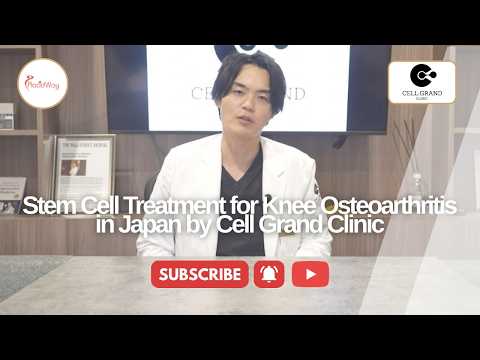


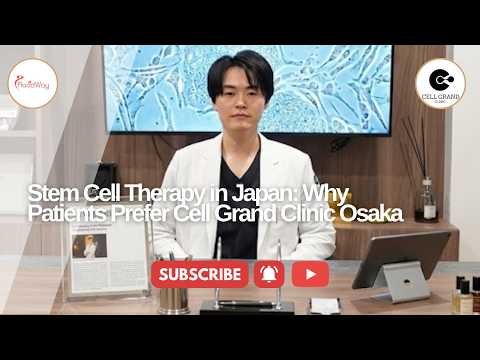
일본은 신뢰성 있는 문화 덕분에 환자 만족도에서 꾸준히 높은 순위를 차지하고 있습니다. 환자들의 후기를 보면 진료 과정이 "예상치 못한 일이 없다"는 점이 자주 언급됩니다. 진료 시간은 정확하게 지켜지고, 위생 상태는 흠잡을 데 없으며, 비용 또한 투명하게 공개됩니다. 언어 장벽이 문제가 될 수 있지만, 환자들은 의사와의 원활한 소통을 위해 통역사를 제공하는 병원을 추천합니다.
리뷰 팁: 지방흡입(지방 채취) 시술의 편안함에 대한 후기를 주의 깊게 살펴보세요.

How Effective is Stem Cell Therapy for Knee Osteoarthritis in Japan?
Stem cell therapy for knee osteoarthritis in Japan is highly effective, with success rates often reported between 80% and 90% for pain relief and functional improvement. Thanks to Japan's "Act on the Safety of Regenerative Medicine," clinics can legally expand cells to massive doses (over 100 million), providing superior results compared to countries with stricter cell-count limitations. If you are dealing with the grinding pain of knee osteoarthritis, you probably feel like your only options are painkillers that tear up your stomach or knee replacement surgery that puts you out of commission for months. But there is a third path that is drawing thousands of patients to Japan every year: regenerative medicine. Japan isn't just another medical tourism destination; it is arguably the world leader in stem cell regulation and technology. While other countries debate whether doctors can even "touch" your stem cells, Japan has established a government-backed framework that allows for high-dose, potent treatments designed to actually repair tissue rather than just mask the pain. In this guide, we are going to walk through everything you need to know—from the costs and the specific packages available to the recovery time—so you can decide if a trip to Osaka or Tokyo is the right move for your knees. What makes Japan a top destination for knee stem cell therapy? Japan is a top destination because of the Act on the Safety of Regenerative Medicine (ASRM), a law that allows clinics to culture and expand stem cells to high therapeutic numbers (100 million+) in regulated processing centers, ensuring a potency that is rarely available in the US or Europe. The "secret sauce" of Japan's success in this field comes down to legislation. In many Western countries, including the US, the FDA heavily restricts "manipulating" stem cells. This means doctors can usually only harvest your cells and inject them back immediately. The problem? You might only get 5 to 10 million cells, which often isn't enough to make a dent in severe arthritis. In contrast, Japan operates under the Act on the Safety of Regenerative Medicine. This law allows licensed clinics to take a small sample of your fat, send it to a specialized Ministry-approved lab (Cell Processing Center), and "culture" (grow) those cells over 3 to 4 weeks. The result is that when you return for your injection, you aren't getting 5 million cells—you are getting 100 million to 200 million highly active cells. This "cell count" is the most critical factor in effectiveness. More cells mean more anti-inflammatory signals and more "workers" available to help repair the damaged cartilage environment. It’s the difference between sending a small repair crew or an entire army to fix your knee. What is the cost of stem cell therapy for knees in Japan compared to other countries? Stem cell therapy for knees in Japan typically costs between $10,000 and $25,000 depending on the clinic and city. While premium clinics in Osaka may charge around $19,000, high-quality options in Tokyo like HELENE Clinic offer packages starting at approximately $10,000, making it competitive with Thailand ($8,000+) while offering superior regulatory oversight. Cost is a huge factor for anyone considering medical travel. While Japan is not the "cheapest" option on the map, it offers arguably the best value when you consider the quality and strict safety checks involved. In cheaper destinations, you might not be getting a guaranteed cell count, or the cells might not be tested for viability (how alive they are). Here is a breakdown of how Japan compares to other popular regions: Country Estimated Cost (USD) Key Differences Japan $10,000 – $25,000 High dose (100M+ cells), strictly regulated by government, high safety profile. USA $5,000 – $50,000+ Lower cost = low dose (unexpanded). High cost ($30k+) = usually expanded cells in grey-market clinics or trials. Thailand $8,000 – $15,000 Good medical tourism hub, but regulations on cell culturing vary more than in Japan. India $4,000 – $8,000 Most affordable, widely available, but heavy research is needed to verify lab quality. Mexico $5,000 – $15,000 Popular for US patients, offers expanded cells, but quality control is less standardized than Japan. When you pay for treatment in Japan, you are paying for the Cell Processing Center (CPC) costs—the high-tech lab work required to safely grow your cells to massive numbers without contamination. Which clinic offers the best stem cell package for knee osteoarthritis in Japan? Two top-rated clinics stand out: Cell Grand Clinic in Osaka for a premium, all-inclusive experience (approx. $19,200) and HELENE Clinic in Tokyo for exceptional value and accreditation (approx. $10,000). Both operate under strict government licenses and guarantee high cell counts. Choosing the right clinic is crucial. In Japan, you want a facility that holds a "Class II" or "Class III" regenerative medicine license. Here are the two top recommendations based on patient reviews and package value: 1. The Premium Choice: Cell Grand Clinic (Osaka) Package: Knee Osteoarthritis Regenerative Medicine Package For international patients who want a luxury medical experience with maximum potency, Cell Grand Clinic is a standout. Led by specialists like Dr. Yuichi Wakabayashi, they offer a rigorous protocol. Cost: Approx. $19,200 USD Key Feature: Guarantees 200 million viable cells. Inclusions: Consultation, minimally invasive fat harvesting, 3-4 week culture process, supernatant fluid injection (rich in growth factors), and post-care follow-up. 2. The Value & Tech Choice: HELENE Clinic (Tokyo) Package: Stem Cell Knee Treatment Japan Located in the upscale Minami-Aoyama district of Tokyo, HELENE Clinic is a powerhouse in the industry, holding over 20 official regenerative medicine licenses. Cost: Approx. $10,000 USD Key Feature: Exceptionally high safety standards with an in-house Cell Processing Center (CPC). Why choose them: They offer one of the most competitive prices for cultured stem cells in the developed world. Their package is perfect for patients who want world-class Tokyo medical care without the $20k+ price tag often seen elsewhere. Both clinics require a preliminary review of your MRI or X-rays to ensure you are a candidate before you travel. What types of stem cells are used for knee treatment in Japan? The most common type used is Autologous Adipose-Derived Mesenchymal Stem Cells (ADSCs) because fat tissue yields a high number of potent cells. Some advanced clinics also offer Synovium-Derived Stem Cells, which are harvested from the knee lining and have a strong ability to differentiate into cartilage. When you go to Japan, you will mostly hear about "Mesenchymal Stem Cells" (MSCs). These are the body's "general contractors" for repair. But where do they come from? 1. Adipose (Fat) Tissue: This is the gold standard in Japan right now. It is easy to harvest (a mini-liposuction from the belly), and fat contains 500 times more mesenchymal stem cells than bone marrow. Because they are your own cells ("autologous"), there is zero risk of rejection. 2. Synovium (Joint Lining): This is a cutting-edge option pioneered by Japanese universities (like Osaka University). Research suggests that cells taken from the synovium might be even better at turning into cartilage than fat cells. However, harvesting them requires a slightly more invasive procedure (arthroscopy) compared to fat harvesting, so Adipose remains the most popular choice for ease and comfort. Is stem cell therapy a safe alternative to knee replacement surgery? Yes, it is a safe alternative for many patients, specifically those with Grade 2 or 3 osteoarthritis. It avoids the risks of major surgery (like blood clots, infection, or implant failure) and preserves your natural knee anatomy, although it may not be effective for "bone-on-bone" (Grade 4) cases. Safety is the primary concern for anyone flying halfway across the world for medical care. The beauty of the Japanese system is the transparency. Under the ASRM law, every adverse event must be reported. Because the cells are your own (autologous), the risk of an allergic reaction or rejection is virtually non-existent. The main risks are minor and local: Swelling: Your knee might feel full or tight for a few days after the injection. Mild Pain: The harvesting site (stomach) might feel like a bruise. Compared to a Total Knee Replacement (TKR), the safety profile is vastly superior. A knee replacement is a major amputation of the joint ends and insertion of metal and plastic. It carries risks of deep vein thrombosis (DVT) and months of painful rehab. Stem cell therapy is a needle-based procedure. You walk in, and you walk out. How long does the recovery take after stem cell knee injections? Recovery is immediate for daily activities; patients typically walk out of the clinic on the same day. However, biological repair takes time—you may experience soreness for 3-5 days, with significant pain relief usually starting around the 4-week mark and continuing to improve for up to 6 months. One of the biggest selling points of this therapy is the "downtime"—or lack thereof. If you choose the Cell Grand Clinic package or similar options in Japan, here is what your timeline usually looks like: Day 1 (Harvesting): You might have some soreness in your abdomen from the fat collection, but you can walk and eat normally. Day of Injection (4 weeks later): The injection itself takes minutes. You are encouraged to rest the knee for 24-48 hours, but you do not need crutches or a wheelchair. Weeks 1-2: You might feel increased inflammation. This is actually a good sign—it means the cells are signaling a repair response. Month 1-3: This is when the "magic" happens. Patients often report a significant drop in pain scores (e.g., going from an 8/10 pain to a 3/10). Month 6+: Maximum benefit is usually reached. You can return to hiking, golf, or doubles tennis, though high-impact activities (like marathon running) might still be discouraged to protect the joint. Am I a good candidate for this treatment? The ideal candidate is someone with mild to moderate osteoarthritis (Kellgren-Lawrence Grade 2 or 3) who still has some cartilage remaining. Patients with severe Grade 4 "bone-on-bone" arthritis may see less benefit, though some still achieve pain relief; those with active cancer or severe infections are generally not candidates. Stem cells are powerful, but they aren't magic wands. They need a "scaffold" to work on. If your knee is completely bare of cartilage (Grade 4) and the bone is deformed, stem cells cannot rebuild the entire joint structure from scratch. In those cases, knee replacement might genuinely be the better option. However, if you have: Morning stiffness that loosens up Pain that gets worse with activity Visible cartilage on X-ray (even if it's thin) A desire to delay surgery for 5-10 years ...then you are likely an excellent candidate for the high-dose therapies available in Japan. Consultations with clinics like Cell Grand Clinic usually involve sending your X-rays or MRI scans ahead of time so the doctors can approve you before you book a flight. Ready to live without knee pain? Explore advanced options like the Knee Osteoarthritis Regenerative Medicine Package in Osaka and connect with world-class clinics today with PlacidWay Medical Tourism. Get a Free Quote & Treatment Plan Today
Malaysian Patients Prefer Osaka’s Ministry-Certified Knee Regeneration Protocols
Knee regeneration in Japan, especially in Osaka, offers Malaysian patients Ministry-certified stem cell protocols that are highly safe. Costs typically range from $15,000 to $25,000, providing advanced alternatives to total knee replacement surgery. Key Takeaways: Knee Regeneration in Osaka Regulatory Excellence: All procedures are strictly governed by the Japanese Ministry of Health under the Safety of Regenerative Medicine Act. Non-Surgical Alternative: Malaysian patients often choose this to avoid the long recovery and risks associated with total knee replacement. Advanced Lab Standards: Osaka hosts some of the world's most advanced Cell Processing Centers (CPC) with ISO-grade sterilization. High Success Rates: Clinical data from Japan shows significant pain reduction and cartilage improvement in over 85% of early-stage osteoarthritis patients. Why is knee regeneration in Japan becoming the top choice for Malaysians? Malaysian patients choose Japan due to the unmatched legal safety framework and the proximity of Osaka as a direct-flight destination. The protocols ensure the highest quality of autologous stem cells. The rise of medical tourism in Japan among Malaysians is driven by the search for safe, non-invasive alternatives to surgery. In Osaka, clinics follow the strict guidelines of the Act on the Safety of Regenerative Medicine, which provides a layer of consumer protection not found in many other medical destinations. This legal framework requires clinics to report all clinical outcomes and adverse effects directly to the government. Furthermore, the cultural synergy and high standards of Japanese hospitality appeal greatly to the Malaysian demographic. Patients from Kuala Lumpur or Penang find that the precision of a knee regeneration clinic in Japan aligns with their expectations for premium healthcare. The use of advanced imaging and automated cell counting ensures that every patient receives a standardized, potent dose of therapeutic cells. Cost-effectiveness also plays a role when considering the long-term benefits. While the initial investment might be higher than local options, the avoidance of repeat surgeries and the high quality of the cultured cells in Japanese labs often result in better long-term mobility, making it a preferred choice for the aging population in Malaysia. What is the typical knee regeneration cost in Japan for international patients? The knee regeneration cost in Japan usually ranges from $15,000 to $25,000 per knee. This includes the cell harvesting, culture process, and final injection under ultrasound guidance. The pricing for knee regeneration in Japan is transparent but reflects the high-tech nature of the treatment. The total cost is influenced by the number of cells being cultured—often reaching tens of millions for a single injection. Patients should be aware that the culture process itself takes about 3 to 4 weeks, which is the gold standard for achieving the necessary cell count for tissue repair. When comparing prices, Malaysian patients often look at the comprehensive nature of the Japanese quote. Unlike "bargain" destinations, a premium Osaka clinic includes pre-operative MRI analysis, specialized culture medium, and multiple post-operative follow-up teleconsultations. This ensures that the patient is not just buying an injection, but a managed recovery pathway. It is important to note that secondary booster injections, if required six months later, are often offered at a reduced rate. Patients are encouraged to request an all-inclusive medical tourism package that covers the 10% Japanese consumption tax and provides assistance with medical documentation for their local doctors in Malaysia. How does a knee regeneration clinic in Japan achieve Ministry certification? Certification requires a clinic to pass a review by a Certified Regenerative Medicine Committee and obtain final approval from the Ministry of Health. This process validates the safety and efficacy of their cell protocols. A certified knee regeneration clinic in Japan must adhere to the GCTP (Good Gene, Cellular, and Tissue-based Products Manufacturing Practice) standards. This means their laboratory environments must be strictly controlled to prevent contamination. For Malaysian patients, this certification is the ultimate "peace of mind" badge, ensuring they are not receiving unproven or dangerous "street" stem cells. The Ministry of Health also monitors the background of the medical directors. Surgeons and specialists in these clinics typically have extensive backgrounds in orthopedics and regenerative science. They are required to undergo continuous medical education to maintain their status, ensuring that the techniques used—such as PRP-assisted stem cell delivery—are based on the latest clinical evidence. Finally, the certification includes a mandate for transparency. Clinics must provide patients with detailed informed consent documents, often available in multiple languages, explaining the source of the cells, the culture methodology, and the realistic expected outcomes. This transparency is a hallmark of the Japanese medical system. What specific protocols are used for knee regeneration in Osaka? Osaka clinics primarily use Adipose-Derived Mesenchymal Stem Cells (ADSCs) which are cultured to high concentrations. The protocol often involves a 'Scaffold-Free' injection technique for maximum tissue integration. The "Osaka Protocol" for knee regeneration in Japan is famous for its precision. It begins with a mini-liposuction procedure, usually from the abdomen, to collect a small amount of fat tissue. This tissue is then sent to a high-tech lab where the Mesenchymal Stem Cells are isolated and expanded over a 21-day period. This expansion is critical, as millions of cells are needed to stimulate the body's natural cartilage repair mechanism. Once the cells are ready, the patient returns for the injection. Unlike standard injections, Japanese doctors use high-resolution ultrasound guidance to ensure the cells are delivered exactly into the damaged area of the meniscus or the cartilage defect. This "target-specific" approach minimizes cell waste and maximizes the regenerative signal sent to the surrounding tissues. Post-injection, clinics often utilize Platelet-Rich Plasma (PRP) as a natural growth factor "booster." This combination therapy helps the newly injected stem cells survive and begin the differentiation process into new chondrocytes (cartilage cells). This comprehensive biological approach is why Japan maintains such high patient satisfaction rates. Are there did you know facts about medical tourism in Japan for Malaysians? Did You Know? Osaka is known as the "Nation's Kitchen" in Japan. Many Malaysian medical tourists find the local diet—rich in Omega-3 from fresh fish and anti-inflammatory green teas—to be the perfect natural supplement for their knee recovery journey. Furthermore, the Kansai region (Osaka/Kyoto) has a higher density of Ministry-certified regenerative centers than any other part of Asia. What is the success rate for knee regeneration in Japan? Clinical studies from leading Osaka institutions report that 85% to 90% of patients experience significant pain reduction within 3 months. MRI scans often show visible cartilage thickening after one year. The success of knee regeneration in Japan is measured both subjectively (pain scales) and objectively (MRI imaging). For many Malaysians, the ability to return to daily activities like walking through shopping malls or performing religious prayers without pain is the ultimate success metric. Japanese protocols are specifically designed to treat Grade 2 and Grade 3 osteoarthritis, where some cartilage still remains to act as a foundation for the stem cells. Factors that influence success include age, weight, and the severity of the joint misalignment. Japanese doctors are very honest; if they believe the knee is too far gone for regeneration (Grade 4), they will not recommend the procedure. This medical integrity ensures that the success rates of those who do undergo the treatment remain exceptionally high. Long-term data from Japan suggests that the regenerative effects can last for 3 to 5 years, with some patients maintaining benefits even longer. This makes the knee regeneration cost in Japan a worthwhile investment for those looking to delay or completely avoid the hardware and complications of an artificial joint. How does Osaka's climate affect recovery for Malaysian patients? The moderate climate of Osaka, particularly in Spring and Autumn, is ideal for recovery. Avoid the humid summer months if you have sensitive joints that react to pressure changes. For Malaysians accustomed to tropical heat, the cooler air of Osaka in April or October can actually help reduce post-procedural swelling. Cold therapy is a common part of the "Osaka Protocol," and the natural environment supports this. However, patients should be mindful of the walking required in Japanese cities. While medical tourism in Japan is well-supported by public transport, those in the early stages of recovery should utilize the city's efficient and clean taxi services. Humidity and atmospheric pressure can affect joint pain. Many patients report that the lower humidity in Japan compared to Malaysia makes their joints feel "lighter" during the recovery phase. It is recommended to bring light layers of clothing to manage the temperature transitions between the ultra-modern clinics and the outdoor air. The psychological aspect of recovery is also enhanced by the serene environment of Osaka. Whether it is a quiet stroll through Utsubo Park or a visit to the Sumiyoshi Taisha shrine, the low-stress environment of Japan contributes significantly to the overall healing process. What are the risks involved in knee regeneration in Japan? Risks are minimal since the treatment uses your own cells. Potential minor issues include temporary swelling at the injection site or bruising from the fat harvesting site. The primary safety advantage of a knee regeneration clinic in Japan is the use of autologous cells. Because the cells are yours, there is zero risk of allergic reaction or rejection. The "safety act" mentioned earlier also ensures that all reagents used in the culture process are of pharmaceutical grade and free from animal-derived contaminants. The harvesting process is a minor surgical procedure performed under local anesthesia. While some bruising is expected, serious complications are extremely rare. The injection into the knee carries the standard minimal risk of infection associated with any joint injection, but the sterile standards of Japanese operating rooms make this statistically negligible. Malaysian patients are advised to disclose all current medications, especially blood thinners, during their initial consultation. The Japanese medical team will provide a specific protocol for pausing and restarting medications to ensure the safest possible experience during the cell harvest and injection phases. Why Choose PlacidWay for Knee Regeneration in Japan? PlacidWay provides a secure bridge between Malaysian patients and Japan's elite certified clinics, ensuring a seamless, safe, and transparent medical journey. Organizing medical tourism in Japan requires careful coordination, especially when dealing with the time-sensitive nature of cell culture. PlacidWay simplifies this by handling the complex communication and verification tasks for you. Here is why PlacidWay is the preferred partner for Malaysians: Ministry Verification: We only partner with Osaka clinics that hold active permits from the Japanese Ministry of Health, protecting you from uncertified operators. Multilingual Support: We facilitate communication with the Japanese medical teams, ensuring that your medical history from Malaysia is correctly translated and understood by the specialists. Transparent Pricing: We ensure that the knee regeneration cost in Japan presented to you is all-inclusive, with no hidden laboratory or administrative fees. Post-Op Care Coordination: Our team helps schedule your follow-up virtual appointments, ensuring that the Japanese doctors can monitor your progress once you return to Malaysia. Concierge Expertise: We understand the nuances of medical travel from KL to Osaka, helping you select clinics located near accessible transportation and recovery-friendly accommodation. Frequently Asked Questions About Knee Regeneration in Japan Do Malaysian citizens need a medical visa for knee regeneration in Osaka? Malaysian passport holders currently enjoy visa-free entry to Japan for short-term stays up to 90 days. For regenerative treatments which usually require only a few days of clinical presence, a standard tourist entry is sufficient. However, if complications arise or if you plan an extended recovery of over three months, a specific Medical Stay Visa should be discussed with the clinic and the Japanese Embassy in Kuala Lumpur. How does the Japanese Ministry of Health regulate stem cell clinics in Osaka? The Japanese Ministry of Health, Labour and Welfare (MHLW) enforces the Act on the Safety of Regenerative Medicine. Every knee regeneration clinic in Japan must submit a detailed 'Regenerative Medicine Provision Plan' to a certified committee. Only after rigorous review of their cell processing facility and clinical protocols do they receive an official permit number, which must be publicly displayed. Are there direct flights from Kuala Lumpur to Osaka for medical tourists? Yes, AirAsia X and Malaysia Airlines offer direct flights from Kuala Lumpur (KUL) to Osaka (KIX). The flight time is approximately 6 to 7 hours. This accessibility is a primary reason why medical tourism in Japan is thriving among Malaysians, as it minimizes travel stress on painful knee joints compared to long-haul flights to Europe or the US. Is the knee regeneration cost in Japan covered by Malaysian health insurance? Most standard Malaysian private health insurance policies do not cover elective regenerative treatments performed abroad. However, some premium international health plans or specific medical tourism insurance riders may offer partial reimbursement. It is essential to check with your provider and request a detailed itemized quote from the Osaka clinic for your claim submission. What is the primary language used in Osaka clinics for international patients? While Japanese is the primary language, top-tier clinics in Osaka catering to international patients provide professional medical translators, often fluent in English or Malay. Many doctors in these certified facilities have trained internationally and speak English well. When booking through a facilitator, dedicated interpretation services are usually included in the package. How long after the procedure can I fly back to Malaysia? For minimally invasive knee regeneration in Japan, patients are typically advised to wait 3 to 5 days before boarding a long-haul flight. This window allows the medical team to monitor for any immediate adverse reactions and ensures that the initial inflammatory response has stabilized. Compression stockings and frequent in-flight movement are recommended for the return journey. Are the stem cells used in Osaka autologous or donor-based? The vast majority of certified knee regeneration protocols in Osaka utilize autologous adipose-derived or bone marrow-derived mesenchymal stem cells. This means the cells are harvested from your own body, significantly reducing the risk of rejection or ethical concerns. This personalized approach is a cornerstone of regenerative medicine in Japan. What happens if the knee regeneration treatment does not work? While regenerative therapies have high success rates for early to mid-stage osteoarthritis, results vary by individual. Certified clinics provide a thorough pre-screening to ensure you are a good candidate. If the primary treatment does not yield expected results, the medical team will offer follow-up consultations to discuss secondary booster injections or traditional orthopedic alternatives. Can I travel to other cities like Kyoto during my recovery in Osaka? Kyoto is only 30 minutes from Osaka by train, making it a popular side trip for medical tourists. However, during the first week of recovery, strenuous walking is discouraged. It is better to use taxis or private car services if you wish to sightsee. Many patients prefer to experience the 'omotenashi' (hospitality) of Osaka's local culture while resting. Are Japanese regenerative protocols safer than those in other Asian countries? Japan was the first country in the world to establish a comprehensive legal framework specifically for regenerative medicine. This early adoption of strict safety standards, combined with advanced laboratory technology, makes Japan a global leader. The transparency of the Ministry-certified list provides a level of security that is often unmatched in regions with looser regulations. Regain Your Mobility with Osaka's Elite Protocols Stop letting knee pain dictate your life. Connect with Japan’s leading Ministry-certified regenerative specialists through PlacidWay. Get your free medical consultation, explore personalized treatment plans, and join the thousands of Malaysian patients who have successfully avoided surgery through Japanese innovation. Get Your Free Osaka Quote * Personalized support for Malaysian patients. Confidentiality assured.
What is the success rate of stem cell therapy for severe knee osteoarthritis in Osaka?
Stem cell therapy for severe knee osteoarthritis in Osaka shows a success rate of 70 to 85 percent in reducing pain and improving mobility. Results depend on cartilage degradation severity, cell count used, and the patients overall health profile. Key Takeaways: Regenerative Knee Treatment High Efficacy: The majority of patients report significant reductions in chronic knee pain within three to six months. Surgery Alternative: Provides a minimally invasive option for those wanting to delay or avoid total knee replacement. Strict Safety Laws: Japanese medical authorities rigorously regulate cell processing to ensure maximum sterility and patient safety. Autologous Cells: Treatments primarily use the patients own biological material, eliminating the risk of tissue rejection. Advanced Technology: Osaka facilities utilize state-of-the-art cell culture expansion to deliver millions of potent healing cells. How Does Stem Cell Therapy Work For Severe Knee Osteoarthritis? The treatment works by injecting concentrated mesenchymal regenerative cells directly into the damaged knee joint. These cells act as biological repairmen, aggressively reducing chronic inflammation and signaling the body to rebuild worn cartilage. Severe osteoarthritis occurs when the protective cartilage at the ends of your bones wears away entirely, leading to bone-on-bone friction, immense pain, and severe joint stiffness. Traditional conservative treatments merely mask this pain, but regenerative medicine attacks the root cause. Once introduced into the synovial fluid of the knee capsule, the stem cells adhere to the damaged intra-articular surfaces and begin a complex biological modulation process. Firstly, these powerful cells secrete specific cytokines and growth factors that rapidly turn off the inflammatory response destroying the joint. By transforming the harsh, toxic environment of an arthritic knee into a healing environment, patients experience dramatic pain relief. This anti-inflammatory action is often felt within the first few weeks following the therapeutic injection. Secondly, through paracrine signaling, the injected cells stimulate the patients surviving cartilage cells, known as chondrocytes, to start proliferating and producing fresh extracellular matrix. Over the course of several months, this mechanism thickens the remaining cartilage layer, improves joint lubrication, and restores the structural integrity of the knee, allowing patients to regain their active lifestyles without invasive metal implants. Did You Know? The cells used in these advanced orthopedic treatments are known as Mesenchymal Stem Cells. They possess a unique property called homing, meaning they naturally detect signals of tissue damage and migrate precisely to the micro-fractures and cartilage defects inside your knee to begin targeted repair. What Is The Average Stem Cell Therapy Cost In Japan Compared To Other Countries? The average stem cell therapy cost in Japan ranges from $12,000 to $20,000 for a comprehensive culture-expanded protocol. This pricing is highly competitive when compared to the inflated medical costs found in Western healthcare systems. Transparent Laboratory Fees: A significant portion of the cost covers the specialized laboratory work. Japanese clinics utilize highly regulated clean rooms to culture millions of cells over several weeks, ensuring you receive a massive, therapeutic dose rather than a simple same-day extraction. Avoiding Western Markups: In the United States, identical culture-expanded procedures are often prohibited or face immense regulatory hurdles, forcing patients to seek alternative treatments that can exceed thirty thousand dollars when facility fees and specialist markups are applied. All-Inclusive Medical Tourism Packages: Many facilities in Osaka offer bundled pricing for international patients. These carefully structured packages typically include initial consultations, MRI reviews, cell extraction, laboratory expansion, the final joint injection, and necessary translator services. Long-Term Cost Efficiency: While the upfront investment is considerable, regenerative medicine often negates the need for highly expensive total knee replacement surgeries, extended physical therapy, and years of prescription pain medications, making it a sound long-term health investment. Favorable Exchange Rates: Medical tourists currently benefit from highly favorable currency exchange rates against the Japanese Yen. This economic advantage significantly lowers the out-of-pocket burden for patients traveling from North America or Europe. Country Treatment Type Estimated Cost (USD) United States Basic Same-Day Spin (No Culture) $5,000 - $10,000 European Union Culture-Expanded Procedure $18,000 - $25,000 Japan (Osaka) High-Dose Culture-Expanded $12,000 - $20,000 Who Is The Ideal Candidate For A Stem Cell Clinic In Japan? The optimal candidate for a stem cell clinic in Japan is an individual suffering from moderate to severe degenerative joint disease who has exhausted standard physical therapy and non-surgical interventions. Grade Two to Three Osteoarthritis: Patients showing noticeable cartilage thinning, joint space narrowing, and the formation of bone spurs on their MRI scans respond exceptionally well. There is still enough cellular matrix remaining for the newly introduced cells to attach to and stimulate. Those Refusing Knee Replacement: Many individuals are considered too young for a joint replacement due to the limited lifespan of artificial hardware, while others simply wish to avoid the painful surgical recovery, intense rehabilitation, and risks associated with major invasive surgery. Failed Corticosteroid Dependency: Patients who have relied on repeated cortisone injections for pain management often find diminishing returns. Regenerative treatments offer a structural solution rather than just masking the inflammation temporarily, freeing patients from the damaging cycle of steroid dependency. Generally Healthy Individuals: Candidates should not have active cancers, widespread systemic infections, or severe bleeding disorders. A robust underlying immune system ensures that the extracted biological material is healthy enough to multiply effectively in the laboratory. Chronic Joint Pain Sufferers: Individuals whose daily activities, such as climbing stairs, taking long walks, or participating in recreational sports, are severely limited by constant, agonizing knee stiffness and swelling make excellent candidates for this restorative intervention. What Types Of Stem Cells Are Utilized For Knee Osteoarthritis In Osaka? Medical facilities in Osaka primarily utilize Autologous Adipose-Derived Mesenchymal Stem Cells for severe knee osteoarthritis. These are harvested from the patients own abdominal fat tissue, ensuring high potency and zero risk of immune rejection. Adipose tissue, commonly known as body fat, is incredibly rich in regenerative cells. Compared to bone marrow extraction, harvesting fat from the abdominal or thigh area is significantly less painful, requires only a localized anesthetic, and yields a substantially higher initial volume of viable mesenchymal cells. This minimally invasive liposuction procedure takes less than an hour and leaves minimal scarring. Once the fat tissue is harvested, the magic happens inside highly regulated Japanese laboratories. Instead of simply spinning the fat in a centrifuge and injecting it immediately, specialized technicians isolate the purest regenerative cells and place them in a specialized culture medium. Over three to four weeks, these cells multiply into the tens of millions. This culture-expansion phase is the critical difference between basic therapies and advanced regenerative medicine. By injecting an exponentially higher number of cells than what is naturally found in a standard tissue sample, the doctor delivers a massive, overwhelming biological response directly to the damaged knee joint, maximizing the potential for profound cartilage repair and sustained pain relief. Expert Insight The superior outcomes seen in Osaka are directly correlated to the stringent cell culturing protocols. By allowing the autologous biomaterial to replicate in a controlled, sterile environment, doctors can deliver up to one hundred million highly active cells per joint, a dosage that is scientifically proven to halt osteoarthritic progression. How Long Does The Recovery Process Take After Receiving Stem Cell Injections? The initial recovery involves mild soreness lasting three to five days, but the biological repair process spans several months. Patients typically begin noticing substantial improvements in pain reduction and mobility around the four to six-week mark. The beauty of this advanced procedure is the lack of a harsh surgical recovery period. Immediately following the joint injection, patients are provided with a supportive knee brace and are encouraged to walk lightly. During the first forty-eight hours, it is entirely normal to experience a sensation of fullness or mild pressure in the knee capsule as the concentrated fluid settles into the joint space. For the first month, physicians strongly advise against high-impact activities such as jogging, heavy weightlifting, or deep squats. The newly introduced cells need a stable, calm environment to successfully adhere to the degraded cartilage matrix. Patients are encouraged to perform gentle, low-impact movements like swimming or stationary cycling to promote healthy blood flow without overstressing the healing tissues. Between three and six months post-injection, the regenerative effects peak. During this phase, the reduction in localized inflammation is profound, and structural repairs within the joint become clinically evident. Patients who previously struggled with daily stairs or walking long distances often report returning to their favorite activities, experiencing a dramatic enhancement in their overall quality of life. Are The Results Of Stem Cell Therapy For Knee Osteoarthritis In Japan Permanent? While stem cell therapy for knee osteoarthritis in Japan cannot halt the natural human aging process entirely, the therapeutic benefits are exceptionally long-lasting, with most patients experiencing profound relief for three to five years or longer. It is essential to understand that osteoarthritis is a progressive degenerative disease. The regenerative cells do a remarkable job of turning back the clock, rebuilding lost tissue, and suppressing the inflammatory chemicals that cause joint degradation. For many patients with moderate arthritis, a single successful treatment protocol can effectively stabilize the knee joint for many years, completely averting the need for a metallic knee replacement. The longevity of the results heavily depends on the individual patients postoperative lifestyle. Those who maintain a healthy body mass index, engage in regular low-impact strengthening exercises for their quadriceps and hamstrings, and consume an anti-inflammatory diet enjoy the longest-lasting outcomes. Protecting the newly rejuvenated cartilage from excessive biomechanical stress is vital for enduring success. Furthermore, because the procedure utilizes your own biological material, it can be safely repeated in the future if joint pain slowly begins to return after several years. Unlike cortisone injections, which actively destroy cartilage with repeated use, periodic cellular booster treatments continue to enhance and preserve joint health without inflicting any structural damage to the knee. How Is Patient Safety Regulated For Regenerative Medicine In Osaka? Japan enforces one of the most rigorous legal frameworks globally for regenerative medicine. Clinics must pass strict governmental inspections and adhere to the Act on the Safety of Regenerative Medicine before treating any patients. The Japanese Ministry of Health, Labour and Welfare mandates that all cellular therapies be heavily scrutinized by independent ethical review boards. This ensures that every step of the process, from the initial fat harvesting to the complex laboratory cell expansion, meets identical sterility and safety standards as major pharmaceutical manufacturing facilities. Facilities like the renowned Cell Grand Clinic in Osaka, Japan, demonstrate these strict compliance measures. Many international patients prefer booking an advanced stem cell therapy clinic in Japan that adheres to these rigorous governmental protocols, knowing that their biological material is handled by highly specialized scientists in certified cleanrooms. This unparalleled level of government oversight completely eliminates the risks associated with unregulated shadow clinics found in other parts of the world. By legally restricting cell manipulation to certified laboratories and holding physicians accountable to national medical standards, Osaka provides a sanctuary of safety, hygiene, and scientific excellence for medical tourists seeking orthopedic relief. What Makes Medical Tourism In Japan Ideal For Orthopedic Treatments? Engaging in medical tourism in Japan offers an unmatched combination of cutting-edge biotechnology, world-renowned clinical hygiene, and deeply ingrained cultural hospitality, creating a stress-free environment for orthopedic healing. Pioneers in Cellular Science: Japan is globally recognized as the birthplace of modern advanced cellular research. The nation boasts numerous Nobel laureates in medicine, and its medical infrastructure is entirely structured around integrating these scientific breakthroughs directly into patient care. Immaculate Clinical Hygiene: Japanese medical facilities are famous for their obsessive dedication to cleanliness and infection control. This cultural priority ensures that the risk of hospital-acquired infections during your minimally invasive joint procedure is statistically close to zero. The Concept of Omotenashi: This unique Japanese philosophy of selfless hospitality translates directly into healthcare. International patients experience extraordinary levels of compassion, meticulous attention to detail, and a deeply personalized bedside manner from all medical staff. Seamless Technology Integration: From the moment of diagnosis using the highest resolution MRI scanners to the precision ultrasound-guided joint injections, patients benefit from flawless technological execution that maximizes the accuracy and effectiveness of the regenerative treatment. A Serene Healing Environment: Osaka provides a unique blend of modern convenience and historical tranquility. Patients can recover in a perfectly safe city, enjoying highly nutritious, anti-inflammatory Japanese cuisine, which organically supports the bodys internal healing mechanisms. Why Choose PlacidWay For Your Regenerative Knee Treatment Journey? PlacidWay serves as your premier global healthcare advocate, meticulously connecting you with highly vetted, board-certified specialists in Osaka while ensuring complete transparency and unwavering patient support throughout your medical journey. Rigorous Facility Vetting: We eliminate the guesswork and anxiety from international healthcare by exclusively partnering with fully licensed, government-certified medical centers that possess an impeccable track record in advanced cellular orthopedics. Complete Financial Transparency: Medical billing across borders can be confusing. PlacidWay negotiates comprehensive, all-inclusive treatment packages so you receive a clear, upfront cost breakdown, entirely avoiding hidden medical fees or unexpected laboratory charges. Seamless Medical Coordination: Our dedicated case managers facilitate the secure transfer of your localized MRI scans and medical history directly to the Japanese orthopedic specialists, ensuring your exact candidacy is confirmed long before you make any commitments. Dedicated Patient Advocacy: You are never alone during your healthcare journey. Our multilingual support team is constantly available to bridge any communication gaps, translating complex medical terminology so you feel completely empowered and informed. Structured Post-Treatment Follow-up: Our commitment to your health does not end when you leave the clinic. We assist in scheduling remote follow-up consultations with your treating physician to meticulously monitor your joint recovery and ensure optimal long-term outcomes. Frequently Asked Questions Is stem cell therapy painful when injected into the knee? The procedure involves minimal discomfort. Local anesthesia is applied to the knee before the injection, making the process highly tolerable. Patients might experience mild soreness or a feeling of fullness in the joint for a few days after the procedure, which subsides naturally. Can stem cells completely rebuild lost knee cartilage? While stem cells have remarkable regenerative properties, they do not magically regrow an entirely new knee joint. Instead, they repair damaged tissues, significantly reduce harmful joint inflammation, and improve the existing cartilage matrix, which dramatically relieves pain and restores mobility. How many stem cell injections are needed for severe osteoarthritis? Most protocols in Osaka involve a single, high-dose injection of millions of cultured stem cells. Because the cells are expanded in a laboratory to reach an optimal therapeutic volume, one comprehensive administration is typically sufficient for long-term relief. What is the difference between PRP and stem cell therapy for knees? Platelet-Rich Plasma uses growth factors from your blood to stimulate healing, which works well for mild injuries. Stem cell therapy utilizes powerful undifferentiated cells extracted from fat or bone marrow that can actively modulate the immune system and regenerate joint tissues, making it far more effective for severe degradation. Are there any age limits for receiving regenerative knee treatments in Osaka? There is no strict upper age limit. Candidacy is determined by overall health rather than chronological age. Many patients in their seventies and eighties successfully undergo this minimally invasive treatment, provided they do not have active infections or severe underlying systemic diseases. Do international insurance plans cover regenerative medicine in Japan? Currently, most international health insurance providers classify regenerative cell therapies as elective or experimental procedures, meaning they are typically out-of-pocket expenses. Patients should review their specific policies, but they should expect to fund the treatment privately. How soon can I walk normally after a knee stem cell procedure? Patients can usually walk out of the clinic on the same day. However, doctors advise limiting strenuous weight-bearing activities and extensive walking for the first two to four weeks to allow the injected cells to attach to the cartilage matrix and begin the healing process. What are the potential side effects of cultured stem cell injections? Because the treatment uses autologous cells derived from your own body, the risk of rejection or allergic reaction is virtually zero. The most common side effects are temporary localized swelling, mild stiffness, or slight bruising at the injection site, all of which resolve within a week. Can I receive stem cell treatment in both knees at the same time? Yes, treating bilateral knee osteoarthritis simultaneously is very common and highly recommended. Since the cellular extraction and culturing process yields a massive number of cells, the laboratory can easily prepare sufficient doses to inject into both knees during the same appointment. How long do I need to stay in Osaka for the entire treatment protocol? If utilizing a culture-expansion protocol, two trips are usually required. The first trip lasts about three days for the initial consultation and fat extraction. After the cells multiply in the lab over three to four weeks, a second trip of three to four days is needed for the final joint injection. Start Your Joint Healing Journey in Japan Today Do not let severe knee pain dictate your life or push you toward unwanted invasive surgery. PlacidWay connects you with Japans most elite, government-accredited regenerative specialists. Get a free, no-obligation assessment of your MRI and discover if advanced cellular therapy is the right solution for you. Get Your Free Medical Quote * Secure and confidential process. Responses typically within 24 hours.
일본에서 재생의학은 하나의 독립적인 전문 분야입니다. 저희는 정형외과 전문의일 뿐만 아니라 세포 치료 자격증을 소지한 의사들과 여러분을 연결해 드립니다. 이 전문가들은 후생성에서 의무화한 세포 제품 취급 및 투여 관련 특별 교육을 이수했습니다. 이들의 전문성을 통해 세포를 관절강 내에 정확하게 전달하여 최대의 효과를 얻을 수 있습니다.
면허를 소지한 재생의학 전문의
보건부 인증
저희 전문의들은 2급(지방유래 줄기세포) 재생 치료를 시행할 수 있는 특정 자격증을 보유하고 있습니다. 이 인증은 매우 엄격하며, 의사가 일본의 최신 안전 프로토콜 및 생명윤리 규정을 준수하고 있음을 보장합니다.
정형외과 의사
관절 역학 전문가
많은 의료진은 정형외과 전문의 자격증을 소지하고 생물학적 치료로 전향한 전문가들입니다. 이러한 이중 전문성은 매우 중요합니다. 이들은 무릎 정렬 상태에 기계적 교정(예: 절골술)과 줄기세포 치료가 함께 필요한지, 아니면 생물학적 치료만으로 충분한지 정확하게 평가할 수 있습니다.
학계 리더들
대학 소속 연구원
일본은 연구에 중점을 두는 국가이기 때문에 많은 개인 병원 의사들이 도쿄대학교나 교토대학교와 같은 명문 대학과 연계되어 있습니다. 이들은 임상 시험에 참여하여 환자들이 연골 재생 분야의 최신 학문적 연구 결과를 활용할 수 있도록 합니다.

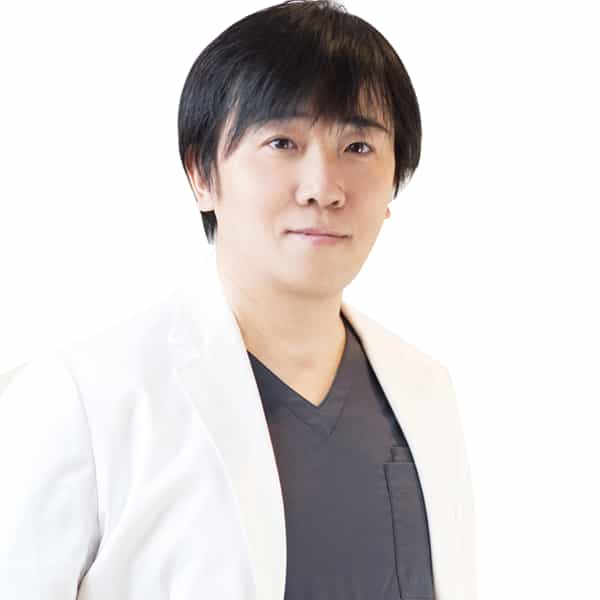
Yuichi Wakabayashi
Cell Grand Clinic – Japan’s Best Stem Cell Clinic
- Longevity Specialist
Osaka, Japan
세계 최고 수준의 규제
환자들이 일본을 선택하는 주된 이유는 신뢰입니다. 치료법이 제대로 규제되지 않는 "무법천지" 시장과는 달리, 일본은 안전하고 효과적인 세포 치료를 위한 명확한 법적 경로를 제공합니다.
정부의 신속 승인 시스템은 혁신을 장려하는 동시에 환자의 안전을 엄격하게 보호하여, 합법적인 생물학적 제제를 사용하고 있다는 확신을 드립니다.
첨단 세포 기술
일본은 세포 증식 기술에서 탁월한 성과를 보이고 있습니다. 미국 병원에서는 종종 한 번의 시술로 채취한 세포(SVF)만을 사용할 수밖에 없는 반면, 일본 연구소에서는 이러한 세포를 수백만 개로 증식시킬 수 있습니다.
이처럼 더 높은 용량(일반적으로 5천만~1억 개의 세포)은 무릎 관절에 훨씬 더 강력한 항염증 및 재생 신호를 전달합니다.
문화적 청결 및 서비스
일본인들의 위생과 정확성에 대한 헌신은 전설적입니다. 의료 관광객들은 종종 병원의 흠잡을 데 없는 환경과 세심한 배려에 깊은 인상을 받습니다.
또한, "오모테나시" 문화는 환자에게 매우 정중하고 존중하며 세심한 서비스를 제공하여 스트레스 없는 치료 환경을 조성하는 것을 의미합니다.
플래시드웨이는 일본에서 줄기세포 치료를 어떻게 지원할 수 있을까요?
일본의 선진 의료 시스템을 이용하는 것은 언어 및 규제 장벽으로 인해 어려울 수 있습니다. 플래시드웨이는 이러한 어려움을 해소하여 도쿄와 오사카에 있는 외국인 친화적인 인증 병원들을 연결해 드립니다.
면허를 취득한 진료소 확인
저희는 재생 의학 분야에 대해 보건부의 유효한 면허를 보유한 클리닉과만 협력하여, 규제받지 않는 의료기관을 피할 수 있도록 보장합니다.
의료 비자 지원
저희는 일본 의료 체류 비자 보증인 역할을 할 수 있는 공인 병원과 연결해 드려 치료를 위한 장기 체류를 도와드립니다.
번역 서비스
저희는 귀하께서 선택하신 병원에서 전문적인 의료 통역 서비스를 제공받으실 수 있도록 보장하여, 진단 및 치료 계획을 완벽하게 이해하실 수 있도록 도와드립니다.
원격 진료
저희는 환자분께서 출국하시기 전에 일본 전문의가 환자분의 엑스레이 및 MRI 영상을 초기 검토하여 줄기세포 치료 적합성을 확인해 드릴 수 있도록 지원합니다.
물류 조정
병원 근처 호텔 추천부터 2회 방문 진료 절차 설명까지, 의료 여행 계획 수립에 필요한 모든 사항을 도와드립니다.
투명한 비용 책정
저희는 처리 수수료, 의사 진료비, 세포 보관 옵션 등을 포함한 상세한 견적을 제공하여 고객님께서 이 프리미엄 치료에 대한 예산을 정확하게 책정하실 수 있도록 도와드립니다.
혁신의 나라 일본에서 무릎 수술의 미래를 경험해 보세요. 지금 바로 플래시드웨이에 연락하여 무료 상담을 받고 일본에서 통증 없는 움직임을 되찾는 여정을 시작하세요.
무료 맞춤 견적을 받아보세요.png)

.png)













Share this listing