


Contents
Restore Shoulder Function with Rotator Cuff Repair in Tijuana
Shoulder injuries can significantly affect daily activities, athletic performance, and overall quality of life. Rotator Cuff Repair in Tijuana Mexico is a commonly performed orthopedic procedure designed to repair torn shoulder tendons, restore stability, and improve shoulder function through modern surgical techniques and personalized rehabilitation plans.
When considering Rotator Cuff Repair in Tijuana Mexico, patients have access to experienced orthopedic specialists who provide comprehensive evaluations and individualized treatment plans. Shoulder Tendon Surgery in Tijuana may involve minimally invasive techniques that aim to reduce tissue damage, minimize discomfort, and support a smoother recovery process.
Orthopedic Shoulder Surgery in Mexico continues to advance with the widespread use of arthroscopic technology, allowing surgeons to diagnose and repair damaged tendons with greater precision. Many patients seeking Shoulder Injury Treatment in Tijuana choose these procedures to relieve pain, restore mobility, and return to their normal activities with improved shoulder function.
For individuals experiencing persistent shoulder pain or tendon tears, Arthroscopic Shoulder Surgery in Mexico offers a minimally invasive solution focused on restoring strength and joint stability. Combined with structured rehabilitation, Rotator Cuff Repair in Tijuana Mexico provides an effective pathway toward long-term shoulder recovery and improved quality of life.
Did You Know?
The rotator cuff is made up of four muscles and their tendons that work together to stabilize the shoulder joint. Modern arthroscopic repair techniques often allow surgeons to repair tendon injuries through small incisions while preserving surrounding healthy tissue.
Key Insights at a Glance
Rotator Cuff Repair in Tijuana Mexico utilizes modern surgical techniques to repair damaged shoulder tendons and restore joint function.
Shoulder Tendon Surgery in Tijuana frequently uses arthroscopic procedures that reduce incision size and support faster rehabilitation.
Orthopedic Shoulder Surgery in Mexico is performed by specialists experienced in treating tendon tears, instability, and complex shoulder injuries.
Shoulder Injury Treatment in Tijuana focuses on reducing pain, improving mobility, and helping patients safely return to everyday activities.
Arthroscopic Shoulder Surgery in Mexico enables precise tendon repair through small incisions while minimizing disruption to surrounding tissues.
Successful outcomes often combine surgical repair with personalized rehabilitation programs that promote long-term shoulder strength and flexibility.
Shoulder Repair and Recovery
Rotator cuff repair aims to restore tendon integrity, improve shoulder stability, and reduce pain. Advances in arthroscopic techniques and structured rehabilitation programs continue to support successful recovery and long-term functional outcomes for many patients.
Rotator Cuff Repair in Tijuana Mexico is an advanced orthopedic procedure designed to restore shoulder strength, reduce pain, and improve mobility for patients with torn or damaged rotator cuff tendons. Specialized orthopedic centers offering Shoulder Tendon Surgery in Tijuana utilize modern surgical techniques, including minimally invasive procedures, to help patients recover shoulder function and return to their daily activities. Individuals seeking Orthopedic Shoulder Surgery in Mexico can benefit from personalized treatment plans based on the severity of the injury, lifestyle, and overall health.
By choosing Shoulder Injury Treatment in Tijuana, patients have access to experienced orthopedic specialists and contemporary surgical care focused on long-term shoulder stability and function. The following information outlines general considerations for Arthroscopic Shoulder Surgery in Mexico, as treatment recommendations, surgical techniques, recovery timelines, and expected outcomes may vary depending on each patient's condition and professional medical evaluation.
Tip: Always schedule a comprehensive orthopedic consultation to determine the most appropriate Rotator Cuff Repair in Tijuana Mexico treatment plan based on your shoulder injury, tendon damage, activity level, recovery goals, and your specialist's recommendations.
Price starting from $8,900
Rotator Cuff Surgery Package in Tijuana, Mexico by Dra. Brenda Delangel
Ortho Wellness
- Orthopedic/Knee Surgery
Tijuana, Mexico
The cost of Rotator Cuff Repair in Tijuana Mexico is often more affordable than in many other countries, making it an attractive option for patients seeking high-quality orthopedic care. Pricing may vary depending on the severity of the tendon injury, the surgical technique used, the surgeon's expertise, hospital fees, diagnostic imaging, anesthesia, and post-operative rehabilitation. Understanding these factors can help you better plan your treatment and recovery.
Price Insight: The total cost of Shoulder Tendon Surgery in Tijuana may include the surgeon's fee, hospital stay, anesthesia, imaging tests, medications, and follow-up care. Requesting a personalized quote allows you to understand exactly what is included in your treatment package before making a decision.
Rotator Cuff Repair Centers Cost Comparison in Tijuana, Mexico
| Provider | Procedure | Price |
|---|---|---|
| Ortho Wellness | Rotator Cuff Repair, Orthopedic/Knee Surgery | $8900 |
| Hospital CYNTAR in Tijuana, Mexico | Rotator Cuff Repair, Orthopedic/Knee Surgery | $9500 |
Rotator Cuff Repair Cost Comparison in Mexico
| Country | Procedure | Price |
|---|---|---|
| United States | Rotator Cuff Repair, Orthopedic/Knee Surgery | $27000 |
The success of orthopedic care depends on experienced surgeons, advanced techniques, and personalized rehabilitation plans. Tijuana has become a trusted destination for Rotator Cuff Repair in Tijuana Mexico, offering minimally invasive solutions that restore shoulder strength, mobility, and function. Specialized centers provide Shoulder Tendon Surgery in Tijuana using modern techniques designed to reduce pain and promote faster recovery. Patients seeking Orthopedic Shoulder Surgery in Mexico can benefit from comprehensive evaluations, while Shoulder Injury Treatment in Tijuana focuses on individualized care through advanced Arthroscopic Shoulder Surgery in Mexico.
Safety First: Leading providers of Rotator Cuff Repair in Tijuana Mexico follow strict surgical protocols and utilize advanced Arthroscopic Shoulder Surgery in Mexico to deliver safe, effective Shoulder Injury Treatment in Tijuana with personalized orthopedic care and rehabilitation.

Artroscopia Tijuana - Orthopedic Surgery in Mexico
Tijuana, Mexico

Ortho Wellness
Tijuana, Mexico
Hospital CYNTAR in Tijuana, Mexico
Tijuana, Mexico
Shoulder pain, weakness, and limited mobility caused by a torn rotator cuff can significantly affect daily activities, sports performance, and overall quality of life. The following video testimonials highlight the experiences of individuals who have undergone Rotator Cuff Repair in Tijuana Mexico to restore shoulder function and reduce pain. By watching these accounts, you can learn more about Shoulder Tendon Surgery in Tijuana, advanced techniques used in Orthopedic Shoulder Surgery in Mexico, and the role of Shoulder Injury Treatment in Tijuana, including Arthroscopic Shoulder Surgery in Mexico, in helping patients regain strength, flexibility, and confidence.
Insight: These videos provide a closer look at modern approaches to Rotator Cuff Repair in Tijuana Mexico and how advanced orthopedic care may help patients recover from shoulder injuries through minimally invasive surgical techniques and personalized rehabilitation.


When considering advanced orthopedic care, patient experiences and real-world feedback provide valuable insight for informed decision-making. In this section, you will find verified reviews from individuals who have undergone Rotator Cuff Repair in Tijuana Mexico with experienced orthopedic specialists. Read their feedback regarding clinical expertise in Shoulder Tendon Surgery in Tijuana, treatment accessibility, and their overall experience with Orthopedic Shoulder Surgery in Mexico during their recovery journey.
Review Tip: Pay close attention to reviews mentioning recovery progress and outcomes related to Rotator Cuff Repair in Tijuana Mexico, as well as insights into Shoulder Injury Treatment in Tijuana and Arthroscopic Shoulder Surgery in Mexico for a better understanding of real patient experiences.

How Much Does Rotator Cuff Surgery Cost in Tijuana, Mexico?
Dealing with shoulder pain from a torn rotator cuff is challenging enough without the added stress of exorbitant medical bills. If you're exploring treatment options, you've likely wondered about the rotator cuff surgery cost in Tijuana, Mexico. For many patients, especially from the US and Canada, Tijuana has become a beacon of hope, offering a combination of world-class orthopedic care and remarkable affordability. The prospect of saving thousands of dollars is a major draw, but it's the high standard of medical excellence that truly makes it a viable and attractive option. Clinics in Tijuana are often staffed by highly trained, board-certified surgeons who utilize the latest minimally invasive techniques, ensuring you receive care that is not just cost-effective, but also top-tier. The significant price difference is not due to a lower quality of care but rather the lower overhead costs, including operational expenses and professional fees in Mexico. This allows clinics to offer comprehensive packages that often cover everything from the surgeon's fees to hospital stays and even ground transportation. This guide will walk you through everything you need to know about getting affordable shoulder surgery in Tijuana, breaking down the costs, explaining what's included, and answering the most pressing questions you might have. We'll explore why Tijuana is a trusted destination for orthopedic surgery in Mexico, helping you make an informed decision about your health and finances. What is the average price for rotator cuff surgery in Tijuana? The average price for rotator cuff surgery in Tijuana, Mexico, falls between $6,500 and $8,500 USD. This is an all-inclusive estimate for a standard procedure at a reputable clinic. The cost of a rotator cuff repair can fluctuate based on several factors. The complexity of your tear, the specific surgical technique required (arthroscopic vs. open), the surgeon's experience, and the hospital's reputation all play a role in the final price. An arthroscopic repair, which is less invasive, might have a different cost profile than a traditional open surgery. It's crucial to get a detailed quote from your chosen clinic. Most medical facilities in Tijuana provide transparent, all-inclusive packages, so you know exactly what you're paying for upfront. This transparency helps patients budget effectively and avoids the surprise bills that are common in other healthcare systems. How does the cost in Tijuana compare to the US and Canada? Rotator cuff surgery in Tijuana can be up to 70% cheaper than in the United States and significantly more accessible than in Canada, where long wait times can be an issue. The cost difference is one of the primary reasons patients seek orthopedic surgery in Mexico. In the United States, the same procedure can easily cost between $20,000 and $30,000 or more, especially when considering hospital fees, anesthesia, and surgeon's charges separately. In Canada, while the public healthcare system may cover the procedure, patients often face lengthy wait times, which can prolong pain and lead to further joint damage. Here’s a general cost comparison table: Country Average Cost (USD) Tijuana, Mexico $6,000 - $9,500 United States $20,000 - $30,000+ Canada (Private) $15,000 - $25,000 These savings make high-quality care accessible to individuals who might be uninsured, underinsured, or simply looking for a more affordable option without a long wait. Why is rotator cuff surgery so much cheaper in Tijuana? The lower cost of living, reduced administrative overhead, and competitive market in Mexico allow clinics in Tijuana to offer high-quality surgery at a fraction of the US price. The affordability of medical tourism in Tijuana is not a reflection of lower quality. Instead, it's a result of economic factors unique to Mexico. The overall cost of living, including real estate, salaries, and supplies, is significantly lower than in the US. This allows hospitals and clinics to operate with much lower overhead. Additionally, the medical education system in Mexico is often subsidized by the government, reducing the burden of student debt on doctors. This, combined with a different malpractice insurance landscape, allows surgeons to charge less for their services. The competitive environment among clinics catering to international patients also helps keep prices down while driving quality up. What does the surgery package in Tijuana typically include? Most rotator cuff surgery packages in Tijuana are all-inclusive, covering surgeon fees, anesthesia, hospital stay, pre-operative tests, and ground transportation. To make the process as seamless as possible for international patients, clinics in Tijuana typically bundle all necessary services into a single package price. This comprehensive approach provides peace of mind and financial clarity. A typical package includes: Surgeon and Anesthesiologist Fees: Compensation for the medical team's expertise. Hospital or Clinic Charges: Covers the use of the operating room, recovery room, and necessary equipment. Pre-operative Consultations and Tests: Includes initial exams, X-rays, and any required lab work. Hospital Stay: Typically one night of hospitalization for monitoring post-surgery. Medications: Pain management and other necessary medications during your stay. Ground Transportation: Often includes pickup from the San Diego airport and transport to the clinic and hotel. It's important to confirm what is *not* included. Airfare, accommodation outside the hospital stay, and post-operative physical therapy are usually separate costs. Are orthopedic surgeons in Tijuana qualified? Yes, many orthopedic surgeons in Tijuana are highly qualified, often with training and board certifications from the US or Europe, and extensive experience in performing rotator cuff repairs. One of the biggest misconceptions about medical care in Mexico is that the doctors are less qualified. The reality is that the top orthopedic surgeons in Tijuana are held to very high standards. Many have pursued specialized fellowship training abroad, particularly in the United States, and are members of international orthopedic associations. When choosing a surgeon, you should always verify their credentials. Reputable clinics will be transparent about their surgeons' qualifications, experience, and success rates. You can often find patient testimonials and before-and-after case studies to help you feel confident in your choice. Many surgeons are also bilingual, which facilitates clear communication with English-speaking patients. What type of rotator cuff surgery is performed in Tijuana? Orthopedic Clinics in Tijuana perform the latest surgical techniques, including minimally invasive shoulder arthroscopy and traditional open rotator cuff repair, depending on the patient's specific needs. Shoulder arthroscopy is the most common technique used for rotator cuff repair today. This minimally invasive procedure involves making small incisions and using a tiny camera (arthroscope) to guide the repair. The benefits include less pain, reduced scarring, and a faster initial recovery compared to open surgery. In cases of very large or complex tears, a surgeon might recommend a traditional open repair or a mini-open repair. Your surgeon in Tijuana will conduct a thorough evaluation, including reviewing MRI scans, to determine the most effective surgical approach for your specific injury. They will discuss the pros and cons of each option with you during your consultation. How do I choose a clinic for rotator cuff surgery in Tijuana? To choose a clinic, research their accreditation, read patient reviews, verify surgeon credentials, and ensure they offer transparent, all-inclusive pricing and excellent patient support. Selecting the right facility is the most critical step in your medical journey. Look for clinics that are internationally accredited, as this indicates they adhere to global standards of safety and care. Read reviews and testimonials from previous patients on independent platforms. Communication is key. The clinic should have English-speaking staff and be responsive to your questions. A good patient coordinator will guide you through the entire process, from your initial inquiry to your post-operative care. Don't hesitate to ask for a virtual consultation with the surgeon to discuss your case and build rapport. What is the recovery time after surgery in Tijuana? Initial recovery requires a stay of 5-7 days in Tijuana. Full recovery and a return to all activities can take anywhere from 4 to 6 months and requires extensive physical therapy. Your recovery journey begins immediately after surgery. You will likely stay in the hospital for one night for observation. For the next few days, you will recover in a nearby hotel. During this time, you will have a post-operative check-up with your surgeon before you are cleared to travel home. The most critical phase of recovery is physical therapy, which you will need to arrange back home. Adhering to your rehabilitation plan is essential for restoring your shoulder's strength and range of motion. Your surgeon in Tijuana will provide a detailed post-operative plan to share with your physical therapist. Do I need a visa for medical treatment in Tijuana? US and Canadian citizens do not need a visa for short stays in Mexico (under 180 days). You will only need a valid passport to cross the border for your medical treatment. Traveling to Tijuana for medical care is remarkably simple for Americans and Canadians. You can fly into the San Diego International Airport (SAN), and the clinic's transportation service will often pick you up there. You will cross the border by land in a medical lane, which is typically faster and more convenient. Ensure your passport is valid for at least six months beyond your planned stay. While a visa isn't necessary, you will receive a visitor's permit (FMM) upon entry, which you should keep with you until you depart. How do I handle payment and insurance? Most international insurance plans do not cover surgery in Mexico, so patients typically pay out-of-pocket. Clinics in Tijuana accept various payment methods, including wire transfers, credit cards, and medical financing. Because the rotator cuff surgery cost in Tijuana, Mexico, is so low, most patients find it manageable to pay directly. It's essential to discuss payment options with your chosen clinic beforehand. They will provide clear instructions on how to pay a deposit to secure your surgery date and how to settle the final balance, which is usually done before the procedure. Some US-based financing companies specialize in medical tourism and may offer loans for procedures in Mexico. While your domestic insurance is unlikely to provide direct coverage, you can ask the clinic for detailed receipts and medical records, which you may be able to submit to your insurer for potential partial reimbursement, depending on your plan's out-of-network policies. Ready to find a solution for your shoulder pain without breaking the bank? Explore your options for high-quality, affordable rotator cuff surgery in Tijuana with PlacidWay. We connect you with trusted, world-class surgeons and clinics. Contact us today to get a free quote and start your journey to a pain-free life.
Which Are The Best Hospitals For Rotator Cuff Surgery In Tijuana Mexico?
The best hospitals for rotator cuff surgery in Tijuana, Mexico, are generally those with international accreditations, highly experienced orthopedic surgeons specializing in shoulder procedures, state-of-the-art diagnostic and surgical equipment, and comprehensive patient care services, including post-operative rehabilitation. Tijuana offers excellent options for rotator cuff surgery, focusing on facilities that boast international quality standards, board-certified orthopedic surgeons, and advanced medical technology, often at a significant cost saving compared to other countries. If you're dealing with the persistent pain and limited mobility of a rotator cuff injury, you've likely considered all your treatment options. For many, seeking high-quality, affordable healthcare abroad has become an increasingly popular and viable solution. Tijuana, Mexico, situated just across the border from San Diego, California, has emerged as a leading destination for medical tourism, particularly for orthopedic procedures like rotator cuff surgery. Choosing to have surgery in a foreign country can feel like a big decision, but with the right information, it can lead to excellent outcomes and significant savings. Tijuana's medical facilities are equipped with modern technology and staffed by skilled professionals who are often trained internationally. This guide will help you understand what makes a hospital ideal for rotator cuff repair in Tijuana and what to consider when planning your medical journey. What makes a hospital "best" for rotator cuff surgery in Tijuana? A hospital is considered "best" for rotator cuff surgery in Tijuana if it possesses international accreditations, employs highly experienced orthopedic surgeons specializing in shoulder procedures, utilizes state-of-the-art equipment, and provides comprehensive patient-centered care. When evaluating hospitals for rotator cuff surgery in Tijuana, several key factors stand out as indicators of quality and reliability. Foremost among these are international accreditations, such as those from the Joint Commission International (JCI), which signify adherence to global standards for patient safety and quality of care. While not all excellent facilities may have this specific accreditation, a hospital's commitment to rigorous quality control is paramount. Beyond accreditation, the expertise of the surgical team is critical. Look for facilities that employ orthopedic surgeons with specialized training in shoulder arthroscopy and a proven track record of successful rotator cuff repairs. Advanced diagnostic imaging (like MRI and ultrasound) and surgical technology (such as high-definition arthroscopic equipment) are also essential for accurate diagnosis and minimally invasive procedures, leading to better outcomes and faster recovery. Finally, the "best" hospitals also prioritize a holistic patient experience. This includes excellent pre-operative consultations, clear communication in your preferred language, comfortable recovery environments, and access to post-operative physical therapy and pain management protocols. A facility that supports you through every step of your surgical journey demonstrates a true commitment to your well-being. What is the typical cost of rotator cuff surgery in Tijuana compared to the US? Rotator cuff surgery in Tijuana typically costs between $4,000 and $8,000, representing a saving of 50% to 70% compared to average prices in the United States, which can range from $15,000 to $30,000 or more. One of the primary motivations for choosing Tijuana for medical procedures is the significant cost savings without compromising on quality. The cost of rotator cuff surgery in the United States can be a substantial financial burden, often running into tens of thousands of dollars, even with insurance. These costs can include surgeon fees, anesthesia, facility charges, and post-operative care. In Tijuana, the same high-quality procedure is available at a fraction of the cost. The exact price can vary depending on the complexity of the tear, the type of surgery required (arthroscopic vs. open), the length of hospital stay, and the specific medical facility. However, most patients report savings of 50% to 70% or even more. This makes essential surgeries much more accessible for those without adequate insurance coverage or facing high deductibles. When inquiring about the cost of rotator cuff surgery in Tijuana, ensure the quoted price includes all necessary components: surgeon's fees, anesthesiologist's fees, operating room charges, hospital stay, medications during your stay, and initial post-operative follow-up appointments. Transparent pricing is a hallmark of reputable medical tourism providers. How can I ensure the quality and safety of rotator cuff surgery in Tijuana? To ensure quality and safety for rotator cuff surgery in Tijuana, thoroughly research hospital accreditations, verify your surgeon's board certifications and experience, read patient testimonials, and arrange a detailed pre-operative consultation. Ensuring the quality and safety of any surgical procedure, especially when traveling abroad, is naturally a top concern. The key lies in diligent research and communication. Start by looking for hospitals that are officially licensed and regulated by Mexican health authorities. Beyond that, international accreditations like JCI or ISO certifications offer an additional layer of assurance regarding quality standards. Equally important is the vetting of your surgeon. Confirm that they are board-certified in orthopedic surgery, preferably with a sub-specialty in shoulder or sports medicine. Inquire about their experience specifically with rotator cuff repairs, asking about the number of procedures performed and their success rates. Many reputable Mexican surgeons have received training in the US, Europe, or other medically advanced countries. Finally, leverage available resources. Read reviews and testimonials from previous patients, particularly those who underwent similar procedures. Don't hesitate to ask for a virtual consultation with your prospective surgeon before traveling. This allows you to ask detailed questions, assess their communication style, and gain confidence in their expertise and the facility's procedures. A good medical tourism facilitator can assist significantly with this vetting process. What types of rotator cuff tears can be treated in Tijuana? Hospitals in Tijuana are equipped to treat various types of rotator cuff tears, including partial-thickness tears, full-thickness tears (small to massive), and acute or degenerative tears, often using arthroscopic or open surgical techniques. The sophisticated orthopedic centers in Tijuana are capable of addressing a wide spectrum of rotator cuff injuries. Whether you're suffering from a small partial-thickness tear, where the tendon is only partially disrupted, or a more significant full-thickness tear, where the tendon completely separates from the bone, these facilities can offer appropriate surgical solutions. Surgeons in Tijuana routinely perform both arthroscopic (minimally invasive) and traditional open repair surgeries. Arthroscopic surgery is often preferred due to smaller incisions, less pain, and quicker recovery, especially for smaller to medium-sized tears. However, for very large or complex tears, or for revision surgeries, an open approach might be necessary. The choice of technique will always depend on the individual patient's condition, the size and location of the tear, and the surgeon's recommendation. Beyond acute injuries from accidents or sports, many patients seek treatment for degenerative tears that develop over time due to wear and tear. Tijuana's orthopedic specialists have experience with both, focusing on restoring function and alleviating pain through tailored treatment plans. This comprehensive capability ensures that most rotator cuff conditions can be effectively managed. What is the recovery process like after rotator cuff surgery in Tijuana? The recovery process after rotator cuff surgery in Tijuana involves an initial hospital stay, strict arm immobilization in a sling, pain management, and a comprehensive physical therapy program lasting several months to regain strength and mobility. The recovery journey after rotator cuff surgery is a critical component of successful outcomes, regardless of where the surgery is performed. Immediately after your procedure in Tijuana, you can expect a short hospital stay, usually one night, where your medical team will monitor your condition and manage any post-operative pain. You'll typically be sent home with your arm immobilized in a sling to protect the repair. The initial phase of recovery, lasting several weeks, focuses on protecting the surgical repair and controlling pain and swelling. During this time, your arm will remain in a sling for most of the day and night. Gentle passive range-of-motion exercises, often guided by a physical therapist, may begin shortly after surgery to prevent stiffness without stressing the repair. As healing progresses, typically after 4-6 weeks, you will gradually advance to active range-of-motion exercises, followed by strengthening exercises. The entire physical therapy program can last anywhere from 4 to 12 months, depending on the severity of the tear and your individual healing capacity. Many hospitals in Tijuana offer excellent rehabilitation services, or you can coordinate with your surgeon to continue therapy back home. Do Tijuana hospitals offer advanced diagnostic imaging for rotator cuff issues? Yes, leading hospitals in Tijuana typically offer advanced diagnostic imaging services for rotator cuff issues, including high-resolution MRI, ultrasound, and X-rays, which are essential for accurate diagnosis and surgical planning. Accurate diagnosis is the cornerstone of effective treatment for rotator cuff tears. Reputable hospitals in Tijuana understand this and are equipped with modern diagnostic imaging technologies comparable to those found in leading medical centers worldwide. This includes state-of-the-art MRI (Magnetic Resonance Imaging) machines, which provide detailed images of soft tissues, allowing surgeons to precisely assess the extent and nature of a rotator cuff tear. In addition to MRI, many facilities offer high-resolution ultrasound, which can be particularly useful for dynamic evaluation of the rotator cuff and is often used for guided injections. X-rays are also routinely performed to rule out other bone-related issues, such as fractures or arthritis, that might contribute to shoulder pain. Having access to these advanced diagnostic tools ensures that your surgeon has a comprehensive understanding of your injury before recommending and performing surgery. This precision in diagnosis translates directly to more effective surgical planning and better patient outcomes, reinforcing the quality of care available in Tijuana for rotator cuff repair. How do I choose a qualified surgeon for rotator cuff repair in Tijuana? Choose a qualified surgeon for rotator cuff repair in Tijuana by verifying their board certification in orthopedic surgery, confirming their specific experience and fellowship training in shoulder arthroscopy, and assessing their communication skills and patient approach during a consultation. Selecting the right surgeon is arguably the most crucial step in your rotator cuff surgery journey. In Tijuana, as anywhere else, the surgeon's qualifications and experience directly impact your outcome. Start by confirming their board certification in orthopedic surgery through official medical registries. Look for surgeons who have undergone additional fellowship training specifically in shoulder surgery or sports medicine, indicating a higher level of specialization. Experience matters greatly. Inquire about the number of rotator cuff repair surgeries they perform annually and their preferred surgical techniques. A surgeon who regularly performs these procedures is likely to have refined their skills and techniques, leading to more predictable and successful results. Don't be shy about asking about their success rates and complication rates. Finally, consider the surgeon's communication style. During a virtual or in-person consultation, evaluate if they explain your condition and treatment options clearly, patiently answer your questions, and make you feel comfortable. A surgeon who listens attentively and communicates effectively in a language you understand fosters trust and confidence, which are vital for a positive surgical experience. What should I consider regarding medical tourism logistics for surgery in Tijuana? Key medical tourism logistics for surgery in Tijuana include planning your travel and accommodation, arranging reliable transportation, confirming language support, understanding border crossing procedures, and coordinating post-operative follow-up care. Planning the logistics for medical tourism to Tijuana requires careful consideration to ensure a smooth and stress-free experience. First, arrange your travel. Many patients fly into San Diego International Airport (SAN) and then cross the border into Tijuana, often utilizing medical tourism specific shuttle services for convenience and safety. Ensure your passport is valid and readily accessible. Accommodation is another important factor. Research hotels or recovery homes near your chosen hospital that offer comfortable stays and amenities for recovering patients. Many medical tourism agencies can recommend or book these for you. Confirm that the facility provides translation services if needed, as clear communication with your medical team is paramount. Consider how you will manage follow-up care. While you may have initial post-operative checks in Tijuana, you'll likely continue rehabilitation and follow-ups with your local doctor or physical therapist back home. Plan for how you will share medical records between your Tijuana surgeon and your home providers. A well-organized medical tourism plan will account for all these details, making your focus primarily on recovery. Are there rehabilitation services available in Tijuana post-surgery? Yes, many leading hospitals in Tijuana offer in-house or partnered rehabilitation services and physical therapy clinics, crucial for optimizing recovery and achieving successful outcomes after rotator cuff surgery. Physical therapy and rehabilitation are indispensable components of a successful rotator cuff surgery recovery. Without proper rehabilitation, the benefits of surgery can be significantly diminished. Fortunately, many of Tijuana's top medical facilities recognize this necessity and provide excellent rehabilitation services. You can often find hospitals that have dedicated physical therapy departments on-site, or they will have established partnerships with nearby, reputable rehabilitation clinics. These clinics are staffed by licensed physical therapists who are experienced in post-operative orthopedic recovery, including specific protocols for rotator cuff repair. If you plan to return home shortly after surgery, your Tijuana surgeon and physical therapist can provide you with a detailed rehabilitation program to follow with a local therapist. They can also facilitate the sharing of your surgical notes and rehabilitation progress to ensure continuity of care. This flexibility allows patients to begin their crucial rehabilitation immediately after surgery and seamlessly continue it in their home environment. What are the potential risks of rotator cuff surgery, regardless of location? Potential risks of rotator cuff surgery, regardless of location, include infection, stiffness or limited motion, re-tear of the repaired tendon, nerve or blood vessel damage, persistent pain, and complications related to anesthesia. While rotator cuff surgery is generally safe and highly effective, it is important to be aware of the potential risks, which are inherent to any surgical procedure, regardless of where it is performed. Your surgeon will discuss these in detail during your consultation. Common risks include infection at the surgical site, which is minimized through strict sterile techniques in reputable hospitals. Stiffness or limited range of motion can occur, often managed with consistent physical therapy. There's also a risk of the repaired tendon re-tearing, especially if the initial tear was very large or if post-operative rehabilitation instructions are not followed carefully. Less common but more serious risks include damage to nearby nerves or blood vessels, although this is rare with experienced surgeons. Persistent pain, even after successful surgery and rehabilitation, can sometimes occur. As with any surgery requiring general anesthesia, there are also anesthesia-related complications, such as nausea, allergic reactions, or respiratory issues. Reputable hospitals in Tijuana employ stringent protocols and highly trained staff to minimize these risks. Ready to explore your options for rotator cuff surgery in Tijuana or other medical tourism solutions? Visit PlacidWay to connect with leading facilities and expert care tailored to your needs.
How Much Money Can I Save On Rotator Cuff Surgery In Tijuana Mexico?
You can typically save 50% to 70% on rotator cuff surgery in Tijuana, Mexico, compared to US prices, often translating to savings of $10,000 to $25,000 or more. Rotator cuff injuries can be incredibly painful and debilitating, often requiring surgery to restore full function to your shoulder. For many in the United States, the high cost of this essential procedure can add a significant financial burden to an already challenging physical recovery. It's no wonder people are actively seeking more affordable, yet equally effective, healthcare solutions. This is where medical tourism, particularly to nearby Tijuana, Mexico, becomes a compelling option. If you're exploring ways to manage the expenses of rotator cuff surgery without compromising on quality, you've likely heard about the potential for substantial savings just across the border. This guide will delve into the financial aspects, quality considerations, and practicalities of undergoing rotator cuff surgery in Tijuana, helping you understand just how much you can save and what to expect. How much does rotator cuff surgery typically cost in Tijuana, Mexico? Rotator cuff surgery in Tijuana, Mexico, typically costs between $5,000 and $10,000, which often includes surgeon fees, anesthesia, facility costs, and sometimes initial recovery support. The cost of rotator cuff surgery in Tijuana, Mexico, presents a stark contrast to prices commonly seen in the United States. While exact figures can vary, patients often find that the total expense for a rotator cuff repair falls within the range of $5,000 to $10,000. This is a significant difference when compared to the average cost in the U.S., which can easily range from $20,000 to $40,000 or even higher, depending on the hospital, surgeon, and specific procedures involved. These Tijuana costs usually encompass the essential elements of the surgery itself, such as the surgeon's professional fees, the cost of anesthesia and the anesthesiologist, and the charges for using the operating room and surgical facility. Some packages may also include pre-operative consultations, initial post-operative care, and even some diagnostic imaging. The affordability is largely due to lower overhead costs for medical facilities, reduced malpractice insurance rates, and a different economic structure in Mexico. What is the average cost savings for rotator cuff surgery in Tijuana compared to the US? Patients can save 50% to 70% on rotator cuff surgery in Tijuana, Mexico, compared to average US costs, often amounting to $10,000 to $25,000 or even more. The financial advantage of choosing Tijuana for rotator cuff surgery is substantial. When you compare the typical cost range of $5,000 to $10,000 in Tijuana against the $20,000 to $40,000+ in the US, you can see a significant percentage reduction. This often translates to an average savings of 50% to 70%, making high-quality surgical care accessible to a broader range of individuals who might otherwise struggle with US healthcare expenses. For someone facing a $30,000 bill in the US, the option to pay $8,000 in Tijuana represents a saving of $22,000. These savings are not merely anecdotal; they are a primary driver for the growing medical tourism industry in Mexico. These cost differences are influenced by various factors: Lower Overhead: Rent, utilities, and labor costs for medical staff are generally lower in Tijuana. Reduced Administrative Costs: The complex billing and insurance infrastructure in the US adds significant administrative overhead that isn't as prevalent in Mexico's cash-pay medical tourism model. Government Regulations: Different regulatory environments contribute to overall cost structures. What factors influence the total cost of rotator cuff surgery in Tijuana? The total cost of rotator cuff surgery in Tijuana can vary based on the complexity of the tear, the type of surgical technique (arthroscopic vs. open), the surgeon's experience, and the package inclusions (e.g., physical therapy, accommodation). While Tijuana offers significant savings, the exact price for your rotator cuff surgery can still fluctuate. Several key factors play a role in determining the final cost: Severity and Type of Tear: A small, simple tear requiring minimal repair will naturally cost less than a large, complex, or re-torn rotator cuff that needs extensive reconstruction. The extent of the damage directly impacts the surgical time and resources needed. Surgical Technique: Arthroscopic Surgery: This minimally invasive technique uses a small camera and instruments through tiny incisions. It's often preferred due to quicker recovery times but can sometimes be slightly more expensive due to specialized equipment. Open Repair: Involves a larger incision, offering the surgeon a direct view. While sometimes necessary for very large tears, it might have a longer recovery but could be slightly less expensive in terms of facility fees. Surgeon's Expertise and Reputation: Highly experienced surgeons with a strong track record, especially those with international training or certifications, may command higher fees. However, even these higher fees are typically still a fraction of what you'd pay in the US. Inclusions in the Surgical Package: Some clinics offer all-inclusive packages that might cover: Pre-operative consultations and diagnostic tests (X-rays, MRI). Anesthesia fees. Operating room and facility charges. Surgeon's fees. Hospital stay (if required). Post-operative medication. Initial physical therapy sessions. Accommodation or transportation support. Make sure to clarify what is explicitly included and what might incur additional charges. Facility Type: The cost can also depend on whether the surgery is performed in a private, state-of-the-art hospital or a smaller surgical center. It's crucial to get a detailed quote that outlines all potential expenses before committing to a procedure, ensuring transparency and avoiding unexpected costs. Is the quality of rotator cuff surgery in Tijuana comparable to US standards? Many medical facilities in Tijuana offering rotator cuff surgery maintain high standards, with US-trained or certified surgeons and modern equipment, comparable to those found in the US. For many patients considering medical care abroad, the primary concern is not just cost, but the quality of care. It's a valid question to ask if the significant savings in Tijuana come at the expense of surgical quality. The good news is that many rotator cuff surgery hospitals in Tijuana have invested heavily in meeting international standards and attracting highly qualified medical professionals. You can find medical centers in Tijuana that boast: International Accreditations: Some facilities hold accreditations from international bodies, signifying adherence to rigorous quality and patient safety protocols. US-Trained or Board-Certified Surgeons: A considerable number of surgeons practicing in Tijuana have received their training in the United States, or are even board-certified by US medical boards. This ensures they adhere to similar surgical techniques and patient care philosophies. Modern Technology and Equipment: Leading medical facilities in Tijuana are equipped with state-of-the-art diagnostic and surgical technology, comparable to what you would find in modern hospitals north of the border. Specialized Orthopedic Centers: There are dedicated orthopedic centers that focus on musculoskeletal conditions, including advanced shoulder surgeries, staffed by highly specialized teams. As with any medical decision, due diligence is key. Researching specific facilities, checking surgeon credentials, and reading patient testimonials are crucial steps to ensure you select a provider that meets your quality expectations. What is included in a typical rotator cuff surgery package in Tijuana? A typical rotator cuff surgery package in Tijuana often includes the surgeon's fees, anesthesia, operating room charges, pre-operative consultations, and immediate post-operative care, with some packages also offering physical therapy or accommodation. Understanding what's covered in a medical package is vital for budgeting and peace of mind. While specifics can vary greatly from one clinic to another, a standard rotator cuff surgery package in Tijuana commonly includes the core medical services required for the procedure. This generally covers the professional fees for the orthopedic surgeon, the cost of the anesthesiologist and their services, and the charges for the use of the surgical facility and operating room. Beyond these essentials, many comprehensive packages will also incorporate: Pre-operative diagnostics: This might include necessary blood tests, X-rays, or even an MRI if not performed previously. Initial consultation: A thorough assessment with the surgeon to discuss the diagnosis, surgical plan, and expected outcomes. Hospital stay: If an overnight stay is required, it will typically be included. Post-operative care: This often covers immediate follow-up appointments, pain management medication during the hospital stay, and wound care instructions. Some premium or more extensive packages might further include elements such as a set number of post-operative physical therapy sessions, transportation from the border or airport, and even discounted rates for nearby accommodation. Always ask for a detailed breakdown of what is and isn't included in the quoted price to avoid any surprises. How long is the recovery period for rotator cuff surgery, and does Tijuana offer post-operative care? The recovery period for rotator cuff surgery typically ranges from 4 to 6 months for significant healing, with full recovery taking up to a year, and many Tijuana clinics provide initial post-operative care and referrals for ongoing physical therapy. Recovery from rotator cuff surgery is a gradual process that requires patience and dedication. Generally, patients can expect significant healing to occur within 4 to 6 months post-surgery, with a return to full activity often taking 9 to 12 months. This timeline depends on the severity of the tear, the specific surgical technique used, and adherence to physical therapy. Tijuana medical facilities are well-versed in supporting patients through the initial stages of this recovery. Most clinics provide: Immediate post-operative care: This includes pain management, wound care instructions, and guidance on sling use. Follow-up appointments: Surgeons will typically schedule one or more follow-up visits before you return home to monitor your progress and ensure proper healing. Physical therapy referrals: While extended physical therapy might not be fully included in all packages, clinics can provide referrals to local, qualified physical therapists in Tijuana, or give you a detailed therapy plan to take back to your home country. It's important to discuss the post-operative care plan with your surgeon before your procedure to understand what ongoing support is available and how to seamlessly transition to your recovery at home. What are the risks associated with undergoing rotator cuff surgery in Tijuana? Risks associated with rotator cuff surgery in Tijuana are generally similar to those anywhere, including infection, stiffness, re-tear, or nerve damage, though additional considerations like travel logistics and communication can arise. Undergoing any surgical procedure carries inherent risks, regardless of location. Rotator cuff surgery, whether performed in Tijuana or elsewhere, is no exception. Common surgical risks include: Infection: Though relatively rare, infection at the surgical site can occur. Stiffness: Some patients may experience a degree of shoulder stiffness post-surgery. Re-tear: There is a chance the repaired tendon could re-tear, especially with inadequate adherence to recovery protocols. Nerve damage: While uncommon, nearby nerves could be affected during surgery. Anesthesia complications: Risks associated with general anesthesia are present in any surgical setting. When considering surgery in Tijuana as a medical tourist, there are additional factors to consider that are not directly medical but can impact your experience: Travel Logistics: Managing travel before and after surgery, especially while recovering, can be stressful. Communication Barriers: While many medical staff in Tijuana are bilingual, ensuring clear communication with all healthcare providers is crucial. Follow-up Care: Coordinating long-term physical therapy and follow-up with your local doctors after returning home requires careful planning. Choosing a reputable facility and surgeon, and having a clear plan for your trip and recovery, can help mitigate many of these concerns. How do I choose a reputable clinic or surgeon for rotator cuff surgery in Tijuana? To choose a reputable clinic or surgeon for rotator cuff surgery in Tijuana, look for facilities with international accreditations, surgeons with board certifications or US training, transparent pricing, and positive patient reviews. Selecting the right medical provider is paramount for a successful outcome. With the growing number of options in Tijuana, thorough research is key. Here’s a checklist to guide your decision-making process: Surgeon's Credentials and Experience: Look for surgeons who are board-certified, especially those with international certifications or training from recognized institutions in the US or other developed countries. Inquire about their specific experience with rotator cuff repairs – how many procedures they perform annually, and their success rates. Ask to see their CV or professional profile. Facility Accreditation: Choose hospitals or clinics that hold international accreditations (e.g., from Joint Commission International (JCI) or similar bodies), which indicate adherence to high standards of patient care and safety. Ensure the facility is clean, modern, and well-maintained. Transparency in Pricing: Obtain a detailed, itemized quote for the entire procedure, including all pre- and post-operative care, hospital stay, and any potential hidden fees. Clarify what is and isn't included in the package. Patient Testimonials and Reviews: Seek out reviews and testimonials from previous patients who have undergone similar procedures. Reputable medical tourism facilitators often provide these. Look for consistent positive feedback regarding both the medical outcome and the overall patient experience. Communication: Assess how easily you can communicate with the clinic staff and the surgeon. Clear communication is crucial for discussing your case, understanding the procedure, and addressing any concerns. Ensure there are English-speaking staff available. By diligently vetting your options, you can make an informed choice that prioritizes both cost savings and high-quality care. What are the logistical considerations for traveling to Tijuana for rotator cuff surgery? Logistical considerations for rotator cuff surgery in Tijuana include travel arrangements, passport requirements, transportation from the border to the clinic, accommodation for recovery, and potential language barriers, all of which need planning. Planning for medical travel to Tijuana involves more than just selecting a surgeon and a date. Careful attention to logistics will ensure a smoother, less stressful experience, especially when you're recovering from surgery. Here are key considerations: Passport and Travel Documents: Ensure your passport is valid. For US citizens, a passport card or enhanced driver's license may suffice for land crossings, but a passport book is generally recommended for air travel or if there's any chance of needing to fly home. Check any specific Mexican entry requirements for your nationality. Transportation: Getting to Tijuana: Many patients fly into San Diego International Airport (SAN) and then cross the border into Tijuana. There are pedestrian crossings (PedWest or PedEast) and drive-across options. Local Transportation: Arrange transportation from the border or airport to your clinic and accommodation. Many medical facilities offer patient pick-up services, or you can use reputable taxi services or ride-sharing apps. Post-Surgery Travel: Consider how you will travel after surgery. You'll likely be in a sling and possibly experiencing some discomfort, so comfortable and safe transport is vital. Accommodation: You'll need a comfortable place to stay before and after surgery. Many clinics have partnerships with local hotels that offer medical tourism rates. Ensure the accommodation is easily accessible from the clinic and has amenities that support recovery (e.g., ground floor room, easy shower access). Language and Communication: While many medical professionals speak English, having a translation app on your phone can be helpful for general interactions. Confirm that the clinic provides English-speaking coordinators or staff to assist with your needs. Duration of Stay: Plan to stay in Tijuana for a few days to a week after surgery, depending on your surgeon's recommendations, to allow for initial recovery and post-operative checks before traveling back home. Coordinating these elements proactively will significantly reduce stress and contribute to a more positive surgical experience. Can I use my US insurance for rotator cuff surgery in Tijuana, Mexico? Generally, most US insurance plans do not cover elective medical procedures like rotator cuff surgery performed in Tijuana, Mexico, though some exceptions exist for specific international plans or out-of-network benefits, requiring direct confirmation from your provider. One of the most common questions for individuals considering medical procedures abroad is regarding insurance coverage. For the vast majority of US insurance plans, elective procedures like rotator cuff surgery performed outside the United States are not covered. Standard domestic health insurance policies are typically designed to cover care received within the US healthcare system. However, there are a few exceptions and considerations: International Insurance Plans: If you have an international health insurance policy or a specific medical travel insurance plan, it might offer some coverage for procedures performed abroad. This is rare for standard plans but worth investigating if you have a specialized policy. Out-of-Network Benefits: Some PPO plans might offer limited out-of-network benefits, but these usually come with higher deductibles and co-insurance, and the reimbursement amounts are often significantly less than the actual cost of surgery abroad. It's unlikely to cover the full expense. Emergency Coverage: Most US insurance plans will cover genuine medical emergencies that occur while traveling internationally. However, an elective surgery like rotator cuff repair does not fall under this category. For most patients seeking rotator cuff surgery in Tijuana, the procedure will be an out-of-pocket expense paid directly to the clinic. The significant cost savings are the primary draw, making it an attractive option even without insurance coverage. It is always recommended to contact your insurance provider directly and get written confirmation of your coverage, or lack thereof, before making any travel and surgical arrangements. Ready to explore affordable and high-quality healthcare options abroad? Contact PlacidWay today to discover solutions tailored to your medical needs, including rotator cuff surgery in Tijuana and beyond.
Restoring shoulder strength and mobility requires experienced orthopedic specialists, advanced surgical techniques, and personalized rehabilitation plans. The specialists providing Rotator Cuff Repair in Tijuana Mexico focus on repairing damaged shoulder tendons using modern procedures designed to relieve pain and improve function. We have outlined key medical teams involved in delivering Shoulder Tendon Surgery in Tijuana, highlighting their role in comprehensive orthopedic care and patient recovery.
Orthopedic Shoulder Specialists
Expert Surgeons for Rotator Cuff Repair in Tijuana Mexico
The medical teams include orthopedic shoulder specialists, sports medicine physicians, and experienced surgeons who assess each patient's condition and treatment goals. Their primary role is to perform Rotator Cuff Repair in Tijuana Mexico, creating personalized treatment plans focused on restoring shoulder function, reducing pain, and improving long-term mobility through advanced surgical techniques.
Shoulder Surgery Experts
Leading Professionals in Orthopedic Shoulder Surgery in Mexico
Behind successful shoulder procedures is a dedicated team of orthopedic surgeons and rehabilitation professionals. They focus on delivering Orthopedic Shoulder Surgery in Mexico by following modern surgical standards, supporting accurate diagnosis, effective tendon repair, and personalized recovery plans that help patients regain shoulder strength and movement.
Sports Injury Rehabilitation Specialists
Comprehensive Support for Shoulder Injury Treatment in Tijuana
Orthopedic care teams provide comprehensive support for patients recovering from tendon injuries, rotator cuff tears, and other shoulder conditions. These specialists work closely with surgeons throughout Shoulder Injury Treatment in Tijuana while utilizing Arthroscopic Shoulder Surgery in Mexico when appropriate to promote faster recovery, improve shoulder stability, and enhance long-term function.

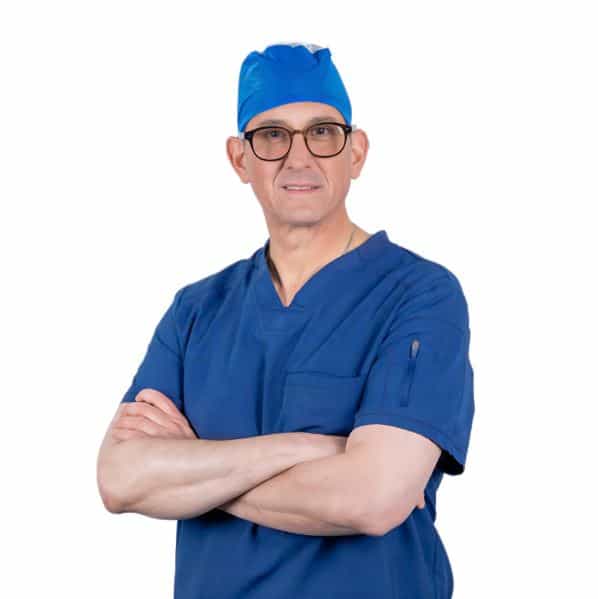
Advanced Rotator Cuff Repair for Shoulder Recovery
Choosing Rotator Cuff Repair in Tijuana Mexico gives patients access to modern orthopedic techniques designed to restore shoulder function, reduce pain, and improve mobility. Experienced specialists develop personalized treatment plans based on the severity of tendon injuries and each patient's recovery goals.
Patients seeking Shoulder Tendon Surgery in Tijuana can benefit from advanced surgical methods and comprehensive rehabilitation programs that support a safe recovery and long-term shoulder strength.
Personalized Orthopedic Shoulder Care in Mexico
Orthopedic Shoulder Surgery in Mexico combines experienced orthopedic surgeons with advanced diagnostic tools to provide individualized care for rotator cuff tears and other shoulder conditions. Every treatment plan is tailored to support optimal healing and restore daily function.
Whether caused by sports injuries, aging, or trauma, Shoulder Injury Treatment in Tijuana offers comprehensive evaluation, modern surgical techniques, and guided rehabilitation to help patients regain confidence in shoulder movement.
Minimally Invasive Arthroscopic Shoulder Surgery
Many patients undergoing Rotator Cuff Repair in Tijuana Mexico are candidates for minimally invasive procedures that reduce tissue damage, minimize postoperative discomfort, and support a faster return to everyday activities. Arthroscopic techniques allow surgeons to repair damaged tendons with precision.
Arthroscopic Shoulder Surgery in Mexico provides an effective solution for treating rotator cuff tears while preserving healthy tissue, improving shoulder stability, and promoting long-term joint function through advanced orthopedic care.
Finding the right orthopedic specialist is essential for successful shoulder recovery. PlacidWay helps patients access Rotator Cuff Repair in Tijuana Mexico with personalized guidance, transparent coordination, and trusted support throughout every stage of treatment.
Rigorous Clinic Vetting
We collaborate with experienced orthopedic providers offering Shoulder Tendon Surgery in Tijuana, ensuring patients receive quality-focused care from skilled specialists using modern surgical techniques.
Medical Record Transfer
We securely assist with transferring imaging studies, medical records, and previous treatment history to support personalized planning for Rotator Cuff Repair in Tijuana Mexico.
Direct Specialist Access
We connect patients with specialists experienced in Orthopedic Shoulder Surgery in Mexico, helping them understand available surgical options and expected recovery outcomes.
Transparent Pricing
We provide clear treatment information and cost guidance for patients considering Shoulder Injury Treatment in Tijuana, with transparent pricing and no hidden fees.
Logistics & Coordination
We assist with consultations, scheduling, travel planning, and treatment arrangements, making the process of receiving Arthroscopic Shoulder Surgery in Mexico as smooth as possible.
Post-Treatment Continuity
Our support continues after treatment through ongoing communication and coordination with healthcare providers following Rotator Cuff Repair in Tijuana Mexico.
Take the next step toward restoring shoulder function and mobility. Contact PlacidWay today for a free, confidential consultation and explore your treatment options in Tijuana, Mexico.
Get Your Free Personalized Quote




.png)
.png)


.png)
.png)
.png)









Share this listing