

For the working athlete—individuals who perform physically demanding jobs or heavily engage in recreational sports—a torn rotator cuff can be a devastating setback. Balancing the physical requirements of a career with an active lifestyle requires functional, pain-free shoulders. When conservative treatments like physical therapy or corticosteroid injections fail, surgical intervention is generally the most effective path forward. However, high healthcare costs in countries like the United States and Canada often present a significant barrier to receiving timely care.
Seeking affordable rotator cuff repair in Tijuana Mexico has become a prominent solution for those needing to restore their shoulder mobility without draining their savings. Situated just across the US-Mexico border, Tijuana offers state-of-the-art medical infrastructure tailored to international patients. Orthopedic procedures here are typically performed using the same advanced arthroscopic technologies found in leading North American hospitals, providing a pathway to recovery that is both accessible and highly professional.
The rotator cuff is a group of four distinct muscles and their tendons (supraspinatus, infraspinatus, teres minor, and subscapularis) that stabilize the shoulder joint. A tear in just one of these can drastically reduce your ability to lift your arm.
Why Working Athletes Choose Medical Tourism in Tijuana Mexico
Working athletes—ranging from construction workers and firefighters to dedicated weekend warriors—cannot afford prolonged downtime. Unfortunately, lengthy waiting lists in public healthcare systems or astronomical deductibles in private networks often delay necessary surgeries. Medical tourism in Tijuana Mexico provides an alternative, allowing patients to schedule their procedures promptly. This swift access to healthcare minimizes the time spent living with debilitating pain and accelerates the return to work and physical activities.
Moreover, the proximity of Tijuana to the United States makes it an incredibly convenient hub. Patients can easily fly into San Diego and cross the border via medical fast lanes. The region has cultivated a specialized ecosystem for medical travelers, ensuring seamless communication in English, streamlined logistics, and comprehensive orthopedic care that aligns with international medical standards.
More than 1 million international patients travel to Mexico annually for healthcare services, with orthopedic surgeries ranking among the top sought-after specialties due to high success rates and affordability.
Common Causes and Symptoms Requiring Shoulder Surgery
Rotator cuff injuries generally fall into two categories: acute tears resulting from sudden trauma, and degenerative tears caused by repetitive stress over time. Working athletes are uniquely susceptible to both. A sudden fall, heavy lifting awkwardly, or the repetitive overhead motions common in trades like painting or sports like tennis can gradually fray the tendon until a tear occurs. Most patients experience a dull ache deep in the shoulder, accompanied by a noticeable loss of strength.
When you have a torn rotator cuff, everyday activities such as reaching behind your back, combing your hair, or sleeping on the affected side can become agonizing. If imaging studies like an MRI confirm a full-thickness tear, or if conservative management fails to relieve symptoms of a partial tear, orthopedic surgeons typically recommend surgical repair to reattach the tendon to the bone.
Left untreated, a severe rotator cuff tear can lead to progressive degeneration of the shoulder joint, eventually increasing the risk of developing shoulder arthritis or frozen shoulder syndrome.
Affordable Rotator Cuff Repair Cost in Tijuana Mexico
The primary catalyst for patients seeking rotator cuff surgery clinics in Tijuana is the substantial financial benefit. In the United States, an arthroscopic shoulder repair can be overwhelmingly expensive, often leading patients to compromise their health due to budget constraints. In contrast, healthcare facilities in Mexico operate with lower administrative overhead and reasonable malpractice insurance costs, passing these savings directly to the patient without sacrificing clinical quality.
When evaluating the shoulder surgery cost in Tijuana, patients will find transparent pricing that usually encompasses the surgeon's fees, anesthesia, operating room time, and immediate post-operative medications. Below is a realistic comparison of various orthopedic diagnostic and surgical procedures relevant to shoulder repair.
| Procedure Name | Average Cost in Tijuana Mexico | Average Cost in USA/Canada |
|---|---|---|
| Arthroscopic Rotator Cuff Repair | $4,500 - $6,500 | $15,000 - $25,000 |
| Mini-Open Rotator Cuff Repair | $4,000 - $5,800 | $14,000 - $22,000 |
| Open Rotator Cuff Repair | $4,000 - $5,500 | $12,000 - $20,000 |
| Shoulder MRI (Diagnostic) | $250 - $450 | $800 - $3,000 |
Always ask what is specifically included in your initial quote. Some estimates may cover surgical hardware (like anchors) while others might bill them separately. Clarity on inclusions prevents unexpected financial surprises.
Types of Rotator Cuff Surgeries Available for Active Individuals
Orthopedic science has advanced significantly, offering multiple surgical avenues tailored to the size and complexity of the tear. For working athletes, the goal is typically achieving a durable repair that withstands future strain. The type of surgery proposed by a specialist usually depends on the anatomy of the tear and the quality of the surrounding tendon tissue.
Surgeons in Tijuana typically utilize one of three primary methods: open repair, mini-open repair, or all-arthroscopic repair. An arthroscopic approach is generally the preferred method for modern sports medicine due to its minimally invasive nature, smaller incisions, and reduced trauma to the surrounding deltoid muscle.
Arthroscopic surgery uses a tiny camera called an arthroscope, which is inserted into the shoulder joint. This allows the surgeon to view the internal structures on a high-definition monitor and perform precise repairs using miniaturized instruments.
The Medical Consultation Process for International Patients
Initiating a medical journey abroad begins with a thorough remote consultation. Patients are generally required to share their digital medical records, including X-rays and recent MRI scans, through secure channels. The orthopedic team will assess the diagnostic imaging to determine if the patient is a viable candidate for surgery and to formulate a preliminary surgical plan.
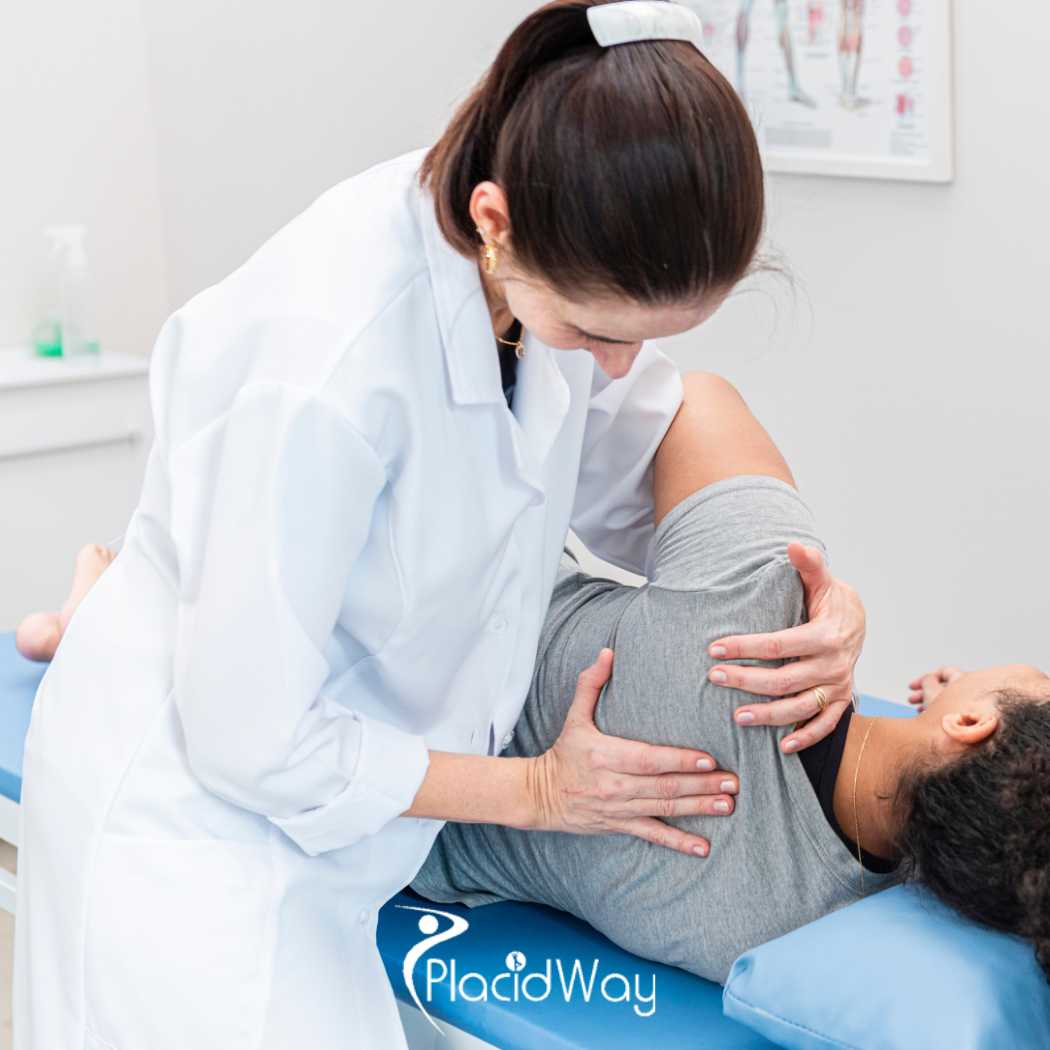
Once the patient arrives for their orthopedic procedures in Mexico, a comprehensive in-person consultation takes place. The surgeon physically examines the shoulder's range of motion, discusses the anticipated outcomes, and ensures the patient fully understands the risks and benefits. This pre-operative dialogue is crucial for establishing mutual expectations and building trust between the patient and the medical team.
Testimonial: Mark's Journey Back to the Gym
Mark, a 42-year-old fitness instructor from California, suffered a debilitating tear during weightlifting. Unable to afford the high deductibles at home, he explored options in Tijuana. "The remote consultation was surprisingly thorough," Mark noted. "The surgical team reviewed my MRI over a video call and explained everything. Three months post-surgery, I am steadily regaining my strength."
Preparing for Your Orthopedic Procedure in Tijuana
Preparation is key to a smooth surgical experience and an effective recovery. In the weeks leading up to the trip, patients are generally advised to optimize their physical health. This may include ceasing smoking, adjusting certain medications like blood thinners, and engaging in gentle pre-habilitation exercises if approved by a doctor. Organizing a supportive travel companion is also strongly recommended to assist with luggage and post-operative mobility.
Additionally, organizing your paperwork ensures hassle-free border crossings. Ensure your passport is valid for at least six months and keep physical copies of your medical itinerary. Proper preparation significantly reduces travel anxiety, allowing the patient to focus entirely on their upcoming healing process.
Strict Contraindications: Individuals with severe, unmanaged systemic illnesses (such as uncontrolled diabetes or severe cardiovascular disease), active joint infections, or massive, irreparable tendon retraction are typically not candidates for elective rotator cuff surgery abroad. Always disclose your complete medical history to your surgical team.
What to Expect During the Shoulder Surgery Process
On the day of the procedure, patients are admitted to the clinic or hospital early in the morning for final pre-operative assessments, including blood work and an anesthesiologist consultation. Rotator cuff repair is typically performed under general anesthesia, often combined with a regional nerve block to numb the shoulder and arm. This multi-modal pain management approach provides significant comfort immediately after waking up.
During the procedure, the surgeon cleans out damaged tissue (debridement) and clears bone spurs if necessary. Suture anchors are then placed into the humerus bone, and sutures are passed through the torn tendon to securely tie it back to the bone. The surgery typically takes between one and two hours. Afterward, the patient is moved to a recovery room where vital signs are closely monitored as the anesthesia wears off.
Testimonial: Sarah's Swift Clinical Experience
Sarah, a 38-year-old landscaper, required a dependable shoulder to continue her physical work. She chose an arthroscopic repair in Mexico. "The hospital environment was incredibly professional. From the pre-op nurses to the anesthesiologist, everyone made sure I was comfortable and informed. Waking up with my arm in a sling felt like the first step to getting my life back."
Post-Operative Recovery Timeline and Expectations
Healing a repaired tendon requires immense patience and strict adherence to post-operative protocols. Immediately following surgery, the arm is immobilized in a sling, usually for four to six weeks. This protects the newly placed anchors and allows the tendon to biologically fuse back to the bone. Most patients experience moderate discomfort during the first week, which is managed with prescribed oral pain medication.
The timeline for a working athlete can be frustrating, but rushing the process risks re-tearing the tendon. Typically, passive motion exercises begin shortly after surgery, progressing to active motion around the six-week mark. Strengthening exercises usually do not commence until eight to twelve weeks post-op. Full functional recovery, especially for heavy lifting or repetitive overhead work, can take six months to a year.
Purchase button-up or zip-up shirts before your trip. Lifting clothing over your head will be impossible and highly discouraged for several weeks following your shoulder surgery.
Physical Therapy and Rehabilitation Across Borders
Surgery is only the first half of the journey; a successful outcome relies heavily on rigorous physical therapy (PT). Before returning home, international patients receive a detailed rehabilitation protocol designed by their surgeon. It is vital to coordinate with a local physical therapist in your home country who can oversee your long-term recovery based on these exact guidelines.
Physical therapy typically progresses in phases: protecting the repair, restoring range of motion, and finally, regaining muscular strength. For a working athlete, the final phase of PT is critical, as it focuses on work-specific conditioning or sports-simulated movements. Staying committed to daily exercises at home, combined with professional PT sessions, generally yields the best functional results.
The biological healing of a tendon to bone is a slow process. Even if you feel no pain a few months after surgery, the repair may still be fragile. Following the physical therapist's timeline is essential to prevent a secondary tear.
Testimonial: David's Rehabilitation Commitment
A warehouse manager constantly handling heavy inventory, David knew surgery was inevitable. After an affordable rotator cuff repair in Tijuana Mexico, he returned to Nevada to begin PT. "My Mexican surgeon provided a brilliant, week-by-week rehab chart. My local therapist followed it precisely, and the collaboration across borders was seamless."
Assessing the Safety and Quality of Healthcare in Tijuana
Safety is understandably the primary concern for anyone considering medical travel. Fortunately, the landscape of healthcare in Tijuana has evolved into a highly regulated, quality-driven industry. Many facilities undergo rigorous evaluation to achieve national certification, while others strive for international accreditations that signify compliance with global safety and hygiene protocols.
Quality of care is reflected not only in the technology used but in the expertise of the medical staff. Working athletes can generally expect high standards of infection control, modern surgical suites, and comprehensive pre-operative screening. Vetting your prospective healthcare provider through reliable medical tourism platforms helps ensure you are choosing a reputable destination.
Many top orthopedic surgeons operating in Mexican border cities have completed fellowships or specialized training in the United States, Europe, or other highly developed medical ecosystems, bringing global best practices to their clinics.
Balancing Work Athletics and Medical Travel Logistics
Managing the logistics of an international surgery while planning for an extended absence from a demanding job requires careful coordination. Medical tourists typically allocate 3 to 7 days for their stay in Tijuana. This window accommodates pre-surgical tests, the surgery itself, and a few days of crucial immediate post-operative monitoring before the patient is cleared to travel back home.
It is important to secure the appropriate time off work beforehand. Since working athletes often depend heavily on physical capability for their livelihood, understanding the long-term recovery window is vital for financial and career planning. Establishing open communication with employers regarding the gradual return to light-duty tasks can ease the transition back into the workforce.
Studies show that approximately 80% to 90% of patients who undergo rotator cuff repair experience significant pain relief and improved functional strength, allowing them to successfully return to their physically demanding jobs or recreational sports.
Testimonial: Javier's Return to Construction
Javier's career in construction came to a halt when he tore two tendons in his right shoulder. Traveling to Tijuana allowed him to afford the procedure without long wait times. "The logistics were surprisingly straightforward. I planned five days in Mexico, had the surgery, and crossed back safely with a friend driving. Six months later, I am back on the job site with full mobility."
How PlacidWay Assists Your Rotator Cuff Repair Medical Tourism Journey in Tijuana Mexico
Navigating international healthcare options can feel overwhelming, especially when recovering from a painful orthopedic injury. Utilizing a structured medical tourism platform ensures that patients can confidently connect with reputable healthcare providers.
PlacidWay serves as a vital bridge, simplifying the research and matching process for working athletes seeking orthopedic care. By focusing on streamlined communication and validated medical connections, the platform empowers patients to make informed, stress-free decisions regarding their healthcare.
- Provider Matching: Assisting patients in identifying specialized and credentialed orthopedic surgeons tailored to their specific injury profile.
- Records Transfer Coordination: Facilitating the secure and efficient sharing of digital medical records and MRI imaging for remote consultations.
- Quote Facilitation: Gathering comprehensive and transparent cost estimates from international medical centers so patients can plan their budgets effectively.
- Bilingual Communication: Overcoming language barriers by connecting patients with English-speaking medical coordinators at the destination clinics.
- Information Resources: Providing detailed educational materials to help patients understand medical protocols and recovery expectations abroad.
Frequently Asked Questions About Shoulder Surgery in Tijuana
Is rotator cuff surgery safe in Tijuana Mexico?
Medical tourism in Tijuana is generally safe when utilizing certified, internationally accredited facilities. Patients typically experience excellent outcomes when thoroughly vetting their healthcare providers and following all pre-operative guidelines.
How much does a shoulder arthroscopy cost in Tijuana compared to the US?
On average, affordable rotator cuff repair in Tijuana Mexico ranges from $4,500 to $6,500. This typically represents a 60% to 70% savings compared to the $15,000 to $25,000 often quoted in the United States and Canada.
How long should I stay in Mexico after rotator cuff repair?
Most international patients are advised to stay in the city for 3 to 7 days post-surgery. This allows the medical team to monitor early recovery, manage initial pain, and clear the patient for travel.
Will I need physical therapy after returning home?
Yes, physical therapy is generally considered mandatory for a successful recovery. Patients typically coordinate with a local physical therapist in their home country to continue the rehabilitation protocol prescribed by their surgeon.
What type of anesthesia is typically used for this procedure?
Rotator cuff repair usually involves general anesthesia combined with a regional nerve block. This approach helps manage pain effectively during the procedure and in the immediate hours following surgery.
Can I cross the border by car after shoulder surgery?
Yes, many patients cross the border by car, but you must have a dedicated driver. The effects of anesthesia and the immobilization of your shoulder mean you cannot safely operate a vehicle yourself.
Are the orthopedic surgeons in Tijuana board-certified?
Many practicing orthopedic surgeons catering to medical tourists in Tijuana are board-certified in Mexico, and some hold international memberships. It is highly recommended to review a surgeon's specific credentials prior to booking.
How long does the actual rotator cuff repair surgery take?
The surgical procedure typically lasts between one to two hours, depending on the severity of the tear. However, pre-operative preparation and post-anesthesia recovery add several hours to the total hospital time.
When can I return to work or sports after the procedure?
Return to light, non-physical work generally occurs within a few weeks, but heavy lifting or demanding sports usually require four to six months of healing. Final clearance is highly individualized based on progress.
Does medical tourism insurance cover complications?
Standard travel insurance rarely covers medical complications from planned surgeries. However, specialized medical tourism insurance policies are available that specifically cover unforeseen post-operative issues abroad.
Ready to restore your shoulder mobility and return to your active lifestyle? Let PlacidWay connect you with trusted, affordable orthopedic care in Tijuana Mexico.
Medical Disclaimer: This article is for informational purposes only and is not medical advice. Always consult a qualified healthcare provider before any medical decisions. Results may vary. Read Full Disclaimer here.
References
- American Academy of Orthopaedic Surgeons (AAOS). Rotator Cuff Tears: Surgical Treatment Options. https://orthoinfo.aaos.org/en/treatment/rotator-cuff-tears-surgical-treatment-options/
- Mayo Clinic. Rotator Cuff Injury - Diagnosis and Treatment. https://www.mayoclinic.org/diseases-conditions/rotator-cuff-injury/diagnosis-treatment/drc-20350231
- National Institutes of Health (NIH) / PubMed. Clinical Outcomes of Arthroscopic Rotator Cuff Repair. https://pubmed.ncbi.nlm.nih.gov/28285831/
- MedlinePlus. Shoulder Arthroscopy. https://medlineplus.gov/ency/article/007206.htm
- Cleveland Clinic. Rotator Cuff Surgery: Recovery & Physical Therapy. https://my.clevelandclinic.org/services/rotator-cuff-injuries-treatment




.png)
.png)
.png)
.png)

.png)
.jpg)
.jpg)
.jpg)








Share this listing