


Top Hospitals for Rotator Cuff Surgery in Tijuana: Accreditation and Orthopedic Excellence

Tijuana offers excellent options for rotator cuff surgery, focusing on facilities that boast international quality standards, board-certified orthopedic surgeons, and advanced medical technology, often at a significant cost saving compared to other countries.
If you're dealing with the persistent pain and limited mobility of a rotator cuff injury, you've likely considered all your treatment options. For many, seeking high-quality, affordable healthcare abroad has become an increasingly popular and viable solution. Tijuana, Mexico, situated just across the border from San Diego, California, has emerged as a leading destination for medical tourism, particularly for orthopedic procedures like rotator cuff surgery.
Choosing to have surgery in a foreign country can feel like a big decision, but with the right information, it can lead to excellent outcomes and significant savings. Tijuana's medical facilities are equipped with modern technology and staffed by skilled professionals who are often trained internationally. This guide will help you understand what makes a hospital ideal for rotator cuff repair in Tijuana and what to consider when planning your medical journey.
What makes a hospital "best" for rotator cuff surgery in Tijuana?
When evaluating hospitals for rotator cuff surgery in Tijuana, several key factors stand out as indicators of quality and reliability. Foremost among these are international accreditations, such as those from the Joint Commission International (JCI), which signify adherence to global standards for patient safety and quality of care. While not all excellent facilities may have this specific accreditation, a hospital's commitment to rigorous quality control is paramount.
Beyond accreditation, the expertise of the surgical team is critical. Look for facilities that employ orthopedic surgeons with specialized training in shoulder arthroscopy and a proven track record of successful rotator cuff repairs. Advanced diagnostic imaging (like MRI and ultrasound) and surgical technology (such as high-definition arthroscopic equipment) are also essential for accurate diagnosis and minimally invasive procedures, leading to better outcomes and faster recovery.
Finally, the "best" hospitals also prioritize a holistic patient experience. This includes excellent pre-operative consultations, clear communication in your preferred language, comfortable recovery environments, and access to post-operative physical therapy and pain management protocols. A facility that supports you through every step of your surgical journey demonstrates a true commitment to your well-being.
What is the typical cost of rotator cuff surgery in Tijuana compared to the US?
One of the primary motivations for choosing Tijuana for medical procedures is the significant cost savings without compromising on quality. The cost of rotator cuff surgery in the United States can be a substantial financial burden, often running into tens of thousands of dollars, even with insurance. These costs can include surgeon fees, anesthesia, facility charges, and post-operative care.
In Tijuana, the same high-quality procedure is available at a fraction of the cost. The exact price can vary depending on the complexity of the tear, the type of surgery required (arthroscopic vs. open), the length of hospital stay, and the specific medical facility. However, most patients report savings of 50% to 70% or even more. This makes essential surgeries much more accessible for those without adequate insurance coverage or facing high deductibles.
When inquiring about the cost of rotator cuff surgery in Tijuana, ensure the quoted price includes all necessary components: surgeon's fees, anesthesiologist's fees, operating room charges, hospital stay, medications during your stay, and initial post-operative follow-up appointments. Transparent pricing is a hallmark of reputable medical tourism providers.
How can I ensure the quality and safety of rotator cuff surgery in Tijuana?
Ensuring the quality and safety of any surgical procedure, especially when traveling abroad, is naturally a top concern. The key lies in diligent research and communication. Start by looking for hospitals that are officially licensed and regulated by Mexican health authorities. Beyond that, international accreditations like JCI or ISO certifications offer an additional layer of assurance regarding quality standards.
Equally important is the vetting of your surgeon. Confirm that they are board-certified in orthopedic surgery, preferably with a sub-specialty in shoulder or sports medicine. Inquire about their experience specifically with rotator cuff repairs, asking about the number of procedures performed and their success rates. Many reputable Mexican surgeons have received training in the US, Europe, or other medically advanced countries.
Finally, leverage available resources. Read reviews and testimonials from previous patients, particularly those who underwent similar procedures. Don't hesitate to ask for a virtual consultation with your prospective surgeon before traveling. This allows you to ask detailed questions, assess their communication style, and gain confidence in their expertise and the facility's procedures. A good medical tourism facilitator can assist significantly with this vetting process.
What types of rotator cuff tears can be treated in Tijuana?
The sophisticated orthopedic centers in Tijuana are capable of addressing a wide spectrum of rotator cuff injuries. Whether you're suffering from a small partial-thickness tear, where the tendon is only partially disrupted, or a more significant full-thickness tear, where the tendon completely separates from the bone, these facilities can offer appropriate surgical solutions.
Surgeons in Tijuana routinely perform both arthroscopic (minimally invasive) and traditional open repair surgeries. Arthroscopic surgery is often preferred due to smaller incisions, less pain, and quicker recovery, especially for smaller to medium-sized tears. However, for very large or complex tears, or for revision surgeries, an open approach might be necessary. The choice of technique will always depend on the individual patient's condition, the size and location of the tear, and the surgeon's recommendation.
Beyond acute injuries from accidents or sports, many patients seek treatment for degenerative tears that develop over time due to wear and tear. Tijuana's orthopedic specialists have experience with both, focusing on restoring function and alleviating pain through tailored treatment plans. This comprehensive capability ensures that most rotator cuff conditions can be effectively managed.
What is the recovery process like after rotator cuff surgery in Tijuana?
The recovery journey after rotator cuff surgery is a critical component of successful outcomes, regardless of where the surgery is performed. Immediately after your procedure in Tijuana, you can expect a short hospital stay, usually one night, where your medical team will monitor your condition and manage any post-operative pain. You'll typically be sent home with your arm immobilized in a sling to protect the repair.
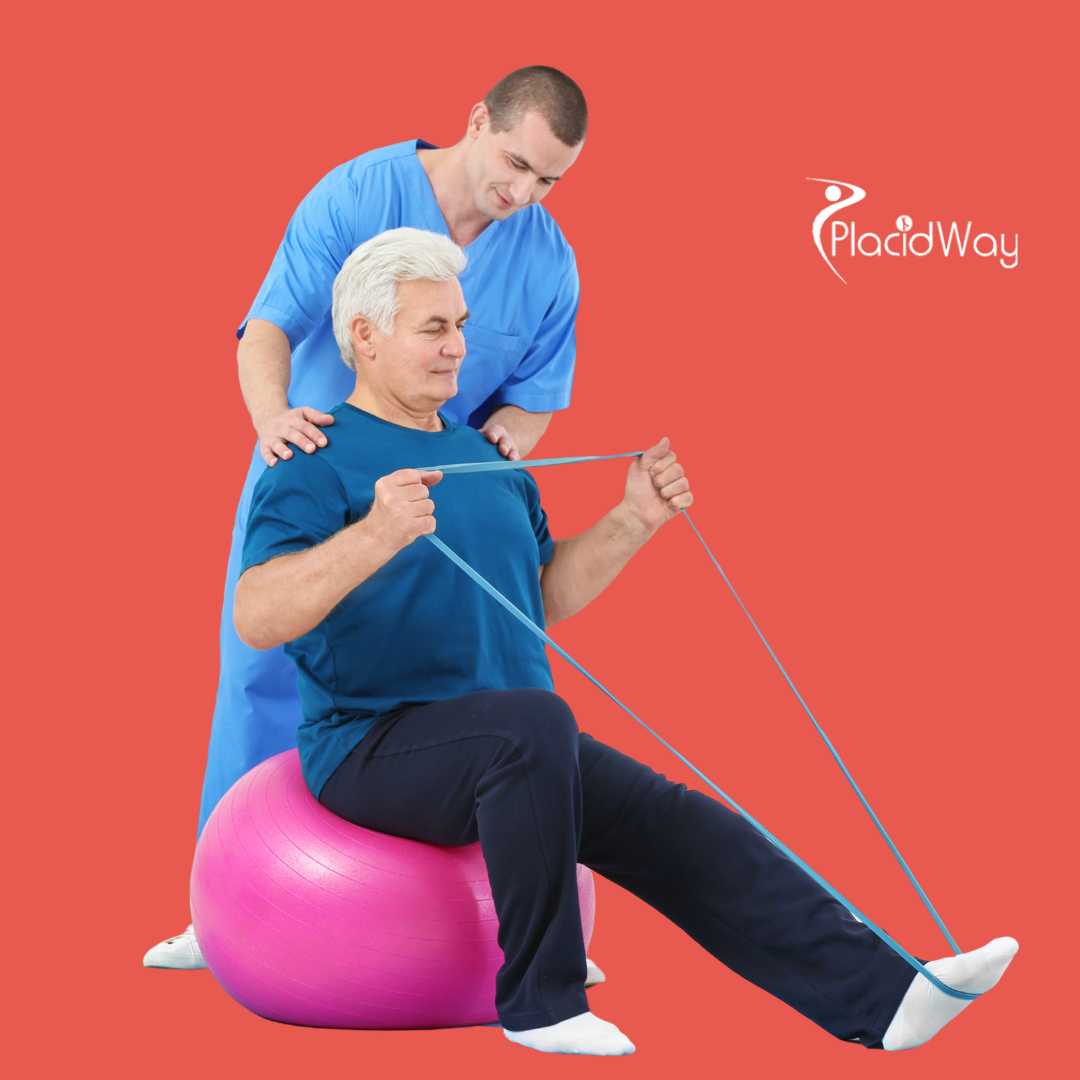
The initial phase of recovery, lasting several weeks, focuses on protecting the surgical repair and controlling pain and swelling. During this time, your arm will remain in a sling for most of the day and night. Gentle passive range-of-motion exercises, often guided by a physical therapist, may begin shortly after surgery to prevent stiffness without stressing the repair.
As healing progresses, typically after 4-6 weeks, you will gradually advance to active range-of-motion exercises, followed by strengthening exercises. The entire physical therapy program can last anywhere from 4 to 12 months, depending on the severity of the tear and your individual healing capacity. Many hospitals in Tijuana offer excellent rehabilitation services, or you can coordinate with your surgeon to continue therapy back home.
Do Tijuana hospitals offer advanced diagnostic imaging for rotator cuff issues?
Accurate diagnosis is the cornerstone of effective treatment for rotator cuff tears. Reputable hospitals in Tijuana understand this and are equipped with modern diagnostic imaging technologies comparable to those found in leading medical centers worldwide. This includes state-of-the-art MRI (Magnetic Resonance Imaging) machines, which provide detailed images of soft tissues, allowing surgeons to precisely assess the extent and nature of a rotator cuff tear.
In addition to MRI, many facilities offer high-resolution ultrasound, which can be particularly useful for dynamic evaluation of the rotator cuff and is often used for guided injections. X-rays are also routinely performed to rule out other bone-related issues, such as fractures or arthritis, that might contribute to shoulder pain.
Having access to these advanced diagnostic tools ensures that your surgeon has a comprehensive understanding of your injury before recommending and performing surgery. This precision in diagnosis translates directly to more effective surgical planning and better patient outcomes, reinforcing the quality of care available in Tijuana for rotator cuff repair.
How do I choose a qualified surgeon for rotator cuff repair in Tijuana?
Selecting the right surgeon is arguably the most crucial step in your rotator cuff surgery journey. In Tijuana, as anywhere else, the surgeon's qualifications and experience directly impact your outcome. Start by confirming their board certification in orthopedic surgery through official medical registries. Look for surgeons who have undergone additional fellowship training specifically in shoulder surgery or sports medicine, indicating a higher level of specialization.
Experience matters greatly. Inquire about the number of rotator cuff repair surgeries they perform annually and their preferred surgical techniques. A surgeon who regularly performs these procedures is likely to have refined their skills and techniques, leading to more predictable and successful results. Don't be shy about asking about their success rates and complication rates.
Finally, consider the surgeon's communication style. During a virtual or in-person consultation, evaluate if they explain your condition and treatment options clearly, patiently answer your questions, and make you feel comfortable. A surgeon who listens attentively and communicates effectively in a language you understand fosters trust and confidence, which are vital for a positive surgical experience.
What should I consider regarding medical tourism logistics for surgery in Tijuana?
Planning the logistics for medical tourism to Tijuana requires careful consideration to ensure a smooth and stress-free experience. First, arrange your travel. Many patients fly into San Diego International Airport (SAN) and then cross the border into Tijuana, often utilizing medical tourism specific shuttle services for convenience and safety. Ensure your passport is valid and readily accessible.
Accommodation is another important factor. Research hotels or recovery homes near your chosen hospital that offer comfortable stays and amenities for recovering patients. Many medical tourism agencies can recommend or book these for you. Confirm that the facility provides translation services if needed, as clear communication with your medical team is paramount.
Consider how you will manage follow-up care. While you may have initial post-operative checks in Tijuana, you'll likely continue rehabilitation and follow-ups with your local doctor or physical therapist back home. Plan for how you will share medical records between your Tijuana surgeon and your home providers. A well-organized medical tourism plan will account for all these details, making your focus primarily on recovery.
Are there rehabilitation services available in Tijuana post-surgery?
Physical therapy and rehabilitation are indispensable components of a successful rotator cuff surgery recovery. Without proper rehabilitation, the benefits of surgery can be significantly diminished. Fortunately, many of Tijuana's top medical facilities recognize this necessity and provide excellent rehabilitation services.
You can often find hospitals that have dedicated physical therapy departments on-site, or they will have established partnerships with nearby, reputable rehabilitation clinics. These clinics are staffed by licensed physical therapists who are experienced in post-operative orthopedic recovery, including specific protocols for rotator cuff repair.
If you plan to return home shortly after surgery, your Tijuana surgeon and physical therapist can provide you with a detailed rehabilitation program to follow with a local therapist. They can also facilitate the sharing of your surgical notes and rehabilitation progress to ensure continuity of care. This flexibility allows patients to begin their crucial rehabilitation immediately after surgery and seamlessly continue it in their home environment.
What are the potential risks of rotator cuff surgery, regardless of location?
While rotator cuff surgery is generally safe and highly effective, it is important to be aware of the potential risks, which are inherent to any surgical procedure, regardless of where it is performed. Your surgeon will discuss these in detail during your consultation.
Common risks include infection at the surgical site, which is minimized through strict sterile techniques in reputable hospitals. Stiffness or limited range of motion can occur, often managed with consistent physical therapy. There's also a risk of the repaired tendon re-tearing, especially if the initial tear was very large or if post-operative rehabilitation instructions are not followed carefully.
Less common but more serious risks include damage to nearby nerves or blood vessels, although this is rare with experienced surgeons. Persistent pain, even after successful surgery and rehabilitation, can sometimes occur. As with any surgery requiring general anesthesia, there are also anesthesia-related complications, such as nausea, allergic reactions, or respiratory issues. Reputable hospitals in Tijuana employ stringent protocols and highly trained staff to minimize these risks.
Ready to explore your options for rotator cuff surgery in Tijuana or other medical tourism solutions? Visit PlacidWay to connect with leading facilities and expert care tailored to your needs.








.png)









Share this listing