

Contents
You have probably stared at the mirror, gently pulled back your cheeks, and wondered why a lasting, natural lift back home costs as much as a luxury car. For many people in the US and Canada, considering a deep plane facelift turns into a frustrating game of sticker shock. You want the advanced technique that repositions underlying muscles for a seamless, wind-swept-free look, but domestic price tags are simply out of reach.
That is exactly why patients are heading south. Getting a deep plane facelift in Cancun, Mexico, combines advanced surgical expertise with a recovery setting that feels like a quiet retreat. The procedure generally costs around $7,000 to $9,500, making it drastically more accessible. When looking at options, patient safety comes first, so you should always verify that the clinic holds strict local certifications like COFEPRIS or approval from the General Health Council (CSG) to ensure high care standards.
Key Insights
Navigating medical travel can feel overwhelming if you are trying to piece together flights, hotel stays, and hospital visits separately. That is why comprehensive surgical packages are heavily utilized by international patients. A well-structured package usually wraps the surgical fees, anesthesia, operating room costs, and post-operative medications into one clear price.
Many of these bundles also include VIP airport transfers and a few nights in a comfortable recovery retreat where nurses monitor your early healing. Knowing exactly what is covered prevents surprise bills and lets you focus entirely on resting. Review the detailed packages below to see exactly what each offer includes and find the one that fits your journey.
`Understanding the financial commitment is usually the first step in planning your surgery. A deep plane facelift in Cancun generally costs between $7,000 and $9,500, a significant drop from the $15,000 to $25,000 average in the US or Canada. This price difference reflects Mexico's lower cost of living and more affordable administrative overhead, rather than a drop in care quality.
Your final total will depend on the surgeon's specific expertise, the facility, and whether complementary procedures like a neck lift are added. Look through the cost breakdowns provided below to compare pricing structures and gauge what works best for your personal budget.
Choosing the right facility abroad is not about booking the one with the most polished marble lobby; it is about verifying medical standards. In Mexico, reputable plastic surgery centers are heavily regulated and proudly display their safety credentials. You should always look for clinics authorized by COFEPRIS, the national health regulatory body, which ensures strict sanitary and operational guidelines.
Board certification from the Mexican Council of Plastic, Esthetic and Reconstructive Surgery (CMCPER) is also a must for the operating team. Do not hesitate to ask for these license numbers during your initial consultations. Take a moment to compare the certified clinics listed below to see which facility aligns with your medical needs.
Cancun Plastic Surgery Center by Dr. Víctor Sámano
Cancun,Playa Del Carmen, Mexico
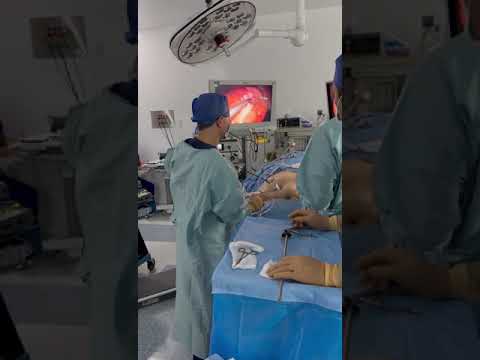
Sometimes, reading about a surgical technique just does not provide the reassurance you need to feel comfortable. Watching detailed videos of the procedure, clinic walkthroughs, and surgeon interviews can bridge the gap between uncertainty and confidence. These visual resources help you understand how the deep plane method releases tethering ligaments to elevate the midface naturally.
They also offer a glimpse into the bedside manner of the medical team and the cleanliness of the facilities you will be visiting. Take some time to watch the videos below to get a clearer, more realistic picture of the medical experience waiting for you.

There is no better way to gauge the true quality of a surgeon than by listening to those who have already sat in the patient chair. Real patient testimonials shed light on the nuances of the recovery process, the attentiveness of the nursing staff, and the long-term satisfaction with the aesthetic results.
While a doctor's portfolio is important, unvarnished reviews tell you how well the clinic handled communication and post-op support when the patient returned home. Reading about real experiences can help you set realistic expectations for your own healing journey. Browse through the patient reviews below to learn from others who traveled for this exact procedure.

Planning a complex facial surgery abroad naturally brings up a lot of questions regarding safety, techniques, and travel logistics. Here are the most common inquiries patients have when considering a deep plane facelift in this popular coastal destination.
What exactly is a deep plane facelift?
A deep plane facelift is an advanced surgical technique that goes beneath the SMAS (Superficial Musculoaponeurotic System) layer. Instead of just pulling the skin tight, the surgeon releases specific facial ligaments and repositions the deeper muscle and fat layers as a single unit, resulting in a more natural, longer-lasting rejuvenation.
Why do patients choose Cancun for this specific surgery?
Patients frequently choose this region because it offers highly trained, board-certified plastic surgeons at a fraction of North American prices. Additionally, the serene environment provides a discrete, relaxing atmosphere for the initial stages of post-operative recovery.
How long should I stay in Mexico after my procedure?
Surgeons typically require patients to stay locally for 10 to 14 days following a deep plane facelift. This allows the medical team to monitor your healing, manage any drains, remove sutures, and ensure you are medically cleared before flying home.
What qualifications should my Mexican plastic surgeon have?
Your surgeon must be board-certified by the Mexican Council of Plastic, Esthetic and Reconstructive Surgery (CMCPER). Many top surgeons in the area are also active members of international bodies like the International Society of Aesthetic Plastic Surgery (ISAPS) or the American Society of Plastic Surgeons (ASPS).
Is it safe to fly after facial surgery?
Flying is generally safe once you have been cleared by your surgeon, usually around 10 to 14 days post-op. Cabin pressure changes and dry air can increase swelling slightly, so doctors often recommend staying hydrated and walking during the flight to promote circulation.
How does the deep plane technique differ from a SMAS facelift?
While a SMAS facelift lifts and tightens the muscular layer of the face, it does not fully release the retaining ligaments attached to the cheek and jawline. A deep plane facelift cuts beneath these ligaments, allowing for a more profound, tension-free lift of the midface without the pulled look.
What is the typical recovery timeline?
Most patients experience significant swelling and bruising for the first two weeks. By week three, you will feel comfortable going out in public with light makeup. Full maturation of the surgical results and complete resolution of minor swelling can take up to six months to a year.
Are medical facilities in Quintana Roo properly accredited?
Yes, high-quality private hospitals and clinics in the region are strictly regulated. You should verify that your chosen facility holds current authorization from COFEPRIS (the Mexican health authority) or certification from the General Health Council (CSG).
Will the tropical climate affect my surgical incisions?
While the climate is warm and humid, your recovery will take place in an air-conditioned, climate-controlled environment. You must strictly avoid direct sun exposure and swimming pools during your healing phase to prevent hyperpigmentation of your scars and infections.
Can I combine this surgery with a neck lift or eyelid surgery?
Yes, it is very common to combine a deep plane facelift with a neck lift (platysmaplasty) or eyelid surgery (blepharoplasty) for comprehensive facial harmony. Your surgeon will discuss your health status to ensure a combined procedure is safe for your specific physiology.
The success of a deep plane facelift relies entirely on the precise anatomical knowledge and skill of your operating doctor. This advanced technique requires releasing deep facial ligaments, a complex maneuver that not every plastic surgeon is trained to perform. When evaluating doctors in Mexico, confirm their membership in domestic boards like CMCPER and international organizations such as ISAPS.
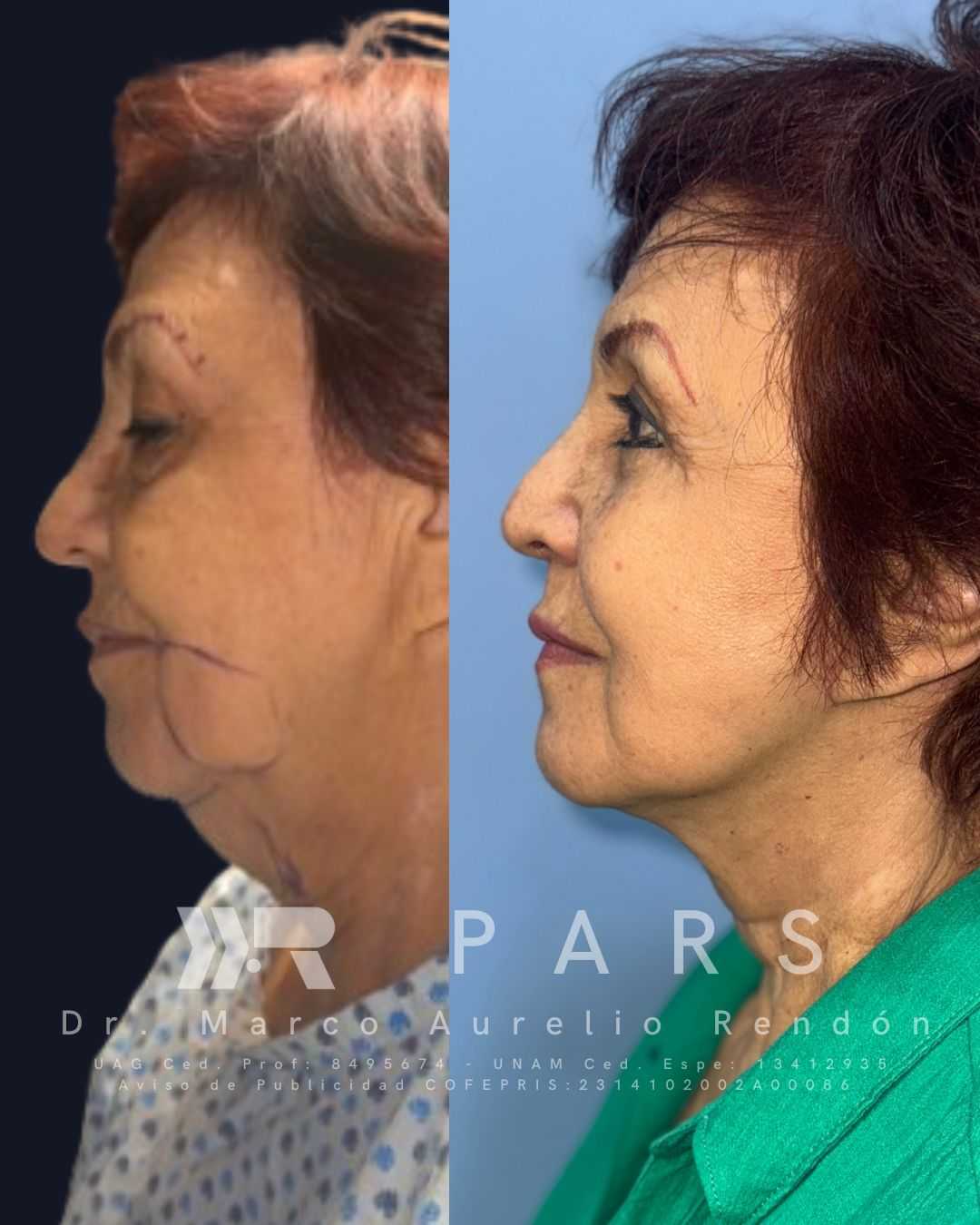
A transparent surgeon will gladly share their specific complication rates, before-and-after portfolios of deep plane cases, and details about their specialized training. Explore the surgeon profiles below to compare their qualifications and find an expert you can completely trust with your care.

Cancun is internationally renowned for its pristine beaches, but over the last decade, it has quietly transformed into a premier hub for world-class medical tourism. The vast majority of patients traveling here for facial rejuvenation fly in from the United States and Canada, seeking relief from exorbitant domestic healthcare costs without sacrificing safety.
Getting to the region is incredibly straightforward. The Cancun International Airport (CUN) is one of the busiest and most accessible airports in the Caribbean, offering direct flights from most major North American cities including New York, Toronto, Los Angeles, and Chicago. Flight times are remarkably short, usually ranging from two to four hours, which drastically reduces travel fatigue.
| Flight from Miami | Approximately 2 hours |
| Flight from Toronto | Approximately 4.5 hours |
| Primary Airport | Cancun International Airport (CUN) |
| Local Currency | Mexican Peso (USD widely accepted) |
| Climate Caution | Strict sun avoidance required post-surgery |
Navigating the city as a medical tourist is quite comfortable. The primary medical facilities and recovery boutiques are located in safe, upscale neighborhoods, often distinct from the loud party scenes of the Hotel Zone. English is widely spoken in the medical community, ensuring clear communication regarding your treatment.
When you are clearing your schedule for a deep plane facelift, plan for an extended stay. Surgeons typically require patients to remain in the area for 10 to 14 days for proper monitoring, drain removal, and suture care before issuing medical clearance to fly home.
Taking the first step toward facial rejuvenation abroad involves careful planning, research, and a reliable support system. Gathering quotes, verifying surgeon credentials, and coordinating travel logistics can be complex, but you do not have to navigate it alone.
Our team can help streamline the process by connecting you with board-certified specialists and fully accredited clinics that meet the highest international standards. We are here to provide transparent information so you can make a safe, confident, and well-informed decision about your care.
References
- Facelift Surgery Details – American Society of Plastic Surgeons (ASPS)
- Face-lift Overview and Risks – Mayo Clinic
- Traveler's Health: Mexico – Centers for Disease Control and Prevention (CDC)
- Patient Safety in Medical Tourism – International Society of Aesthetic Plastic Surgery (ISAPS)
- The Deep Plane Facelift Efficacy – PubMed / National Library of Medicine


























Share this listing