


.png)
Isi
Protokol Keamanan Terapi Sel Punca dan Standar Klinik Medis di Kuala Lumpur, Malaysia
Kuala Lumpur (KL) dengan cepat muncul sebagai pusat keunggulan global untuk pengobatan regeneratif, khususnya di bidang Terapi Sel Punca. Tidak seperti banyak wilayah di mana peraturan masih ambigu, Malaysia memiliki lanskap medis yang diatur dengan ketat dan diawasi oleh Kementerian Kesehatan, memastikan bahwa perawatan sel punca aman dan etis. Pasien datang dari seluruh dunia untuk mengakses terapi Sel Punca Mesenkimal (MSC) untuk berbagai kondisi, mulai dari cedera ortopedi dan osteoartritis hingga gangguan neurodegeneratif dan kesehatan anti-penuaan.
Memilih Kuala Lumpur berarti memasuki kota di mana infrastruktur futuristik bertemu dengan inovasi medis. Klinik-klinik di sini bermitra dengan laboratorium bersertifikasi cGMP (current Good Manufacturing Practice) untuk memastikan viabilitas dan kemurnian sel tertinggi. Baik menggunakan sel punca yang berasal dari tali pusat atau sel autologus (sel pasien sendiri), fokusnya adalah pada kontrol kualitas yang ketat dan protokol perawatan yang dipersonalisasi.
Di luar aspek ilmiahnya, KL menawarkan lingkungan kemewahan yang terjangkau. Biaya perawatannya jauh lebih rendah daripada di AS, Eropa, atau Singapura, namun standar perawatannya berkelas dunia, diberikan oleh spesialis berbahasa Inggris yang terlatih di Inggris dan Australia.
Bagi pasien yang ingin memanfaatkan potensi penyembuhan alami tubuh, Kuala Lumpur menawarkan jalur regenerasi yang berbasis ilmiah, hemat biaya, dan teratur.
Tahukah Anda?
Malaysia unik karena memiliki Dewan Perjalanan Kesehatan Malaysia (MHTC) , sebuah badan pemerintah yang secara khusus bertugas memastikan kualitas perawatan bagi pasien internasional. Tingkat keterlibatan pemerintah ini memberikan jaring pengaman dan jaminan kualitas yang jarang ditemukan di destinasi wisata medis lainnya.
Ringkasan Wawasan Utama
Terapi-terapi tersebut dipantau secara ketat oleh Badan Pengawas Obat dan Makanan Nasional (NPRA) untuk memastikan keamanan produk.
Perawatan ini biasanya berbiaya 50% hingga 70% lebih rendah daripada terapi serupa di AS atau Eropa.
Klinik-klinik tersebut terutama menggunakan sumber yang etis seperti jaringan tali pusat (Wharton's Jelly) atau sumsum tulang/lemak pasien sendiri.
Laboratorium mitra bersertifikasi cGMP, yang menjamin budidaya steril dan penghitungan sel yang tepat.
Bahasa Inggris banyak digunakan sebagai bahasa kedua, sehingga memastikan komunikasi yang jelas antara dokter dan pasien.
Perpaduan Medis dan Budaya
Kuala Lumpur adalah salah satu dari sedikit kota di mana Anda dapat menerima perawatan bioteknologi mutakhir di pagi hari dan mengunjungi hutan hujan purba atau Gua Batu di sore hari. Pusat-pusat medis di kota ini seringkali menyerupai hotel bintang 5, yang mencerminkan filosofi Malaysia tentang "keramah tamahan sebagai bentuk penyembuhan."
Memahami investasi yang dibutuhkan sangat penting. Tabel di bawah ini menguraikan kisaran biaya rata-rata untuk berbagai protokol sel punca di Kuala Lumpur dibandingkan dengan negara-negara Barat. Sementara siklus perawatan di AS mungkin berharga $25.000 hingga $50.000, protokol berkualitas tinggi serupa di Malaysia seringkali berkisar antara $5.000 hingga $15.000. Biaya ini bervariasi berdasarkan sumber sel (Jaringan Tali Pusat vs. Sumsum Tulang) dan kompleksitas metode pemberiannya.
Tips: Selalu klarifikasi apakah harga yang dikutip sudah termasuk biaya laboratorium "ekspansi sel", yang memastikan jumlah sel yang lebih tinggi.
Price starting from $15,500
5-Day Program Stem Cell Therapy Package in Kuala Lumpur, Malaysia by FirstCell Clinic
FirstCell Malaysia
- Stem Cell Therapy
Kuala Lumpur, Malaysia

Price starting from $12,800
Stem Cell Therapy for Parkinson’s Disease Package in Kuala Lumpur, Malaysia by FirstCell
FirstCell Malaysia
- Stem Cell Therapy
Kuala Lumpur, Malaysia

Price starting from $9,800
Stem Cell Treatment for Cerebral Palsy Package in Kuala Lumpur, Malaysia by FirstCell
FirstCell Malaysia
- Stem Cell Therapy
Kuala Lumpur, Malaysia

Price starting from $9,800
Stem Cell Therapy for Brain Injury Package in Kuala Lumpur, Malaysia by FirstCell
FirstCell Malaysia
- Stem Cell Therapy
Kuala Lumpur, Malaysia
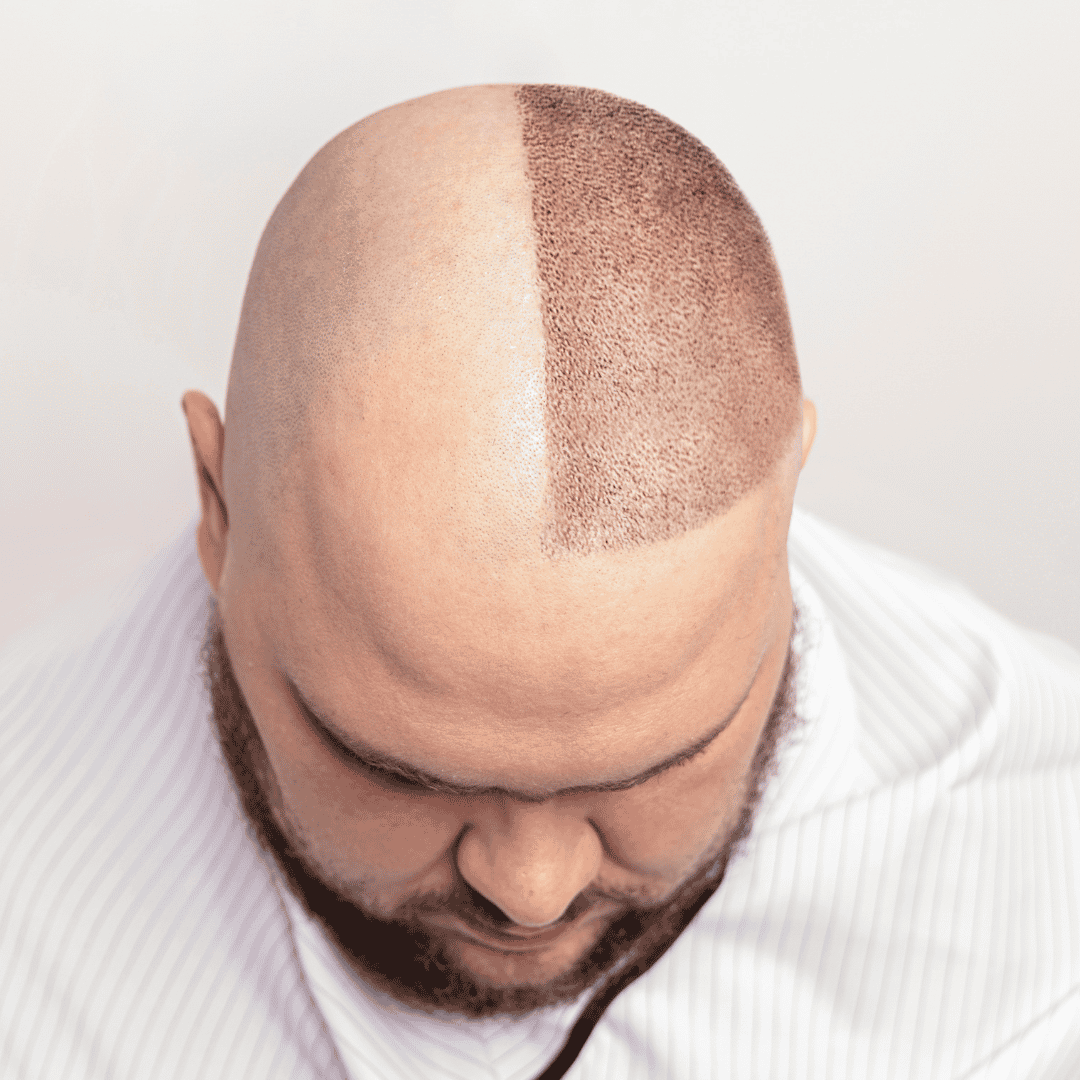
Price starting from $9,800
Stem Cell Treatment for Hair Transplant Package in Kuala Lumpur, Malaysia by FirstCell
FirstCell Malaysia
- Stem Cell Therapy
Kuala Lumpur, Malaysia
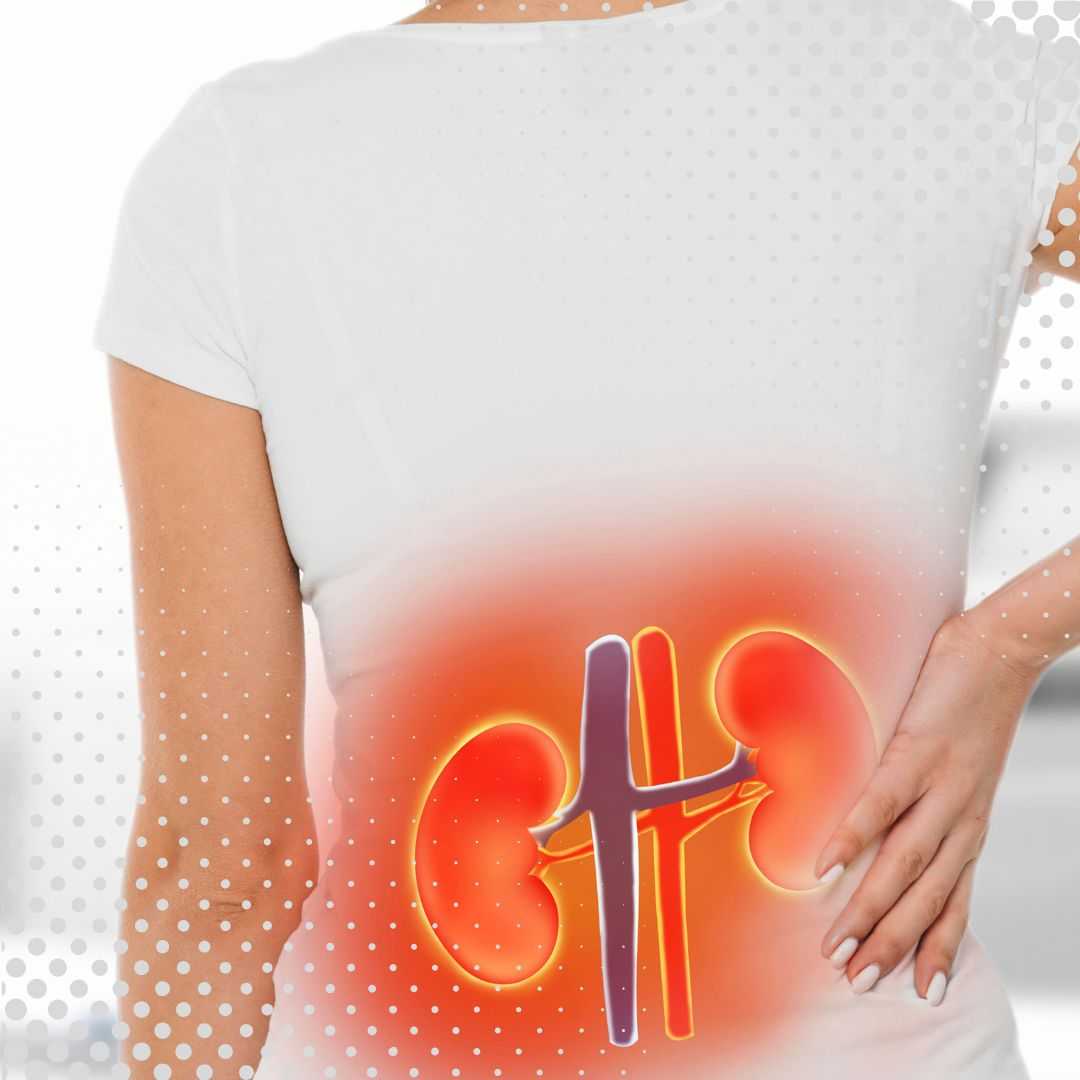
Price starting from $15,800
Stem Cell Therapy for Kidney Failure Package in Kuala Lumpur, Malaysia by FirstCell
FirstCell Malaysia
- Stem Cell Therapy
Kuala Lumpur, Malaysia
Untuk mempermudah perjalanan Anda, pusat-pusat medis terkemuka di Kuala Lumpur menawarkan paket komprehensif yang dirancang untuk pasien internasional. Di bagian bawah, kami telah menyusun daftar penyedia yang menawarkan paket-paket ini. Paket biasanya mencakup suntikan sel punca (lokal atau IV), konsultasi dokter, pemeriksaan pra-perawatan, transfer bandara, dan terkadang akomodasi. Telusuri pilihan-pilihan ini untuk menemukan solusi yang sesuai dengan kondisi medis dan anggaran spesifik Anda.
Catatan: Harga seringkali bergantung pada dosis (jumlah jutaan sel) yang dibutuhkan untuk kondisi spesifik Anda.
Stem Cell Therapy Perbandingan Biaya Pusat di Kuala Lumpur, Malaysia
| Penyedia | Prosedur | Harga |
|---|---|---|
| Merkel Clinic | Stem Cell Therapy for Osteoarthritis, Stem Cell Therapy | $3180 |
| FirstCell Malaysia | Umbilical Cord Stem Cell Therapy, Stem Cell Therapy | $9800 |
| Dr. Ebenezer Abel Paul - Stem Cells in Malaysia | Anti Aging Stem Cell Treatments old, Stem Cell Therapy | $20000 |
Stem Cell Therapy Perbandingan Biaya dalam Malaysia
| Negara | Prosedur | Harga |
|---|---|---|
| United States | Stem Cell Treatment for Autoimmune Diseases, Stem Cell Therapy | $36000 |
Keefektifan terapi sel punca sangat bergantung pada standar laboratorium dan keahlian klinisi. Kami telah memilih daftar pusat pengobatan regeneratif terbaik di Kuala Lumpur. Klinik-klinik ini telah diverifikasi berdasarkan kepatuhan mereka terhadap pedoman NPRA, fasilitas laboratorium ruang steril mereka, dan tim medis spesialis mereka. Jelajahi profil di bawah ini untuk mempelajari tentang bidang fokus spesifik mereka, mulai dari regenerasi ortopedi hingga dukungan neurologis.
Pengecekan Kualitas: Carilah klinik yang menyediakan "Sertifikat Analisis" untuk sel-sel yang digunakan dalam perawatan Anda.
FirstCell Malaysia
Kuala Lumpur, Malaysia
Merkel Clinic
Kuala Lumpur, Malaysia
ZELL-V Wellness Hub - Preventive & Regenerative Medicine Malaysia
Kuala Lumpur, Malaysia
Pengalaman di dunia nyata memberikan wawasan yang paling berharga. Testimoni video yang ditampilkan di bawah ini mengabadikan kisah para pasien yang melakukan perjalanan ke Kuala Lumpur untuk perawatan sel punca. Saksikan mereka membahas peningkatan kondisi mereka, profesionalisme tim medis Malaysia, dan kemudahan keseluruhan perjalanan medis mereka.
Wawasan: Perhatikan bagaimana pasien menggambarkan pendekatan "holistik" yang sering diterapkan oleh klinik-klinik di Malaysia, yang menggabungkan terapi sel dengan fisioterapi atau nutrisi.


Kepuasan pasien merupakan indikator utama kualitas perawatan. Di bagian ini, Anda akan menemukan ulasan dan peringkat terverifikasi dari individu yang telah menjalani prosedur regeneratif di KL. Bacalah umpan balik mereka mengenai transparansi dokter, kenyamanan fasilitas, dan hasil terapi yang mereka rasakan.
Tips Meninjau: Perhatikan ulasan dari pasien dengan kondisi serupa dengan Anda untuk mengukur potensi hasil.

What is the Price of Stem Cell Therapy for Cerebral Palsy in Kuala Lumpur, Malaysia?
The estimated price of stem cell therapy for cerebral palsy in Kuala Lumpur, Malaysia, typically ranges from $10,000 to $25,000 USD. This cost varies based on the type of cells used, the number of treatment sessions, and accompanying rehabilitation programs. It is vital to remember that this is an experimental procedure, and results are not guaranteed. Navigating the options for managing cerebral palsy (CP) can be overwhelming for families. In recent years, medical tourism in Kuala Lumpur, Malaysia, has grown as patients seek alternative and investigational treatments abroad. While traditional therapies focus on managing symptoms and improving quality of life, some families explore regenerative medicine hoping for additional support. Before making any decisions, it is crucial to understand that stem cell therapy for CP is currently considered experimental by major medical organizations globally. If you are researching a stem cell therapy for cerebral palsy clinic in Kuala Lumpur, Malaysia, careful evaluation of costs, medical realities, safety protocols, and necessary aftercare is essential. Key Takeaways Estimated Costs: Treatment packages in Kuala Lumpur generally fall between $10,000 and $25,000 USD, excluding travel expenses. Experimental Nature: This therapy is investigational and is not an approved cure for cerebral palsy. Comprehensive Approach: Treatment often involves a combination of cell administration and intensive physical therapy. Medical Evaluation: Suitability depends heavily on the patient’s specific condition, medical history, and assessment by a qualified specialist. Aftercare is Critical: Returning home requires ongoing support from local pediatric neurologists and rehabilitation therapists. What Exactly is Included in the Cost of CP Stem Cell Treatment in KL? The stem cell therapy for cerebral palsy cost in Kuala Lumpur, Malaysia, usually covers pre-treatment consultations, cell harvesting or procurement, the administration procedure, and basic initial rehabilitation. When reviewing treatment packages from international clinics, it helps to understand how the fees are structured. Medical facilities in Malaysia often provide bundled packages tailored to international patients. A standard package typically includes the initial neurological assessment and necessary blood work or imaging to confirm the patient’s current baseline. The bulk of the cost is attributed to the laboratory processing of the stem cells and the actual administration, which may be done via intravenous (IV) drip or intrathecal injection. Additionally, many programs include short-term physical and occupational therapy sessions during the hospital stay. Families should carefully review itemized quotes to see whether hospital stays, specialized medications, or extended rehabilitation are included or billed separately. Is Stem Cell Therapy a Proven Cure for Cerebral Palsy? No, stem cell therapy is not a proven cure for cerebral palsy; it remains an experimental treatment that is currently undergoing clinical trials worldwide. Cerebral palsy is caused by a non-progressive injury or abnormal development in the immature brain, usually occurring before, during, or shortly after birth. Because the initial injury to the brain does not worsen over time, standard medical care focuses on managing the resulting physical and neurological symptoms. Stem cell researchers are investigating whether certain types of cells might help modulate the immune system, reduce neuroinflammation, or potentially support the repair of damaged tissue through neuroprotective mechanisms. However, the outcomes of these therapies vary drastically among individuals. Some families report temporary or mild improvements in muscle spasticity or motor function, while others observe no noticeable changes. It is essential to discuss these realistic expectations with a qualified pediatric neurologist before pursuing treatment. What Types of Stem Cells are Typically Used for CP Treatments? Clinics typically utilize Mesenchymal Stem Cells (MSCs) derived from umbilical cord tissue, bone marrow, or adipose (fat) tissue due to their potential immunomodulatory properties. The type of cells used can significantly impact both the medical protocol and the total price of the procedure. In many international centers, umbilical cord-derived mesenchymal stem cells are frequently chosen. These cells can be ethically sourced from donated umbilical cords after healthy births and expanded in a laboratory. They are favored in experimental settings because they generally pose a lower risk of immune rejection compared to other cell types. In some cases, a patient's own (autologous) stem cells may be harvested from their bone marrow or fat tissue. While autologous cells eliminate the risk of rejection since they come from the patient's own body, the harvesting process requires an additional invasive procedure, often under anesthesia, which carries its own set of risks and logistical considerations for a child with CP. How Do the Costs in Kuala Lumpur Compare to Other Countries? Kuala Lumpur offers a more moderate price point compared to North America or Europe, though costs remain comparable to other popular medical tourism destinations in Latin America and Asia. Families researching global options will find a wide spectrum of pricing. To provide context, here is an estimated comparison of how treatment costs generally align across different regions. Note that these are rough estimates and can fluctuate based on specific medical needs and clinic protocols. Destination Estimated Cost Range (USD) Primary Appeal United States / Europe $25,000 - $40,000+ Strict regulatory oversight (mostly clinical trials) Kuala Lumpur, Malaysia $10,000 - $25,000 Modern infrastructure, English-speaking staff Panama / Mexico $15,000 - $30,000 Proximity to North America India / Thailand $8,000 - $20,000 Lower cost of living, established tourism routes What Factors Can Increase the Total Price of Treatment? The final price tag can increase significantly depending on the number of required cell infusions, extended hospital stays, and the inclusion of intensive daily rehabilitation. Number of Sessions: Some protocols call for a single administration, while others recommend multiple doses spread over several weeks or months. Cell Quantity and Source: Higher doses of cells or specialized laboratory culturing methods generally cost more. Additional Therapies: Hyperbaric oxygen therapy, specialized physiotherapy, and speech therapy are often recommended alongside the cells, adding to the daily cost. Anesthesia Needs: Pediatric patients often require sedation or general anesthesia to safely administer intrathecal injections, necessitating an anesthesiologist's fees. Travel and Accommodation: Flights, wheelchair-accessible lodging, and extended stays for the whole family can add thousands of dollars to the total budget. Who Might Be a Candidate for Experimental Stem Cell Therapy? Candidacy is usually determined on a case-by-case basis by medical professionals, heavily dependent on the patient's age, severity of the condition, and overall health status. Not every individual with cerebral palsy is considered a suitable candidate for experimental regenerative treatments. Medical facilities typically review the patient’s medical records, MRI scans, and Gross Motor Function Classification System (GMFCS) levels before accepting them. Patients with severe underlying health issues, active infections, or uncontrolled seizure disorders may be contraindicated for certain procedures. It is critical that families do not rely solely on the assessment of a clinic abroad; obtaining an independent opinion from your child's primary pediatric neurologist at home is a vital step in assessing suitability and safety. What Are the Potential Risks and Complications of this Treatment? Risks can include infections at the injection site, adverse reactions to the cells, complications from anesthesia, and the possibility that the treatment provides no clinical benefit. Patient safety must always be the priority when considering medical travel for investigational therapies. While many clinics utilize mesenchymal stem cells because they have a lower risk of immune rejection, introducing biological material into the body always carries inherent risks. Potential complications range from mild fever and fatigue to more severe infections, especially if cells are administered directly into the spinal fluid. Furthermore, there is a financial and emotional risk. Because outcomes vary and the procedure is not a guaranteed cure, families may spend substantial resources without seeing significant or lasting improvements in the patient's motor function or cognitive abilities. Clear communication about these risks is a hallmark of a responsible medical provider. How Long Do Patients Usually Need to Stay in Malaysia for Therapy? Families typically need to plan for a stay of two to four weeks in Kuala Lumpur to accommodate consultations, treatment administration, and initial post-treatment monitoring. Medical travel requires careful logistical planning, particularly when traveling with a child who has mobility or developmental challenges. The initial few days in Kuala Lumpur are generally reserved for acclimatization, pre-treatment blood tests, and face-to-face physician consultations. Following the administration of the cells, medical staff usually prefer to monitor the patient for a short period to manage any immediate side effects like mild fever or localized pain. Clinics often utilize the remainder of the trip to initiate a rigorous physical therapy program, aiming to maximize neuroplasticity and encourage potential functional gains. Families should ensure they secure comfortable, accessible accommodation near the treatment facility for the duration of their stay. What Happens After the Treatment, and Is Follow-up Care Required? Returning home requires a robust plan for intensive, ongoing rehabilitation and careful medical follow-up with your local healthcare team. Stem cell therapy is not a standalone solution. Experts agree that if regenerative treatments provide any benefit, those benefits must be harnessed through active, repetitive physical and occupational therapy. The brain and muscles require continuous stimulation to learn and maintain new movement patterns. Before traveling to Kuala Lumpur, you should inform your child’s primary care doctors of your plans. Should any delayed complications arise upon returning home, your local medical team needs to be aware of the treatments received abroad to provide appropriate care. Many international clinics offer remote follow-up consultations via video call, but this cannot replace hands-on medical support in your home country. Important Consideration Never substitute information found online for professional medical advice. Experimental treatments carry distinct risks, and not all patients are suitable candidates. Always consult with a board-certified neurologist who understands your specific medical history before traveling abroad for care. How Should Families Evaluate Medical Tourism Options in Kuala Lumpur? Families should rigorously research clinic accreditations, the qualifications of the medical staff, the source of the biological materials, and the transparency of the facility regarding risks. Facility Accreditation: Look for international accreditations such as Joint Commission International (JCI) or approvals from the Malaysian Healthcare Travel Council (MHTC). Transparency of Data: Responsible clinics will openly discuss both the potential benefits and the risks, rather than promising guaranteed cures. Laboratory Standards: Ask how the stem cells are cultured, screened for communicable diseases, and transported. Multidisciplinary Care: The best centers integrate treatment with experienced pediatric physiotherapists and neurologists. Patient Experiences: While testimonials can be subjective, understanding the logistical experiences of other international families can help you prepare for the trip. Why Choose PlacidWay for Medical Tourism? Organizing healthcare across international borders involves significant research. PlacidWay is a medical tourism platform designed to help patients navigate global healthcare options by providing access to information. Here is what PlacidWay offers: Global Network: Connects patients with medical centers and providers across dozens of countries, including Malaysia. Informational Resources: Offers detailed profiles of facilities, helping patients compare treatments and estimated costs. Free Access: Patients can use the platform to research and request information without paying booking fees to PlacidWay. Direct Communication: Facilitates initial contact between the patient and the international healthcare provider for direct consultations. Educational Content: Provides articles, guides, and patient resources to help families better understand the logistics of medical travel. Frequently Asked Questions Are stem cell treatments for cerebral palsy FDA-approved? Currently, stem cell therapy for cerebral palsy is not approved by the U.S. Food and Drug Administration (FDA) or most global regulatory bodies. It is considered an experimental or investigational procedure. How are stem cells typically administered for CP? In international clinics, stem cells are most commonly administered through intravenous (IV) drips or intrathecal injections (into the spinal canal), depending on the specific protocol of the facility. Do doctors in Kuala Lumpur speak English? Yes, English is widely spoken in Malaysia, particularly in the healthcare sector. Most specialists in major private hospitals in Kuala Lumpur are fluent in English. Can older adults with cerebral palsy receive this treatment? While many clinics focus on pediatric patients, some facilities evaluate adult patients on a case-by-case basis. Candidacy depends heavily on the individual's medical history and current health status. Do Malaysian clinics provide physical therapy alongside stem cells? Many comprehensive treatment protocols include several sessions of physical and occupational therapy during your stay, as rehabilitation is considered crucial to potential functional gains. Are travel and accommodation costs included in the treatment price? Typically, the quoted medical price covers only hospital fees, doctor consultations, and the therapy itself. Flights, hotels, and daily living expenses are usually paid separately by the patient. Is a visa required for medical travel to Malaysia? Many nationalities receive a visa on arrival or can enter Malaysia visa-free for short stays. However, medical tourists requiring longer stays for treatment may need to apply for a specific medical pass. Always check current immigration rules before booking. What should I ask a specialist before agreeing to experimental treatment? You should ask about the source of the stem cells, the processing methods, potential complications, the expected length of stay, and what data or clinical trials support their specific approach. What happens if there is a complication after I return home? Families must have a local pediatric neurologist or primary care provider willing to manage follow-up care and address any potential complications that might arise after returning from abroad. Can I use insurance to pay for experimental CP treatments abroad? Because stem cell therapy for cerebral palsy is classified as experimental, standard health insurance policies generally do not cover the procedure, meaning patients must pay out of pocket. Compare Treatment Options in Malaysia If you are exploring care options abroad, take the time to gather all the facts. Request more information to review facility credentials, estimated costs, and medical protocols directly from providers. Request Treatment Information References International Society for Stem Cell Research (ISSCR) - Patient Resources on Stem Cell Treatments U.S. Food and Drug Administration (FDA) - Important Patient Information About Regenerative Medicine Therapies Centers for Disease Control and Prevention (CDC) - Facts About Cerebral Palsy Cerebral Palsy Alliance - Research on Stem Cell Therapy for CP National Institutes of Health (NIH) / PubMed - Mesenchymal Stem Cells in the Treatment of Cerebral Palsy (Clinical Trial Reviews) Malaysian Healthcare Travel Council (MHTC) - Healthcare Standards and Accreditation in Malaysia Medical Disclaimer: The information provided in this article is for educational and informational purposes only and does not constitute medical advice. Stem cell therapy for cerebral palsy is considered experimental and investigational, and results vary significantly. Always consult with a qualified healthcare provider or pediatric neurologist regarding diagnosis, treatment options, and suitability for any medical procedure. Never disregard professional medical advice or delay in seeking it because of something you have read in this article.
What is the Recovery Process Like After Stem Cell Therapy for Knees in Malaysia?
The recovery process after stem cell therapy for knees in Malaysia typically involves a few days of rest and restricted activity, followed by a gradual return to normal life over several weeks to months. Most patients experience significant improvement within 4-6 months. Knee pain is a widespread issue that can significantly impact your quality of life, making even simple activities feel like a challenge. For many, the thought of knee surgery is daunting, which is why alternative treatments are gaining popularity. One of the most promising of these is stem cell therapy for knees, a minimally invasive procedure that uses the body's own healing power to repair damaged tissue. Malaysia has emerged as a leading destination for this innovative treatment, offering high-quality care at competitive prices. If you're considering this option, you're likely wondering what to expect after the procedure. Understanding the recovery process is crucial for setting realistic expectations and ensuring the best possible outcome. This guide will walk you through every step of the recovery journey after receiving stem cell therapy for your knees in Malaysia, from the moment you leave the clinic to the long-term results. What should I expect immediately after the procedure? "Immediately after the procedure, you can expect a short observation period at the clinic. The treated knee may feel tender or full, and any local anesthesia will gradually wear off." Once the stem cell injection is complete, you won't be rushed out the door. Most clinics in Malaysia will have you stay for a short observation period, typically less than an hour, to ensure there are no immediate adverse reactions. The injection site might feel a bit sore, and some patients report a sensation of fullness in the knee joint, which is completely normal. Because local anesthesia is used, your knee may feel numb for a few hours. You'll be given specific post-procedure instructions, including how to care for the injection site and what to do for the rest of the day. It's essential to have someone to drive you home, as you won't be able to operate a vehicle yourself. What are the common side effects in the first few days? "Common side effects in the first few days include mild to moderate soreness, swelling, redness, and a temporary 'flare-up' of pain at the injection site. Some people may also experience fatigue." Your body's natural response to the injection is to initiate an inflammatory healing process. This is a good sign, as it means the stem cells are getting to work. However, this can cause some temporary side effects. The most common are: Soreness and Swelling: The knee joint will likely be sore and swollen for a few days. This is a normal part of the healing process. Redness and Warmth: The skin around the injection site may appear red and feel warm to the touch. Pain Flare-up: It's not uncommon to experience a temporary increase in pain. This "flare-up" is a sign that the stem cells are activating the body's repair mechanisms. Fatigue: Your body is using energy to heal, so you might feel more tired than usual. These side effects are generally mild and should start to subside within a few days. If they are severe or worsen over time, you should contact your clinic. How long does the initial recovery period last? "The initial recovery period typically lasts for 24 to 72 hours, during which you should rest and limit your activity to allow the stem cells to settle and begin the healing process." The first few days are crucial for a successful outcome. During this time, it's important to take it easy and allow your body to heal. You'll be advised to rest and avoid any strenuous activities. This doesn't mean you have to be completely sedentary, but you should avoid putting unnecessary strain on your knee. Gentle movement is encouraged to prevent stiffness, but listen to your body and don't push through pain. The goal is to create the best possible environment for the stem cells to do their job. How should I manage pain after the injection? "Pain after the injection can be managed with ice packs, rest, and elevation. Your doctor may prescribe pain medication, but you should avoid non-steroidal anti-inflammatory drugs (NSAIDs)." Pain management is a key part of the initial recovery. Here are some effective strategies: Ice Packs: Applying ice to the knee for 15-20 minutes at a time can help reduce swelling and numb the area. Rest and Elevation: Keeping your leg elevated can also help with swelling. Pain Medication: If necessary, your doctor may prescribe pain relievers. However, it's crucial to avoid NSAIDs like ibuprofen and naproxen, as they can interfere with the healing process. If your pain is severe or doesn't improve with these measures, contact your clinic for advice. What activities should I avoid in the first few weeks? "In the first few weeks, you should avoid high-impact activities, strenuous exercise, heavy lifting, and any movements that put excessive strain on your knee." Patience is key during the recovery from stem cell therapy for knees. While you might start to feel better relatively quickly, the healing process is still underway. To avoid disrupting it, you should steer clear of: Running and jumping Heavy weightlifting, especially exercises that load the knees Deep squats and lunges Any sports or activities that involve sudden twisting or pivoting Your doctor or physical therapist will provide a specific timeline for when you can gradually reintroduce these activities. When can I start physical therapy? "You can typically start physical therapy within a week of the procedure, beginning with gentle exercises to improve range of motion and flexibility." Physical therapy is an essential part of the recovery process. It helps to strengthen the muscles around the knee, improve stability, and maximize the benefits of the stem cell treatment. You'll likely start with gentle exercises and gradually progress to more challenging ones as your knee heals. A qualified physical therapist will create a personalized program for you, taking into account your specific condition and recovery progress. Adhering to this program is crucial for a successful outcome. What does the recovery timeline look like? "The recovery timeline varies, but generally involves an initial rest period, followed by a gradual increase in activity over several weeks, with significant improvements often seen between 4 to 6 months." Here's a general breakdown of what you can expect: Timeframe What to Expect Weeks 1-2 Focus on rest and gentle range-of-motion exercises. Swelling and soreness should gradually decrease. Weeks 3-4 You can start to introduce low-impact activities like walking and swimming. Physical therapy will become more intensive. Months 2-3 You may be able to start light jogging and other more strenuous activities, with your doctor's approval. Months 4-6 This is when many patients experience the most significant improvements in pain and function. The stem cells are at their peak of healing potential. How long will it take to see results? "While some people notice improvements within a few weeks, it typically takes 4 to 6 months to experience the full benefits of stem cell therapy for knees, with continued progress for up to a year." The healing process is gradual, so don't be discouraged if you don't feel a dramatic difference overnight. The stem cells need time to regenerate damaged tissue. Most people start to notice a reduction in pain and an improvement in function within the first few months, with the most significant changes occurring between 4 and 6 months. It's important to remember that everyone's body is different, and recovery times can vary. Factors like the severity of your knee condition, your age, and your overall health can all play a role. What can I do to support my recovery? "To support your recovery, you should maintain a healthy diet, avoid smoking and excessive alcohol consumption, and diligently follow your doctor's and physical therapist's instructions." You can play an active role in your recovery by adopting a healthy lifestyle. This includes: Eating a balanced diet: Nutrient-rich foods can help support the healing process. Avoiding smoking and alcohol: Both can impair healing and should be avoided, especially in the weeks following the procedure. Staying hydrated: Drinking plenty of water is essential for overall health and can aid in recovery. Following instructions: This is perhaps the most important factor. Adhering to the advice of your medical team is crucial for a successful outcome. Are there any signs of complications I should watch for? "You should watch for signs of infection, such as increasing pain, excessive swelling or redness, pus or drainage from the injection site, and fever. Contact your doctor immediately if you experience any of these." While complications are rare, it's important to be aware of the warning signs. If you experience any of the following, you should contact your clinic right away: A significant increase in pain that is not relieved by rest or medication Excessive swelling that doesn't improve with ice and elevation Pus or drainage from the injection site A fever or chills Early intervention is key to addressing any potential issues. How long do the effects of stem cell therapy for knees last? "The effects of stem cell therapy for knees can last from 6 months to several years, depending on the individual's condition, age, and lifestyle." The longevity of the results varies from person to person. For some, the relief may last for a year or two, while others may experience benefits for much longer. The severity of the initial knee damage, as well as how well you care for your knees after the treatment, will influence the duration of the effects. Will I need more than one treatment? "Whether you need more than one treatment depends on the severity of your knee condition and your response to the initial therapy. Your doctor will assess your progress and recommend the best course of action." For many people, a single treatment is sufficient to provide significant and lasting relief. However, in cases of more advanced knee degeneration, a second treatment may be recommended to achieve optimal results. Your doctor in Malaysia will monitor your progress and advise you if another round of therapy is needed. Can I drive after the procedure? "It is generally recommended to have someone drive you home after the procedure, as the local anesthesia can affect your ability to drive safely. You should consult with your doctor about when it is safe to resume driving." For your safety and the safety of others, you should not drive immediately after the procedure. The effects of the local anesthesia can impair your reaction time and coordination. Your doctor will provide specific guidance on when you can safely get back behind the wheel. What is the role of inflammation in the healing process? "Controlled inflammation is a natural and necessary part of the healing process after stem cell therapy. It signals the body to begin repairing the damaged tissue." While we often think of inflammation as a bad thing, in the context of healing, it's actually a crucial first step. The inflammation that occurs after a stem cell injection is a sign that the body's repair mechanisms have been activated. This is why it's important to avoid anti-inflammatory medications, as they can disrupt this vital process. What kind of exercises are recommended during recovery? "During recovery, recommended exercises include gentle range-of-motion movements, walking, swimming, and other low-impact activities. Compressive exercises should be avoided." Your physical therapy program will be tailored to your specific needs, but it will likely include a variety of low-impact exercises designed to improve strength and flexibility without stressing the knee joint. These may include: Range-of-motion exercises: To prevent stiffness and maintain flexibility. Walking: A great way to stay active without putting too much strain on your knees. Swimming or water aerobics: The buoyancy of the water supports your body and reduces stress on your joints. Your therapist will guide you on the appropriate intensity and duration of these exercises. Why is it important to avoid anti-inflammatory drugs (NSAIDs)? "It is important to avoid NSAIDs because they can interfere with the inflammatory healing process that is essential for the stem cells to work effectively." As mentioned earlier, the initial inflammation after the procedure is a good thing. NSAIDs, by design, reduce inflammation, which can hinder the stem cells' ability to repair the damaged tissue. Your doctor will advise you on how long to avoid these medications, but it's typically for at least a few weeks after the injection. What is the success rate of stem cell therapy for knees in Malaysia? "While specific success rates can vary, many patients who undergo stem cell therapy for knees in Malaysia report significant improvements in pain, function, and overall quality of life." The success of the treatment depends on various factors, including the patient's age, the severity of the knee condition, and adherence to post-procedure care. However, the growing popularity of stem cell therapy in Malaysia is a testament to its effectiveness. Many people have found it to be a life-changing treatment that has allowed them to return to the activities they love. How does recovery from stem cell therapy compare to knee surgery? "Recovery from stem cell therapy is generally much faster and less intensive than recovery from knee surgery, as it is a minimally invasive procedure with a lower risk of complications." One of the biggest advantages of stem cell therapy is the quicker recovery time. Knee surgery is a major operation that requires a long and often painful rehabilitation period. With stem cell therapy, the procedure itself is much less invasive, and the initial recovery is significantly shorter. While you still need to be patient and follow a rehabilitation program, you'll likely be back on your feet and returning to your normal activities much sooner than you would after surgery. What should I look for in a reputable clinic in Malaysia? "When choosing a stem cell therapy clinic in Malaysia, look for international accreditation, experienced doctors who specialize in regenerative medicine, and clear, transparent communication about the procedure and costs." The quality of your care is paramount. When researching clinics for stem cell therapy in Malaysia, be sure to look for: Accreditation: This ensures that the clinic meets high standards of quality and safety. Experienced Doctors: Look for physicians who have extensive experience in performing stem cell procedures. Patient Testimonials: Reading about the experiences of other patients can provide valuable insights. Clear Communication: A reputable clinic will be happy to answer all of your questions and provide you with detailed information about the treatment. What is the cost of stem cell therapy for knees in Malaysia? "The cost of stem cell therapy for knees in Malaysia can vary depending on the clinic and the specifics of the treatment, but it is generally more affordable than in many Western countries." One of the reasons Malaysia has become a popular destination for medical tourism is the affordability of its healthcare services. While the exact cost will depend on the clinic you choose and the extent of the treatment you need, you can generally expect to pay significantly less than you would in countries like the United States or the United Kingdom. Ready to Explore Your Options? If you're considering stem cell therapy for your knees, PlacidWay can help you find reputable clinics and experienced doctors in Malaysia. Explore your options for a pain-free future today!
Keberhasilan terapi regeneratif bergantung pada keahlian dokter dan kualitas produk biologisnya. Kami telah menyusun daftar spesialis terkemuka di Kuala Lumpur yang merupakan pelopor di bidang ini. Profil-profil ini menyoroti latar belakang medis mereka, kontribusi penelitian, dan pengalaman dengan pasien internasional. Meninjau para spesialis ini akan membantu Anda mengidentifikasi mitra dalam perjalanan kesehatan Anda.
Konsultan Kedokteran Regeneratif
Para Ahli yang Dilatih Secara Internasional
Kami menampilkan dokter-dokter yang seringkali memiliki kualifikasi pascasarjana dari Inggris, Australia, atau Amerika Serikat. Mereka bukan hanya dokter klinis, tetapi seringkali juga peneliti yang berkontribusi di bidang ortopedi dan terapi seluler, memastikan mereka menerapkan protokol berbasis bukti terbaru.
Ilmuwan Seluler
Memastikan Kemurnian Produk
Klinik-klinik terkemuka bekerja sama erat dengan ilmuwan seluler tingkat PhD yang mengawasi proses budidaya di laboratorium. Kolaborasi ini memastikan bahwa sel punca yang Anda terima memiliki viabilitas tinggi (>95%) dan bebas dari kontaminan, yang merupakan faktor paling penting untuk keamanan dan efektivitas.
Tim Kesehatan Holistik
Pendekatan Integratif
Pusat-pusat terkemuka mempekerjakan tim multidisiplin yang mencakup ahli gizi dan fisioterapis. Mereka memahami bahwa sel punca bekerja paling baik dalam tubuh yang sehat, sehingga mereka sering meresepkan rencana diet dan terapi fisik bersamaan dengan suntikan untuk memaksimalkan potensi regeneratif.
Dukungan Pemerintah yang Kuat
Berbeda dengan banyak negara di mana wisata medis digerakkan oleh industri, di Malaysia, wisata medis didukung oleh pemerintah. Dewan Perjalanan Kesehatan Malaysia (MHTC) memastikan standar tinggi dan menyediakan jalur khusus di imigrasi untuk wisatawan medis, yang menandakan komitmen nasional terhadap pengalaman perawatan Anda.
Keunggulan Teknologi
Kuala Lumpur adalah kota metropolitan modern dengan fasilitas medis yang menyaingi negara-negara Barat. Klinik-klinik tersebut menggunakan laboratorium bersertifikasi cGMP untuk pemrosesan sel, memastikan bahwa sel punca aman, steril, dan ampuh. Kepatuhan terhadap standar bioteknologi global ini memberikan ketenangan pikiran bagi pasien.
Kenyamanan dan Konektivitas Budaya
Bahasa Inggris banyak digunakan, menghilangkan hambatan bahasa yang sering ditemukan di Asia. Selain itu, KL merupakan pusat penerbangan utama, mudah diakses dari Eropa, Australia, dan Timur Tengah. Kota ini menawarkan akomodasi bintang 5 yang terjangkau dan budaya yang beragam serta ramah, sehingga masa pemulihan menjadi santai dan menyenangkan.
Menavigasi dunia pengobatan regeneratif bisa jadi kompleks. PlacidWay bertindak sebagai panduan Anda, menghubungkan Anda dengan klinik terverifikasi di Malaysia yang mematuhi standar keamanan yang ketat, memastikan Anda menerima perawatan yang autentik dan efektif.
Verifikasi Klinik
Kami menyeleksi klinik berdasarkan sertifikasi laboratorium (cGMP) dan kepatuhan terhadap Kementerian Kesehatan, sehingga Anda dapat mempercayai kualitas sel punca yang Anda terima.
Penawaran Harga yang Disesuaikan
Kami membantu Anda mendapatkan rencana perawatan terperinci yang menentukan jenis sel, dosis, dan metode pemberian, sehingga memungkinkan perbandingan biaya yang transparan.
Konsultasi Dokter
Kami memfasilitasi panggilan video pendahuluan dengan spesialis Malaysia, memberi Anda kesempatan untuk mendiskusikan riwayat medis dan harapan Anda secara langsung.
Kemudahan Logistik
Tim kami membantu Anda memahami layanan MHTC, seperti percepatan pengurusan izin imigrasi dan pengaturan transfer rumah sakit.
Advokasi Pasien
Kami akan tetap menjadi kontak utama Anda sepanjang perjalanan, memastikan pertanyaan Anda terjawab dan pengalaman Anda berjalan lancar dan penuh dukungan.
Temukan potensi pengobatan regeneratif. Hubungi PlacidWay hari ini untuk mendapatkan penawaran harga gratis dan personal, serta mulai merencanakan terapi sel punca Anda di Kuala Lumpur.
Dapatkan Penawaran Harga Pribadi Gratis Anda.png)



.png)
.png)
.png)
-(4).png)












Share this listing