


Nội dung
Điều trị cấy ghép răng tiên tiến tại Seoul, Hàn Quốc
Seoul đã nhanh chóng nổi lên như một trung tâm hàng đầu thế giới về nha khoa công nghệ cao, đặc biệt là cấy ghép răng. Không giống như nhiều điểm đến chỉ cạnh tranh về giá cả, Hàn Quốc cạnh tranh về tốc độ, độ chính xác và công nghệ. Đây là nơi ra đời của một số nhà sản xuất cấy ghép răng được kính trọng nhất thế giới (như Osstem và Dentium) và là quốc gia tiên phong trong "Phẫu thuật định vị kỹ thuật số", một kỹ thuật sử dụng hướng dẫn máy tính 3D để đặt cấy ghép với độ chính xác dưới milimet, giúp giảm đáng kể đau đớn và thời gian phục hồi.
Bệnh nhân đến Seoul có thể tiếp cận các phòng khám hiện đại tại các quận như Gangnam và Myeong-dong, những nơi này giống các trung tâm chăm sóc sức khỏe tương lai hơn là các phòng khám nha khoa truyền thống. Các cơ sở này được trang bị phòng thí nghiệm kỹ thuật số nội bộ, máy quét CT 3D và máy phay CAD/CAM, cho phép thời gian hoàn thành điều trị cực kỳ nhanh chóng.
Tiêu chuẩn chăm sóc rất nghiêm ngặt, với các nha sĩ thường tốt nghiệp từ các trường đại học danh tiếng ở Hàn Quốc, Mỹ hoặc châu Âu. Cho dù bạn cần thay thế một răng hay phục hình toàn bộ hàm răng (All-on-4/All-on-6), Seoul đều mang đến một giải pháp độc đáo: cấy ghép răng chất lượng cao được thực hiện với sự hỗ trợ của robot tiên tiến, thường hoàn thành trong thời gian ngắn hơn nhiều so với các nước phương Tây.
Khám phá các lựa chọn nha khoa tại Seoul đồng nghĩa với việc bước vào một hệ sinh thái nơi hiệu quả kết hợp với chất lượng y tế vượt trội, tất cả nằm trong một thành phố nổi tiếng về sự an toàn, sạch sẽ và nền văn hóa sôi động.
Bạn có biết?
Hàn Quốc có mật độ sử dụng cấy ghép nha khoa bình quân đầu người cao nhất thế giới. Nhu cầu nội địa khổng lồ này đã thúc đẩy sự cạnh tranh gay gắt và đổi mới, dẫn đến việc có những bác sĩ phẫu thuật cực kỳ giàu kinh nghiệm, thực hiện hàng nghìn ca cấy ghép mỗi năm—nhiều hơn nhiều so với nha sĩ phương Tây trung bình.
Những điểm chính cần lưu ý
Bạn có thể mua với giá thấp hơn 50-60% so với ở Mỹ hoặc Canada, kể cả các thương hiệu cao cấp.
Nhờ có các phòng thí nghiệm phay và quét kỹ thuật số tại chỗ, "Cấy ghép trong một ngày" hiện nay đã phổ biến rộng rãi.
Việc sử dụng phẫu thuật có hướng dẫn bằng máy tính đảm bảo độ chính xác cao hơn, ít chảy máu hơn và thời gian hồi phục nhanh hơn.
Tiếp cận với các thương hiệu toàn cầu hàng đầu (Straumann) và các thương hiệu Hàn Quốc chất lượng cao (Osstem).
Hầu hết các phòng khám đều cung cấp chế độ bảo hành dài hạn (5-10 năm) cho phần thân cấy ghép.
Thực tế của "Răng trong một giờ"
Nhờ quy trình làm việc kỹ thuật số tiên tiến của Hàn Quốc, bạn thường có thể bỏ qua hoàn toàn các bước lấy dấu răng truyền thống. Các phòng khám sử dụng máy quét răng 3D để tạo bản đồ kỹ thuật số khoang miệng của bạn chỉ trong vài phút, sau đó gửi đến máy in 3D hoặc máy phay. Điều này cho phép tạo ra mão răng tạm thời hoặc hướng dẫn phẫu thuật ngay trong khi bạn chờ đợi ở phòng chờ!
Mặc dù Hàn Quốc sở hữu công nghệ tiên tiến, chi phí nha khoa tại Hàn Quốc vẫn rẻ hơn đáng kể so với Mỹ, Anh hoặc Úc. Bảng dưới đây minh họa chi phí trung bình cho cấy ghép răng đơn lẻ và phục hình toàn hàm. Sự khác biệt về giá chủ yếu là do hiệu quả của hệ thống chăm sóc sức khỏe Hàn Quốc và việc sản xuất trong nước các loại implant chất lượng cao, giúp tránh được thuế nhập khẩu. Hãy xem xét các ước tính này để lập kế hoạch ngân sách nha khoa hiệu quả.
Mẹo: Hãy hỏi xem báo giá đã bao gồm "trụ phục hình" và "mão răng" chưa, vì một số phòng khám ban đầu chỉ báo giá phần trụ phục hình phẫu thuật.
Các phòng khám nha khoa hàng đầu Seoul hiểu rõ nhu cầu của du khách quốc tế và cung cấp các gói dịch vụ đơn giản để giúp quá trình điều trị trở nên dễ dàng hơn. Các nhà cung cấp được liệt kê dưới đây cung cấp các gói dịch vụ toàn diện thường bao gồm chụp CT, tư vấn, phẫu thuật cấy ghép, trụ phục hình và mão răng. Các gói cao cấp cũng có thể bao gồm dịch vụ đón tại sân bay và giá ưu đãi tại các khách sạn đối tác ở quận Gangnam hoặc Jongno.
Lưu ý: Giá trọn gói giúp bạn tránh khỏi các khoản phí ẩn, chẳng hạn như phí chụp X-quang, mão răng tạm thời hoặc thuốc men.
Chúng tôi đã tuyển chọn những bệnh viện nha khoa và phòng khám chuyên khoa hàng đầu tại Seoul. Các cơ sở này được lựa chọn dựa trên thành tích điều trị bệnh nhân quốc tế, đầu tư vào thiết bị nha khoa kỹ thuật số và tuân thủ nghiêm ngặt các quy trình khử trùng. Nhiều trung tâm trong số này được Bộ Y tế và Phúc lợi Hàn Quốc cấp phép điều trị cho bệnh nhân nước ngoài, đảm bảo tiêu chuẩn cao về trách nhiệm và chất lượng chăm sóc.
Tiêu chuẩn chăm sóc: Hãy tìm những phòng khám chú trọng đến khả năng "Cấy ghép định vị kỹ thuật số" để đạt được kết quả chính xác nhất.
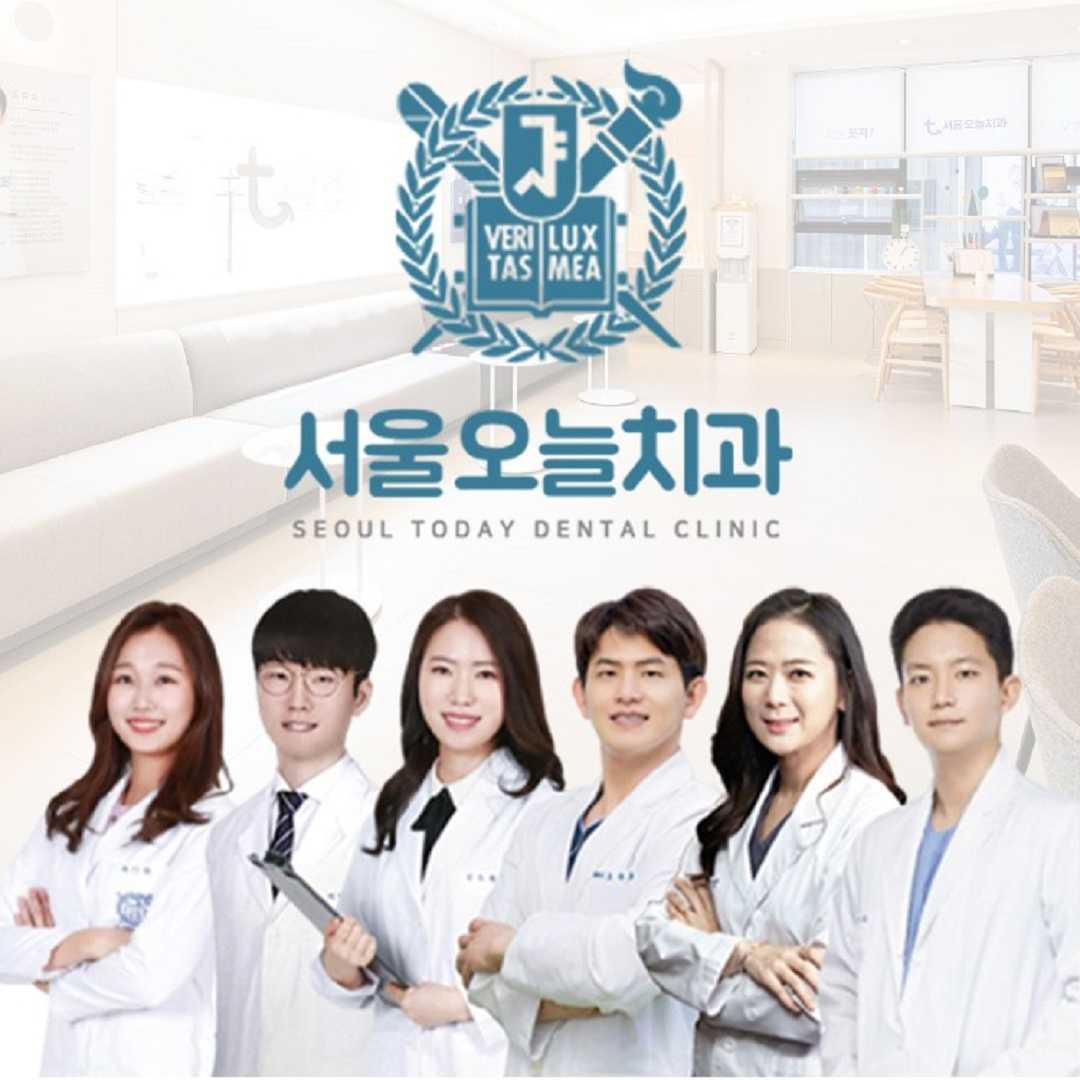
Seoul Today Dental Clinic
Seoul, South Korea
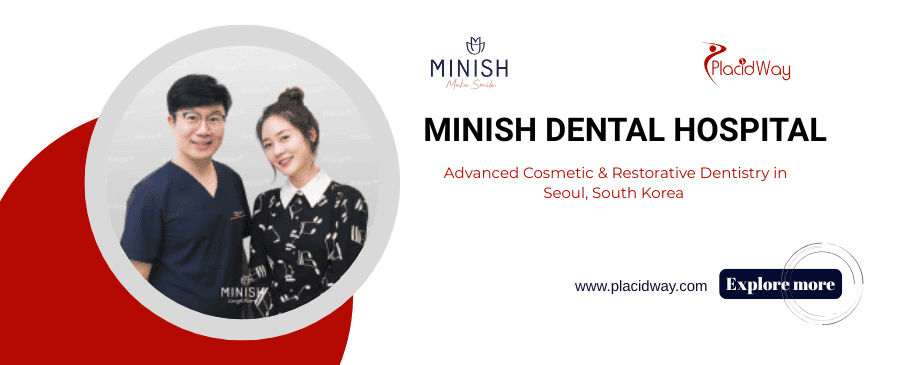
MINISH DENTAL HOSPITAL
Seoul, South Korea
Những câu chuyện của bệnh nhân mang đến cái nhìn sâu sắc nhất về trải nghiệm thực tế của du lịch nha khoa. Các video dưới đây giới thiệu lời chứng thực từ những bệnh nhân đã đến Seoul để điều trị nha khoa. Họ thảo luận về mức độ đau, tốc độ thực hiện thủ thuật và chất lượng giao tiếp với các nha sĩ Hàn Quốc. Hãy xem những video này để thấy sức mạnh biến đổi của một nụ cười được phục hồi và các trang thiết bị hiện đại có sẵn ở Seoul.
Lưu ý: Hãy chú ý lắng nghe bệnh nhân thảo luận về quy trình "Một ngày" để hiểu xem bạn có phải là ứng cử viên cho việc cấy ghép tức thì hay không.
Seoul luôn đứng đầu bảng xếp hạng về sự hài lòng của bệnh nhân đối với các điều trị nha khoa. Trong phần này, bạn có thể đọc các đánh giá đã được xác thực từ những người đã trải qua các thủ thuật cấy ghép răng tại đây. Các chủ đề chính thường bao gồm sự chuyên nghiệp của đội ngũ nhân viên, sự sạch sẽ của các phòng khám và tính chất không đau đáng ngạc nhiên của phẫu thuật được hướng dẫn bằng máy tính. Những đánh giá này là một nguồn thông tin quý giá để xác nhận sự lựa chọn điểm đến của bạn.
Mẹo đánh giá: Hãy tìm những đoạn đề cập đến "điều phối viên tiếng Anh" để đánh giá mức độ thoải mái của bạn khi giao tiếp về nhu cầu của mình.

How Much Do Dental Implants Cost in Seoul? A Guide to South Korea Dental Costs
The estimated cost of a single dental implant in Seoul typically ranges from $900 to $1,500. This price usually includes the implant post, abutment, and standard crown, though complex cases requiring bone grafting or extractions may incur additional fees. Key Takeaways Cost estimates for single implants range between $900 and $1,500, varying by clinic and material choice. Pre-surgical procedures like 3D imaging, bone grafting, and tooth extractions are usually billed separately. South Korea boasts advanced dental infrastructure, utilizing internationally recognized and FDA-cleared implant systems. Patients must verify clinical credentials through the appropriate South Korean medical and dental registries before booking. Successful medical tourism requires planning for adequate healing time and securing local follow-up care in your home country. What is the average dental implant cost in South Korea? The average dental implant cost in South Korea spans from $900 to $1,500 per tooth. This initial estimate typically covers the foundational components of the implant process. When reviewing estimates for dental procedures, it is important to clearly distinguish the price of the titanium implant post from the comprehensive total. A complete functional implant requires three main parts: the surgical post (fixture), the connector (abutment), and the visible artificial tooth (crown). Some clinics provide packaged pricing, while others itemize these components. Patients should also budget for essential diagnostic steps. Advanced 3D CBCT scans, panoramic X-rays, and initial consultations are necessary for accurate surgical planning. Depending on the facility, these imaging costs may be included in a promotion or billed separately during the first visit. Finally, not all patients have adequate bone density to support an implant immediately. If the jawbone has deteriorated due to prolonged tooth loss, procedures such as bone grafting or sinus lifts will be required. These surgical additions increase both the overall financial investment and the timeline of the treatment. Procedure Type Estimated Cost Range (USD) Notes Single Implant (Complete) $900 - $1,500 Includes post, abutment, and standard crown. Bone Grafting (Per site) $300 - $800 Required if jawbone density is insufficient. Sinus Lift $500 - $1,200 Often needed for upper back teeth implants. Tooth Extraction $50 - $200 Varies if surgical or simple extraction. Why is medical tourism in South Korea popular for dental implants? Medical tourism in South Korea attracts patients due to the country's stringent healthcare standards, high concentration of experienced specialists, and utilization of innovative clinical technology. Technological Integration: Many facilities are equipped with digital dentistry tools, including CAD/CAM milling machines and 3D oral scanners, which can streamline the creation of custom prosthetics. Specialized Training: Oral surgeons and prosthodontists in South Korea undergo rigorous education, and many pursue continuing education internationally to master complex restorative techniques. Local Manufacturing: South Korea is a hub for dental implant manufacturing. Brands like Osstem and Dentium are produced domestically, allowing local clinics to source high-quality materials at reduced logistical costs. Hygiene Standards: Accredited dental centers adhere strictly to sterilization and cross-contamination protocols, ensuring environments that prioritize patient safety. Comprehensive Care Models: Clinics often consolidate specialists (such as periodontists and oral surgeons) under one roof, reducing the need for patients to travel between different facilities for distinct stages of treatment. Did You Know? South Korea is one of the world's leading manufacturers of dental implants. Because of this robust domestic industry, patients can often access highly researched, internationally recognized implant systems directly in Seoul at very competitive price points. How can I find a reliable dental implant clinic in Seoul? Selecting a trustworthy dental implant clinic in Seoul requires verifying the dentist's credentials through official medical registries and evaluating the facility's experience with international patients. Before committing to a procedure, prospective patients must prioritize verifying the professional standing of their chosen dentist. In South Korea, legitimate practitioners must be licensed by the Ministry of Health and Welfare. Patients are encouraged to request evidence of specialty training in implantology or oral surgery, rather than relying solely on general dentistry licenses. Communication is another critical factor. Dental implant procedures involve complex medical terminology and nuanced consent forms. It is vital to select a clinic that provides fluent English-speaking staff or certified medical interpreters. This ensures that treatment plans, risk factors, and aftercare instructions are fully understood by the patient. Lastly, review the clinic's transparency regarding pricing and complication protocols. A reputable clinic will provide a comprehensive, itemized estimate prior to travel and clearly explain how they handle potential surgical complications or hardware failures. What types of dental implants in Seoul are commonly used by dentists? Practitioners utilizing dental implants in Seoul offer a variety of FDA-cleared or internationally recognized systems, including both premium imported brands and high-quality domestic options. Domestic Market Leaders: Brands such as Osstem, Dentium, and MegaGen are engineered in South Korea and heavily utilized globally. They often present a cost-effective solution without compromising on clinical research or structural integrity. Imported Premium Brands: Clinics also offer widely recognized international systems like Straumann (Switzerland) and Nobel Biocare (Sweden/Switzerland). These may carry a higher price tag due to import costs and extensive long-term global data. Material Choices: The majority of implant posts are crafted from biocompatible titanium alloys, known for their high success rates in osseointegration. Zirconia (ceramic) implants may be available for suitable patients with metal sensitivities. Restorative Crown Options: The final aesthetic outcome relies on the crown material. Zirconia and porcelain-fused-to-metal (PFM) are the most common choices, with zirconia favored for its durability and natural appearance. Custom vs. Stock Abutments: Advanced clinics may offer custom-milled abutments tailored to the patient's specific gum contour, which can improve the final aesthetic and functional result compared to pre-manufactured stock abutments. Which additional procedures affect the cost of dental implants in South Korea? Beyond the implant itself, the total cost can be affected by preparatory surgeries such as bone grafting, sinus lifts, complex extractions, and the type of anesthesia administered. Successful implant placement requires sufficient jawbone volume and density. If a patient has been missing teeth for an extended period, bone resorption may have occurred. In these instances, a bone grafting procedure is necessary to build a solid foundation, adding both cost and healing time to the treatment plan. When implants are needed in the upper back jaw, the maxillary sinus cavity may be too close to the gum line. A sinus lift is a specialized grafting procedure designed to gently elevate the sinus membrane and place bone graft material, safely creating enough space for the titanium post. Additionally, if a damaged or decayed tooth is still present, an extraction must be performed. Depending on whether it is a simple extraction or a complex surgical removal, fees will vary. Finally, while local anesthesia is standard, patients requesting IV sedation to manage anxiety should expect an additional charge for the anesthesiologist's services. Important Consideration Implant survival rates vary by patient and are influenced heavily by lifestyle factors such as smoking, uncontrolled diabetes, and oral hygiene. Medical facilities cannot guarantee permanent success, and maintaining realistic expectations regarding the healing process is vital. How long does the dental implant procedure in Seoul typically take? A standard dental implant procedure is typically completed in two main phases spread over several months, requiring either two separate international trips or an extended stay. Phase 1 (Surgical Placement): The first visit involves diagnostics, extractions (if necessary), and the surgical insertion of the titanium implant into the jawbone. This trip generally requires a stay of 5 to 7 days to allow for initial monitoring and suture removal. The Healing Period: After placement, a biological process called osseointegration must occur, where the bone fuses with the implant. This typically takes 3 to 6 months, during which the patient returns home. Phase 2 (Restoration): Once healed, the patient returns for the second trip. The abutment and custom-made crown are attached to the secure implant. This phase usually requires a stay of 7 to 10 days while the dental lab fabricates the permanent prosthetics. One-Day Implants: In highly specific, clinically suitable cases, some clinics offer immediate-load implants. However, this is not appropriate for all patients and carries a different risk profile that must be discussed with the surgeon. Travel Buffer: It is always advised to add a few extra days to your itinerary to accommodate unforeseen adjustments or localized swelling before flying. What are the risks of traveling for dental implants in South Korea? Traveling for dental surgery introduces variables such as post-operative flight restrictions, the potential need for emergency local aftercare, and language barriers in complex medical situations. Any surgical procedure carries inherent medical risks, including infection, nerve damage, or sinus complications. When undergoing treatment abroad, patients face the added challenge of managing these potential complications once they return home. If an implant fails to integrate or an infection develops weeks later, flying back to Seoul may not be feasible. Furthermore, air travel immediately following oral surgery—particularly if a sinus lift was involved—can be dangerous. Changes in cabin pressure can cause severe discomfort or damage to the surgical site. Dentists generally mandate a waiting period of several days before permitting patients to fly. Patients must proactively arrange a contingency plan. This involves communicating with a local dentist in your home country who is willing to take on maintenance, adjustments, or emergency interventions for dental work originally performed overseas. Do providers of dental implants in Seoul offer treatment warranties? While absolute medical guarantees do not exist, many clinics in Seoul offer conditional replacement policies or warranties covering material defects for a specified number of years. Material vs. Medical Policies: Warranties generally cover structural failures of the implant fixture or the crown (e.g., a cracked prosthetic). They rarely cover biological failures caused by poor oral hygiene or the development of new medical conditions. Conditions of Validity: To maintain these warranties, clinics typically require patients to undergo professional cleanings and check-ups at least once or twice a year. Proof of these visits from a local dentist is often mandatory. Logistical Constraints: If a warranty claim is validated, the clinic may provide replacement materials free of charge. However, the patient is almost always responsible for the costs associated with flights, accommodation, and sometimes the clinical labor fees to fix the issue. Brand Passports: Many clinics provide an "Implant Passport" containing the exact specifications, brand, and serial number of the implant. This document is essential for receiving appropriate care from local dentists in the future. Read the Fine Print: Never assume a procedure is fully guaranteed. Always request warranty terms in writing and in English before agreeing to the treatment plan. Why Choose PlacidWay to Compare Dental Implant Options in South Korea? PlacidWay assists patients in exploring diverse international healthcare options by connecting them with recognized medical providers, allowing for informed comparisons without aggressive pressure. Comprehensive Provider Profiles: Patients can review detailed information about various clinics, including dentist credentials, facility accreditations, and patient reviews. Transparent Estimate Comparisons: Access clear pricing structures to help distinguish between base implant costs and potential additional surgical fees. Educational Resources: Utilize patient guides to better understand procedures, required recovery times, and essential travel-health considerations. Direct Clinic Communication: Facilitate questions directly with the chosen clinic to discuss customized treatment plans and verify material availability. Informed Decision Making: Take your time to review all available clinical data and estimates to ensure you make a choice that aligns with your medical needs and budget. Frequently Asked Questions (FAQs) Are dental implants in Seoul painful? Dental implant surgery is typically performed under local anesthesia or conscious sedation, meaning patients usually feel pressure rather than pain during the procedure. Post-operative discomfort, swelling, and mild bruising may occur but are generally manageable with over-the-counter or prescribed pain relievers. Can I get full mouth dental implants in South Korea? Yes, many specialized clinics in South Korea offer full mouth restorations, such as All-on-4 or All-on-6 procedures. Suitable candidates are determined through comprehensive 3D imaging and clinical evaluation to assess bone density and overall oral health. How long do dental implants in Seoul typically last? While implant posts are designed to be long-lasting and can function for many years, their longevity heavily depends on excellent oral hygiene, regular dental check-ups, and individual health factors. Crowns and prosthetics attached to the implants may require replacement due to normal wear and tear over time. Is it safe to travel for medical tourism in South Korea? Traveling for medical procedures generally carries some risks, but South Korea has a highly regulated healthcare system. Patient safety can be enhanced by choosing properly credentialed providers, understanding potential complications, and ensuring adequate time for recovery before flying. Do specialists at a dental implant clinic in Seoul speak English? Many clinics catering to international patients employ English-speaking dentists or provide dedicated in-house translation services. It is essential to confirm the availability of fluent communication before booking to ensure you fully understand your treatment plan. What is the difference between domestic and imported dental implants in South Korea? Domestic brands like Osstem and Dentium are highly respected and widely used in South Korea, often at a lower cost than imported brands like Straumann or Nobel Biocare. Both domestic and international options can offer successful outcomes when placed by experienced professionals. Can I fly immediately after getting dental implants in Seoul? Flying immediately after oral surgery is typically discouraged due to the risks of pressure changes affecting sinus cavities, especially if a sinus lift was performed. Most dentists recommend waiting a few days to a week before air travel, depending on the complexity of the surgery. How do patients pay for the dental implant cost in South Korea? Most major clinics accept international credit cards, wire transfers, and cash in local currency. It is important to clarify payment terms, currency exchange rates, and any potential international transaction fees with the clinic beforehand. Do I need a visa for dental implants in South Korea? Visa requirements depend on your citizenship. Many Western countries have visa-waiver agreements allowing short-term visits for tourism or medical purposes, but patients must check current entry requirements and the K-ETA (Korea Electronic Travel Authorization) guidelines prior to travel. What happens if I need aftercare for dental implants in Seoul after returning home? It is critical to establish a relationship with a local dentist in your home country before traveling. If adjustments, maintenance, or complication management are required after returning, a local professional will need to step in to provide ongoing care. Ready to Explore Your Dental Options? Compare trusted clinics, review cost estimates, and discover if medical tourism for dental implants in Seoul aligns with your healthcare needs. Request Treatment Information Disclaimer: The information provided in this article is for educational purposes only and should not replace professional medical advice. Prices are estimates and vary by clinic, case complexity, and materials. Always consult with a qualified healthcare provider before undergoing any medical procedure. References Success Rates of Dental Implants – National Center for Biotechnology Information (NCBI) Medical Tourism Guidelines and Risks – Centers for Disease Control and Prevention (CDC) Dental Implants Overview – American Dental Association (ADA) Dental Implants: What You Should Know – U.S. Food and Drug Administration (FDA) Dental Implant Surgery Risks and Details – Mayo Clinic Tooth Loss and Replacement Information – National Institute of Dental and Craniofacial Research (NIDCR) Patient Safety Guidelines – World Health Organization (WHO)
What is the Cost of a Dental Implant in Seoul, South Korea?
A single dental implant in Seoul, South Korea, typically ranges from ?1,500,000 to ?3,000,000 (approximately $1,100 to $2,200 USD), depending on the clinic, implant brand, and complexity of the procedure. Thinking about dental implants in Seoul, South Korea? You're not alone! Many individuals worldwide are choosing Seoul for their dental care needs, especially for procedures like dental implants. It's a fantastic choice not just for the vibrant culture and delicious food, but also for its advanced healthcare system and competitive pricing. Getting a dental implant is a significant decision, and understanding the costs involved is naturally a top priority. In Seoul, you'll find a blend of cutting-edge technology, highly skilled dentists, and prices that often present a compelling alternative to what you might pay in Western countries. This guide will walk you through everything you need to know about the cost of a dental implant in Seoul, South Korea, breaking down the factors that influence pricing and what you can expect from your dental journey. What is the average cost of a dental implant in Seoul, South Korea? The average cost for a single dental implant in Seoul, South Korea, is approximately ?2,000,000 to ?2,500,000 ($1,500 to $1,900 USD), encompassing the implant, abutment, and crown. When considering a dental implant in Seoul, it's important to understand that the "cost" usually refers to a package that includes several components. This average price typically covers the implant post itself, which is surgically placed into your jawbone, the abutment that connects the post to the crown, and the custom-made crown (the visible tooth) that sits atop everything. These figures are averages and can vary. Some clinics might offer slightly lower prices for specific promotions or standard materials, while premium clinics or those using top-tier implant brands might charge towards the higher end of the spectrum. It's always wise to get a detailed breakdown from your chosen clinic to understand exactly what is included in their quoted price. What factors influence the total cost of dental implants in Seoul? Key factors influencing dental implant costs in Seoul include the implant brand, materials (e.g., zirconia, titanium), additional procedures like bone grafting, the dentist's experience, and clinic location. Several variables play a significant role in determining the final price of your dental implant in Seoul. Understanding these factors can help you gauge the value and make an informed decision. Implant Brand and Material: There are many dental implant manufacturers worldwide. Premium brands (e.g., Straumann, Nobel Biocare) often come with a higher price tag due to their extensive research, clinical track record, and advanced materials. The implant post itself is usually titanium, but the crown can be made from various materials like porcelain-fused-to-metal (PFM) or all-ceramic (zirconia), with zirconia often being more expensive due to its aesthetic qualities and durability. Additional Procedures: Not everyone has sufficient bone density or gum health for immediate implant placement. Procedures like bone grafting, sinus lifts, or gum contouring might be necessary before the implant can be placed, adding to the overall cost and treatment time. Dentist's Experience and Clinic Reputation: Highly experienced dentists, especially those with specialized training in implantology, may charge more for their expertise. Similarly, clinics known for their state-of-the-art facilities, advanced technology, and high success rates might have higher prices. Clinic Location and Amenities: Clinics located in affluent districts of Seoul (e.g., Gangnam) or those offering luxury amenities might have higher overheads, which can translate into slightly higher prices. Number of Implants: While this guide focuses on a single implant, if you need multiple implants, the total cost will naturally increase, though some clinics might offer a slightly reduced per-implant rate for multiple placements. Is it cheaper to get dental implants in Seoul compared to Western countries? Yes, dental implants in Seoul can often be significantly cheaper than in many Western countries like the US, Canada, or Europe, while still offering high-quality care and advanced technology. One of the primary reasons many international patients consider Seoul for dental implants is the cost-effectiveness. In countries like the United States, a single dental implant can easily range from $3,000 to $6,000 USD, and sometimes even more, depending on the region and complexity. Similarly, in Canada or parts of Europe, prices can be substantially higher than those found in Seoul. The lower cost in Seoul does not typically reflect a compromise on quality. South Korea boasts a highly competitive healthcare market, advanced medical technology, and a well-trained medical workforce. The country's strong economy and government investments in healthcare infrastructure contribute to maintaining high standards at more accessible price points compared to many Western nations, making it an attractive destination for dental tourism. What are the typical stages involved in a dental implant procedure in Seoul? A typical dental implant procedure in Seoul involves an initial consultation, implant placement surgery, a healing period (osseointegration), and finally, the placement of the abutment and custom crown. The dental implant process is a multi-stage treatment designed to ensure long-term success and stability. Here's a breakdown of the typical stages: Initial Consultation and Planning: This first step involves a comprehensive examination, including X-rays, 3D CT scans, and a discussion of your medical history. The dentist will assess your oral health, bone density, and suitability for implants, then create a personalized treatment plan. Implant Placement Surgery: During this stage, the titanium implant post is surgically placed into your jawbone. This is typically done under local anesthesia. After placement, the gum tissue is usually closed over the implant, and a healing cap may be placed. Healing Period (Osseointegration): This is the crucial time when the implant fuses with your jawbone, a process called osseointegration. This period can last anywhere from 3 to 6 months, depending on individual healing rates and bone quality. During this time, you might wear a temporary denture or bridge. Abutment Placement: Once osseointegration is complete, a minor surgical procedure is performed to expose the implant and attach the abutment, which is the connector piece that will hold your new crown. Crown Fabrication and Placement: Impressions are taken to create your custom-made crown, matching the color, shape, and size of your natural teeth. Once the crown is ready, it is securely cemented or screwed onto the abutment, completing the restoration. Each stage is critical for the success and longevity of your dental implant, and your Seoul dental team will guide you through every step. Are there any hidden costs associated with dental implants in South Korea? Generally, reputable clinics in South Korea provide transparent pricing; however, potential hidden costs might include pre-operative diagnostics, post-operative medications, or unforeseen complex grafting needs. One of the strengths of the South Korean healthcare system is its emphasis on clarity and professionalism. Most reputable dental clinics in Seoul strive to provide very clear and upfront pricing. However, it's always wise for patients, especially international ones, to ask for a detailed cost breakdown to avoid any surprises. Potential additional costs that might not be included in a basic implant quote could be: diagnostic imaging (like initial X-rays or CT scans if not factored into the consultation), necessary pre-implant procedures (such as tooth extractions or extensive gum treatments), bone grafting or sinus lift procedures if determined necessary after initial assessment, post-operative medications (painkillers, antibiotics), or a temporary prosthetic while you wait for osseointegration. Always clarify what your package includes and what might be an extra charge before starting treatment. What types of dental implants are available in Seoul, and how do they affect cost? Seoul clinics offer various dental implant types, including traditional endosteal implants, mini implants, and all-on-4/6 systems, with costs varying based on material, complexity, and number of implants needed. Seoul's dental clinics are equipped to provide a wide range of implant solutions, catering to diverse patient needs and clinical situations. The type of implant chosen directly impacts the overall cost. The most common type is the endosteal implant, which is a screw-shaped titanium post surgically placed into the jawbone. These are ideal for most patients with sufficient bone density for a single tooth replacement. For patients missing multiple teeth, solutions like implant-supported bridges or full-arch restorations like All-on-4 or All-on-6 systems are available. These full-arch solutions involve placing four or six implants to support an entire arch of prosthetic teeth, and naturally, their total cost is higher than a single implant due to the complexity and number of components. Another factor is the choice of restoration material for the crown. While titanium is standard for the implant post, crowns can be made from various materials: Porcelain Fused to Metal (PFM): A metal base with porcelain layered over it. Generally strong and less expensive, but the metal base can sometimes show through. All-Ceramic (Zirconia): Made entirely from ceramic material. Highly aesthetic, durable, and biocompatible, often preferred for front teeth. Zirconia crowns usually command a higher price. Your dentist in Seoul will discuss the best type of implant and crown material for your specific situation, considering both clinical suitability and your budget. How do clinics in Seoul maintain high quality despite lower prices for dental implants? Seoul clinics maintain high quality through competitive market forces, government healthcare investments, high technology adoption, and a strong emphasis on patient satisfaction in a medical tourism hub. The perception that lower prices equate to lower quality is often dispelled when it comes to medical tourism in South Korea. Seoul's dental sector thrives on a combination of factors that allow it to offer premium services at more accessible price points. Firstly, the sheer volume of dental clinics and practitioners in Seoul creates a highly competitive environment. This competition encourages clinics to invest in the latest technology, continuous training for their staff, and to optimize their operational costs without compromising on patient care. Secondly, the South Korean government actively supports and invests in its healthcare infrastructure and research, ensuring a high standard across the board. Many dental professionals receive advanced training and are adept at using cutting-edge diagnostic and treatment equipment, such as 3D CT scanners and CAD/CAM technology for precise implant planning and crown fabrication. Furthermore, as a growing hub for medical tourism, Seoul's clinics understand the importance of international patient satisfaction and reputation. They adhere to stringent hygiene protocols and often seek international accreditations to assure global patients of their commitment to excellence. This combination of competitive market dynamics, governmental support, technological advancement, and a focus on patient outcomes contributes to Seoul's ability to offer high-quality dental implants at a competitive cost. What should medical tourists consider when planning dental implant treatment in Seoul? Medical tourists should consider travel logistics, accommodation, communication (translator services), clinic accreditation, post-operative care plans, and the total duration of their stay in Seoul for dental implants. Planning dental implant treatment abroad, especially in a city like Seoul, requires careful consideration beyond just the procedure itself. Here are key aspects for medical tourists to keep in mind: Travel and Accommodation: Factor in flight costs, visa requirements (if any), and accommodation for the duration of your stay. Depending on the implant process, you might need to make two trips or stay for an extended period. Look for hotels or serviced apartments near your chosen clinic. Communication: While many clinics cater to international patients with English-speaking staff, having access to translation services, especially for complex medical discussions, can be invaluable. Confirm language support beforehand. Clinic Research and Accreditation: Thoroughly research potential clinics. Look for information on their dentists' qualifications, patient reviews, and any international accreditations they may hold (though not all excellent clinics will have these, it can be an added layer of assurance). Post-Operative Care and Follow-up: Understand the post-operative care instructions and what follow-up might be required. If a complication arises after you return home, know what support the clinic offers or if local dentists can assist. Overall Timeline: The entire implant process can span several months. Be prepared for potentially two trips to Seoul (one for implant placement, one for crown placement) or a single, longer stay, depending on your treatment plan. Considering these aspects will ensure a smoother and more successful dental tourism experience in Seoul. Is bone grafting often required for dental implants in Seoul, and what is its cost? Bone grafting may be required if there's insufficient jawbone for implant support. In Seoul, the cost for bone grafting typically ranges from ?300,000 to ?1,000,000 ($220 to $750 USD) per site, depending on complexity and material. Bone grafting is a common procedure in implant dentistry, especially for patients who have experienced bone loss due to tooth extraction, gum disease, or trauma. A strong and adequate jawbone is crucial to securely anchor the dental implant and ensure its long-term stability. If your initial diagnostic scans show insufficient bone volume or density, your Seoul dentist will likely recommend a bone graft. The cost of bone grafting in Seoul can vary based on several factors: Type of Graft Material: Bone graft materials can be autogenous (taken from your own body), allograft (from a human donor), xenograft (from an animal source, commonly bovine), or synthetic. The material choice influences cost. Amount and Location of Graft: A small localized graft will be less expensive than a larger, more complex graft or a sinus lift procedure, which rebuilds bone in the upper jaw near the sinuses. Complexity of Procedure: The skill required and the time taken for the grafting procedure will also affect its price. It's important to view bone grafting as an investment in the success of your dental implant. Without adequate bone support, the implant may fail. Your dental clinic in Seoul will provide a clear explanation of whether this procedure is necessary and its associated costs during your initial consultation. How long does it take to complete the entire dental implant process in Seoul? The complete dental implant process in Seoul, from initial placement to final crown, usually takes 3 to 6 months, allowing adequate time for osseointegration, though some immediate loading options exist. The timeline for a dental implant procedure isn't instantaneous, as it involves biological healing processes. Here's a general breakdown of the duration: The most significant part of the timeline is the osseointegration period, which is when the implant post fuses with your jawbone. This typically takes 3 to 6 months. During this time, the implant must remain undisturbed to heal properly. For patients requiring additional procedures like bone grafting or tooth extractions, this healing time will extend further, adding an extra 3 to 9 months before the implant can even be placed. After osseointegration, there will be appointments for abutment placement and taking impressions for your custom crown, followed by the final crown placement. These steps usually take a few weeks. Some advanced cases might qualify for immediate loading implants, where a temporary crown is placed shortly after implant surgery. However, this is not suitable for everyone and depends on bone quality and implant stability at the time of placement. Your Seoul dental team will provide a personalized timeline based on your specific treatment needs. Considering dental implants or other healthcare services abroad? Explore PlacidWay for comprehensive solutions and connect with trusted global providers tailored to your needs.
How Long Does the Dental Implant Procedure Take in Seoul, South Korea?
The dental implant procedure in Seoul can vary significantly, typically ranging from a few months for straightforward cases to over a year for complex situations requiring extensive preparatory work like bone grafting. Initial surgery usually takes 1-2 hours per implant. Planning a dental implant procedure can feel like a big step, especially when considering traveling to a bustling city like Seoul for treatment. One of the most common questions people have is, "How long will this all take?" It’s a completely valid concern, as understanding the timeline is crucial for scheduling, budgeting, and making travel arrangements. The good news is that Seoul is renowned for its advanced dental care and efficiency, attracting many international patients seeking high-quality treatment. While the actual surgical placement of a dental implant might only take an hour or two per implant, the entire process from initial consultation to the final crown placement spans several months. This extended timeline is due to the biological healing required, specifically for osseointegration, where the implant fuses with your jawbone. Factors like the number of implants, the health of your jawbone, and whether additional procedures like bone grafts or sinus lifts are needed will all play a significant role in determining your specific timeline. We'll break down each stage so you know exactly what to expect when you choose Seoul for your dental implant journey. What is the typical timeline for a dental implant procedure in Seoul? The typical timeline for a dental implant procedure in Seoul, from initial assessment to final crown placement, generally spans 3 to 9 months, though it can extend beyond a year for complex cases requiring additional preparatory treatments. The journey to a complete dental implant in Seoul is a multi-stage process designed to ensure the best possible long-term outcome. It's not a single appointment procedure, but rather a carefully spaced series of visits that allow for proper healing and integration. Understanding these stages will help you plan your visits and manage your expectations regarding the overall duration. Generally, the process unfolds in several key phases: Initial Consultation and Planning (1-2 days): This involves comprehensive examinations, X-rays, 3D scans, and a discussion of your treatment plan. This can often be completed in a single visit or over two consecutive days. Implant Placement Surgery (1-2 hours per implant): This is the surgical procedure where the titanium implant post is placed into your jawbone. This is usually done in one visit. Healing and Osseointegration (3-6 months): This is the most crucial, and often the longest, phase. During this time, the implant fuses with your jawbone. A temporary crown might be placed to maintain aesthetics. Abutment Placement (1 visit, usually 30-60 minutes): Once osseointegration is complete, a small connector post (abutment) is attached to the implant. Sometimes, this is done during the initial surgery. Crown Fabrication and Placement (1-2 weeks for fabrication, 1 visit for placement): Impressions are taken, and your custom crown is fabricated. Once ready, it's permanently attached to the abutment. For international patients, clinics in Seoul are adept at streamlining these visits where possible, sometimes combining initial assessment and even implant placement if conditions are ideal and travel schedules are tight. However, the biological healing time for osseointegration cannot be rushed. What are the stages of a dental implant procedure? The stages of a dental implant procedure include initial consultation and planning, implant placement surgery, a healing period for osseointegration, abutment placement, and finally, custom crown fabrication and placement. To fully grasp the timeline, it's essential to understand the distinct stages involved in receiving a dental implant. Each stage serves a specific purpose, contributing to the success and longevity of your new tooth. Comprehensive Examination and Treatment Planning: This initial stage involves a thorough dental examination, taking X-rays and 3D CT scans to assess your bone density, gum health, and overall oral structure. The dentist will discuss your medical history and create a personalized treatment plan, including determining the best implant type and position. Tooth Extraction (if necessary): If the damaged tooth is still present, it will need to be extracted first. A healing period of several weeks to a few months may be required before implant placement, especially if there's significant infection or damage. Bone Grafting or Sinus Lift (if necessary): If your jawbone isn't dense enough or the sinus cavity is too low (for upper jaw implants), preparatory procedures like bone grafting or a sinus lift might be needed. These add several months (typically 4-9 months) to the overall treatment timeline as the grafted bone needs time to integrate and strengthen. Implant Placement Surgery: This is the surgical step where the titanium implant post is precisely placed into the jawbone. This outpatient procedure typically involves local anesthesia and sedation, and takes about 1 to 2 hours per implant. Osseointegration (Healing Period): After implant placement, the implant needs time to naturally fuse with the jawbone. This biological process, called osseointegration, usually takes 3 to 6 months. During this period, you might wear a temporary denture or bridge. Abutment Placement: Once osseointegration is complete and the implant is stable, a small connector piece called an abutment is attached to the implant. This may involve a minor surgical procedure if the implant was covered by gum tissue, or it might be placed during the initial surgery. Prosthetic Crown Fabrication and Placement: After the abutment is in place, impressions of your mouth are taken to custom-fabricate your new crown (the visible tooth). This process usually takes 1-2 weeks. Once the crown is ready, it is securely cemented or screwed onto the abutment, completing your new tooth. Each of these stages is critical, and rushing through them can compromise the success of the implant. Clinics in Seoul prioritize patient safety and optimal results, adhering strictly to these necessary healing periods. Does a bone graft extend the implant timeline? Yes, a bone graft significantly extends the dental implant timeline, typically adding an extra 4 to 9 months for the grafted bone to fully heal and integrate before the implant can be safely placed. Bone grafting is a common preparatory procedure for dental implants, especially for patients who have experienced bone loss due to tooth extraction, gum disease, or trauma. It's essential to have sufficient bone density and volume to securely hold the implant. If your initial examination reveals inadequate bone, a bone graft will be recommended. The process of bone grafting involves adding bone material (either from your own body, a donor, an animal source, or synthetic material) to the jawbone. This new bone material needs time to integrate with your existing bone, effectively building a strong foundation for the implant. This healing period is crucial and cannot be rushed. Here’s a general breakdown of how bone grafting impacts the timeline: Procedure Approximate Timeline Added Purpose Minor Graft (e.g., socket preservation) 2-4 months To prevent bone loss after extraction, allowing earlier implant placement. Major Graft (e.g., block graft, sinus lift) 6-9 months or more To rebuild significant bone volume for implant stability. It's important to factor this additional time into your overall planning, especially if you're traveling for the procedure. While it adds to the duration, a successful bone graft is vital for the long-term success and stability of your dental implants. How many visits are typically required for dental implants in Seoul? Typically, dental implants in Seoul require a minimum of two trips spread over several months, with the first trip for consultation and implant placement, and the second for abutment and crown placement after the healing period. More complex cases may require additional visits. For international patients, the number of trips to Seoul for dental implants is a critical consideration for logistics and budgeting. While the entire process is phased, clinics in Seoul are experienced in accommodating international schedules to minimize travel burden. Here’s a breakdown of typical visit requirements: First Trip (2-7 days): Day 1-2: Initial consultation, comprehensive diagnostics (X-rays, CT scans), treatment planning, and potentially any necessary tooth extractions. Day 3-5: Implant placement surgery. If multiple implants or complex extractions are needed, this might extend your stay for initial post-operative checks. Day 6-7: Final post-operative check-up before returning home, along with instructions for at-home care during the osseointegration period. Healing Period (3-6 months, at home): This is the time for osseointegration, during which you will be back in your home country. Second Trip (7-14 days): Day 1-2: Assessment of implant integration, abutment placement (if not done during the first surgery), and taking impressions for the custom crown. Day 3-10: While your custom crown is being fabricated in a local lab, you can explore Seoul or simply relax. Some clinics may offer temporary solutions during this time. Day 11-14: Final crown placement and adjustments. Your new tooth is complete! For patients requiring bone grafting or sinus lifts, an additional trip or a significantly longer first trip might be necessary, or the healing period will be extended before the second trip for implant placement. Always discuss your travel limitations and preferences with the clinic during your initial consultation so they can help plan the most efficient schedule for you. What is the recovery time after a dental implant? Initial recovery after dental implant surgery typically lasts a few days to a week, with mild discomfort manageable by over-the-counter pain relievers. Full biological recovery, known as osseointegration, takes 3 to 6 months as the implant fuses with the jawbone. Understanding recovery is important for managing expectations and ensuring the success of your implant. There are two main aspects to recovery: immediate post-surgical recovery and long-term biological healing. Immediate Post-Surgical Recovery (First Few Days to a Week): After the implant placement surgery, it's normal to experience some discomfort. This typically includes: Swelling: This is common and usually peaks within 24-48 hours, gradually subsiding over the next few days. Applying ice packs can help. Minor Bleeding: Some light bleeding or oozing from the surgical site is normal for the first day. Pain and Soreness: You will likely feel some pain or soreness, which can usually be managed with prescribed pain medication or over-the-counter pain relievers. Diet Restrictions: You'll be advised to stick to soft foods for a few days to avoid irritating the surgical site. Most patients can return to light activities and work within 1-3 days after surgery, depending on the number of implants and individual healing rates. Strenuous activities should be avoided for at least a week to prevent complications. Long-Term Biological Healing (Osseointegration - 3 to 6 Months): This is the critical phase where the titanium implant post biologically fuses with your jawbone. This process, called osseointegration, is what gives the implant its stability and strength. During this time, you won't feel much happening, but internally, your bone cells are growing around and bonding with the implant surface. This period cannot be rushed and is essential for the long-term success of the implant. During this time, you might have a temporary restoration to maintain aesthetics. Following post-operative instructions diligently, maintaining excellent oral hygiene, and attending follow-up appointments (even if remotely through your local dentist or through virtual check-ins with your Seoul clinic) are vital for a smooth recovery and successful osseointegration. Why choose Seoul for dental implant tourism? Seoul is a top choice for dental implant tourism due to its high-quality dental care, state-of-the-art technology, experienced dentists, competitive pricing, and excellent infrastructure for medical tourists, ensuring a comfortable and efficient treatment experience. Seoul has emerged as a global hub for medical tourism, and dental implants are a significant part of this appeal. Patients from around the world choose Seoul for a combination of factors that ensure a high-quality, efficient, and often more affordable experience compared to Western countries. Advanced Technology and Techniques: Dental clinics in Seoul are equipped with cutting-edge technology, including 3D CT scanners, digital impression systems, and CAD/CAM technology for precise implant placement and custom crown fabrication. Many clinics use guided surgery techniques for enhanced accuracy and reduced recovery time. Highly Skilled and Experienced Dentists: South Korean dentists are known for their rigorous training, often specializing in fields like oral and maxillofacial surgery or prosthodontics. Many have international experience and affiliations, ensuring expertise and adherence to global standards. Competitive Pricing: While not the cheapest in the world, dental implant costs in Seoul are generally more competitive than in North America, Western Europe, or Australia, without compromising on quality. This value proposition makes it attractive for medical tourists. High Standards of Care and Safety: South Korean medical facilities adhere to strict national regulations and often pursue international accreditations, ensuring patient safety, hygiene, and ethical practices. Medical Tourism Infrastructure: Seoul boasts a robust infrastructure catering to international patients, including multilingual staff, translation services, assistance with accommodation and transport, and seamless clinic coordination. Many clinics specifically cater to medical tourists, offering tailored packages. Cultural Experience: Beyond medical treatment, patients can enjoy Seoul's vibrant culture, delicious cuisine, and numerous attractions, making the trip a more holistic and positive experience. These combined advantages make Seoul a compelling destination for anyone considering dental implants, offering peace of mind alongside a world-class dental solution. What factors influence the total duration of the implant process? The total duration of the dental implant process is primarily influenced by the need for preparatory procedures like bone grafting, the number of implants required, individual healing rates, the patient's overall health, and the type of implant chosen. While a general timeline can be provided, the exact duration of your dental implant process is highly individualized. Several factors come into play, potentially shortening or extending the overall journey: Need for Preparatory Procedures: Bone Grafting: As discussed, if you lack sufficient jawbone density, a bone graft is necessary and adds 4-9 months (or more) for healing before implant placement. Sinus Lift: Similar to bone grafting, a sinus lift for upper jaw implants requires a significant healing period. Tooth Extractions: If existing teeth need to be extracted, a healing period (typically 2-4 months) might be required before implant placement, unless immediate implant placement is an option. Number of Implants: Placing multiple implants can sometimes extend the initial surgical time and might require a slightly longer initial recovery period, though the osseointegration time per implant generally remains similar. Individual Healing Rate: Everyone heals differently. Factors like age, metabolism, and lifestyle can influence how quickly your bone integrates with the implant. Overall Health and Lifestyle: Certain medical conditions (e.g., uncontrolled diabetes, autoimmune diseases) and lifestyle choices (e.g., smoking) can impair healing and osseointegration, potentially prolonging the process. Type of Implant: While most implants follow a similar osseointegration timeline, some specialized implants or techniques (e.g., immediate loading implants) can slightly alter the sequence or speed of certain stages, though long-term stability still relies on proper healing. Oral Hygiene and Compliance: Diligently following post-operative instructions and maintaining excellent oral hygiene are crucial for preventing complications and ensuring a smooth, timely healing process. Your dentist in Seoul will conduct a thorough assessment to provide you with the most accurate personalized timeline during your initial consultation. What are the typical costs associated with dental implants in Seoul? The typical cost of a single dental implant in Seoul ranges from approximately $1,500 to $3,500 USD, which usually includes the implant post, abutment, and crown. This price can vary based on the clinic's reputation, brand of implant used, and any additional procedures. Cost is a significant factor for anyone considering dental implants, especially for those traveling internationally. Seoul offers a compelling balance of high-quality care and competitive pricing. It's important to understand what contributes to the overall cost. Here’s a general breakdown: Single Implant (Post, Abutment, Crown): The base price for a single implant typically includes the titanium screw (implant post), the connector piece (abutment), and the final custom-made crown. Price Range: Approximately $1,500 - $3,500 USD per implant. Factors Influencing Cost: Clinic Reputation and Location: More prestigious clinics or those in prime locations might have higher fees. Implant Brand: Different implant brands (e.g., Straumann, Nobel Biocare, Osstem, Dentium) have varying price points, with premium brands generally costing more. Korean domestic brands often offer excellent quality at a more affordable price. Material of Crown: Porcelain-fused-to-metal (PFM) crowns are generally less expensive than all-ceramic (zirconia) crowns, which offer superior aesthetics and strength. Additional Procedures (Separate Costs): Initial Consultation & Diagnostics: Some clinics charge a separate fee for the initial examination, X-rays, and CT scans, while others may include it if treatment proceeds. Tooth Extraction: If an existing tooth needs removal, this is an added cost. Bone Grafting/Sinus Lift: These essential preparatory procedures significantly add to the overall cost, ranging from a few hundred to several thousand dollars depending on complexity and material used. Temporary Restoration: A temporary crown, bridge, or denture worn during the healing phase may incur an extra charge. Sedation: If you opt for conscious sedation or general anesthesia, there will be additional fees. When inquiring about costs, always ask for a detailed, itemized quote that includes all potential procedures and materials. Many clinics in Seoul offer packages for international patients that bundle services, which can be cost-effective. Comparing these detailed quotes is crucial for transparent financial planning. Are there options for same-day or immediate implants in Seoul? Yes, Seoul clinics offer same-day or immediate dental implant options, where a temporary crown is placed shortly after implant surgery. However, this is only suitable for specific cases with excellent bone quality and requires careful assessment by the dentist to ensure successful long-term integration. The idea of leaving the clinic with a new tooth on the same day as your implant surgery is appealing, and it is indeed a possibility in Seoul, given its advanced dental technology. This is known as "immediate loading" or "same-day implants." How Immediate Implants Work: In cases where a patient has sufficient bone density and stability at the implant site, a temporary crown can be placed on the implant shortly after it is surgically inserted into the jawbone. This provides immediate aesthetic and sometimes functional benefits, meaning you don't have to go without a tooth during the healing phase. The temporary crown is designed to put minimal pressure on the implant, allowing osseointegration to still occur. Conditions for Immediate Implants: Not everyone is a candidate for same-day implants. Ideal candidates typically have: Excellent bone quality and volume. Good overall health with no compromising medical conditions. A non-smoking lifestyle. No active gum disease or infections. A stable bite that won't put excessive force on the newly placed implant. The dentist will conduct a thorough evaluation, including advanced imaging, to determine if immediate loading is a safe and viable option for you. While it offers convenience, the primary goal remains the long-term success of the implant, which relies on proper osseointegration. Even with immediate loading, the final, permanent crown will typically be placed after the 3-6 month osseointegration period, once the implant has fully fused with the bone and can withstand normal biting forces. How to plan a medical trip to Seoul for dental implants? Planning a dental implant trip to Seoul involves choosing a reputable clinic, securing necessary medical records, arranging flights and accommodation, obtaining a visa if required, and coordinating closely with the clinic's international patient support for a smooth journey. Embarking on a medical trip to Seoul for dental implants requires careful planning to ensure a smooth and stress-free experience. Here's a step-by-step guide: Research and Select a Clinic: Look for clinics in Seoul with strong reputations for dental implants, modern facilities, and experience with international patients. Many clinics have websites in English and offer virtual consultations. Initial Consultation (Remote): Contact your chosen clinic for an initial remote consultation. You'll likely need to send recent X-rays, CT scans, and your dental history. The clinic will review your case and provide a preliminary treatment plan and cost estimate. Plan Your Itinerary and Budget: Based on the clinic's recommended timeline (e.g., two trips over several months), book your flights and accommodation. Factor in not just treatment costs, but also travel, lodging, food, and potential sightseeing. Visa and Travel Documents: Check if you need a visa to enter South Korea. Ensure your passport is valid for at least six months beyond your planned departure date. Purchase travel insurance that covers medical emergencies. Coordinate with Clinic's International Patient Services: Most clinics catering to medical tourists have dedicated teams to assist with airport transfers, accommodation suggestions, translation services, and scheduling appointments. Utilize these services to simplify your trip. Prepare Medical Records: Bring copies of all relevant dental records, medical history, and a list of current medications. Financial Arrangements: Confirm payment methods with the clinic. Be aware of exchange rates and consider how you'll access funds during your stay. Pack Appropriately: Besides personal items, consider packing comfortable clothing for post-surgery recovery, any necessary personal medications, and adaptors for electronics. By meticulously planning each aspect, you can ensure your focus remains on your dental health and enjoying the unique experience Seoul offers. What should I consider before traveling for dental implants? Before traveling for dental implants, consider your overall health, the full financial commitment (including travel), the required time commitment for multiple visits, potential language barriers, and ensuring clear communication with your chosen clinic regarding post-operative care and follow-up. Traveling for dental implants offers many advantages, but it also comes with unique considerations. Being well-prepared can prevent unforeseen challenges and ensure a successful outcome. Comprehensive Health Assessment: Ensure you are in good general health. Certain medical conditions (like uncontrolled diabetes, heart conditions, or immune disorders) or medications can affect your suitability for surgery or healing. Discuss your full medical history with your chosen Seoul dentist. Financial Transparency: Get a detailed, itemized quote from the clinic. Understand what is included (implant, abutment, crown) and what might be extra (consultation fees, X-rays, bone grafts, temporary restorations, sedation). Factor in all travel-related expenses (flights, accommodation, food, local transport, tourism). Time Commitment: Dental implants are not a one-trip procedure. Be prepared for multiple trips over several months or an extended stay for more complex cases. Ensure your work and personal life can accommodate these timelines. Communication and Language: Confirm that the clinic has English-speaking staff or reliable translation services. Clear communication is vital for understanding your treatment plan, pre- and post-operative instructions, and addressing any concerns. Post-Operative Care and Follow-up: Understand the post-operative care instructions thoroughly. Discuss how follow-up care will be handled once you return home. Can your local dentist assist, or will the Seoul clinic provide remote support? Emergency Preparedness: Know what to do in case of an emergency while in Seoul or back home. Have contact information for the clinic readily available. Accreditation and Standards: Research the clinic's accreditations and the quality standards it adheres to. Look for clinics that use internationally recognized implant brands. Travel Insurance: Consider comprehensive travel insurance that covers medical treatment abroad and potential trip cancellations or interruptions. Addressing these points thoroughly before your trip will help you approach your dental implant journey to Seoul with confidence and peace of mind. Ready to explore world-class dental implant solutions in Seoul or other leading medical destinations? PlacidWay helps you connect with top international clinics and specialists tailored to your needs. Discover your options and start your journey to a healthier smile today!
Nụ cười của bạn nằm trong tay những chuyên gia nha khoa hàng đầu thế giới, với trình độ chuyên môn và kinh nghiệm dày dặn. Chúng tôi đã tuyển chọn những chuyên gia không chỉ dẫn đầu trong lĩnh vực cấy ghép nha khoa mà còn tiên phong trong nha khoa kỹ thuật số. Những chuyên gia này thường đóng vai trò là những người có ảnh hưởng lớn đối với các nhà sản xuất cấy ghép nha khoa lớn, và đào tạo các nha sĩ khác trên toàn cầu.
Bác sĩ phục hình răng và phẫu thuật viên miệng
Chuyên gia chuyên ngành kép
Nhiều chuyên gia hàng đầu tại Seoul có bằng tiến sĩ và chuyên ngành kép về phẫu thuật răng miệng (cấy ghép implant) và phục hình răng (tạo mão răng). Điều này đảm bảo phương pháp tiếp cận toàn diện, trong đó việc cấy ghép phẫu thuật được thực hiện hoàn toàn phù hợp với yêu cầu thẩm mỹ của răng sau khi phục hình.
Những người tiên phong trong nha khoa kỹ thuật số
Những người dẫn đầu trong phẫu thuật có hướng dẫn bằng máy tính
Các chuyên gia mà chúng tôi đề xuất đều rất am hiểu về "Định vị kỹ thuật số". Họ sử dụng máy quét răng miệng 3D và mô phỏng trên máy tính để lập kế hoạch phẫu thuật ảo trước khi tiến hành trên bệnh nhân. Chuyên môn này giúp giảm thời gian phẫu thuật và tăng độ chính xác của việc đặt implant, điều rất quan trọng đối với sự ổn định lâu dài.
Thạc sĩ Phục hồi Toàn bộ Răng Miệng
Chuyên gia về All-on-4 và All-on-6
Đối với những bệnh nhân mất toàn bộ răng, các chuyên gia tại Seoul rất thành thạo trong việc phục hình toàn hàm phức tạp như All-on-4 hoặc All-on-6. Họ có kiến thức chuyên sâu về cấu trúc để tái tạo lại khớp cắn và đường cười của bệnh nhân, khôi phục hoàn toàn chức năng và thẩm mỹ ngay cả trong trường hợp mất xương nghiêm trọng.
Cơ sở hạ tầng kỹ thuật số tiên tiến
Có thể nói Seoul là thị trường nha khoa tiên tiến nhất về công nghệ trên thế giới. Việc ứng dụng rộng rãi máy quét CT 3D, máy phay CAD/CAM và máy in 3D trực tiếp trong các phòng khám nha khoa cho phép chẩn đoán và điều trị nhanh hơn.
Cơ sở hạ tầng này cho phép hoàn thành các thủ tục mà ở các quốc gia khác có thể mất vài tuần chỉ trong vài ngày, rất lý tưởng cho du khách y tế có lịch trình eo hẹp.
An toàn và vệ sinh đạt tiêu chuẩn quốc tế
Các quy định y tế của Hàn Quốc rất nghiêm ngặt. Các phòng khám nha khoa dành cho bệnh nhân nước ngoài phải đáp ứng các tiêu chuẩn an toàn cao để duy trì giấy phép hoạt động.
Các phòng khám sử dụng hệ thống khử trùng đạt tiêu chuẩn bệnh viện (máy hấp tiệt trùng) và bộ dụng cụ phẫu thuật dùng một lần để ngăn ngừa lây nhiễm chéo. Sự sạch sẽ tuyệt đối và thiết kế hiện đại của các phòng khám ở Seoul mang lại cảm giác tin tưởng và an tâm ngay lập tức.
Trải nghiệm du lịch liền mạch
Seoul là một thành phố an toàn, dễ di chuyển với hệ thống giao thông công cộng tuyệt vời. Nhiều phòng khám nha khoa nằm ở các khu du lịch nổi tiếng như Gangnam, cho phép bệnh nhân tận hưởng mua sắm, ăn uống và tham quan các địa điểm văn hóa đẳng cấp thế giới giữa các lần hẹn.
Sự kết hợp giữa dịch vụ chăm sóc nha khoa công nghệ cao và trải nghiệm du lịch sôi động khiến Seoul trở thành lựa chọn hàng đầu cho những ai muốn kết hợp điều trị nha khoa với kỳ nghỉ.
Việc tìm hiểu về nha khoa quốc tế có thể phức tạp, nhưng PlacidWay luôn sẵn sàng hướng dẫn bạn đến với các chuyên gia cấy ghép răng hàng đầu tại Seoul. Chúng tôi đảm bảo tính minh bạch, an toàn và chất lượng trong mọi bước của hành trình chăm sóc răng miệng của bạn.
Xác minh phòng khám
Chúng tôi lựa chọn kỹ lưỡng các phòng khám nha khoa có kinh nghiệm cụ thể trong việc điều trị bệnh nhân quốc tế, kiểm tra chứng chỉ hành nghề và khả năng nói tiếng Anh của họ.
Nhiều báo giá
Nhận kế hoạch điều trị chi tiết và báo giá từ một số phòng khám hàng đầu tại Seoul, cho phép bạn so sánh các thương hiệu (Osstem so với Straumann) và chi phí.
Tư vấn kỹ thuật số
Chúng tôi có thể giúp sắp xếp một cuộc kiểm tra sơ bộ phim X-quang hoặc CT scan tại địa phương của bạn bởi các nha sĩ Hàn Quốc để xác nhận bạn đủ điều kiện cấy ghép răng trước khi bạn đi du lịch.
Ưu đãi trọn gói
Tận hưởng các gói dịch vụ trọn gói độc quyền bao gồm chẩn đoán, phẫu thuật và đưa đón sân bay, đảm bảo bạn nhận được giá trị tốt nhất cho số tiền bỏ ra.
Phản hồi thực tế từ bệnh nhân
Hãy đưa ra quyết định sáng suốt bằng cách xem xét các lời chứng thực chân thực và hình ảnh trước và sau điều trị từ những bệnh nhân đã phục hồi nụ cười thành công tại Seoul.
Hỗ trợ liên tục
Đội ngũ hỗ trợ của chúng tôi luôn sẵn sàng trợ giúp bạn trong suốt quá trình, từ khi bạn liên hệ lần đầu cho đến khi bạn trở về nhà an toàn với nụ cười rạng rỡ.
Khôi phục nụ cười của bạn với công nghệ hàng đầu thế giới với chi phí thấp hơn nhiều. Liên hệ với PlacidWay ngay hôm nay để nhận báo giá cá nhân hóa miễn phí cho cấy ghép răng tại Seoul.
Nhận báo giá cá nhân miễn phí của bạn








Share this listing