


内容
韩国首尔先进的牙科种植治疗
首尔已迅速崛起为世界领先的高科技牙科中心,尤其是在种植牙领域。与许多仅以价格取胜的地区不同,韩国的优势在于速度、精准度和技术。它是世界一些最受尊敬的种植体制造商(例如 Osstem 和 Dentium)的诞生地,也是“数字化导航手术”的先驱。这项技术利用三维计算机引导,以亚毫米级的精度植入种植体,显著减轻疼痛并缩短恢复时间。
前往首尔的患者可以在江南区和明洞等地区找到最先进的诊所,这些诊所与其说是传统的牙科诊所,不如说更像是未来主义的健康中心。这些诊所配备了内部数字化实验室、3D CT扫描仪和CAD/CAM铣床,因此能够实现极快的就诊速度。
首尔牙科诊所的诊疗标准严谨,牙医通常毕业于韩国、美国或欧洲的知名大学。无论您需要单颗牙齿修复还是全口重建(All-on-4/All-on-6),首尔牙科都能为您提供独特的解决方案:采用尖端机器人辅助技术植入高品质种植体,所需时间通常仅为西方国家所需时间的几分之一。
在首尔寻找牙科诊所意味着进入一个高效与卓越医疗相结合的生态系统,而这座城市以其安全、清洁和充满活力的文化而闻名。
你可知道?
韩国是世界上人均牙科种植体使用密度最高的国家。巨大的国内需求推动了激烈的竞争和创新,造就了一批经验极其丰富的外科医生,他们每年进行数千例种植手术——远远超过西方牙医的平均水平。
关键信息概览
预计价格比美国或加拿大便宜 50-60%,包括高端品牌在内。
由于有了现场铣削实验室和数字扫描技术,“一日种植牙”已广泛普及。
计算机辅助手术的使用可确保更高的精度、更少的出血和更快的愈合。
可接触到全球顶级品牌(士卓曼)和高品质韩国品牌(欧斯汀)。
大多数诊所为种植体本体提供较长的保修期(5-10年)。
“一小时植牙”的现实
得益于韩国先进的数字化工作流程,您通常可以完全跳过黏糊糊的印模步骤。诊所使用3D口腔扫描仪,只需几分钟即可创建您口腔的数字地图,然后将其发送到3D打印机或铣床。这样,您就可以在候诊室等候期间制作临时牙冠或手术导板!
韩国虽然拥有先进的技术,但其牙科治疗费用却远低于美国、英国或澳大利亚。下表列出了单颗种植牙和全口修复的平均费用。价格差异主要归功于韩国高效的医疗体系以及高品质种植体的国产化,从而避免了进口关税。您可以参考这些费用估算,有效地规划您的牙科预算。
提示:询问报价是否包含“基台”和“牙冠”,因为有些诊所最初只报手术植入体的价格。
首尔顶尖的牙科诊所深谙国际旅客的需求,并提供精简的套餐服务,让就诊过程轻松便捷。以下列出的诊所提供全面的套餐服务,通常包括CT扫描、咨询、种植牙手术、基台和牙冠。高级套餐还可能包含机场接送服务以及江南区或钟路区合作酒店的折扣房价。
注意:全包价格可避免您支付隐藏费用,例如 X 光检查费、临时牙冠费或药费。
我们精心挑选了首尔顶尖的牙科医院和专科诊所。这些机构之所以入选,是因为它们在治疗国际患者方面拥有良好的口碑,配备了先进的数字化牙科设备,并严格遵守消毒流程。其中许多机构都获得了韩国保健福祉部的认证,可以接待外国患者,从而确保了高标准的责任感和医疗服务。
标准治疗:寻找注重“数字化导航植入”技术的诊所,以获得最精确的治疗效果。
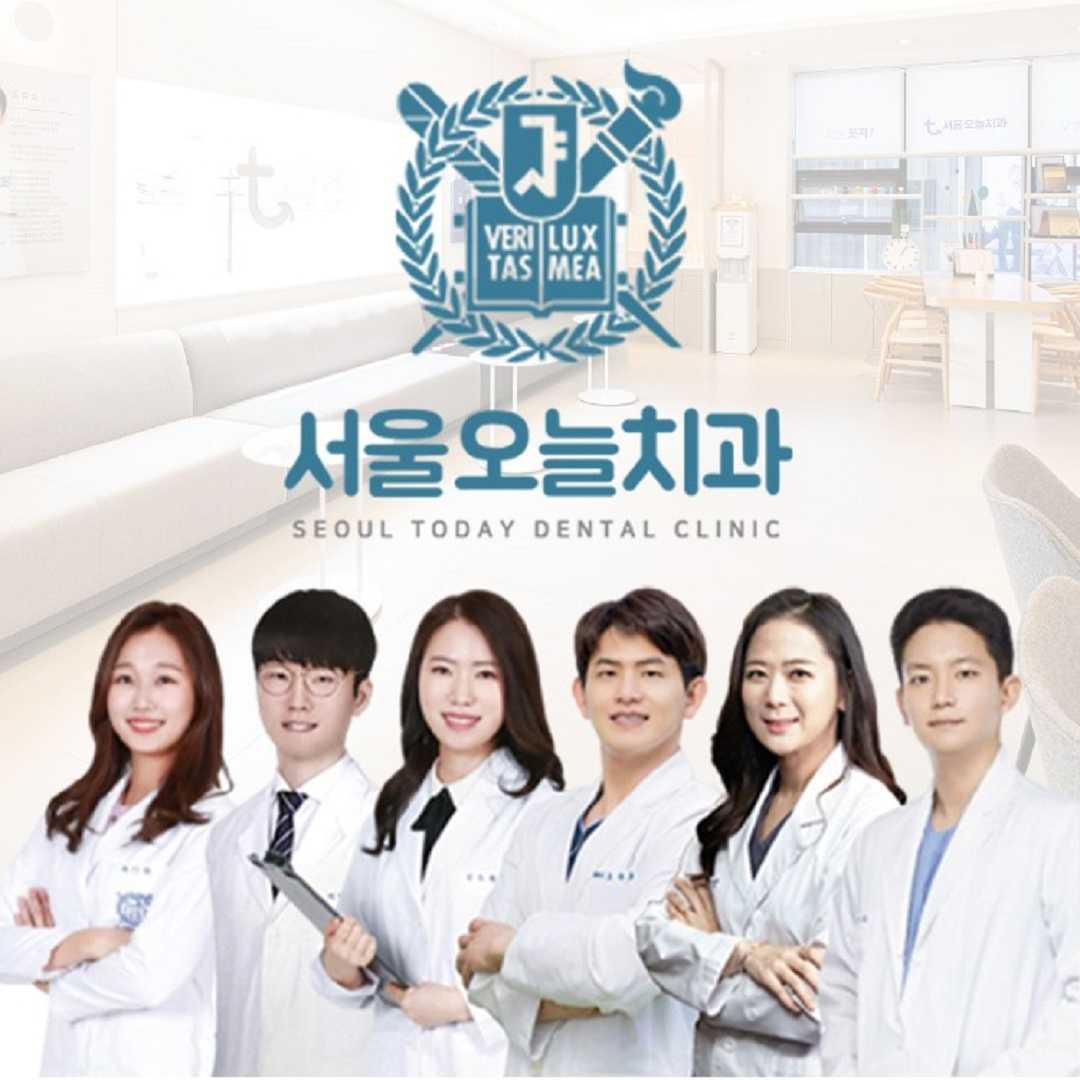
Seoul Today Dental Clinic
Seoul, South Korea
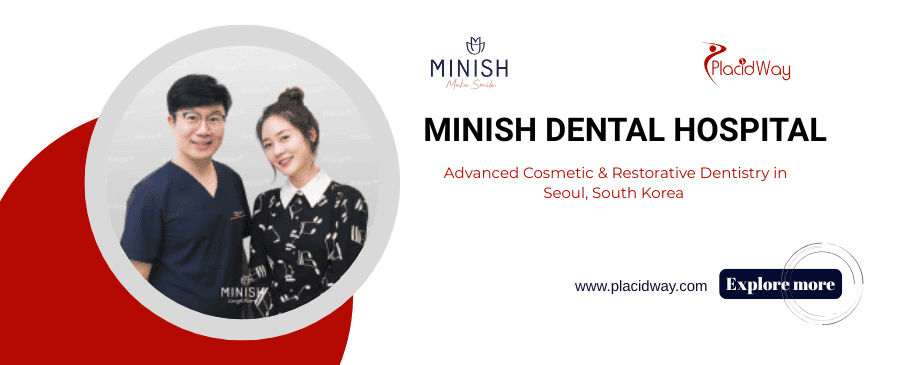
MINISH DENTAL HOSPITAL
Seoul, South Korea
患者的故事能最真实地展现牙科旅游的体验。以下视频收录了前往首尔接受牙科治疗的患者的证词。他们分享了治疗过程中的疼痛程度、速度以及与韩国牙医的沟通情况。观看这些视频,您将感受到重塑笑容的神奇力量,并体验首尔先进的牙科设施。
建议:注意患者讨论“一日”手术,以了解您是否适合立即进行负重手术。
首尔的牙科治疗患者满意度一直名列前茅。在本部分,您可以阅读曾在此接受过种植牙手术的患者的真实评价。评价中经常提及医护人员的专业水平、诊所的整洁程度,以及计算机辅助手术出乎意料的无痛体验。这些评价是您选择首尔作为牙科诊所的宝贵参考。
复习提示:留意是否有“英语协调员”的字样,以此来判断你是否能自如地表达自己的需求。

How Much Do Dental Implants Cost in Seoul? A Guide to South Korea Dental Costs
The estimated cost of a single dental implant in Seoul typically ranges from $900 to $1,500. This price usually includes the implant post, abutment, and standard crown, though complex cases requiring bone grafting or extractions may incur additional fees. Key Takeaways Cost estimates for single implants range between $900 and $1,500, varying by clinic and material choice. Pre-surgical procedures like 3D imaging, bone grafting, and tooth extractions are usually billed separately. South Korea boasts advanced dental infrastructure, utilizing internationally recognized and FDA-cleared implant systems. Patients must verify clinical credentials through the appropriate South Korean medical and dental registries before booking. Successful medical tourism requires planning for adequate healing time and securing local follow-up care in your home country. What is the average dental implant cost in South Korea? The average dental implant cost in South Korea spans from $900 to $1,500 per tooth. This initial estimate typically covers the foundational components of the implant process. When reviewing estimates for dental procedures, it is important to clearly distinguish the price of the titanium implant post from the comprehensive total. A complete functional implant requires three main parts: the surgical post (fixture), the connector (abutment), and the visible artificial tooth (crown). Some clinics provide packaged pricing, while others itemize these components. Patients should also budget for essential diagnostic steps. Advanced 3D CBCT scans, panoramic X-rays, and initial consultations are necessary for accurate surgical planning. Depending on the facility, these imaging costs may be included in a promotion or billed separately during the first visit. Finally, not all patients have adequate bone density to support an implant immediately. If the jawbone has deteriorated due to prolonged tooth loss, procedures such as bone grafting or sinus lifts will be required. These surgical additions increase both the overall financial investment and the timeline of the treatment. Procedure Type Estimated Cost Range (USD) Notes Single Implant (Complete) $900 - $1,500 Includes post, abutment, and standard crown. Bone Grafting (Per site) $300 - $800 Required if jawbone density is insufficient. Sinus Lift $500 - $1,200 Often needed for upper back teeth implants. Tooth Extraction $50 - $200 Varies if surgical or simple extraction. Why is medical tourism in South Korea popular for dental implants? Medical tourism in South Korea attracts patients due to the country's stringent healthcare standards, high concentration of experienced specialists, and utilization of innovative clinical technology. Technological Integration: Many facilities are equipped with digital dentistry tools, including CAD/CAM milling machines and 3D oral scanners, which can streamline the creation of custom prosthetics. Specialized Training: Oral surgeons and prosthodontists in South Korea undergo rigorous education, and many pursue continuing education internationally to master complex restorative techniques. Local Manufacturing: South Korea is a hub for dental implant manufacturing. Brands like Osstem and Dentium are produced domestically, allowing local clinics to source high-quality materials at reduced logistical costs. Hygiene Standards: Accredited dental centers adhere strictly to sterilization and cross-contamination protocols, ensuring environments that prioritize patient safety. Comprehensive Care Models: Clinics often consolidate specialists (such as periodontists and oral surgeons) under one roof, reducing the need for patients to travel between different facilities for distinct stages of treatment. Did You Know? South Korea is one of the world's leading manufacturers of dental implants. Because of this robust domestic industry, patients can often access highly researched, internationally recognized implant systems directly in Seoul at very competitive price points. How can I find a reliable dental implant clinic in Seoul? Selecting a trustworthy dental implant clinic in Seoul requires verifying the dentist's credentials through official medical registries and evaluating the facility's experience with international patients. Before committing to a procedure, prospective patients must prioritize verifying the professional standing of their chosen dentist. In South Korea, legitimate practitioners must be licensed by the Ministry of Health and Welfare. Patients are encouraged to request evidence of specialty training in implantology or oral surgery, rather than relying solely on general dentistry licenses. Communication is another critical factor. Dental implant procedures involve complex medical terminology and nuanced consent forms. It is vital to select a clinic that provides fluent English-speaking staff or certified medical interpreters. This ensures that treatment plans, risk factors, and aftercare instructions are fully understood by the patient. Lastly, review the clinic's transparency regarding pricing and complication protocols. A reputable clinic will provide a comprehensive, itemized estimate prior to travel and clearly explain how they handle potential surgical complications or hardware failures. What types of dental implants in Seoul are commonly used by dentists? Practitioners utilizing dental implants in Seoul offer a variety of FDA-cleared or internationally recognized systems, including both premium imported brands and high-quality domestic options. Domestic Market Leaders: Brands such as Osstem, Dentium, and MegaGen are engineered in South Korea and heavily utilized globally. They often present a cost-effective solution without compromising on clinical research or structural integrity. Imported Premium Brands: Clinics also offer widely recognized international systems like Straumann (Switzerland) and Nobel Biocare (Sweden/Switzerland). These may carry a higher price tag due to import costs and extensive long-term global data. Material Choices: The majority of implant posts are crafted from biocompatible titanium alloys, known for their high success rates in osseointegration. Zirconia (ceramic) implants may be available for suitable patients with metal sensitivities. Restorative Crown Options: The final aesthetic outcome relies on the crown material. Zirconia and porcelain-fused-to-metal (PFM) are the most common choices, with zirconia favored for its durability and natural appearance. Custom vs. Stock Abutments: Advanced clinics may offer custom-milled abutments tailored to the patient's specific gum contour, which can improve the final aesthetic and functional result compared to pre-manufactured stock abutments. Which additional procedures affect the cost of dental implants in South Korea? Beyond the implant itself, the total cost can be affected by preparatory surgeries such as bone grafting, sinus lifts, complex extractions, and the type of anesthesia administered. Successful implant placement requires sufficient jawbone volume and density. If a patient has been missing teeth for an extended period, bone resorption may have occurred. In these instances, a bone grafting procedure is necessary to build a solid foundation, adding both cost and healing time to the treatment plan. When implants are needed in the upper back jaw, the maxillary sinus cavity may be too close to the gum line. A sinus lift is a specialized grafting procedure designed to gently elevate the sinus membrane and place bone graft material, safely creating enough space for the titanium post. Additionally, if a damaged or decayed tooth is still present, an extraction must be performed. Depending on whether it is a simple extraction or a complex surgical removal, fees will vary. Finally, while local anesthesia is standard, patients requesting IV sedation to manage anxiety should expect an additional charge for the anesthesiologist's services. Important Consideration Implant survival rates vary by patient and are influenced heavily by lifestyle factors such as smoking, uncontrolled diabetes, and oral hygiene. Medical facilities cannot guarantee permanent success, and maintaining realistic expectations regarding the healing process is vital. How long does the dental implant procedure in Seoul typically take? A standard dental implant procedure is typically completed in two main phases spread over several months, requiring either two separate international trips or an extended stay. Phase 1 (Surgical Placement): The first visit involves diagnostics, extractions (if necessary), and the surgical insertion of the titanium implant into the jawbone. This trip generally requires a stay of 5 to 7 days to allow for initial monitoring and suture removal. The Healing Period: After placement, a biological process called osseointegration must occur, where the bone fuses with the implant. This typically takes 3 to 6 months, during which the patient returns home. Phase 2 (Restoration): Once healed, the patient returns for the second trip. The abutment and custom-made crown are attached to the secure implant. This phase usually requires a stay of 7 to 10 days while the dental lab fabricates the permanent prosthetics. One-Day Implants: In highly specific, clinically suitable cases, some clinics offer immediate-load implants. However, this is not appropriate for all patients and carries a different risk profile that must be discussed with the surgeon. Travel Buffer: It is always advised to add a few extra days to your itinerary to accommodate unforeseen adjustments or localized swelling before flying. What are the risks of traveling for dental implants in South Korea? Traveling for dental surgery introduces variables such as post-operative flight restrictions, the potential need for emergency local aftercare, and language barriers in complex medical situations. Any surgical procedure carries inherent medical risks, including infection, nerve damage, or sinus complications. When undergoing treatment abroad, patients face the added challenge of managing these potential complications once they return home. If an implant fails to integrate or an infection develops weeks later, flying back to Seoul may not be feasible. Furthermore, air travel immediately following oral surgery—particularly if a sinus lift was involved—can be dangerous. Changes in cabin pressure can cause severe discomfort or damage to the surgical site. Dentists generally mandate a waiting period of several days before permitting patients to fly. Patients must proactively arrange a contingency plan. This involves communicating with a local dentist in your home country who is willing to take on maintenance, adjustments, or emergency interventions for dental work originally performed overseas. Do providers of dental implants in Seoul offer treatment warranties? While absolute medical guarantees do not exist, many clinics in Seoul offer conditional replacement policies or warranties covering material defects for a specified number of years. Material vs. Medical Policies: Warranties generally cover structural failures of the implant fixture or the crown (e.g., a cracked prosthetic). They rarely cover biological failures caused by poor oral hygiene or the development of new medical conditions. Conditions of Validity: To maintain these warranties, clinics typically require patients to undergo professional cleanings and check-ups at least once or twice a year. Proof of these visits from a local dentist is often mandatory. Logistical Constraints: If a warranty claim is validated, the clinic may provide replacement materials free of charge. However, the patient is almost always responsible for the costs associated with flights, accommodation, and sometimes the clinical labor fees to fix the issue. Brand Passports: Many clinics provide an "Implant Passport" containing the exact specifications, brand, and serial number of the implant. This document is essential for receiving appropriate care from local dentists in the future. Read the Fine Print: Never assume a procedure is fully guaranteed. Always request warranty terms in writing and in English before agreeing to the treatment plan. Why Choose PlacidWay to Compare Dental Implant Options in South Korea? PlacidWay assists patients in exploring diverse international healthcare options by connecting them with recognized medical providers, allowing for informed comparisons without aggressive pressure. Comprehensive Provider Profiles: Patients can review detailed information about various clinics, including dentist credentials, facility accreditations, and patient reviews. Transparent Estimate Comparisons: Access clear pricing structures to help distinguish between base implant costs and potential additional surgical fees. Educational Resources: Utilize patient guides to better understand procedures, required recovery times, and essential travel-health considerations. Direct Clinic Communication: Facilitate questions directly with the chosen clinic to discuss customized treatment plans and verify material availability. Informed Decision Making: Take your time to review all available clinical data and estimates to ensure you make a choice that aligns with your medical needs and budget. Frequently Asked Questions (FAQs) Are dental implants in Seoul painful? Dental implant surgery is typically performed under local anesthesia or conscious sedation, meaning patients usually feel pressure rather than pain during the procedure. Post-operative discomfort, swelling, and mild bruising may occur but are generally manageable with over-the-counter or prescribed pain relievers. Can I get full mouth dental implants in South Korea? Yes, many specialized clinics in South Korea offer full mouth restorations, such as All-on-4 or All-on-6 procedures. Suitable candidates are determined through comprehensive 3D imaging and clinical evaluation to assess bone density and overall oral health. How long do dental implants in Seoul typically last? While implant posts are designed to be long-lasting and can function for many years, their longevity heavily depends on excellent oral hygiene, regular dental check-ups, and individual health factors. Crowns and prosthetics attached to the implants may require replacement due to normal wear and tear over time. Is it safe to travel for medical tourism in South Korea? Traveling for medical procedures generally carries some risks, but South Korea has a highly regulated healthcare system. Patient safety can be enhanced by choosing properly credentialed providers, understanding potential complications, and ensuring adequate time for recovery before flying. Do specialists at a dental implant clinic in Seoul speak English? Many clinics catering to international patients employ English-speaking dentists or provide dedicated in-house translation services. It is essential to confirm the availability of fluent communication before booking to ensure you fully understand your treatment plan. What is the difference between domestic and imported dental implants in South Korea? Domestic brands like Osstem and Dentium are highly respected and widely used in South Korea, often at a lower cost than imported brands like Straumann or Nobel Biocare. Both domestic and international options can offer successful outcomes when placed by experienced professionals. Can I fly immediately after getting dental implants in Seoul? Flying immediately after oral surgery is typically discouraged due to the risks of pressure changes affecting sinus cavities, especially if a sinus lift was performed. Most dentists recommend waiting a few days to a week before air travel, depending on the complexity of the surgery. How do patients pay for the dental implant cost in South Korea? Most major clinics accept international credit cards, wire transfers, and cash in local currency. It is important to clarify payment terms, currency exchange rates, and any potential international transaction fees with the clinic beforehand. Do I need a visa for dental implants in South Korea? Visa requirements depend on your citizenship. Many Western countries have visa-waiver agreements allowing short-term visits for tourism or medical purposes, but patients must check current entry requirements and the K-ETA (Korea Electronic Travel Authorization) guidelines prior to travel. What happens if I need aftercare for dental implants in Seoul after returning home? It is critical to establish a relationship with a local dentist in your home country before traveling. If adjustments, maintenance, or complication management are required after returning, a local professional will need to step in to provide ongoing care. Ready to Explore Your Dental Options? Compare trusted clinics, review cost estimates, and discover if medical tourism for dental implants in Seoul aligns with your healthcare needs. Request Treatment Information Disclaimer: The information provided in this article is for educational purposes only and should not replace professional medical advice. Prices are estimates and vary by clinic, case complexity, and materials. Always consult with a qualified healthcare provider before undergoing any medical procedure. References Success Rates of Dental Implants – National Center for Biotechnology Information (NCBI) Medical Tourism Guidelines and Risks – Centers for Disease Control and Prevention (CDC) Dental Implants Overview – American Dental Association (ADA) Dental Implants: What You Should Know – U.S. Food and Drug Administration (FDA) Dental Implant Surgery Risks and Details – Mayo Clinic Tooth Loss and Replacement Information – National Institute of Dental and Craniofacial Research (NIDCR) Patient Safety Guidelines – World Health Organization (WHO)
What is the Cost of a Dental Implant in Seoul, South Korea?
A single dental implant in Seoul, South Korea, typically ranges from ?1,500,000 to ?3,000,000 (approximately $1,100 to $2,200 USD), depending on the clinic, implant brand, and complexity of the procedure. Thinking about dental implants in Seoul, South Korea? You're not alone! Many individuals worldwide are choosing Seoul for their dental care needs, especially for procedures like dental implants. It's a fantastic choice not just for the vibrant culture and delicious food, but also for its advanced healthcare system and competitive pricing. Getting a dental implant is a significant decision, and understanding the costs involved is naturally a top priority. In Seoul, you'll find a blend of cutting-edge technology, highly skilled dentists, and prices that often present a compelling alternative to what you might pay in Western countries. This guide will walk you through everything you need to know about the cost of a dental implant in Seoul, South Korea, breaking down the factors that influence pricing and what you can expect from your dental journey. What is the average cost of a dental implant in Seoul, South Korea? The average cost for a single dental implant in Seoul, South Korea, is approximately ?2,000,000 to ?2,500,000 ($1,500 to $1,900 USD), encompassing the implant, abutment, and crown. When considering a dental implant in Seoul, it's important to understand that the "cost" usually refers to a package that includes several components. This average price typically covers the implant post itself, which is surgically placed into your jawbone, the abutment that connects the post to the crown, and the custom-made crown (the visible tooth) that sits atop everything. These figures are averages and can vary. Some clinics might offer slightly lower prices for specific promotions or standard materials, while premium clinics or those using top-tier implant brands might charge towards the higher end of the spectrum. It's always wise to get a detailed breakdown from your chosen clinic to understand exactly what is included in their quoted price. What factors influence the total cost of dental implants in Seoul? Key factors influencing dental implant costs in Seoul include the implant brand, materials (e.g., zirconia, titanium), additional procedures like bone grafting, the dentist's experience, and clinic location. Several variables play a significant role in determining the final price of your dental implant in Seoul. Understanding these factors can help you gauge the value and make an informed decision. Implant Brand and Material: There are many dental implant manufacturers worldwide. Premium brands (e.g., Straumann, Nobel Biocare) often come with a higher price tag due to their extensive research, clinical track record, and advanced materials. The implant post itself is usually titanium, but the crown can be made from various materials like porcelain-fused-to-metal (PFM) or all-ceramic (zirconia), with zirconia often being more expensive due to its aesthetic qualities and durability. Additional Procedures: Not everyone has sufficient bone density or gum health for immediate implant placement. Procedures like bone grafting, sinus lifts, or gum contouring might be necessary before the implant can be placed, adding to the overall cost and treatment time. Dentist's Experience and Clinic Reputation: Highly experienced dentists, especially those with specialized training in implantology, may charge more for their expertise. Similarly, clinics known for their state-of-the-art facilities, advanced technology, and high success rates might have higher prices. Clinic Location and Amenities: Clinics located in affluent districts of Seoul (e.g., Gangnam) or those offering luxury amenities might have higher overheads, which can translate into slightly higher prices. Number of Implants: While this guide focuses on a single implant, if you need multiple implants, the total cost will naturally increase, though some clinics might offer a slightly reduced per-implant rate for multiple placements. Is it cheaper to get dental implants in Seoul compared to Western countries? Yes, dental implants in Seoul can often be significantly cheaper than in many Western countries like the US, Canada, or Europe, while still offering high-quality care and advanced technology. One of the primary reasons many international patients consider Seoul for dental implants is the cost-effectiveness. In countries like the United States, a single dental implant can easily range from $3,000 to $6,000 USD, and sometimes even more, depending on the region and complexity. Similarly, in Canada or parts of Europe, prices can be substantially higher than those found in Seoul. The lower cost in Seoul does not typically reflect a compromise on quality. South Korea boasts a highly competitive healthcare market, advanced medical technology, and a well-trained medical workforce. The country's strong economy and government investments in healthcare infrastructure contribute to maintaining high standards at more accessible price points compared to many Western nations, making it an attractive destination for dental tourism. What are the typical stages involved in a dental implant procedure in Seoul? A typical dental implant procedure in Seoul involves an initial consultation, implant placement surgery, a healing period (osseointegration), and finally, the placement of the abutment and custom crown. The dental implant process is a multi-stage treatment designed to ensure long-term success and stability. Here's a breakdown of the typical stages: Initial Consultation and Planning: This first step involves a comprehensive examination, including X-rays, 3D CT scans, and a discussion of your medical history. The dentist will assess your oral health, bone density, and suitability for implants, then create a personalized treatment plan. Implant Placement Surgery: During this stage, the titanium implant post is surgically placed into your jawbone. This is typically done under local anesthesia. After placement, the gum tissue is usually closed over the implant, and a healing cap may be placed. Healing Period (Osseointegration): This is the crucial time when the implant fuses with your jawbone, a process called osseointegration. This period can last anywhere from 3 to 6 months, depending on individual healing rates and bone quality. During this time, you might wear a temporary denture or bridge. Abutment Placement: Once osseointegration is complete, a minor surgical procedure is performed to expose the implant and attach the abutment, which is the connector piece that will hold your new crown. Crown Fabrication and Placement: Impressions are taken to create your custom-made crown, matching the color, shape, and size of your natural teeth. Once the crown is ready, it is securely cemented or screwed onto the abutment, completing the restoration. Each stage is critical for the success and longevity of your dental implant, and your Seoul dental team will guide you through every step. Are there any hidden costs associated with dental implants in South Korea? Generally, reputable clinics in South Korea provide transparent pricing; however, potential hidden costs might include pre-operative diagnostics, post-operative medications, or unforeseen complex grafting needs. One of the strengths of the South Korean healthcare system is its emphasis on clarity and professionalism. Most reputable dental clinics in Seoul strive to provide very clear and upfront pricing. However, it's always wise for patients, especially international ones, to ask for a detailed cost breakdown to avoid any surprises. Potential additional costs that might not be included in a basic implant quote could be: diagnostic imaging (like initial X-rays or CT scans if not factored into the consultation), necessary pre-implant procedures (such as tooth extractions or extensive gum treatments), bone grafting or sinus lift procedures if determined necessary after initial assessment, post-operative medications (painkillers, antibiotics), or a temporary prosthetic while you wait for osseointegration. Always clarify what your package includes and what might be an extra charge before starting treatment. What types of dental implants are available in Seoul, and how do they affect cost? Seoul clinics offer various dental implant types, including traditional endosteal implants, mini implants, and all-on-4/6 systems, with costs varying based on material, complexity, and number of implants needed. Seoul's dental clinics are equipped to provide a wide range of implant solutions, catering to diverse patient needs and clinical situations. The type of implant chosen directly impacts the overall cost. The most common type is the endosteal implant, which is a screw-shaped titanium post surgically placed into the jawbone. These are ideal for most patients with sufficient bone density for a single tooth replacement. For patients missing multiple teeth, solutions like implant-supported bridges or full-arch restorations like All-on-4 or All-on-6 systems are available. These full-arch solutions involve placing four or six implants to support an entire arch of prosthetic teeth, and naturally, their total cost is higher than a single implant due to the complexity and number of components. Another factor is the choice of restoration material for the crown. While titanium is standard for the implant post, crowns can be made from various materials: Porcelain Fused to Metal (PFM): A metal base with porcelain layered over it. Generally strong and less expensive, but the metal base can sometimes show through. All-Ceramic (Zirconia): Made entirely from ceramic material. Highly aesthetic, durable, and biocompatible, often preferred for front teeth. Zirconia crowns usually command a higher price. Your dentist in Seoul will discuss the best type of implant and crown material for your specific situation, considering both clinical suitability and your budget. How do clinics in Seoul maintain high quality despite lower prices for dental implants? Seoul clinics maintain high quality through competitive market forces, government healthcare investments, high technology adoption, and a strong emphasis on patient satisfaction in a medical tourism hub. The perception that lower prices equate to lower quality is often dispelled when it comes to medical tourism in South Korea. Seoul's dental sector thrives on a combination of factors that allow it to offer premium services at more accessible price points. Firstly, the sheer volume of dental clinics and practitioners in Seoul creates a highly competitive environment. This competition encourages clinics to invest in the latest technology, continuous training for their staff, and to optimize their operational costs without compromising on patient care. Secondly, the South Korean government actively supports and invests in its healthcare infrastructure and research, ensuring a high standard across the board. Many dental professionals receive advanced training and are adept at using cutting-edge diagnostic and treatment equipment, such as 3D CT scanners and CAD/CAM technology for precise implant planning and crown fabrication. Furthermore, as a growing hub for medical tourism, Seoul's clinics understand the importance of international patient satisfaction and reputation. They adhere to stringent hygiene protocols and often seek international accreditations to assure global patients of their commitment to excellence. This combination of competitive market dynamics, governmental support, technological advancement, and a focus on patient outcomes contributes to Seoul's ability to offer high-quality dental implants at a competitive cost. What should medical tourists consider when planning dental implant treatment in Seoul? Medical tourists should consider travel logistics, accommodation, communication (translator services), clinic accreditation, post-operative care plans, and the total duration of their stay in Seoul for dental implants. Planning dental implant treatment abroad, especially in a city like Seoul, requires careful consideration beyond just the procedure itself. Here are key aspects for medical tourists to keep in mind: Travel and Accommodation: Factor in flight costs, visa requirements (if any), and accommodation for the duration of your stay. Depending on the implant process, you might need to make two trips or stay for an extended period. Look for hotels or serviced apartments near your chosen clinic. Communication: While many clinics cater to international patients with English-speaking staff, having access to translation services, especially for complex medical discussions, can be invaluable. Confirm language support beforehand. Clinic Research and Accreditation: Thoroughly research potential clinics. Look for information on their dentists' qualifications, patient reviews, and any international accreditations they may hold (though not all excellent clinics will have these, it can be an added layer of assurance). Post-Operative Care and Follow-up: Understand the post-operative care instructions and what follow-up might be required. If a complication arises after you return home, know what support the clinic offers or if local dentists can assist. Overall Timeline: The entire implant process can span several months. Be prepared for potentially two trips to Seoul (one for implant placement, one for crown placement) or a single, longer stay, depending on your treatment plan. Considering these aspects will ensure a smoother and more successful dental tourism experience in Seoul. Is bone grafting often required for dental implants in Seoul, and what is its cost? Bone grafting may be required if there's insufficient jawbone for implant support. In Seoul, the cost for bone grafting typically ranges from ?300,000 to ?1,000,000 ($220 to $750 USD) per site, depending on complexity and material. Bone grafting is a common procedure in implant dentistry, especially for patients who have experienced bone loss due to tooth extraction, gum disease, or trauma. A strong and adequate jawbone is crucial to securely anchor the dental implant and ensure its long-term stability. If your initial diagnostic scans show insufficient bone volume or density, your Seoul dentist will likely recommend a bone graft. The cost of bone grafting in Seoul can vary based on several factors: Type of Graft Material: Bone graft materials can be autogenous (taken from your own body), allograft (from a human donor), xenograft (from an animal source, commonly bovine), or synthetic. The material choice influences cost. Amount and Location of Graft: A small localized graft will be less expensive than a larger, more complex graft or a sinus lift procedure, which rebuilds bone in the upper jaw near the sinuses. Complexity of Procedure: The skill required and the time taken for the grafting procedure will also affect its price. It's important to view bone grafting as an investment in the success of your dental implant. Without adequate bone support, the implant may fail. Your dental clinic in Seoul will provide a clear explanation of whether this procedure is necessary and its associated costs during your initial consultation. How long does it take to complete the entire dental implant process in Seoul? The complete dental implant process in Seoul, from initial placement to final crown, usually takes 3 to 6 months, allowing adequate time for osseointegration, though some immediate loading options exist. The timeline for a dental implant procedure isn't instantaneous, as it involves biological healing processes. Here's a general breakdown of the duration: The most significant part of the timeline is the osseointegration period, which is when the implant post fuses with your jawbone. This typically takes 3 to 6 months. During this time, the implant must remain undisturbed to heal properly. For patients requiring additional procedures like bone grafting or tooth extractions, this healing time will extend further, adding an extra 3 to 9 months before the implant can even be placed. After osseointegration, there will be appointments for abutment placement and taking impressions for your custom crown, followed by the final crown placement. These steps usually take a few weeks. Some advanced cases might qualify for immediate loading implants, where a temporary crown is placed shortly after implant surgery. However, this is not suitable for everyone and depends on bone quality and implant stability at the time of placement. Your Seoul dental team will provide a personalized timeline based on your specific treatment needs. Considering dental implants or other healthcare services abroad? Explore PlacidWay for comprehensive solutions and connect with trusted global providers tailored to your needs.
How Long Does the Dental Implant Procedure Take in Seoul, South Korea?
A standard dental implant procedure in Seoul typically requires two trips spanning three to six months. However, immediate loading options or complex cases needing bone grafts can shift this timeline, taking anywhere from a few days to over nine months depending on the patient's healing rate. Restoring a missing tooth is a significant medical decision that requires careful planning, especially when traveling abroad for care. If you are considering a dental implant procedure in South Korea, understanding the biological timeline is crucial for managing your travel schedule. While the city is known for advanced dental technology and efficient clinics, the human body still dictates the pace of healing. Because the implant must fuse with your natural jawbone through a biological process called osseointegration, treatment is rarely a single-event procedure. This guide breaks down the typical stages, what factors can alter your schedule, and what international patients should know about coordinating their care. Key Takeaways Standard implant treatments generally require at least two separate visits to Seoul. The entire process typically spans three to six months from the first surgery to final crown placement. Requiring a bone graft or sinus lift can extend the timeline by several additional months. Patients should plan to stay 7 to 10 days during the surgical phase for proper post-operative monitoring. Individual healing rates and underlying medical conditions greatly influence the final schedule. What are the primary stages of the implant process in Seoul? The treatment is typically divided into three main stages: initial consultation with 3D imaging, the surgical placement of the titanium post, and the final attachment of the custom crown after healing. The journey begins with a comprehensive evaluation. During your first visit, the dental team will take 3D CBCT scans to assess your jawbone density, nerve pathways, and sinus cavities. This detailed mapping is essential for planning a safe and accurate surgical approach. The second stage involves the actual surgery. Under local anesthesia, the dentist places the titanium implant into the jawbone. Following this procedure, the site is closed, and the osseointegration phase begins. This is the longest part of the timeline, typically requiring three to six months for the bone to firmly heal around the implant threads. Once the dentist confirms that the implant is structurally secure, the final stage occurs. An abutment (a connecting piece) is attached to the implant, and a customized dental crown is secured on top, completing the restoration of your tooth. Will I need to make multiple trips to South Korea? Most standard implant cases require two separate trips to Seoul, spaced several months apart, to allow for proper healing and integration of the implant with your jawbone. International patients must factor multiple flights into their planning. Trip one usually covers the initial consultation, any necessary extractions, and the implant surgery itself. You will then return to your home country to recover while osseointegration takes place. Trip two is scheduled once the healing period is complete. During this second visit, the dentist will expose the implant (if placed under the gumline), attach the abutment, take impressions, and fit your final permanent crown. While this second trip involves less invasive procedures, it still requires a stay of several days while the dental laboratory fabricates the crown. How does a bone graft change the overall timeline? If you lack sufficient jawbone density, a bone graft will be necessary, which can add three to six months to your overall treatment timeline while the new bone solidifies. Dental implants require a strong foundation. If a tooth has been missing for a long time, or if severe periodontal disease was present, the jawbone may have deteriorated. Before an implant can be safely anchored, the dentist may need to rebuild the bone using grafting materials. In cases of minor bone loss, the graft might be placed on the same day as the implant surgery. However, if significant grafting or a sinus lift is required, you may need a separate surgery altogether. In this scenario, you would wait several months for the graft to heal before the implant can even be placed, potentially requiring a third trip to Seoul. Are immediate-load implants an option in Seoul? Yes, some clinics offer immediate-load or "same-day" implants for eligible patients, but this technique is generally reserved for specific cases with excellent initial bone health. Immediate-load implants involve placing a temporary crown on the implant on the same day as the surgery. This approach offers immediate aesthetic benefits, which is particularly appealing for front teeth. However, this temporary crown is designed specifically to keep pressure off the implant while you heal. It is crucial to understand that "same-day implants" do not mean the biological healing happens in one day. You must still adhere to a soft-food diet for several months, and you will still need a follow-up appointment later to replace the temporary acrylic crown with the final, durable porcelain or zirconia crown. Important Consideration Not everyone is a candidate for immediate loading. Patients who grind their teeth (bruxism), have compromised immune systems, or possess low bone density are typically steered toward the traditional, phased timeline to reduce the risk of implant failure. How many days should I stay in Seoul during the surgical phase? Patients are typically advised to remain in the city for 7 to 10 days during the surgical phase to allow for initial healing, swelling reduction, and a post-operative evaluation. Traveling too soon after oral surgery can present risks. The changes in cabin pressure during a flight can exacerbate swelling and increase the risk of bleeding. A stay of roughly one week allows the dental team to remove sutures, check the surgical site for signs of early infection, and ensure you are comfortable before a long journey. For the second trip (the restorative phase), a stay of 5 to 7 days is usually sufficient. This gives the local dental laboratory time to fabricate and adjust your final crown so that it fits correctly alongside your natural teeth. What factors can extend the total time needed for the procedure? Several variables can extend your timeline, including active gum disease, smoking habits, uncontrolled diabetes, or unexpectedly slow bone integration. Medical conditions: Issues like poorly controlled diabetes or autoimmune disorders can significantly slow down wound healing and bone growth. Tobacco use: Smoking restricts blood flow to the gums, highly increasing the risk of delayed healing and implant failure. Dentists routinely require patients to quit smoking well before and after surgery. Existing oral infections: Active periodontal (gum) disease must be fully treated before an implant can be safely placed, adding time to the preparatory phase. Medications: Certain medications, particularly bisphosphonates used for osteoporosis, can affect bone healing and must be discussed with your provider. Anatomy: The position of nerves and the size of sinus cavities sometimes require more careful, slower-phased surgical approaches. Why is a dental implant procedure in South Korea popular among international patients? Patients often choose South Korea for its integration of advanced dental technology, modern imaging equipment, and experienced specialists who routinely perform complex oral surgeries. South Korea has invested heavily in healthcare infrastructure, and its dental sector frequently utilizes digital dentistry. This includes intraoral scanners that replace traditional messy impressions, and sophisticated 3D planning software that allows dentists to virtually map out the surgery before making an incision. Furthermore, many oral surgeons and prosthodontists in Seoul pursue extensive specialized training. However, it is vital to remember that technology does not replace the need for careful patient screening. A responsible clinic will prioritize your safety and long-term oral health over promising an unrealistic, rapid timeline. What influences the estimated dental implant cost in South Korea? The total financial estimate depends on the specific implant brand chosen, the necessity of preparatory procedures like bone grafts, and the materials used for the final crown. When reviewing potential costs, patients should recognize that a single flat fee rarely covers every variable. A comprehensive quote should itemize the initial diagnostic scans, the surgical placement, the abutment, the crown, and the anesthesia. Prices can also fluctuate based on the origin of the implant materials. Internationally recognized brands imported from Europe or North America often carry a different price point compared to high-quality domestic Korean brands. Additionally, if you require extractions or bone grafting, these procedures will be added to your total treatment estimate. How do I evaluate a dental implant clinic in South Korea? Selecting a facility involves verifying the treating dentist's credentials, ensuring strict adherence to international sterilization protocols, and confirming clear communication regarding your care plan. Do not base your healthcare decisions solely on aesthetics or proximity to tourist attractions. Patients should seek out facilities that are transparent about their providers' educational backgrounds, board certifications, and experience specific to implantology. Infection control is paramount. You should inquire about how the clinic sterilizes instruments and whether they follow guidelines established by recognized health organizations. Finally, language barriers can pose a risk to patient safety. Ensure the clinic has proficient English-speaking staff or dedicated medical translators so you can fully understand the risks, benefits, and aftercare requirements. What should I plan for medical tourism in South Korea regarding my aftercare? Because you will eventually return home, proper aftercare requires coordinating with a local dentist to manage regular cleanings, take periodic X-rays, and monitor the implant's long-term health. Medical tourism requires a proactive approach to your continued care. Before leaving Seoul, you must obtain a complete copy of your dental records. This should include pre- and post-operative X-rays, detailed notes on the surgical procedures performed, and the exact make, model, and size of the implant and abutment used. If you experience unexpected pain, prolonged swelling, or signs of infection after returning to your home country, you cannot easily fly back to your original surgeon. You must have a plan in place to consult a local dental professional immediately. Neglecting local aftercare can compromise the longevity of the implant and pose broader risks to your oral health. Why Choose PlacidWay for Medical Tourism Research? PlacidWay provides an informational platform to help individuals explore healthcare options internationally. Here is how the platform can assist your research: Global Directory: Access an extensive database of international healthcare providers and facilities. Accreditation Information: View details regarding the international certifications and accreditations held by various clinics. Educational Resources: Utilize guides and articles to help you compare treatments and destinations. Free Access: Browse facility profiles and treatment information at no cost to the user. Patient Experiences: Read testimonials and reviews from previous patients to aid in your preliminary research. Frequently Asked Questions How long does the actual implant surgery take in the chair? The surgical placement of a single dental implant usually takes between one and two hours. However, the time may increase if multiple implants are placed or if extractions and bone grafting are performed during the same appointment. Is the implant procedure in Seoul painful? Dentists typically use local anesthesia to numb the area, so you should not feel pain during the surgery. After the procedure, it is common to experience some swelling, bruising, and mild to moderate discomfort, which is usually managed with over-the-counter or prescribed pain relievers. Can I fly home the same day as my implant surgery? Flying immediately after oral surgery is generally discouraged. Cabin pressure changes can increase discomfort and bleeding. Dentists typically advise waiting at least a few days to a week before flying home, allowing them to monitor your initial healing. What is the typical recovery time before I can eat solid foods? Patients are usually advised to stick to a soft diet for the first few weeks after surgery. Gradually, as the surgical site heals, you can reintroduce more solid foods. Hard, crunchy, or very chewy foods should be avoided until the final crown is placed. What implant brands do dentists in Seoul typically use? Many facilities in Seoul utilize internationally recognized implant brands alongside well-regarded domestic brands. Your provider will discuss the specific systems they use and recommend an option based on your clinical needs. How long does the final crown fabrication take? Once the implant has integrated with the bone and impressions are taken, it typically takes a dental laboratory one to two weeks to custom-fabricate the final crown. Some clinics with in-house milling machines may complete this step faster. What happens if an implant fails after I return home? If an issue arises after you leave South Korea, you will need to see a local dentist or oral surgeon immediately. It is important to request copies of all your dental records, imaging, and implant specifications before leaving Seoul to help your local provider manage any complications. Will language be a barrier during my dental treatment in Korea? Many facilities that cater to international patients have English-speaking staff or provide dedicated translation services to ensure clear communication regarding your medical history, treatment plan, and aftercare instructions. Do I need a special visa for dental treatment in South Korea? Many international visitors can enter South Korea for short stays under a standard tourist visa or a visa waiver program, which is usually sufficient for dental work. However, visa requirements vary by nationality, so always check with the local embassy before planning your trip. How long do dental implants usually last? With proper oral hygiene, regular professional cleanings, and a healthy lifestyle, the titanium implant post can often last for decades. The attached crown may experience normal wear and tear and could need replacement after 10 to 15 years. Compare Treatment Options for Your Dental Care Take the next step in your research. Gather information about available providers, clinic credentials, and estimated timelines to make an informed decision about your oral health. Request Treatment Information References Implants - American Dental Association (ADA) Oral Health - World Health Organization (WHO) Tooth Loss and Restoration - National Institute of Dental and Craniofacial Research (NIDCR) Infection Prevention & Control in Dental Settings - Centers for Disease Control and Prevention (CDC) Clinical Guidelines on Osseointegration - Journal of Oral Implantology Patient Information on Dental Implants - International Congress of Oral Implantologists (ICOI) Medical Disclaimer: The information provided in this article is for educational and informational purposes only and does not constitute medical advice, diagnosis, or treatment recommendations. Dental implant suitability, timelines, risks, and recovery vary significantly depending on an individual's medical history, bone density, and overall health. Outcomes cannot be guaranteed. Always consult with a qualified, licensed dentist or oral surgeon to determine if a procedure is appropriate for your specific condition.
您的笑容掌握在世界上最敬业、最有学识的牙科专家手中。我们甄选的专家不仅是种植牙领域的领军人物,更是数字化牙科的先驱。这些专家经常担任各大种植体制造商的关键意见领袖,为全球其他牙医提供培训。
修复牙科医生和口腔外科医生
双专业专家
首尔许多顶尖专家拥有博士学位,并在口腔外科(种植牙)和修复学(牙冠制作)方面均有专长。这确保了整体治疗方案的完整性,使手术植入与最终牙齿的美学要求完美契合。
数字牙科先驱
计算机引导手术领域的领导者
我们推荐的专家在“数字化导航”方面投入了大量资源。他们利用3D口腔扫描仪和计算机模拟技术,在实际操作前对患者进行虚拟手术规划。这项技术能够缩短手术时间,并提高种植体植入的精准度,这对种植体的长期稳定性至关重要。
全口重建大师
全时四驱和全时六驱专家
对于全口无牙的患者,首尔的专家擅长进行复杂的全口修复,例如All-on-4或All-on-6。他们具备专业的建筑学知识,能够重建患者的咬合和笑容线条,即使在严重骨质流失的情况下,也能恢复牙齿的全部功能和美观。
先进数字基础设施
首尔堪称全球技术最先进的牙科市场。牙科诊所广泛采用3D CT扫描仪、CAD/CAM铣床和3D打印机,使得诊断和治疗速度更快。
该基础设施使得在其他国家可能需要数周才能完成的手术可以在几天内完成,这使其成为时间紧迫的医疗游客的理想选择。
世界一流的安全与卫生
韩国的医疗法规非常严格。为外国患者提供服务的牙科诊所必须达到很高的安全标准才能维持其营业执照。
诊所采用医院级别的消毒系统(高压灭菌器)和一次性手术包,以防止交叉感染。首尔诊所的洁净程度和现代化设计,让人倍感信任和安心。
无缝旅行体验
首尔是一座安全便捷的城市,公共交通十分发达。许多牙科诊所都位于江南等旅游胜地,方便患者在就诊间隙享受世界一流的购物、餐饮和文化景点。
首尔将高科技牙科护理与充满活力的旅游体验相结合,使其成为那些希望将治疗与度假结合起来的人的首选之地。
国际牙科领域的选择可能错综复杂,但PlacidWay将引导您找到首尔顶尖的种植牙专家。我们确保您牙科治疗的每一步都透明、安全、优质。
诊所验证
我们精心挑选具有接待国际患者经验的牙科诊所,并检查其资质和英语沟通能力。
多个报价
从首尔多家顶级诊所获取详细的治疗方案和报价,您可以比较品牌选择(欧司腾与士卓曼)和成本。
数字咨询
我们可以安排韩国牙医对您当地的 X 光片或 CT 扫描进行初步审核,以确认您在前往韩国之前是否适合植牙。
套餐优惠
享受包含诊断、手术和机场接送的专属全包套餐,确保您物有所值。
真实患者反馈
通过查看在首尔成功重塑笑容的患者的真实评价和前后对比照片,做出明智的决定。
持续援助
我们的支持团队将全程为您提供帮助,从您最初的咨询到您安全返回家中并带着全新的笑容。
用世界一流的技术,以远低于传统方式的价格,重塑您的笑容。立即联系 PlacidWay,获取首尔牙齿种植的免费个性化报价。
获取您的免费个性化报价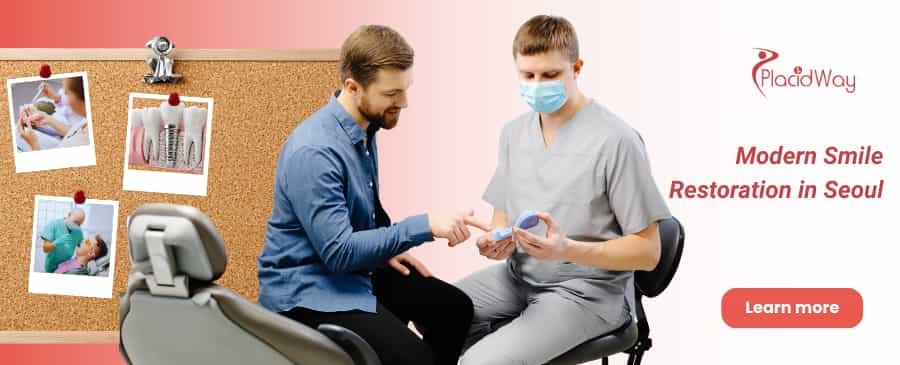
.jpg)

.png)
.png)

-(1).png)
.png)
.png)



.png)








Share this listing