
Your Guide to Dental Implant Costs and Clinics in Seoul
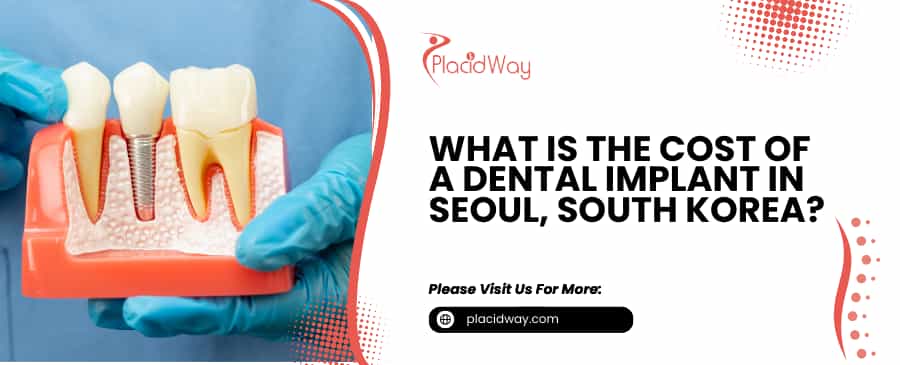
Thinking about dental implants in Seoul, South Korea? You're not alone! Many individuals worldwide are choosing Seoul for their dental care needs, especially for procedures like dental implants. It's a fantastic choice not just for the vibrant culture and delicious food, but also for its advanced healthcare system and competitive pricing.
Getting a dental implant is a significant decision, and understanding the costs involved is naturally a top priority. In Seoul, you'll find a blend of cutting-edge technology, highly skilled dentists, and prices that often present a compelling alternative to what you might pay in Western countries. This guide will walk you through everything you need to know about the cost of a dental implant in Seoul, South Korea, breaking down the factors that influence pricing and what you can expect from your dental journey.
What is the average cost of a dental implant in Seoul, South Korea?
When considering a dental implant in Seoul, it's important to understand that the "cost" usually refers to a package that includes several components. This average price typically covers the implant post itself, which is surgically placed into your jawbone, the abutment that connects the post to the crown, and the custom-made crown (the visible tooth) that sits atop everything.
These figures are averages and can vary. Some clinics might offer slightly lower prices for specific promotions or standard materials, while premium clinics or those using top-tier implant brands might charge towards the higher end of the spectrum. It's always wise to get a detailed breakdown from your chosen clinic to understand exactly what is included in their quoted price.
What factors influence the total cost of dental implants in Seoul?
Several variables play a significant role in determining the final price of your dental implant in Seoul. Understanding these factors can help you gauge the value and make an informed decision.
- Implant Brand and Material: There are many dental implant manufacturers worldwide. Premium brands (e.g., Straumann, Nobel Biocare) often come with a higher price tag due to their extensive research, clinical track record, and advanced materials. The implant post itself is usually titanium, but the crown can be made from various materials like porcelain-fused-to-metal (PFM) or all-ceramic (zirconia), with zirconia often being more expensive due to its aesthetic qualities and durability.
- Additional Procedures: Not everyone has sufficient bone density or gum health for immediate implant placement. Procedures like bone grafting, sinus lifts, or gum contouring might be necessary before the implant can be placed, adding to the overall cost and treatment time.
- Dentist's Experience and Clinic Reputation: Highly experienced dentists, especially those with specialized training in implantology, may charge more for their expertise. Similarly, clinics known for their state-of-the-art facilities, advanced technology, and high success rates might have higher prices.
- Clinic Location and Amenities: Clinics located in affluent districts of Seoul (e.g., Gangnam) or those offering luxury amenities might have higher overheads, which can translate into slightly higher prices.
- Number of Implants: While this guide focuses on a single implant, if you need multiple implants, the total cost will naturally increase, though some clinics might offer a slightly reduced per-implant rate for multiple placements.
Is it cheaper to get dental implants in Seoul compared to Western countries?
One of the primary reasons many international patients consider Seoul for dental implants is the cost-effectiveness. In countries like the United States, a single dental implant can easily range from $3,000 to $6,000 USD, and sometimes even more, depending on the region and complexity. Similarly, in Canada or parts of Europe, prices can be substantially higher than those found in Seoul.
The lower cost in Seoul does not typically reflect a compromise on quality. South Korea boasts a highly competitive healthcare market, advanced medical technology, and a well-trained medical workforce. The country's strong economy and government investments in healthcare infrastructure contribute to maintaining high standards at more accessible price points compared to many Western nations, making it an attractive destination for dental tourism.
What are the typical stages involved in a dental implant procedure in Seoul?
The dental implant process is a multi-stage treatment designed to ensure long-term success and stability. Here's a breakdown of the typical stages:
- Initial Consultation and Planning: This first step involves a comprehensive examination, including X-rays, 3D CT scans, and a discussion of your medical history. The dentist will assess your oral health, bone density, and suitability for implants, then create a personalized treatment plan.
- Implant Placement Surgery: During this stage, the titanium implant post is surgically placed into your jawbone. This is typically done under local anesthesia. After placement, the gum tissue is usually closed over the implant, and a healing cap may be placed.
- Healing Period (Osseointegration): This is the crucial time when the implant fuses with your jawbone, a process called osseointegration. This period can last anywhere from 3 to 6 months, depending on individual healing rates and bone quality. During this time, you might wear a temporary denture or bridge.
- Abutment Placement: Once osseointegration is complete, a minor surgical procedure is performed to expose the implant and attach the abutment, which is the connector piece that will hold your new crown.
- Crown Fabrication and Placement: Impressions are taken to create your custom-made crown, matching the color, shape, and size of your natural teeth. Once the crown is ready, it is securely cemented or screwed onto the abutment, completing the restoration.
Each stage is critical for the success and longevity of your dental implant, and your Seoul dental team will guide you through every step.
Are there any hidden costs associated with dental implants in South Korea?
One of the strengths of the South Korean healthcare system is its emphasis on clarity and professionalism. Most reputable dental clinics in Seoul strive to provide very clear and upfront pricing. However, it's always wise for patients, especially international ones, to ask for a detailed cost breakdown to avoid any surprises.
Potential additional costs that might not be included in a basic implant quote could be: diagnostic imaging (like initial X-rays or CT scans if not factored into the consultation), necessary pre-implant procedures (such as tooth extractions or extensive gum treatments), bone grafting or sinus lift procedures if determined necessary after initial assessment, post-operative medications (painkillers, antibiotics), or a temporary prosthetic while you wait for osseointegration. Always clarify what your package includes and what might be an extra charge before starting treatment.
What types of dental implants are available in Seoul, and how do they affect cost?
Seoul's dental clinics are equipped to provide a wide range of implant solutions, catering to diverse patient needs and clinical situations. The type of implant chosen directly impacts the overall cost.
The most common type is the endosteal implant, which is a screw-shaped titanium post surgically placed into the jawbone. These are ideal for most patients with sufficient bone density for a single tooth replacement. For patients missing multiple teeth, solutions like implant-supported bridges or full-arch restorations like All-on-4 or All-on-6 systems are available. These full-arch solutions involve placing four or six implants to support an entire arch of prosthetic teeth, and naturally, their total cost is higher than a single implant due to the complexity and number of components.
Another factor is the choice of restoration material for the crown. While titanium is standard for the implant post, crowns can be made from various materials:
- Porcelain Fused to Metal (PFM): A metal base with porcelain layered over it. Generally strong and less expensive, but the metal base can sometimes show through.
- All-Ceramic (Zirconia): Made entirely from ceramic material. Highly aesthetic, durable, and biocompatible, often preferred for front teeth. Zirconia crowns usually command a higher price.
Your dentist in Seoul will discuss the best type of implant and crown material for your specific situation, considering both clinical suitability and your budget.
How do clinics in Seoul maintain high quality despite lower prices for dental implants?
The perception that lower prices equate to lower quality is often dispelled when it comes to medical tourism in South Korea. Seoul's dental sector thrives on a combination of factors that allow it to offer premium services at more accessible price points.
Firstly, the sheer volume of dental clinics and practitioners in Seoul creates a highly competitive environment. This competition encourages clinics to invest in the latest technology, continuous training for their staff, and to optimize their operational costs without compromising on patient care. Secondly, the South Korean government actively supports and invests in its healthcare infrastructure and research, ensuring a high standard across the board. Many dental professionals receive advanced training and are adept at using cutting-edge diagnostic and treatment equipment, such as 3D CT scanners and CAD/CAM technology for precise implant planning and crown fabrication.
Furthermore, as a growing hub for medical tourism, Seoul's clinics understand the importance of international patient satisfaction and reputation. They adhere to stringent hygiene protocols and often seek international accreditations to assure global patients of their commitment to excellence. This combination of competitive market dynamics, governmental support, technological advancement, and a focus on patient outcomes contributes to Seoul's ability to offer high-quality dental implants at a competitive cost.
What should medical tourists consider when planning dental implant treatment in Seoul?
Planning dental implant treatment abroad, especially in a city like Seoul, requires careful consideration beyond just the procedure itself. Here are key aspects for medical tourists to keep in mind:
- Travel and Accommodation: Factor in flight costs, visa requirements (if any), and accommodation for the duration of your stay. Depending on the implant process, you might need to make two trips or stay for an extended period. Look for hotels or serviced apartments near your chosen clinic.
- Communication: While many clinics cater to international patients with English-speaking staff, having access to translation services, especially for complex medical discussions, can be invaluable. Confirm language support beforehand.
- Clinic Research and Accreditation: Thoroughly research potential clinics. Look for information on their dentists' qualifications, patient reviews, and any international accreditations they may hold (though not all excellent clinics will have these, it can be an added layer of assurance).
- Post-Operative Care and Follow-up: Understand the post-operative care instructions and what follow-up might be required. If a complication arises after you return home, know what support the clinic offers or if local dentists can assist.
- Overall Timeline: The entire implant process can span several months. Be prepared for potentially two trips to Seoul (one for implant placement, one for crown placement) or a single, longer stay, depending on your treatment plan.
Considering these aspects will ensure a smoother and more successful dental tourism experience in Seoul.
Is bone grafting often required for dental implants in Seoul, and what is its cost?
Bone grafting is a common procedure in implant dentistry, especially for patients who have experienced bone loss due to tooth extraction, gum disease, or trauma. A strong and adequate jawbone is crucial to securely anchor the dental implant and ensure its long-term stability. If your initial diagnostic scans show insufficient bone volume or density, your Seoul dentist will likely recommend a bone graft.
The cost of bone grafting in Seoul can vary based on several factors:
- Type of Graft Material: Bone graft materials can be autogenous (taken from your own body), allograft (from a human donor), xenograft (from an animal source, commonly bovine), or synthetic. The material choice influences cost.
- Amount and Location of Graft: A small localized graft will be less expensive than a larger, more complex graft or a sinus lift procedure, which rebuilds bone in the upper jaw near the sinuses.
- Complexity of Procedure: The skill required and the time taken for the grafting procedure will also affect its price.
It's important to view bone grafting as an investment in the success of your dental implant. Without adequate bone support, the implant may fail. Your dental clinic in Seoul will provide a clear explanation of whether this procedure is necessary and its associated costs during your initial consultation.
How long does it take to complete the entire dental implant process in Seoul?
The timeline for a dental implant procedure isn't instantaneous, as it involves biological healing processes. Here's a general breakdown of the duration:
The most significant part of the timeline is the osseointegration period, which is when the implant post fuses with your jawbone. This typically takes 3 to 6 months. During this time, the implant must remain undisturbed to heal properly. For patients requiring additional procedures like bone grafting or tooth extractions, this healing time will extend further, adding an extra 3 to 9 months before the implant can even be placed.
After osseointegration, there will be appointments for abutment placement and taking impressions for your custom crown, followed by the final crown placement. These steps usually take a few weeks. Some advanced cases might qualify for immediate loading implants, where a temporary crown is placed shortly after implant surgery. However, this is not suitable for everyone and depends on bone quality and implant stability at the time of placement. Your Seoul dental team will provide a personalized timeline based on your specific treatment needs.
Considering dental implants or other healthcare services abroad? Explore PlacidWay for comprehensive solutions and connect with trusted global providers tailored to your needs.



.png)
.png)

.png)
.png)
.png)
.png)

.jpg)
.jpg)
.jpg)
.png)








Share this listing