


Contents
대한민국 서울에서 제공하는 최첨단 임플란트 치료
서울은 첨단 치과 기술, 특히 임플란트 분야에서 세계적인 허브로 빠르게 부상했습니다. 가격 경쟁에만 치중하는 다른 지역들과 달리, 한국은 속도, 정확성, 그리고 기술력으로 경쟁력을 갖추고 있습니다. 한국은 오스템(Osstem)과 덴티움(Dentium)과 같은 세계적으로 존경받는 임플란트 제조업체들의 본고장이자, 3D 컴퓨터 유도 기술을 이용해 1mm 미만의 정밀도로 임플란트를 식립하여 통증과 회복 시간을 획기적으로 단축하는 "디지털 내비게이션 수술"의 선구자입니다.
서울을 방문하는 환자들은 강남이나 명동과 같은 지역에서 최첨단 시설을 갖춘 클리닉을 이용할 수 있는데, 이 클리닉들은 전통적인 치과라기보다는 미래지향적인 웰니스 센터에 더 가깝습니다. 자체 디지털 연구실, 3D CT 스캐너, CAD/CAM 밀링 머신 등을 갖추고 있어 놀라울 정도로 빠른 진료 및 치료가 가능합니다.
서울 치과는 엄격한 수준의 진료를 제공하며, 치과의사들은 한국, 미국 또는 유럽의 명문 대학에서 학위를 취득한 경우가 많습니다. 단일 치아 교체부터 전체 구강 재건(All-on-4/All-on-6)까지, 서울은 최첨단 로봇 보조 기술을 활용한 고품질 임플란트 시술을 서구 국가보다 훨씬 짧은 시간 안에 제공하는 독보적인 솔루션을 제공합니다.
서울에서 치과 진료를 알아보는 것은 효율성과 의료적 우수성이 조화를 이루는 생태계에 발을 들여놓는 것과 같습니다. 서울은 안전하고 깨끗하며 활기찬 문화로 유명한 도시입니다.
알고 계셨나요?
한국은 세계에서 1인당 치과 임플란트 시술 밀도가 가장 높은 나라입니다. 이러한 막대한 국내 수요는 치열한 경쟁과 혁신을 불러일으켰고, 그 결과 연간 수천 건의 임플란트 시술을 시행하는 매우 숙련된 외과의들이 배출되었습니다. 이는 서구권 치과의사의 평균 시술 건수를 훨씬 웃도는 수치입니다.
핵심 요약
프리미엄 브랜드를 포함하여 미국이나 캐나다보다 50~60% 저렴하게 구입할 수 있을 것으로 예상됩니다.
현장 밀링 연구소와 디지털 스캐닝 기술 덕분에 "당일 임플란트"가 널리 보급되고 있습니다.
컴퓨터 유도 수술을 사용하면 정밀도가 높아지고 출혈이 줄어들며 회복 속도가 빨라집니다.
세계적인 최고급 브랜드(스트라우만)와 고품질 한국 브랜드(오스템)를 만나볼 수 있습니다.
대부분의 클리닉은 임플란트 본체에 대해 장기간(5~10년) 보증을 제공합니다.
"한 시간 만에 치아 완성"이라는 말의 진실
한국의 선진 디지털 워크플로우 덕분에 끈적거리는 본뜨기 과정을 완전히 생략할 수 있는 경우가 많습니다. 치과에서는 3D 구강 스캐너를 사용하여 몇 분 만에 환자의 구강 디지털 지도를 만들고, 이를 3D 프린터나 밀링 머신으로 전송합니다. 이를 통해 대기실에서 기다리는 동안 임시 크라운이나 수술 가이드를 제작할 수 있습니다!
한국은 첨단 기술을 제공하면서도 미국, 영국, 호주에 비해 훨씬 저렴한 가격으로 치과 치료를 받을 수 있습니다. 아래 표는 단일 임플란트와 전체 악궁 보철 치료의 평균 비용을 보여줍니다. 이러한 가격 차이는 한국 의료 시스템의 효율성과 수입 관세를 피할 수 있는 고품질 임플란트의 국내 생산 덕분입니다. 아래 예상 비용을 참고하여 치과 치료 예산을 효과적으로 계획하세요.
팁: 견적에 "지대주"와 "크라운"이 포함되어 있는지 문의하세요. 일부 병원에서는 처음에는 수술용 보철물 가격만 견적에 포함시키는 경우가 있습니다.
서울 최고의 치과 병원들은 해외 여행객의 니즈를 잘 이해하고 있으며, 간편한 패키지 상품을 제공하여 여행 과정을 더욱 수월하게 만들어 드립니다. 아래에 소개된 병원들은 CT 촬영, 상담, 임플란트 수술, 지대주, 크라운을 포함한 종합적인 패키지를 제공합니다. 프리미엄 패키지에는 공항 픽업 서비스, 강남 또는 종로 지역 제휴 호텔 할인 혜택 등이 추가될 수 있습니다.
참고: 모든 비용이 포함된 가격은 엑스레이 촬영, 임시 크라운, 약값 등과 같은 숨겨진 추가 요금으로부터 고객님을 보호합니다.
저희는 서울 최고의 치과 병원 및 전문 클리닉들을 엄선했습니다. 이 시설들은 외국인 환자 치료 경험, 최첨단 디지털 치과 장비 투자, 그리고 엄격한 멸균 프로토콜 준수를 기준으로 선정되었습니다. 또한, 많은 센터들이 보건복지부의 외국인 환자 진료 인증을 받아 높은 수준의 책임감과 의료 서비스를 보장합니다.
표준 치료: 가장 정확한 결과를 얻으려면 "디지털 내비게이션 임플란트" 기능을 강조하는 클리닉을 찾으십시오.
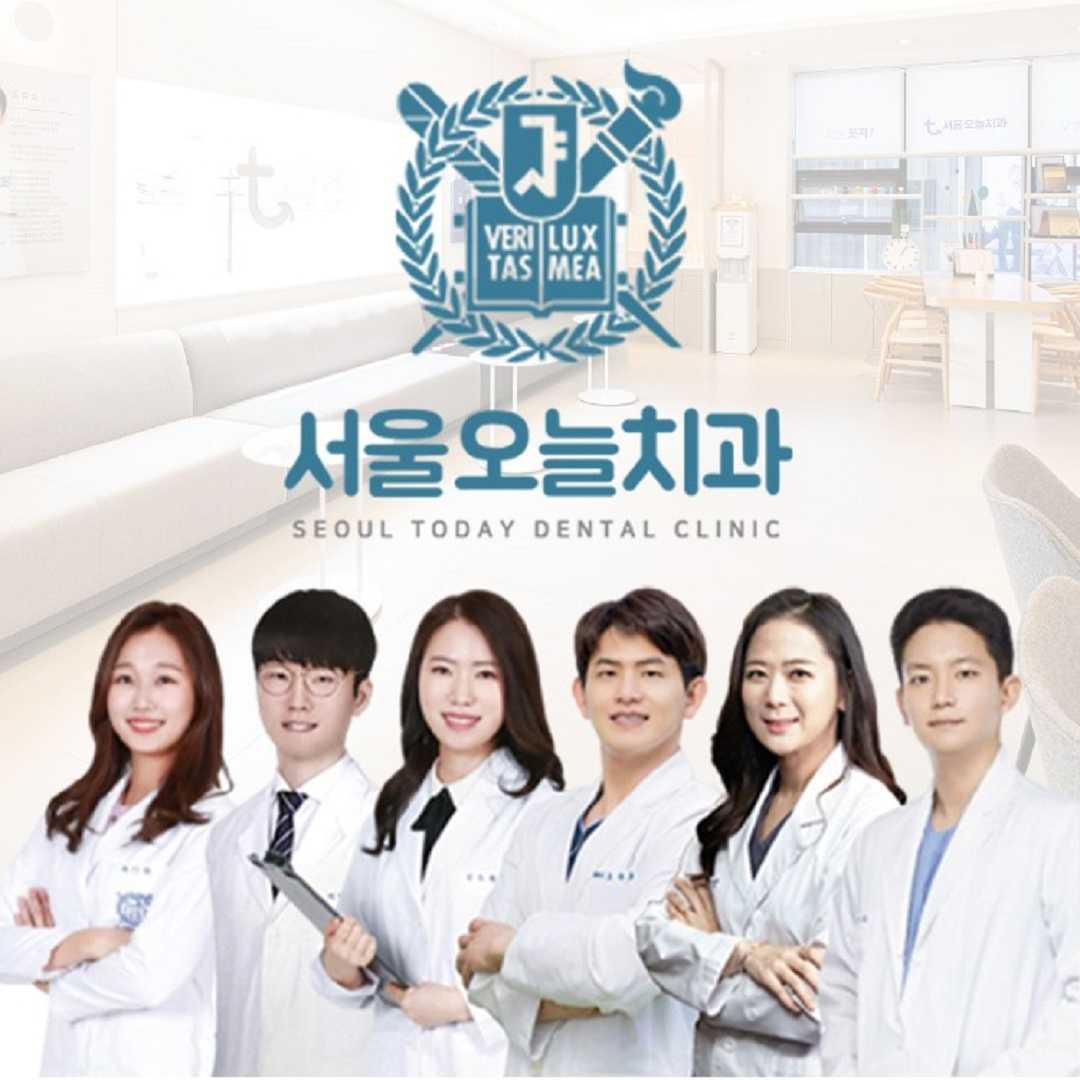
Seoul Today Dental Clinic
Seoul, South Korea
MINISH DENTAL HOSPITAL
Seoul, South Korea
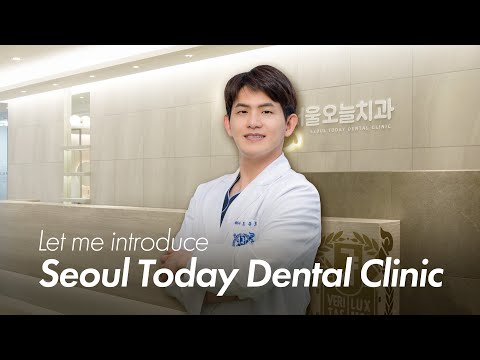
환자들의 이야기는 치과 관광의 실제 경험을 가장 잘 보여주는 자료입니다. 아래 영상들은 치과 치료를 위해 서울을 방문한 환자들의 후기입니다. 이들은 통증 정도, 시술 속도, 그리고 한국 치과의사와의 소통에 대해 이야기합니다. 영상을 통해 환하게 웃는 미소가 선사하는 변화와 서울의 최첨단 시설을 직접 확인해 보세요.
핵심 요점: "원데이 시술"에 대해 이야기하는 환자들을 주의 깊게 살펴보고, 즉시 로딩 시술이 본인에게 적합한지 판단해 보세요.
서울은 치과 치료 환자 만족도에서 꾸준히 높은 순위를 차지하고 있습니다. 이 섹션에서는 서울에서 임플란트 시술을 받은 환자들의 실제 후기를 확인할 수 있습니다. 주요 내용은 의료진의 전문성, 병원의 청결도, 그리고 컴퓨터 유도 수술의 놀라운 통증 완화 효과 등입니다. 이러한 후기는 치료 장소를 선택하는 데 있어 매우 유용한 자료가 될 것입니다.
검토 팁: "영어 코디네이터"에 대한 언급이 있는지 확인하여 자신의 요구 사항을 전달하는 데 얼마나 편안함을 느낄 수 있을지 가늠해 보세요.

How Much Do Dental Implants Cost in Seoul? A Guide to South Korea Dental Costs
The dental implants cost in South Korea typically ranges from $1,000 to $2,500 per tooth. This price in Seoul includes the titanium post, abutment, and premium crown. Patients experience massive savings compared to western prices while benefiting from world-class technology. Key Takeaways: Dentistry in Seoul Cost Efficiency: Save up to 60% on full mouth restorations compared to North American or European rates. Top Domestic Brands: Access high-quality, FDA-approved Korean implant systems like Osstem and Dentium. Advanced Diagnostics: Mandatory 3D CBCT scanning ensures precision computer-guided implant placement. Specialized Experts: Treatment is performed by highly trained prosthodontists and maxillofacial surgeons. Rapid Turnaround: In-house milling labs create permanent zirconia crowns in a fraction of the usual time. What factors influence dental implants cost in South Korea? The overall price depends heavily on the implant brand chosen, the necessity for preliminary bone grafting, and the final crown material. Clinical location and surgical expertise also mildly impact the final invoice. When analyzing the cost structures at a premium dental clinic in South Korea, several variables determine your final quotation. The most significant factor is the origin of the implant brand. Choosing a domestic system manufactured within the country significantly reduces the cost compared to importing premium Swiss or Swedish brands, without compromising on clinical success rates. Additionally, the anatomical condition of your jawbone plays a vital role. If a patient requires a sinus lift or substantial synthetic bone grafting to create a stable foundation for the titanium post, these supplementary surgical procedures will increase the overall baseline cost. Complex extractions of failing teeth prior to placement will also add to the procedural expenses. The material chosen for the visible tooth, known as the crown, represents another cost factor. Standard porcelain-fused-to-metal crowns are the most economical choice. However, modern patients overwhelmingly prefer solid zirconia crowns due to their unparalleled durability and natural light-reflecting properties, which come at a slight premium but offer superior aesthetic longevity. Why is a dental clinic in South Korea cheaper than in the US or UK? Lower operational costs, an abundance of locally manufactured premium dental supplies, and a highly competitive domestic market naturally drive prices down. Malpractice insurance rates are also significantly lower than in western nations. The stark price contrast between Seoul and western cities is not a reflection of lower quality, but rather systemic economic differences. South Korea possesses a robust domestic medical manufacturing industry. Producing top-tier titanium posts and surgical equipment locally eliminates massive import taxes, shipping fees, and third-party distributor markups that artificially inflate prices elsewhere. Furthermore, the density of skilled specialists in areas like Gangnam creates intense market competition. Clinics must offer fair, transparent pricing to attract both local residents and international visitors. This competition drives continuous technological innovation while simultaneously preventing price gouging. Medical tourism in South Korea thrives specifically because of this balance between affordability and high-tech care. Operating a medical facility in Seoul involves lower overhead costs concerning malpractice insurance and administrative bureaucracy compared to the United States. Dentists pass these operational savings directly to the patient, ensuring you pay strictly for the clinical expertise, the surgical environment, and the physical materials used in your restoration. Did You Know? South Korea holds the record for placing the highest number of dental implants per capita globally. This incredible volume means Korean oral surgeons acquire unparalleled hands-on experience, often placing thousands of implants annually. What types of dental implants in South Korea are most popular? Domestic giants Osstem and Dentium dominate the market due to their phenomenal quality-to-price ratio. International options like Straumann are also widely available for patients seeking globally recognized European brands. Choosing the right hardware is essential for a permanent smile. When exploring dental implants in South Korea, patients encounter a variety of exceptional titanium systems. Local brands have heavily invested in research and development, creating specialized thread designs that promote rapid bone integration even in softer jawbones. Implant Brand Origin Average Cost (USD) Key Characteristic Osstem South Korea $1,000 - $1,300 Exceptional osseointegration surface Dentium South Korea $1,100 - $1,400 High initial stability design Straumann Switzerland $1,800 - $2,500 Premium global lifetime warranty The choice between domestic and imported systems largely depends on budget and personal preference. Osstem provides phenomenal durability and is exported globally, meaning you can find dentists to service them in your home country. Straumann is preferred by those who want the absolute gold standard of European engineering and a strictly enforced global guarantee system. How does the All-on-4 dental implants cost in South Korea compare globally? Full mouth restoration using the All-on-4 technique costs between $7,000 and $12,000 per arch in Seoul. This represents a drastic reduction from the $25,000 or more typically charged in the United States or Australia. For patients missing all teeth on their upper or lower jaw, the All-on-4 procedure is a life-changing intervention. Instead of replacing each tooth individually, the surgeon places four strategically angled titanium posts that support a complete, permanently fixed bridge. This technique avoids extensive bone grafting and drastically reduces overall surgical time. When evaluating the dental implants cost in South Korea for full arch restorations, the savings become monumental. A procedure that might require taking out a second mortgage in North America becomes an accessible reality in Seoul. The package typically includes any necessary extractions, the surgical placement of the four posts, and the fabrication of the final permanent bridge. Furthermore, Korean labs utilize computer-aided design to mill the final arches from solid blocks of zirconia rather than relying on weaker acrylic materials. This means the final product is not only significantly cheaper but often structurally superior, resisting stains and chips much better than traditional full-arch prosthetics. Are same-day dental implants in South Korea a reliable option? Immediate load implants are highly reliable when executed by experienced professionals using digital surgical guides. This allows patients to have failing teeth extracted and new temporary teeth placed within a single appointment. Same-day implant dentistry, clinically termed immediate loading, is exceptionally popular among international patients on tight schedules. Rather than waiting months with a gap in your smile, the surgeon extracts the damaged tooth, inserts the titanium root, and attaches a temporary resin crown all in one continuous session. Reliability hinges entirely on patient anatomy and technological precision. Not everyone is a candidate. The jawbone must possess sufficient density to secure the post tightly enough to withstand immediate biting forces. Korean clinics excel at this assessment, using advanced three-dimensional scans to map bone density meticulously before approving the immediate load protocol. While the temporary tooth restores immediate cosmetic appearance, patients must still return months later to receive their final, permanent porcelain or zirconia crown once the bone has fully fused to the metal. Patients must carefully follow dietary restrictions during the healing phase to ensure the immediate implant does not shift. Expert Insight Incredible precision is required for immediate load procedures. Seoul dentists utilize custom 3D-printed surgical stents that physically guide the drill bit to the exact optimal angle and depth, virtually eliminating human error and minimizing post-operative swelling. What advanced technologies do Seoul dental clinics use for implant surgery? Leading centers utilize CBCT 3D imaging, digital intraoral wands, AI-assisted surgical mapping, and in-house CAD/CAM milling machines. These innovations guarantee flawless accuracy and significantly accelerate the treatment timeline. The technological landscape of a premier dental clinic in South Korea resembles a high-tech laboratory. The foundation of modern implantology here relies on Cone Beam Computed Tomography. This specialized scanner produces a perfect three-dimensional replica of your skull, allowing the surgeon to locate nerve pathways and sinus cavities to plan the surgery digitally before you ever sit in the operating chair. Gone are the days of biting into messy, uncomfortable impression putty. Clinics now use digital intraoral scanners shaped like small wands that capture thousands of pictures per second to create a flawless virtual model of your mouth. This digital file is instantaneously sent to the in-house laboratory for precise prosthetic creation. Many top-tier facilities feature on-site CAD/CAM milling units. Once the digital design of your new tooth is finalized, robotic milling machines carve the final crown from a solid block of high-grade zirconia in a matter of hours. This integrated workflow prevents delays caused by outsourcing to external laboratories. Is medical tourism in South Korea safe for complex dental procedures? Patient safety is fiercely regulated by the Korean Ministry of Health and Welfare. Specialized centers follow stringent international protocols for sterilization, utilize board-certified specialists, and offer fully transparent medical contracts. Safety is the primary concern for anyone traveling abroad for healthcare. Fortunately, medical tourism in South Korea operates under a strict legal framework designed specifically to protect international visitors. Dental facilities catering to foreigners must pass rigorous government inspections to obtain and maintain specific accreditation licenses. The educational standards for Korean oral maxillofacial surgeons are incredibly demanding. After completing standard dental school, specialists endure rigorous multi-year hospital residencies managing severe facial traumas and complex reconstructive surgeries. Many seek additional fellowship training in the United States or Germany to master the latest implant methodologies. Infection control in these facilities is uncompromising. Treatment rooms are thoroughly sanitized, instruments are subjected to heavy-duty autoclave sterilization, and cross-contamination protocols align with strict Joint Commission International standards. Patients can confidently undergo major reconstructive oral surgery knowing the environment is completely sterile. How long should I stay in Seoul for a complete dental implant procedure? A standard procedure requires two trips. The first visit lasts three to seven days for the surgical placement. After a three to six month healing period at home, you return for a final five-day visit to attach the permanent crown. Planning your itinerary carefully is crucial for successful treatment. The foundational trip involves comprehensive diagnostics, potential tooth extractions, and the surgical insertion of the titanium screw. You must remain in the city for several days following the surgery so the clinical team can monitor initial healing and perform necessary suture removal. The intervening period allows for osseointegration, a biological process where the jawbone physically fuses to the microscopic pores on the titanium surface. This vital phase cannot be rushed. Attempting to attach the final heavy porcelain crown before the bone has solidified risks total implant failure. During your second trip, the process is entirely non-surgical and painless. The dentist will take final digital impressions, the laboratory will craft your custom crown, and the team will cement or screw it securely onto the titanium root. Both trips allow ample downtime to explore the safe, vibrant culture and culinary landscape of the city. Why Choose PlacidWay for Dental Implants in South Korea? PlacidWay connects you directly with elite, globally accredited dental professionals. We ensure complete transparency regarding pricing and clinical standards, advocating for your health and streamlining your communication every step of the way. Organizing complex medical treatments across international borders requires expertise and vigilance. Choosing the right provider can be overwhelming without trusted guidance. PlacidWay exists to remove the uncertainty from your medical journey, acting as your dedicated advocate in navigating the Korean healthcare ecosystem. Rigorous Clinical Vetting: We partner exclusively with government-certified institutions featuring board-certified implantologists who hold immaculate safety records and advanced international training. Transparent Financial Planning: We secure all-inclusive price quotes before you commit, detailing the precise hardware brands and procedures, ensuring absolutely no hidden fees arise post-surgery. Dedicated Patient Advocacy: Our knowledgeable case managers review your preliminary dental x-rays alongside Korean specialists to formulate a precise, realistic treatment plan before you leave home. Seamless Clinical Communication: We bridge the clinical language gap, ensuring you have direct, translated access to your surgical team for comprehensive pre-operative queries and crucial post-operative care instructions. Verified Provider Portfolios: We provide authentic, unedited patient reviews, detailed facility imagery, and comprehensive surgeon biographies, empowering you to make a highly informed, confident healthcare decision. Frequently Asked Questions About Dental Treatments Do I need a special visa for dental treatments in Seoul? Most international visitors from western countries can enter Seoul for short-term dental treatments using a standard tourist visa or electronic travel authorization. If your complex oral surgery requires an extended recovery period exceeding ninety days, you may need to apply for a specific medical visa through the Korean embassy. Will language be a barrier at a Korean dental office? Language is rarely a barrier at top-tier facilities catering to international patients. Major clinics employ full-time, fluent English-speaking coordinators and internationally trained dentists who conduct consultations directly in English to ensure complete clinical understanding before any procedure begins. Can I get a bone graft and implant during the same visit in Korea? Yes, many skilled oral surgeons in Seoul perform simultaneous bone grafting and implant placement if you have moderate bone loss. However, if severe atrophy is present, the surgeon will place the graft first and require a healing period of three to six months before inserting the titanium post. Are Korean dental implant brands as good as international ones? Domestic brands like Osstem and Dentium are highly respected globally, holding FDA and CE certifications. They boast success rates comparable to premium European brands and are backed by decades of clinical research, making them a safe and highly economical choice for patients. What happens if my dental implant fails after returning home? Reputable clinics provide extensive warranties on the titanium post, often lasting five to ten years. If a failure occurs due to surgical or material faults, the clinic will typically replace it at no additional cost, though you will be responsible for returning to the clinic for the revision surgery. Is the water and sterilization process safe in Korean dental offices? Seoul facilities adhere strictly to globally recognized infection control protocols. They utilize advanced autoclave sterilization for all instruments and multi-stage filtered water systems for dental chairs, ensuring an exceptionally sterile environment that prevents cross-contamination. Can I use my domestic dental insurance for surgery in Seoul? Direct billing with international dental insurance is extremely rare. Patients normally pay out-of-pocket at the clinic. However, you can request itemized receipts and detailed clinical records in English to submit a reimbursement claim to your insurance provider once you return home. What dietary restrictions apply while recovering from oral surgery in Korea? Following surgery, patients must adhere to a soft food diet for several weeks to avoid placing pressure on the healing surgical site. Fortunately, Korean cuisine offers excellent recovery foods like nutrient-rich rice porridges, soft tofu stews, and steamed egg dishes that are both soothing and healthy. Do Korean dentists offer IV sedation for patients with severe dental anxiety? Yes, conscious IV sedation, often referred to as sleep dentistry, is widely available in specialized centers. An in-house anesthesiologist monitors your vital signs continuously, ensuring you remain completely relaxed and pain-free throughout the entire surgical process. How soon can I fly after getting dental implants in Seoul? Oral surgeons generally recommend waiting at least forty-eight to seventy-two hours before flying. The cabin pressure changes in an airplane can exacerbate bleeding, swelling, and discomfort, particularly if you have undergone a sinus lift alongside your implant placement. Restore Your Smile with Confidence Stop letting dental costs hold you back. PlacidWay connects you with premium, highly vetted oral surgeons in Seoul for affordable, world-class restorative care. Get your comprehensive treatment plan and transparent pricing today. Get Your Free Quote
What is the Cost of a Dental Implant in Seoul, South Korea?
A single dental implant in Seoul, South Korea, typically ranges from ?1,500,000 to ?3,000,000 (approximately $1,100 to $2,200 USD), depending on the clinic, implant brand, and complexity of the procedure. Thinking about dental implants in Seoul, South Korea? You're not alone! Many individuals worldwide are choosing Seoul for their dental care needs, especially for procedures like dental implants. It's a fantastic choice not just for the vibrant culture and delicious food, but also for its advanced healthcare system and competitive pricing. Getting a dental implant is a significant decision, and understanding the costs involved is naturally a top priority. In Seoul, you'll find a blend of cutting-edge technology, highly skilled dentists, and prices that often present a compelling alternative to what you might pay in Western countries. This guide will walk you through everything you need to know about the cost of a dental implant in Seoul, South Korea, breaking down the factors that influence pricing and what you can expect from your dental journey. What is the average cost of a dental implant in Seoul, South Korea? The average cost for a single dental implant in Seoul, South Korea, is approximately ?2,000,000 to ?2,500,000 ($1,500 to $1,900 USD), encompassing the implant, abutment, and crown. When considering a dental implant in Seoul, it's important to understand that the "cost" usually refers to a package that includes several components. This average price typically covers the implant post itself, which is surgically placed into your jawbone, the abutment that connects the post to the crown, and the custom-made crown (the visible tooth) that sits atop everything. These figures are averages and can vary. Some clinics might offer slightly lower prices for specific promotions or standard materials, while premium clinics or those using top-tier implant brands might charge towards the higher end of the spectrum. It's always wise to get a detailed breakdown from your chosen clinic to understand exactly what is included in their quoted price. What factors influence the total cost of dental implants in Seoul? Key factors influencing dental implant costs in Seoul include the implant brand, materials (e.g., zirconia, titanium), additional procedures like bone grafting, the dentist's experience, and clinic location. Several variables play a significant role in determining the final price of your dental implant in Seoul. Understanding these factors can help you gauge the value and make an informed decision. Implant Brand and Material: There are many dental implant manufacturers worldwide. Premium brands (e.g., Straumann, Nobel Biocare) often come with a higher price tag due to their extensive research, clinical track record, and advanced materials. The implant post itself is usually titanium, but the crown can be made from various materials like porcelain-fused-to-metal (PFM) or all-ceramic (zirconia), with zirconia often being more expensive due to its aesthetic qualities and durability. Additional Procedures: Not everyone has sufficient bone density or gum health for immediate implant placement. Procedures like bone grafting, sinus lifts, or gum contouring might be necessary before the implant can be placed, adding to the overall cost and treatment time. Dentist's Experience and Clinic Reputation: Highly experienced dentists, especially those with specialized training in implantology, may charge more for their expertise. Similarly, clinics known for their state-of-the-art facilities, advanced technology, and high success rates might have higher prices. Clinic Location and Amenities: Clinics located in affluent districts of Seoul (e.g., Gangnam) or those offering luxury amenities might have higher overheads, which can translate into slightly higher prices. Number of Implants: While this guide focuses on a single implant, if you need multiple implants, the total cost will naturally increase, though some clinics might offer a slightly reduced per-implant rate for multiple placements. Is it cheaper to get dental implants in Seoul compared to Western countries? Yes, dental implants in Seoul can often be significantly cheaper than in many Western countries like the US, Canada, or Europe, while still offering high-quality care and advanced technology. One of the primary reasons many international patients consider Seoul for dental implants is the cost-effectiveness. In countries like the United States, a single dental implant can easily range from $3,000 to $6,000 USD, and sometimes even more, depending on the region and complexity. Similarly, in Canada or parts of Europe, prices can be substantially higher than those found in Seoul. The lower cost in Seoul does not typically reflect a compromise on quality. South Korea boasts a highly competitive healthcare market, advanced medical technology, and a well-trained medical workforce. The country's strong economy and government investments in healthcare infrastructure contribute to maintaining high standards at more accessible price points compared to many Western nations, making it an attractive destination for dental tourism. What are the typical stages involved in a dental implant procedure in Seoul? A typical dental implant procedure in Seoul involves an initial consultation, implant placement surgery, a healing period (osseointegration), and finally, the placement of the abutment and custom crown. The dental implant process is a multi-stage treatment designed to ensure long-term success and stability. Here's a breakdown of the typical stages: Initial Consultation and Planning: This first step involves a comprehensive examination, including X-rays, 3D CT scans, and a discussion of your medical history. The dentist will assess your oral health, bone density, and suitability for implants, then create a personalized treatment plan. Implant Placement Surgery: During this stage, the titanium implant post is surgically placed into your jawbone. This is typically done under local anesthesia. After placement, the gum tissue is usually closed over the implant, and a healing cap may be placed. Healing Period (Osseointegration): This is the crucial time when the implant fuses with your jawbone, a process called osseointegration. This period can last anywhere from 3 to 6 months, depending on individual healing rates and bone quality. During this time, you might wear a temporary denture or bridge. Abutment Placement: Once osseointegration is complete, a minor surgical procedure is performed to expose the implant and attach the abutment, which is the connector piece that will hold your new crown. Crown Fabrication and Placement: Impressions are taken to create your custom-made crown, matching the color, shape, and size of your natural teeth. Once the crown is ready, it is securely cemented or screwed onto the abutment, completing the restoration. Each stage is critical for the success and longevity of your dental implant, and your Seoul dental team will guide you through every step. Are there any hidden costs associated with dental implants in South Korea? Generally, reputable clinics in South Korea provide transparent pricing; however, potential hidden costs might include pre-operative diagnostics, post-operative medications, or unforeseen complex grafting needs. One of the strengths of the South Korean healthcare system is its emphasis on clarity and professionalism. Most reputable dental clinics in Seoul strive to provide very clear and upfront pricing. However, it's always wise for patients, especially international ones, to ask for a detailed cost breakdown to avoid any surprises. Potential additional costs that might not be included in a basic implant quote could be: diagnostic imaging (like initial X-rays or CT scans if not factored into the consultation), necessary pre-implant procedures (such as tooth extractions or extensive gum treatments), bone grafting or sinus lift procedures if determined necessary after initial assessment, post-operative medications (painkillers, antibiotics), or a temporary prosthetic while you wait for osseointegration. Always clarify what your package includes and what might be an extra charge before starting treatment. What types of dental implants are available in Seoul, and how do they affect cost? Seoul clinics offer various dental implant types, including traditional endosteal implants, mini implants, and all-on-4/6 systems, with costs varying based on material, complexity, and number of implants needed. Seoul's dental clinics are equipped to provide a wide range of implant solutions, catering to diverse patient needs and clinical situations. The type of implant chosen directly impacts the overall cost. The most common type is the endosteal implant, which is a screw-shaped titanium post surgically placed into the jawbone. These are ideal for most patients with sufficient bone density for a single tooth replacement. For patients missing multiple teeth, solutions like implant-supported bridges or full-arch restorations like All-on-4 or All-on-6 systems are available. These full-arch solutions involve placing four or six implants to support an entire arch of prosthetic teeth, and naturally, their total cost is higher than a single implant due to the complexity and number of components. Another factor is the choice of restoration material for the crown. While titanium is standard for the implant post, crowns can be made from various materials: Porcelain Fused to Metal (PFM): A metal base with porcelain layered over it. Generally strong and less expensive, but the metal base can sometimes show through. All-Ceramic (Zirconia): Made entirely from ceramic material. Highly aesthetic, durable, and biocompatible, often preferred for front teeth. Zirconia crowns usually command a higher price. Your dentist in Seoul will discuss the best type of implant and crown material for your specific situation, considering both clinical suitability and your budget. How do clinics in Seoul maintain high quality despite lower prices for dental implants? Seoul clinics maintain high quality through competitive market forces, government healthcare investments, high technology adoption, and a strong emphasis on patient satisfaction in a medical tourism hub. The perception that lower prices equate to lower quality is often dispelled when it comes to medical tourism in South Korea. Seoul's dental sector thrives on a combination of factors that allow it to offer premium services at more accessible price points. Firstly, the sheer volume of dental clinics and practitioners in Seoul creates a highly competitive environment. This competition encourages clinics to invest in the latest technology, continuous training for their staff, and to optimize their operational costs without compromising on patient care. Secondly, the South Korean government actively supports and invests in its healthcare infrastructure and research, ensuring a high standard across the board. Many dental professionals receive advanced training and are adept at using cutting-edge diagnostic and treatment equipment, such as 3D CT scanners and CAD/CAM technology for precise implant planning and crown fabrication. Furthermore, as a growing hub for medical tourism, Seoul's clinics understand the importance of international patient satisfaction and reputation. They adhere to stringent hygiene protocols and often seek international accreditations to assure global patients of their commitment to excellence. This combination of competitive market dynamics, governmental support, technological advancement, and a focus on patient outcomes contributes to Seoul's ability to offer high-quality dental implants at a competitive cost. What should medical tourists consider when planning dental implant treatment in Seoul? Medical tourists should consider travel logistics, accommodation, communication (translator services), clinic accreditation, post-operative care plans, and the total duration of their stay in Seoul for dental implants. Planning dental implant treatment abroad, especially in a city like Seoul, requires careful consideration beyond just the procedure itself. Here are key aspects for medical tourists to keep in mind: Travel and Accommodation: Factor in flight costs, visa requirements (if any), and accommodation for the duration of your stay. Depending on the implant process, you might need to make two trips or stay for an extended period. Look for hotels or serviced apartments near your chosen clinic. Communication: While many clinics cater to international patients with English-speaking staff, having access to translation services, especially for complex medical discussions, can be invaluable. Confirm language support beforehand. Clinic Research and Accreditation: Thoroughly research potential clinics. Look for information on their dentists' qualifications, patient reviews, and any international accreditations they may hold (though not all excellent clinics will have these, it can be an added layer of assurance). Post-Operative Care and Follow-up: Understand the post-operative care instructions and what follow-up might be required. If a complication arises after you return home, know what support the clinic offers or if local dentists can assist. Overall Timeline: The entire implant process can span several months. Be prepared for potentially two trips to Seoul (one for implant placement, one for crown placement) or a single, longer stay, depending on your treatment plan. Considering these aspects will ensure a smoother and more successful dental tourism experience in Seoul. Is bone grafting often required for dental implants in Seoul, and what is its cost? Bone grafting may be required if there's insufficient jawbone for implant support. In Seoul, the cost for bone grafting typically ranges from ?300,000 to ?1,000,000 ($220 to $750 USD) per site, depending on complexity and material. Bone grafting is a common procedure in implant dentistry, especially for patients who have experienced bone loss due to tooth extraction, gum disease, or trauma. A strong and adequate jawbone is crucial to securely anchor the dental implant and ensure its long-term stability. If your initial diagnostic scans show insufficient bone volume or density, your Seoul dentist will likely recommend a bone graft. The cost of bone grafting in Seoul can vary based on several factors: Type of Graft Material: Bone graft materials can be autogenous (taken from your own body), allograft (from a human donor), xenograft (from an animal source, commonly bovine), or synthetic. The material choice influences cost. Amount and Location of Graft: A small localized graft will be less expensive than a larger, more complex graft or a sinus lift procedure, which rebuilds bone in the upper jaw near the sinuses. Complexity of Procedure: The skill required and the time taken for the grafting procedure will also affect its price. It's important to view bone grafting as an investment in the success of your dental implant. Without adequate bone support, the implant may fail. Your dental clinic in Seoul will provide a clear explanation of whether this procedure is necessary and its associated costs during your initial consultation. How long does it take to complete the entire dental implant process in Seoul? The complete dental implant process in Seoul, from initial placement to final crown, usually takes 3 to 6 months, allowing adequate time for osseointegration, though some immediate loading options exist. The timeline for a dental implant procedure isn't instantaneous, as it involves biological healing processes. Here's a general breakdown of the duration: The most significant part of the timeline is the osseointegration period, which is when the implant post fuses with your jawbone. This typically takes 3 to 6 months. During this time, the implant must remain undisturbed to heal properly. For patients requiring additional procedures like bone grafting or tooth extractions, this healing time will extend further, adding an extra 3 to 9 months before the implant can even be placed. After osseointegration, there will be appointments for abutment placement and taking impressions for your custom crown, followed by the final crown placement. These steps usually take a few weeks. Some advanced cases might qualify for immediate loading implants, where a temporary crown is placed shortly after implant surgery. However, this is not suitable for everyone and depends on bone quality and implant stability at the time of placement. Your Seoul dental team will provide a personalized timeline based on your specific treatment needs. Considering dental implants or other healthcare services abroad? Explore PlacidWay for comprehensive solutions and connect with trusted global providers tailored to your needs.
How Long Does the Dental Implant Procedure Take in Seoul, South Korea?
The dental implant procedure in Seoul can vary significantly, typically ranging from a few months for straightforward cases to over a year for complex situations requiring extensive preparatory work like bone grafting. Initial surgery usually takes 1-2 hours per implant. Planning a dental implant procedure can feel like a big step, especially when considering traveling to a bustling city like Seoul for treatment. One of the most common questions people have is, "How long will this all take?" It’s a completely valid concern, as understanding the timeline is crucial for scheduling, budgeting, and making travel arrangements. The good news is that Seoul is renowned for its advanced dental care and efficiency, attracting many international patients seeking high-quality treatment. While the actual surgical placement of a dental implant might only take an hour or two per implant, the entire process from initial consultation to the final crown placement spans several months. This extended timeline is due to the biological healing required, specifically for osseointegration, where the implant fuses with your jawbone. Factors like the number of implants, the health of your jawbone, and whether additional procedures like bone grafts or sinus lifts are needed will all play a significant role in determining your specific timeline. We'll break down each stage so you know exactly what to expect when you choose Seoul for your dental implant journey. What is the typical timeline for a dental implant procedure in Seoul? The typical timeline for a dental implant procedure in Seoul, from initial assessment to final crown placement, generally spans 3 to 9 months, though it can extend beyond a year for complex cases requiring additional preparatory treatments. The journey to a complete dental implant in Seoul is a multi-stage process designed to ensure the best possible long-term outcome. It's not a single appointment procedure, but rather a carefully spaced series of visits that allow for proper healing and integration. Understanding these stages will help you plan your visits and manage your expectations regarding the overall duration. Generally, the process unfolds in several key phases: Initial Consultation and Planning (1-2 days): This involves comprehensive examinations, X-rays, 3D scans, and a discussion of your treatment plan. This can often be completed in a single visit or over two consecutive days. Implant Placement Surgery (1-2 hours per implant): This is the surgical procedure where the titanium implant post is placed into your jawbone. This is usually done in one visit. Healing and Osseointegration (3-6 months): This is the most crucial, and often the longest, phase. During this time, the implant fuses with your jawbone. A temporary crown might be placed to maintain aesthetics. Abutment Placement (1 visit, usually 30-60 minutes): Once osseointegration is complete, a small connector post (abutment) is attached to the implant. Sometimes, this is done during the initial surgery. Crown Fabrication and Placement (1-2 weeks for fabrication, 1 visit for placement): Impressions are taken, and your custom crown is fabricated. Once ready, it's permanently attached to the abutment. For international patients, clinics in Seoul are adept at streamlining these visits where possible, sometimes combining initial assessment and even implant placement if conditions are ideal and travel schedules are tight. However, the biological healing time for osseointegration cannot be rushed. What are the stages of a dental implant procedure? The stages of a dental implant procedure include initial consultation and planning, implant placement surgery, a healing period for osseointegration, abutment placement, and finally, custom crown fabrication and placement. To fully grasp the timeline, it's essential to understand the distinct stages involved in receiving a dental implant. Each stage serves a specific purpose, contributing to the success and longevity of your new tooth. Comprehensive Examination and Treatment Planning: This initial stage involves a thorough dental examination, taking X-rays and 3D CT scans to assess your bone density, gum health, and overall oral structure. The dentist will discuss your medical history and create a personalized treatment plan, including determining the best implant type and position. Tooth Extraction (if necessary): If the damaged tooth is still present, it will need to be extracted first. A healing period of several weeks to a few months may be required before implant placement, especially if there's significant infection or damage. Bone Grafting or Sinus Lift (if necessary): If your jawbone isn't dense enough or the sinus cavity is too low (for upper jaw implants), preparatory procedures like bone grafting or a sinus lift might be needed. These add several months (typically 4-9 months) to the overall treatment timeline as the grafted bone needs time to integrate and strengthen. Implant Placement Surgery: This is the surgical step where the titanium implant post is precisely placed into the jawbone. This outpatient procedure typically involves local anesthesia and sedation, and takes about 1 to 2 hours per implant. Osseointegration (Healing Period): After implant placement, the implant needs time to naturally fuse with the jawbone. This biological process, called osseointegration, usually takes 3 to 6 months. During this period, you might wear a temporary denture or bridge. Abutment Placement: Once osseointegration is complete and the implant is stable, a small connector piece called an abutment is attached to the implant. This may involve a minor surgical procedure if the implant was covered by gum tissue, or it might be placed during the initial surgery. Prosthetic Crown Fabrication and Placement: After the abutment is in place, impressions of your mouth are taken to custom-fabricate your new crown (the visible tooth). This process usually takes 1-2 weeks. Once the crown is ready, it is securely cemented or screwed onto the abutment, completing your new tooth. Each of these stages is critical, and rushing through them can compromise the success of the implant. Clinics in Seoul prioritize patient safety and optimal results, adhering strictly to these necessary healing periods. Does a bone graft extend the implant timeline? Yes, a bone graft significantly extends the dental implant timeline, typically adding an extra 4 to 9 months for the grafted bone to fully heal and integrate before the implant can be safely placed. Bone grafting is a common preparatory procedure for dental implants, especially for patients who have experienced bone loss due to tooth extraction, gum disease, or trauma. It's essential to have sufficient bone density and volume to securely hold the implant. If your initial examination reveals inadequate bone, a bone graft will be recommended. The process of bone grafting involves adding bone material (either from your own body, a donor, an animal source, or synthetic material) to the jawbone. This new bone material needs time to integrate with your existing bone, effectively building a strong foundation for the implant. This healing period is crucial and cannot be rushed. Here’s a general breakdown of how bone grafting impacts the timeline: Procedure Approximate Timeline Added Purpose Minor Graft (e.g., socket preservation) 2-4 months To prevent bone loss after extraction, allowing earlier implant placement. Major Graft (e.g., block graft, sinus lift) 6-9 months or more To rebuild significant bone volume for implant stability. It's important to factor this additional time into your overall planning, especially if you're traveling for the procedure. While it adds to the duration, a successful bone graft is vital for the long-term success and stability of your dental implants. How many visits are typically required for dental implants in Seoul? Typically, dental implants in Seoul require a minimum of two trips spread over several months, with the first trip for consultation and implant placement, and the second for abutment and crown placement after the healing period. More complex cases may require additional visits. For international patients, the number of trips to Seoul for dental implants is a critical consideration for logistics and budgeting. While the entire process is phased, clinics in Seoul are experienced in accommodating international schedules to minimize travel burden. Here’s a breakdown of typical visit requirements: First Trip (2-7 days): Day 1-2: Initial consultation, comprehensive diagnostics (X-rays, CT scans), treatment planning, and potentially any necessary tooth extractions. Day 3-5: Implant placement surgery. If multiple implants or complex extractions are needed, this might extend your stay for initial post-operative checks. Day 6-7: Final post-operative check-up before returning home, along with instructions for at-home care during the osseointegration period. Healing Period (3-6 months, at home): This is the time for osseointegration, during which you will be back in your home country. Second Trip (7-14 days): Day 1-2: Assessment of implant integration, abutment placement (if not done during the first surgery), and taking impressions for the custom crown. Day 3-10: While your custom crown is being fabricated in a local lab, you can explore Seoul or simply relax. Some clinics may offer temporary solutions during this time. Day 11-14: Final crown placement and adjustments. Your new tooth is complete! For patients requiring bone grafting or sinus lifts, an additional trip or a significantly longer first trip might be necessary, or the healing period will be extended before the second trip for implant placement. Always discuss your travel limitations and preferences with the clinic during your initial consultation so they can help plan the most efficient schedule for you. What is the recovery time after a dental implant? Initial recovery after dental implant surgery typically lasts a few days to a week, with mild discomfort manageable by over-the-counter pain relievers. Full biological recovery, known as osseointegration, takes 3 to 6 months as the implant fuses with the jawbone. Understanding recovery is important for managing expectations and ensuring the success of your implant. There are two main aspects to recovery: immediate post-surgical recovery and long-term biological healing. Immediate Post-Surgical Recovery (First Few Days to a Week): After the implant placement surgery, it's normal to experience some discomfort. This typically includes: Swelling: This is common and usually peaks within 24-48 hours, gradually subsiding over the next few days. Applying ice packs can help. Minor Bleeding: Some light bleeding or oozing from the surgical site is normal for the first day. Pain and Soreness: You will likely feel some pain or soreness, which can usually be managed with prescribed pain medication or over-the-counter pain relievers. Diet Restrictions: You'll be advised to stick to soft foods for a few days to avoid irritating the surgical site. Most patients can return to light activities and work within 1-3 days after surgery, depending on the number of implants and individual healing rates. Strenuous activities should be avoided for at least a week to prevent complications. Long-Term Biological Healing (Osseointegration - 3 to 6 Months): This is the critical phase where the titanium implant post biologically fuses with your jawbone. This process, called osseointegration, is what gives the implant its stability and strength. During this time, you won't feel much happening, but internally, your bone cells are growing around and bonding with the implant surface. This period cannot be rushed and is essential for the long-term success of the implant. During this time, you might have a temporary restoration to maintain aesthetics. Following post-operative instructions diligently, maintaining excellent oral hygiene, and attending follow-up appointments (even if remotely through your local dentist or through virtual check-ins with your Seoul clinic) are vital for a smooth recovery and successful osseointegration. Why choose Seoul for dental implant tourism? Seoul is a top choice for dental implant tourism due to its high-quality dental care, state-of-the-art technology, experienced dentists, competitive pricing, and excellent infrastructure for medical tourists, ensuring a comfortable and efficient treatment experience. Seoul has emerged as a global hub for medical tourism, and dental implants are a significant part of this appeal. Patients from around the world choose Seoul for a combination of factors that ensure a high-quality, efficient, and often more affordable experience compared to Western countries. Advanced Technology and Techniques: Dental clinics in Seoul are equipped with cutting-edge technology, including 3D CT scanners, digital impression systems, and CAD/CAM technology for precise implant placement and custom crown fabrication. Many clinics use guided surgery techniques for enhanced accuracy and reduced recovery time. Highly Skilled and Experienced Dentists: South Korean dentists are known for their rigorous training, often specializing in fields like oral and maxillofacial surgery or prosthodontics. Many have international experience and affiliations, ensuring expertise and adherence to global standards. Competitive Pricing: While not the cheapest in the world, dental implant costs in Seoul are generally more competitive than in North America, Western Europe, or Australia, without compromising on quality. This value proposition makes it attractive for medical tourists. High Standards of Care and Safety: South Korean medical facilities adhere to strict national regulations and often pursue international accreditations, ensuring patient safety, hygiene, and ethical practices. Medical Tourism Infrastructure: Seoul boasts a robust infrastructure catering to international patients, including multilingual staff, translation services, assistance with accommodation and transport, and seamless clinic coordination. Many clinics specifically cater to medical tourists, offering tailored packages. Cultural Experience: Beyond medical treatment, patients can enjoy Seoul's vibrant culture, delicious cuisine, and numerous attractions, making the trip a more holistic and positive experience. These combined advantages make Seoul a compelling destination for anyone considering dental implants, offering peace of mind alongside a world-class dental solution. What factors influence the total duration of the implant process? The total duration of the dental implant process is primarily influenced by the need for preparatory procedures like bone grafting, the number of implants required, individual healing rates, the patient's overall health, and the type of implant chosen. While a general timeline can be provided, the exact duration of your dental implant process is highly individualized. Several factors come into play, potentially shortening or extending the overall journey: Need for Preparatory Procedures: Bone Grafting: As discussed, if you lack sufficient jawbone density, a bone graft is necessary and adds 4-9 months (or more) for healing before implant placement. Sinus Lift: Similar to bone grafting, a sinus lift for upper jaw implants requires a significant healing period. Tooth Extractions: If existing teeth need to be extracted, a healing period (typically 2-4 months) might be required before implant placement, unless immediate implant placement is an option. Number of Implants: Placing multiple implants can sometimes extend the initial surgical time and might require a slightly longer initial recovery period, though the osseointegration time per implant generally remains similar. Individual Healing Rate: Everyone heals differently. Factors like age, metabolism, and lifestyle can influence how quickly your bone integrates with the implant. Overall Health and Lifestyle: Certain medical conditions (e.g., uncontrolled diabetes, autoimmune diseases) and lifestyle choices (e.g., smoking) can impair healing and osseointegration, potentially prolonging the process. Type of Implant: While most implants follow a similar osseointegration timeline, some specialized implants or techniques (e.g., immediate loading implants) can slightly alter the sequence or speed of certain stages, though long-term stability still relies on proper healing. Oral Hygiene and Compliance: Diligently following post-operative instructions and maintaining excellent oral hygiene are crucial for preventing complications and ensuring a smooth, timely healing process. Your dentist in Seoul will conduct a thorough assessment to provide you with the most accurate personalized timeline during your initial consultation. What are the typical costs associated with dental implants in Seoul? The typical cost of a single dental implant in Seoul ranges from approximately $1,500 to $3,500 USD, which usually includes the implant post, abutment, and crown. This price can vary based on the clinic's reputation, brand of implant used, and any additional procedures. Cost is a significant factor for anyone considering dental implants, especially for those traveling internationally. Seoul offers a compelling balance of high-quality care and competitive pricing. It's important to understand what contributes to the overall cost. Here’s a general breakdown: Single Implant (Post, Abutment, Crown): The base price for a single implant typically includes the titanium screw (implant post), the connector piece (abutment), and the final custom-made crown. Price Range: Approximately $1,500 - $3,500 USD per implant. Factors Influencing Cost: Clinic Reputation and Location: More prestigious clinics or those in prime locations might have higher fees. Implant Brand: Different implant brands (e.g., Straumann, Nobel Biocare, Osstem, Dentium) have varying price points, with premium brands generally costing more. Korean domestic brands often offer excellent quality at a more affordable price. Material of Crown: Porcelain-fused-to-metal (PFM) crowns are generally less expensive than all-ceramic (zirconia) crowns, which offer superior aesthetics and strength. Additional Procedures (Separate Costs): Initial Consultation & Diagnostics: Some clinics charge a separate fee for the initial examination, X-rays, and CT scans, while others may include it if treatment proceeds. Tooth Extraction: If an existing tooth needs removal, this is an added cost. Bone Grafting/Sinus Lift: These essential preparatory procedures significantly add to the overall cost, ranging from a few hundred to several thousand dollars depending on complexity and material used. Temporary Restoration: A temporary crown, bridge, or denture worn during the healing phase may incur an extra charge. Sedation: If you opt for conscious sedation or general anesthesia, there will be additional fees. When inquiring about costs, always ask for a detailed, itemized quote that includes all potential procedures and materials. Many clinics in Seoul offer packages for international patients that bundle services, which can be cost-effective. Comparing these detailed quotes is crucial for transparent financial planning. Are there options for same-day or immediate implants in Seoul? Yes, Seoul clinics offer same-day or immediate dental implant options, where a temporary crown is placed shortly after implant surgery. However, this is only suitable for specific cases with excellent bone quality and requires careful assessment by the dentist to ensure successful long-term integration. The idea of leaving the clinic with a new tooth on the same day as your implant surgery is appealing, and it is indeed a possibility in Seoul, given its advanced dental technology. This is known as "immediate loading" or "same-day implants." How Immediate Implants Work: In cases where a patient has sufficient bone density and stability at the implant site, a temporary crown can be placed on the implant shortly after it is surgically inserted into the jawbone. This provides immediate aesthetic and sometimes functional benefits, meaning you don't have to go without a tooth during the healing phase. The temporary crown is designed to put minimal pressure on the implant, allowing osseointegration to still occur. Conditions for Immediate Implants: Not everyone is a candidate for same-day implants. Ideal candidates typically have: Excellent bone quality and volume. Good overall health with no compromising medical conditions. A non-smoking lifestyle. No active gum disease or infections. A stable bite that won't put excessive force on the newly placed implant. The dentist will conduct a thorough evaluation, including advanced imaging, to determine if immediate loading is a safe and viable option for you. While it offers convenience, the primary goal remains the long-term success of the implant, which relies on proper osseointegration. Even with immediate loading, the final, permanent crown will typically be placed after the 3-6 month osseointegration period, once the implant has fully fused with the bone and can withstand normal biting forces. How to plan a medical trip to Seoul for dental implants? Planning a dental implant trip to Seoul involves choosing a reputable clinic, securing necessary medical records, arranging flights and accommodation, obtaining a visa if required, and coordinating closely with the clinic's international patient support for a smooth journey. Embarking on a medical trip to Seoul for dental implants requires careful planning to ensure a smooth and stress-free experience. Here's a step-by-step guide: Research and Select a Clinic: Look for clinics in Seoul with strong reputations for dental implants, modern facilities, and experience with international patients. Many clinics have websites in English and offer virtual consultations. Initial Consultation (Remote): Contact your chosen clinic for an initial remote consultation. You'll likely need to send recent X-rays, CT scans, and your dental history. The clinic will review your case and provide a preliminary treatment plan and cost estimate. Plan Your Itinerary and Budget: Based on the clinic's recommended timeline (e.g., two trips over several months), book your flights and accommodation. Factor in not just treatment costs, but also travel, lodging, food, and potential sightseeing. Visa and Travel Documents: Check if you need a visa to enter South Korea. Ensure your passport is valid for at least six months beyond your planned departure date. Purchase travel insurance that covers medical emergencies. Coordinate with Clinic's International Patient Services: Most clinics catering to medical tourists have dedicated teams to assist with airport transfers, accommodation suggestions, translation services, and scheduling appointments. Utilize these services to simplify your trip. Prepare Medical Records: Bring copies of all relevant dental records, medical history, and a list of current medications. Financial Arrangements: Confirm payment methods with the clinic. Be aware of exchange rates and consider how you'll access funds during your stay. Pack Appropriately: Besides personal items, consider packing comfortable clothing for post-surgery recovery, any necessary personal medications, and adaptors for electronics. By meticulously planning each aspect, you can ensure your focus remains on your dental health and enjoying the unique experience Seoul offers. What should I consider before traveling for dental implants? Before traveling for dental implants, consider your overall health, the full financial commitment (including travel), the required time commitment for multiple visits, potential language barriers, and ensuring clear communication with your chosen clinic regarding post-operative care and follow-up. Traveling for dental implants offers many advantages, but it also comes with unique considerations. Being well-prepared can prevent unforeseen challenges and ensure a successful outcome. Comprehensive Health Assessment: Ensure you are in good general health. Certain medical conditions (like uncontrolled diabetes, heart conditions, or immune disorders) or medications can affect your suitability for surgery or healing. Discuss your full medical history with your chosen Seoul dentist. Financial Transparency: Get a detailed, itemized quote from the clinic. Understand what is included (implant, abutment, crown) and what might be extra (consultation fees, X-rays, bone grafts, temporary restorations, sedation). Factor in all travel-related expenses (flights, accommodation, food, local transport, tourism). Time Commitment: Dental implants are not a one-trip procedure. Be prepared for multiple trips over several months or an extended stay for more complex cases. Ensure your work and personal life can accommodate these timelines. Communication and Language: Confirm that the clinic has English-speaking staff or reliable translation services. Clear communication is vital for understanding your treatment plan, pre- and post-operative instructions, and addressing any concerns. Post-Operative Care and Follow-up: Understand the post-operative care instructions thoroughly. Discuss how follow-up care will be handled once you return home. Can your local dentist assist, or will the Seoul clinic provide remote support? Emergency Preparedness: Know what to do in case of an emergency while in Seoul or back home. Have contact information for the clinic readily available. Accreditation and Standards: Research the clinic's accreditations and the quality standards it adheres to. Look for clinics that use internationally recognized implant brands. Travel Insurance: Consider comprehensive travel insurance that covers medical treatment abroad and potential trip cancellations or interruptions. Addressing these points thoroughly before your trip will help you approach your dental implant journey to Seoul with confidence and peace of mind. Ready to explore world-class dental implant solutions in Seoul or other leading medical destinations? PlacidWay helps you connect with top international clinics and specialists tailored to your needs. Discover your options and start your journey to a healthier smile today!
여러분의 미소는 세계에서 가장 뛰어난 실력과 교육 수준을 갖춘 치과 전문가들의 손에 맡겨져 있습니다. 저희는 임플란트 분야의 선두 주자일 뿐만 아니라 디지털 치과 분야의 선구자이기도 한 전문가들을 엄선했습니다. 이 전문가들은 주요 임플란트 제조업체의 핵심 오피니언 리더로서 전 세계 치과의사들을 교육하는 데 앞장서고 있습니다.
보철과 전문의 및 구강외과 전문의
이중 전문 분야 전문가
서울의 많은 최고 전문의들은 박사 학위를 소지하고 있으며 구강외과(임플란트 식립)와 보철과(크라운 제작) 두 분야 모두에서 전문성을 갖추고 있습니다. 이는 수술적 식립과 최종 치아의 심미적 요구 사항을 완벽하게 조화시키는 총체적인 접근 방식을 보장합니다.
디지털 치과 개척자들
컴퓨터 유도 수술 분야의 선두주자
저희가 추천하는 전문의들은 "디지털 내비게이션"에 많은 투자를 하고 있습니다. 이들은 3D 구강 스캐너와 컴퓨터 시뮬레이션을 활용하여 환자에게 접근하기 전에 수술 과정을 가상으로 계획합니다. 이러한 전문성은 수술 시간을 단축하고 임플란트 식립의 정확도를 높여 장기적인 안정성을 확보하는 데 매우 중요합니다.
전체 구강 재건 석사
All-on-4 및 All-on-6 전문가
모든 치아가 상실된 환자의 경우, 서울의 전문의들은 All-on-4 또는 All-on-6와 같은 복잡한 전체 악궁 복원 시술에 능숙합니다. 이들은 환자의 교합과 미소선을 재건하여 심각한 골 소실의 경우에도 완전한 기능과 심미성을 회복할 수 있는 치열 구조에 대한 깊은 이해를 가지고 있습니다.
첨단 디지털 인프라
서울은 세계에서 가장 기술적으로 앞선 치과 시장이라고 해도 과언이 아닙니다. 3D CT 스캐너, CAD/CAM 밀링 머신, 3D 프린터 등이 치과에 널리 도입되면서 더욱 빠르고 정확한 진단과 치료가 가능해졌습니다.
이러한 인프라 덕분에 다른 나라에서는 몇 주가 걸릴 수 있는 절차가 며칠 만에 완료될 수 있어 시간이 촉박한 의료 관광객에게 이상적입니다.
세계 최고 수준의 안전 및 위생
한국의 의료 규정은 엄격합니다. 외국인 환자를 위한 치과는 면허를 유지하기 위해 높은 안전 기준을 충족해야 합니다.
서울의 병원들은 교차 감염을 방지하기 위해 병원급 멸균 시스템(고압멸균기)과 일회용 수술 도구를 사용합니다. 서울 병원들의 철저한 청결함과 현대적인 디자인은 환자들에게 즉각적인 신뢰감과 안심감을 선사합니다.
원활한 여행 경험
서울은 안전하고 대중교통이 잘 발달된 편리한 도시입니다. 많은 치과들이 강남과 같은 관광 명소에 위치해 있어 환자들은 진료 사이에 세계적인 쇼핑, 외식, 문화생활을 즐길 수 있습니다.
첨단 치과 치료와 활기 넘치는 여행 경험이 결합된 서울은 치료와 휴가를 함께 즐기고 싶은 사람들에게 최고의 선택지입니다.
해외 치과 진료는 복잡할 수 있지만, 플래시드웨이는 서울 최고의 임플란트 전문의를 만날 수 있도록 도와드립니다. 저희는 모든 단계에서 투명성, 안전성, 그리고 최고의 품질을 보장합니다.
클리닉 인증
저희는 국제 환자 진료 경험이 풍부한 치과를 엄선하고, 인증 여부와 영어 구사 능력 등을 꼼꼼히 확인합니다.
여러 개의 견적
서울의 여러 유명 병원에서 상세한 치료 계획과 가격 견적을 받아보시고, 브랜드(오스템 vs. 스트라우만)와 비용을 비교해 보세요.
디지털 상담
여행 전에 임플란트 시술 가능 여부를 확인하기 위해 한국 치과의사에게 현지 X선 또는 CT 스캔 자료를 검토받을 수 있도록 도와드리겠습니다.
패키지 상품
진단, 수술, 공항 교통편이 모두 포함된 특별 패키지를 이용하시면 최고의 가성비를 누리실 수 있습니다.
실제 환자 피드백
서울에서 성공적으로 미소를 되찾은 환자들의 실제 후기와 시술 전후 사진을 참고하여 현명한 결정을 내리세요.
지속적인 지원
저희 지원팀은 고객님의 첫 문의부터 새 미소를 지으며 안전하게 귀가하실 때까지 전 과정에 걸쳐 도움을 드릴 준비가 되어 있습니다.
세계 최고 수준의 기술로 부담 없는 가격에 환한 미소를 되찾으세요. 지금 바로 플래시드웨이에 연락하셔서 서울 임플란트 무료 견적을 받아보세요.
무료 맞춤 견적을 받아보세요



.png)
.png)

.png)
.png)










Share this listing